Variety field guide
What to expect from Rainbow Multicolors Flint Corn Seeds
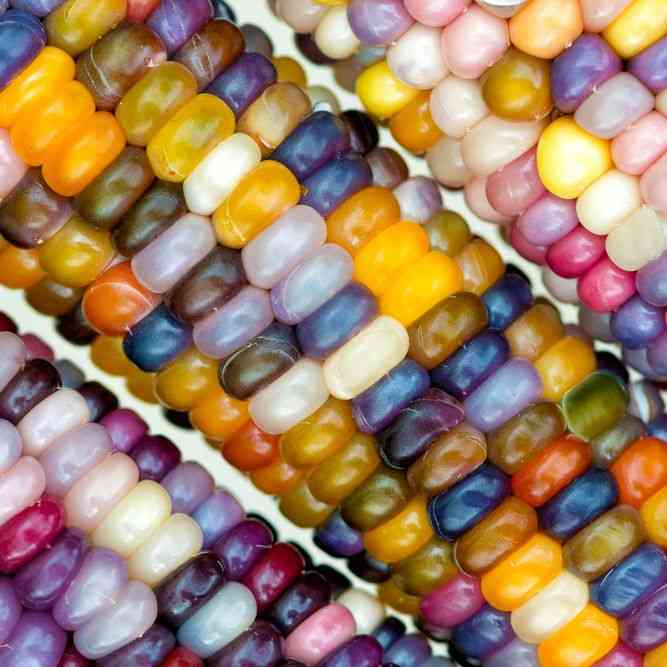
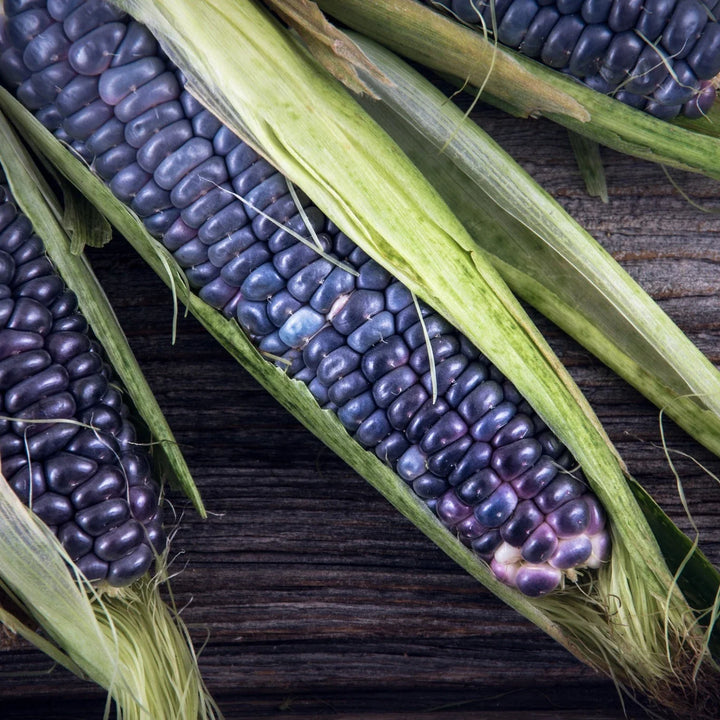
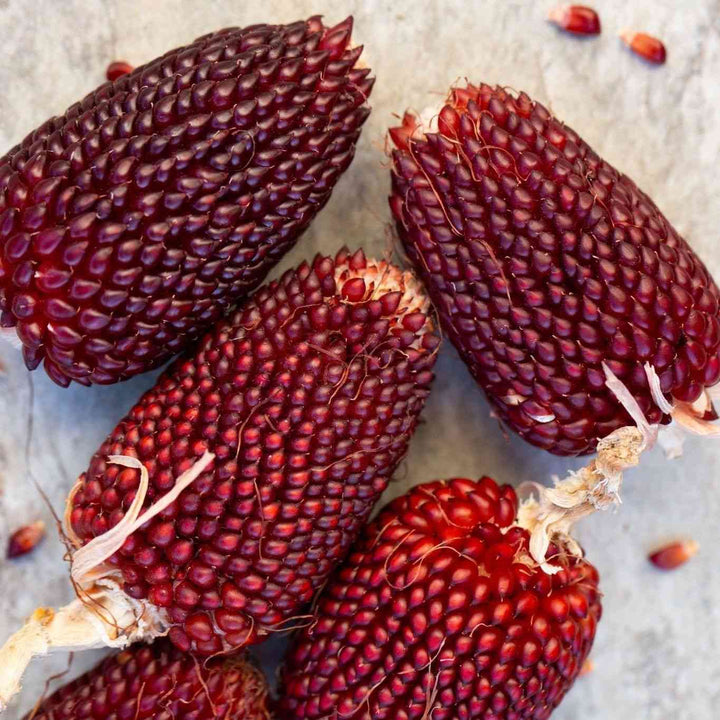
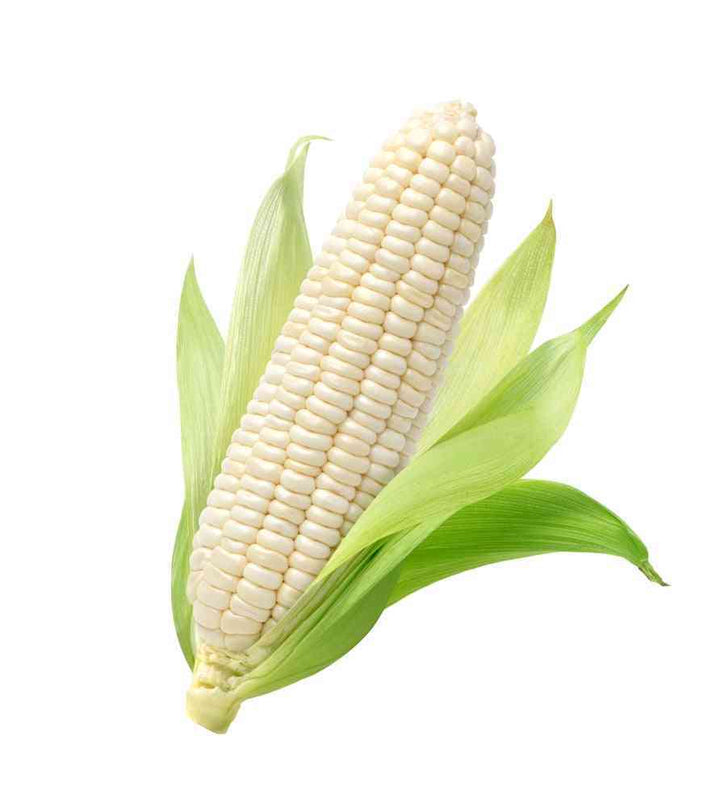
Rainbow Multicolors Flint corn turns the harvest into a patchwork of red, orange, yellow, blue, purple and creamy kernels.
Open the complete descriptionHide the complete descriptionVariety traits, flavor, garden use, and the complete description
Rainbow Multicolors Flint corn turns the harvest into a patchwork of red, orange, yellow, blue, purple and creamy kernels. Each ear has its own pattern, making the dried cobs especially useful in autumn displays and handmade decorations. The firm grain belongs to the flint group, valued for a hard outer layer rather than sweet-corn tenderness. Grow a block of plants for good pollination, then let the ears mature fully before bringing their colors indoors.
Minimum seeds per packet: 25 seeds.
A colorful flint harvest with every ear a little different.
Growing facts
- Botanical name: Zea mays
- Maturity or display: About 70 days to maturity; allow extra time for dry ears
- Mature size: Plants about 6-7 ft tall; multicolored ears
- Spacing: 12 in between plants; rows 36 in
About the variety
Flint corn takes its name from the hard outer layer of the kernel. Rainbow Multicolors carries that grain tradition into ornamental gardening, with mixed kernel colors selected for attractive dried ears. Maize itself was domesticated by Indigenous peoples in Mexico.
Starting seed
Sow 1.5 in. deep after frost in soil at least 65 F. Sprouts in 7-10 days. Thin to 12 in.; rows 36 in. Plant four or more short rows; water well through silking.
Care through the season
Choose fertile, well-drained soil in full sun. Plant several adjacent short rows to keep windblown pollen within the crop. Control weeds while plants are young and maintain moisture through tasseling, silking and kernel fill. Feed according to a soil test; do not remove healthy side shoots simply because they appear.
Harvest and use
For displays, wait for brown husks and hard kernels. Peel husks back and finish drying in an airy place. Isolate other corn for seed; save from many plants.
Saving seed
Corn readily crosses through windblown pollen. Separate varieties by adequate distance or by flowering periods that do not overlap; nearby large fields can overwhelm a small planting. Keep seed from many healthy, representative plants rather than one favorite ear to maintain diversity. Let seed ears become fully mature and dry, finish drying under cover, and label the cleaned seed with variety and year.
Common problems
Poor pollination or moisture stress can leave gaps in the ears. Watch for cutworms, corn earworms and stalk damage, and protect ripening ears from birds and wildlife. Rotate planting sites, keep the crop evenly watered, and dry harvested ears with good airflow to prevent mold.
Frequently asked questions
When is it ready?
About 70 days to maturity; allow extra time for dry ears.
Why plant in a block?
Wind carries pollen from tassels to the silks. Several short rows together give more complete kernel set than an isolated long row.
Can I save seed?
Corn readily crosses through windblown pollen. Separate varieties by adequate distance or by flowering periods that do not overlap; nearby large fields can overwhelm a small planting. Keep seed from many healthy, representative plants rather than one favorite ear to maintain diversity. Let seed ears become fully mature and dry, finish drying under cover, and label the cleaned seed with variety and year.