Seeds: When properly stored, planted, and cared for, we guarantee reasonable germination and true-to-type growth for one year from purchase.
Non-seed products: Free from defects in materials and workmanship for 30 days from shipment.
Excludes factors outside our control (extreme weather, pests, gardener error). If something’s off, contact us—we’ll make it right with a replacement, repair, or refund.
USDA “bioengineered (BE)” foods are those with detectable genetic material that was modified using in vitro recombinant DNA (rDNA) techniques, in ways
not obtainable through conventional breeding or found in nature. The USDA’s National Bioengineered Food Disclosure Standard uses “bioengineered” as the nationwide labeling term.
Detectable modified genetic material in the final food
Created via in vitro rDNA techniques (e.g., gene transfer)
Modifications not achievable through conventional breeding or nature
—seeds / pkt
( ~ g )
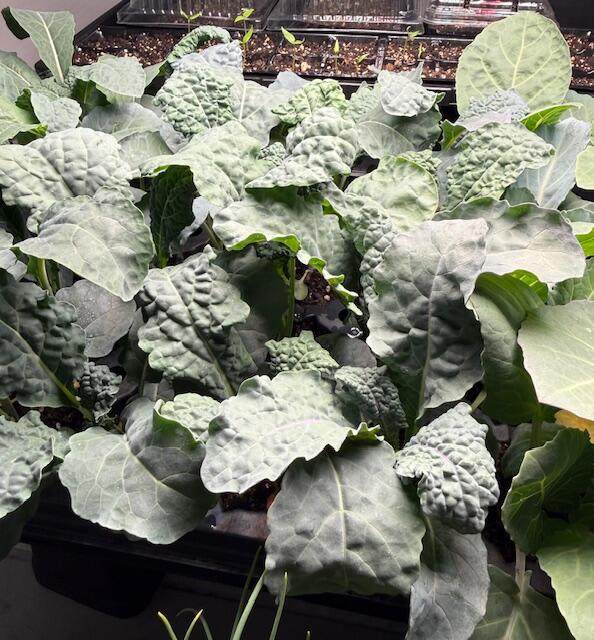
The kale of the Renaissance garden. ‘Black Magic’—a refined selection of traditional Lacinato kale—produces long, deeply savoyed leaves of dark blue-green color, almost black in cool weather. The texture is tender yet sturdy, perfect for soups, sautés, and kale chips.
Plants reach 2–3 feet tall and tolerate both heat and frost, growing sweeter as temperatures drop. Highly ornamental, with upright, stately form.
A descendant of the ancient Tuscan kale, this variety embodies flavor and resilience—a dark, dramatic beauty for both plate and garden.
Perfect germination. They are strong healthy plants waiting on me to get them in the ground.
K
Kathleen Clear (United States)
Long time to start and didn’t get very much
Hey Kathleen! Sorry you're having trouble with germination. Could you please email [email protected] and let us know specifically how you went about that process so we can work towards a solution?
Black Magic kale can be grown successfully through both direct sowing and transplanting, but each method requires attention to timing, soil conditions, and careful handling to ensure strong establishment. This variety performs best when started in conditions that support steady early growth, as stress during the seedling stage can impact long-term vigor and productivity.
For direct sowing, plant seeds once soil temperatures are consistently at or above 45°F, with optimal germination occurring between 50–70°F. Sow seeds approximately 1/4 inch deep into finely prepared soil that is loose, well-drained, and free of large clumps. Space seeds about 2–3 inches apart initially, as they will be thinned later to proper spacing. Rows should be spaced 18–24 inches apart to allow for airflow and mature plant development. After sowing, water gently but thoroughly to ensure good seed-to-soil contact, and keep the soil consistently moist during germination, which typically occurs within 7–14 days.
Once seedlings emerge, thinning is essential. Thin plants to about 12–18 inches apart once they have developed a few true leaves. This step is critical for preventing overcrowding, which can lead to poor airflow, increased disease risk, and reduced leaf size. Thinning should be done carefully to avoid disturbing the roots of the remaining plants. The removed seedlings can often be used as edible baby greens.
Transplanting is a highly effective method, especially for extending the growing season or gaining an early start. Seeds can be started indoors 4–6 weeks before the intended transplant date. Use a fine, well-draining seed-starting mix and sow seeds about 1/4 inch deep. Keep the growing medium evenly moist and provide adequate light immediately after germination to prevent leggy growth. Strong, compact seedlings are the goal before transplanting.
Before moving seedlings outdoors, they must be hardened off gradually over 7–10 days. This involves exposing them to outdoor conditions in increasing increments, starting with partial shade and mild temperatures and slowly introducing full sun and wind. This process reduces transplant shock and prepares plants for outdoor conditions.
Transplant seedlings when they are sturdy, typically 3–5 inches tall, and have developed several true leaves. Space transplants 12–18 inches apart in rows spaced 18–24 inches apart. Plant at the same depth they were growing in their containers, and firm the soil gently around the base to eliminate air pockets. Water immediately after transplanting to help roots establish quickly.
Transplanting should ideally be done on a cloudy day or in the late afternoon to reduce stress from direct sunlight. Providing temporary shade for a day or two after transplanting can further help seedlings adjust. Keep soil consistently moist during the establishment period, but avoid overwatering, as young roots are still developing.
Whether direct sown or transplanted, early-stage care is critical. Keep the area free of weeds, as young kale plants are not highly competitive. Protect seedlings from pests such as flea beetles and cutworms, which can cause significant damage at this stage. Row covers can be especially useful during early growth to create a protective barrier.
Overall, successful sowing and transplanting of Black Magic kale depend on stable temperatures, proper spacing, careful handling, and consistent moisture. Strong early establishment sets the foundation for a long, productive harvest cycle.
Black Magic kale is a highly adaptable, cool-season leafy green that thrives when grown under steady, balanced conditions. Once established, it develops an upright, central stem with elongated, textured leaves that can be harvested continuously over an extended period. Unlike crops grown for a single harvest, this kale performs best when managed for ongoing production, where environmental stability, consistent nutrition, and regular harvesting all play a role in maximizing yield and quality.
Moisture management is one of the most important factors in producing tender, high-quality leaves. Black Magic kale prefers evenly moist soil that is never allowed to fully dry out but also drains well enough to prevent root stress. Fluctuations in moisture—especially cycles of drought followed by heavy watering—can result in tougher, more fibrous leaves and reduced growth. Deep, consistent watering encourages strong root systems, while mulching helps retain soil moisture, regulate temperature, and reduce weed pressure. Maintaining this stability is key to keeping plants actively producing.
Temperature plays a major role in both growth rate and flavor. This variety performs best in cool to moderate conditions, where leaf development is steady and quality remains high. As temperatures drop, especially with light frost, the plant naturally increases sugar concentration in its leaves, improving flavor. In contrast, prolonged heat can slow growth, increase bitterness, and make leaves tougher. In warmer climates, providing partial shade—particularly in the afternoon—can help reduce stress and extend the productive window.
Nutrient availability directly impacts leaf production. Kale is a moderate to heavy feeder, especially when harvested repeatedly. Soil enriched with compost provides a steady nutrient base, but additional feeding may be needed to sustain long-term growth. Rather than heavy, infrequent fertilization, consistent and balanced nutrient availability supports continuous leaf development. Excess nitrogen can lead to overly lush growth that may attract pests or reduce flavor intensity, so maintaining balance is important.
Plant management techniques significantly influence productivity. Regular harvesting is essential—not only for yield but also for plant health. Removing older, outer leaves encourages new growth from the center and prevents the plant from becoming overgrown or stressed. This also improves airflow, reducing the likelihood of disease. Keeping plants spaced properly and free of surrounding weeds ensures they receive adequate light, nutrients, and air circulation.
Black Magic kale does not require structural support, but as it matures, it may develop a taller central stem. In some cases, gently mounding soil around the base can help stabilize the plant. Minimizing disturbance to the root zone once established is important, as kale responds best to stable conditions. While flowering is not desired for leaf production, plants that overwinter may eventually bolt in their second year, producing flowers that attract beneficial insects. At that stage, leaf quality declines, so harvesting is typically completed before bolting progresses.
Pest and disease pressure can be minimized through strong cultural practices. Maintaining consistent spacing, avoiding overhead watering late in the day, and removing damaged or diseased leaves all contribute to healthier plants. Crop rotation is also important—avoid planting kale or other brassicas in the same location repeatedly, as this can lead to buildup of soil-borne issues.
Black Magic kale is particularly well-suited to extended harvest systems. With proper care, a single planting can produce for months, especially when grown through cooler seasons. In mild climates, it may even overwinter and resume production in early spring. Succession planting can further extend availability, ensuring a continuous supply of leaves at optimal quality.
Overall, success with Black Magic kale comes from maintaining consistency—steady moisture, moderate temperatures, balanced nutrition, and regular harvesting. When these conditions are met, the plant remains productive, resilient, and capable of delivering high-quality leaves over a long growing period.
Black Magic kale rewards growers who focus on consistency, timing, and strategic harvesting rather than reactive fixes. One of the most effective techniques is managing the plant as a long-term production crop. Instead of allowing plants to reach full size before harvesting heavily, begin cutting outer leaves early and continue harvesting regularly. This keeps the plant in a continuous growth cycle, prevents stress buildup, and significantly extends the harvest window. Frequent, moderate harvesting produces more total yield over time than infrequent, heavy cutting.
Temperature timing is one of the most powerful tools for improving quality. Kale flavor is directly influenced by environmental conditions—cool temperatures enhance sweetness, while heat increases bitterness and toughness. Plan your main production window for fall or early spring when possible. In warmer regions, use shade cloth or plant in areas that receive afternoon shade to reduce heat stress. Even small reductions in temperature can noticeably improve leaf texture and flavor.
Water management should be steady and deliberate. Kale prefers consistent moisture, but the method matters—deep, even watering encourages strong root systems and steady growth. Avoid shallow, frequent watering that keeps roots near the surface. Mulching is highly beneficial, helping maintain moisture levels, reduce soil temperature fluctuations, and suppress weeds. Inconsistent watering is one of the main causes of tough or slow-growing leaves, so stability is key.
Leaf management is often overlooked but highly impactful. Regularly remove older, lower leaves not just for harvest, but to maintain plant health. These older leaves are more prone to pests and disease and can reduce airflow around the plant. Keeping the lower portion of the stem clean improves circulation and directs energy toward new growth. If plants become tall or top-heavy, lightly mounding soil around the base can help stabilize them.
Succession planting is essential for continuous supply. Rather than planting all at once, stagger plantings every few weeks during the growing season. This ensures that you always have plants at different stages of maturity, preventing gaps in harvest and avoiding situations where all plants become overmature at the same time. In mild climates, this approach can support nearly year-round production.
Pest prevention is far more effective than pest control after infestation. Use floating row covers early in the season to block cabbage moths and flea beetles before they establish. Inspect plants regularly, especially the undersides of leaves, where pests often hide. Interplanting with herbs or flowers that attract beneficial insects can help create a natural balance, reducing the need for intervention.
Another advanced technique is strategic end-of-season management. If plants are still healthy as temperatures drop, you can cut them back more aggressively to encourage a final flush of tender growth. In some regions, Black Magic kale can overwinter and produce again in early spring, giving you an early-season harvest before most crops are ready. Protecting plants with light coverings can improve survival in colder areas.
For long-term garden health, rotate kale with non-brassica crops each season to prevent buildup of pests and soil-borne diseases. Incorporating compost between plantings maintains soil structure and fertility, supporting consistent performance year after year.
Attention to these details—timing, moisture, harvesting rhythm, and preventative care—turns Black Magic kale from a simple leafy green into a highly productive, long-season crop with consistently high-quality leaves.
Black Magic kale, a refined Lacinato-type variety, is a vigorous and resilient crop, but like all brassicas, it is highly attractive to a wide range of pests and susceptible to several environmental and disease-related issues. Because the harvested portion is the leaf, even minor damage can directly reduce quality, making proactive management essential. The most persistent challenges include caterpillar pests, sap-sucking insects, soil-borne issues, fungal diseases, and stress-related growth problems. A strong focus on prevention, early detection, and consistent cultural practices is the key to maintaining healthy, productive plants.
Caterpillar pests are the most common and destructive issue. Cabbage worms, cabbage loopers, and imported cabbage moth larvae feed aggressively on leaves, creating irregular holes and leaving behind green frass (droppings). These pests can rapidly skeletonize foliage if not controlled. Regular inspection—especially on the undersides of leaves—is critical. Hand-picking is effective for small infestations, while floating row covers can prevent adult moths from laying eggs. Bacillus thuringiensis (Bt) is a highly effective organic treatment when applied early, targeting caterpillars without harming beneficial insects.
Aphids are another frequent problem, particularly in cooler or humid conditions. They cluster densely on stems and the undersides of leaves, sucking plant sap and causing curling, yellowing, and sticky honeydew buildup. This residue can lead to sooty mold, further reducing photosynthesis. Strong water sprays can dislodge aphids, while insecticidal soap or neem oil can help control persistent populations. Encouraging beneficial insects such as lady beetles and lacewings provides natural, ongoing control.
Flea beetles can be especially damaging during the seedling stage, creating numerous tiny holes that give leaves a “shot-hole” appearance. While mature plants can tolerate some damage, young plants may become stunted. Row covers during early growth are one of the most effective preventative measures. Similarly, cutworms may attack seedlings at the soil line, severing them completely. Using collars around young plants and maintaining clean garden beds helps reduce this risk.
Fungal and bacterial diseases can develop under conditions of poor airflow, excess moisture, or overcrowding. Downy mildew and powdery mildew may appear as pale or white coatings on leaves, reducing vigor and yield. Black rot, a serious bacterial disease in brassicas, causes yellowing that spreads inward from leaf edges in a characteristic V-shape. Leaf spot diseases can also occur, leading to dark lesions and eventual leaf decline. Prevention is critical: ensure proper spacing, water at the base rather than overhead, and avoid working with plants when wet. Remove and dispose of infected leaves promptly to limit spread.
Soil-related issues can also impact Black Magic kale. Poor drainage can lead to root rot and reduced nutrient uptake, while compacted soil restricts root development. Clubroot, a soil-borne disease affecting brassicas, can cause swollen, deformed roots and severely stunted growth. Crop rotation is essential to prevent buildup of soil-borne pathogens—avoid planting kale or other brassicas in the same location for multiple seasons. Maintaining slightly acidic to neutral soil and good drainage helps reduce disease risk.
Environmental stress plays a major role in plant performance. Although Black Magic kale is highly cold-hardy and improves in flavor after frost, excessive heat can cause leaves to become tough, bitter, and more susceptible to pests. Inconsistent watering can also stress plants, leading to slowed growth and reduced leaf quality. Maintaining even moisture and using mulch to regulate soil temperature can significantly improve resilience.
Nutrient imbalances can further contribute to problems. Kale requires steady access to nutrients, particularly nitrogen for leaf production, but excessive fertilization can lead to overly lush growth that attracts pests. Deficiencies may show as yellowing or poor vigor. Balanced soil fertility supported by compost and moderate feeding is ideal.
To minimize issues, integrate preventative strategies: rotate crops, use row covers during vulnerable stages, maintain consistent spacing, and monitor plants regularly. Remove plant debris at the end of the season to reduce overwintering pests and diseases. With attentive care and early intervention, Black Magic kale can produce abundant, high-quality leaves with minimal damage throughout an extended growing season.
Q: What makes Black Magic kale different from other kale varieties?
A: Black Magic kale is a refined Lacinato-type (Tuscan/dinosaur) kale bred for improved uniformity, deeper color, and better leaf quality. Compared to standard Lacinato, it typically has darker, more intensely blue-green leaves, smoother texture, and more consistent growth. It also shows strong cold tolerance and slower bolting, making it more reliable across seasons. Many growers consider it a “premium” kale due to its appearance and eating quality.
Q: How long does Black Magic kale take to mature?
A: Black Magic kale generally reaches full harvest maturity in about 60–80 days, though leaves can be harvested much earlier at baby stages. The plant continues producing over an extended period if harvested correctly. Environmental conditions such as temperature, soil fertility, and moisture can shift the timeline slightly. Regular harvesting encourages faster regrowth and prolonged productivity.
Q: Is Black Magic kale a cut-and-come-again crop?
A: Yes, it is highly productive when harvested this way. Removing the outer leaves while leaving the central growing point intact allows the plant to continue producing new leaves for months. This method maximizes yield from a single plant. Consistent harvesting also improves leaf tenderness and quality.
Q: Does Black Magic kale taste different from other kales?
A: It is generally milder, slightly sweeter, and less bitter than curly kale, especially when grown in cool conditions. The leaves are more tender and have a smoother texture, making them suitable for both raw and cooked uses. Flavor improves significantly after exposure to frost. Heat, however, can increase bitterness and toughness.
Q: Can Black Magic kale survive frost and cold weather?
A: Yes, it is highly cold-hardy and can tolerate frost and even light freezes. In fact, cold exposure enhances flavor by increasing sugar content in the leaves. In some climates, it can overwinter and produce again in early spring. Protection may be needed in extreme cold conditions.
Q: Why are my kale leaves tough or bitter?
A: This is usually due to heat stress, inconsistent watering, or delayed harvesting. Kale grown in high temperatures tends to become more fibrous and bitter. Regular watering and harvesting at the right stage help maintain tenderness. Growing during cooler seasons produces the best flavor.
Q: Can Black Magic kale be grown in containers?
A: Yes, it grows well in containers if given enough space and nutrients. Use a deep container with good drainage and nutrient-rich soil. Container plants require more frequent watering and feeding than in-ground plants. This is a good option for small gardens or urban spaces.
Q: Does Black Magic kale need full sun?
A: It performs best in full sun during cool weather but can benefit from partial shade in warmer climates. Too much heat and intense sun can stress the plant and reduce leaf quality. Adjusting light exposure based on season helps maintain optimal growth. Balanced light conditions improve both yield and flavor.
Q: How often should I water Black Magic kale?
A: Keep the soil consistently moist but not waterlogged. Deep watering is more effective than frequent shallow watering. Inconsistent moisture can lead to stress and reduced leaf quality. Mulching helps maintain stable moisture levels.
Q: Does Black Magic kale need fertilizer?
A: Kale benefits from nutrient-rich soil, especially for continuous leaf production. Compost or balanced feeding supports steady growth. Excess nitrogen can lead to overly lush leaves that may attract pests. Moderate, consistent feeding is ideal.
Q: When should I harvest Black Magic kale?
A: Harvest outer leaves when they reach a usable size, typically starting when plants are well established. Younger leaves are more tender, while mature leaves are slightly more robust. Regular harvesting keeps plants productive. Avoid waiting too long, as older leaves become tougher.
Q: Will Black Magic kale bolt, and how can I prevent it?
A: Yes, as a biennial, it will eventually bolt, especially in warm temperatures or long daylight conditions. Bolting causes the plant to send up a flower stalk and reduces leaf quality. Growing in cooler seasons and maintaining consistent moisture helps delay this process. Once bolting begins, leaf production declines.
Q: Can I save seeds from Black Magic kale?
A: Yes, it is an open-pollinated variety, but seed saving requires allowing plants to overwinter and flower in their second year. Kale can cross-pollinate with other brassicas, so isolation is needed for purity. Seed production takes space and time. Most growers focus on leaf production rather than seed saving.
Q: Is Black Magic kale beginner-friendly?
A: Yes, it is considered one of the more forgiving leafy greens. Its cold tolerance and extended harvest window make it easier to manage than many crops. Success mainly depends on consistent watering, spacing, and pest monitoring. With basic care, it produces reliable yields.
Q: How do I keep my kale producing longer?
A: Harvest regularly, maintain consistent moisture, and grow during cooler conditions. Removing older leaves and preventing stress helps extend production. Succession planting can ensure continuous harvests. With proper care, a single planting can produce for several months.
Black Magic kale (Brassica oleracea var. palmifolia) is part of a deeply rooted agricultural lineage that traces back thousands of years to the wild coastal brassicas of Europe. Its ancestry begins with Brassica oleracea, a highly adaptable species native to the rocky, wind-swept shorelines of the Mediterranean and parts of Western Europe. These wild plants were naturally tolerant of poor soils, salt exposure, and harsh environmental conditions, traits that made them ideal candidates for early domestication. Over generations, farmers selectively bred these wild plants for specific characteristics, giving rise to a remarkably diverse group of crops that includes cabbage, broccoli, cauliflower, Brussels sprouts, and kale—all from the same species.
Kale is considered one of the oldest cultivated forms of Brassica oleracea, predating the development of heading cabbage. Early farmers selected for open, leafy growth rather than compact heads, resulting in plants that could be harvested continuously. This made kale especially valuable in early agricultural systems, where consistent food supply was critical. Its ability to tolerate cold and produce over long periods established it as a staple crop across Europe, particularly in northern and central regions where growing seasons were shorter and harsher.
The specific lineage of Lacinato-type kales, to which Black Magic belongs, was further refined in Italy, particularly in the Tuscany region. Known traditionally as “cavolo nero” (black cabbage), these kales were selected for their elongated, deeply textured leaves, darker coloration, and improved tenderness. They became integral to regional cuisine, especially in traditional dishes like ribollita, where their structure and flavor held up well in slow-cooked preparations. Over time, these Italian selections became distinct from other kale types due to their unique combination of flavor, texture, and growth habit.
Black Magic kale represents a modern refinement of this traditional Lacinato lineage. Developed through careful selection and breeding, it was designed to improve upon classic Tuscan kale by enhancing uniformity, leaf quality, and field performance. Breeders focused on traits such as deeper blue-green coloration, smoother and more consistent leaf shape, improved cold tolerance, and slower bolting. While maintaining the essential characteristics of traditional Lacinato kale, Black Magic offers greater reliability and adaptability for both home gardeners and commercial growers.
Unlike hybrid varieties, Black Magic kale is open-pollinated, meaning it can be saved and replanted while maintaining its core characteristics when properly isolated. This places it within a long tradition of seed stewardship, where growers play a role in maintaining and adapting varieties over time. Its development reflects a blend of historical preservation and modern agricultural improvement, bridging traditional European cultivation with contemporary growing needs.
Culturally, kale has experienced a resurgence in recent decades, shifting from a subsistence crop to a widely recognized nutrient-dense “superfood.” Black Magic kale, with its striking appearance and superior eating quality, has become a standout among modern varieties. It is widely used in both home gardens and market production, valued for its combination of visual appeal, resilience, and culinary versatility.
At its core, Black Magic kale embodies the evolution of one of humanity’s oldest cultivated plant species. It carries forward the legacy of ancient coastal plants, centuries of European farming tradition, and modern breeding efforts aimed at improving consistency and performance—making it both historically significant and highly relevant in today’s food systems.
Saving seeds from Black Magic kale is a long-term, multi-season process that requires planning, space, and careful attention to plant selection and isolation. Unlike annual crops, kale is a biennial, meaning it completes its life cycle over two growing seasons. In the first year, it produces leaves; in the second year, after exposure to cold (vernalization), it shifts into its reproductive phase, sending up flower stalks and eventually producing seeds. Successful seed saving depends on carrying healthy plants through this full cycle and managing cross-pollination.
The process begins during the first growing season with plant selection. Choose only the healthiest, most vigorous plants for seed production. Look for traits such as strong upright growth, deep coloration, resistance to pests and disease, and desirable leaf texture and flavor. Avoid selecting plants that bolt early, show signs of disease, or produce weak growth. Mark selected plants clearly so they are not harvested heavily or removed. These plants will be maintained specifically for seed production rather than leaf yield.
As the growing season ends, selected plants must be prepared for overwintering. In regions with mild winters, kale can often remain in the ground with minimal protection. In colder climates, additional measures are needed to ensure survival. This may include heavy mulching around the base, using row covers, or even digging up plants and storing them in a protected environment such as a cold frame or unheated greenhouse. The goal is to expose plants to cold temperatures without allowing them to be killed by extreme freezes. This cold period is necessary to trigger flowering in the second year.
In the second growing season, overwintered plants will resume growth and eventually send up tall flower stalks. These stalks can reach several feet in height and will produce clusters of small yellow flowers typical of brassicas. During this stage, plants require space, airflow, and continued care, as they become much larger and more structurally complex than in their first year. Staking may be helpful to prevent lodging, especially in windy conditions.
Pollination is a critical consideration at this stage. Kale is insect-pollinated and highly prone to cross-pollination with other members of the Brassica oleracea species, including cabbage, broccoli, cauliflower, and other kales. To maintain varietal purity, isolation is essential. Ideally, seed crops should be separated by at least 1/2 mile from other flowering brassicas. For smaller-scale growers, physical barriers or timing isolation may reduce crossing, but complete isolation is difficult without distance. Without proper isolation, saved seeds may produce plants with mixed or undesirable traits.
After pollination, seed pods (called siliques) begin to form along the flower stalks. These pods develop gradually and will eventually mature, dry, and turn from green to tan or brown. As they dry, they become brittle and can split open easily, releasing seeds. Timing the harvest is important—pods should be collected when they are fully mature but before they shatter and drop seeds. This often requires multiple harvests, as pods do not all mature at the same time.
To harvest, cut entire seed stalks or individual branches and place them in a dry, well-ventilated area to finish drying. Hanging stalks upside down or placing them on screens works well. It is important to allow thorough drying to prevent mold and ensure seed viability. Once fully dry, pods can be crushed by hand or gently threshed to release the seeds. Winnowing or screening can then be used to separate seeds from chaff and debris.
After cleaning, inspect seeds carefully. Healthy kale seeds are small, round, and dark, with a firm texture. Discard any seeds that are shriveled, discolored, or damaged. Properly dried seeds should not bend or dent under pressure. Ensuring complete dryness before storage is critical for long-term viability.
Store seeds in airtight containers in a cool, dark, and dry environment. Label clearly with the variety and year of harvest. Under good storage conditions, kale seeds can remain viable for 3–5 years. Maintaining low humidity and stable temperatures is key—excess moisture or heat will reduce germination rates over time.
For growers interested in improving their strain, seed saving also becomes a process of ongoing selection. By consistently choosing seeds from the best-performing plants each cycle, you can gradually adapt the variety to your local climate and growing conditions. Over time, this can enhance traits such as cold tolerance, pest resistance, and leaf quality.
Seed saving with Black Magic kale requires more effort than annual crops, but it provides a deeper level of control, resilience, and connection to the growing process.
Black Magic kale is a highly valued leafy green that combines exceptional culinary quality, strong nutritional density, and long-season productivity, making it one of the most versatile and functional crops in both home gardens and market production. Its dark, deeply textured leaves are prized for their tenderness and mild, slightly sweet flavor, especially when compared to more fibrous or bitter kale types. This makes it suitable for a wide range of culinary uses, from raw preparations to cooked dishes, without requiring extensive processing to improve texture.
In the kitchen, Black Magic kale is extremely adaptable. Young leaves can be harvested early and used fresh in salads, where their softer texture and balanced flavor stand out compared to traditional curly kale. As leaves mature, they become ideal for sautéing, steaming, braising, and adding to soups and stews. The structure of the leaves allows them to hold up well under heat without breaking down excessively, making them a reliable ingredient in slow-cooked dishes. They are also commonly used in smoothies, pestos, and baked preparations such as kale chips, offering flexibility across a wide range of recipes.
Nutritionally, Black Magic kale is considered one of the most nutrient-dense vegetables available. It is rich in vitamins A, C, and K, along with important minerals such as calcium, potassium, and iron. Its high antioxidant content supports overall health, while its fiber contributes to digestive function and satiety. This concentration of nutrients makes it a valuable staple in diets focused on whole foods, plant-based nutrition, and overall dietary balance. Regular consumption supports both daily nutrition and long-term health benefits.
From a production standpoint, one of the greatest benefits of Black Magic kale is its extended harvest window. Unlike single-harvest crops, it can be harvested continuously over months, providing a steady and reliable supply of greens. With proper care, a single planting can produce throughout an entire season and, in mild climates, even overwinter to produce again in early spring. This long productivity makes it highly efficient in terms of space and effort, especially for growers seeking consistent yields from limited planting areas.
Black Magic kale also offers strong resilience in the garden. It is highly cold-hardy and can tolerate frost, with flavor actually improving after exposure to cold temperatures. This allows it to extend the growing season beyond what many other crops can handle. Its adaptability to different growing conditions—combined with its ability to recover from regular harvesting—makes it a dependable choice for both beginner and experienced growers.
Ecologically, kale contributes to sustainable growing systems. Its dense foliage helps shade the soil, reducing moisture loss and suppressing weeds. When plant residues are returned to the soil after harvest, they add organic matter and support soil structure. While it is not a nitrogen-fixing crop, it fits well into crop rotation systems, helping maintain overall garden health when alternated with other plant families.
Another key benefit is its role in food security and seasonal eating. Kale provides a reliable source of fresh greens during cooler months when other crops may be limited. Its ability to be harvested over a long period reduces the need for frequent replanting and ensures a steady food supply. For growers focused on self-sufficiency, this consistency is especially valuable.
In addition to its practical benefits, Black Magic kale also has strong visual appeal. Its dark, almost blue-green leaves and upright growth habit make it an attractive addition to garden beds, blending ornamental and edible value. This makes it suitable not only for production gardens but also for integrated landscape designs.
Overall, Black Magic kale stands out as a high-value crop that combines flavor, nutrition, resilience, and productivity. Its ability to deliver consistent harvests, adapt to varying conditions, and serve multiple culinary purposes makes it one of the most useful and rewarding leafy greens to grow.
Shipped from U.S.A.
Our seeds are grown and sourced from the US. They're then packed and shipped from Colerain NC.
Triple tested
We regularly test the quality and germination rate of our seeds. We're so confident that our seeds are backed by a 1 year warranty!
Payment & Security
Payment methods
Your payment information is processed securely. We do not store credit card details nor have access to your credit card information.
Join Our Newsletter for Exclusive Savings!
Sign up for our newsletter to get a 30% discount code sent straight to your inbox. If it doesn’t appear right away, please check your inbox settings, and if you still need help, we’re here to assist!
Alliance Of Native Seedkeepers
Kale Seeds - Black Magic
$200 USD
Unit price
The kale of the Renaissance garden. ‘Black Magic’—a refined selection of traditional Lacinato kale—produces long, deeply savoyed leaves of dark blue-green color, almost black in cool weather. The texture is tender yet sturdy, perfect for soups, sautés, and kale chips.
Plants reach 2–3 feet tall and tolerate both heat and frost, growing sweeter as temperatures drop. Highly ornamental, with upright, stately form.
A descendant of the ancient Tuscan kale, this variety embodies flavor and resilience—a dark, dramatic beauty for both plate and garden.
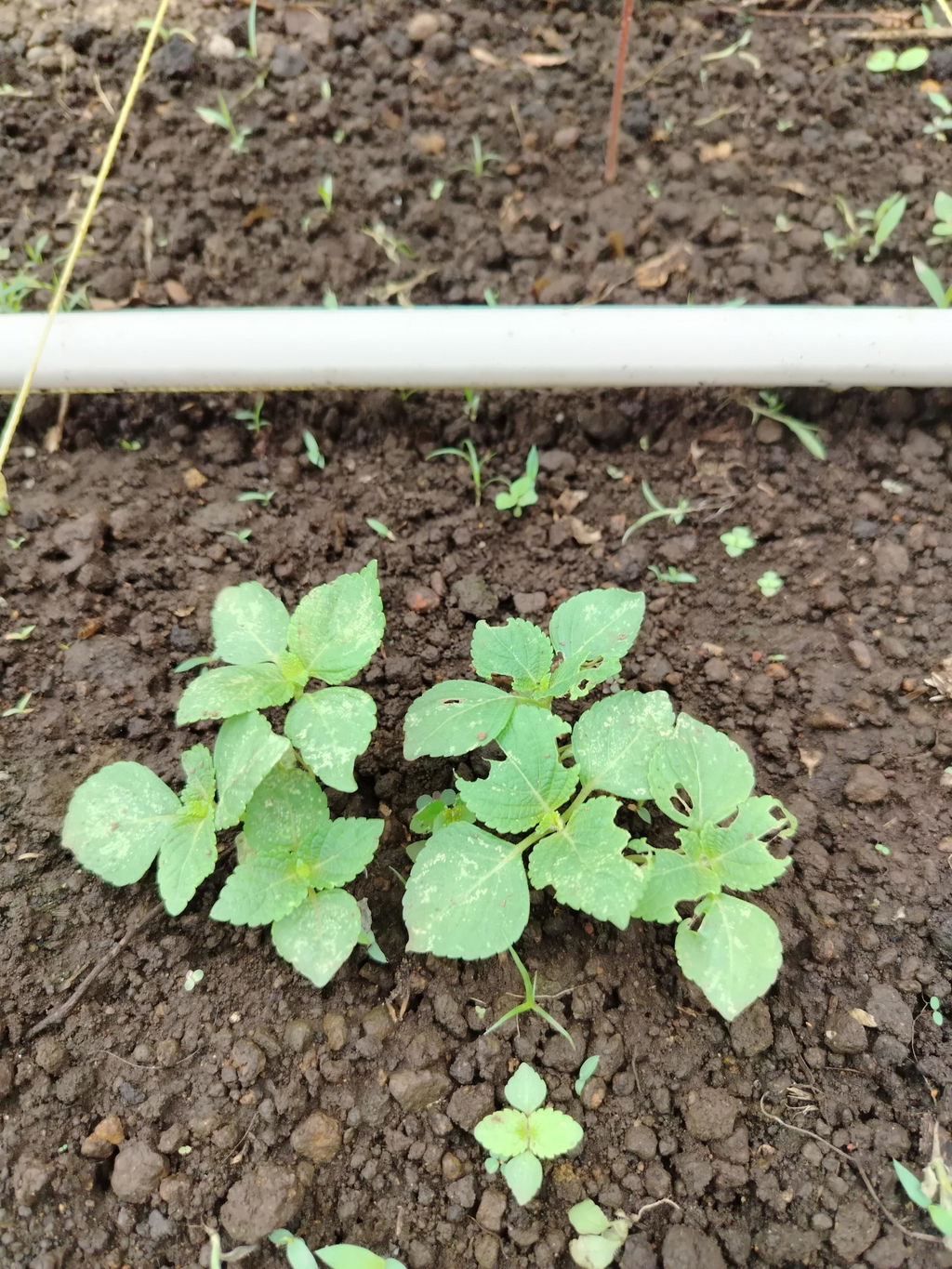
Todas mis semillas germinaron y mis plantas se van desarrollando bien. Pronto podré disfrutar de deliciosos platillos
¡Qué alegría saber que tus semillas germinaron y que tus plantas crecen bien, Hector! Esperamos que disfrutes mucho de tus deliciosos platillos con nuestras semillas. Gracias por compartir tu experiencia.