Seeds: When properly stored, planted, and cared for, we guarantee reasonable germination and true-to-type growth for one year from purchase.
Non-seed products: Free from defects in materials and workmanship for 30 days from shipment.
Excludes factors outside our control (extreme weather, pests, gardener error). If something’s off, contact us—we’ll make it right with a replacement, repair, or refund.
USDA “bioengineered (BE)” foods are those with detectable genetic material that was modified using in vitro recombinant DNA (rDNA) techniques, in ways
not obtainable through conventional breeding or found in nature. The USDA’s National Bioengineered Food Disclosure Standard uses “bioengineered” as the nationwide labeling term.
Detectable modified genetic material in the final food
Created via in vitro rDNA techniques (e.g., gene transfer)
Modifications not achievable through conventional breeding or nature
—seeds / pkt
( ~ g )
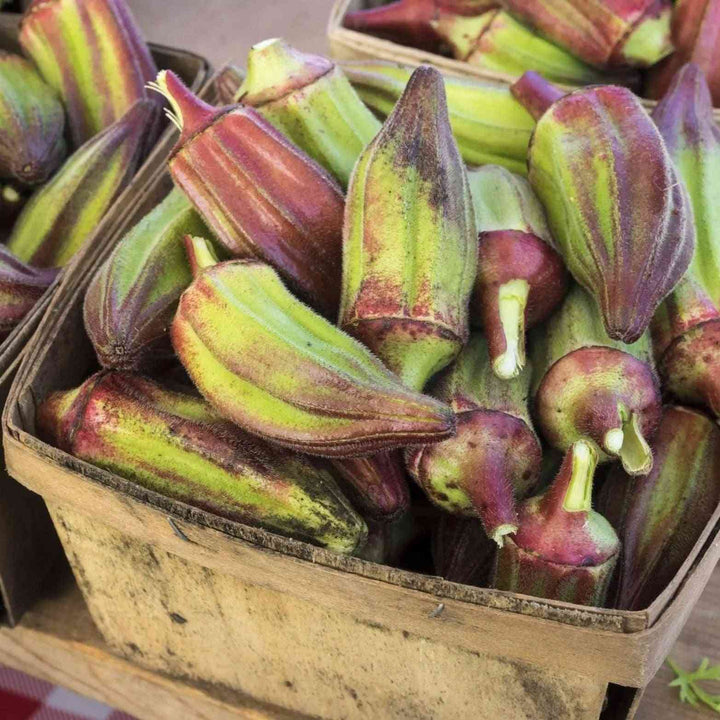
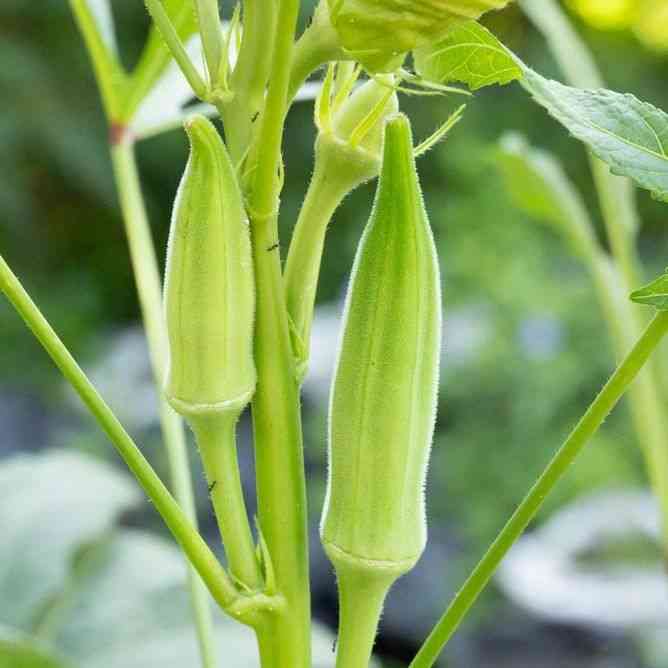
Roselle Seeds - Asian Sour Leaf is a fast-growing, heat-loving hibiscus variety prized for its tangy, lemony leaves and vibrant red calyces. Widely used in Asian, African, and Caribbean cuisines, this versatile plant produces abundant edible foliage perfect for soups, stews, and fresh greens, while later developing striking red pods commonly used for teas, juices, and preserves. Its bold flavor, high productivity, and dual-purpose harvest make it both a culinary staple and a visually striking addition to gardens, thriving especially well in warm climates with long growing seasons.
How to sow and plant Roselle: plant in prepared, well-drained soil after the recommended seasonal window for your area. Keep the seedbed evenly moist during germination, thin seedlings to the listed spacing, and mulch established plants to conserve soil moisture.
How to grow Roselle: choose a site with the listed sunlight and soil requirements. Water consistently, avoid overcrowding, and monitor plants for pests, disease, and nutrient stress. Harvest at the proper stage for best flavor and seed quality.
Additional tips for Roselle: succession plant when appropriate, label varieties clearly, and keep good garden notes on germination, vigor, flavor, and harvest timing so you can compare varieties season to season.
Roselle Seeds - Asian Sour Leaf (Hibiscus sabdariffa) is a vigorous and resilient warm-season plant, but like many leafy and flowering crops, it can be affected by a range of pests, diseases, and environmental stressors—especially in hot, humid conditions where it thrives. Because both the leaves and calyces are harvested, maintaining overall plant health throughout its long growing cycle is essential.
Aphids are one of the most common pests affecting roselle. These small, sap-sucking insects cluster on tender new growth, stems, and the undersides of leaves. They weaken the plant by extracting nutrients, causing curling, yellowing, and stunted growth. Aphids also produce honeydew, which encourages the growth of sooty mold, reducing photosynthesis. Early infestations can be managed with strong water sprays, while more established populations may require insecticidal soap or neem oil. Encouraging beneficial insects such as lady beetles and lacewings is highly effective for long-term control.
Whiteflies are another frequent issue, particularly in warm climates. They feed similarly to aphids and can quickly multiply, especially in dense plantings. When disturbed, they appear as small white clouds around the plant. Like aphids, they excrete honeydew and contribute to mold development. Yellow sticky traps can help monitor populations, while neem oil and proper airflow reduce infestations.
Spider mites can become a serious problem during hot, dry periods. These tiny pests are often difficult to see but cause fine stippling on leaves, leading to yellowing and eventual leaf drop. Severe infestations may produce visible webbing. Maintaining consistent moisture, increasing humidity slightly, and rinsing plants regularly can help prevent outbreaks. Early detection is key, as populations can escalate rapidly.
Japanese beetles and other leaf-chewing insects may feed on roselle leaves, creating irregular holes and reducing overall plant vigor. While occasional damage is tolerable, heavy infestations can significantly reduce photosynthetic capacity. Handpicking and maintaining a healthy garden ecosystem are effective control methods.
Caterpillars can also feed on leaves and occasionally on developing buds. These pests can quickly defoliate sections of the plant if left unchecked. Regular inspection and manual removal are often sufficient for control, especially in smaller plantings.
Fungal diseases are a concern in humid environments. Leaf spot diseases may appear as dark or discolored patches on leaves, reducing both visual quality and plant health. These conditions are often caused by excess moisture and poor airflow. Proper spacing, pruning for airflow, and avoiding overhead watering are essential preventive measures.
Root rot can occur in poorly drained or waterlogged soils. Symptoms include wilting despite moist soil, yellowing leaves, and stunted growth. Roselle prefers well-drained soil, and maintaining proper drainage is critical. Overwatering should be avoided, especially in heavy soils.
Powdery mildew may appear in certain conditions, particularly when there is a combination of warm days and cooler, humid nights. It presents as a white, powdery coating on leaves and can reduce plant vigor. Good airflow and avoiding overcrowding help prevent this issue.
Nutrient imbalances can also affect roselle growth. Excess nitrogen can lead to lush, leafy growth with reduced calyx production, while deficiencies can result in weak plants and poor yield. Balanced fertility is important for maintaining both vegetative and reproductive development.
Environmental stress plays a major role in plant health. While roselle thrives in heat, extreme drought or inconsistent watering can lead to leaf drop and reduced productivity. Maintaining steady moisture supports continuous growth and healthy development.
Weed competition is especially important during early growth. Young roselle plants need access to nutrients and water to establish strong roots. Weeds can outcompete them quickly if not managed, leading to reduced vigor later in the season.
Another potential issue is delayed or reduced calyx production. This can be caused by excessive nitrogen, insufficient sunlight, or improper timing in the growing season. Ensuring full sun exposure and balanced nutrients helps promote flowering and calyx formation.
The most effective strategy for managing pests and problems in roselle is prevention through proper spacing, consistent watering, and regular monitoring. Because the plant grows vigorously, early intervention is highly effective—small issues can be corrected quickly before they impact overall productivity.
By maintaining healthy growing conditions, encouraging beneficial insects, and addressing problems early, growers can ensure strong, productive roselle plants that yield both abundant leaves and high-quality calyces.
What is Roselle and how is it different from other hibiscus plants?
Roselle (Hibiscus sabdariffa) is a specific type of hibiscus grown primarily for its edible leaves and fleshy red calyces, rather than just ornamental flowers. Unlike ornamental hibiscus varieties, roselle is cultivated as a food crop. Its leaves have a distinctly sour, tangy flavor, and its calyces are used to make teas, juices, jams, and sauces. This dual-purpose nature—both leafy green and fruiting plant—makes it uniquely valuable compared to other hibiscus types.
Can I eat both the leaves and the pods (calyces)?
Yes, both parts of the plant are edible and widely used in different cuisines. The young leaves are harvested early and used as a sour leafy green in soups, stews, and sautés. As the plant matures, it produces bright red calyces (often referred to as pods), which are harvested and used for teas, beverages, preserves, and flavoring. This makes roselle a highly productive crop with multiple harvest stages.
Why are the leaves sour, and how are they used in cooking?
The sourness comes from natural organic acids present in the leaves, similar to sorrel. This tangy flavor is highly valued in many traditional dishes, especially in Asian and African cuisines. The leaves are often cooked to balance their acidity, commonly added to soups, lentil dishes, or sautéed with spices. The sour flavor can also help enhance and balance rich or fatty foods.
How long does it take for roselle to produce harvestable leaves and calyces?
Roselle is a fast-growing plant when grown in warm conditions. Leaves can typically be harvested within a few weeks of establishment, allowing for early use as a leafy green. However, calyx production takes longer and depends on the plant reaching maturity and appropriate day-length conditions. This means it requires a longer growing season to produce its full yield.
Does roselle need a long growing season?
Yes, roselle performs best in warm climates with long growing seasons. It requires sustained heat and time to transition from vegetative growth (leaf production) to flowering and calyx formation. In shorter growing seasons, you may still harvest leaves successfully, but calyx production may be limited.
Can roselle be grown in containers?
Yes, roselle can be grown in containers, but it requires a sufficiently large pot to support its growth. The plant can become quite tall and bushy, so adequate space for root development is important. Container-grown plants may need more frequent watering and nutrient management due to limited soil volume.
Why is my roselle producing lots of leaves but no calyces?
This is a common issue and is usually related to environmental conditions or nutrient balance. Excess nitrogen can encourage leafy growth at the expense of flowering. Additionally, roselle is sensitive to day length, and if conditions are not suitable for flowering, the plant may continue producing leaves without forming calyces. Ensuring full sun and balanced nutrients helps encourage proper development.
Can I continuously harvest leaves without harming the plant?
Yes, but it should be done carefully. Light, regular harvesting of young leaves encourages continued growth. However, removing too much foliage at once can stress the plant and reduce its ability to produce calyces later. A balanced approach—harvesting moderately while allowing the plant to maintain sufficient leaf mass—is ideal.
How do I know when calyces are ready to harvest?
Calyces are ready when they are fully developed, fleshy, and vibrant in color but before they begin to dry out. Harvesting at the right stage ensures the best flavor and texture. If left too long, they can become tough and less desirable for culinary use.
Is roselle drought tolerant?
Roselle is relatively tolerant of warm conditions but performs best with consistent moisture. While it can withstand short dry periods, prolonged drought stress can reduce growth and yield. Maintaining steady moisture supports both leaf production and calyx development.
Does roselle attract beneficial insects?
Yes, roselle flowers attract pollinators such as bees, which are important for overall garden health. Additionally, allowing the plant to flower contributes to biodiversity and supports beneficial insect populations.
Can roselle be grown in cooler climates?
Roselle prefers warm temperatures and may struggle in cooler climates, especially if the growing season is short. In such areas, it can still be grown for its leaves, but achieving full calyx production may be challenging without extended warm conditions.
What are the main culinary uses of roselle calyces?
The calyces are most commonly used to make herbal teas, juices, syrups, and jams. They have a tart, cranberry-like flavor and are often sweetened or combined with other ingredients. In some cultures, they are also used in savory dishes or fermented beverages.
How should roselle be stored after harvest?
Leaves are best used fresh but can be refrigerated for short-term storage. Calyces can be used fresh or dried for longer storage. Drying is a common method for preserving them, especially for tea use. Proper drying and storage in airtight containers help maintain flavor and quality.
Is roselle suitable for beginner gardeners?
Yes, especially in warm climates. It is a vigorous and forgiving plant once established. Its rapid growth and multiple harvest stages make it rewarding, while its responsiveness to care helps growers learn key gardening principles.
Can I save seeds from roselle for future planting?
Yes, roselle produces seeds after flowering. Allow some pods to fully mature and dry on the plant, then collect the seeds for future use. Proper drying and storage will help maintain seed viability.
What makes roselle a valuable addition to a garden?
Roselle combines productivity, versatility, and visual appeal. It provides both leafy greens and calyces, supports pollinators, and adds height and structure to the garden. Its unique flavor and multiple uses make it a highly efficient and multifunctional crop.
Overall, roselle is a dynamic plant that offers both early and late harvest opportunities, making it an excellent choice for growers seeking diversity, productivity, and culinary value in a single crop.
Roselle Seeds - Asian Sour Leaf belongs to a crop lineage strongly associated with Mesoamerican agriculture and long traditions of seed selection. Growers preserved useful traits such as flavor, color, yield, field adaptation, and culinary value over many generations.
Saving seeds from Asian Sour Leaf Roselle (Hibiscus sabdariffa):
1. Selecting Plants for Seed Saving:
Choose healthy plants with vigorous growth and abundant leaves.
Avoid plants showing signs of disease or poor growth.
2. Harvesting Seeds:
Timing: Allow the seed capsules to mature and dry on the plant.
Collection: Harvest the dry seed capsules before they start to shatter.
3. Drying Seeds:
Place the seed capsules in a well-ventilated, dry area. Allow them to dry completely for one to two weeks.
4. Cleaning Seeds:
Separation: Open the seed capsules and remove the seeds.
Inspection: Ensure seeds are clean and free from mold or pests.
5. Storing Seeds:
Containers: Store seeds in labeled paper envelopes or airtight containers.
Storage Conditions: Keep in a cool, dry, and dark place.
Viability: Use seeds within three to five years for best results.
6. Testing Seed Viability:
Test by placing seeds on a damp paper towel in a plastic bag in a warm place and check for germination.
Tips for Successful Seed Saving:
Isolation: Maintain distance between different roselle varieties to prevent cross-pollination.
Pollinators: Encourage pollinators for better seed production.
Record Keeping: Keep detailed records of the process.
Uses and Benefits:
Asian Sour Leaf Roselle (Hibiscus sabdariffa) is known for its sour, tangy leaves and vibrant red calyces. It is often used in teas, salads, and as a garnish.
Roselle provides vitamins, minerals, and antioxidants, supporting overall health. Asian Sour Leaf Roselle is versatile in culinary applications, adding a tangy flavor and visual appeal to dishes.
Shipped from U.S.A.
Our seeds are grown and sourced from the US. They're then packed and shipped from Colerain NC.
Triple tested
We regularly test the quality and germination rate of our seeds. We're so confident that our seeds are backed by a 1 year warranty!
Payment & Security
Payment methods
Your payment information is processed securely. We do not store credit card details nor have access to your credit card information.
Complete the garden
Turn one packet into a full plan.
Help shoppers add companion seeds, garden supplies, and related goals before they leave the product page.
Sign up for our newsletter to get a 30% discount code sent straight to your inbox. If it doesn’t appear right away, please check your inbox settings, and if you still need help, we’re here to assist!
Your cart
Start with a garden goal.Browse seed packets, seasonal picks, pantry goods, or starter garden ideas.
Roselle Seeds - Asian Sour Leaf is a fast-growing, heat-loving hibiscus variety prized for its tangy, lemony leaves and vibrant red calyces. Widely used in Asian, African, and Caribbean cuisines, this versatile plant produces abundant edible foliage perfect for soups, stews, and fresh greens, while later developing striking red pods commonly used for teas, juices, and preserves. Its bold flavor, high productivity, and dual-purpose harvest make it both a culinary staple and a visually striking addition to gardens, thriving especially well in warm climates with long growing seasons.