Variety field guide
What to expect from Cow Horn Okra Seeds
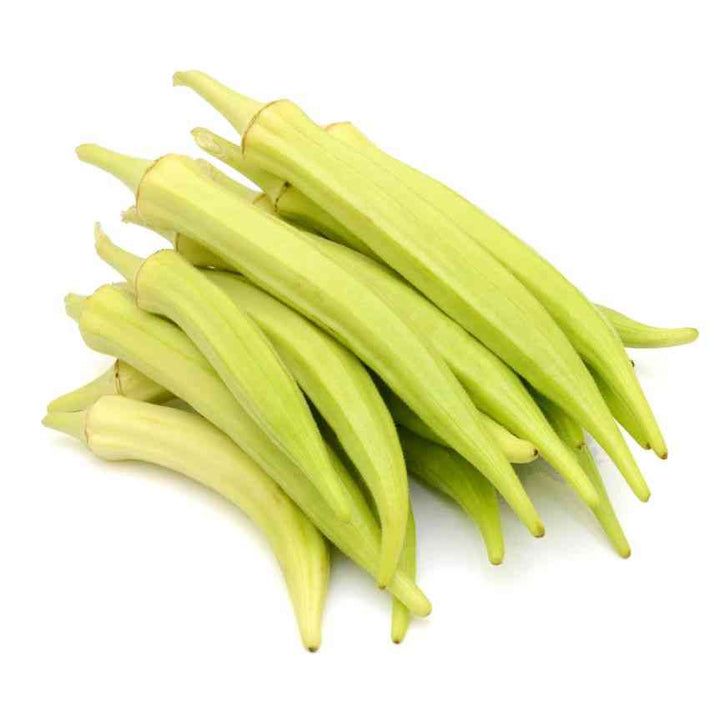
Cow Horn Okra seeds grow into upright/erect plants about 61–72 in, bearing green 10 inches.
Open the complete descriptionHide the complete descriptionVariety traits, flavor, garden use, and the complete description
Cow Horn Okra seeds grow into upright/erect plants about 61–72 in, bearing green 10 inches. Use the harvest for warm-season kitchen gardens, supported plants, fresh harvest, and preserving. tender young pods with the thickening quality valued in soups and stews Cow Horn Okra Seeds produce southern heirloom okra producing long, curved pods with excellent flavor and heat tolerance.
Minimum seeds per packet: 75 seeds.
About Cow Horn
Cow Horn is an annual okra with green color, 61–72 in mature height or spread, and an upright/erect habit. Harvest form or size: 10 inches. Botanically it is Abelmoschus esculentus (L.) Moench. Maturity or first bloom: 60-69 Days; germination: 5-10 Days at 75–90 °F. Best for warm-season kitchen gardens, supported plants, fresh harvest, and preserving. Tender young pods with the thickening quality valued in soups and stews.
History and provenance
Cow Horn circulates as a named okra within the cultivated history of Abelmoschus esculentus (L.) Moench. Seed sold as Cow Horn is identified by its green color, growth form, harvest use, and the documented harvest traits. A complete breeder record, introduction year, family story, or uninterrupted custody chain has not been located for this seed lot. The cultivar identity is tied to observable crop traits that can be checked in a grow-out, not to an unsupported origin story. The large pods hold their tenderness longer than most, making harvests forgiving and generous. An old heirloom cherished across the Deep South, ‘Cow Horn’ is prized for its productivity, flavor, and resilience - an okra as enduring as the soil it grows in. Okra Seeds - Cow Horn belongs to a diverse cultivated plant lineage shaped by regional gardeners, farmers, and seedkeepers over time. Its continued presence in gardens reflects selection for usefulness, beauty, resilience, flavor, or cultural value.
Growing facts
| Scientific name | Abelmoschus esculentus (L.) Moench |
|---|---|
| Life cycle | Annual |
| Maturity / first bloom | 60-69 Days |
| Germination | 5-10 Days at 75–90 °F |
| Seed depth | 1 in |
| Plant height / spread | 61–72 in |
| Growth habit | Upright/Erect |
| Spacing | 18 in between plants; 36 in between rows |
| Sunlight | Full sun |
| Soil | Loamy; pH 6.0–6.5 |
| Water | Moderate |
| Support | No-Support |
Starting Cow Horn from seed
How to grow Cow Horn Okra
Botanical identity: Abelmoschus esculentus (L.) Moench. Life cycle: Annual.
Sow 1 in and use a seed-zone temperature near 75–90 °F. Expected emergence: 5-10 Days. No stratification; an optional short warm-water soak may speed imbibition, but is not required
Plant during Spring. Space plants 18 in apart with 36 in between rows or planting bands.
Provide Full sun, moderate water, and loamy near pH 6.0–6.5. Support: No-Support.
Garden performance and care
Start Cow Horn early enough for its season, transplant after cold stress has passed, and harvest on schedule. Support requirement: No-Support; remove damaged fruit promptly and keep foliage dry when disease pressure is high. Expected emergence is 5-10 Days; the listed maturity or bloom timing is 60-69 Days.
Harvest, bloom, and uses
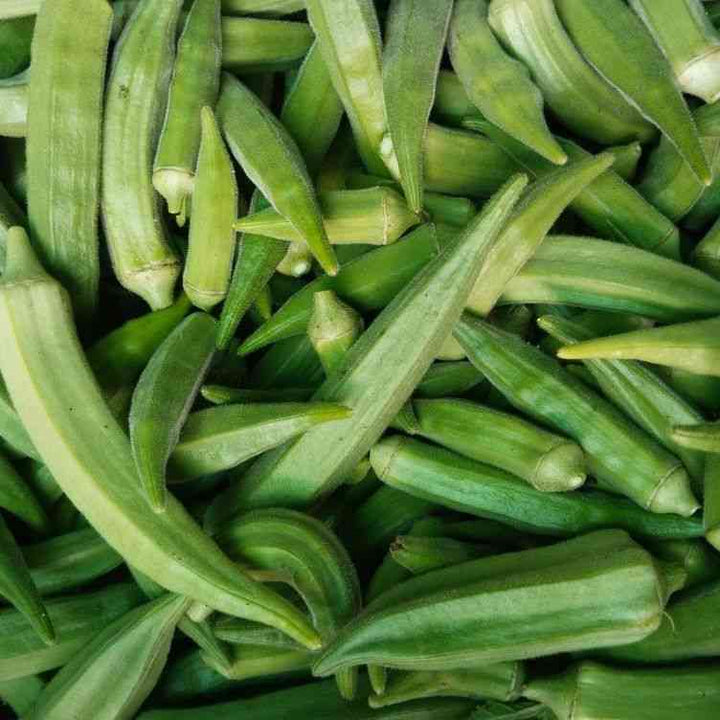
Cow Horn is best for warm-season kitchen gardens, supported plants, fresh harvest, and preserving. Harvest form or size: 10 inches. Color at the principal harvest or mature stage: Green. Tender young pods with the thickening quality valued in soups and stews.
Saving seed
Seed saving for Cow Horn Select several healthy, true-to-type plants so the saved lot represents the variety rather than one unusually early or large individual. Okra flowers can cross through insect activity. Isolate varieties or control pollination, and select several healthy true-to-type plants before pods are harvested for eating. Leave designated pods until they are brown, dry, and beginning to split, then collect before seed is lost. Dry pods under cover, thresh, screen, and winnow. Wear gloves if dry pods or stems irritate skin. Label the lot with population, isolation, pod type, plant height, year, and germination test.
Common problems
Watch Cow Horn for aphids, stink bugs, Japanese beetles, flea beetles, caterpillars, leaf spots, root-knot nematodes, and tough overmature pods. Rotate crops, maintain steady growth, and harvest every day or two once pods begin forming.
Frequently asked questions
When is Cow Horn ready?
60-69 Days from direct sowing to first young-pod harvest
How long does germination take?
Expect 5-10 Days near 75–90 °F; actual emergence changes with moisture, seed condition, and soil temperature.
How large does it grow?
About 61–72 in with an upright/erect habit. Support: No-Support.
Can it grow in a container?
Possible in a properly sized container with reliable drainage, moisture, and room for the mature plant.
How is it used?
Primary uses: warm-season kitchen gardens, supported plants, fresh harvest, and preserving. Tender young pods with the thickening quality valued in soups and stews.
Can I save seed?
Yes where the crop biology allows, but keep compatible varieties isolated, use several healthy plants, wait for full seed maturity, dry thoroughly, and label the lot.