Pumpkin Seeds - Galeux D'Eysines
A rare French heirloom prized for its sweet, creamy flesh and signature “peanut” skin, delivering unmatched flavor and unforgettable visual appeal
- Non-GMO Safe Seed Pledge
- Seed packets printed on forestry-certified paper (FSC, SFI, Rainforest Alliance)
- Curbside-recyclable mailers; SFI-certified kraft paper
- 1% for the Planet partner — supports environmental nonprofits
- Compact, energy-efficient facility with lean, low-waste operations
- Seeds: When properly stored, planted, and cared for, we guarantee reasonable germination and true-to-type growth for one year from purchase.
- Non-seed products: Free from defects in materials and workmanship for 30 days from shipment.
Excludes factors outside our control (extreme weather, pests, gardener error). If something’s off, contact us—we’ll make it right with a replacement, repair, or refund.
We do not sell seeds that are GMO or BE.
USDA “bioengineered (BE)” foods are those with detectable genetic material that was modified using in vitro recombinant DNA (rDNA) techniques, in ways not obtainable through conventional breeding or found in nature. The USDA’s National Bioengineered Food Disclosure Standard uses “bioengineered” as the nationwide labeling term.
- Detectable modified genetic material in the final food
- Created via in vitro rDNA techniques (e.g., gene transfer)
- Modifications not achievable through conventional breeding or nature
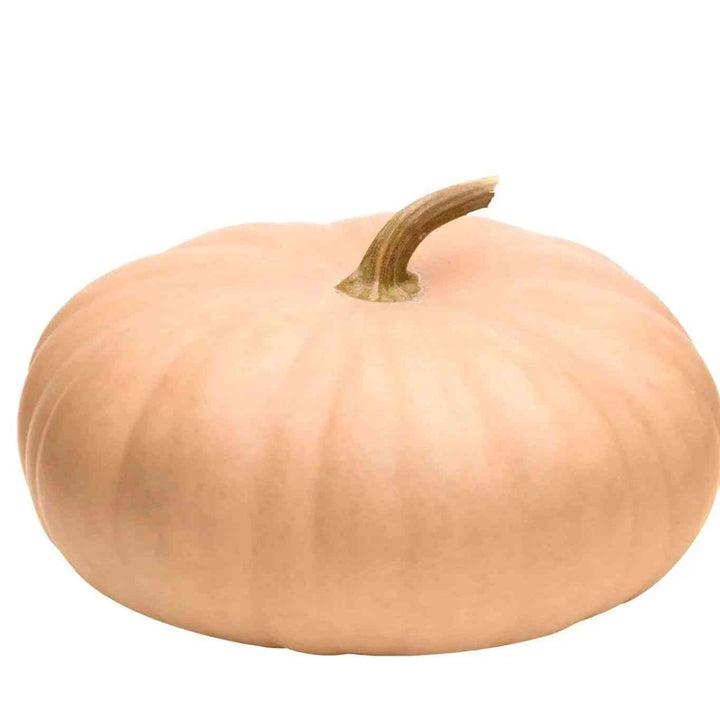
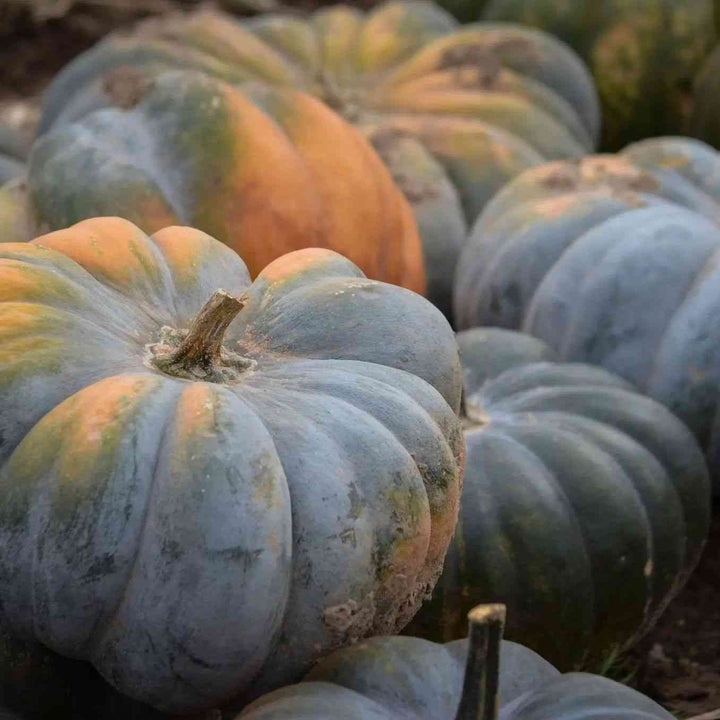
Galeux D’Eysines Pumpkin Seeds produce a striking heirloom winter squash known for its deeply ribbed, salmon-pink skin covered in distinctive peanut-like sugar warts. Originating from France, this variety is prized not only for its unique appearance but also for its exceptional eating quality. The dense, fine-textured flesh is rich, sweet, and smooth, making it highly valued for soups, purees, roasting, and traditional culinary uses.
Galeux D’Eysines Pumpkin Seeds grow into vigorous, sprawling vines that produce large, heavy fruits often weighing 10–20 pounds or more under good conditions. This variety thrives in warm, sunny environments with plenty of space to spread, and it rewards growers with both high yields and visually stunning harvests. Beyond its ornamental appeal, it is considered one of the best pumpkins for flavor, combining high sugar content with a creamy texture that improves in storage.
Your payment is processed securely via trusted gateways. We do not store credit card details and we do not have access to your card information.
Pickup currently unavailable at Bertie County Seeds
Timing is the most important factor. Galeux D’Eysines should only be planted after all danger of frost has passed and soil temperatures are consistently warm—ideally at least 70°F. Cold soil will significantly delay germination and can cause seeds to rot before sprouting. In cooler climates or short growing seasons, starting seeds indoors is often necessary to ensure the plant has enough time to mature before fall frost.
For direct sowing, begin by preparing a rich, well-drained planting area. Pumpkins perform best in mounded hills or slightly raised planting areas, which improve drainage and allow soil to warm more quickly. Create hills approximately 12–18 inches wide and a few inches high, spacing them 4–6 feet apart to accommodate the plant’s extensive vine spread. Incorporate compost or well-aged organic matter into each hill to provide a nutrient-rich starting environment.
Plant seeds about 1 inch deep in the center of each hill, placing 2–4 seeds per hill. After planting, gently firm the soil and water thoroughly to ensure good seed-to-soil contact. Keep the soil consistently moist—but not saturated—during germination. Under warm conditions, seeds typically germinate within 7–10 days. Once seedlings emerge and develop a few true leaves, thin to the strongest one or two plants per hill to reduce competition and allow for full vine development.
If starting indoors, sow seeds 3–4 weeks before the last expected frost date. Use biodegradable pots or containers that minimize root disturbance, as pumpkins are sensitive to transplant shock. Plant seeds about 1 inch deep in a well-draining seed-starting mix and maintain warm temperatures (70–85°F) for optimal germination. Provide strong light once seedlings emerge to prevent weak, leggy growth.
Hardening off is essential before transplanting. Gradually expose seedlings to outdoor conditions over 7–10 days, increasing their exposure to sunlight, wind, and temperature fluctuations. This process strengthens the plants and reduces transplant shock.
When transplanting, choose a warm, calm day—preferably in the late afternoon or on a cloudy day to reduce stress. Transplant seedlings into prepared hills at the same depth they were growing in their containers, spacing them 4–6 feet apart. Handle seedlings carefully to avoid disturbing the root system. Water immediately after transplanting to settle the soil and support root establishment.
Early-stage care is critical for Galeux D’Eysines pumpkins. Keep the area weed-free, as young plants need full access to nutrients and moisture to establish strong vines. Protect seedlings from pests such as cutworms and cucumber beetles, which can cause significant damage at this stage. Row covers can be used temporarily to protect young plants, but they must be removed once flowering begins to allow for pollination.
Soil moisture should be monitored closely during establishment. Consistent moisture supports rapid growth, but overwatering can lead to root problems. Deep, even watering is more effective than frequent shallow watering, encouraging roots to grow deeper and strengthening the plant’s foundation.
Spacing and layout decisions made during planting will directly impact the plant’s performance later in the season. Adequate spacing ensures proper airflow, reduces disease risk, and allows vines to expand without restriction. Crowding plants at the beginning often leads to long-term issues such as poor fruit development and increased pest pressure.
Once established, Galeux D’Eysines transitions into vigorous vine growth and becomes much more resilient. The goal of the planting stage is to create strong, healthy plants with enough space and resources to support their long growth cycle. A well-executed start sets the foundation for large, high-quality pumpkins and a successful harvest.
The foundation of success begins with space and structure. Galeux D’Eysines is a sprawling Cucurbita maxima variety that produces long vines capable of extending 10–20 feet or more. These vines branch and root at nodes, allowing the plant to expand aggressively across the growing area. Giving the plant enough room to spread is essential—not just for growth, but for airflow, disease prevention, and fruit development. Crowded conditions restrict vine movement, reduce light penetration, and increase humidity within the canopy, which can lead to disease pressure.
Sunlight is a non-negotiable factor. These pumpkins require full, uninterrupted sun for most of the day to drive photosynthesis and support the energy demands of large fruit production. Insufficient light results in weak vines, fewer flowers, and poor fruit development. Strong sunlight also helps dry foliage more quickly, reducing the likelihood of fungal issues such as powdery mildew.
Soil quality plays a major role in plant performance. Galeux D’Eysines pumpkins are heavy feeders and benefit from rich, well-structured soil. Incorporating compost or well-aged organic matter before planting provides a steady nutrient base. However, balance is critical—excess nitrogen early in the season promotes excessive vine growth at the expense of fruiting. As the plant transitions into flowering and fruiting, nutrient demands shift toward supporting fruit development rather than foliage expansion.
Water management must be consistent and strategic. Pumpkins require steady moisture, particularly during flowering and fruit set. Irregular watering—especially cycles of drought followed by heavy watering—can lead to poor pollination, fruit drop, or uneven development. Deep, infrequent watering is more effective than shallow, frequent watering, as it encourages deeper root systems and more stable growth. Mulching is highly beneficial, helping retain soil moisture, regulate temperature, and reduce competition from weeds.
Managing vine growth is one of the most important advanced techniques. Left unchecked, vines will continue to expand, drawing energy away from fruit development. Pruning secondary vines or directing growth can help concentrate the plant’s energy into fewer, higher-quality fruits. Some growers choose to limit the number of fruits per plant to improve size and quality, though this is optional depending on goals.
Pollination is a critical stage that directly affects yield. Galeux D’Eysines produces separate male and female flowers, and successful fruit set depends on pollen transfer, typically by bees. Poor pollination results in small or aborted fruit. Encouraging pollinator activity by planting flowering companions nearby improves success rates. In areas with low pollinator presence, hand-pollination is a highly effective technique—transferring pollen from male to female flowers early in the day ensures reliable fruit set.
As fruits develop, supporting them properly improves both quality and longevity. Because Galeux D’Eysines pumpkins are large and heavy, placing a barrier such as straw, boards, or cloth beneath the fruit prevents direct contact with soil. This reduces the risk of rot, insect damage, and uneven ripening. Rotating fruits slightly during development can also promote more uniform shape and coloration.
Temperature management is another important factor. These pumpkins thrive in warm conditions and require a long growing season to fully mature. Cool temperatures slow growth significantly, while frost will damage or kill the plant. Ensuring that the crop has enough time to mature before the first frost is essential for full flavor development and proper skin hardening.
Weed control is most important during early growth. Young plants need a clean environment to establish strong vines. Once the plant begins to spread, its large leaves naturally shade the ground, suppressing most weeds. Maintaining a weed-free start reduces competition for nutrients and water during the critical establishment phase.
Disease prevention relies heavily on airflow and moisture control. Because of the plant’s dense foliage, humidity can build up within the canopy if spacing is too tight. Proper spacing, pruning when necessary, and watering at the base rather than overhead help reduce disease pressure. Regular monitoring allows for early detection of issues before they spread.
Harvest timing directly impacts storage and eating quality. Fruits should be left on the vine until fully mature, allowing the skin to harden and sugars to develop fully. The characteristic “peanut” warts become more pronounced as sugar content increases. Harvest before frost, cutting the stem cleanly and leaving a portion attached to improve storage life.
After harvest, curing is essential. Allow pumpkins to sit in a warm, dry, well-ventilated area for 1–2 weeks. This process hardens the skin further and improves storage longevity. Once cured, fruits can be stored for several months under cool, dry conditions, during which their flavor often improves.
Overall, growing Galeux D’Eysines pumpkins successfully is about managing energy—ensuring that the plant has the space, nutrients, water, and pollination it needs to produce large, high-quality fruit. With proper care and attention, this variety rewards growers with both exceptional flavor and one-of-a-kind visual appeal.
One of the most important advanced techniques is managing vine energy. These plants naturally produce long, aggressive vines that can spread in multiple directions, often diverting energy away from fruit development. To improve fruit size and quality, guide vines intentionally and consider pruning secondary vines once the plant is well established. This helps concentrate energy into fewer fruits, resulting in larger pumpkins with better texture and higher sugar content. Some growers also pinch off excess flowers after a few fruits have set to further focus the plant’s resources.
Pollination timing is critical and often overlooked. Pumpkin flowers open early in the morning and remain viable for only a short window. If pollination does not occur during this period, fruit may fail to set or develop poorly. Observing flower timing and pollinator activity can make a significant difference. In areas with low bee activity, hand-pollination is one of the most effective ways to ensure strong fruit development. Transferring pollen early in the day—when flowers are fully open—greatly increases success rates and leads to more uniform fruit.
Another key technique is managing fruit load. While it may be tempting to allow the plant to produce as many pumpkins as possible, too many fruits can reduce overall quality. Limiting each plant to a manageable number—often 2–4 fruits depending on growing conditions—allows the plant to fully develop each one. This results in better size, richer flavor, and more pronounced “peanut” warting, which is directly tied to sugar concentration.
Soil moisture consistency is one of the most important factors for both yield and quality. Pumpkins are highly sensitive to fluctuations in water availability, especially during flowering and fruit development. Inconsistent watering can lead to blossom drop, misshapen fruit, or uneven growth. Deep, consistent watering is far more effective than frequent shallow watering. Mulching around the base of the plant helps regulate moisture, reduce evaporation, and stabilize soil temperature—especially important during hot summer conditions.
Feeding strategy should shift throughout the season. Early growth benefits from balanced nutrients to support vine development, but once flowering begins, excessive nitrogen should be avoided. Too much nitrogen at this stage leads to lush foliage at the expense of fruit production. Supporting the plant with balanced nutrients during fruit set helps improve both yield and fruit quality without overstimulating vine growth.
Fruit positioning is an often overlooked detail that can significantly impact final quality. As pumpkins develop, placing a barrier such as straw, wood, or cloth beneath each fruit prevents direct contact with soil. This reduces the risk of rot, pest damage, and uneven ripening. It also keeps the fruit cleaner and improves overall appearance. Rotating the fruit slightly during early development can help maintain a more symmetrical shape.
Temperature management plays a subtle but important role. Galeux D’Eysines thrives in warm conditions, but extreme heat combined with dry soil can stress the plant and reduce fruit quality. Maintaining soil moisture during heat waves helps stabilize growth. In cooler climates, using heat-retaining methods such as black mulch or raised beds can improve early growth and speed up development.
Weed control early in the season has a long-term impact. Young pumpkin plants need full access to nutrients and water to establish strong vines. Once the canopy develops, the large leaves naturally shade the soil and suppress weeds, but early competition can permanently reduce vigor. Keeping the planting area clean during the first few weeks is critical.
Another advanced tip is monitoring plant signals closely. Excessive vine growth with few flowers often indicates too much nitrogen, while poor fruit development may point to pollination issues or inconsistent moisture. Yellowing leaves can signal nutrient imbalance or root stress. Adjusting conditions based on these signals leads to better outcomes than following a fixed routine.
Harvest timing and curing are where quality is finalized. Allow fruits to fully mature on the vine to develop maximum sugar content and the characteristic warted skin. Harvest before frost, leaving a portion of the stem attached. Proper curing—keeping fruits in a warm, dry, well-ventilated area for 1–2 weeks—hardens the rind and improves storage life. This step also enhances flavor, as sugars continue to develop after harvest.
Finally, patience is one of the most important “techniques” with this variety. Galeux D’Eysines is a long-season crop, and rushing any stage—whether planting too early in cold soil or harvesting too soon—reduces its full potential. When given time and proper care, it produces pumpkins that are not only visually striking but among the best in flavor and texture.
By managing vine growth, controlling fruit load, maintaining consistent moisture, and paying close attention during key growth stages, growers can consistently produce high-quality Galeux D’Eysines pumpkins that fully express the variety’s unique characteristics.
One of the most destructive pests affecting pumpkins is the squash vine borer. The adult moth lays eggs at the base of the plant, and once the larvae hatch, they bore into the stem and feed internally. This disrupts water and nutrient flow, often causing sudden wilting and collapse of the plant. Early signs include small holes at the base of the stem and sawdust-like frass. Preventative strategies include using row covers early in the season, mounding soil over vine nodes to encourage secondary rooting, and regularly inspecting stems. If infestation occurs, stems can sometimes be slit carefully to remove larvae, followed by covering the wound with soil to encourage recovery.
Squash bugs are another major pest. These shield-shaped insects feed on plant sap, causing leaves to wilt, yellow, and develop brown spots. They often cluster on the undersides of leaves and lay copper-colored eggs in groups. Heavy infestations can weaken plants significantly and reduce fruit production. Manual removal of eggs and adults is effective in small plantings. Neem oil or insecticidal soap can help manage populations, but early intervention is critical. Keeping garden areas clean and removing plant debris reduces overwintering sites.
Cucumber beetles pose a dual threat. Not only do they feed on leaves, stems, and flowers, causing direct damage, but they also transmit bacterial wilt—a serious disease that can kill plants quickly. Damage appears as small holes in leaves, and infected plants may wilt suddenly despite adequate moisture. Using row covers during early growth, introducing beneficial nematodes, and applying organic controls can reduce beetle pressure. Crop rotation is also important to prevent buildup.
Aphids may colonize new growth, feeding on plant sap and causing leaf curling, distortion, and reduced vigor. Like other sap-sucking pests, they produce honeydew, which can lead to sooty mold. While usually not fatal, large populations can weaken plants. Strong water sprays, beneficial insects, and organic treatments such as insecticidal soap are effective control methods.
Spider mites can become problematic during hot, dry periods. They cause fine stippling on leaves, eventually leading to bronzing and leaf drop. Because pumpkins have large leaf surfaces, infestations can spread quickly if not addressed. Increasing humidity slightly and rinsing leaves can help reduce populations, while targeted treatments may be needed for severe cases.
Fungal diseases are among the most common issues for pumpkins due to their dense foliage. Powdery mildew is especially prevalent, appearing as a white, powdery coating on leaves. It reduces photosynthesis and weakens the plant over time. Good airflow, proper spacing, and avoiding overhead watering help reduce incidence. Resistant varieties and organic fungicides can also be used if necessary.
Downy mildew is another serious disease, causing yellow patches on leaves with grayish growth on the underside. It thrives in humid conditions and can spread rapidly. Early detection and removal of affected leaves, along with improved airflow, are critical management steps.
Root rot and damping-off can affect plants in poorly drained soils or during overly wet conditions. These issues lead to seedling collapse or mature plant decline. Ensuring well-drained soil and avoiding overwatering are the best preventative measures.
Bacterial wilt, spread by cucumber beetles, is one of the most damaging diseases. Infected plants wilt suddenly and do not recover. There is no cure, so prevention through beetle control is essential.
Environmental stress also plays a major role in plant health. Galeux D’Eysines pumpkins require consistent moisture, especially during flowering and fruit development. Drought stress can cause poor fruit set or misshapen pumpkins, while excessive moisture can lead to disease. Maintaining even soil moisture is critical.
Nutrient imbalance can also affect growth. These plants are heavy feeders and require sufficient nutrients to support large fruit development. Poor soil fertility can result in weak vines and low yields, while excessive nitrogen can lead to excessive foliage with reduced fruiting.
Pollination issues are another common challenge. Pumpkins rely on pollinators to transfer pollen from male to female flowers. Poor pollination can result in small or aborted fruit. Encouraging pollinator activity or hand-pollinating can improve fruit set.
Weed competition during early growth can reduce establishment and limit vine development. Once established, vines will naturally shade out many weeds, but early control is important.
The most effective approach to managing pests and problems in Galeux D’Eysines pumpkins is preventative: maintain healthy soil, ensure proper spacing for airflow, monitor regularly for early signs of pests, and act quickly when issues arise. Strong, healthy plants are far more resistant and capable of producing high-quality fruit even under moderate pressure.
A: Galeux D’Eysines is best known for its distinctive appearance—salmon-pink skin covered in peanut-like warts caused by sugar exuding through the rind. These “warts” are actually a sign of high sugar content, which directly relates to its exceptional flavor. Unlike many ornamental pumpkins, this variety is highly valued for eating, offering dense, smooth, and sweet flesh that performs exceptionally well in cooking.
Q: Is Galeux D’Eysines grown for eating or decoration?
A: It is both, but primarily prized for culinary use. While its unusual appearance makes it visually striking and popular for display, it is widely considered one of the best-tasting pumpkins. Its flesh is ideal for soups, purees, roasting, and baking, making it a dual-purpose crop.
Q: How large do Galeux D’Eysines pumpkins get?
A: Fruits typically range from 10–20 pounds, though under optimal growing conditions they can grow larger. The vines themselves are vigorous and sprawling, requiring significant space to support healthy fruit development.
Q: How long does it take for Galeux D’Eysines pumpkins to mature?
A: This is a long-season crop, generally requiring around 90–120 days to reach full maturity. Because of this, it is important to plant early enough in the season to allow fruit to fully develop before frost.
Q: Do Galeux D’Eysines pumpkins need a lot of space?
A: Yes, they require ample space due to their vining growth habit. Vines can spread several feet in multiple directions, and crowding them can reduce airflow, increase disease risk, and limit fruit size. Proper spacing is essential for healthy growth and maximum yield.
Q: Can Galeux D’Eysines be grown in small gardens?
A: It is challenging but possible with planning. Gardeners with limited space can train vines outward or along designated areas, but this variety is best suited for larger plots or gardens where it can spread naturally. It is not ideal for container growing due to its size and nutrient demands.
Q: What kind of climate does this pumpkin prefer?
A: Galeux D’Eysines thrives in warm, sunny conditions with a long growing season. It requires consistent warmth for proper vine growth, flowering, and fruit development. Cool or short growing seasons may limit its performance.
Q: How much water does Galeux D’Eysines need?
A: It requires consistent, moderate watering, especially during flowering and fruit development. Irregular watering can lead to poor fruit set or uneven growth. The goal is steady moisture without waterlogging the soil.
Q: Does it require fertilization?
A: Yes, it is a heavy feeder. Rich, well-prepared soil with adequate nutrients supports strong vine growth and large fruit development. However, excessive nitrogen early on can promote foliage at the expense of fruiting, so balanced fertility is important.
Q: Why are my vines growing well but not producing pumpkins?
A: This is often due to pollination issues, excess nitrogen, or environmental stress. Pumpkins produce separate male and female flowers, and pollination is required for fruit to set. Lack of pollinators or poor conditions during flowering can prevent fruit formation.
Q: Can I hand-pollinate Galeux D’Eysines pumpkins?
A: Yes, hand-pollination is an effective way to ensure fruit set. Transfer pollen from male flowers to female flowers using a brush or by direct contact. This is especially useful in areas with low pollinator activity.
Q: What causes the “peanut” warts on the skin?
A: The warts are formed by excess sugars in the fruit pushing through the rind as it matures. This is a natural and desirable trait of the variety, and more pronounced warts often indicate higher sugar content and better flavor.
Q: When should I harvest Galeux D’Eysines pumpkins?
A: Harvest when the rind has fully developed its color and hardened, and the stem begins to dry. The fruit should feel firm and mature. Harvest before frost, as freezing temperatures can damage the fruit.
Q: Do Galeux D’Eysines pumpkins store well?
A: Yes, they store well when properly cured. After harvest, allow them to cure in a warm, dry place for about 1–2 weeks to harden the skin. Once cured, they can be stored for several months under cool, dry conditions.
Q: Can I save seeds from Galeux D’Eysines pumpkins?
A: Yes, it is an open-pollinated heirloom variety, making seed saving possible. However, pumpkins can cross-pollinate with other squash varieties of the same species, so isolation may be needed to maintain purity.
Q: What pests should I watch for most?
A: The most significant pests include squash vine borers, squash bugs, and cucumber beetles. Regular monitoring and early intervention are critical to prevent serious damage.
Q: Why are my fruits small or misshapen?
A: This is usually caused by poor pollination, inconsistent watering, or nutrient imbalance. Ensuring stable growing conditions and adequate pollination improves fruit size and shape.
Q: Is Galeux D’Eysines beginner-friendly?
A: It can be grown by beginners, but it requires more space, time, and attention than smaller crops. With proper planning—especially regarding space, soil preparation, and pest monitoring—it can be a rewarding variety to grow.
Q: Can Galeux D’Eysines pumpkins be used for carving?
A: They are not ideal for carving due to their thick rind and heavily textured surface. They are better suited for culinary use and decorative display.
Q: What makes this pumpkin especially valuable for growers?
A: Its combination of unique appearance, excellent flavor, and heirloom status makes it highly desirable. It offers both visual appeal and high culinary value, making it a standout variety in any garden or market setting.
Pumpkin Seeds - Galeux D'Eysines
-
Bertie County Seeds
Pickup currently unavailable
124 South Main Street
+18337607333
Colerain NC 27924
United States
This variety belongs to the species Cucurbita maxima, which was originally domesticated in South America thousands of years ago, particularly in regions of present-day Peru, Bolivia, and Argentina. Like all pumpkins of this species, Galeux D’Eysines traces its deeper genetic lineage back to Indigenous agricultural systems in the Americas. These early domesticated squash were brought to Europe following the Columbian Exchange in the 15th and 16th centuries, where they were gradually adapted to local climates and culinary preferences.
Once introduced to Europe, Cucurbita maxima varieties were widely cultivated and selectively bred, especially in regions with favorable growing conditions such as southern France. Over time, farmers in the Bordeaux region began selecting for specific traits that suited both their environment and culinary traditions. In the case of Galeux D’Eysines, this selection emphasized high sugar content, dense flesh, and long storage ability. The development of its signature “peanut” skin is directly tied to this process—these wart-like formations occur when excess sugars accumulate and push outward through the rind during maturation.
By the 19th century, Galeux D’Eysines had become established as a regional specialty in southwestern France. It was valued not only for its appearance but for its superior eating quality, particularly in soups and purees, which are central to French culinary traditions. Its dense, smooth flesh and naturally sweet flavor made it especially desirable in rustic cooking, where simple preparation methods highlight the quality of the ingredient.
Despite its strong regional presence, Galeux D’Eysines remained relatively unknown outside of France for many years. Like many heirloom varieties, it was preserved through local cultivation rather than large-scale commercial production. Its irregular shape, heavily textured rind, and lack of uniformity made it less suitable for industrial agriculture, which often favors consistency and transport durability over flavor.
Interest in Galeux D’Eysines began to expand internationally in the late 20th and early 21st centuries, largely due to the growing movement toward heirloom varieties and flavor-focused agriculture. Seed savers, small-scale farmers, and culinary enthusiasts played a major role in reintroducing this variety to broader audiences. Its unique appearance made it visually striking in markets, while its exceptional taste earned it a reputation as one of the finest culinary pumpkins available.
Culturally, Galeux D’Eysines represents a broader tradition of regional crop development in Europe, where varieties were shaped by local conditions, culinary needs, and farmer selection rather than industrial breeding programs. Its continued cultivation reflects a commitment to preserving agricultural biodiversity and maintaining varieties that prioritize flavor and character.
In modern agriculture, Galeux D’Eysines is often grown by gardeners, specialty farmers, and heirloom seed producers who value its combination of history, flavor, and visual appeal. It is frequently featured in farmers markets and specialty food contexts, where its distinctive appearance draws attention and its culinary quality encourages repeat use.
The history of Galeux D’Eysines is ultimately a story of adaptation and preservation—from its origins in South American domestication, to its refinement in French agriculture, to its rediscovery in modern heirloom growing. It stands as an example of how traditional varieties can endure across centuries, maintaining their relevance through a combination of unique characteristics and consistent quality.
1. Selecting Plants for Seed Saving:
Choose healthy plants with vigorous growth and well-formed pumpkins.
Avoid plants showing signs of disease or poor growth.
2. Harvesting Seeds:
Timing: Allow the pumpkins to mature fully on the vine until the skin is hard.
Collection: Harvest the ripe pumpkins and cut them open to remove the seeds.
3. Cleaning Seeds:
Separation: Rinse the seeds to remove any remaining pumpkin flesh.
Inspection: Ensure seeds are clean and free from mold or pests.
4. Drying Seeds:
Place the seeds on a paper towel or screen in a well-ventilated, dry area. Allow them to dry completely for one to two weeks.
5. Storing Seeds:
Containers: Store seeds in labeled paper envelopes or airtight containers.
Storage Conditions: Keep in a cool, dry, and dark place.
Viability: Use seeds within three to five years for best results.
6. Testing Seed Viability:
Test by placing seeds on a damp paper towel in a plastic bag in a warm place and check for germination.
Tips for Successful Seed Saving:
Isolation: Maintain distance between different pumpkin varieties to prevent cross-pollination.
Pollinators: Encourage pollinators for better seed production.
Record Keeping: Keep detailed records of the process.
From a culinary standpoint, Galeux D’Eysines is widely regarded as one of the best pumpkins for cooking. Its dense, fine-grained flesh is smooth, creamy, and naturally sweet, with a rich flavor that intensifies after harvest and curing. This makes it ideal for a wide range of applications. It excels in soups and purees, where its texture blends into a silky consistency without becoming stringy or watery. It is also excellent for roasting, where its natural sugars caramelize, enhancing depth of flavor. In baking, it performs exceptionally well in pies, breads, and desserts, offering a more complex taste than standard pie pumpkins. Its versatility allows it to be used in both savory and sweet dishes with equal success.
One of the defining characteristics of Galeux D’Eysines is its high sugar content, which is visually expressed through the distinctive “peanut” warts on the skin. These warts are formed as sugars concentrate and push outward during fruit development. This is not just an ornamental trait—it directly reflects the pumpkin’s superior eating quality. Higher sugar content results in richer flavor and better cooking performance, making it especially prized among heirloom varieties.
Nutritionally, Galeux D’Eysines provides the same core benefits associated with winter squash. It is a good source of vitamins such as vitamin A and vitamin C, along with dietary fiber that supports digestion. Its dense flesh makes it both filling and energy-rich, contributing to balanced meals. While not typically consumed raw, its cooked form delivers a nutrient-dense food that can be incorporated into a wide range of diets.
From a storage and food security perspective, this variety offers significant advantages. Once harvested and properly cured, Galeux D’Eysines pumpkins can be stored for several months under cool, dry conditions. During storage, the flesh often becomes sweeter and more flavorful as starches convert to sugars. This long shelf life makes it an excellent crop for extended use beyond the growing season, supporting winter food supply and reducing the need for immediate consumption.
Agriculturally, Galeux D’Eysines provides value as both a food crop and a market crop. Its unique appearance—particularly the textured, warted skin—makes it highly attractive for specialty markets, farm stands, and display purposes. It stands out visually among other pumpkins, increasing its appeal for both decorative and culinary sales. This dual-purpose nature enhances its economic potential for growers.
The plant itself also contributes to the growing system. As a vigorous vining crop, it produces large leaves that shade the soil, helping to retain moisture and suppress weeds once established. This natural groundcover effect reduces maintenance and supports soil health by minimizing erosion and temperature fluctuations. When plant residues are returned to the soil after harvest, they add organic matter, contributing to long-term soil structure and fertility.
Culturally, Galeux D’Eysines carries historical significance as a traditional French heirloom variety. Its continued cultivation reflects a long-standing appreciation for both flavor and visual uniqueness. In modern gardening and agriculture, it represents a shift back toward quality, diversity, and heritage varieties that prioritize taste and character over uniformity.
Another key benefit is its role in seasonal eating. As a winter squash, it provides a reliable, nutrient-dense food source during colder months when fresh produce is less available. Its ability to store well and maintain quality over time makes it a practical and valuable addition to seasonal food systems.
Overall, Galeux D’Eysines pumpkins offer a rare combination of exceptional flavor, long storage life, visual distinction, and productive growth. They serve as both a high-quality food source and a visually striking crop, making them one of the most rewarding and versatile heirloom pumpkins available for growers and consumers alike.
Shipped from U.S.A.
Our seeds are grown and sourced from the US. They're then packed and shipped from Colerain NC.
Triple tested
We regularly test the quality and germination rate of our seeds. We're so confident that our seeds are backed by a 1 year warranty!
Payment & Security
Payment methods
Your payment information is processed securely. We do not store credit card details nor have access to your credit card information.
Complete the garden
Turn one packet into a full plan.
Help shoppers add companion seeds, garden supplies, and related goals before they leave the product page.
Join Our Newsletter for Exclusive Savings!
Sign up for our newsletter to get a 30% discount code sent straight to your inbox. If it doesn’t appear right away, please check your inbox settings, and if you still need help, we’re here to assist!