Melon Seeds - Hales Best Jumbo Cantaloupe
Hale’s Best Jumbo bursts with sun-ripened sweetness and rich aroma, delivering classic, juicy cantaloupe flavor straight from your garden at peak perfection.
- Non-GMO Safe Seed Pledge
- Seed packets printed on forestry-certified paper (FSC, SFI, Rainforest Alliance)
- Curbside-recyclable mailers; SFI-certified kraft paper
- 1% for the Planet partner — supports environmental nonprofits
- Compact, energy-efficient facility with lean, low-waste operations
- Seeds: When properly stored, planted, and cared for, we guarantee reasonable germination and true-to-type growth for one year from purchase.
- Non-seed products: Free from defects in materials and workmanship for 30 days from shipment.
Excludes factors outside our control (extreme weather, pests, gardener error). If something’s off, contact us—we’ll make it right with a replacement, repair, or refund.
We do not sell seeds that are GMO or BE.
USDA “bioengineered (BE)” foods are those with detectable genetic material that was modified using in vitro recombinant DNA (rDNA) techniques, in ways not obtainable through conventional breeding or found in nature. The USDA’s National Bioengineered Food Disclosure Standard uses “bioengineered” as the nationwide labeling term.
- Detectable modified genetic material in the final food
- Created via in vitro rDNA techniques (e.g., gene transfer)
- Modifications not achievable through conventional breeding or nature
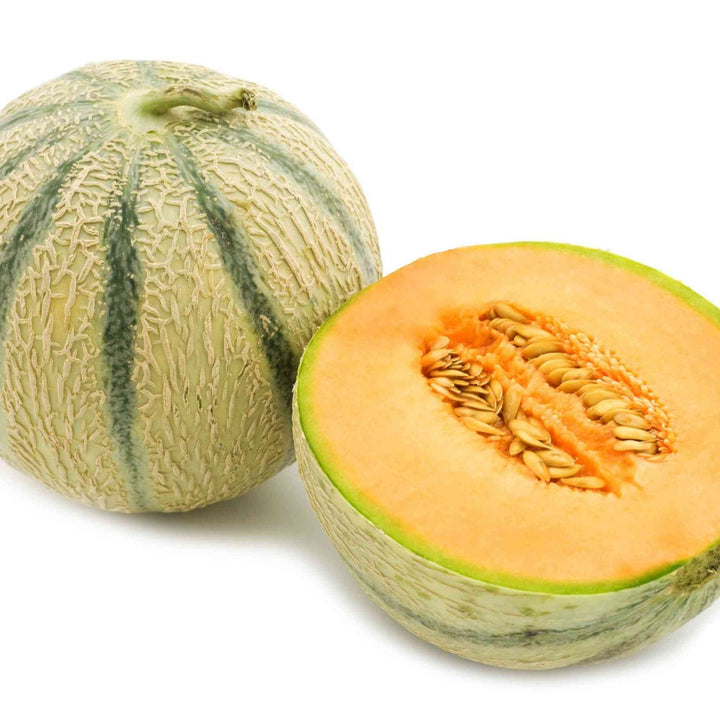
The heirloom cantaloupe that made melons famous. ‘Hale’s Best Jumbo’ bears heavily netted fruits with thick, orange flesh that’s juicy, aromatic, and sweet to the core. The flavor is rich and musky—the classic taste of summer gardens.
Fruits weigh 4–5 pounds on vigorous, disease-tolerant vines. Maturing in about 85 days, this variety performs well even in dry or variable conditions.
Introduced in the 1920s by market growers in California, ‘Hale’s Best’ became the standard for flavor and reliability—a time-tested favorite for home and farm alike.
Your payment is processed securely via trusted gateways. We do not store credit card details and we do not have access to your card information.
Pickup available at Bertie County Seeds
Usually ready in 2-4 days
They started fast I am happy already getting vines
Very poor germination. 10-15% max. Disappointing.
Thank you for your review. We are sorry to hear you experienced very poor germination with these. Cantaloupes generally need warm soil and consistent moisture for strong germination, and we would be glad to help troubleshoot what may have affected your results. We stand behind our seeds with a 1-year warranty. Please feel free to reach out to us directly with a few details about how and when they were planted so we can help diagnose the issue and see how we can make it right.
The first priority is soil temperature and condition. The soil must be consistently warm, not just on the surface but a few inches down where the seed will sit. Cold or damp soil dramatically reduces germination rates and can cause seeds to rot before they ever sprout. In addition to warmth, the soil should be loose, well-drained, and slightly elevated if possible. Melons do not tolerate standing water, so good drainage is critical from the start. Raised areas or mounded rows are especially beneficial because they warm faster and shed excess moisture more effectively.
When sowing, plant seeds about 1/2 inch deep. Depth matters—too shallow and the seed can dry out or be exposed, too deep and emergence slows or fails. After placing the seeds, gently firm the soil to ensure solid contact without compacting it. This helps the seed absorb moisture evenly and promotes uniform germination. Water thoroughly after planting to settle the soil, but avoid saturating it. The goal is consistent moisture, not wet conditions.
Spacing at planting is not optional—it’s strategic. Hale’s Best Jumbo produces long, vigorous vines that need room to expand. Crowding plants leads to poor airflow, higher disease pressure, and reduced fruit quality later in the season. It’s far easier to give plants space from the beginning than to correct overcrowding later. Think ahead to how large the vines will become, not how small they look at planting.
As seedlings emerge, thinning is critical. Even if multiple seeds germinate in one spot, only the strongest plants should remain. Keeping too many plants close together creates competition for water, nutrients, and light, which weakens all of them. Removing weaker seedlings early allows the remaining plants to establish dominance and grow vigorously without stress.
If starting indoors, transplanting must be handled carefully. Melons do not like their roots disturbed, so seedlings should be grown in containers that allow for minimal disruption when planted out. Transplant while plants are still young and before roots become crowded. When moving them into the garden, transfer the entire root mass intact and water immediately to reduce shock. Even with proper technique, direct sowing is still the preferred method whenever conditions allow.
Early-stage care is where many growers either set themselves up for success or create long-term problems. Consistent moisture is essential, especially during germination and early growth. Letting the soil dry out at this stage can stall development, while overwatering can suffocate roots. The goal is a steady, balanced environment that allows seedlings to grow quickly and without interruption.
Protection during early growth can make a major difference. Young melon plants are vulnerable to pests like cucumber beetles and to environmental stress such as wind or sudden temperature drops. Even minor damage at this stage can slow growth enough to impact the entire season. Keeping plants protected until they are established helps ensure strong vine development.
If you plan to grow vertically, install supports early. Trying to add trellises after vines begin spreading can damage plants and disrupt growth. Training vines from the beginning keeps the planting organized, improves airflow, and makes future maintenance easier. Even if growing on the ground, guiding vines early prevents overcrowding and helps maintain access for monitoring and harvesting.
Another key detail is weed control during establishment. Melons do not compete well early on, and weeds can quickly outpace young seedlings, stealing moisture and nutrients. Keeping the area clean during this stage allows the plants to take control of the space as they grow. Once established, the large leaves will naturally suppress many weeds, but early management is essential.
Finally, understand that planting is not just about getting seeds into the soil—it’s about creating momentum. Hale’s Best Jumbo performs best when it never slows down. Warm soil, proper depth, correct spacing, steady moisture, and early protection all combine to create a plant that transitions smoothly into vigorous vine growth, strong flowering, and ultimately the production of large, sweet, aromatic melons.
A perfect planting setup doesn’t just improve germination—it sets the entire season on track for maximum yield and quality.
The foundation of success begins with heat and sunlight. Cantaloupes require full sun and thrive in warm conditions where the soil heats quickly and remains consistently warm. This warmth drives root activity, vine expansion, and sugar production in the fruit. Without enough heat, plants may grow slowly, struggle to set fruit, or produce melons that lack sweetness. Choosing a location that receives maximum sun exposure throughout the day is critical.
Early growth is the most important phase. Once seedlings emerge, the focus should be on building a vigorous vine system as quickly as possible. Strong vines with large, healthy leaves are essential because they act as the energy source for fruit development later. Any stress during this stage—whether from cold, pests, or inconsistent watering—can reduce the plant’s ability to produce high-quality fruit. Healthy early growth sets the ceiling for what the plant can achieve.
Soil quality and structure play a major role in performance. Cantaloupes prefer well-drained soil that retains moisture evenly without becoming saturated. Roots need both moisture and oxygen, so soil that drains well while holding consistent moisture is ideal. Deep watering encourages roots to grow downward, creating a more resilient plant that can handle heat and support fruit development. Shallow watering, on the other hand, leads to weak root systems and inconsistent growth.
As vines begin to spread, spacing and airflow become critical. Hale’s Best Jumbo produces long, sprawling vines that can quickly become dense if not managed. Crowded conditions trap humidity, increase disease risk, and make it harder to monitor plant health. Proper spacing allows sunlight to reach the leaves, improves airflow, and keeps foliage dry—one of the most important factors in preventing disease. A well-spaced planting is easier to maintain and consistently produces better results.
Flowering marks a major transition point. Cantaloupes produce separate male and female flowers, and pollination is essential for fruit set. Healthy plants with active pollinators will set fruit consistently, while poor pollination leads to dropped flowers or misshapen melons. Avoid stress during this stage—consistent watering and stable conditions help ensure successful pollination and early fruit development.
Once fruit begins forming, the plant’s needs shift. The focus becomes maintaining balance—steady moisture, strong foliage, and minimal stress. Watering should remain consistent during fruit development, as uneven moisture can lead to poor fruit size, cracking, or reduced sweetness. As melons approach maturity, slightly reducing water can help concentrate sugars and improve flavor, but this must be done gradually. Sudden stress at this stage can negatively impact the final product.
Leaf health is directly tied to fruit quality. The leaves are responsible for producing the sugars that fill the fruit, so keeping them healthy as long as possible is essential. Loss of foliage due to pests or disease reduces the plant’s ability to ripen melons properly. Regular monitoring and early intervention help maintain a strong canopy deep into the season.
Fruit care is another important factor. Developing melons should be kept off consistently wet soil to prevent rot and surface damage. A dry resting surface helps maintain fruit quality and reduces the risk of disease. At the same time, maintaining a healthy leaf canopy provides natural shade, protecting fruit from sunscald and helping it ripen evenly.
Throughout the growing season, consistency is everything. Cantaloupes do not respond well to fluctuations—whether in watering, temperature, or care. Stable conditions allow the plant to focus energy on fruit production rather than recovery from stress. Small, consistent inputs are far more effective than large, irregular ones.
Harvest timing is one of the most important skills in growing Hale’s Best Jumbo. A properly ripened cantaloupe will develop a strong aroma, slight softness, and often separates easily from the vine. Harvesting too early results in fruit that looks good but lacks sweetness and depth of flavor. Allowing the melon to fully ripen on the vine is essential for achieving its full potential.
Weed control and early care continue to matter throughout the season. Weeds compete for nutrients and water, and they also reduce airflow, increasing disease risk. Keeping the growing area clean ensures the plant can maintain strong, uninterrupted growth from start to finish.
Ultimately, growing Hale’s Best Jumbo Cantaloupe is about maintaining a healthy, active plant for as long as possible. Full sun, warm soil, consistent moisture, proper spacing, strong pollination, and careful harvest timing all work together to produce exceptional fruit. When grown with attention and consistency, this variety delivers large, sweet, aromatic melons that represent the best of homegrown quality.
One of the most effective techniques is managing fruit load. While the plant can set multiple melons, allowing too many to develop at once often results in smaller, less sweet fruit. Limiting the number of melons per plant helps concentrate energy, producing larger fruits with better texture and higher sugar content. A balanced plant consistently outperforms an overloaded one.
Water management is one of the biggest factors in flavor development. During early growth and fruit formation, the plant needs steady, even moisture to support vine expansion and fruit sizing. However, as the melons approach maturity, slightly reducing watering helps concentrate sugars and intensify flavor. This must be done gradually—sudden drought stress can damage the plant, but controlled reduction enhances sweetness significantly.
Another key tip is to keep fruit dry and protected. Melons resting on damp soil are more likely to develop rot, pest damage, or surface blemishes. Placing fruit on a dry barrier such as straw improves airflow around the melon, keeps it clean, and reduces the risk of decay. This simple step can greatly improve overall fruit quality.
Pollination is often overlooked but directly impacts yield and shape. Strong pollination leads to well-formed, evenly developed melons, while poor pollination can result in misshapen or aborted fruit. Encouraging pollinators and maintaining stable conditions during flowering ensures better fruit set and development.
Spacing and airflow are essential for preventing problems before they start. Hale’s Best Jumbo produces vigorous vines that can quickly become dense. Avoid overcrowding at all costs—good airflow keeps leaves dry, reduces disease pressure, and allows sunlight to reach more of the plant. A well-spaced planting is easier to manage and consistently produces better fruit.
Timing the harvest correctly is one of the most important skills. This variety reaches its peak flavor only when fully ripened on the vine. A ripe melon will develop a strong aroma, slight softness, and often slips easily from the vine. Harvesting too early is one of the most common mistakes and results in fruit that lacks sweetness and complexity.
Early-season care sets the foundation for everything that follows. Weed control and protection during early growth allow the plant to establish quickly and begin vigorous vine development. A strong start leads to a stronger plant that can support high-quality fruit later in the season.
One of the best long-term tips is to observe plant performance closely. Some vines may produce better fruit, resist disease more effectively, or handle conditions better. Noticing these differences helps guide future planting decisions and seed saving, leading to improved results over time.
The biggest mistakes with Hale’s Best Jumbo are inconsistent watering, overcrowding, harvesting too early, and allowing vine health to decline before fruit fully matures. The biggest successes come from steady care, proper fruit management, and patience. When grown with attention and allowed to fully ripen, this variety produces exceptionally sweet, aromatic melons that represent the true potential of homegrown cantaloupe.
Cucumber beetles are one of the most serious threats to cantaloupe. They feed on leaves, stems, and flowers, creating holes and weakening young plants, but their greatest danger is transmitting bacterial wilt. This disease can cause sudden vine collapse, often killing the plant quickly once infected. Even a small population of beetles can lead to major losses if not controlled early. Monitoring from the seedling stage is critical, and maintaining strong, fast-growing plants helps reduce vulnerability.
Aphids commonly appear on the undersides of leaves and on new growth. They feed by sucking plant sap, causing curling, yellowing, and reduced vigor. They also produce sticky residue and can transmit viral diseases that weaken the plant over time. Spider mites are another issue, especially in hot, dry conditions. They cause fine speckling, bronzing, and eventual leaf drop, which directly impacts the plant’s ability to produce sugars for fruit development. Squash bugs can also feed on vines and leaves, leading to wilting and overall plant decline. Early detection and maintaining plant health are essential, as stressed plants are far more susceptible to heavy infestations.
Disease pressure is one of the biggest challenges with Hale’s Best Jumbo. Powdery mildew is extremely common and appears as a white, dusty coating on leaves, gradually reducing photosynthesis and weakening the plant. Downy mildew can cause yellow patches and rapid leaf collapse, especially in humid conditions. Bacterial wilt, spread by cucumber beetles, is often the most devastating, causing sudden and irreversible vine death. Anthracnose and other leaf spot diseases may also develop, particularly in warm, wet environments, leading to leaf damage and reduced vigor. Prevention is critical—proper spacing, strong airflow, watering at the base rather than overhead, and avoiding handling plants when wet all help reduce disease risk.
Root and soil-related issues often stem from poor drainage or inconsistent watering. Cantaloupes require well-drained soil, and waterlogged conditions can lead to root rot, stunted growth, and plant decline. On the other hand, drought stress can reduce fruit set, cause blossoms to drop, or result in small, underdeveloped melons. Uneven watering may also affect fruit quality, leading to poor sweetness or cracking. Maintaining consistent, moderate moisture is essential for both plant health and fruit development.
Pollination is another critical factor that can be mistaken for a problem. Hale’s Best Jumbo produces separate male and female flowers, and pollinators are required for fruit set. Poor pollination can result in flowers dropping without forming fruit or in misshapen melons that fail to develop properly. Ensuring a healthy environment for pollinators and avoiding stress during flowering improves both yield and fruit quality.
Fruit-related problems often appear later in the season. Melons resting directly on damp soil may develop rot, soft spots, or pest damage. Loss of foliage due to disease can expose fruit to sunscald, while inconsistent watering can lead to uneven ripening or reduced sweetness. Keeping fruit off wet soil and maintaining a healthy canopy helps protect developing melons and improve final quality.
Weeds and overcrowding are often overlooked but can significantly impact performance. Weeds compete for nutrients and water while also increasing humidity around the plants, encouraging disease. Dense plantings reduce airflow and make it harder to monitor for pests. Keeping the growing area clean and properly spaced improves plant health and reduces the likelihood of problems.
Overall, the most effective approach to growing Hale’s Best Jumbo Cantaloupe is prevention and consistency. The biggest risks come from pest-transmitted disease, loss of leaf health, and unstable growing conditions. The best results come from warm, well-drained soil, proper spacing, steady moisture, active pollination, and regular inspection. When these factors are managed well, the plant remains vigorous and capable of producing large, sweet, aromatic melons with excellent quality.
A: Hale’s Best Jumbo is a classic heirloom muskmelon known for its heavily netted rind, sweet orange flesh, and strong aroma. It produces medium to large fruits with excellent flavor and is widely grown for fresh eating and home garden production.
Q: How does Hale’s Best Jumbo taste?
A: It has a rich, sweet, and slightly musky flavor with juicy, tender orange flesh. When fully ripe on the vine, it develops a strong fragrance and deep sweetness that makes it one of the most popular cantaloupe varieties.
Q: How long does it take to grow?
A: Hale’s Best Jumbo requires a full warm growing season to mature. It needs enough time to establish vines, flower, set fruit, and fully ripen for best flavor and sweetness.
Q: Is this cantaloupe good for beginners?
A: It can be grown by beginners, but it requires attention to watering, spacing, and pest management. With consistent care, it is very rewarding and produces high-quality fruit.
Q: Does Hale’s Best Jumbo need full sun?
A: Yes, full sun is essential. Strong sunlight supports vigorous vine growth and helps develop the sugars that give the melon its sweetness.
Q: How often should I water cantaloupe?
A: Cantaloupes need consistent moisture, especially during vine growth and fruit development. The soil should remain evenly moist but not saturated. Reducing water slightly near maturity can improve sweetness.
Q: Why are my plants flowering but not producing fruit?
A: This is usually due to poor pollination. Cantaloupes produce separate male and female flowers, and pollinators are needed to transfer pollen. Without adequate pollination, fruit will not develop properly.
Q: How do I know when a cantaloupe is ripe?
A: A ripe Hale’s Best Jumbo will have a strong aroma, a slight softness at the blossom end, and may easily separate from the vine. The rind’s background color may also shift slightly as it matures.
Q: Why are my melons not sweet?
A: Lack of sweetness is often caused by early harvest, inconsistent watering, insufficient sunlight, or plant stress. Full vine ripening under stable conditions produces the best flavor.
Q: Can I grow cantaloupe vertically?
A: Yes, vines can be trained onto a trellis to save space and improve airflow. However, developing fruit may need support to prevent strain on the vine.
Q: How many melons will one plant produce?
A: A healthy plant can produce multiple melons, but the number and size depend on growing conditions and how well the plant is maintained.
Q: What pests affect cantaloupe the most?
A: Common pests include cucumber beetles, aphids, squash bugs, and spider mites. These can damage leaves and spread disease if not controlled early.
Q: What diseases should I watch for?
A: Powdery mildew, downy mildew, and bacterial wilt are the most common. These can weaken or kill vines if not managed through proper spacing, airflow, and watering practices.
Q: Why are my leaves turning yellow or dying early?
A: This can be caused by disease, pests, or inconsistent watering. Healthy foliage is critical for fruit development, so early intervention is important.
Q: Can I grow cantaloupe in containers?
A: Yes, but it requires large containers and careful management. Vines need space or support, and watering must be consistent.
Q: Do I need to prune cantaloupe vines?
A: Pruning is optional but can help focus energy on fruit development. Some growers limit the number of fruits to improve size and quality.
Q: Why are my fruits misshapen?
A: Misshapen fruit is usually the result of incomplete pollination or uneven growing conditions.
Q: Can I save seeds from Hale’s Best Jumbo?
A: Yes, as an open-pollinated variety, seeds can be saved. However, isolation from other melons is needed to prevent cross-pollination.
Q: Is Hale’s Best Jumbo good for fresh eating?
A: Yes, it is primarily grown for fresh consumption. Its sweet flavor and juicy texture make it ideal for slicing, fruit salads, and summer dishes.
Q: Why are my melons cracking or rotting?
A: Cracking is often caused by uneven watering, while rot can result from fruit sitting on wet soil or poor airflow. Keeping conditions consistent and fruit dry helps prevent these issues.
Q: What makes Hale’s Best Jumbo special?
A: Its combination of strong flavor, reliable production, and classic cantaloupe characteristics make it a standout heirloom variety for home growers.
Q: Is it worth growing at home?
A: Yes, when grown properly, it produces sweet, aromatic fruit that is far superior to most store-bought cantaloupe, making it a highly rewarding crop.
Melon Seeds - Hales Best Jumbo Cantaloupe
-
Bertie County Seeds
Pickup available, Usually ready in 2-4 days
124 South Main Street
+18337607333
Colerain NC 27924
United States
As melon cultivation spread westward into Europe and eventually into the Americas, growers began selecting for improved flavor, texture, and fruit quality. By the time melons became widely cultivated in the United States, there was already a strong foundation of diverse melon types. However, many early American-grown melons lacked consistency in size, sweetness, and shipping durability, which limited their broader use in markets.
Hale’s Best Jumbo emerged in the early 20th century during a period of active agricultural improvement in the United States, particularly in California and other warm growing regions. It was developed through careful selection to improve upon earlier cantaloupe strains, focusing on larger fruit size, more reliable sweetness, uniform shape, and better netting on the rind. One of its defining traits became its strong, aromatic fragrance and richly flavored orange flesh—qualities that distinguished it from many other melons of the time.
The variety quickly gained popularity among both commercial growers and home gardeners. For commercial production, it offered improved consistency and market appeal, while for home growers, it provided dependable yields and exceptional flavor. Its adaptability to warm climates and its ability to produce high-quality fruit under proper conditions helped establish it as a standard cantaloupe variety across the United States.
Culturally, Hale’s Best Jumbo became part of the broader American tradition of summer melon growing. Its development coincided with the expansion of irrigation agriculture and regional melon production, especially in areas where warm temperatures and long growing seasons supported fruit crops. It became associated with peak summer harvests, fresh eating, and local market production, contributing to its lasting reputation as a classic heirloom.
From a breeding perspective, Hale’s Best Jumbo represents a refinement of the muskmelon group, specifically the netted cantaloupes (Cucumis melo var. reticulatus). Its consistent performance and desirable traits made it a foundation for further melon breeding, influencing later varieties that sought to combine flavor with improved transport and storage qualities.
Despite the development of many modern hybrid melons, Hale’s Best Jumbo has remained widely grown due to its reliable performance and superior flavor when vine-ripened. As an open-pollinated heirloom, it also allows growers to save seeds and maintain the variety over time, preserving its genetic lineage and traditional characteristics.
Today, Hale’s Best Jumbo stands as a benchmark heirloom cantaloupe—bridging ancient melon domestication with modern agricultural selection. It reflects centuries of refinement, from early wild melons to a highly desirable garden fruit, and continues to be valued for its balance of productivity, flavor, and historical significance in melon cultivation.
1. Selecting Plants for Seed Saving:
Choose healthy plants with vigorous growth and desirable fruit.
Avoid plants showing signs of disease or poor growth.
2. Harvesting Seeds:
Timing: Allow the cantaloupes to mature fully on the plant until they are ripe and sweet.
Collection: Harvest the ripe cantaloupes and scoop out the seeds.
3. Cleaning Seeds:
Separation: Place the seeds in a bowl of water and remove the pulp by rubbing the seeds.
Inspection: Ensure seeds are clean and free from mold or pests.
4. Fermenting Seeds:
Allow the seeds to ferment in water for one to two days to remove the gelatinous coating.
5. Drying Seeds:
Place the cleaned seeds on a paper towel or screen in a well-ventilated, dry area. Allow them to dry completely for one to two weeks.
6. Storing Seeds:
Containers: Store seeds in labeled paper envelopes or airtight containers.
Storage Conditions: Keep in a cool, dry, and dark place.
Viability: Use seeds within one to two years for best results.
7. Testing Seed Viability:
Test by placing seeds on a damp paper towel in a plastic bag in a warm place and check for germination.
Tips for Successful Seed Saving:
Isolation: Maintain distance between different cantaloupe varieties to prevent cross-pollination.
Pollinators: Encourage pollinators for better seed production.
Record Keeping: Keep detailed records of the process.
One of the primary culinary benefits of Hale’s Best Jumbo is its balance of sweetness and texture. Unlike many store-bought melons that are harvested early for transport, homegrown cantaloupe can be allowed to fully ripen on the vine. This results in higher sugar development, deeper flavor, and a softer, more succulent texture. The fruit can be used in a wide range of applications, including chilled dishes, blended beverages, and light desserts. Its natural sweetness also makes it an excellent standalone snack without the need for added ingredients.
Nutritionally, cantaloupe is known for being hydrating and nutrient-dense. Its high water content makes it refreshing in hot weather, while also contributing to hydration. It supports a balanced diet by providing natural sugars along with beneficial plant compounds. As a garden crop, it offers a way to produce a high-value, fresh fruit that contributes both flavor and dietary variety.
From a gardening perspective, Hale’s Best Jumbo provides significant benefits as a high-reward crop. While it requires attention and consistent care, the payoff is substantial. A successful harvest produces large, aromatic melons that far exceed the quality of commercially available fruit. This makes it especially valuable for growers who prioritize flavor and freshness over convenience. The satisfaction of harvesting a fully ripened melon at peak quality is one of the defining benefits of growing this variety.
Another key benefit is its productivity under proper conditions. When given sufficient space, warmth, and consistent moisture, the plant can produce multiple melons per vine. Managing fruit load properly allows growers to optimize for either quantity or size and sweetness, offering flexibility depending on goals. This adaptability makes it suitable for both home gardens and small-scale production.
Hale’s Best Jumbo also plays an important role in seasonal eating and garden diversity. As a warm-season fruit, it fills a specific niche in the garden, providing fresh produce during peak summer months when conditions favor melon growth. It complements other crops by adding variety in both flavor and texture, contributing to a more diverse and balanced harvest.
For growers interested in sustainability, this variety offers the benefit of being open-pollinated, allowing for seed saving. This means that once established, it can be maintained and replanted over time, reducing reliance on outside seed sources. It also allows growers to gradually select for traits that perform best in their specific environment, improving results over multiple seasons.
In addition, cantaloupe contributes to pollinator activity in the garden. The plant produces flowers that attract pollinators, supporting overall garden health and benefiting nearby crops that also rely on pollination. This makes it a valuable addition to a productive and balanced growing system.
Another often overlooked benefit is its post-harvest versatility. While best enjoyed fresh, cantaloupe can also be incorporated into a variety of preparations, from chilled soups to beverages and preserved forms. Its adaptability in the kitchen adds to its overall value as a crop worth growing.
Overall, Hale’s Best Jumbo Cantaloupe offers a combination of exceptional flavor, high nutritional value, strong garden performance, and culinary versatility. It stands out as a crop that rewards careful growing practices with premium-quality fruit, making it one of the most satisfying and beneficial additions to a warm-season garden.
Shipped from U.S.A.
Our seeds are grown and sourced from the US. They're then packed and shipped from Colerain NC.
Triple tested
We regularly test the quality and germination rate of our seeds. We're so confident that our seeds are backed by a 1 year warranty!
Payment & Security
Payment methods
Your payment information is processed securely. We do not store credit card details nor have access to your credit card information.
Join Our Newsletter for Exclusive Savings!
Sign up for our newsletter to get a 30% discount code sent straight to your inbox. If it doesn’t appear right away, please check your inbox settings, and if you still need help, we’re here to assist!