Complete pest and problem guide
Mesclun mix lettuce is usually quick and rewarding to grow, but it is also tender, shallow-rooted, and highly responsive to weather swings, moisture stress, and crowding. Because it is harvested young, many problems show up fast and directly affect leaf quality, flavor, and marketability. The most common trouble points are poor germination in hot or crusted soil, slug and aphid damage on young leaves, tip burn from uneven growth conditions, and rot or mildew when plantings stay crowded and wet. The best prevention starts with loose, well-drained soil, steady moisture, good airflow, and succession sowing during cooler windows rather than trying to force lettuce through the harshest heat.
Early establishment problems are extremely common with mesclun mixes because the seed is small and the crop is often sown densely. If germination is patchy, the usual causes are shallow soil moisture drying out too quickly, seed being buried unevenly, crusting after rain or overhead watering, or heat stress in warm soil. Lettuce seed can become reluctant to germinate when temperatures rise too high, so summer sowings often fail unless the bed is cooled with light irrigation, shade cloth, or evening sowing. The solution is to prepare a very fine seedbed, keep the surface evenly moist until emergence, sow shallowly, and use mulch cloth, row cover, or light shading if daytime heat is intense. In repeated hot-weather plantings, choosing the coolest part of the week and watering before and after sowing can make a major difference.
Among insect pests, aphids are one of the most frequent and frustrating problems, especially in dense plantings where leaves overlap and create protected hiding places. They gather on inner leaves and tender growth, causing curling, sticky residue, and contamination of harvests even when plant damage looks minor. Flea beetles may also chew small holes through the leaves, reducing the clean appearance needed for salad greens, while leafminers can tunnel pale trails through the foliage. In organic systems, the best solutions are prevention and early pressure reduction: keep weeds down, avoid excessive nitrogen that causes overly lush growth, use lightweight row cover when practical, and inspect plantings often so infested patches can be cut, washed, or removed before the problem spreads. A strong water spray may help with aphids in larger-leaf lettuce, but in mesclun it is often better to manage by timing, sanitation, and rapid harvest.
Slugs and snails are especially damaging in mesclun because they feed at night and scar leaves that would otherwise be harvested at baby size. Their feeding leaves ragged holes, slime trails, and contamination that can ruin an otherwise beautiful planting. Pressure is usually worst in cool, damp beds with lots of surface debris, heavy mulch, or thick stands that stay shaded near the soil. The solution is to reduce hiding places, water early in the day rather than late evening, thin overcrowded patches, and harvest promptly rather than holding mature greens too long in wet conditions. In persistent problem areas, barriers, trapping, and close evening inspection are often more effective than waiting until damage is severe.
Disease pressure in mesclun mix usually comes from moisture, poor airflow, and repeated sowings in the same ground. Damping off may kill seedlings before or just after they emerge, especially in overwatered seedbeds or compacted soils. Later on, bottom rot, downy mildew, and general leaf spotting can appear when leaves stay wet for long periods or when dense plantings never dry properly after rain, dew, or irrigation. Signs include yellowing patches, collapsing seedlings, decaying lower leaves, fuzzy growth under foliage, or soft breakdown near the base of the plants. The best solutions are to water at the soil level when possible, avoid sowing too thickly, rotate beds, harvest on time, and improve airflow with proper spacing and site selection. Removing infected residue quickly is important, because lettuce diseases can move fast through repeated close-cut plantings.
Environmental and nutrient-related disorders can also reduce quality even when insects and disease are limited. Bitter flavor, bolting, and narrow, stressed leaves usually point to heat, irregular watering, or plants being left too long before harvest. Tip burn can develop when rapid leaf growth outpaces calcium movement, especially under uneven moisture or fast growth after a dry spell. Mud splash can dirty leaves and spread disease, while overly rich fertility can create soft, weak growth that rots more easily and attracts pests. The solution is to keep growth steady rather than extreme: provide consistent moisture, avoid strong swings between drought and soaking, use moderate fertility instead of pushing lush growth, and harvest mesclun at the intended stage instead of waiting for oversized leaves that lose tenderness and balance.
One of the biggest practical problems with mesclun mix is simply delayed harvest. When the stand is cut too late, the balance of textures changes, stronger varieties crowd weaker ones, leaves become less tender, and the planting becomes more vulnerable to insect contamination, rot, and flavor decline. Mesclun is best treated as a fast, closely observed crop rather than a plant-and-forget bed. Frequent succession sowing, close scouting, careful washing, and rapid use after harvest solve many issues before they become serious. In the end, the healthiest mesclun mix comes from timing and discipline: sow shallowly, keep moisture even, prevent crowding, protect the leaves from prolonged wetness, and harvest young while the blend is still tender, clean, and balanced.
Questions gardeners ask
Q: What is mesclun mix lettuce?
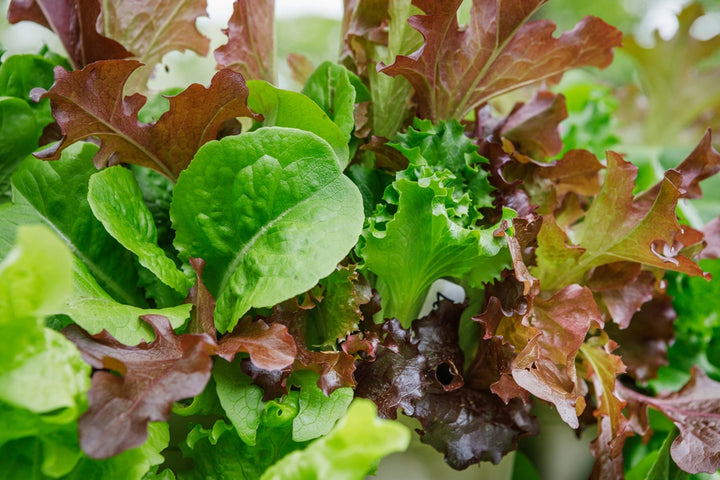
A: Mesclun mix lettuce is a blend of tender salad greens grown and harvested young for fresh eating. Instead of being a single lettuce variety, it usually includes a mix of leaf lettuces and sometimes other mild greens chosen for contrast in color, texture, and flavor. The appeal of mesclun is that one sowing can give you a balanced salad harvest with soft, frilly, smooth, crisp, and slightly spicy leaves all together. It is especially popular for gardeners who want repeated harvests from a small space.
Q: How is mesclun mix different from growing a single lettuce variety?
A: A single lettuce variety gives a more uniform planting, while mesclun mix offers diversity in leaf shape, color, growth speed, and flavor. That variety makes the harvest more interesting, but it also means some components may grow faster or mature earlier than others. In practice, this means you need to watch the bed closely and harvest at the right stage so one vigorous type does not overtake the slower ones. The result is usually more visually appealing and culinarily versatile than a single-variety planting.
Q: Is mesclun mix good for beginners?
A: Yes, mesclun mix is one of the better crops for beginners because it grows quickly, does not require a large garden, and gives fast results. It is especially encouraging for new gardeners who want to harvest something useful within a relatively short time. The main challenge is timing: mesclun is best when cut young, before heat, crowding, or delayed harvest reduce quality. As long as the grower keeps moisture even and does not wait too long to harvest, it is a very approachable crop.
Q: Can mesclun mix be grown in containers?
A: Yes, mesclun mix grows very well in containers as long as the container is wide enough to allow an even sowing and deep enough to hold moisture without drying out immediately. A loose, fertile, well-drained potting mix is ideal, and containers should be placed where they receive good light but are not baked excessively in extreme heat. Because containers dry more quickly than garden beds, growers need to watch moisture more carefully, especially during germination and during warm weather. Container growing is often one of the best ways to keep mesclun close at hand for repeated cutting.
Q: How much sun does mesclun mix need?
A: Mesclun mix grows best with strong light, but the ideal amount depends partly on season and climate. In cooler weather, full sun helps promote quick, sturdy growth and good leaf color. In warmer periods, some afternoon shade can improve tenderness and slow bolting, especially in hotter regions. The goal is enough light for healthy development without exposing the planting to excessive heat stress that can turn the leaves bitter or cause the mix to run to seed too quickly.
Q: How often can I harvest mesclun mix?
A: Mesclun mix can often be harvested more than once if it is cut carefully. Many growers use a cut-and-come-again approach, trimming the leaves while leaving the growing point intact so the plants can regrow for another harvest. The number of harvests depends on weather, fertility, spacing, and the components in the mix, but one or two good follow-up cuts are common under favorable conditions. Quality is usually best when each harvest is made promptly, before the stand becomes overgrown or uneven.
Q: When should I harvest mesclun mix for the best quality?
A: The best time to harvest is when the leaves are young, tender, and large enough to give a worthwhile cut, but before they become coarse or crowded. Waiting too long can cause the mix to lose balance, because faster-growing leaves begin to dominate and slower-growing types may get shaded out. Delayed harvest also increases the risk of bitterness, pest damage, and muddy or decaying lower leaves. Most growers get the best eating quality by checking the bed often and harvesting as soon as the blend looks full but still youthful.
Q: Why did my mesclun mix turn bitter?
A: Bitterness in mesclun mix is usually caused by heat, drought stress, delayed harvest, or the early stages of bolting. When plants grow too slowly under stress or too fast under hot conditions, leaf quality can change quickly. Some individual greens in the mix may naturally be stronger in flavor than others, so the taste may also shift as the balance of the planting changes over time. The best way to keep the mix mild and tender is to grow it in cooler seasons, maintain even moisture, and harvest while the leaves are still young.
Q: Why is my mesclun mix bolting so quickly?
A: Bolting is the plant’s shift from leaf production into flowering, and it is usually triggered by heat, long days, crowding, or general stress. Once bolting begins, leaves often become narrower, tougher, and more bitter, which reduces salad quality. Mesclun mixes are particularly sensitive because the planting is dense and fast-growing, so environmental stress can affect the whole bed at once. The best prevention is to sow in the right season, keep water consistent, avoid letting the planting become overcrowded, and harvest before the crop ages into stress.
Q: What kind of soil is best for mesclun mix lettuce?
A: Mesclun mix prefers loose, fertile, well-drained soil that holds enough moisture for rapid leaf growth without becoming waterlogged. Soil that is too compacted can reduce emergence and root development, while very sandy soil may dry too quickly unless watered carefully. A bed enriched with moderate organic matter usually performs well, especially if the surface is fine and smooth for even sowing. Since mesclun is harvested young and quickly, the ideal soil supports steady, uninterrupted growth rather than extremes of dryness or heavy saturation.
Q: Does mesclun mix need fertilizer?
A: Mesclun mix benefits from reasonably fertile soil, but it usually does not need aggressive feeding if the bed is already well prepared. Too little fertility can lead to slow, pale growth, while too much can create excessively soft leaves that are more vulnerable to rot and pest problems. A balanced, moderate level of fertility is usually the sweet spot, especially for repeated sowings. Many growers get the best results by improving the bed before sowing rather than relying on heavy feeding after the crop is already up.
Q: Can I succession sow mesclun mix?
A: Yes, succession sowing is one of the best ways to grow mesclun mix well. Because it matures quickly and is best harvested young, sowing small amounts at regular intervals gives a steadier supply than planting a large bed all at once. This also reduces the pressure to harvest everything at a single moment and helps you work around weather swings. In practice, repeated smaller sowings often produce higher quality salads than one oversized sowing that all matures together.
Q: Is mesclun mix suitable for baby leaf production?
A: Yes, mesclun mix is especially well suited to baby leaf production and is often grown specifically for that purpose. The young leaves are tender, attractive, and easy to wash and use fresh. Because the mix is intended to provide contrast in color and texture, it is most appealing when harvested at the baby leaf stage rather than allowed to become oversized. That early harvest window is one of the main reasons mesclun is so useful for home gardens, market gardens, and frequent kitchen picking.
Q: How should I wash and store mesclun mix after harvest?
A: Harvest mesclun when the leaves are dry if possible, then rinse gently in cool water to remove soil and field debris. Dry the greens thoroughly before storage, because excess moisture on the leaves encourages breakdown and shortens shelf life. A salad spinner or careful towel drying helps preserve texture. Once dry, store the greens in a cool container or bag in the refrigerator, where they will usually keep best when used promptly rather than held too long.
Q: Can mesclun mix be grown year-round?
A: In some climates, yes, but year-round success depends heavily on local temperatures and protection methods. Mesclun is naturally best suited to cool-season production, so spring, fall, and mild winter periods are often the easiest windows. In summer, shade, careful watering, and quick harvest become more important, while in colder periods, row cover, cold frames, or greenhouse space may help extend the season. It is possible to grow mesclun across much of the year, but the strategy has to shift with the weather.