Grow a true heirloom masterpiece, Musquée de Provence produces massive, deeply ribbed “fairytale” pumpkins with intensely sweet, velvety flesh that transforms every harvest into gourmet, market-quality perfection
Seeds: When properly stored, planted, and cared for, we guarantee reasonable germination and true-to-type growth for one year from purchase.
Non-seed products: Free from defects in materials and workmanship for 30 days from shipment.
Excludes factors outside our control (extreme weather, pests, gardener error). If something’s off, contact us—we’ll make it right with a replacement, repair, or refund.
USDA “bioengineered (BE)” foods are those with detectable genetic material that was modified using in vitro recombinant DNA (rDNA) techniques, in ways
not obtainable through conventional breeding or found in nature. The USDA’s National Bioengineered Food Disclosure Standard uses “bioengineered” as the nationwide labeling term.
Detectable modified genetic material in the final food
Created via in vitro rDNA techniques (e.g., gene transfer)
Modifications not achievable through conventional breeding or nature
—seeds / pkt
( ~ g )
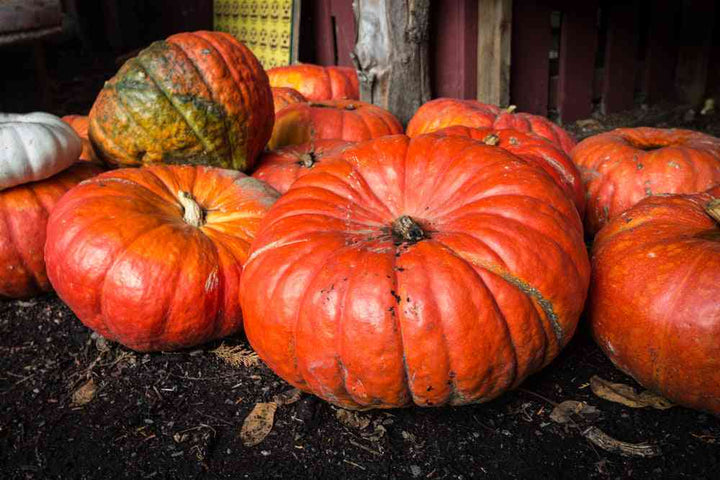
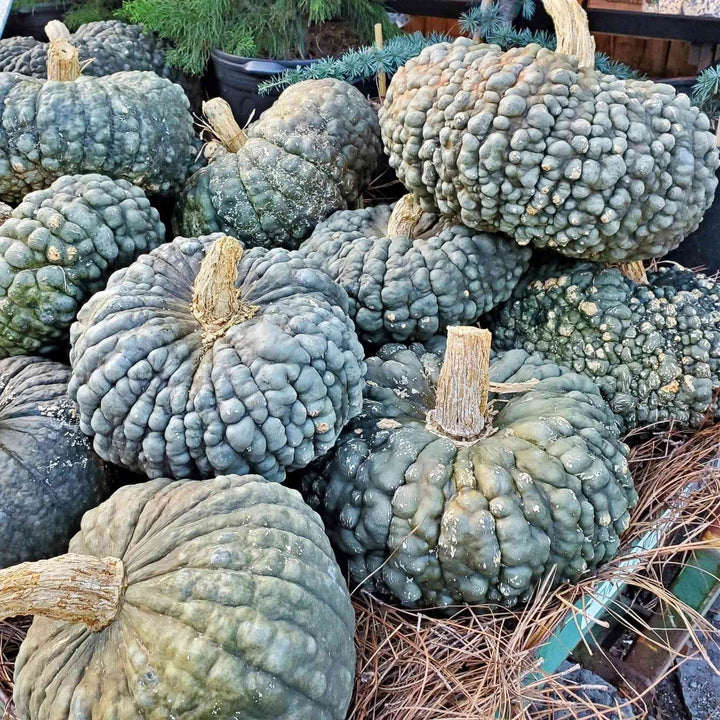
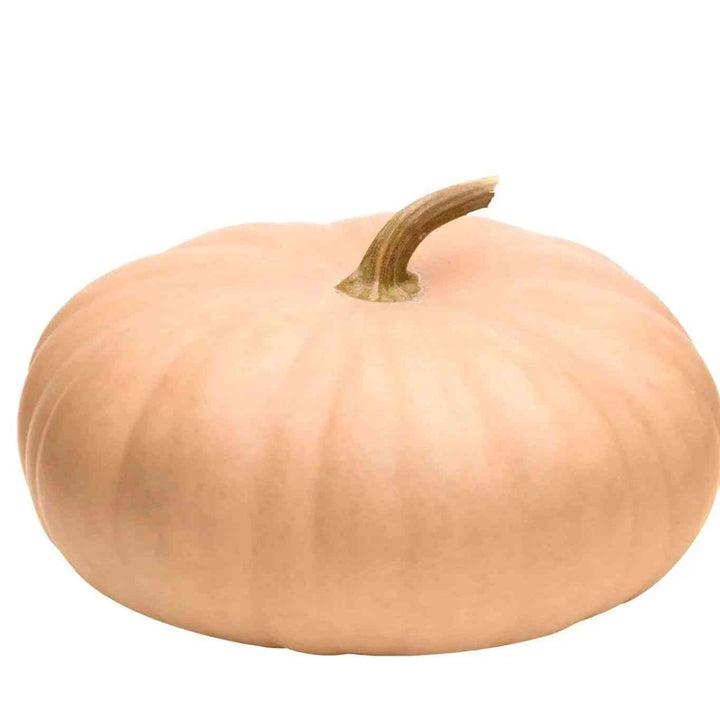
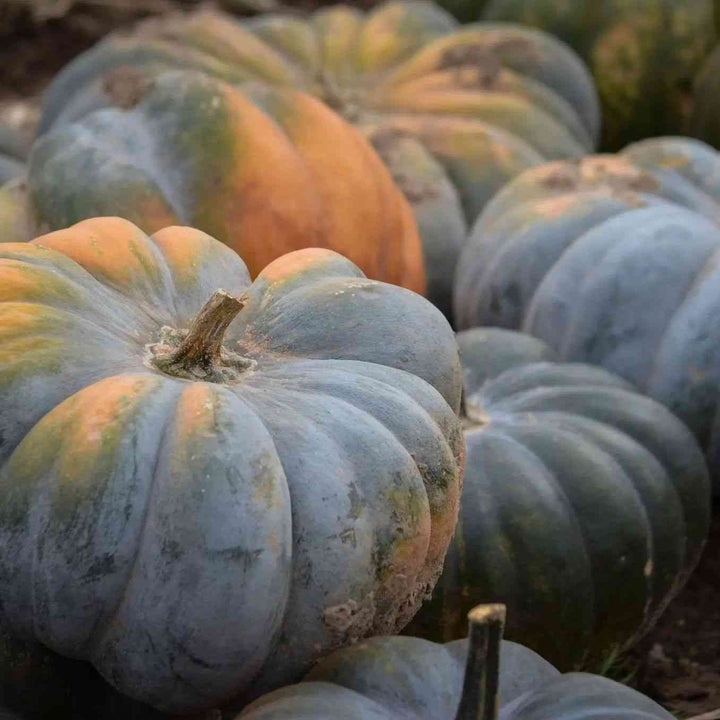
Musquée de Provence is a prized French heirloom pumpkin renowned for its deeply ribbed, flattened fruits that mature from dark green to a rich, warm tan reminiscent of antique “fairytale” pumpkins. Beneath its striking exterior lies dense, deep orange flesh with exceptional sweetness, smooth texture, and a rich, almost nutty flavor—making it one of the finest culinary pumpkins for baking, roasting, soups, and purées. Vigorous vining plants produce large, long-storing fruits that combine ornamental beauty with gourmet quality, thriving in warm, spacious gardens where they can fully develop their size, flavor, and signature character.
Musquée de Provence pumpkin requires a warm, stable start and careful early handling to support its long growing season and large fruit development. Because this is a vigorous vining squash, planting is not just about germination—it’s about setting up the plant for months of uninterrupted growth. Timing, soil preparation, spacing, and early care all play a critical role in determining final yield and fruit quality.
The first and most important factor is soil warmth and timing. Seeds should only be sown when the soil is consistently warm. Cold or wet soil can delay germination or cause seeds to rot before sprouting. Pumpkins are highly sensitive at this stage, and a poor start will affect the entire season. Choosing a planting time when conditions are stable ensures faster germination and stronger early growth.
For sowing, plant seeds about 1 inch deep into loose, well-prepared soil. The soil should be crumbly and well-drained, allowing roots to expand easily without resistance. Proper depth is important—too shallow and seeds may dry out, too deep and emergence may be slow or uneven. After placing seeds, gently firm the soil to ensure good contact while avoiding compaction. Water thoroughly after planting to settle the soil and initiate germination.
Spacing at planting is essential due to the plant’s aggressive growth habit. Musquée de Provence produces long, sprawling vines that require significant room. Seeds should be placed with enough space to allow vines to spread naturally without crowding. Overcrowding leads to poor airflow, increased disease risk, and reduced fruit size. Planning space early prevents problems later in the season.
Once seedlings emerge, thinning is critical. If multiple seeds germinate in the same area, select the strongest plants and remove the rest. This ensures each plant has access to adequate nutrients, light, and water. Strong, well-spaced plants establish faster and develop more vigorous vines capable of supporting large fruit.
Transplanting is possible but should be done with caution. Pumpkins do not tolerate root disturbance well, so if starting indoors, use larger or biodegradable containers that allow for minimal disruption. Seedlings should be transplanted while still young and before becoming root-bound. When moving them into the ground, transfer the entire root mass intact and water immediately to reduce transplant shock. Even with careful handling, direct sowing is generally preferred for best results.
Early-stage care is one of the most important parts of the planting process. The soil should remain evenly moist but not waterlogged. Inconsistent moisture can slow germination or weaken seedlings. Young plants are also vulnerable to pests and environmental stress, so protecting them during this stage helps ensure strong establishment. A healthy start allows the plant to quickly transition into vigorous vine growth.
Weed control during establishment is critical. Young pumpkin plants do not compete well, and early weed pressure can significantly reduce growth. Keeping the planting area clean allows the seedlings to access all available nutrients and moisture, helping them develop into strong, dominant vines.
If growing in a structured system or planning to guide vines, it is best to establish layout and direction early. Once vines begin spreading, moving them can cause damage. Guiding growth from the beginning helps maintain organization, improves airflow, and makes future care easier.
The planting stage sets the trajectory for the entire crop. Warm soil, correct depth, proper spacing, consistent moisture, and early protection all contribute to strong vine development. When Musquée de Provence is planted under the right conditions and allowed to establish without stress, it develops into a powerful, productive plant capable of producing large, high-quality pumpkins with excellent flavor and storage potential.
Musquée de Provence pumpkin is a long-season, warm-weather crop that requires space, patience, and consistency to reach its full potential. This variety is known for producing large, dense, deeply ribbed fruits, and achieving that quality depends on maintaining strong vine health from early growth through full maturity. The key to success is uninterrupted development—any stress along the way can reduce fruit size, sweetness, and storage quality. When grown properly, however, it delivers some of the finest culinary pumpkins available.
The foundation of growth begins with heat, sunlight, and soil condition. This pumpkin thrives in full sun and requires warm soil to establish strong roots and vigorous vines. The growing area should be open and expansive, as the plant will produce long, sprawling vines that need room to spread. Soil should be well-drained but capable of holding consistent moisture, allowing roots to access water without becoming waterlogged. A stable root environment supports the long growing cycle required for large fruit development.
Early growth is the most critical phase. Once established, the plant focuses on building a powerful vine system, which will later support fruit production. Large, healthy leaves are essential—they act as the plant’s energy system, converting sunlight into the sugars that eventually fill the fruit. Any early stress from pests, poor watering, or competition can limit this development and reduce overall yield. Strong early vines lead directly to better fruit size and quality later.
As vines expand, spacing and airflow become essential. Musquée de Provence produces dense growth, and without enough space, humidity can build within the canopy, increasing the risk of disease. Proper spacing allows sunlight to penetrate the plant, keeps leaves dry, and makes it easier to monitor for pests. A well-managed vine system is easier to maintain and produces more consistent results than one that becomes overcrowded and difficult to access.
Flowering marks the transition into fruit production. Like all pumpkins, this variety produces separate male and female flowers, and pollination is required for fruit set. Healthy plants with active pollinators will set fruit consistently, while poor pollination can lead to flowers dropping or misshapen pumpkins. Maintaining stable conditions during flowering—especially consistent moisture and minimal stress—helps ensure successful fruit development.
Once fruit begins to form, the plant shifts its energy toward fruit sizing and maturation. At this stage, consistent watering becomes even more important. The plant needs steady moisture to support the growth of large, dense pumpkins. Irregular watering can lead to uneven development, cracking, or reduced quality. However, as the fruit approaches full maturity, slightly reducing water can help concentrate sugars and improve flavor—this must be done gradually to avoid stressing the plant.
Managing fruit load is an important technique for improving quality. While the plant may set multiple pumpkins, allowing too many to develop can spread resources too thin. Limiting the number of fruits per vine helps produce larger pumpkins with better texture and richer flavor. A balanced plant will consistently outperform one that is overloaded.
Protecting the fruit itself is another key factor. Large pumpkins resting directly on moist soil are prone to rot, insect damage, and surface blemishes. Placing fruit on a dry surface improves airflow and reduces the risk of decay. At the same time, maintaining a healthy leaf canopy provides natural shade, protecting the fruit from sunscald and helping it mature evenly.
Leaf health must be preserved throughout the growing season. The longer the plant maintains a strong canopy, the more energy it can direct into fruit development. Disease or pest damage that reduces leaf function will directly impact fruit size and flavor. Regular monitoring and early intervention help keep the plant productive for the full length of its growing cycle.
Weed control is especially important early in the season. Young plants do not compete well, and early competition can slow vine development. Once established, the large leaves will naturally suppress many weeds, but early management ensures the plant can dominate the space and grow without interruption.
As the season progresses, patience becomes critical. Musquée de Provence develops its best flavor and texture when allowed to fully mature on the vine. The rind will harden, and the color will deepen from green to a rich tan. Harvesting too early reduces both flavor and storage potential. Allowing the fruit to fully ripen ensures the dense flesh reaches its peak quality.
Overall, growing Musquée de Provence pumpkin is about maintaining balance—consistent moisture, strong vine health, proper spacing, and careful fruit management. When these elements are aligned, the plant produces large, visually stunning pumpkins with exceptional culinary quality. It is a crop that rewards attentive growers with both beauty and flavor, making it one of the most satisfying heirloom pumpkins to cultivate.
Musquée de Provence pumpkin is a crop where attention to detail and consistency directly translate into size, flavor, and storage quality. The most important tip is to protect vine health at all costs. The large leaves are responsible for producing the sugars that fill the fruit, so keeping the canopy strong and active for as long as possible is critical. If leaves decline early due to pests, disease, or stress, the pumpkins may still grow, but they will lack the dense sweetness and rich texture this variety is known for.
One of the most impactful techniques is managing fruit load. This variety can set multiple pumpkins, but allowing too many to develop at once often results in smaller, less flavorful fruit. Limiting the number of pumpkins per plant allows the vine to concentrate its energy, producing larger fruits with deeper color, better texture, and improved sweetness. A balanced plant consistently produces higher-quality pumpkins than one that is overloaded.
Water consistency is essential from start to finish. During vine growth and early fruit development, steady moisture supports expansion and overall plant vigor. However, as pumpkins approach maturity, slightly reducing watering helps concentrate sugars and improve flavor. This must be done gradually—sudden drought stress can damage the plant or halt development. The goal is consistent moisture early and controlled moderation later.
Another key tip is to protect developing fruit from ground contact. Large pumpkins sitting directly on moist soil are prone to rot, insect damage, and surface blemishes. Placing fruit on a dry surface improves airflow and reduces the risk of decay. This also helps maintain the pumpkin’s appearance and storage quality.
Pollination is critical and often underestimated. Musquée de Provence produces separate male and female flowers, and successful pollination is required for proper fruit formation. Poor pollination can lead to misshapen pumpkins or fruit that fails to develop fully. Encouraging pollinators and maintaining stable conditions during flowering significantly improves both yield and fruit quality.
Spacing and airflow are essential for long-term success. This variety produces large, sprawling vines that can quickly become dense. Avoid overcrowding at all costs—good airflow keeps leaves dry, reduces disease pressure, and allows sunlight to reach more of the plant. A well-spaced planting is easier to manage and produces healthier vines.
Timing the harvest correctly is crucial for both flavor and storage. Musquée de Provence develops its best flavor when fully matured on the vine. The rind should be hard, deeply colored, and resistant to scratching. Harvesting too early results in lower sugar content and reduced storage life, while properly matured pumpkins can store well and continue to develop flavor.
Early-season care sets the entire crop up for success. Weed control and protection during early growth allow the plant to establish quickly and dominate its space. Once established, the large leaves will suppress many weeds naturally, but early competition can slow development and reduce final yield.
One of the most valuable long-term tips is to observe plant performance closely. Some vines may produce larger fruit, resist disease better, or maintain stronger growth. Noticing these differences helps guide future planting and seed saving, leading to improved results over time.
The biggest mistakes with Musquée de Provence are inconsistent watering, overcrowding, harvesting too early, and allowing vine health to decline before fruit fully matures. The biggest successes come from steady care, proper fruit management, and patience. When grown with attention and allowed to fully develop, this variety produces large, stunning pumpkins with exceptional flavor and outstanding storage potential, making it one of the most rewarding heirloom crops to grow.
Musquée de Provence pumpkin is a vigorous and productive heirloom, but like all large vining squash, it is highly susceptible to a range of pests, diseases, and environmental stresses—especially due to its long growing season and large fruit size. Because this variety invests significant energy into developing dense, high-quality flesh, any disruption to vine health can directly impact fruit size, sweetness, and storage quality. The most common challenges include squash vine borers, squash bugs, cucumber beetles, aphids, and spider mites, along with diseases such as powdery mildew, downy mildew, bacterial wilt, and various fungal rots. Successful growers focus on prevention, early detection, and maintaining strong, uninterrupted vine growth.
Squash vine borers are one of the most destructive pests for this variety. The larvae burrow into the stems, cutting off water and nutrient flow, which leads to sudden wilting and collapse of otherwise healthy vines. Because Musquée de Provence produces long, thick vines, it can sometimes tolerate minor damage, but severe infestations will drastically reduce yield. Early signs include small holes near the base of the vine and sawdust-like frass. Prevention and early detection are critical, as control becomes very difficult once larvae are inside the stems.
Squash bugs are another major threat. These insects feed on leaves and stems by sucking plant juices, causing yellowing, wilting, and eventual decline. They often hide on the undersides of leaves and lay eggs in clusters. If populations build, they can weaken vines to the point where fruit development is reduced or stopped. Early removal of eggs and adults is one of the most effective management strategies, as large infestations are much harder to control.
Cucumber beetles pose a dual threat. They feed on leaves, flowers, and young vines, but more importantly, they can transmit bacterial wilt—a disease that causes rapid and irreversible plant collapse. Even small populations can introduce disease, making early monitoring essential. Damage may appear minor at first, but the long-term effects can be severe if disease is spread.
Aphids and spider mites typically attack during periods of plant stress. Aphids cluster on new growth and undersides of leaves, sucking sap and causing curling, yellowing, and reduced vigor. Spider mites thrive in hot, dry conditions and cause fine speckling, bronzing, and eventual leaf decline. Both pests reduce the plant’s ability to photosynthesize, which directly impacts fruit development and sweetness. Maintaining consistent plant health helps reduce susceptibility, as stressed plants are more prone to infestation.
Disease pressure is one of the biggest challenges with Musquée de Provence due to its long growing cycle. Powdery mildew is extremely common and appears as a white, dusty coating on leaves, gradually reducing the plant’s ability to produce energy. Downy mildew can cause yellowing and rapid leaf collapse, especially in humid conditions. Bacterial wilt, spread by cucumber beetles, can quickly destroy entire vines. Other fungal diseases, including anthracnose and leaf spot, may develop in warm, wet environments, weakening foliage and reducing yield.
Root and soil-related problems are often caused by poor drainage or inconsistent watering. Pumpkins require well-drained soil, and waterlogged conditions can lead to root rot and plant decline. On the other hand, drought stress can slow vine growth, reduce fruit set, and limit final fruit size. Uneven watering can also affect fruit quality, leading to cracking or poor internal development. Consistent, moderate moisture is essential for maintaining steady growth.
Fruit-related issues are especially important with this variety due to its large size and dense flesh. Fruits that sit on wet soil are prone to rot, soft spots, and pest damage. Loss of foliage can expose fruit to sunscald, while inconsistent watering can lead to uneven development or cracking. Supporting fruit with a dry barrier and maintaining a healthy canopy helps protect quality through maturity.
Pollination is another critical factor. Musquée de Provence produces separate male and female flowers, and successful pollination is required for proper fruit set. Poor pollination can result in misshapen fruit or flowers that fail to develop. Strong pollinator activity and stable growing conditions during flowering are essential for good yields.
Weeds and overcrowding can quietly reduce performance. Weeds compete for nutrients and water, while dense growth reduces airflow and increases humidity, encouraging disease. Proper spacing and early weed control help maintain a healthy growing environment and reduce stress on the plants.
Overall, Musquée de Provence pumpkin requires attentive but manageable care. The most serious problems come from pests that damage or kill vines, diseases that reduce leaf function, and inconsistent growing conditions. The best results come from prevention: warm, well-drained soil, proper spacing, steady moisture, strong pollination, and regular monitoring. When these factors are managed well, the plant remains vigorous and capable of producing large, beautiful, and exceptionally flavorful pumpkins.
Q: What is Musquée de Provence pumpkin?
A: Musquée de Provence is a French heirloom pumpkin known for its deeply ribbed, flattened shape and rich, sweet, deep orange flesh. It is prized as a premium culinary pumpkin with exceptional flavor and texture.
Q: Why is it called a “Fairytale” or “Cinderella” pumpkin?
A: Its flattened shape, deep ribbing, and warm tan color resemble traditional storybook pumpkins, giving it the “Fairytale” or “Cinderella” nickname often used in markets and gardens.
Q: Is Musquée de Provence good for eating?
A: Yes, it is considered one of the best culinary pumpkins. Its dense, smooth, and sweet flesh is excellent for baking, roasting, soups, and purées.
Q: How long does it take to grow?
A: This is a long-season pumpkin that requires a full warm growing period to reach maturity and develop its full size and flavor.
Q: How large do the pumpkins get?
A: Fruits can grow quite large and heavy, especially when the plant is given enough space and consistent care. Size varies depending on growing conditions and fruit load.
Q: Do I need a lot of space to grow this pumpkin?
A: Yes, this is a vigorous vining variety that requires significant space. The vines spread widely and need room for proper airflow and fruit development.
Q: Can I grow it vertically?
A: While possible with strong support, the large size and weight of the fruit make vertical growing more challenging. Ground growing is generally preferred.
Q: How many pumpkins will one plant produce?
A: A healthy plant can produce multiple fruits, but growers often limit the number to improve size and quality.
Q: Does it need full sun?
A: Yes, full sun is essential for strong vine growth, flowering, and sugar development in the fruit.
Q: How often should I water?
A: Pumpkins require consistent moisture throughout the growing season. The soil should remain evenly moist but not waterlogged. Irregular watering can affect fruit size and quality.
Q: Why are my flowers falling off?
A: This is often due to poor pollination. Pumpkins produce separate male and female flowers, and pollinators are needed for fruit set.
Q: Why are my fruits misshapen?
A: Misshapen fruit is usually caused by incomplete pollination or uneven growing conditions.
Q: What pests affect this pumpkin the most?
A: Common pests include squash vine borers, squash bugs, cucumber beetles, aphids, and spider mites. These can damage vines and reduce yield if not managed early.
Q: What diseases should I watch for?
A: Powdery mildew, downy mildew, and bacterial wilt are the most common. These can weaken or kill vines if not controlled.
Q: Why are my leaves turning white?
A: This is typically powdery mildew, a common fungal disease that affects pumpkins, especially later in the season.
Q: Why did my vine suddenly wilt?
A: Sudden wilting is often caused by squash vine borers or bacterial wilt. Both can quickly disrupt the plant’s ability to transport water.
Q: Can I grow this pumpkin in containers?
A: It is not ideal for containers due to its large size and vining habit. It performs best in open ground with plenty of space.
Q: How do I know when it’s ready to harvest?
A: The rind will turn from green to a deep tan color, become hard, and resist scratching. The stem also begins to dry as the fruit reaches maturity.
Q: Does it store well?
A: Yes, Musquée de Provence is known for good storage when harvested mature and kept in proper conditions.
Q: Can I save seeds from this variety?
A: Yes, it is an open-pollinated heirloom, so seeds can be saved. However, isolation from other squash varieties is needed to maintain purity.
Q: Is it beginner-friendly?
A: It can be grown by beginners, but it requires space, consistent care, and attention to pests and disease for best results.
Q: What makes Musquée de Provence special?
A: Its combination of striking appearance, large size, and exceptional culinary quality makes it one of the most valued heirloom pumpkins.
Q: Is it worth growing?
A: Yes, for growers who want a high-quality culinary pumpkin with excellent flavor and visual appeal, it is one of the most rewarding varieties to grow.
Musquée de Provence pumpkin belongs to the species Cucurbita moschata, one of the most historically important domesticated squash groups originating in the Americas. The broader species traces its roots to early agricultural systems in Mesoamerica, where indigenous peoples selected and cultivated squash for thousands of years as part of foundational cropping systems. These early domesticated forms were valued not only for their flesh but also for their seeds and storage potential, making them essential to long-term food security.
As squash cultivation spread beyond the Americas following global exploration and trade, Cucurbita moschata varieties adapted especially well to warm climates and became widely established in Europe, Africa, and Asia. Unlike some other squash species, C. moschata is particularly known for its tolerance to heat, humidity, and certain pests, which made it highly desirable in regions with long, hot growing seasons. Over time, regional selection led to the development of distinct landraces and heirloom varieties, each adapted to local preferences for flavor, storage, and culinary use.
Musquée de Provence emerged in southern France, particularly in the Provence region, where it was refined through generations of traditional farming and seed saving. Farmers in this region selected for traits that aligned with both culinary excellence and market appeal: deeply ribbed, flattened fruits; dense, richly colored flesh; and strong storage capability. The unique shape and color—transitioning from deep green to a warm, earthy tan—became a defining visual characteristic, making it recognizable in both local markets and home gardens.
Culturally, Musquée de Provence became an important part of regional food traditions. In French cuisine, pumpkins and winter squash are often used in soups, purées, and baked dishes, and this variety gained a reputation for superior flavor and texture. Its dense flesh, smooth consistency, and naturally sweet, slightly nutty taste made it especially well-suited for refined culinary applications. Unlike varieties grown primarily for decoration, Musquée de Provence was always valued first as a food crop, with its ornamental appeal as a secondary benefit.
The variety also reflects the agricultural practices of traditional European market gardening. Its large size and ability to store for extended periods made it ideal for seasonal harvest and later use, reducing waste and extending food availability into colder months. This storage capability was especially important before modern refrigeration, as it allowed communities to rely on preserved harvests well beyond the growing season.
As global seed exchange expanded, Musquée de Provence gained popularity outside of France, particularly among heirloom growers and culinary gardeners. Its reputation as a high-quality eating pumpkin, combined with its striking appearance, helped it become a staple in specialty markets and seed catalogs. It is often associated with “fairytale” or “Cinderella” pumpkins due to its distinctive form, though it stands apart for its true culinary excellence rather than purely ornamental use.
From a breeding perspective, Musquée de Provence represents a stable, open-pollinated heirloom that has been maintained through careful selection rather than hybridization. This allows growers to save seeds and preserve the variety’s characteristics over time. Its continued cultivation today reflects both its historical significance and its ongoing value in modern gardens.
In a broader context, Musquée de Provence embodies the journey of squash from ancient domestication in the Americas to refined heirloom varieties shaped by regional culture and cuisine. It connects indigenous agricultural origins with European tradition and modern heirloom preservation, making it not only a productive crop but also a living example of agricultural history and cultural exchange.
Saving seeds from Musquee De Provence Pumpkin (Cucurbita moschata):
1. Selecting Plants for Seed Saving:
Choose healthy plants with vigorous growth and well-formed pumpkins.
Avoid plants showing signs of disease or poor growth.
2. Harvesting Seeds:
Timing: Allow the pumpkins to mature fully on the vine until the skin is hard.
Collection: Harvest the ripe pumpkins and cut them open to remove the seeds.
3. Cleaning Seeds:
Separation: Rinse the seeds to remove any remaining pumpkin flesh.
Inspection: Ensure seeds are clean and free from mold or pests.
4. Drying Seeds:
Place the seeds on a paper towel or screen in a well-ventilated, dry area. Allow them to dry completely for one to two weeks.
5. Storing Seeds:
Containers: Store seeds in labeled paper envelopes or airtight containers.
Storage Conditions: Keep in a cool, dry, and dark place.
Viability: Use seeds within three to five years for best results.
6. Testing Seed Viability:
Test by placing seeds on a damp paper towel in a plastic bag in a warm place and check for germination.
Tips for Successful Seed Saving:
Isolation: Maintain distance between different pumpkin varieties to prevent cross-pollination.
Pollinators: Encourage pollinators for better seed production.
Record Keeping: Keep detailed records of the process.
Uses and Benefits:
Musquee De Provence Pumpkin (Cucurbita moschata) is known for its ribbed, flattened shape and sweet, orange flesh. It is often used in cooking and as a decorative pumpkin.
Pumpkins provide vitamins, minerals, and fiber, supporting overall health. Musquee De Provence Pumpkins are versatile in culinary applications, adding flavor and visual interest to dishes.
Shipped from U.S.A.
Our seeds are grown and sourced from the US. They're then packed and shipped from Colerain NC.
Triple tested
We regularly test the quality and germination rate of our seeds. We're so confident that our seeds are backed by a 1 year warranty!
Payment & Security
Payment methods
Your payment information is processed securely. We do not store credit card details nor have access to your credit card information.
Complete the garden
Turn one packet into a full plan.
Help shoppers add companion seeds, garden supplies, and related goals before they leave the product page.
Sign up for our newsletter to get a 30% discount code sent straight to your inbox. If it doesn’t appear right away, please check your inbox settings, and if you still need help, we’re here to assist!
Your cart
Start with a garden goal.Browse seed packets, seasonal picks, pantry goods, or starter garden ideas.
Musquée de Provence is a prized French heirloom pumpkin renowned for its deeply ribbed, flattened fruits that mature from dark green to a rich, warm tan reminiscent of antique “fairytale” pumpkins. Beneath its striking exterior lies dense, deep orange flesh with exceptional sweetness, smooth texture, and a rich, almost nutty flavor—making it one of the finest culinary pumpkins for baking, roasting, soups, and purées. Vigorous vining plants produce large, long-storing fruits that combine ornamental beauty with gourmet quality, thriving in warm, spacious gardens where they can fully develop their size, flavor, and signature character.