Free U.S. seed shipping $25+. Seeds ship free at the threshold.

Current Processing Times Before Shipping Are 1-2 Business Days

25% OFF Select heirloom seed packets are $1.50, regularly $2.00. Sale packets are marked down · coupons apply to eligible full-price items only. Shop seed packets →

Red Burgundy Onion

Scientific name Allium cepa L.

About this variety

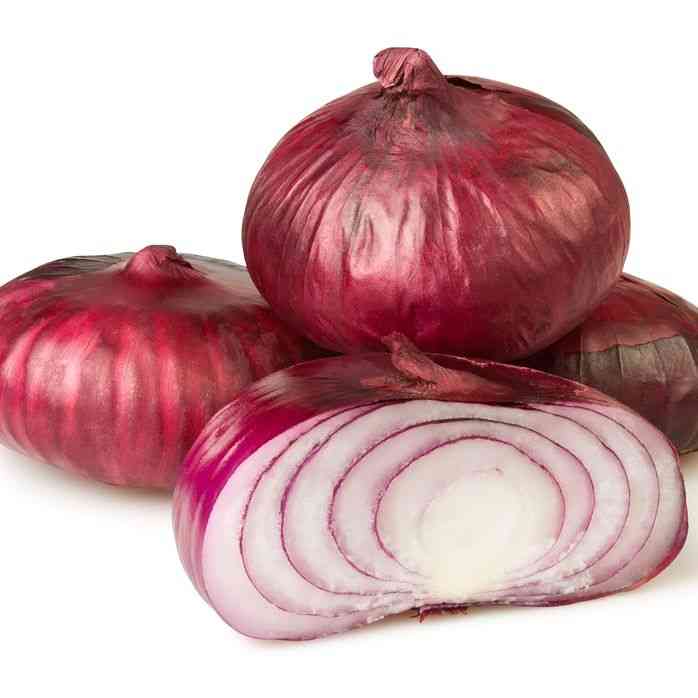
Red Burgundy is a short-day, open-pollinated onion with rich burgundy skins and crisp white flesh ringed with pink-purple. Its mild, sweet bite adds color to salads, sandwiches and fresh salsa, and mellows when cooked. Best suited to Southern gardens and regions with mild winters, it begins forming bulbs with about 10–12 hours of daylight. Establish healthy, leafy plants...

Continue with the complete description
$200 USD

Pickup available at Bertie County Seeds

Usually ready in 2-4 days

At a glance

The facts most gardeners need first

View the full variety record
250 minimum seeds per packet
Gardener experience

Moderate

Germination difficulty

Easy to moderate

Germination time

7-14 Days at 50–65 °F seed-zone soil temperature

  • Germination
    7-14 Daysa seed-zone soil temperature of 50–65 °F
  • Maturity
    Approximately 110-119 Days, from transplanting to market-size bulbs under the proper day length. Weather, soil temperature, and planting method can shift the actual harvest date.
  • Sun
    Full sun
  • Support and spacing
    No support needed · space 4 in · rows 12 in
  • Growth habit
    Upright or erect · Biennial · 13–18 in tall
  • Best use
    Fresh allium flavor, kitchen gardens, succession planting, and seed saving
Secure checkout Details
Generic
Triple-tested seed qualityRegular quality and germination checks support every packet.

We regularly test seed quality and germination as lots move through storage and packing. We stand behind the seed we send and want customers to contact us when a packet does not perform as reasonably expected.

1-year seed warrantyCoverage begins on the date of purchase.

When properly stored, planted, and cared for, we guarantee reasonable germination and true-to-type growth for one year from the date of purchase. Conditions outside our control—including extreme weather, pests, unsuitable storage, and gardener error—are excluded. Contact us when something is not right so we can review the situation and work toward a replacement, refund, or another fair resolution.

Non-GMO / BE seed policyWe do not buy or sell genetically engineered or bioengineered seed.

Every seed variety we sell is non-GMO.

USDA’s National Bioengineered Food Disclosure Standard defines bioengineered foods as containing detectable genetic material modified through in vitro recombinant DNA methods in ways not achievable through conventional breeding or found in nature.

  • Hybrid means parent lines were conventionally crossed; hybrid does not mean GMO.
  • Heirloom and open-pollinated describe how a variety is maintained and reproduced.
  • Organic certification is separate and is shown only when verified for the individual product.
Packed in Colerain, North CarolinaPrepared in our seed room for gardens across the country.

Seeds are packed and shipped from Colerain, North Carolina. Our packets use forestry-certified paper, and we use recyclable paper mailers where appropriate. AONSK is also a 1% for the Planet partner while continuing to reduce waste in packing and fulfillment.

Garden tools

Need a plan for your space?

Use the garden-fit planner and soil calculator to turn the recorded growing facts into a practical plan.

Open garden tools Uses this product’s recorded growing information. Local weather and garden conditions may vary.

Variety field guide

What to expect from Red Burgundy Onion

Red Burgundy is a biennial bulb onion selection grown for fresh allium flavor, kitchen gardens, succession planting, and seed saving.

Read the complete product descriptionTraits, flavor, garden use, variety notes, and the full catalog record

Red Burgundy is a short-day, open-pollinated onion with rich burgundy skins and crisp white flesh ringed with pink-purple. Its mild, sweet bite adds color to salads, sandwiches and fresh salsa, and mellows when cooked. Best suited to Southern gardens and regions with mild winters, it begins forming bulbs with about 10–12 hours of daylight. Establish healthy, leafy plants before bulbing begins for a good-sized harvest.

About Red Burgundy

Red Burgundy is a biennial selection of bulb onion, with an upright/erect habit and an expected height or spread of 13–18 in. It is best suited to fresh allium flavor, kitchen gardens, succession planting, and seed saving. Notable traits include red coloring; harvest leaves, shafts, or bulbs at the stage named on the product page; savory allium flavor ranging from mild green leaves to mature bulbs.

Keep field notes on Red Burgundy so its performance can be compared with other bulb onion selections under the same planting date and care.

History and provenance

Allium crops have been selected across Eurasia for leaves, shafts, bulbs, storage, color, and response to day length. A cultivar name does not override day-length adaptation, and bunching onions, bulb onions, leeks, and chives should not be treated as interchangeable species. Red Burgundy belongs to a plant lineage long associated with Mediterranean and Old World garden agriculture. It was selected over generations for kitchen, market, ornamental, or herbal value and remains useful in modern home gardens. Red Burgundy is a short-day variety: bulb formation begins at about 10–12 hours of daylight. Matching its day-length response to local planting dates is essential; it is best adapted to Southern growing regions.

Growing facts

Scientific name Allium cepa L.
Life cycle Biennial
Day-length type Short-day; bulbs form at about 10–12 hours of daylight
Maturity 110-119 Days
Germination 7-14 Days at 50–65 °F
Seed depth 1/4 in
Plant height / spread 13–18 in
Growth habit Upright/Erect
Spacing 4 in between plants; 12 in between rows
Sunlight Full sun
Soil Loamy; pH 6.0–6.5
Water Moderate
Support No-Support

Starting Red Burgundy from seed

Sow 1/4 in deep and keep the seed zone evenly moist. Expect emergence in 7-14 Days when the seed-zone temperature is near 50–65 °F. Germination preparation: Start in clean seed-starting mix when season length requires it, then transplant at a sturdy but not root-bound stage. Light requirement: Cover evenly to 1/4 in. Soaking: None required. Stratification: None required. Scarification: None required.

Planting and care

In mild-winter regions, sow in fall for spring bulbs, following local planting dates. Where winters are colder, start indoors 8–10 weeks before local transplant time and set hardened-off plants out early in spring. Short-day onions can begin bulbing before they develop enough leaves in northern gardens, producing smaller bulbs; they can also be harvested young as green onions. Provide full sun, well-drained loamy soil with a pH near 6.0–6.5, and steady moisture. Space plants 4 in apart with 12 in between rows. Keep weeds down and avoid waterlogged soil. Containers need good drainage and enough space to maintain the same plant spacing.

Harvest and use

Approximately 110-119 Days, from transplanting to market-size bulbs under the proper day length. Weather, soil temperature, and planting method can shift the actual harvest date. Harvest: Harvest leaves, shafts, or bulbs at the stage named on the product page. Uses: Fresh allium flavor, kitchen gardens, succession planting, and seed saving. Flavor: savory allium flavor ranging from mild green leaves to mature bulbs. Seed saving: Insect-pollinated Allium. Best uses include fresh allium flavor, kitchen gardens, succession planting, and seed saving. Flavor and eating quality: savory allium flavor ranging from mild green leaves to mature bulbs.

Saving seed

Select several healthy, true-to-type Red Burgundy plants that match the expected upright/erect habit and overall plant form. Avoid saving seed only from the earliest or largest individual unless that is your deliberate selection goal. Pollination system: Insect-pollinated Allium. Compatible cultivars of the same species can cross while flowering. Separate compatible varieties that may flower together, or use cages, barriers, hand pollination, or another documented control appropriate to the crop. Red Burgundy is a biennial. Seed production may require overwintering, vernalization, or more than one growing season, depending on climate and crop biology. Clean the seed carefully, dry it thoroughly away from direct heat, label the lot with variety and year, and store it cool, dark, and dry. Test germination before an important planting or distribution season.

Common problems

Common concerns: Damping-off, aphids, slugs, caterpillars, leaf spots, root rots, and stress-related bolting or poor establishment. Management: Start with clean seed and mix, match temperature to the crop, avoid overwatering, provide airflow, scout regularly, and rotate families. Diagnosis note: Similar symptoms can have different causes. Compare plants of the same age, record weather and irrigation, and use local Extension or diagnostic support before applying a control.

Frequently asked questions

Frequently Asked Questions - Red Burgundy

Is Red Burgundy a short-day onion? Yes. It begins forming bulbs at about 10–12 hours of daylight and is best suited to Southern gardens. This refers to the daylight that triggers bulbing; the plants still need full sun.

When is Red Burgundy ready? Use 110-119 Days. Approximately 110-119 Days, from transplanting to market-size bulbs under the proper day length. Weather, soil temperature, and planting method can shift the actual harvest date.

How long does germination take? Expect 7-14 Days at about 50–65 °F. Cooler, hotter, crusted, saturated, or dry seedbeds can slow emergence.

How large does it grow? Expect about 13–18 in with an upright/erect habit. Space plants 4 in apart and rows 12 in apart. Support: No-Support.

Can it grow in a container? Good container fit with drainage, even moisture, and the listed spacing Use a container with drainage and enough volume to maintain the listed spacing and steady moisture.

Can I save seed? Insect-pollinated Allium. Keep compatible varieties isolated and allow selected plants to reach full seed maturity.
Garden toolsOpen the garden-fit planner, planting-window questions, or soil calculator only when useful

Uses this product’s recorded growing information. Local weather, soil, and garden conditions may vary.

Garden-fit planning for this variety

Will Red Burgundy Onion fit your garden?

Use your space, timing, light, soil, water, and growing preferences to make a more informed choice. Start with the essentials, then open only the detail groups that matter to you.

Rules-based · no AI · optional answers

Add an optional ZIP code and planting date for a broad frost-window check.Use local forecasts and measured soil temperature for final planting decisions.
1Essential fitTiming, light, and space
2Temperature and exposureOptional microclimate detail
3Soil, drainage, and waterRoot-zone readiness
4Questions for this garden seedCrop-specific decisions
5Seed-starting fit and patienceMatch the propagation work
Recorded product profileIntermediateModerateRead why
Soil test, pH, drainage, and amendment calculator Have a laboratory soil report? Enter pH, nutrients, texture, bed size, and site observations here. Open soil tools
Recorded soil typeLoamy
Recorded pH range6.0–6.5
Water needsModerate
LightFull sun

Laboratory report interpreter

Soil readiness for Red Burgundy Onion

Allium cepa L.

Enter only the values your report provides. The result compares them with this crop’s recorded needs and keeps laboratory recommendations authoritative.

Core report valuesStart here
Advanced laboratory valuesOptional method-aware detail

Full growing record

Complete growing and seedkeeping record

Starting and plantingSeed preparation, sowing, germination, transplanting, spacing, and early establishment
Sow 1/4 in deep. Expect germination in 7-14 Days at 50–65 °F. Space plants 4 in apart and rows 12 in apart. Provide full sun, loamy near pH 6.0–6.5, and moderate watering. Support: No-Support. Red Burgundy grows with an upright/erect habit to about 13–18 in. Plant during spring/Fall, provide full sun, and use loamy near pH 6.0–6.5. Space plants 4 in apart with 12 in between rows. Water requirement: Moderate. Support: No-Support.
Season-long growing guideWater, fertility, support, weather response, pollination, containers, and care through maturity
Sow 1/4 in deep. Expect germination in 7-14 Days at 50–65 °F. Space plants 4 in apart and rows 12 in apart. Provide full sun, loamy near pH 6.0–6.5, and moderate watering. Support: No-Support.
Harvest, storage, and usesRecognizing maturity, harvesting cleanly, handling and storage, kitchen uses, and garden roles

Harvest and storage

Harvest: Harvest: Harvest leaves, shafts, or bulbs at the stage named on the product page. Uses: Fresh allium flavor, kitchen gardens, succession planting, and seed saving. Flavor: savory allium flavor ranging from mild green leaves to mature bulbs. Seed saving: Insect-pollinated Allium. Uses: Fresh allium flavor, kitchen gardens, succession planting, and seed saving. Flavor: savory allium flavor ranging from mild green leaves to mature bulbs. Seed saving: Insect-pollinated Allium.

Uses and garden roles

Red Burgundy is best for fresh allium flavor, kitchen gardens, succession planting, and seed saving. Flavor and sensory character: savory allium flavor ranging from mild green leaves to mature bulbs. Harvest form or size: Harvest leaves, shafts, or bulbs at the stage named on the product page.
Seed savingSelection, pollination, isolation, full maturity, cleaning, drying, labeling, and storage
Select several healthy, true-to-type Red Burgundy plants that match the expected upright/erect habit and overall plant form. Avoid saving seed only from the earliest or largest individual unless that is your deliberate selection goal. Pollination system: Insect-pollinated Allium. Compatible cultivars of the same species can cross while flowering. Separate compatible varieties that may flower together, or use cages, barriers, hand pollination, or another documented control appropriate to the crop. Red Burgundy is a biennial. Seed production may require overwintering, vernalization, or more than one growing season, depending on climate and crop biology. Clean the seed carefully, dry it thoroughly away from direct heat, label the lot with variety and year, and store it cool, dark, and dry. Test germination before an important planting or distribution season.
Pests, diseases, and troubleshootingPrevention, diagnosis, environmental disorders, common damage, and first-response checks
Common concerns: Damping-off, aphids, slugs, caterpillars, leaf spots, root rots, and stress-related bolting or poor establishment. Management: Start with clean seed and mix, match temperature to the crop, avoid overwatering, provide airflow, scout regularly, and rotate families. Diagnosis note: Similar symptoms can have different causes. Compare plants of the same age, record weather and irrigation, and use local Extension or diagnostic support before applying a control.
Frequently asked questionsDecision-focused answers that supplement the detailed guides above
Frequently Asked Questions - Red Burgundy

When is Red Burgundy ready? Use 110-119 Days. Approximately 110-119 Days, from transplanting to market-size bulbs under the proper day length. Weather, soil temperature, and planting method can shift the actual harvest date.

How long does germination take? Expect 7-14 Days at about 50–65 °F. Cooler, hotter, crusted, saturated, or dry seedbeds can slow emergence.

How large does it grow? Expect about 13–18 in with an upright/erect habit. Space plants 4 in apart and rows 12 in apart. Support: No-Support.

Can it grow in a container? Good container fit with drainage, even moisture, and the listed spacing Use a container with drainage and enough volume to maintain the listed spacing and steady moisture.

Can I save seed? Insect-pollinated Allium. Keep compatible varieties isolated and allow selected plants to reach full seed maturity.
History and provenanceBotanical identity, cultivar history, regional or cultural context, uncertainty, and source records

Scientific name: Allium cepa L.

Common name: Bulb onion

Cultivar or variety: Red Burgundy

Allium crops have been selected across Eurasia for leaves, shafts, bulbs, storage, color, and response to day length. A cultivar name does not override day-length adaptation, and bunching onions, bulb onions, leeks, and chives should not be treated as interchangeable species. Onion Seeds - Intermediate - Red Burgundy belongs to a plant lineage long associated with Mediterranean and Old World garden agriculture. It was selected over generations for kitchen, market, ornamental, or herbal value and remains useful in modern home gardens. Intermediate-day onions need a middle range of day length; latitude and planting date remain part of variety fit.

Continue planning

Related products, collections, and growing guides

Explore the full collection
Heirloom Onion Seeds for Storage and Fresh UseExplore the full collection →
Red Torpedo Onion Seeds

Red Torpedo Onion Seeds

Long, red-purple bulbs with a slender spindle shape make Red Torpedo a distinctive fresh onion.

Red Cipollini Onion

Red Cipollini Onion

Red Cipollini makes flattened red bulbs with juicy flesh that turns sweet when roasted or slowly browned.

Crimson Forest Onion

Crimson Forest Onion

Bunching - Crimson Forest is best suited to scallions, repeated green harvest, containers, and close spacing.

Yellow Granex PRR Onion

Yellow Granex PRR Onion

Short - Yellow Granex PRR is best suited to fresh bulbs, pickling, grilling, and climate-matched onion production.

Utah Yellow Sweet Spanish Onion

Utah Yellow Sweet Spanish Onion

The golden standard of sweet onions. ‘Utah Yellow Sweet Spanish’ produces large, globe-shaped bulbs with golden-brown skins and mild, juicy fl...

Customer experience

Reviews for Red Burgundy Onion

Customer Reviews

Be the first to write a review
0%
(0)
0%
(0)
0%
(0)
0%
(0)
0%
(0)