Free U.S. seed shipping $25+. Seeds ship free at the threshold. Storefront goods, pantry finds, books & local goods are being added.

New seeds, Main Street specials, and storefront finds update as the market grows.

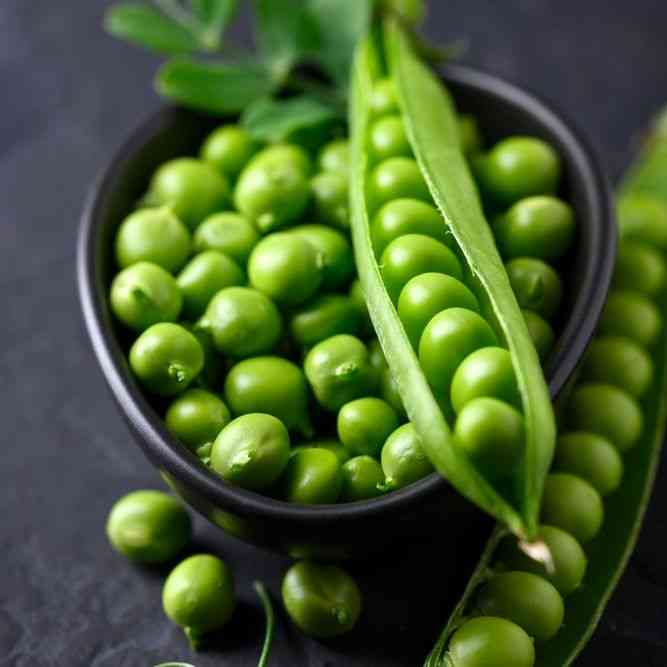
Spring Dundale Pea Seeds

Scientific name Pisum sativum

Seed packet & garden essentials

What to know before you plant

View complete growing & care facts
50 minimum seeds per packet
  • Maturity60-69 Days · 60-69 Days
  • Growth habitVining/Climbing · Annual · 37–48 in tall
  • Best usefresh pods, shelling or dry harvest, soil-building rotations, and seed saving
  • Flavor & characterSpring Dundale pea seeds produce a dependable cool-season garden pea valued for vigorous growth, tidy pods, and the fresh, sweet flavor that makes homegrown peas such a prized spring harvest. · Green
  • Germination7-14 Days days · 45–60 °F
  • Seed preparationUse clean seed-starting conditions, the listed sowing depth and temperature, and steady moisture without saturation
  • SunFull sun
  • Support & spacingTrellis · space 2 in · rows 24 in
  • Container fitPossible in a properly sized container with reliable drainage, moisture, and room for the mature plant
  • Water needsModerate
  • SoilLoamy · pH 6.0–6.5
  • Planting seasonSpring/Fall · blooms Spring · Semi-Hardy
$200 USD

Pickup available at Bertie County Seeds

Usually ready in 2-4 days

Secure checkout Details
Generic
Triple-tested seed qualityRegular quality and germination checks support every packet.

We regularly test seed quality and germination as lots move through storage and packing. We stand behind the seed we send and want customers to contact us when a packet does not perform as reasonably expected.

1-year seed warrantyCoverage begins on the date of purchase.

When properly stored, planted, and cared for, we guarantee reasonable germination and true-to-type growth for one year from the date of purchase. Conditions outside our control—including extreme weather, pests, unsuitable storage, and gardener error—are excluded. Contact us when something is not right so we can review the situation and work toward a replacement, refund, or another fair resolution.

Non-GMO / BE seed policyWe do not buy or sell genetically engineered or bioengineered seed.

Every seed variety we sell is non-GMO.

USDA’s National Bioengineered Food Disclosure Standard defines bioengineered foods as containing detectable genetic material modified through in vitro recombinant DNA methods in ways not achievable through conventional breeding or found in nature.

  • Hybrid means parent lines were conventionally crossed; hybrid does not mean GMO.
  • Heirloom and open-pollinated describe how a variety is maintained and reproduced.
  • Organic certification is separate and is shown only when verified for the individual product.
Packed in Colerain, North CarolinaPrepared in our seed room for gardens across the country.

Seeds are packed and shipped from Colerain, North Carolina. Our packets use forestry-certified paper, and we use recyclable paper mailers where appropriate. AONSK is also a 1% for the Planet partner while continuing to reduce waste in packing and fulfillment.

Seed success profile

Rules-based · no AI
Gardener experience Beginner-friendly
Germination difficulty Very straightforward
Preparation before sowing
Use clean seed-starting conditions, the listed sowing depth and temperature, and steady moisture without saturation
Germination speed
Typical — usually 7–21 days
Growing complexity
Usually direct sown; complexity depends on support, harvest stage, and heat or moisture stress
Patience and timing
60-69 Days
Is this seed a good match for your experience?
Expected germination
7-14 Days
Germination temperature
45–60 °F
Stratification
Not normally required by the current record
Scarification
Not normally required by the current record
Pre-soaking
Not normally required by the current record
Light during germination
Cover to the recorded depth; provide strong light immediately after emergence
Germination pattern
Usually reliable when seed is stored well and temperature, depth, moisture, and preparation match the recorded requirements
Transplant sensitivity
Use the crop-specific starting method and minimize unnecessary root disturbance
Starting method
Cataloged as suitable for direct sowing; follow the product-specific timing and depth.
Best chance of success
For Spring Dundale Pea Seeds, control temperature and moisture at sowing, label the start date, and compare emergence with the complete recorded germination window before reseeding.
What to expect

Preparation: Use clean seed-starting conditions, the listed sowing depth and temperature, and steady moisture without saturation. Germination light: Cover to the recorded depth; provide strong light immediately after emergence. Expected emergence: 7-14 Days. Temperature: 45-60 °F.

Slow germination is not automatically failed germination.

Maintain the listed temperature, moisture, light, and treatment conditions for the full expected window. Some seed lots emerge gradually rather than all at once.

1 Beginner-friendly 2 One extra step 3 Some experience helpful 4 Patient growers 5 Advanced propagation

This deterministic profile uses recorded product facts; it is not Artificial Intelligence and is not a guarantee. Seed age, storage, sowing depth, moisture, temperature, light, local conditions, and aftercare can all affect results. Last reviewed July 2026.

Build a garden-fit plan

Check this seed against your real growing conditions

Compare timing, germination preparation, sunlight, soil, water, space, support, intended use, and your preferred level of seed-starting complexity.

Open the detailed garden-fit planner Deterministic rules · no Artificial Intelligence · no live weather service

Complete product description

Spring Dundale Pea Seeds

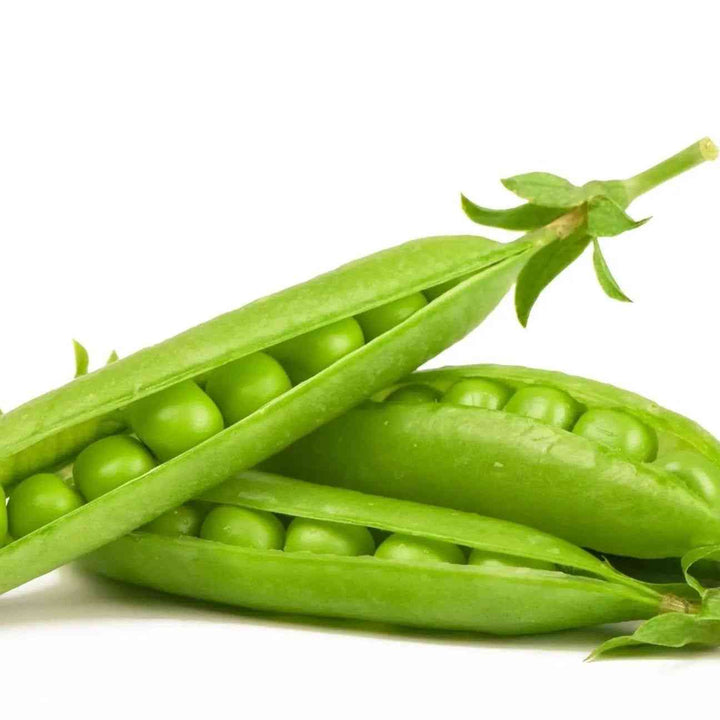
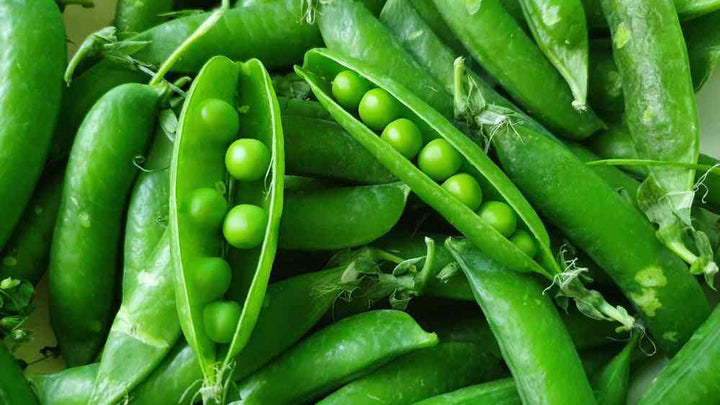
Spring Dundale pea seeds produce a dependable cool-season garden pea valued for vigorous growth, tidy pods, and the fresh, sweet flavor that makes homegrown peas such a prized spring harvest. Spring Dundale pea is well suited to early sowing, climbing support, and repeated picking, giving gardeners a productive planting that fits beautifully into spring vegetable rows, kitchen gardens, and succession-based cool-weather growing. Its strong garden performance and classic pea quality make Spring Dundale pea a rewarding choice for growers who want a reliable crop with good eating value and traditional garden appeal.

A fine option for fresh shelling, light cooking, and seasonal garden harvests, Spring Dundale pea seeds thrive in full sun to partial sun with cool temperatures and steady moisture. The plants are especially useful for gardeners who want an early crop that can be trellised, harvested steadily, and enjoyed at peak freshness straight from the vine. With its old-fashioned pea flavor, productive habit, and spring-friendly performance, Spring Dundale pea brings both beauty and usefulness to the cool-season garden.

Minimum Seed Count: 50 seeds

Every recorded growing detail

Complete growing & care facts

Continue to the garden-fit planner

Plant identity

Minimum seed count 50 seeds
Seed product profile Legume
Scientific name Pisum sativum
Also known as Pea, Pea Seeds - Spring Dundale Peas
Color Green
Life cycle Annual
Botanical family Fabaceae
Reproductive type Open-Pollinated (OP)
Heritage qualifiers Non-GMO
Native to the United States Domesticated Plant
Domestication note Near East / Fertile Crescent

Seed success and gardener experience

Gardener experience Beginner-friendlyLevel 2 of 5
Germination difficulty Very straightforwardLevel 1 of 5
Preparation before sowing Use clean seed-starting conditions, the listed sowing depth and temperature, and steady moisture without saturation
Stratification Not normally required by the current record
Scarification Not normally required by the current record
Pre-soaking Not normally required by the current record
Light during germination Cover to the recorded depth; provide strong light immediately after emergence
Germination pattern Usually reliable when seed is stored well and temperature, depth, moisture, and preparation match the recorded requirements
Growing complexity Usually direct sown; complexity depends on support, harvest stage, and heat or moisture stress
Transplant sensitivity Use the crop-specific starting method and minimize unnecessary root disturbance
First harvest or bloom 60-69 Days
Best chance of success For Spring Dundale Pea Seeds, control temperature and moisture at sowing, label the start date, and compare emergence with the complete recorded germination window before reseeding.

Timing and climate

Days to maturity 60-69 Days
Germination 7-14 Days
Germination temperature 45–60 °F
Planting season Spring/Fall
Bloom season Spring
Frost tolerance Semi-Hardy
Sunlight Full sun
Water needs Moderate

Site, soil, and space

Soil type Loamy
Preferred soil pH 6.0–6.5
Seed depth 1 in
Plant spacing 2 in
Row spacing 24 in
Mature height 37–48 in
Growth habit Vining/Climbing
Support needed Trellis
Suitable growing locations In-ground bed, Raised bed, Containers, Vertical, Community garden

Crop-specific details

Flavor profile Spring Dundale pea seeds produce a dependable cool-season garden pea valued for vigorous growth, tidy pods, and the fresh, sweet flavor that makes homegrown peas such a prized spring harvest.

Garden-fit planning for this variety

Will Spring Dundale Pea Seeds fit your garden?

Check support, direct-sowing conditions, harvest use, succession timing, and available space.

Rules-based · no AI
Questions for this bean or pea seed
Seed-starting fit and patience
Recorded product profileBeginner-friendlyVery straightforwardRead why
Soil test, pH, drainage, and amendment calculator Have a laboratory soil report? Enter pH, nutrients, texture, bed size, and site observations here. Open soil tools
Recorded soil typeLoamy
Recorded pH range6.0–6.5
Water needsModerate
LightFull sun

Use a current laboratory soil test

Soil-test interpreter

Compare your report with this product's listed pH target: 6.0–6.5.

This tool interprets values you enter; it does not replace laboratory or Cooperative Extension amendment rates. Soil test methods and nutrient recommendations vary by region.

The full variety record

Sowing, care, harvest, troubleshooting, and history

How to start Spring Dundale Pea Seeds from seedPreparation, timing, depth, germination, transplanting, spacing, and early care

Variety-specific germination notes

Preparation: Use clean seed-starting conditions, the listed sowing depth and temperature, and steady moisture without saturation. Germination light: Cover to the recorded depth; provide strong light immediately after emergence. Expected emergence: 7-14 Days. Temperature: 45-60 °F.

Complete sowing and planting guidance

Location Selection: Choose a location with full sun for optimal growth.
Soil Preparation: Ensure the soil is well-drained and rich in organic matter. Peas prefer slightly acidic to neutral soil with a pH between 6.0 and 7.0.
Sowing Seeds:

Direct Sowing: Sow seeds directly outdoors in early spring as soon as the soil can be worked. Plant seeds 1 inch deep and 2 inches apart in rows spaced 18-24 inches apart.
Indoor Starting: Peas are best sown directly outdoors, as they do not transplant well due to their delicate roots.
Germination: Seeds typically germinate within 7-14 days. Maintain consistent moisture levels in the soil during this period.
Care Instructions:

Watering: Water regularly to keep the soil evenly moist but not waterlogged. Peas require consistent moisture for optimal growth.
Fertilizing: Apply compost or a balanced organic fertilizer if the soil is not rich enough.
Mulching: Apply a thin layer of mulch around the base of the plants to help retain moisture and suppress weeds.
Special Considerations:

Supporting: Provide support for the vines to climb, such as trellises or stakes.
Harvesting: Harvest peas when the pods are plump and the seeds inside are well-formed. Dundale Peas are known for their sweet flavor and tender texture, making them a popular choice for fresh eating and cooking.
How to grow this specific varietyLight, water, fertility, support, spacing, airflow, crop behavior, and season-long care

Complete growing guide

Spring Dundale pea grows best once established in cool weather with steady moisture, open airflow, and dependable support for the vines to climb. After germination, the main goal is to keep the plants growing evenly and upward without allowing the row to become tangled, drought-stressed, or overgrown. Peas are naturally more productive when they stay cool and are not forced through heat, so this crop should be treated as an early-season planting that needs steady care during its prime rather than heavy feeding or repeated correction later. A healthy stand should look upright, fresh green, and actively climbing, with blossoms and pods forming along stems that stay open enough for light and air to move through.

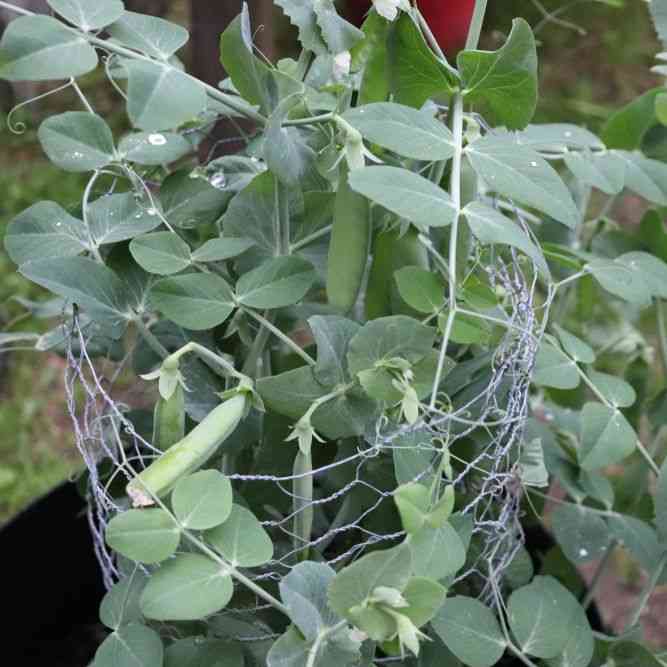
Support is one of the most important parts of growing Spring Dundale well after establishment. Even if the vines are not among the tallest peas, they perform better when given pea netting, string trellis, wire mesh, brush, or another structure they can grab naturally with their tendrils. Install support early so the plants begin climbing before they sprawl and knot together. Once peas collapse into a mat, harvesting becomes harder, pods stay damp longer after rain, and disease pressure rises quickly. A clean vertical row also improves pod quality, keeps the planting easier to inspect for aphids and mildew, and makes the whole crop more productive over its harvesting window.

Moisture should stay consistent but never excessive. Peas need evenly moist soil to grow tender stems, set blossoms, and fill pods properly, but they do not like sitting in soggy ground. Deep, moderate watering is better than frequent shallow watering, especially once the roots are established. If the soil repeatedly dries out hard and then gets soaked again, the plants may stop growing evenly, produce fewer pods, or fill them poorly. On the other hand, constantly wet soil can weaken roots and lead to yellowing, rot, and decline. The best pattern is to keep the root zone steadily moist while allowing enough drainage and air in the soil that the planting never feels swampy.

Fertility should be handled with restraint. Peas do not need heavy feeding once they are actively growing, and pushing them with too much nitrogen usually creates soft leafy growth rather than better pod production. A row that is dark green and vigorous but not flowering well may actually be getting too much encouragement in the wrong direction. Spring Dundale usually performs best in reasonably fertile soil that supports balanced growth without excess. If the bed was prepared well before sowing, additional feeding is often minimal or unnecessary during the main pea season. The crop’s success usually depends more on cool timing, moisture balance, and support than on fertilizer.

As the vines lengthen, regular maintenance should focus on keeping the row open, healthy, and easy to harvest. Remove or trim weeds early so they do not compete for light and moisture or tangle into the support. If the stand is too dense in places, thinning weak or overcrowded stems can improve airflow and reduce mildew risk later. Watch the base of the row for yellowing or collapsing plants, which may point to root stress rather than a simple watering issue. Also check the growing tips and undersides of leaves for aphids, especially once the weather begins to warm. Quiet, regular observation is much more effective than waiting for a visible infestation or disease outbreak to spread.

Pod production improves when the plants are harvested regularly and not allowed to overmature all at once. Once Spring Dundale begins setting pods, pick frequently so the peas stay sweet and tender and the plants continue directing energy into new flowers and pods while conditions remain favorable. Pods left too long on the vine become starchy and signal the plant to slow down. For shelling use, harvest when pods are full and rounded but still bright, smooth, and fresh-looking. Frequent picking also makes it easier to spot any hidden pest or disease issues before they affect the rest of the row.

Temperature matters throughout the crop’s life. Spring Dundale is at its best in cool to mild weather, and once heat builds, the planting naturally begins to shorten its productive window. Flowers may drop, pod set may decline, and the vines can yellow or tire quickly as temperatures rise. This is normal for peas and should not always be treated as a problem to fix. Instead, the goal is to make the most of the cool-season period by keeping the plants healthy, watered, supported, and harvested promptly while the weather is still on their side.

For the best overall performance, think of Spring Dundale pea as a crop that rewards steadiness. Give it support before it needs it, moisture before it wilts, room before it tangles, and harvest before pods become overripe. With cool weather, moderate watering, open airflow, and regular picking, Spring Dundale can provide a productive and satisfying run of sweet shelling peas that fits beautifully into the spring garden.
Practical field and garden tipsExtra techniques, timing adjustments, and observations that improve success
Spring Dundale pea rewards growers who focus on timing first. One of the best tips is to plant early enough that most of the vine growth, flowering, and pod filling happen in cool weather rather than during a fast jump into heat. Peas that are planted even a little too late may still germinate well, but they often lose much of their potential once warm weather arrives. If your garden soil tends to stay cold or wet, wait until it is workable rather than muddy, and consider a slightly raised row to improve drainage. A clean, early start usually does more for yield and pod quality than trying to correct problems later with extra water or fertilizer.

Support should be in place before the vines begin reaching for it. Spring Dundale climbs more neatly and stays healthier when tendrils can grab netting, brush, or a simple trellis while the plants are still young. If support goes in too late, the stems often tangle low to the ground, reducing airflow and making harvest slower and less pleasant. A vertical row is easier to inspect for aphids, mildew, and overripe pods, and it usually gives cleaner, straighter pods as well. Even a modest support system can improve the whole planting far more than many gardeners expect.

Moisture management is another place where consistency matters more than quantity. Peas want evenly moist soil while they are growing and filling pods, but they do not tolerate soggy roots well. If the bed dries hard and then gets soaked heavily, the plants may stall, pod quality can drop, and the harvest window may shorten. Deep, moderate watering at the root zone is usually better than frequent light sprinkling. Mulch can also help once the plants are established, especially if the season begins warming and you want to hold moisture more evenly around the root zone without creating a muddy surface.

Keep the row open and easy to read. Spring Dundale is much easier to manage when weeds are removed early and the planting is not allowed to become a crowded wall of vines and grass. Dense growth traps moisture, hides pests, and makes pods harder to find at the ideal picking stage. If sections of the row are too thick, thinning weak or crowded stems can improve airflow and reduce mildew pressure later. Quiet, regular attention is often the difference between a planting that stays fresh and productive and one that becomes tangled and declines early.

Harvesting technique affects both quality and continued production. Pick shelling peas when the pods are full, bright, and well rounded but still tender and fresh-looking. If pods are left too long, the peas become starchier and the plant begins shifting its energy away from making new pods. Frequent picking helps extend the productive period while temperatures remain favorable. It also helps you notice problems early, since you are moving through the row often enough to spot aphids on tender tips, yellowing leaves near the base, or pods that are hiding and maturing too fast.

If you plan to save seed, do not stop harvesting the whole planting too early. Instead, mark a few of the healthiest, most productive plants and leave selected pods on those vines to mature and dry fully near the end of the season. This lets you continue enjoying the crop while still preserving seed from the best plants. For kitchen use, peas are sweetest when shelled soon after picking, so harvest close to mealtime whenever possible. That is one of the biggest pleasures of growing a pea like Spring Dundale: the difference between freshly picked peas and stored peas is dramatic.

The biggest overall tip is to think of Spring Dundale as a crop that wants steadiness, not force. Give it cool timing, early support, even moisture, and frequent harvest, and it will usually reward you well. Most problems begin when peas are crowded, stressed, planted too late, or left unattended until the row becomes hard to manage. A little regular care at the right moments makes this crop far easier and far more productive than heavy intervention after problems have already taken hold.
Harvest, storage, uses, and benefitsWhen and how to harvest, ways to use the crop, storage, culinary value, habitat value, and garden roles

Uses and benefits

Uses and Benefits:
Spring Dundale Peas (Pisum sativum) are a hardy variety known for their sweet flavor and tender texture. They are often used in salads, soups, and as a fresh snack.

Peas provide protein, fiber, and essential vitamins and minerals. Spring Dundale Peas are versatile in culinary applications, from fresh eating to cooking.
Seed saving and carrying the variety forwardPollination, isolation, selection, harvest, cleaning, drying, and storage
1. Selecting Plants for Seed Saving:

Choose healthy plants with vigorous growth and no signs of disease.
Avoid plants showing signs of disease or poor growth.
2. Harvesting Seeds:

Timing: Allow the pods to mature and dry on the plant.
Collection: Harvest the dry pods on a dry day.
3. Drying Seeds:

Place the pods in a well-ventilated, dry area. Allow them to dry completely for one to two weeks.
4. Cleaning Seeds:

Separation: Shell the peas from the pods.
Inspection: Ensure seeds are clean and free from mold or pests.
5. Storing Seeds:

Containers: Store seeds in labeled paper envelopes or airtight containers.
Storage Conditions: Keep in a cool, dry, and dark place.
Viability: Use seeds within two to three years for best results.
6. Testing Seed Viability:

Test by placing seeds on a damp paper towel in a plastic bag in a warm place and check for germination.
Tips for Successful Seed Saving:

Isolation: Maintain a distance of at least 10 feet from other pea varieties to prevent cross-pollination.
Pollinators: Peas are largely self-pollinated, but some cross-pollination by insects can occur.
Record Keeping: Keep detailed records of the process.
Common pests, diseases, and growing problemsIdentification, prevention, crop-safe response, and when intervention is justified

Complete pest and problem guide

Spring Dundale pea is usually troubled most by cool-season moisture issues, early seedling pests, and disease pressure that builds when the weather stays damp or the row becomes too crowded. The earliest problems often begin before the plants are even well established. Seed can rot in cold, soggy soil, and seedlings may emerge unevenly if the bed is compacted, waterlogged, or planted too deeply. Once the plants are up, birds may pull young seedlings, and slugs or cutworms can chew tender growth near the soil line. A strong start is the best defense, so peas should be planted into workable, well-drained soil with enough airflow to keep the row from staying wet for long periods.

Aphids are one of the most common insect pests on peas, especially once the weather turns milder and the plants begin making tender new growth. They cluster on tips, stems, and developing pods, sucking sap and causing curling, sticky residue, and weakened growth if numbers rise. Pea weevils, leaf miners, and other chewing or boring insects may also appear depending on region, but aphids are often the most noticeable home-garden problem. The easiest solution is early scouting. Check the growing tips and undersides of leaves often, wash aphids off with a firm spray of water when practical, remove heavily infested growth if needed, and avoid excessive nitrogen that encourages soft, pest-prone growth. Keeping weeds down around the row also reduces shelter for pests and makes it easier to spot trouble before it spreads.

Pea plants are also vulnerable to root and stem problems when the soil stays too wet or the crop is planted repeatedly in the same place. Damping off can kill seedlings before or just after emergence, while root rots may cause yellowing, stunting, and a general failure to thrive even when the bed seems moist enough. Fusarium wilt and similar soilborne diseases can cause plants to fade, yellow, and collapse as they begin climbing or setting pods. The practical solution is prevention: use well-drained soil, avoid overwatering, rotate peas away from the same ground for several seasons when possible, and do not force the crop into cold mud simply because the calendar says spring.

Foliar disease becomes more likely when peas are crowded, overgrown, or watered in a way that leaves the foliage wet for long stretches. Powdery mildew can appear later in the season as a pale coating on leaves and stems, especially once temperatures rise and airflow drops. Other leaf spots and blights may show up as brown lesions, yellowing, or dying foliage that weakens pod production. These issues are often made worse by rows that are too dense or supports that were added too late, causing the vines to mat together. Give the plants a trellis or other support early, keep the row open enough for air movement, water at the base when possible, and remove badly diseased growth so the rest of the planting can stay productive longer.

Environmental stress can create problems that look like pest damage even when insects are only part of the story. Hot weather arriving too early can shorten the crop, reduce flowering, and cause pods to fill poorly. Drought can make plants tough, stunted, and slow to produce, while sudden swings between dry and wet conditions can check growth and reduce pod quality. Overripe pods left too long on the plant may also slow new production. The best results come from steady moisture, timely picking, and treating Spring Dundale as the cool-season crop it is. For the healthiest planting, focus on a clean seedbed, consistent watering, early support, regular harvest, and close observation. Most pea problems stay manageable when caught early, but crowded, wet, stressed plantings can decline quickly once pests and disease begin to overlap.
Questions gardeners ask about this seedProduct-specific answers for sowing, care, harvest, use, and seed saving
Q: What kind of pea is Spring Dundale?

A: Spring Dundale is a cool-season garden pea grown for its productive vines and sweet shelling peas. It is the kind of pea gardeners plant for an early harvest when the weather is still mild and the plants can grow steadily without summer heat cutting the season short. It is especially useful in spring vegetable gardens where peas are expected to climb, flower, and yield over a concentrated but rewarding window.

Q: Is Spring Dundale a shelling pea, snap pea, or snow pea?

A: Spring Dundale is generally grown as a shelling pea rather than a snap or snow pea. That means the pods are usually harvested when the peas inside are well formed, then shelled before eating. Gardeners choose shelling peas like this for the sweetness and tenderness of the peas themselves rather than for edible flat or podded use.

Q: What makes Spring Dundale a good garden pea?

A: Spring Dundale is valued for reliable cool-season performance, a productive climbing habit, and the classic sweet flavor that makes homegrown peas so satisfying. It fits well into traditional spring gardening because it can be sown early, trained upward, and harvested repeatedly over its productive period. For gardeners who want an old-fashioned pea crop with strong practical use, it is a very appealing variety.

Q: Is Spring Dundale good for beginners?

A: Yes, it can be a very good pea for beginners as long as it is planted in the right season. Peas are usually easier when grown in cool weather with steady moisture and some support for climbing. The main mistakes beginners make are planting too late into warming weather, crowding the row, or letting the plants go too long without harvest once pods begin to fill.

Q: Does Spring Dundale need support?

A: Yes, support is strongly recommended. Even if the plants are not extremely tall by pea standards, they usually perform better when given netting, brush, string, or another simple trellis to climb. Support improves airflow, keeps the pods cleaner, makes harvesting easier, and helps reduce disease problems that show up when vines sprawl and mat together.

Q: Can I grow Spring Dundale in containers?

A: Yes, it can be grown in a large container as long as the container is deep enough, drains well, and includes support. Peas do not like drying out completely, so container-grown plants need closer attention to watering than in-ground rows. A cool, sunny location and a sturdy trellis are especially important if you want good flowering and pod fill in a container setup.

Q: When should I plant Spring Dundale pea?

A: Spring Dundale should be planted in the cool part of the season, usually in early spring as soon as the soil can be worked and conditions are no longer waterlogged. In some climates it may also be grown in fall if the weather allows enough cool growing time. The key is to let the plants mature before intense heat arrives, because peas lose vigor quickly once temperatures rise too far.

Q: Why are peas considered a cool-season crop?

A: Peas grow and flower best in mild weather, and their quality is highest when the plants develop before summer heat sets in. When temperatures rise too quickly, the vines often stop flowering, the pods fill poorly, and the planting declines early. Growing them in cool conditions is one of the biggest factors in getting sweet, tender peas instead of a short, disappointing harvest.

Q: How long does Spring Dundale take to produce?

A: Exact timing can vary with weather and planting date, but peas like Spring Dundale usually begin producing in the early part of the growing season once the vines have climbed and started flowering well. Cool, steady weather helps them stay on schedule, while cold setbacks or sudden heat can delay or shorten production. The harvest window is often more concentrated than with warm-season crops, which is why regular picking matters.

Q: How tall does Spring Dundale grow?

A: The exact height can vary with soil, weather, and support, but Spring Dundale is a vining pea that benefits from climbing room rather than being treated as a low bush crop. The plants usually do best when allowed to grow upward on support instead of tangling together on the ground. Even moderate vine height becomes more manageable and productive when the row is trellised early.

Q: What kind of site does it need?

A: Spring Dundale does best in full sun to partial sun with well-drained soil and good airflow. It prefers a bed that does not stay soggy after rain and that has enough room for a straight, manageable row or trellised planting. A clean, weed-free site gives the seedlings a better start and makes later harvesting much easier.

Q: How often should I water Spring Dundale?

A: Water should be steady and moderate rather than excessive. The soil should stay evenly moist enough for active growth and pod fill, but peas do not like sitting in waterlogged ground. Long dry spells can make the plants tough and reduce pod quality, while overly wet soil can lead to rot and weak roots, so balance is important.

Q: Why are my pea seeds not germinating well?

A: Poor germination is often caused by cold, soggy soil, planting too deeply, seed rot, or compacted ground that crusts over after rain. Birds and soil pests can also reduce the stand by disturbing the seed or chewing new shoots before they are noticed. The best solution is to plant into workable, well-drained soil at the right depth and avoid forcing the crop into mud just because it is spring.

Q: Why are my plants flowering but not filling pods well?

A: This can happen when the weather turns too warm, the plants are moisture-stressed, or the vines are generally weak from poor soil or crowding. Heat is one of the biggest reasons peas stop performing well after a promising start. If flowering begins normally but pod fill is poor, look first at temperature and moisture rather than assuming the plants need more fertilizer.

Q: Why are the pods tough or starchy?

A: Pea quality drops quickly if pods are left too long on the vine. For the sweetest eating, shelling peas should be picked when the peas inside are full but still tender, not when the pods are dry, leathery, or overmature. Frequent harvest encourages better quality and also helps the plants continue producing while conditions remain favorable.

Q: What are the most common pest problems on Spring Dundale?

A: Aphids are usually the most noticeable pest, especially on tender growing tips and around developing pods. Slugs, birds, cutworms, and occasional leaf-feeding insects can also cause damage, especially early in the season. Most of these problems are easiest to manage with regular scouting, clean growing conditions, and early intervention before populations build.

Q: What diseases should I watch for?

A: Root rots, damping off, powdery mildew, and various leaf spots are among the most common pea problems. Most disease pressure increases when the row is crowded, the soil stays too wet, or the foliage remains damp for long periods. Wide spacing, good drainage, support, and crop rotation are some of the best defenses.

Q: Can I grow Spring Dundale without a trellis?

A: You can, but it is usually not the best way to grow it. Without support, the vines tend to sprawl, pods are harder to harvest, airflow is reduced, and disease pressure can rise. Even a simple fence, pea net, or brush support improves the planting noticeably and makes the whole crop easier to manage.

Q: Is Spring Dundale good for succession planting?

A: It can be, but only within the limits of cool weather. In climates with a short spring, the window for repeated sowings may be narrow before heat begins to reduce performance. In cooler regions or seasons with a longer mild period, staggered sowings can help spread out the harvest.

Q: How should I harvest it?

A: Pick the pods regularly once they are plump and well filled but still bright and tender. Harvesting often keeps quality high and encourages the plants to keep producing for as long as the season allows. Waiting too long usually leads to starchier peas and can signal the plants to slow down.

Q: Is Spring Dundale best for fresh eating or cooking?

A: It is excellent for fresh shelling and can also be lightly cooked. Homegrown peas are especially prized because they are sweeter and more tender right after harvest than peas that have been stored or shipped. Many gardeners grow them specifically for the flavor difference that comes from picking and shelling close to mealtime.

Q: Can I save seed from Spring Dundale pea?

A: Yes, peas are among the easier garden crops to save for seed because they are largely self-pollinating. To save seed, let selected pods mature and dry fully on healthy plants near the end of the season. Seed saving works best when you choose vigorous, disease-free plants and allow the pods to become fully dry before harvesting and storing the peas.

Q: Is Spring Dundale worth growing if I only have a small garden?

A: Yes, especially if you grow vertically. Peas are a very good crop for small spaces because they can produce upward instead of taking up a wide spreading footprint like many warm-season vegetables. In a small garden, a short trellised row of Spring Dundale can give a satisfying early harvest without demanding the space that larger summer crops require.
History, provenance, and cultural contextWhat is documented, what is reported, what remains uncertain, and how the variety reached gardeners

Scientific name: Pisum sativum

Plant and variety history

Spring Dundale pea belongs to the long cultivation history of the garden pea, Pisum sativum, one of the oldest and most widely grown cool-season food crops in the world. Peas were domesticated in the Old World, with early cultivation tied to the Near East and surrounding regions, then spread across Europe, Asia, and North Africa through trade, migration, and farming traditions. Over centuries, peas became important not only as a fresh spring vegetable, but also as a staple dried pulse, animal feed crop, and soil-building legume in mixed agricultural systems. Their ability to grow in cool weather and enrich the soil helped make them a valuable crop in both household gardens and larger field rotations.

In Europe especially, peas developed a rich culinary and garden history. By the early modern period, fresh green peas had become highly prized as a seasonal luxury, especially when harvested young and sweet. Gardeners and farmers selected peas for shelling quality, pod set, climbing habit, earliness, sweetness, and adaptation to local weather. From these repeated selections came the many classes of peas known today, including shelling peas, snap peas, and snow peas. The kind of pea represented by Spring Dundale belongs to the tradition of shelling peas grown for the peas inside the pod rather than for edible pods, linking it to a long heritage of spring harvests, kitchen-garden culture, and home food production.

Peas also hold an important place in the history of practical agriculture because they are legumes, forming relationships with soil bacteria that help fix nitrogen. This gave them lasting value beyond the table. In traditional rotations, peas helped support soil fertility while also producing a useful food crop, making them important in both small gardens and larger farming systems. Their cool-season timing also allowed them to fit into the agricultural year before heat-loving summer crops took over the ground. In many regions, peas became one of the signature signs of spring, marking the transition from winter scarcity to fresh green harvests.

The exact naming history of Spring Dundale is not as widely documented in common garden literature as that of some famous heirloom peas, but the variety fits squarely within the long tradition of selecting dependable spring peas for vigor, climbing habit, and sweet shelling quality. Named garden peas often emerged through seed-house selection, regional adaptation, and catalog circulation, where varieties were distinguished by performance traits such as earliness, pod quality, productivity, and suitability for home gardens. In that sense, Spring Dundale reflects the practical seed-saving and selection culture that shaped many useful pea varieties: growers favored peas that performed reliably in cool weather, climbed well, and produced good eating peas over a useful harvest window.

Culturally, peas like Spring Dundale belong to the deeply familiar rhythm of spring gardening. They are among the crops most strongly associated with trellised kitchen rows, early sowing, hand picking, and the flavor difference between store produce and a pod opened fresh from the garden. Their sweetness at peak harvest, their usefulness in home cooking, and their role as one of the first substantial vegetable crops of the season have helped keep garden peas important across generations. Spring Dundale continues that tradition as a classic cool-season pea: productive, practical, and tied to an older pattern of gardening in which freshness, seasonality, and repeated harvest mattered just as much as yield.

Continue planning

Related seeds, collections, and growing guides

Explore the full collection
Heirloom Pea Seeds for Home GardensExplore the full collection →
Oregon Sugar Pod II Pea Seeds

Oregon Sugar Pod II Pea Seeds

Heavy-yielding and ultra-tender, Oregon Sugar Pod II delivers crisp, sweet, stringless pods perfect for fresh eating and high-performance gard...

Green Arrow Shelling Pea

Green Arrow Shelling Pea

Green Arrow Shelling Pea: sweet, tender shelling peas at the plump green stage. Best for fresh shell peas and freezing.

Super Sugar Snap Pea Seeds

Super Sugar Snap Pea Seeds

A vigorous climbing snap pea that produces abundant, crisp, sweet pods perfect for fresh eating and garden snacking.

Sugar Daddy Pea Seeds

Sugar Daddy Pea Seeds

Disease-resistant, stringless snap pea with crisp, juicy pods and excellent garden performance.

Original Sugar Snap Pea

Original Sugar Snap Pea

Original Sugar Snap Pea: very sweet peas and juicy edible pod walls. Best for fresh snacking and salads.

Oregon Giant Snow Pea

Oregon Giant Snow Pea

Oregon Giant Snow Pea: sweet, crisp, and succulent with a substantial snow-pea pod. Best for stir-fries and steaming.

Customer experience

Reviews for Spring Dundale Pea Seeds

Customer Reviews

Be the first to write a review
0%
(0)
0%
(0)
0%
(0)
0%
(0)
0%
(0)