Welcome to our store. Learn more

Free U.S. seed shipping $25+. Seeds ship free at the threshold.

Current Processing Times Before Shipping Are 1-2 Business Days

25% OFF Heirloom seed packets are $1.50, regularly $2.00. Seed packets only · sale price already applied · carries into checkout · coupon codes do not combine. Shop the sale →

Double Red Corn Seeds

Scientific name Zea mays var. saccharata

About this variety

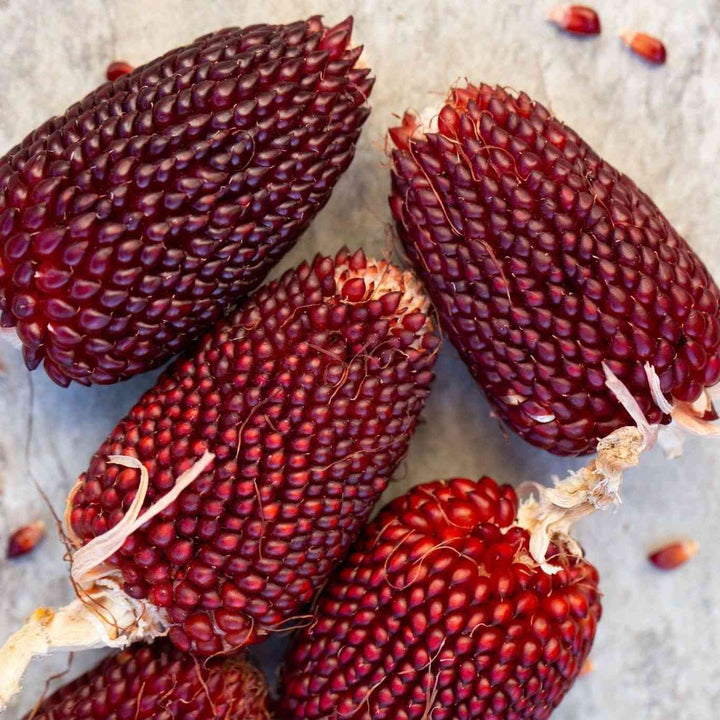
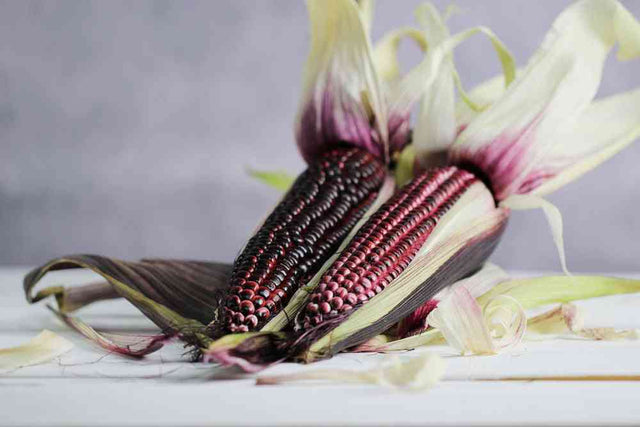
Double Red Sweet Corn seeds produce a striking heirloom corn with richly colored stalks, ornamental beauty, and sweet, tender ears that bring unusual color and historic character to the garden. Gardeners value Double Red Sweet Corn seeds for their vivid red tones, dependable warm-season growth, and the way they stand out in field plantings, kitchen gardens, and heritage...

Continue with the complete description
$150 USD $200
25% OFF
Heirloom seed packet sale

$1.50, regularly $2.00. The sale price is already applied and carries into checkout. No code is needed. Coupon codes do not combine with this offer.

At a glance

The facts most gardeners need first

View the full variety record
20 minimum seeds per packet
  • Germination7–14 Days days · 65–80 °F
  • Maturity80-89 Days · 80-89 Days
  • SunFull sun
  • Support & spacingNo-Support · space 8 in · rows 30 in
  • Growth habitUpright/Erect · Annual · 73–96 in tall
  • Best useblock planting, dependable pollination, dry or fresh harvest, and seed saving
Secure checkout Details
Generic
Triple-tested seed qualityRegular quality and germination checks support every packet.

We regularly test seed quality and germination as lots move through storage and packing. We stand behind the seed we send and want customers to contact us when a packet does not perform as reasonably expected.

1-year seed warrantyCoverage begins on the date of purchase.

When properly stored, planted, and cared for, we guarantee reasonable germination and true-to-type growth for one year from the date of purchase. Conditions outside our control—including extreme weather, pests, unsuitable storage, and gardener error—are excluded. Contact us when something is not right so we can review the situation and work toward a replacement, refund, or another fair resolution.

Non-GMO / BE seed policyWe do not buy or sell genetically engineered or bioengineered seed.

Every seed variety we sell is non-GMO.

USDA’s National Bioengineered Food Disclosure Standard defines bioengineered foods as containing detectable genetic material modified through in vitro recombinant DNA methods in ways not achievable through conventional breeding or found in nature.

  • Hybrid means parent lines were conventionally crossed; hybrid does not mean GMO.
  • Heirloom and open-pollinated describe how a variety is maintained and reproduced.
  • Organic certification is separate and is shown only when verified for the individual product.
Packed in Colerain, North CarolinaPrepared in our seed room for gardens across the country.

Seeds are packed and shipped from Colerain, North Carolina. Our packets use forestry-certified paper, and we use recyclable paper mailers where appropriate. AONSK is also a 1% for the Planet partner while continuing to reduce waste in packing and fulfillment.

Seed-starting profileDifficulty, preparation, reliability, and timing Open

Seed success profile

Gardener experience Beginner-friendly
Germination difficulty Straightforward
Preparation before sowing
Use clean seed-starting conditions, the listed sowing depth and temperature, and steady moisture without saturation
Germination speed
7–14 Days
Growing complexity
Population crop requiring block planting, wind pollination, steady moisture, and isolation when saving seed
Patience and timing
80-89 Days
Is this seed a good match for your experience?
Expected germination
7–14 Days
Germination temperature
65–80 °F
Stratification
Not normally required by the current record
Scarification
Not normally required by the current record
Pre-soaking
Not normally required by the current record
Light during germination
Cover to the recorded depth; provide strong light immediately after emergence
Germination pattern
Usually reliable when seed is stored well and temperature, depth, moisture, and preparation match the recorded requirements
Transplant sensitivity
Use the crop-specific starting method and minimize unnecessary root disturbance
Starting method
Cataloged as suitable for direct sowing; follow the product-specific timing and depth.
Best chance of success
For Double Red Corn Seeds, control temperature and moisture at sowing, label the start date, and compare emergence with the complete recorded germination window before reseeding.
Planning window

Plan around 7–14 Daysat65–80 °F. Keep moisture, light, and preparation aligned with the sowing instructions below.

Slow germination is not automatically failed germination.

Maintain the listed temperature, moisture, light, and treatment conditions for the full expected window. Some seed lots emerge gradually rather than all at once.

1 Beginner-friendly 2 One extra step 3 Some experience helpful 4 Patient growers 5 Advanced propagation

Seed age, storage, sowing depth, moisture, temperature, light, local conditions, and aftercare can affect results. Last reviewed July 2026.

Garden tools

Need a plan for your space?

Open the garden-fit planner or soil calculator only when you need them.

Open garden tools Uses this product’s recorded growing information. Local weather and garden conditions may vary.

About this variety

What to expect from Double Red Corn Seeds

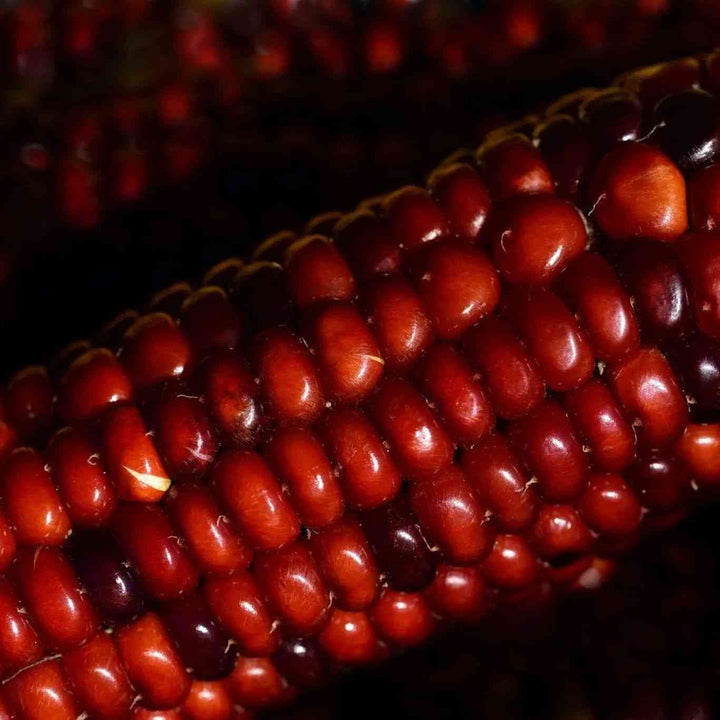
Double Red Corn Seeds produce a stunning heirloom sweet corn with bold red color, ornamental beauty, and delicious tender ears for summer harvests.

Read the complete product descriptionTraits, flavor, garden use, variety notes, and the full catalog record

Double Red Sweet Corn seeds produce a striking heirloom corn with richly colored stalks, ornamental beauty, and sweet, tender ears that bring unusual color and historic character to the garden. Gardeners value Double Red Sweet Corn seeds for their vivid red tones, dependable warm-season growth, and the way they stand out in field plantings, kitchen gardens, and heritage seed collections. Double Red Sweet Corn seeds are an excellent choice for growers seeking a beautiful dual-purpose variety that offers both visual appeal and flavorful harvests for fresh eating.

This variety adds bold presence to the garden while delivering ears that can be enjoyed at the sweet corn stage when picked young and tender. Double Red Sweet Corn seeds thrive in full sun with fertile soil and consistent moisture, rewarding growers with tall plants and a memorable harvest that reflects the diversity and beauty of traditional corn varieties. For home gardeners, seed savers, and growers who appreciate rare heirlooms, Double Red Sweet Corn seeds offer color, flavor, and strong cultural value in one distinctive planting.

Minimum Seed Count: 20 seeds

View all growing and care factsBotanical identity, timing, climate, soil, spacing, mature size, and crop-specific details

Plant identity

Minimum seed count 20 seeds
Seed product profile Corn
Scientific name Zea mays var. saccharata
Also known as Corn, Maize, Corn Seeds - Sweet - Double Red
Color Red
Life cycle Annual
Botanical family Poaceae
Reproductive type Open-Pollinated (OP)
Heritage qualifiers Heirloom
Native to the United States Domesticated Plant
Domestication note Mesoamerica (Mexico–Central America)

Seed success and gardener experience

Gardener experience Beginner-friendlyLevel 2 of 5
Germination difficulty StraightforwardLevel 2 of 5
Preparation before sowing Use clean seed-starting conditions, the listed sowing depth and temperature, and steady moisture without saturation
Stratification Not normally required by the current record
Scarification Not normally required by the current record
Pre-soaking Not normally required by the current record
Light during germination Cover to the recorded depth; provide strong light immediately after emergence
Germination pattern Usually reliable when seed is stored well and temperature, depth, moisture, and preparation match the recorded requirements
Growing complexity Population crop requiring block planting, wind pollination, steady moisture, and isolation when saving seed
Transplant sensitivity Use the crop-specific starting method and minimize unnecessary root disturbance
First harvest or bloom 80-89 Days
Best chance of success For Double Red Corn Seeds, control temperature and moisture at sowing, label the start date, and compare emergence with the complete recorded germination window before reseeding.

Timing and climate

Days to maturity 80-89 Days
Germination 7–14 Days
Germination temperature 65–80 °F
Planting season Late Spring
Bloom season Summer
Frost tolerance Tender
Sunlight Full sun
Water needs Moderate

Site, soil, and space

Soil type Loamy
Preferred soil pH 6.0–6.5
Seed depth 1 in
Plant spacing 8 in
Row spacing 30 in
Mature height 73–96 in
Growth habit Upright/Erect
Support needed No-Support
Suitable growing locations In-ground bed, Raised bed, Containers, Community garden

Crop-specific details

Flavor profile Double Red Sweet Corn seeds produce a striking heirloom corn with richly colored stalks, ornamental beauty, and sweet, tender ears that bring unusual color and historic character to the garden.
Garden toolsOpen the garden-fit planner, planting-window questions, or soil calculator only when useful

Uses this product’s recorded growing information. Local weather, soil, and garden conditions may vary.

Garden-fit planning for this variety

Will Double Red Corn Seeds fit your garden?

Check block size, wind pollination, isolation, season length, and intended food or seed use.

Questions for this corn seed
Seed-starting fit and patience
Recorded product profileBeginner-friendlyStraightforwardRead why
Soil test, pH, drainage, and amendment calculator Have a laboratory soil report? Enter pH, nutrients, texture, bed size, and site observations here. Open soil tools
Recorded soil typeLoamy
Recorded pH range6.0–6.5
Water needsModerate
LightFull sun

Use a current laboratory soil test

Soil-test interpreter

Compare your report with this product's listed pH target: 6.0–6.5.

This tool interprets values you enter; it does not replace laboratory or Cooperative Extension amendment rates. Soil test methods and nutrient recommendations vary by region.

Full growing record

Open only the section you need

How to start Double Red Corn Seeds from seedPreparation, timing, depth, germination, transplanting, spacing, and early care

Recorded germination plan

Expected germination
7–14 Days
Germination temperature
65–80 °F

Complete sowing and planting guidance

Planting Instructions:

Location Selection: Choose a location with full sun for optimal growth. Corn thrives in well-lit areas.
Soil Preparation: Ensure the soil is well-drained and rich in organic matter. Corn prefers slightly acidic to neutral soil with a pH between 6.0 and 7.0.
Sowing Seeds:

Direct Sowing: Sow seeds directly outdoors in late spring after the danger of frost has passed. Plant seeds 1-2 inches deep and 8-12 inches apart in rows spaced 24-36 inches apart.
Germination: Seeds typically germinate within 7-14 days. Maintain consistent moisture levels in the soil during this period.
Care Instructions:

Watering: Water regularly to keep the soil evenly moist but not waterlogged. Corn requires consistent moisture for optimal growth.
Fertilizing: Apply compost or a balanced organic fertilizer every 4-6 weeks during the growing season to promote healthy growth and ear development.
Mulching: Apply a thin layer of organic mulch around the base of the plants to help retain moisture and suppress weeds.
Pests and Diseases: To manage pests such as corn earworms and aphids, use natural predators like ladybugs and lacewings or apply neem oil. For fungal diseases, ensure proper spacing for air circulation and remove any affected plant material.
Special Considerations:

Harvesting: Harvest ears when the kernels are full and milky. Sweet - Double Red Corn is known for its unique appearance and rich flavor, making it a popular choice for both decorative and culinary use.
How to grow this specific varietyLight, water, fertility, support, spacing, airflow, crop behavior, and season-long care

Complete growing guide

Once Double Red Sweet Corn is established and growing strongly, the goal is to keep plants vigorous, well-fed, well-watered, and properly pollinated all the way through ear development. This stage is where the crop either builds a strong, full harvest or begins to lose quality from stress. Healthy established corn should grow quickly, hold a strong green color, and continue putting energy into stalk development, tasseling, silking, and ear fill. Regular observation is important, because problems that begin during this stage can affect yield very fast.

Watering After Establishment

Established corn needs consistent moisture to support rapid growth and proper ear development. This becomes especially important once plants begin stretching upward, then even more critical during tasseling, silking, and kernel fill. If the soil dries too much during these stages, ears may develop poorly, kernels may remain sparse or stunted, and sweetness can suffer. Water deeply so moisture reaches the root zone rather than staying near the surface. Frequent shallow watering encourages weaker rooting and makes the planting more vulnerable to heat stress. In hot weather, pay close attention to curled leaves, dull color, slowed growth, or visible wilting, as these can all point to water stress. Mulch can help hold soil moisture and reduce fluctuation in soil temperature, especially during long hot stretches.

Feeding and Nutrient Support

Double Red Sweet Corn is a heavy feeder and benefits from fertile soil throughout active growth. Once established, it draws strongly on available nutrients to build stalks, leaves, tassels, and developing ears. If plants begin looking pale, yellowed, or weak, especially on lower leaves first, nutrient depletion may be limiting performance. Side-dressing with compost or an organic nitrogen source can help maintain healthy green growth during this period. Nitrogen is especially important for corn, but balanced soil fertility matters too, because poor nutrition can reduce vigor, ear size, and kernel fill. Avoid letting the crop struggle in depleted soil once rapid growth is underway, since corn often does not fully recover from prolonged nutrient stress.

Weed Control Around Established Plants

Even after the corn is up and growing, weed competition can still reduce performance by stealing water, nutrients, airflow, and sunlight. Keep the planting area clean, especially while stalks are still building strength and before the canopy shades the ground more heavily. Remove weeds before they mature and become difficult to manage. Cultivate shallowly if needed so roots are not disturbed, because corn roots can spread near the surface. Mulching between rows or around the base of plants can help reduce future weed pressure while also holding moisture in the soil.

Hilling and Root Stability

As Double Red Sweet Corn gains height, it benefits from strong root support. In windy areas or loose soil, lightly hilling soil around the base of the stalks can improve anchorage and help reduce lodging. This is especially useful if heavy rain, irrigation, or cultivation has exposed roots. Strong root support helps plants remain upright through storms and wind, and upright plants usually pollinate and fill better than stressed or leaning stalks.

Pollination and Ear Development

Pollination is one of the most important stages in growing corn successfully. Once tassels begin shedding pollen and silks emerge from the ears, each silk must receive pollen for a full kernel to develop. Poor pollination leads to patchy ears with missing kernels. Drought, nutrient stress, weak plant vigor, or poor planting arrangement can all reduce pollination success. Block plantings help greatly, because wind can move pollen more evenly across nearby plants. During pollination, keep moisture as steady as possible and avoid letting plants become stressed. In still weather, some growers gently shake stalks to help distribute pollen more evenly. Healthy, unstressed plants are far more likely to produce full, well-filled ears.

Watching for Stress During Tasseling and Silking

The tasseling and silking stage is when corn becomes especially sensitive to stress. Water shortage, nutrient shortage, root disturbance, overcrowding, or heavy pest pressure during this period can sharply reduce harvest quality. Silks should emerge cleanly and remain receptive while pollen is available. If the planting looks weak or rolled from drought during this stage, ear quality may already be at risk. This is the time to stay especially attentive to moisture, plant health, and pest activity.

Pest Monitoring After Establishment

Once the planting is well underway, continue checking leaves, stalks, tassels, and ears for insect activity. Aphids may cluster on leaves or stalks and weaken growth by sucking plant sap. Armyworms or other chewing pests may damage foliage. Corn earworms can move into developing ears and reduce eating quality. Borers may tunnel into stalks, weakening plants and reducing overall vigor. Early detection matters, because insect problems are easier to manage before they spread widely. Encourage beneficial insects, keep the planting healthy, and use organic controls promptly when needed. Wildlife can also become a serious issue as ears begin forming and maturing. Birds may target young plantings or developing ears, while raccoons and squirrels often attack the crop close to harvest.

Disease Awareness in Mid to Late Season

Established corn should also be monitored for disease symptoms, especially during humid weather or in dense plantings with poor airflow. Rust, leaf blights, smut, and stalk rot can reduce plant health and harvest quality if allowed to spread. Watch for spotting, lesions, odd swellings, discoloration, premature leaf death, or weakening stalks. Good airflow, steady but not excessive moisture, crop rotation, and strong overall plant health all help reduce disease pressure. Avoid overhead watering late in the day where possible, and remove badly damaged plant material when appropriate.

Managing Heat and Weather Pressure

Double Red Sweet Corn thrives in warm weather, but extended heat combined with dry soil can still reduce growth and ear development. Strong summer storms can also flatten tall stalks if roots are weak or the planting is overly lush and unstable. Keeping plants evenly watered, well-rooted, and properly nourished helps them tolerate weather swings better. In exposed areas, root support and healthy soil structure make a noticeable difference in keeping the planting upright.

When to Harvest

Double Red Sweet Corn is generally ready in 80-89 Days, but actual readiness should be judged by the ears as well as the calendar. Ears are usually ready when they feel full, the silks have dried and browned, and kernels release a milky liquid when pressed. Harvest at the sweet stage for the best eating quality. Waiting too long allows sugars to convert and the texture to become starchier. Check the planting regularly as ears approach maturity, because sweet corn often passes peak eating quality quickly.

Harvest Quality and Use

For the best flavor, pick ears when they are fully developed but still tender and juicy. Freshly harvested corn is best used as soon as possible. This variety is valued not only for its sweet eating stage, but also for its striking appearance in the garden. Prompt harvest also helps reduce losses to pests and wildlife, which often increase as ears ripen.

Seed Saving After Full Maturity

If the goal is seed saving, selected ears should be left to mature fully beyond the eating stage. Because Double Red Sweet Corn is Open-Pollinated (OP), seed can be saved, but only if the planting has been properly isolated from other corn varieties. Ears intended for seed should be allowed to dry as fully as conditions allow before final curing and storage. Only save seed from strong, healthy, true-to-type plants.

End-of-Season Care

After harvest, remove spent stalks and plant debris to reduce carryover of pests and disease. Rotate corn to a new area in future seasons if possible, since repeated planting in the same spot can increase disease pressure, nutrient depletion, and insect problems. Soil can then be rebuilt with compost or cover cropping to prepare for the next planting cycle.

Growing Summary After Establishment

After establishment, Double Red Sweet Corn needs steady moisture, strong fertility, low weed pressure, and close monitoring through pollination and ear fill. The most important period is from tasseling through harvest, when stress can directly reduce ear quality. Keep plants vigorous, watch for insects and disease, protect the developing ears, and harvest promptly at the sweet stage for the best results.

Practical field and garden tips

Double Red Sweet Corn is a versatile heirloom that can be grown not only for fresh eating, but also for ornamental effect, seed saving, educational gardening, and cultural preservation. Its bold red tones make it especially valuable in gardens where beauty matters as much as harvest, and it fits well into spaces meant to showcase crop diversity, heritage agriculture, or visually striking seasonal plantings. Gardeners who enjoy varieties with strong presence often use this corn as both a food crop and a focal planting, since its height, color, and structure give the garden a dramatic midsummer to late-season look.

For the best performance, treat Double Red Sweet Corn as a crop that needs consistency rather than neglect. Rich soil, regular moisture, and good pollination all matter more than occasional feeding or last-minute correction. This variety does best when it never has to struggle through cold soil, drought stress, or heavy weed competition. Once established, it responds well to steady care and tends to reward growers who prepare the site well and maintain even conditions throughout the season. Corn often looks strong even when it is beginning to lose yield potential, so regular checking during active growth is more valuable than waiting for visible decline.

This variety is especially useful for gardeners who want to make the most of summer space. It can serve as a seasonal privacy screen, a tall backdrop in a food garden, or a central planting in a heritage bed. In community gardens or educational plots, it gives people something visually memorable while also demonstrating how diverse corn can be in color and form. Because it is both attractive and edible, it works well in gardens that aim to blend production with beauty rather than separating ornamental crops from food crops.

Double Red Sweet Corn is best harvested for eating when the ears are full, the silks have dried and browned, and the kernels release a milky juice when pressed. At that stage, the ears can be boiled, steamed, roasted, grilled, or cut from the cob for fresh use. It is a good choice for summer meals, cookouts, mixed vegetable dishes, chowders, skillet meals, and freezer preservation. It pairs especially well with butter, beans, peppers, tomatoes, onions, squash, fresh herbs, and smoked or roasted foods. Because sweetness begins declining after harvest, ears are best eaten or preserved soon after picking.

In the kitchen, this variety can be used much like other sweet corns, but its visual appeal also gives it value in harvest displays, educational presentations, and seasonal farmstand offerings. Gardeners growing for household use may enjoy combining its ears with beans and squash in meals that reflect the long agricultural companionship of these crops. It is also a strong conversation variety for growers who want produce that draws attention and invites questions about seed history, heirlooms, and traditional food crops.

For growers interested in cultural and seed stewardship value, Double Red Sweet Corn offers more than seasonal harvest. As an open-pollinated heirloom, it can be maintained, shared, and replanted over time when properly isolated from other corn varieties. That makes it a meaningful choice for seed savers, community growers, school gardens, and growers interested in preserving visible crop diversity. It is a good variety for teaching about pollination, varietal purity, seed selection, and the role that color and form play in preserving older crops.

Because corn is wind-pollinated, one of the most useful practical tips is to avoid thinking of it as a row crop only. Small home growers often get better results by planting it in grouped blocks, even in modest spaces, rather than stretching a few plants in a narrow line. This is often the difference between well-filled ears and disappointing kernel gaps. If space is limited, fewer plants grouped properly usually perform better than more plants arranged poorly.

This corn can also be useful in mixed-purpose gardens where every crop is expected to serve more than one role. It provides food, vertical structure, seasonal shade, visual drama, and seed-saving potential all at once. Some growers use it to anchor a summer planting visually, while others value it for its ability to connect practical gardening with heritage growing traditions. In that sense, Double Red Sweet Corn is not just something to harvest, but something to experience across the season—from emergence, to tasseling, to the colorful maturity that makes it memorable in the field.

Gardeners growing this variety for display as well as harvest should keep the planting clean, well-watered, and well-spaced enough to look vigorous and upright through the season. Healthy foliage color, strong stalks, and good ear development all improve its ornamental value. If the planting is intended partly for public visibility, educational use, or farmstand appeal, keeping weeds down and harvesting damaged ears promptly helps maintain a strong presentation.

Another useful tip is to think ahead about the intended purpose of the crop before harvest begins. If the goal is sweet eating, harvest promptly at peak tenderness. If the goal is seed saving, choose the strongest, healthiest, most true-to-type plants and let selected ears fully mature. If the goal is display or educational value, leave some of the best ears and stalks in place long enough for people to appreciate the plant’s full character. Planning the use in advance helps the grower get more value from the planting.

Double Red Sweet Corn is especially rewarding for gardeners who appreciate crops that carry story as well as flavor. It connects ornamental beauty, edible use, and heirloom preservation in one planting. For that reason, it is well suited to gardeners who enjoy growing varieties that invite attention, support conversation, and remind people that food crops can also be deeply beautiful.
Harvest, storage, uses, and benefitsWhen and how to harvest, ways to use the crop, storage, culinary value, habitat value, and garden roles

Uses and benefits

Uses and Benefits:
Double Red Sweet Corn (Zea mays) is a unique variety known for its red kernels and sweet flavor. It is often used for fresh eating, canning, and freezing.

Corn is a nutritious crop that provides essential nutrients and can be used in various culinary applications. Double Red Sweet Corn is valued for its sweet flavor and unique appearance.
Seed saving and carrying the variety forwardPollination, isolation, selection, harvest, cleaning, drying, and storage
Saving seeds from Sweet Double Red Corn (Zea mays):

1. Selecting Plants for Seed Saving:

Choose healthy plants with vigorous growth and desirable ear traits.
Avoid plants showing signs of disease or poor growth.
2. Harvesting Seeds:

Timing: Allow the ears to mature and dry on the plant.
Collection: Harvest the dry ears on a dry day.
3. Drying Seeds:

Place the ears in a well-ventilated, dry area. Allow them to dry completely for one to two weeks.
4. Cleaning Seeds:

Separation: Shell the corn kernels from the ears.
Inspection: Ensure seeds are clean and free from mold or pests.
5. Storing Seeds:

Containers: Store seeds in labeled paper envelopes or airtight containers.
Storage Conditions: Keep in a cool, dry, and dark place.
Viability: Use seeds within two to three years for best results.
6. Testing Seed Viability:

Test by placing seeds on a damp paper towel in a plastic bag in a warm place and check for germination.
Tips for Successful Seed Saving:

Isolation: Maintain a distance of at least 800 feet from other corn varieties to prevent cross-pollination.
Pollinators: Wind pollinated, so isolation distance is crucial.
Record Keeping: Keep detailed records of the process.
Problems and answersPests, diseases, troubleshooting, practical response, and product-specific questions

Complete pest and problem guide

Cutworms
Young seedlings may be cut off at the soil line, often overnight, causing sudden plant loss just after emergence.
Organic management:
Use cardboard collars around seedlings, keep weeds down before planting, handpick when found, and disturb the top layer of soil before sowing to expose larvae to birds.

Seed Corn Maggots
Seeds may rot before sprouting or seedlings may emerge weak and damaged, especially in cold, wet soil with slow germination.
Organic management:
Plant only into warm, well-drained soil, avoid overwatering at sowing, use finished compost instead of raw manure right before planting, and replant once conditions improve.

Wireworms
Seeds and roots may be chewed underground, causing poor stands, weak seedlings, and patchy germination.
Organic management:
Rotate planting areas, avoid recently turned grass areas, use potato bait traps to monitor populations, and improve soil health to support natural predators.

Flea Beetles
Small beetles chew tiny holes in young leaves, weakening seedlings and slowing early growth.
Organic management:
Use lightweight row cover while plants are small, reduce nearby weed pressure, apply kaolin clay if needed, and keep plants growing vigorously so they outgrow damage.

Aphids
Clusters of soft-bodied insects may gather on leaves and stalks, sucking sap and leaving sticky honeydew that can encourage sooty mold.
Organic management:
Spray with a strong stream of water, encourage lady beetles and lacewings, avoid excess nitrogen, and use insecticidal soap only when pressure is high.

Armyworms
Leaves may be ragged, shredded, or heavily chewed, especially during warm weather when caterpillars feed quickly.
Organic management:
Scout often, handpick caterpillars, encourage birds and beneficial insects, and use Bt on young larvae before damage becomes severe.

Corn Earworms
These pests attack developing ears, feeding on kernels from the tip and leaving frass inside the husk.
Organic management:
Check ears regularly, apply mineral oil carefully to silk channels after pollination if appropriate, encourage beneficial insects, and harvest promptly once ears are ready.

European Corn Borers
Larvae tunnel into stalks and ears, weakening plants and reducing yield.
Organic management:
Destroy old stalk residue after harvest, rotate crops, monitor for entry holes and frass, and use Bt when larvae are small and active on exposed plant surfaces.

Birds
Birds may pull young seedlings, peck sprouting seed, or damage ears as they begin to mature.
Organic management:
Use netting where practical, protect young plantings with row cover, and harvest promptly once ears reach eating stage.

Raccoons and Other Wildlife
Raccoons, squirrels, and similar animals can flatten stalks and strip ears just before harvest.
Organic management:
Use sturdy fencing when possible, harvest as soon as ears are ready, reduce hiding places nearby, and increase garden monitoring as ears fill.

Poor Germination
Cold soil, excess moisture, compacted ground, or old seed may lead to uneven emergence and weak stands.
Organic management:
Wait for warm soil, sow into loose fertile ground, avoid waterlogged beds, and maintain even moisture without saturating the soil.

Uneven Pollination
Ears may develop missing kernels or poor fill if wind pollination is incomplete.
Organic management:
Plant corn in blocks rather than single rows, avoid very small isolated plantings, keep moisture steady during tasseling and silking, and support plant vigor with fertile soil.

Drought Stress
Plants may become stunted, leaves may curl, and ears may not fill properly if water is inconsistent during rapid growth.
Organic management:
Water deeply and regularly, mulch after plants are established, build organic matter in the soil, and pay special attention during tasseling, silking, and ear fill.

Nutrient Deficiency
Corn is a heavy feeder and may yellow, grow slowly, or produce undersized ears in poor soil.
Organic management:
Use compost-rich soil, side-dress with organic nitrogen sources during active growth, rotate crops, and avoid planting repeatedly in depleted ground.

Rust
Orange or reddish pustules may appear on leaves, especially in humid weather, reducing plant vigor if severe.
Organic management:
Space plants well, improve airflow, avoid overhead watering late in the day, remove badly affected foliage when practical, and rotate crops yearly.

Smut
Swollen gray or silvery galls may form on ears, leaves, or tassels.
Organic management:
Remove and discard galls before they burst, avoid injuring plants during cultivation, rotate crops, and keep plants healthy to reduce stress-related infection.

Leaf Blights
Long lesions or browning leaves may develop during humid conditions, especially in dense plantings.
Organic management:
Water at the soil line, improve spacing and airflow, rotate crops, remove heavily infected debris after harvest, and avoid working among wet plants.

Stalk Rot and Root Stress
Plants may weaken, lodge, or collapse late in the season, especially in poorly drained or nutrient-imbalanced soil.
Organic management:
Maintain balanced fertility, avoid overwatering, improve drainage, rotate crops, and remove crop residue after harvest.

Weed Competition
Heavy weed pressure can reduce moisture, nutrients, and airflow, especially while corn is young.
Organic management:
Cultivate early and shallowly, mulch when plants are established, hand weed as needed, and keep rows clean during the first half of the season.

General Prevention
Strong, healthy corn is less likely to suffer severe pest and disease pressure.
Organic management:
Plant in full sun, use fertile well-drained soil, sow after the ground is warm, grow in blocks for better pollination, rotate crops, keep weeds controlled, water consistently, and inspect plants often so problems are caught early.

Questions gardeners ask

What is Double Red Sweet Corn?
Double Red Sweet Corn is an heirloom sweet corn variety valued for its vivid red coloring, ornamental beauty, and edible ears harvested at the sweet corn stage. It combines visual appeal with traditional garden usefulness, making it a favorite for growers who want a crop that is both beautiful and productive.

Is Double Red Sweet Corn actually sweet?
Yes. Double Red Sweet Corn is harvested when the ears are young and the kernels are tender, juicy, and sweet. Like other sweet corns, flavor is best when ears are picked at peak maturity and eaten or preserved soon after harvest.

Can Double Red Sweet Corn be eaten fresh?
Yes. The ears are excellent for fresh eating when harvested at the milk stage. They can be boiled, steamed, grilled, or cut from the cob for summer dishes.

What makes this variety different from other sweet corns?
Its standout trait is its rich red pigmentation, which gives the planting dramatic garden color while still producing edible sweet corn. It is often grown for both food and ornamental interest.

Is Double Red Sweet Corn an heirloom?
Yes. It is considered an heirloom variety and is appreciated by gardeners who value traditional open-pollinated crops and seed-saving potential.

Is Double Red Sweet Corn open-pollinated?
Yes. This is an open-pollinated variety, which means seed can be saved if the planting is properly isolated from other corn varieties.

Can I save seed from Double Red Sweet Corn?
Yes, but isolation is important. Corn is wind-pollinated and crosses readily with other corn varieties, so seed should only be saved if this variety is grown far enough from other corn or managed carefully to prevent unwanted cross-pollination.

How should I plant Double Red Sweet Corn for best pollination?
Plant corn in blocks rather than one long single row. A block planting improves wind pollination and helps produce fuller ears with more complete kernel development.

When should I plant Double Red Sweet Corn?
Plant after the danger of frost has passed and the soil is warm. Corn germinates and grows best in warm soil and can struggle in cold, wet ground.

How long does Double Red Sweet Corn take to mature?
It typically reaches maturity in about 80-89 days, though timing can vary somewhat depending on temperature, soil fertility, and moisture.

How deep should I sow the seed?
Sow seeds about 1 inch deep in loose, warm, well-drained soil.

How much sunlight does Double Red Sweet Corn need?
It grows best in full sun. Strong sunlight supports healthy stalk growth, strong ear formation, and good sugar development.

How tall does Double Red Sweet Corn grow?
Plants typically reach about 73-96 inches tall, depending on growing conditions and soil fertility.

How much water does it need?
Corn needs steady moisture, especially during rapid growth, tasseling, silking, and ear development. Inconsistent watering can reduce pollination and kernel fill.

What kind of soil is best?
It performs best in fertile, well-drained soil with good organic matter. Loamy or compost-rich soil is especially helpful for strong growth.

What soil pH is best for this variety?
A soil pH of 6.0–6.5 is ideal for healthy growth and nutrient uptake.

Does Double Red Sweet Corn need support?
No. Support is generally not needed when grown in suitable soil and conditions, though strong winds and weak, overcrowded growth can sometimes cause lodging.

Is this variety good for small gardens?
It can be grown in smaller gardens if there is enough room for a block planting. Since corn depends on wind pollination, very tiny or narrow plantings may produce poorly filled ears.

Can it be grown in raised beds?
Yes. Raised beds can work well if the bed is large enough to allow group planting for pollination and if the soil is fertile and evenly watered.

Is Double Red Sweet Corn ornamental as well as edible?
Yes. Its bold red coloring makes it attractive in display beds, heritage gardens, and educational gardens while still providing a food crop.

What happens if I plant only one short row?
A single row often leads to poor pollination, resulting in ears with missing kernels or uneven fill. Block planting is strongly recommended.

When should I harvest the ears?
Harvest when the ears feel full, the silks have browned, and the kernels release a milky juice when pressed. This is the best stage for sweet eating quality.

Can I leave the ears to fully dry?
Yes. While it is grown as sweet corn for fresh eating, ears can also be allowed to mature further for seed-saving purposes if isolation has been maintained.

What are the most common problems with Double Red Sweet Corn?
Common issues include poor germination in cold soil, incomplete pollination, insect pressure such as earworms and cutworms, wildlife damage, and fungal problems during humid weather.

Is Double Red Sweet Corn good for home gardeners?
Yes. It is a strong choice for home gardeners who want a productive heirloom sweet corn with unusual color, seed-saving value, and excellent visual appeal in the garden.
History, provenance, and cultural contextWhat is documented, what is reported, what remains uncertain, and how the variety reached gardeners

Scientific name: Zea mays var. saccharata

Plant and variety history

Double Red Sweet Corn is an heirloom sweet corn preserved for both its eating quality and its remarkable deep red coloration, making it a variety that stands at the meeting point of food, beauty, and seed heritage. Its visual character reflects the extraordinary diversity within cultivated corn, a crop that has been selected over countless generations into many forms for roasting, boiling, grinding, storing, ceremonial use, and fresh eating. Sweet corn itself emerged through long farmer selection for tender, sugary kernels that could be enjoyed in the milk stage, and heirloom sweet corns like Double Red Sweet Corn carry forward that tradition of careful observation, selection, and seed stewardship. Rather than being bred only for uniform industrial production, varieties like this were often maintained because they offered something memorable in the field and on the table: flavor, beauty, vigor, adaptability, and a sense of identity tied to place and people.

The broader history of corn begins in Mesoamerica, where maize was domesticated from ancestral grasses and then transformed over time into one of the most important food crops in human history. From there, corn spread widely across the Americas, where it became foundational to agricultural systems, cuisines, trade networks, and community life. Over generations, farmers selected for local adaptation, appearance, taste, maturity timing, storage ability, and ceremonial or household uses. This long history of selection produced an enormous range of corns, including flour corns, dent corns, popcorns, flints, and sweet corns. Double Red Sweet Corn belongs to that larger story of diversity, showing how corn has never been just one crop, but a whole family of living varieties shaped by human relationship, regional conditions, and cultural priorities.

Its red pigmentation is especially significant in that history. Colored corns have long been valued not only for their practical uses but also for their visual power and symbolic presence. Deep reds, purples, blues, and other richly pigmented forms have often been preserved because they stood out in the garden, marked a family line of seed, held ceremonial meaning, or simply carried a beauty worth protecting. In a variety like Double Red Sweet Corn, that coloration gives the planting ornamental value while also preserving the old agricultural truth that food crops do not have to be plain to be useful. The beauty of the stalks, ears, and kernels becomes part of the reason the variety is remembered and replanted.

Culturally, heirloom corns like Double Red Sweet Corn represent far more than a seasonal vegetable. They are part of a seed tradition in which growers select, save, share, and replant seed over years, allowing the crop to remain active within community memory rather than becoming a static archive specimen. Open-pollinated corns have historically been kept alive through household gardens, small farms, seed exchanges, and regional growing networks, where the variety’s story mattered as much as its productivity. This kind of stewardship links food production to identity, memory, and continuity. A red heirloom sweet corn can carry visual drama in the garden, but it also carries the older values of selection by hand, adaptation over time, and trust between grower and seed.

For modern growers, Double Red Sweet Corn offers a way to participate in that ongoing lineage. It is a variety grown not only for fresh eating, but also for preservation, seed saving, and the continued protection of agricultural biodiversity. In a gardening world often dominated by highly standardized modern hybrids, heirloom corns like this one remind growers that variety, story, and relationship still matter. Growing Double Red Sweet Corn helps keep alive a tradition in which corn is understood not merely as a commodity, but as a cultural plant tied to land, family, beauty, foodways, and the long practice of saving the best seed for the next season.

Continue planning

Related seeds, collections, and growing guides

Explore the full collection
Heirloom Corn Seeds for Gardens and FieldsExplore the full collection →
Red Strawberry Popcorn Seeds

Red Strawberry Popcorn Seeds

Red Strawberry Popcorn charms the eye with its ruby, strawberry shaped ears and rewards the table with tender, bright white popped kernels ful...

Jimmy Red Corn Seeds

Jimmy Red Corn Seeds

A stunning heirloom dent corn prized for its deep red color, rich nutty flavor, and Southern heritage in grits, cornbread, and whiskey.

Peaches And Cream F1 Corn Seeds

Peaches And Cream F1 Corn Seeds

Reliable bi-color sweet corn with consistently tender kernels and balanced sweetness, ideal for fresh eating and dependable harvests.

Customer experience

Reviews for Double Red Corn Seeds

Customer Reviews

Be the first to write a review
0%
(0)
0%
(0)
0%
(0)
0%
(0)
0%
(0)