Variety field guide
What to expect from Really Purple Tomatillo Seeds
Really Purple Tomatillo seeds grow into upright/erect plants about 37–48 in, bearing purple 2-3 inch.
Read the complete product descriptionTraits, flavor, garden use, variety notes, and the full catalog record
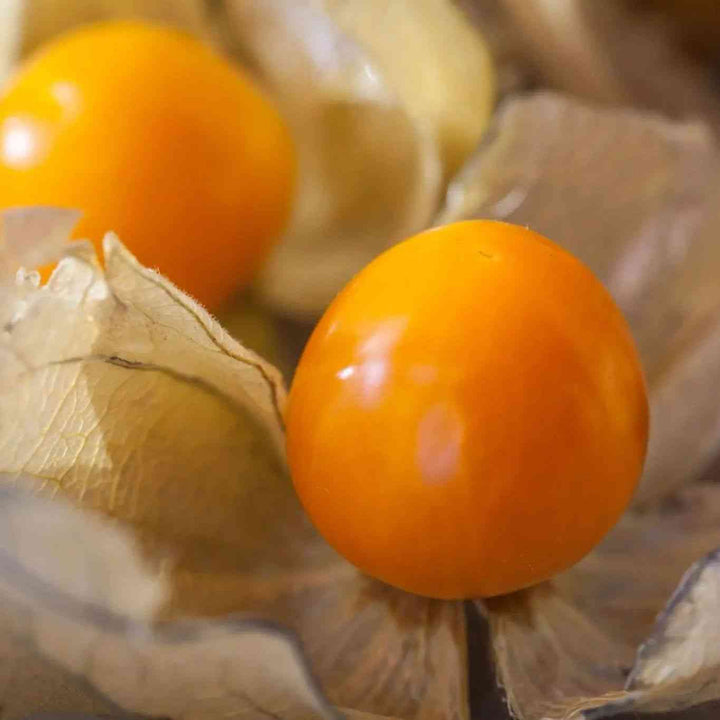
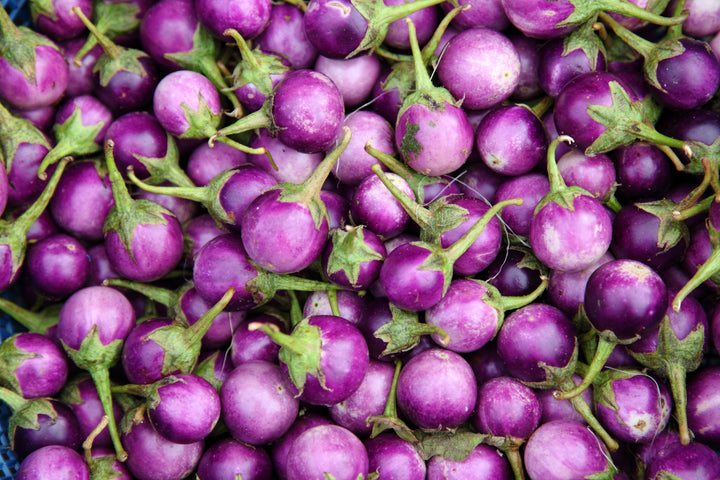
Really Purple Tomatillo seeds grow into upright/erect plants about 37–48 in, bearing purple 2-3 inch. Use the harvest for warm-season kitchen gardens, supported plants, fresh harvest, and preserving. Really Purple Tomatillo Seeds are ideal for growers looking to add both visual impact and bold flavor to the garden. Really Purple Tomatillo Seeds produce striking deep-purple tomatillo with rich, sweet-tart flavor perfect for colorful salsas and sauces.
About Really Purple
Really Purple is an annual tomatillo with purple color, 37–48 in mature height or spread, and an upright/erect habit. Harvest form or size: 2-3 inch. Botanically it is Physalis philadelphica Lam. Maturity or first bloom: 70-79 Days; germination: 7-14 Days at 75–90 °F. Best for warm-season kitchen gardens, supported plants, fresh harvest, and preserving. Really Purple Tomatillo Seeds are ideal for growers looking to add both visual impact and bold flavor to the garden.
History and provenance
Really Purple circulates as a named tomatillo within the cultivated history of Physalis philadelphica Lam. Seed sold as Really Purple is identified by its purple color, growth form, harvest use, and the documented harvest traits. A complete breeder record, introduction year, family story, or uninterrupted custody chain has not been located for this seed lot. The cultivar identity is tied to observable crop traits that can be checked in a grow-out, not to an unsupported origin story. Really Purple Tomatillo Seeds produce one of the most striking and flavorful tomatillos available, yielding deep violet to plum-colored fruits wrapped in papery husks. Really Purple Tomatillo Seeds are ideal for growers looking to add both visual impact and bold flavor to the garden. The flavor of Really Purple tomatillos is sweet-tart with subtle berry notes, offering more richness and less sharp acidity than green types. Fresh fruits add brightness to salads, ceviche, and pico de gallo.
Growing facts
| Scientific name | Physalis philadelphica Lam. |
|---|---|
| Life cycle | Annual |
| Maturity / first bloom | 70-79 Days |
| Germination | 7-14 Days at 75–90 °F |
| Seed depth | 1/4 in |
| Plant height / spread | 37–48 in |
| Growth habit | Upright/Erect |
| Spacing | 36 in between plants; 48 in between rows |
| Sunlight | Full sun |
| Soil | Loamy; pH 6.0–6.5 |
| Water | Moderate |
| Support | Stake |
Starting Really Purple from seed
How to grow Really Purple Tomatillo
Botanical identity: Physalis philadelphica Lam. Life cycle: Annual.
Sow 1/4 in and use a seed-zone temperature near 75–90 °F. Expected emergence: 7-14 Days. Start indoors in clean warm mix, maintain even moisture, and provide strong light immediately after emergence
Plant during Spring. Space plants 36 in apart with 48 in between rows or planting bands.
Provide Full sun, moderate water, and loamy near pH 6.0–6.5. Support: Stake.
Garden performance and care
Start Really Purple early enough for its season, transplant after cold stress has passed, and harvest on schedule. Support requirement: Stake; remove damaged fruit promptly and keep foliage dry when disease pressure is high. Expected emergence is 7-14 Days; the listed maturity or bloom timing is 70-79 Days.
Harvest, bloom, and uses
Really Purple is best for warm-season kitchen gardens, supported plants, fresh harvest, and preserving. Harvest form or size: 2-3 inch. Color at the principal harvest or mature stage: Purple. Really Purple Tomatillo Seeds are ideal for growers looking to add both visual impact and bold flavor to the garden.
Saving seed
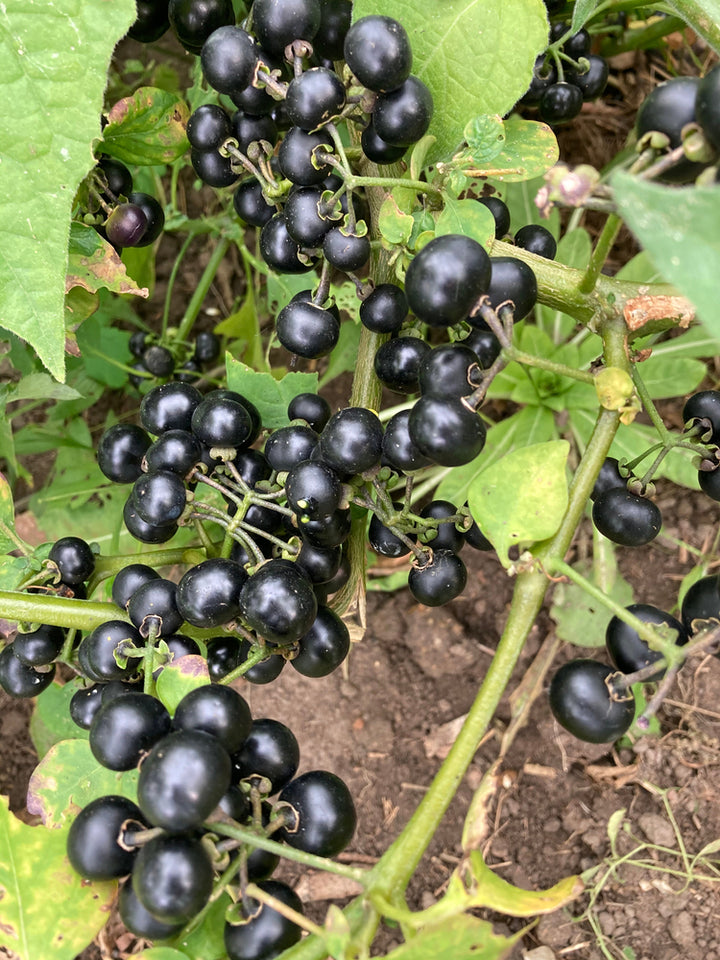
Seed saving for Really Purple Select several healthy, true-to-type plants so the saved lot represents the variety rather than one unusually early or large individual. Select fully ripe fruit from healthy true-to-type plants. Tomatillos need compatible plants for reliable fruit set, while crossing behavior differs among Physalis and Solanum species, so keep other varieties of the same species separated when purity matters. Mash ripe fruit in water, use a short fermentation if needed to release clean seed, wash away pulp and light seed, and dry the heavy seed thoroughly. For garden huckleberry, handle only fully ripe berries and do not treat foliage or unripe fruit as food. Record species, plant count, isolation, ripeness, cleaning, and test date.
Common problems
Watch Really Purple for flea beetles, hornworms, aphids, leaf spots, wilt, fruit cracking, and crowding. Rotate away from other nightshades, maintain airflow, water at soil level, and harvest only at the crop-specific ripe stage. For garden huckleberry, keep unripe fruit and foliage out of food use.
Frequently asked questions
When is Really Purple ready?
70-79 Days from transplanting under warm conditions
How long does germination take?
Expect 7-14 Days near 75–90 °F; actual emergence changes with moisture, seed condition, and soil temperature.
How large does it grow?
About 37–48 in with an upright/erect habit. Support: Stake.
Can it grow in a container?
Possible in a properly sized container with reliable drainage, moisture, and room for the mature plant.
How is it used?
Primary uses: warm-season kitchen gardens, supported plants, fresh harvest, and preserving. Really Purple Tomatillo Seeds are ideal for growers looking to add both visual impact and bold flavor to the garden.
Can I save seed?
Yes where the crop biology allows, but keep compatible varieties isolated, use several healthy plants, wait for full seed maturity, dry thoroughly, and label the lot.
Minimum Seed Count:50 seeds