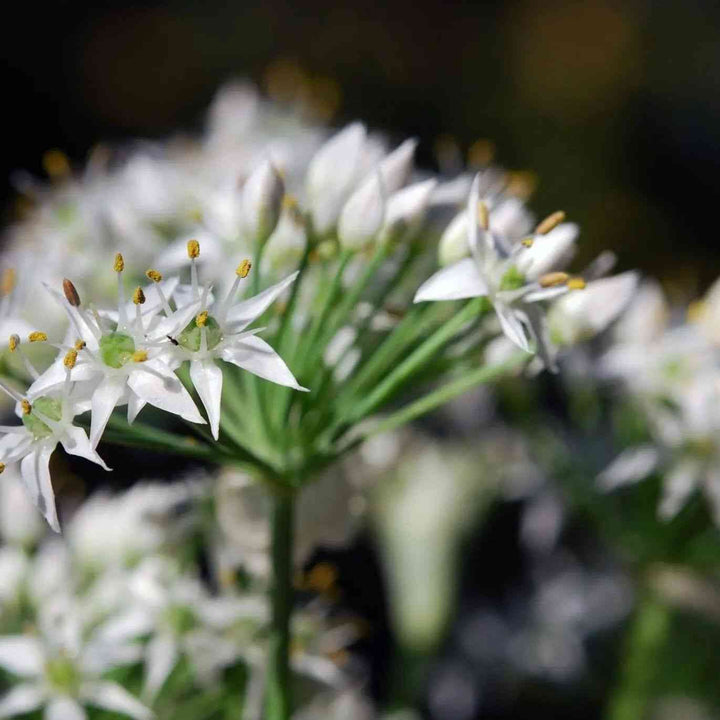
Seeds: When properly stored, planted, and cared for, we guarantee reasonable germination and true-to-type growth for one year from purchase.
Non-seed products: Free from defects in materials and workmanship for 30 days from shipment.
Excludes factors outside our control (extreme weather, pests, gardener error). If something’s off, contact us—we’ll make it right with a replacement, repair, or refund.
USDA “bioengineered (BE)” foods are those with detectable genetic material that was modified using in vitro recombinant DNA (rDNA) techniques, in ways
not obtainable through conventional breeding or found in nature. The USDA’s National Bioengineered Food Disclosure Standard uses “bioengineered” as the nationwide labeling term.
Detectable modified genetic material in the final food
Created via in vitro rDNA techniques (e.g., gene transfer)
Modifications not achievable through conventional breeding or nature
—seeds / pkt
( ~ g )
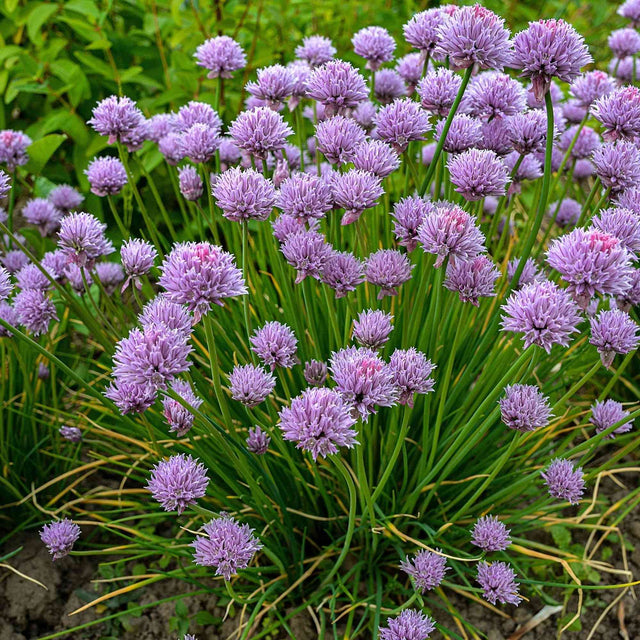
The delicate, grassy herb that brings refinement to every dish. Common chives produce slender, hollow green leaves with a mild onion flavor perfect for soups, eggs, and potatoes. In late spring, lavender-pink flower heads rise above the clumps, adding beauty and pollinator appeal.
Perennial and hardy, plants form neat tufts that return year after year, tolerating frost and moderate drought. Both leaves and blossoms are edible and aromatic.
An essential kitchen herb native to Europe and Asia, chives are timeless—humble in size but full of subtle, savory charm.
Location Selection: Choose a location with full sun to partial shade for optimal growth. Chives thrive in well-lit areas.
Soil Preparation: Ensure the soil is well-drained and rich in organic matter. Chives prefer loamy soil with a pH between 6.0 and 7.0.
Sowing Seeds:
Direct Sowing: Sow seeds directly outdoors in early spring after the danger of frost has passed. Plant seeds 1/4 inch deep and 6-12 inches apart in rows spaced 12-18 inches apart.
Indoor Starting: For an earlier start, sow seeds indoors 6-8 weeks before the last frost date. Use seed-starting trays filled with a seed-starting mix. Lightly cover the seeds and keep the soil moist.
Germination: Seeds typically germinate within 10-14 days. Maintain consistent moisture levels in the soil during this period.
Transplanting: If starting indoors, transplant seedlings outdoors after the danger of frost has passed. Space seedlings 6-12 inches apart in rows 12-18 inches apart.
Care Instructions:
Watering: Water regularly to keep the soil evenly moist but not waterlogged. Chives require consistent moisture for optimal growth.
Fertilizing: Apply compost or a balanced organic fertilizer every 4-6 weeks during the growing season to promote healthy growth and leaf development.
Mulching: Apply a thin layer of mulch around the base of the plants to help retain moisture and suppress weeds.
Pruning: Harvest leaves regularly to encourage continuous growth and prevent overcrowding.
Pests and Diseases: Chives are relatively pest and disease-free but can occasionally be affected by aphids or fungal diseases. Use organic treatments like insecticidal soap or neem oil if necessary.
Special Considerations:
Harvesting: Harvest leaves as needed for culinary use. Allium schoenoprasum chives are known for their mild onion flavor, making them a versatile addition to salads, soups, and cooked dishes.
Chives (Allium schoenoprasum) are one of the most dependable and low-maintenance perennial herbs, but they perform best when grown with attention to long-term health rather than short-term harvest. Once established, chives form dense clumps that return year after year, producing fresh, mild onion-flavored leaves and seasonal blooms. They thrive in full sun but can tolerate partial sun, making them adaptable to a wide range of garden conditions. The key to success is balancing steady moisture, good drainage, and regular maintenance to keep the clumps vigorous and productive over time.
Chives prefer well-drained soil with moderate fertility. They do not require heavily enriched soil, but they benefit from soil that holds moisture evenly without becoming waterlogged. Consistent watering is important, especially during active growth, but overwatering is one of the most common mistakes. The soil should remain evenly moist, not saturated. Plants grown in overly wet conditions often develop weak growth or root problems, while those grown too dry may produce tougher, less flavorful leaves. A balanced watering routine keeps growth tender and continuous.
One of the most important aspects of growing chives is regular harvesting. Unlike many plants that are weakened by cutting, chives actually respond positively to frequent harvesting. Leaves should be cut close to the base rather than trimmed at the tips. This encourages fresh new growth and helps maintain a compact, productive plant. If left uncut for long periods, chives can become tall, coarse, and less flavorful. Regular cutting keeps the plant in a constant cycle of renewal and improves overall quality.
As a perennial, chives naturally form dense clumps that expand over time. While this is a benefit, it also means they require occasional division to stay healthy. Overcrowded clumps may produce thinner leaves, reduced growth, and increased susceptibility to disease due to poor airflow. Dividing the plants every few seasons helps rejuvenate them, restore vigor, and provide new plants for expansion. This is one of the simplest and most effective ways to maintain long-term productivity.
Flowering is a natural and beneficial part of the chive growth cycle. In spring to early summer, chives produce purple globe-shaped flowers that attract pollinators and add ornamental value to the garden. However, flowering can also signal a shift in the plant’s energy away from leaf production. If the goal is maximum leaf harvest, flower stalks can be cut back early. If allowed to bloom, the plant can be trimmed after flowering to encourage a fresh flush of new leaves. Managing this cycle allows growers to balance both beauty and productivity.
Chives are highly adaptable and can be grown in garden beds, raised beds, or containers. In smaller spaces, they perform especially well in pots, where they can be easily managed and harvested. Container-grown chives require good drainage and regular watering, as they may dry out faster than in-ground plantings. Regardless of location, good airflow around the plants helps prevent disease and keeps growth clean and healthy.
Because chives are relatively pest-resistant, most growing success comes down to proper cultural care rather than intervention. Avoid overcrowding, ensure good drainage, and maintain consistent moisture. These simple practices prevent most issues before they begin. When grown under the right conditions, chives require very little attention beyond harvesting and occasional division.
Over time, chives become a reliable, long-term presence in the garden. They provide continuous harvests, attract beneficial insects, and require minimal effort compared to many other herbs. With full sun, well-drained soil, consistent watering, regular cutting, and periodic division, chives will remain productive, flavorful, and healthy for many years.
Chives are one of the easiest herbs to grow, but a few simple techniques can dramatically improve their flavor, longevity, and overall productivity. One of the most important tips is to harvest often and correctly. Instead of trimming the tips, always cut chives down near the base. This encourages strong regrowth and keeps the plant producing tender, flavorful leaves. Plants that are harvested regularly stay compact and lush, while neglected plants can become tall, tough, and less desirable.
Another key to success is managing clump size over time. Chives naturally form dense clusters, and while this is part of their appeal, overcrowding eventually leads to weaker growth, thinner leaves, and reduced vigor. Dividing the clumps every few seasons is one of the best ways to maintain strong production. When divided, plants essentially reset—producing thicker, healthier leaves and more consistent growth. This also allows you to expand your planting or share with others.
Watering is simple but important. Chives prefer consistent moisture, but they do not tolerate soggy soil. The best approach is to keep the soil evenly moist while ensuring good drainage. Overwatering is one of the few ways to cause problems with chives, often leading to weak growth or root issues. A light mulch can help regulate moisture, reduce stress during hot periods, and keep the soil environment more stable.
Flower management is another useful technique. Chives produce beautiful purple blooms that attract pollinators, but flowering can temporarily slow leaf production. If your goal is maximum harvest, remove flower stalks early so the plant continues focusing on foliage. If you enjoy the flowers, allow them to bloom and then cut the plant back afterward. This will trigger a fresh flush of new growth and restore leaf quality.
For the best flavor, harvest chives while they are young and actively growing. Older leaves can become tougher and less mild. Regular cutting not only improves texture but also maintains that signature fresh onion-like taste. If plants begin to look tired or overgrown, a full cutback can quickly rejuvenate them, often producing a completely new set of tender leaves in a short time.
Chives are also excellent for companion planting. Their natural scent can help deter certain pests, making them a good addition near vegetables and other herbs. Planting them along bed edges or interspersed among crops can provide both practical benefits and easy access for harvesting. They are especially useful in mixed plantings where space efficiency matters.
If growing in containers, choose a pot with good drainage and avoid letting it dry out completely. Container-grown chives may need more frequent watering than in-ground plants, but they are also easier to manage and harvest. Keeping them near the kitchen makes regular use more likely, which in turn keeps the plant healthier.
One of the most effective long-term tips is to treat chives as a renewable crop rather than a one-time planting. With regular division, consistent harvesting, and basic care, a single planting can remain productive for many years. The biggest mistakes are usually neglecting to divide, overwatering, or letting plants grow too long without harvesting.
With proper care, chives become a low-effort, high-reward herb that provides continuous harvests, supports pollinators, and enhances both the garden and the kitchen.
Chives (Allium schoenoprasum) are generally one of the easiest and most resilient herbs to grow, but they are not completely problem-free. Most issues arise from excess moisture, poor airflow, overcrowding, or neglect over time rather than from severe pest pressure. The most common problems include onion thrips, aphids, fungal diseases such as downy mildew and leaf spot, root rot in poorly drained soil, and general decline due to overcrowded clumps. The best overall strategy is prevention through proper spacing, well-drained soil, and regular division of plants to maintain vigor.
Onion thrips are the most common insect pest affecting chives and other alliums. These tiny insects feed by piercing leaf tissue and sucking out plant juices, which causes silvery streaking, speckling, and a dull, unhealthy appearance. Severe infestations can reduce growth and weaken the plant over time. Aphids may also appear, especially on tender new growth or flower stems, clustering in groups and causing curling, sticky residue, and reduced vigor. The best solutions for both pests are early detection and control. Strong water sprays can dislodge small populations, and maintaining good airflow reduces favorable conditions for infestation. Avoid overcrowding, and remove heavily infested growth if necessary to prevent spread.
Fungal diseases are the most common long-term issue, especially in damp or poorly ventilated conditions. Downy mildew can appear as pale or yellowing patches on leaves, sometimes accompanied by a grayish or fuzzy underside, eventually leading to leaf collapse. Leaf spot diseases may cause small lesions that expand and weaken foliage. These problems are often worse when plants are crowded, watered overhead late in the day, or grown in humid environments without airflow. The best prevention is spacing plants properly, watering at the base rather than on the leaves, and ensuring the planting area dries out between waterings. Removing affected leaves early helps prevent further spread.
Root rot is another issue that develops almost entirely from environmental conditions rather than pests. Chives do not tolerate waterlogged soil, and roots may begin to rot if drainage is poor or if the plants are overwatered. Symptoms include yellowing, soft growth, thinning clumps, and eventual dieback. The best solution is to plant in well-drained soil and avoid letting the root zone remain constantly saturated. Raised beds or amended soil can greatly reduce this risk. Once root rot sets in, recovery can be difficult, so prevention is critical.
Overcrowding is one of the most overlooked problems with chives. Because they are perennial and form dense clumps, they can become tightly packed over time, leading to reduced airflow, smaller leaves, weaker growth, and increased susceptibility to disease. Crowded plants may also produce fewer healthy shoots and less vigorous regrowth after cutting. The best solution is regular division. Every few seasons, clumps should be dug up, separated, and replanted with proper spacing. This rejuvenates the planting and restores strong growth.
Environmental stress can also affect chives, especially extreme heat combined with dryness or excessive moisture combined with shade. In hot conditions, leaves may become tough or lose some of their mild flavor, while in overly wet or shaded conditions, growth may become weak and prone to disease. Consistent moderate care—full sun, well-drained soil, and balanced watering—helps prevent most of these issues before they start.
Another minor but common issue is leaf dieback after flowering. When chives bloom, energy shifts toward flower production, and the leaves may become less tender or begin to decline. This is not a disease problem, but a natural growth cycle. Regular harvesting and cutting back after flowering can encourage fresh new growth and maintain leaf quality.
Overall, chives are a low-maintenance herb, and most problems can be avoided with simple cultural practices: good drainage, proper spacing, regular division, and consistent but not excessive watering. The biggest mistakes are usually overwatering, allowing clumps to become overcrowded, and ignoring early signs of pest or disease buildup. With basic attention and occasional maintenance, chives remain one of the most reliable and trouble-free perennial herbs in the garden.
Q: What are chives and how are they used?
A: Chives are a perennial herb in the allium family, grown for their mild onion-flavored leaves and edible flowers. They are commonly used fresh in salads, soups, eggs, potatoes, and as a garnish. Their flavor is lighter than onions or garlic, making them ideal for dishes where a subtle allium taste is preferred.
Q: Are chives perennial or annual?
A: Chives are perennial, meaning they come back year after year once established. They form clumps that gradually expand over time, making them a long-term addition to herb gardens. With proper care, a single planting can remain productive for many seasons.
Q: How long do chives take to grow?
A: Chives germinate relatively quickly, but they take some time to reach full maturity. Young plants can be lightly harvested once they are established, but the best production usually comes after the plant has had time to develop a strong root system and clump structure.
Q: Can I grow chives in containers?
A: Yes, chives grow very well in containers. They are one of the best herbs for small spaces, patios, and indoor growing. Containers should have good drainage, and the plants should receive plenty of light. Regular harvesting helps keep container-grown chives productive and prevents overcrowding.
Q: Do chives need full sun?
A: Chives perform best in full sun, but they can tolerate partial sun. In full sun, they tend to grow more vigorously and produce stronger flavor. In partial shade, they may grow more slowly but will still remain productive.
Q: How often should I water chives?
A: Chives prefer consistent moisture but do not tolerate waterlogged soil. The soil should be kept evenly moist, especially during active growth, but allowed to drain well between waterings. Overwatering is one of the most common causes of problems.
Q: How do I harvest chives properly?
A: Chives should be cut from the base rather than trimmed at the tips. Cutting close to the soil encourages fresh new growth and keeps the plant productive. Regular harvesting also helps prevent the plant from becoming tough or overgrown.
Q: Will chives regrow after cutting?
A: Yes, chives regrow quickly after cutting. This is one of their biggest advantages as a kitchen herb. With regular harvesting, a healthy plant can produce multiple flushes of new growth throughout the season.
Q: Can I eat chive flowers?
A: Yes, chive flowers are edible and have a mild onion flavor. They can be used fresh in salads, as a garnish, or infused into oils and vinegars. Allowing some plants to flower also benefits pollinators.
Q: Should I remove chive flowers?
A: It depends on your goal. If you want maximum leaf production, removing flower stalks can help the plant focus on producing more foliage. If you want to attract pollinators or use the flowers, you can allow them to bloom and then cut the plant back afterward to encourage fresh growth.
Q: Why are my chives becoming thin or weak?
A: This is often caused by overcrowding or aging clumps. Over time, chives form dense clusters that compete with themselves for nutrients and airflow. Dividing the clumps every few years helps restore strong, vigorous growth.
Q: When should I divide chives?
A: Chives can be divided when clumps become crowded or less productive. This is typically done during active growth periods. Dividing rejuvenates the plant and allows you to expand your planting or share with others.
Q: Do chives attract pollinators?
A: Yes, chive flowers are highly attractive to bees and other beneficial insects. Allowing some plants to bloom can support pollinator activity in the garden.
Q: Are chives resistant to pests?
A: Chives are relatively pest-resistant compared to many garden plants, but they can still be affected by insects like thrips or aphids. Most problems are manageable and often related to environmental conditions rather than severe infestations.
Q: Can chives survive cold weather?
A: Chives are cold-hardy and can survive frost and winter conditions in many climates. The above-ground growth may die back in colder periods, but the plant typically regrows from the base when conditions improve.
Q: Why are my chives turning yellow?
A: Yellowing can be caused by overwatering, poor drainage, nutrient imbalance, or natural aging of leaves. Ensuring proper watering and good soil conditions usually resolves the issue.
Q: Can I grow chives indoors?
A: Yes, chives can be grown indoors if they receive enough light. A bright window or supplemental lighting is usually needed. Indoor plants should be watered carefully to avoid overwatering.
Q: Do chives spread aggressively?
A: Chives spread by forming clumps rather than by invasive runners. Over time, they will expand in place, but they are easy to manage by dividing and replanting as needed.
Q: How long do chive plants live?
A: With proper care, chives can live for many years. Regular division helps keep them productive and prevents decline, making them a long-lasting herb in the garden.
Q: Are chives good for companion planting?
A: Yes, chives are often used in companion planting because their scent may help deter certain pests. They are commonly planted near vegetables and other herbs to support overall garden health.
Q: Can I save seeds from chives?
A: Yes, chives produce seeds after flowering. Allow flowers to mature and dry, then collect the seeds for future planting. Keep in mind that seed-grown plants may vary slightly, while division produces identical plants.
Q: Are chives worth growing for beginners?
A: Absolutely. Chives are one of the easiest herbs to grow, requiring minimal maintenance while providing continuous harvests. Their resilience, versatility, and perennial nature make them an excellent choice for beginners and experienced gardeners alike.
Chives (Allium schoenoprasum) have one of the longest and most widespread cultivation histories of any culinary herb, with roots that trace back across Europe, Asia, and parts of North America. Unlike many crops that were heavily domesticated from a single center, chives are believed to have developed across multiple northern regions, where wild populations adapted to cool climates and seasonal growth cycles. This broad native range is one reason chives are so resilient and cold-hardy today—they evolved in environments with harsh winters and short growing seasons, developing the ability to die back and return reliably year after year.
Historically, chives were valued not only for their mild onion flavor but also for their practicality as a perennial herb that could be harvested repeatedly without replanting. In early European cultivation, they were commonly grown in kitchen gardens and monastery gardens, where dependable herbs were essential for both food and medicinal use. Their ability to regrow after cutting made them especially useful in small garden spaces where efficiency mattered. Over time, chives became a staple in traditional herb gardens, often planted alongside parsley, sage, and other foundational culinary herbs.
Culturally, chives have long been associated with both culinary and protective uses. In many parts of Europe, they were believed to have properties that could ward off pests or even negative influences, leading to their inclusion in household gardens not just for food but also for symbolic purposes. While these beliefs varied by region, they contributed to the plant’s widespread presence in traditional growing spaces. Their strong scent, characteristic of the allium family, likely played a role in these associations, as it was often linked to natural pest deterrence.
In culinary traditions, chives became especially prominent in European cuisine, where their mild flavor made them ideal for fresh use. Unlike stronger onions or garlic, chives could be added at the end of cooking or used raw without overpowering a dish. They became a defining ingredient in classic preparations such as herb blends, egg dishes, dairy-based sauces, and garnishes. In French cuisine, chives are a key component of fine herbs, highlighting their importance in refined cooking as well as everyday use.
Chives also spread widely through Asia, where they adapted to local culinary practices and were used in both fresh and cooked forms. While related species such as garlic chives developed their own identities, Allium schoenoprasum remained valued for its delicate flavor and reliable growth. This global distribution further reinforced its role as a versatile and adaptable herb across cultures.
Over time, chives transitioned from a primarily utilitarian herb to one that also holds ornamental value. Their upright, grass-like leaves and distinctive purple flower heads made them a natural fit for decorative herb gardens and edible landscapes. Today, they are commonly used in both formal and informal plantings, where they serve dual purposes—providing food while also contributing to visual appeal and pollinator support.
In modern gardening, chives are appreciated not only for their flavor but also for their ease of care and long-term productivity. As interest in perennial food crops and sustainable gardening has grown, chives have remained a consistent favorite. They require minimal input once established, can be divided and shared easily, and provide continuous harvests over many years. This combination of history, resilience, and practicality has secured their place as one of the most enduring and widely grown herbs in the world.
From ancient wild populations in cool climates to their role in traditional European kitchens and modern gardens, chives represent a plant that has maintained its usefulness across centuries. Their story is not one of dramatic transformation, but of steady adaptation and reliable performance—qualities that continue to make them an essential herb for growers and cooks alike.
Saving seeds from Allium Schoenoprasum Chives (Allium schoenoprasum):
1. Selecting Plants for Seed Saving:
Choose healthy plants with vigorous growth and no signs of disease.
Avoid plants showing signs of disease or poor growth.
2. Harvesting Seeds:
Timing: Allow the seed heads to mature and dry on the plant.
Collection: Harvest the dry seed heads on a dry day.
3. Drying Seeds:
Place the seed heads in a well-ventilated, dry area. Allow them to dry completely for one to two weeks.
4. Cleaning Seeds:
Separation: Rub the seed heads to release the seeds.
Inspection: Ensure seeds are clean and free from mold or pests.
5. Storing Seeds:
Containers: Store seeds in labeled paper envelopes or airtight containers.
Storage Conditions: Keep in a cool, dry, and dark place.
Viability: Use seeds within two to three years for best results.
6. Testing Seed Viability:
Test by placing seeds on a damp paper towel in a plastic bag in a warm place and check for germination.
Tips for Successful Seed Saving:
Isolation: Maintain a distance between different chive varieties.
Pollinators: Encourage pollinators for better seed production.
Record Keeping: Keep detailed records of the process.
Uses and Benefits:
Allium Schoenoprasum Chives (Allium schoenoprasum) are known for their mild onion flavor and hollow, grass-like leaves. They are commonly used in salads, soups, and as a garnish.
Chives provide vitamins, minerals, and antioxidants, supporting overall health. They are versatile in culinary applications, adding flavor and visual appeal to various dishes.
Shipped from U.S.A.
Our seeds are grown and sourced from the US. They're then packed and shipped from Colerain NC.
Triple tested
We regularly test the quality and germination rate of our seeds. We're so confident that our seeds are backed by a 1 year warranty!
Payment & Security
Payment methods
Your payment information is processed securely. We do not store credit card details nor have access to your credit card information.
Join Our Newsletter for Exclusive Savings!
Sign up for our newsletter to get a 30% discount code sent straight to your inbox. If it doesn’t appear right away, please check your inbox settings, and if you still need help, we’re here to assist!
Alliance Of Native Seedkeepers
Chive Seeds - Allium Schoenoprasum Chives
$200 USD
Unit price
The delicate, grassy herb that brings refinement to every dish. Common chives produce slender, hollow green leaves with a mild onion flavor perfect for soups, eggs, and potatoes. In late spring, lavender-pink flower heads rise above the clumps, adding beauty and pollinator appeal.
Perennial and hardy, plants form neat tufts that return year after year, tolerating frost and moderate drought. Both leaves and blossoms are edible and aromatic.
An essential kitchen herb native to Europe and Asia, chives are timeless—humble in size but full of subtle, savory charm.
Todas mis semillas germinaron y mis plantas se van desarrollando bien. Pronto podré disfrutar de deliciosos platillos
¡Qué alegría saber que tus semillas germinaron y que tus plantas crecen bien, Hector! Esperamos que disfrutes mucho de tus deliciosos platillos con nuestras semillas. Gracias por compartir tu experiencia.