Variety field guide
What to expect from American Legion Corn Poppy
American Legion Corn poppy seeds produce red bloom on 19–24 in upright/erect plants. Annual growth and Spring/Summer bloom make it useful for borders, cut flowers, containers or meadow-style planting, pollinator value, and seed saving.
Read the complete product descriptionTraits, flavor, garden use, variety notes, and the full catalog record
American Legion Corn poppy seeds produce red bloom on 19–24 in upright/erect plants. Annual growth and Spring/Summer bloom make it useful for borders, cut flowers, containers or meadow-style planting, pollinator value, and seed saving.
About American Legion
American Legion is an annual corn poppy with red color, 19–24 in mature height or spread, and an upright/erect habit. Harvest form or size: Flower or head form characteristic of American Legion; mature plant 19–24 in. Botanically it is Papaver rhoeas. Maturity or first bloom: 70-79 Days; germination: 7-14 Days at 55–70 °F. Best for borders, cut flowers, containers or meadow-style planting, pollinator value, and seed saving. Grown for ornamental or habitat use rather than as a food crop.
History and provenance
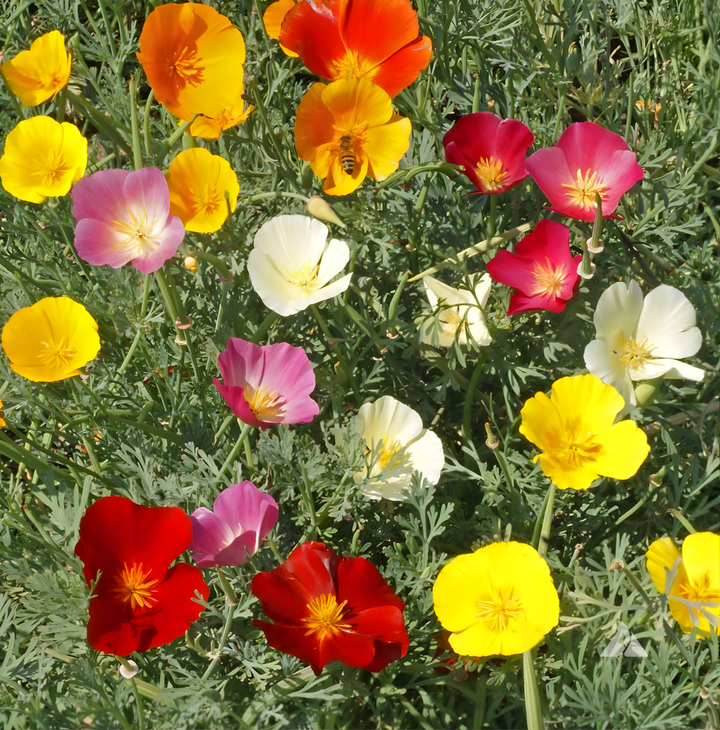
The American Legion adopted the red poppy as its official flower on September 27, 1920. The named seed strain is a red-flowered form of Papaver rhoeas, commonly called corn poppy or Flanders poppy. The memorial history is documented separately from ordinary cultivation claims. The American Legion milestone documents the memorial symbolism of the red poppy, not a breeder release or exclusive genetic line. This seed product is therefore described as a named red-flowered corn-poppy strain, while the institutional history is used only for the documented remembrance association. Poppy Seeds - Flanders American Legion produce one of the most recognizable and meaningful flowers in the world, celebrated for their brilliant scarlet-red blooms and long association with remembrance and history. This classic field poppy, Papaver rhoeas, traces its cultural significance to the wild poppies that grew across the battlefields of Europe during World War I. The Flanders American Legion strain was selected in the United States and widely promoted by veterans’ organizations as a living symbol of honor and remembrance. Plants grown from Flanders American Legion poppy seeds develop slender stems topped with delicate, papery flowers in a vivid red shade often marked with a dark center.
Growing facts
| Scientific name | Papaver rhoeas |
|---|---|
| Life cycle | Annual |
| Maturity / first bloom | 70-79 Days |
| Germination | 7-14 Days at 55–70 °F |
| Seed depth | Surface Sow |
| Plant height / spread | 19–24 in |
| Growth habit | Upright/Erect |
| Spacing | 6 in between plants; 12 in between rows |
| Sunlight | Full sun |
| Soil | Loamy; pH 6.5–7.0 |
| Water | Moderate |
| Support | No-Support |
Starting American Legion from seed
How to grow American Legion Corn poppy
Botanical identity: Papaver rhoeas. Life cycle: Annual.
Sow Surface Sow and use a seed-zone temperature near 55–70 °F. Expected emergence: 7-14 Days. Use clean seed-starting conditions, the listed depth and temperature, and steady moisture without saturation.
Plant during Spring/Fall. Space plants 6 in apart with 12 in between rows or planting bands.
Provide Full sun, moderate water, and loamy near pH 6.5–7.0. Support: No-Support.
Garden performance and care
For a longer display of American Legion, remove spent blooms unless seed is being saved. Give the plant its listed spacing, cut flowers with clean tools, and leave selected heads to mature fully for seed. Expected emergence is 7-14 Days; the listed maturity or bloom timing is 70-79 Days.
Harvest, bloom, and uses
American Legion is suited to borders, cut flowers, containers or meadow-style planting, pollinator value, and seed saving. Its red flowers and 19–24 in stature help determine whether it belongs in a border, cutting row, container, meadow edge, or restoration-style planting. Grown for ornamental or habitat use rather than as a food crop.
Saving seed
Save seed from several healthy, true-to-type American Legion plants identified before harvest. Confirm the pollination system of Papaver rhoeas, separate compatible varieties that flower together, and remove clear off-types before they shed pollen or seed. Allow fruit, pods, ears, or seed heads to reach full biological maturity, then clean and dry the seed completely. Label the lot with variety, source, year, isolation method, number of seed plants, and any selection notes; store it cool, dark, and dry and test germination before an important planting.
Common problems
Common concerns: damping-off from saturated media; poor emergence from wrong temperature or depth; leggy seedlings from weak light; crowding and weak airflow; lodging in wind or rain; feeding damage from slugs, caterpillars, beetles, or mammals; foliar disease under prolonged leaf wetness. Management: use clean media, the sowing depth and temperature, strong light, appropriate thinning, and morning irrigation at soil level. Match support to plant height before wind becomes a problem. Inspect regularly and use the least disruptive control appropriate to the pest, plant, and pollinator setting. Remove diseased debris and rotate annual flower beds where recurring disease is severe.
Frequently asked questions
When is American Legion ready?
70-79 Days from sowing to the primary bloom or market stage used for the listed maturity range
How long does germination take?
Expect 7-14 Days near 55–70 °F; actual emergence changes with moisture, seed condition, and soil temperature.
How large does it grow?
About 19–24 in with an upright/erect habit. Support: No-Support.
Can it grow in a container?
Well suited to containers when drainage, spacing, light, and moisture are maintained
How is it used?
Primary role: Borders, cut flowers, containers or meadow-style planting, pollinator value, and seed saving. Grown for ornamental or habitat use rather than as a food crop.
Can I save seed?
Yes where the crop biology allows, but keep compatible varieties isolated, use several healthy plants, wait for full seed maturity, dry thoroughly, and label the lot.
Minimum Seed Count:750 seeds