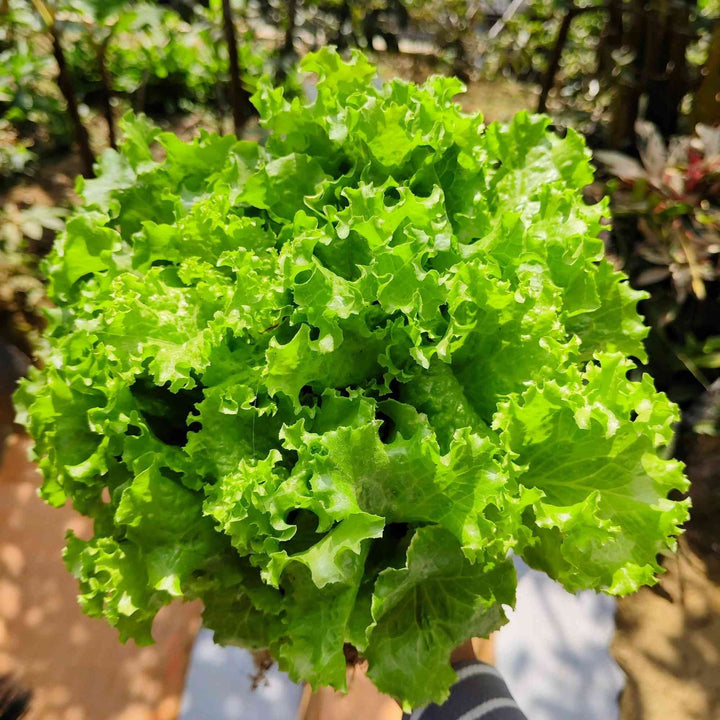
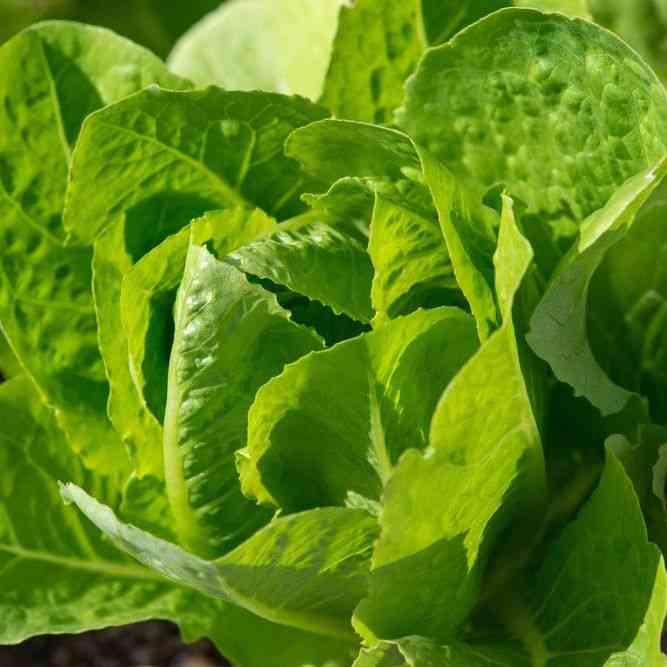
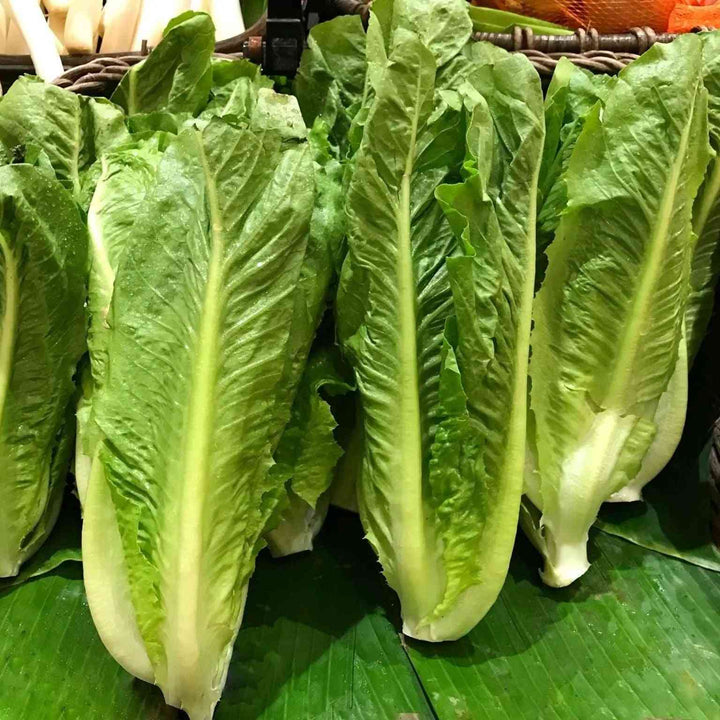
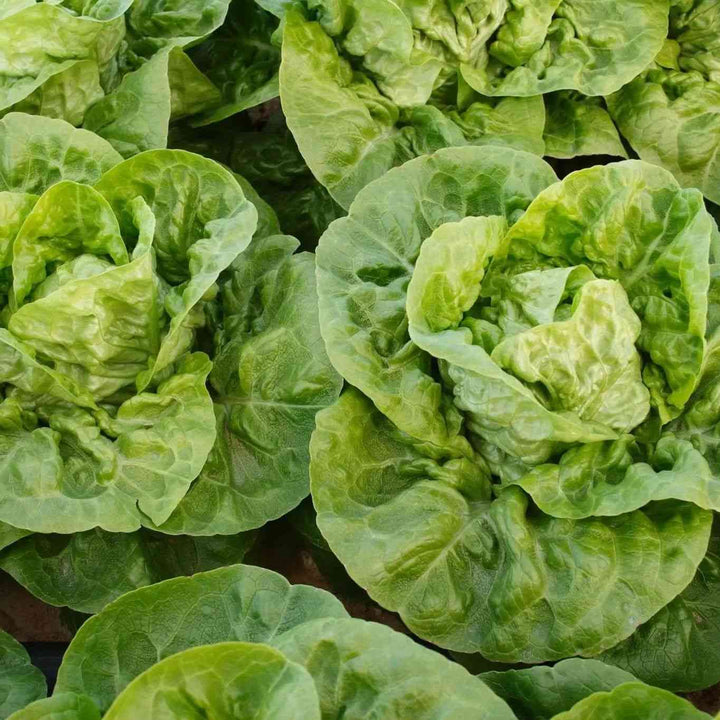
Seeds: When properly stored, planted, and cared for, we guarantee reasonable germination and true-to-type growth for one year from purchase.
Non-seed products: Free from defects in materials and workmanship for 30 days from shipment.
Excludes factors outside our control (extreme weather, pests, gardener error). If something’s off, contact us—we’ll make it right with a replacement, repair, or refund.
USDA “bioengineered (BE)” foods are those with detectable genetic material that was modified using in vitro recombinant DNA (rDNA) techniques, in ways
not obtainable through conventional breeding or found in nature. The USDA’s National Bioengineered Food Disclosure Standard uses “bioengineered” as the nationwide labeling term.
Detectable modified genetic material in the final food
Created via in vitro rDNA techniques (e.g., gene transfer)
Modifications not achievable through conventional breeding or nature
—seeds / pkt
( ~ g )
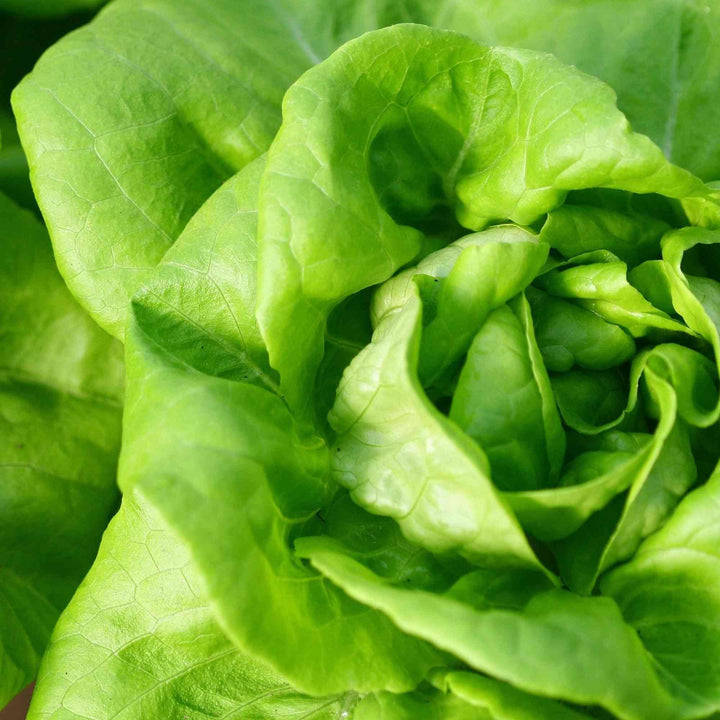
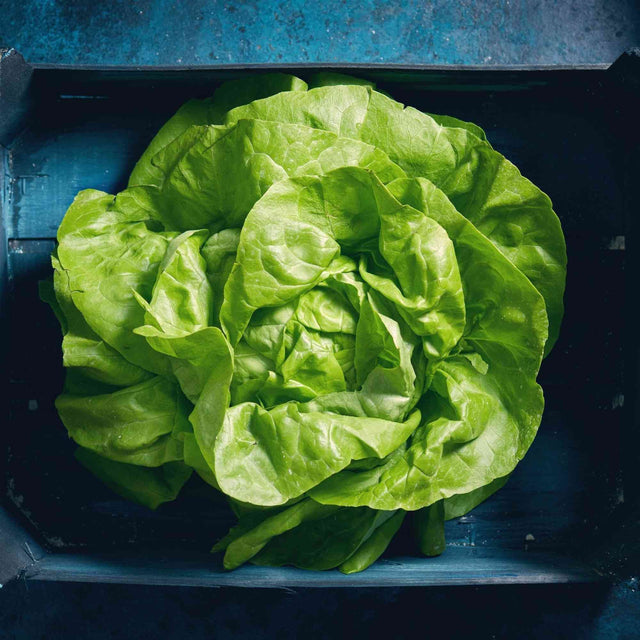
The buttery classic that set the gold standard for flavor. ‘Buttercrunch’ forms loose, compact heads with crisp outer leaves and a soft, velvety heart that melts in the mouth. The flavor is mild and sweet, with a satisfying texture between crunch and tenderness.
Plants reach 8–10 inches across and show excellent heat tolerance, resisting bolting longer than most butterheads. Ideal for both home and market growers.
Developed by Cornell University in the 1960s, ‘Buttercrunch’ quickly became a favorite for its balance of flavor, texture, and reliability—a true modern heirloom in the lettuce world.
Great flavor, very prolific, planted along side of the spinach and both of them just went crazy.
A
Anonymous (United States)
We’re enjoying delicious salads made from the lettuce we got from Alliance of Native Seedkeepers!!! We had great germination and I highly recommend the seeds, which are a great value!!!
Location Selection: Choose a location with full sun to partial shade for optimal growth.
Soil Preparation: Ensure the soil is well-drained and rich in organic matter. Lettuce prefers slightly acidic to neutral soil with a pH between 6.0 and 7.0.
Sowing Seeds:
Direct Sowing: Sow seeds directly outdoors in early spring or late summer for a fall crop. Plant seeds 1/4 inch deep and 6 inches apart in rows spaced 12-18 inches apart.
Indoor Starting: For an earlier start, sow seeds indoors 4-6 weeks before the last frost date. Use seed-starting trays filled with a seed-starting mix. Lightly press the seeds into the surface and keep the soil moist.
Germination: Seeds typically germinate within 7-14 days. Maintain consistent moisture levels in the soil during this period.
Transplanting: If starting indoors, transplant seedlings outdoors after the danger of frost has passed. Space seedlings 6-12 inches apart to allow for adequate air circulation and growth.
Care Instructions:
Watering: Water regularly to keep the soil evenly moist but not waterlogged. Lettuce requires consistent moisture for optimal growth.
Fertilizing: Apply compost or a balanced organic fertilizer every 4-6 weeks during the growing season to promote healthy growth and continuous leaf production.
Mulching: Apply a thin layer of mulch around the base of the plants to help retain moisture and suppress weeds.
Special Considerations:
Harvesting: Harvest leaves as needed for culinary use. Buttercrunch Lettuce leaves are known for their tender texture and mild flavor, making them a popular choice for salads and fresh eating.
Lettuce Seeds - Butterhead - Buttercrunch Lettuce requires a balanced, consistency-driven approach where environmental stability and careful growth management work together to produce tender, flavorful leaves and properly formed heads. Unlike crisphead types, Buttercrunch forms a soft, semi-compact head, meaning the goal is not density alone, but a balance of structure, tenderness, and sustained growth.
The growth cycle begins with rapid early establishment, where the plant develops a shallow root system and a base of soft, expanding leaves. During this stage, stable moisture and moderate temperatures are essential, as early stress can affect both leaf development and eventual head formation. Healthy early growth sets the foundation for the entire plant.
As the plant matures, it enters a phase of steady leaf production. These outer leaves play a critical role, as they support photosynthesis and provide the energy needed for the inner head to develop. Maintaining strong, uninterrupted leaf growth is essential—any damage or stress during this phase can reduce overall plant quality and limit head formation.
Moisture management is one of the most important aspects of growing Buttercrunch lettuce. The plant requires evenly moist soil throughout its life cycle. Because of its shallow roots, it is highly sensitive to fluctuations in water availability. Dry conditions can lead to stress and bitterness, while overly wet conditions can promote disease. The goal is consistent, moderate moisture that supports continuous growth.
Temperature plays a significant role in both growth and quality. Buttercrunch performs best in cool conditions, where it produces tender, mild leaves. As temperatures rise, growth may accelerate, but quality can decline. Heat stress can trigger bolting, causing the plant to shift from leaf production to flowering. Maintaining a stable, cool environment extends the productive period and preserves flavor.
As the plant begins forming its head, the focus shifts to maintaining internal structure. Leaves gradually fold inward, creating the soft, layered head characteristic of butterhead lettuce. During this stage, consistency is critical—any sudden changes in moisture, temperature, or nutrients can disrupt formation and lead to loose or uneven heads.
Airflow is an important factor in preventing disease. While Buttercrunch does not form as dense a head as crisphead types, moisture can still accumulate within the leaves. Proper spacing and good ventilation help keep foliage dry and reduce the risk of fungal issues. Watering at the base of the plant rather than overhead further supports a healthy environment.
Nutrient management should remain balanced and moderate. Lettuce benefits from fertile soil, but excessive nitrogen can cause overly rapid, soft growth that reduces flavor quality and increases susceptibility to pests and disease. A steady nutrient supply supports consistent development without overstimulation.
Weed control is especially important during early growth. Young lettuce plants can be easily outcompeted by weeds, which reduces access to nutrients and water. Keeping the growing area clean during establishment ensures strong, healthy plants.
As the plant approaches maturity, monitoring becomes essential. A properly developed Buttercrunch head will be compact but still soft and tender. Harvest timing is critical—waiting too long can lead to bitterness, loose structure, or internal issues such as tip burn. Harvesting at the right stage ensures the best texture and flavor.
Throughout the growing cycle, maintaining environmental consistency is the most important principle. Lettuce responds quickly to changes, and even minor fluctuations can impact quality. Stable moisture, moderate nutrients, and consistent temperatures create the ideal conditions for growth.
Buttercrunch also allows for flexible harvesting strategies. Outer leaves can be harvested early to extend production, while the center continues developing. This approach provides both continuous yield and the option for a full-head harvest later.
Ultimately, growing Buttercrunch lettuce successfully is about maintaining balance—between growth and structure, moisture and drainage, and productivity and quality. By supporting steady development and minimizing stress, growers can produce tender, flavorful lettuce with excellent texture and reliable performance.
Lettuce Seeds - Butterhead - Buttercrunch Lettuce performs best when growers focus on maintaining steady, cool conditions and encouraging continuous, balanced growth. Because butterhead lettuce forms a soft, semi-compact head rather than a dense one, the goal is to maximize tenderness, flavor, and leaf quality while preventing stress that leads to bitterness or bolting.
One of the most effective techniques is combining selective harvesting with full-head timing. Buttercrunch allows for flexibility—you can harvest outer leaves early to extend production, or allow the plant to form a full head for a single harvest. Skilled growers often do both: lightly harvesting outer leaves early while still allowing the center to develop. This approach increases total yield without sacrificing head formation.
Moisture consistency is absolutely critical. Lettuce has shallow roots and reacts quickly to fluctuations in soil moisture. Even short dry periods can lead to stress, resulting in bitterness or slowed growth. At the same time, overly wet conditions can promote disease. The goal is evenly moist soil at all times. Mulching is one of the most effective tools for maintaining this balance, reducing evaporation and stabilizing soil temperature.
Temperature management is key to maintaining quality. Buttercrunch is more heat-tolerant than many butterhead varieties, but it still performs best in cool conditions. Warmer temperatures can cause rapid growth followed by bolting, which reduces leaf quality. Planting early and again later in the season helps avoid heat stress. In warmer climates, providing partial shade during the hottest part of the day can significantly extend the harvest window.
Spacing plays an important role in both plant health and head development. While butterhead lettuce does not require as much space as crisphead types, overcrowding still reduces airflow and increases humidity, creating conditions for disease. Proper spacing allows leaves to develop fully and helps maintain a healthy growing environment.
Soil fertility should be balanced and steady. Lettuce benefits from nutrient-rich soil, but excessive nitrogen can cause overly soft, rapid growth that is more susceptible to pests and reduces flavor quality. A compost-rich soil provides a consistent nutrient supply without overstimulating the plant.
Airflow management is especially important for butterhead lettuce. Because it forms a semi-compact head, moisture can become trapped within the leaves. Ensuring good spacing and avoiding overhead watering helps keep foliage dry and reduces the risk of fungal diseases.
Harvest timing is a critical factor in quality. Buttercrunch heads should be harvested when they are compact but still tender. Waiting too long can lead to looser structure, bitterness, or internal issues like tip burn. Regular monitoring helps identify the ideal harvest window.
Weed control is particularly important during early growth. Young lettuce plants are easily outcompeted by weeds, which can reduce access to nutrients and water. Keeping the growing area clean during establishment ensures strong, healthy plants.
Succession planting is a valuable strategy for continuous harvest. By planting in intervals, you can maintain a steady supply of fresh lettuce rather than having all plants mature at once. This also helps manage risk from changing weather conditions.
Another advanced tip is to monitor leaf texture and color as indicators of plant health. Healthy Buttercrunch leaves should be vibrant and tender. Changes in color or texture often signal stress, allowing for early adjustments in watering, nutrients, or environmental conditions.
Avoid disturbing the roots once plants are established. Lettuce roots are shallow and sensitive, and unnecessary disturbance can slow growth or cause stress. Gentle weeding and careful handling help maintain steady development.
For container growing, ensure adequate space and consistent watering. Buttercrunch adapts well to containers, but limited soil volume means moisture levels can fluctuate quickly. Regular monitoring is essential to maintain stability.
Finally, the most important principle is consistency. Butterhead lettuce responds best to stable conditions—steady moisture, moderate nutrients, and minimal stress. By maintaining this balance and making small adjustments as needed, growers can produce tender, flavorful Buttercrunch lettuce with excellent texture and extended harvest potential.
Lettuce Seeds - Butterhead - Buttercrunch Lettuce is generally a reliable and adaptable variety, but like most leafy greens, it is highly susceptible to pests and environmental stress that directly affect leaf quality. Because the harvested portion is the tender foliage and inner head, even minor damage can significantly reduce usability, making prevention and consistent care essential.
Aphids are one of the most common pests affecting Buttercrunch lettuce. They tend to gather on the undersides of leaves and within the folds of the developing head, feeding on plant sap. This can lead to distorted growth, weakened plants, and contamination of the harvested leaves. Their presence is often indicated by sticky honeydew residue. Strong water sprays can remove early infestations, while insecticidal soap may be needed for more severe cases. Encouraging beneficial insects provides natural long-term control.
Slugs and snails are particularly problematic for butterhead lettuce due to its soft leaves and dense, moisture-retaining structure. They feed at night, creating irregular holes and sometimes burrowing into the inner head where damage is not immediately visible. Managing moisture, removing garden debris, and using traps or barriers are effective strategies. Regular nighttime inspection can help identify and control populations early.
Caterpillars and other leaf-chewing insects can damage both outer and inner leaves. While outer leaf damage is visible, feeding within the head can go unnoticed until harvest. Hand removal and early monitoring are key to preventing widespread damage.
Fungal diseases are a major concern, especially in humid or poorly ventilated conditions. Downy mildew is one of the most serious, appearing as yellow patches on leaves with grayish fungal growth underneath. Because butterhead lettuce forms a semi-compact head, moisture can become trapped, creating ideal conditions for disease development. Proper spacing, good airflow, and watering at the soil level rather than overhead are essential preventive measures.
Bottom rot is another common issue, caused by soil-borne fungi in wet conditions. It affects the base of the plant, leading to decay and collapse. Ensuring well-drained soil and avoiding excessive moisture around the crown helps prevent this problem.
Tip burn is a physiological disorder often seen in butterhead lettuces. It appears as browning on the edges of inner leaves and is caused by inconsistent moisture or rapid growth that disrupts calcium uptake. Because it affects internal leaves, it may not be visible until harvest. Maintaining steady watering and avoiding rapid growth fluctuations reduces the risk.
Bolting is a significant challenge, especially as temperatures rise. When the plant begins to flower, leaf quality declines rapidly, becoming bitter and tough. Buttercrunch is more heat-tolerant than many butterhead types, but it will still bolt under stress. Growing during cooler seasons and maintaining consistent moisture helps delay this process.
Nutrient imbalance can affect both growth and quality. Excess nitrogen promotes overly rapid, soft growth that is more susceptible to pests and disease, while insufficient nutrients result in weak, underdeveloped plants. Balanced soil fertility supports steady, healthy growth.
Weed competition is an indirect but important issue. Weeds compete for nutrients and water and reduce airflow around plants, increasing humidity and disease risk. Keeping beds clean, especially during early growth, is critical.
Environmental stress, particularly inconsistent watering or temperature fluctuations, can lead to multiple problems including bitterness, poor head formation, and physiological disorders. Lettuce requires stable conditions to maintain quality.
The most effective strategy for managing pests and problems in Buttercrunch lettuce is prevention through environmental control and consistent care. Maintain proper spacing, ensure even moisture, avoid overhead watering, and monitor plants regularly. Because lettuce grows quickly, early intervention is highly effective—addressing small issues promptly helps ensure healthy plants and high-quality harvests.
Q: What makes Buttercrunch lettuce different from other butterhead varieties?
A: Buttercrunch is known for combining the tender, soft texture of traditional butterhead lettuces with improved heat tolerance and bolt resistance. Unlike older butterhead types that can be delicate and quick to bolt, Buttercrunch was bred to maintain quality over a longer period, making it more reliable in a wider range of conditions.
Q: What does “butterhead” mean in lettuce?
A: Butterhead refers to a type of lettuce that forms a loose, soft head with smooth, tender leaves. The texture is often described as “buttery,” meaning it is soft and delicate rather than crisp. Buttercrunch maintains this texture while offering slightly more structure than some traditional butterhead varieties.
Q: Can I harvest Buttercrunch lettuce more than once?
A: Yes, Buttercrunch can be harvested in multiple ways. You can pick outer leaves as needed (cut-and-come-again), or allow the plant to form a full head and harvest it all at once. Harvesting outer leaves extends the productive life of the plant.
Q: Why is my Buttercrunch lettuce turning bitter?
A: Bitterness is usually caused by heat stress or delayed harvesting. As temperatures rise or the plant begins to bolt, the flavor becomes stronger and less pleasant. Harvesting regularly and growing during cooler conditions helps maintain its mild, sweet flavor.
Q: How often should I water Buttercrunch lettuce?
A: Lettuce requires consistent moisture due to its shallow root system. The soil should remain evenly moist but not waterlogged. Irregular watering can lead to stress, poor leaf quality, and bitterness. Mulching can help maintain consistent moisture levels.
Q: Can Buttercrunch be grown in containers?
A: Yes, it is well-suited for container growing. Containers should be wide and deep enough to support root development and spaced to allow proper airflow. Because containers dry out faster, consistent watering is especially important.
Q: Why are my lettuce leaves wilting even when the soil is moist?
A: Wilting in moist soil can be caused by heat stress or root issues such as poor drainage. Lettuce is sensitive to high temperatures, and even with adequate moisture, it may wilt during hot periods. Ensuring good drainage and providing shade during peak heat can help.
Q: What pests commonly affect Buttercrunch lettuce?
A: Common pests include aphids, slugs, and caterpillars. Aphids feed on sap and can distort leaves, while slugs and caterpillars chew holes in foliage. Regular monitoring and maintaining clean growing conditions help manage these pests.
Q: How do I know when Buttercrunch lettuce is ready to harvest?
A: Leaves can be harvested when they are tender and well-formed, or the entire head can be harvested once it reaches a compact, usable size. Harvesting before the plant becomes overmature ensures the best flavor and texture.
Q: Can I grow Buttercrunch lettuce year-round?
A: It is best suited for cool-season growing, but in mild climates or controlled environments, it can be grown for extended periods. In hot climates, it is typically grown in early spring and fall.
Q: Does Buttercrunch require fertilizer?
A: It benefits from moderately fertile soil, but excessive fertilization—especially with nitrogen—can lead to overly rapid growth and reduced flavor quality. Balanced soil with organic matter is usually sufficient.
Q: Can I save seeds from Buttercrunch lettuce?
A: Yes, lettuce is self-pollinating, making seed saving relatively straightforward. Plants must be allowed to bolt and produce flowers, after which seeds can be collected and stored.
Q: Why are my heads loose instead of compact?
A: Loose heads can result from high temperatures, insufficient light, or inconsistent watering. While Buttercrunch forms a softer head than crisphead types, proper conditions are still needed for good structure.
Q: What makes this variety popular among gardeners?
A: Its combination of tender texture, mild flavor, and improved heat tolerance makes it reliable and versatile. It offers both quality and adaptability, making it a favorite for home gardens.
Q: How can I improve yield and leaf quality?
A: Maintain consistent moisture, provide adequate spacing, and harvest regularly. Growing during optimal cool conditions and monitoring for stress factors will result in better overall performance.
Lettuce Seeds - Butterhead - Buttercrunch Lettuce represents a refined stage in lettuce development that combines ancient cultivation with modern breeding improvements focused on texture, flavor, and adaptability. Lettuce (Lactuca sativa) has its origins in the Mediterranean Basin and Near East, where it was first domesticated over 2,500 years ago. Early forms of lettuce were quite different from modern varieties, initially grown for their seeds, which were used to produce oil. Ancient Egyptians played a key role in early domestication, gradually selecting plants for larger, more tender leaves, shifting lettuce into a leafy vegetable crop.
As lettuce spread through ancient Greece and Rome, it became an established part of the diet, and further selection led to the development of distinct types based on growth habit and leaf structure. Butterhead lettuces, the category to which Buttercrunch belongs, emerged as a softer, more delicate alternative to earlier forms. These varieties were selected for their loosely formed heads, tender leaves, and mild, slightly sweet flavor. The “buttery” texture that defines this group made it especially desirable for fresh eating.
Buttercrunch itself is a relatively modern variety, developed in the United States in the mid-20th century as part of a broader effort to improve lettuce performance under a wider range of growing conditions. It was bred to combine the desirable qualities of traditional butterhead lettuces—such as soft texture and flavor—with improved heat tolerance and bolt resistance. This was particularly important as lettuce cultivation expanded into regions with warmer climates, where traditional butterhead varieties often struggled.
The development of Buttercrunch reflects a shift in agricultural priorities during the 20th century, where plant breeders sought to create varieties that could maintain quality while adapting to diverse environments. Unlike earlier lettuces that were highly sensitive to temperature changes, Buttercrunch was selected to remain productive and tender even as conditions fluctuated. This adaptability contributed to its widespread popularity among both home gardeners and small-scale growers.
Culturally, butterhead lettuces have long been associated with fresh, high-quality salads and garden-to-table eating. Their soft texture and mild flavor make them a preferred choice for dishes where the lettuce itself is a central component rather than just a base. In European traditions, butterhead lettuces were often grown in kitchen gardens for immediate use, reflecting their delicate nature and peak quality when freshly harvested.
In the United States, Buttercrunch became one of the most widely grown butterhead varieties due to its reliability and ease of cultivation. It represents a bridge between traditional heirloom characteristics and modern performance traits, maintaining flavor while improving resilience. This balance has made it a staple in home gardens for decades.
From an agricultural perspective, Buttercrunch demonstrates how selective breeding can enhance both quality and adaptability without losing the core characteristics that define a crop. Its loose head structure, tender leaves, and extended harvest window make it particularly suited to small-scale and continuous harvesting systems.
Today, growing Buttercrunch lettuce connects gardeners to a long history of lettuce cultivation that spans ancient civilizations and modern agricultural innovation. It reflects the evolution of a crop shaped by human preference for flavor and texture, combined with the need for reliability and adaptability in changing growing conditions.
Saving seeds from Buttercrunch Lettuce (Lactuca sativa):
1. Selecting Plants for Seed Saving:
Choose healthy plants with vigorous growth and no signs of bolting early.
Avoid plants showing signs of disease or poor growth.
2. Harvesting Seeds:
Timing: Allow the flower stalks to mature and dry on the plant.
Collection: Harvest the dry flower stalks before they start to shatter.
3. Drying Seeds:
Place the flower stalks in a well-ventilated, dry area. Allow them to dry completely for one to two weeks.
4. Cleaning Seeds:
Separation: Rub the flower stalks to release the seeds.
Inspection: Ensure seeds are clean and free from mold or pests.
5. Storing Seeds:
Containers: Store seeds in labeled paper envelopes or airtight containers.
Storage Conditions: Keep in a cool, dry, and dark place.
Viability: Use seeds within one to two years for best results.
6. Testing Seed Viability:
Test by placing seeds on a damp paper towel in a plastic bag in a warm place and check for germination.
Tips for Successful Seed Saving:
Isolation: Maintain distance between different lettuce varieties to prevent cross-pollination.
Pollinators: Encourage pollinators for better seed production.
Record Keeping: Keep detailed records of the process.
Lettuce Seeds - Butterhead - Buttercrunch Lettuce
Buttercrunch lettuce is widely valued for its tender texture, mild flavor, and adaptability, making it one of the most popular and dependable lettuce varieties. Its soft, buttery leaves and semi-compact head structure provide a balance between looseleaf and crisphead types.
Culinarily, Buttercrunch is highly versatile. Its tender leaves are ideal for fresh salads, offering a smooth texture and mild taste that pairs well with a wide range of ingredients. It is also excellent for sandwiches and wraps, where its softness and flexibility enhance the eating experience.
Its mild flavor makes it accessible and widely appealing, suitable for both simple and complex dishes. It serves as a neutral base that complements rather than competes with other flavors.
Nutritionally, Buttercrunch provides hydration, vitamins, and minerals, supporting a balanced diet. Its fresh consumption ensures maximum nutrient retention.
From a growing standpoint, its adaptability and reliability make it a favorite among gardeners. It performs well in various environments and offers flexibility in harvesting—either as individual leaves or as a full head.
Its relatively good heat tolerance compared to other butterhead varieties extends its usability across a longer growing season.
Overall, Buttercrunch lettuce offers a combination of flavor, texture, and ease of growth that makes it a staple crop in many gardens.
Shipped from U.S.A.
Our seeds are grown and sourced from the US. They're then packed and shipped from Colerain NC.
Triple tested
We regularly test the quality and germination rate of our seeds. We're so confident that our seeds are backed by a 1 year warranty!
Payment & Security
Payment methods
Your payment information is processed securely. We do not store credit card details nor have access to your credit card information.
Join Our Newsletter for Exclusive Savings!
Sign up for our newsletter to get a 30% discount code sent straight to your inbox. If it doesn’t appear right away, please check your inbox settings, and if you still need help, we’re here to assist!
Alliance Of Native Seedkeepers
Lettuce Seeds - Butterhead - Buttercrunch Lettuce
$200 USD
Unit price
The buttery classic that set the gold standard for flavor. ‘Buttercrunch’ forms loose, compact heads with crisp outer leaves and a soft, velvety heart that melts in the mouth. The flavor is mild and sweet, with a satisfying texture between crunch and tenderness.
Plants reach 8–10 inches across and show excellent heat tolerance, resisting bolting longer than most butterheads. Ideal for both home and market growers.
Developed by Cornell University in the 1960s, ‘Buttercrunch’ quickly became a favorite for its balance of flavor, texture, and reliability—a true modern heirloom in the lettuce world.
Todas mis semillas germinaron y mis plantas se van desarrollando bien. Pronto podré disfrutar de deliciosos platillos
¡Qué alegría saber que tus semillas germinaron y que tus plantas crecen bien, Hector! Esperamos que disfrutes mucho de tus deliciosos platillos con nuestras semillas. Gracias por compartir tu experiencia.