Welcome to our store. Learn more

Free U.S. seed shipping $25+. Seeds ship free at the threshold.

Current Processing Times Before Shipping Are 1-2 Business Days

25% OFF Heirloom seed packets are $1.50, regularly $2.00. Seed packets only · sale price already applied · carries into checkout · coupon codes do not combine. Shop the sale →

Canary Yellow Melon Seeds

Scientific name Cucumis melo var. inodorus

About this variety

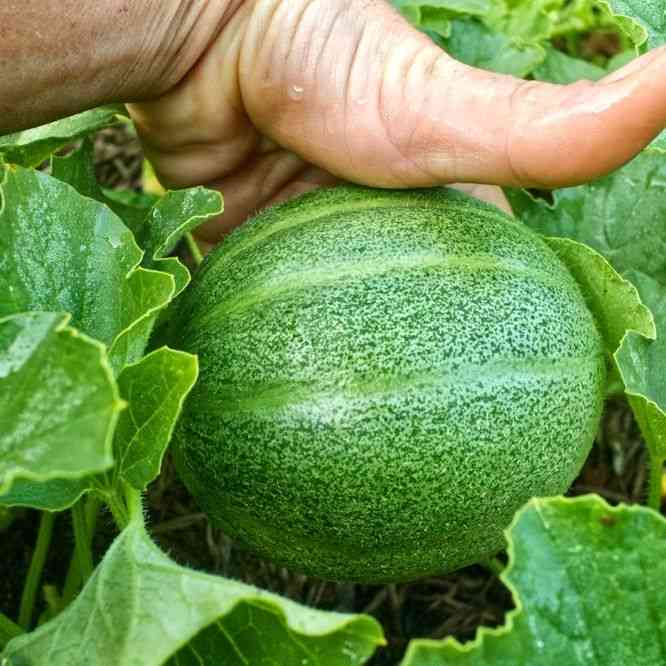
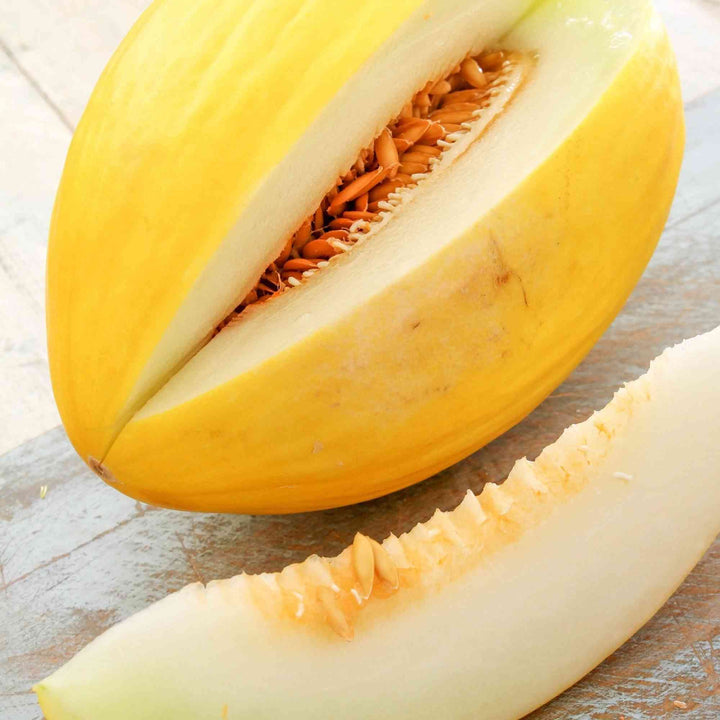
Canary Yellow melon seeds produce smooth, brilliant yellow melons with pale aromatic flesh. The defining kitchen quality is clean honeyed sweetness with a firm, refreshing texture. Fruit size is about 4-6 lb, and the listed crop normally reaches maturity in about 80-89 Days under suitable conditions.Canary Yellow melon seeds are warm-season seed. The vines need full sun, warm...

Continue with the complete description
$150 USD $200
25% OFF
Heirloom seed packet sale

$1.50, regularly $2.00. The sale price is already applied and carries into checkout. No code is needed. Coupon codes do not combine with this offer.

Pickup available at Bertie County Seeds

Usually ready in 2-4 days

At a glance

The facts most gardeners need first

View the full variety record
25 minimum seeds per packet
  • Germination4-10 Days days · 70–85 °F
  • Maturity80-89 Days · 80-89 Days
  • SunFull sun
  • Support & spacingNo-Support · space 24 in · rows 72 in
  • Growth habitVining/Climbing · Annual · 97–120 in tall
  • Best usespecialty melon gardens, fresh slicing, fruit salads, short storage after harvest, and hot summer climates
Secure checkout Details
Generic
Triple-tested seed qualityRegular quality and germination checks support every packet.

We regularly test seed quality and germination as lots move through storage and packing. We stand behind the seed we send and want customers to contact us when a packet does not perform as reasonably expected.

1-year seed warrantyCoverage begins on the date of purchase.

When properly stored, planted, and cared for, we guarantee reasonable germination and true-to-type growth for one year from the date of purchase. Conditions outside our control—including extreme weather, pests, unsuitable storage, and gardener error—are excluded. Contact us when something is not right so we can review the situation and work toward a replacement, refund, or another fair resolution.

Non-GMO / BE seed policyWe do not buy or sell genetically engineered or bioengineered seed.

Every seed variety we sell is non-GMO.

USDA’s National Bioengineered Food Disclosure Standard defines bioengineered foods as containing detectable genetic material modified through in vitro recombinant DNA methods in ways not achievable through conventional breeding or found in nature.

  • Hybrid means parent lines were conventionally crossed; hybrid does not mean GMO.
  • Heirloom and open-pollinated describe how a variety is maintained and reproduced.
  • Organic certification is separate and is shown only when verified for the individual product.
Packed in Colerain, North CarolinaPrepared in our seed room for gardens across the country.

Seeds are packed and shipped from Colerain, North Carolina. Our packets use forestry-certified paper, and we use recyclable paper mailers where appropriate. AONSK is also a 1% for the Planet partner while continuing to reduce waste in packing and fulfillment.

Seed-starting profileDifficulty, preparation, reliability, and timing Open

Seed success profile

Gardener experience Some experience is helpful
Germination difficulty Straightforward when soil is warm
Preparation before sowing
No stratification or scarification; start in warm soil and avoid holding transplants too long
Germination speed
4-10 Days
Growing complexity
Long-vining warm-season crop requiring room, pollination, steady moisture, and accurate harvest timing
Patience and timing
80-89 Days
Is this seed a good match for your experience?
Expected germination
4-10 Days
Germination temperature
70–85 °F
Stratification
None required
Scarification
None required
Pre-soaking
Not required
Light during germination
Strong light immediately after emergence
Germination pattern
Reliable in warm, evenly moist seed mix; cold or saturated soil causes uneven emergence
Transplant sensitivity
Sensitive to cold soil and root disturbance; transplant young after hardening
Starting method
Cataloged as suitable for direct sowing; follow the product-specific timing and depth.
Best chance of success
Warm the root zone, label the sowing date, hold moisture evenly without saturation, and compare emergence with the full recorded window before reseeding Canary Yellow Melon Seeds.
Planning window

Plan around 4-10 Daysat70–85 °F. Keep moisture, light, and preparation aligned with the sowing instructions below.

Slow germination is not automatically failed germination.

Maintain the listed temperature, moisture, light, and treatment conditions for the full expected window. Some seed lots emerge gradually rather than all at once.

Looking for an easier starting point? West Indian Burr Gherkin Cucamelon Seeds

1 Beginner-friendly 2 One extra step 3 Some experience helpful 4 Patient growers 5 Advanced propagation

Seed age, storage, sowing depth, moisture, temperature, light, local conditions, and aftercare can affect results. Last reviewed July 2026.

Garden tools

Need a plan for your space?

Open the garden-fit planner or soil calculator only when you need them.

Open garden tools Uses this product’s recorded growing information. Local weather and garden conditions may vary.

About this variety

What to expect from Canary Yellow Melon Seeds

Grow smooth golden melons with fragrant pale flesh, firm texture, and refreshing honeyed sweetness.

Read the complete product descriptionTraits, flavor, garden use, variety notes, and the full catalog record

Canary Yellow melon seeds produce smooth, brilliant yellow melons with pale aromatic flesh. The defining kitchen quality is clean honeyed sweetness with a firm, refreshing texture. Fruit size is about 4-6 lb, and the listed crop normally reaches maturity in about 80-89 Days under suitable conditions.

Canary Yellow melon seeds are warm-season seed. The vines need full sun, warm soil, fertile drainage, and steady moisture while fruit is sizing. Allow about 24 in between plants as a minimum, then give the runners room to spread beyond that footprint. Pollinating insects must visit both male and female flowers, so protect bloom activity and avoid treating open flowers. Judge ripeness by several signs together rather than one calendar date. Watch the nearest tendril, ground spot, rind finish, aroma, and the variety's expected maturity. Water deeply during vine and fruit growth, then avoid severe moisture swings as harvest approaches.

In the kitchen, this variety is best suited to specialty melon gardens, fresh slicing, fruit salads, short storage after harvest, and hot summer climates. The best flavor comes from fruit harvested at the proper stage, not simply the largest possible size. Protect the crop from prolonged drought, flooded soil, and repeated leaf wetting, all of which can reduce quality or increase disease pressure.

Canary melons belong to the non-netted, longer-keeping Cucumis melo group often called winter melons. The named yellow type is grown for its smooth rind, firm flesh, fragrance, and postharvest keeping quality. Choose Canary Yellow melon seeds when you want a variety with a clear purpose, enough garden room for its mature habit, and a harvest plan ready before the first fruit begins to size.

Minimum Seed Count: 25 seeds

Additional variety overview

Canary Yellow Melon Seeds produce smooth, brilliant yellow melons with pale aromatic flesh. The flavor is clean honeyed sweetness with a firm, refreshing texture. Fruit size is about 4-6 lb; recorded maturity is 80-89 Days. Best suited to specialty melon gardens, fresh slicing, fruit salads, short storage after harvest, and hot summer climates.
View all growing and care factsBotanical identity, timing, climate, soil, spacing, mature size, and crop-specific details

Plant identity

Minimum seed count 25 seeds
Seed product profile Cucurbit
Scientific name Cucumis melo var. inodorus
Also known as Melon, Melon Seeds - Canary Yellow
Color Yellow
Life cycle Annual
Botanical family Cucurbitaceae
Reproductive type Open-Pollinated (OP)
Heritage qualifiers Heirloom
Native to the United States Domesticated Plant
Domestication note Near East / Fertile Crescent

Seed success and gardener experience

Gardener experience Some experience is helpfulLevel 3 of 5
Germination difficulty Straightforward when soil is warmLevel 2 of 5
Preparation before sowing No stratification or scarification; start in warm soil and avoid holding transplants too long
Stratification None required
Scarification None required
Pre-soaking Not required
Light during germination Strong light immediately after emergence
Germination pattern Reliable in warm, evenly moist seed mix; cold or saturated soil causes uneven emergence
Growing complexity Long-vining warm-season crop requiring room, pollination, steady moisture, and accurate harvest timing
Transplant sensitivity Sensitive to cold soil and root disturbance; transplant young after hardening
First harvest or bloom 80-89 Days
Best chance of success Warm the root zone, label the sowing date, hold moisture evenly without saturation, and compare emergence with the full recorded window before reseeding Canary Yellow Melon Seeds.

Timing and climate

Days to maturity 80-89 Days
Germination 4-10 Days
Germination temperature 70–85 °F
Planting season Late Spring
Bloom season Summer
Frost tolerance Tender
Sunlight Full sun
Water needs High

Site, soil, and space

Soil type Sandy loam
Preferred soil pH 6.0–6.5
Seed depth 1 in
Plant spacing 24 in
Row spacing 72 in
Mature height 97–120 in
Growth habit Vining/Climbing
Support needed No-Support
Suitable growing locations In-ground bed, Raised bed, Greenhouse, High Tunnel, Containers, Community garden, Vertical

Crop-specific details

Fruit size about 4-6 lb
Flavor profile clean honeyed sweetness with a firm, refreshing texture
Garden toolsOpen the garden-fit planner, planting-window questions, or soil calculator only when useful

Uses this product’s recorded growing information. Local weather, soil, and garden conditions may vary.

Garden-fit planning for this variety

Will Canary Yellow Melon Seeds fit your garden?

Check vine space, warmth, pollination, water, support, and harvest use.

Questions for this vining crop seed
Seed-starting fit and patience
Recorded product profileSome experience is helpfulStraightforward when soil is warmRead why
Soil test, pH, drainage, and amendment calculator Have a laboratory soil report? Enter pH, nutrients, texture, bed size, and site observations here. Open soil tools
Recorded soil typeSandy loam
Recorded pH range6.0–6.5
Water needsHigh
LightFull sun

Soil Readiness

for Cucumber (Cucumis sativus)

Where to get a soil test

Best option: your state’s Cooperative Extension soil testing lab.

Tip: Arid or alkaline regions often use Olsen for phosphorus interpretation.
Adjusts P ppm target and interpretation.
Target 6.2-7.0
Ideal 4-8%
Target 30-60 ppm (Mehlich-3)
Target 150-250 ppm
Ok ≥ 1000 ppm
Ok ≥ 120 ppm
Used for pH adjustment size
For shopping list amounts
Interprets P by extractant, assumes ppm. Results are approximate.
Enter at least one value above, then Calculate.

Full growing record

Open only the section you need

How to start Canary Yellow Melon Seeds from seedPreparation, timing, depth, germination, transplanting, spacing, and early care

Recorded germination plan

Expected germination
4-10 Days
Germination temperature
70–85 °F

Complete sowing and planting guidance

How to sow and plant Canary Yellow Melon Seeds

Timing: Direct sow after frost danger has passed and the upper soil is reliably warm. In short seasons, start in biodegradable or deep cells about 2-4 weeks before transplanting so roots are not held too long.

Seed depth and temperature: Sow about 1 in deep. Keep the seed zone around 70-85 °F; emergence is commonly expected in 6.0-6.5 when seed, moisture, and temperature are suitable.

Spacing: Begin with about 24 in between plants, then account for the full vine or bush footprint shown in the growing facts. Do not crowd young plants simply because seedlings look small.

Transplanting: Harden seedlings gradually and transplant without tearing the root ball. Wait for settled warm nights and warm soil; cold, wet ground can stall growth or rot seed.

Early care: Keep the seedbed evenly moist, not saturated. Remove weak extras rather than allowing crowded roots. Mulch only after the soil is warm, and install any trellis or planned vine direction before growth becomes tangled.
How to grow this specific varietyLight, water, fertility, support, spacing, airflow, crop behavior, and season-long care

Variety-specific growing notes

How to grow Canary Yellow Melon Seeds

Light and warmth: Grow in full sun with sustained summer warmth. A warm root zone matters as much as warm daytime air, especially during establishment.

Soil: Use fertile Sandy loam with good drainage and a target pH of 6.0-6.5. Work finished compost into the bed before planting, but avoid excessive nitrogen that produces leaves at the expense of flowers and fruit.

Water: The recorded water need is High. Water deeply at the root zone, then allow the upper surface to begin drying before watering again. Keep moisture steady during flowering and fruit enlargement; alternating drought and flooding increases stress and poor fruit quality.

Growth management: Let vines run into a planned lane, over straw, or onto a sturdy trellis only when fruit can be supported in slings. Avoid pruning healthy vines aggressively because leaves power sugar development and protect fruit from sunscald. Recorded support guidance: No-Support.

Pollination and fruit set: Male flowers usually appear before female flowers. Incomplete pollination can cause small fruit to yellow, narrow, or abort. Encourage bees, avoid spraying open flowers, and hand-pollinate in the morning when necessary.

Feeding and monitoring: Side-dress lightly when vines begin active growth or after the first harvest flush. Inspect leaf undersides, stems, crowns, and new fruit at least twice a week so pests, wilting, mildew, and water stress are caught early.

Complete growing guide

How to grow Canary Yellow Melon Seeds

Light and warmth: Grow in full sun with sustained summer warmth. A warm root zone matters as much as warm daytime air, especially during establishment.

Soil: Use fertile Sandy loam with good drainage and a target pH of 6.0-6.5. Work finished compost into the bed before planting, but avoid excessive nitrogen that produces leaves at the expense of flowers and fruit.

Water: The recorded water need is High. Water deeply at the root zone, then allow the upper surface to begin drying before watering again. Keep moisture steady during flowering and fruit enlargement; alternating drought and flooding increases stress and poor fruit quality.

Growth management: Let vines run into a planned lane, over straw, or onto a sturdy trellis only when fruit can be supported in slings. Avoid pruning healthy vines aggressively because leaves power sugar development and protect fruit from sunscald. Recorded support guidance: No-Support.

Pollination and fruit set: Male flowers usually appear before female flowers. Incomplete pollination can cause small fruit to yellow, narrow, or abort. Encourage bees, avoid spraying open flowers, and hand-pollinate in the morning when necessary.

Feeding and monitoring: Side-dress lightly when vines begin active growth or after the first harvest flush. Inspect leaf undersides, stems, crowns, and new fruit at least twice a week so pests, wilting, mildew, and water stress are caught early.

Practical field and garden tips

Practical tips for Canary Yellow Melon Seeds

• Warm the planting area before sowing; cool soil produces slow, uneven emergence.
• Protect flowers and pollinating insects. Fruit set depends on repeated visits, not a single bee landing.
• Mark the date when fruit sets so ripeness observations can be compared with the expected maturity window.
• Use more than one ripeness clue. Tendril color alone can mislead, especially during drought.
• Support trellised fruit with slings before the stem is strained.
• Reduce severe moisture swings as fruit nears maturity, but do not deliberately wilt the plant.
Harvest, storage, uses, and benefitsWhen and how to harvest, ways to use the crop, storage, culinary value, habitat value, and garden roles

Harvest and use notes

Uses and benefits of Canary Yellow Melon Seeds

Best uses: specialty melon gardens, fresh slicing, fruit salads, short storage after harvest, and hot summer climates.

Kitchen use: Serve chilled, slice for breakfast or dessert, add to fruit salads, blend into cold drinks, or pair with herbs, citrus, and salty foods.

Harvest quality: Flavor and texture depend on harvesting at the correct stage. Mature storage fruit and tender summer fruit require different timing; follow the variety-specific guidance rather than harvesting by size alone.

Storage and handling: Handle ripe melons gently. Refrigerate ripe or cut fruit, and keep strong aromas separated from other foods.

Garden value: Open-pollinated varieties also support observation, seed saving, crop comparison, and a deeper understanding of how flavor, maturity, weather, and soil shape a harvest.

How to save seed from Canary Yellow Melon Seeds

Choose seed parents: Select healthy, true-to-type plants before harvest. Save from several plants when possible rather than one exceptional fruit, and exclude plants with serious disease, weak vigor, or off-type fruit.

Prevent unwanted crossing: Muskmelon and honeydew types within Cucumis melo can cross with one another through insect pollination. They do not ordinarily cross with watermelon, cucumber, or squash. Use distance, timing, caging, or hand pollination according to the level of purity you need. Label controlled flowers and protect them from later insect visits.

Mature the seed: Allow selected fruit to reach full botanical and eating maturity. Overripe fruit may have better developed seed than fruit picked early for shipping.

Clean the seed: Scoop seed into a bowl, separate it from pulp, rinse repeatedly, and discard damaged or hollow seed. A brief wet cleaning period can loosen clinging pulp, but do not leave seed in stagnant liquid long enough to sprout or decay.

Dry completely: Spread seed in a single layer on a screen, plate, or paper in a shaded, ventilated place. Stir it as it dries. Seed must be thoroughly dry before it is sealed.

Store and document: Label the variety, species, year, garden location, isolation method, and the plants selected. Store in a cool, dry, dark place. Run a germination test before planting or sharing older seed.

Uses and benefits

Uses and benefits of Canary Yellow Melon Seeds

Best uses: specialty melon gardens, fresh slicing, fruit salads, short storage after harvest, and hot summer climates.

Kitchen use: Serve chilled, slice for breakfast or dessert, add to fruit salads, blend into cold drinks, or pair with herbs, citrus, and salty foods.

Harvest quality: Flavor and texture depend on harvesting at the correct stage. Mature storage fruit and tender summer fruit require different timing; follow the variety-specific guidance rather than harvesting by size alone.

Storage and handling: Handle ripe melons gently. Refrigerate ripe or cut fruit, and keep strong aromas separated from other foods.

Garden value: Open-pollinated varieties also support observation, seed saving, crop comparison, and a deeper understanding of how flavor, maturity, weather, and soil shape a harvest.
Seed saving and carrying the variety forwardPollination, isolation, selection, harvest, cleaning, drying, and storage
How to save seed from Canary Yellow Melon Seeds

Choose seed parents: Select healthy, true-to-type plants before harvest. Save from several plants when possible rather than one exceptional fruit, and exclude plants with serious disease, weak vigor, or off-type fruit.

Prevent unwanted crossing: Muskmelon and honeydew types within Cucumis melo can cross with one another through insect pollination. They do not ordinarily cross with watermelon, cucumber, or squash. Use distance, timing, caging, or hand pollination according to the level of purity you need. Label controlled flowers and protect them from later insect visits.

Mature the seed: Allow selected fruit to reach full botanical and eating maturity. Overripe fruit may have better developed seed than fruit picked early for shipping.

Clean the seed: Scoop seed into a bowl, separate it from pulp, rinse repeatedly, and discard damaged or hollow seed. A brief wet cleaning period can loosen clinging pulp, but do not leave seed in stagnant liquid long enough to sprout or decay.

Dry completely: Spread seed in a single layer on a screen, plate, or paper in a shaded, ventilated place. Stir it as it dries. Seed must be thoroughly dry before it is sealed.

Store and document: Label the variety, species, year, garden location, isolation method, and the plants selected. Store in a cool, dry, dark place. Run a germination test before planting or sharing older seed.
Problems and answersPests, diseases, troubleshooting, practical response, and product-specific questions

Variety troubleshooting summary

Common pests and problems for Canary Yellow Melon Seeds

What to inspect: Watch for striped and spotted cucumber beetles, aphids, spider mites, bacterial wilt where beetle vectors are present, anthracnose, gummy stem blight, Fusarium wilt, and powdery or downy mildew. Fruit touching wet soil can develop rind rots.

Prevention: Rotate cucurbit crops, remove diseased residue, give plants full sun and airflow, water at the root zone, and avoid working wet foliage. Use row cover only before flowering, then remove it so pollinators can reach the blossoms.

Pollination problems: Small fruit that yellows or narrows soon after flowering is often poorly pollinated rather than diseased. Encourage bees or hand-pollinate in the morning before applying fertilizer.

Water and nutrient stress: Irregular moisture can produce misshapen fruit, cracking, blossom-end rot, bitterness, weak growth, or premature vine decline. Correct drainage and watering rhythm before adding more fertilizer.

Response: Identify the problem before spraying. Hand-remove egg masses and small infestations, prune only severely diseased tissue, sanitize tools, and use labeled crop-safe controls only when monitoring shows they are necessary.

Frequently asked questions about Canary Yellow Melon Seeds

Q: How deep should I sow the seed?
A: Sow about 1 in deep in warm, evenly moist soil or seed-starting mix.

Q: How long does this variety take?
A: The recorded maturity is 80-89 Days. Weather, transplant age, pollination, and plant stress can shift the actual harvest.

Q: Can I grow it in a container?
A: Possible in a very large container with a trellis or room for vines, but in-ground culture is easier.

Q: How do I know when the fruit is ready?
A: Use several signs together: the expected age of the fruit, rind color and finish, the ground spot, nearby tendril, aroma where present, and the variety-specific harvest response.

Q: Why did tiny fruit turn yellow and fall off?
A: Incomplete pollination is common. Heat stress, cold nights, damaged flowers, or severe water stress can also interrupt fruit set.

Q: Can I save seed?
A: Yes, because this is recorded as open-pollinated. Protect the variety from crossing with compatible nearby plants, save from healthy true-to-type plants, and dry seed thoroughly.

Complete pest and problem guide

Common pests and problems for Canary Yellow Melon Seeds

What to inspect: Watch for striped and spotted cucumber beetles, aphids, spider mites, bacterial wilt where beetle vectors are present, anthracnose, gummy stem blight, Fusarium wilt, and powdery or downy mildew. Fruit touching wet soil can develop rind rots.

Prevention: Rotate cucurbit crops, remove diseased residue, give plants full sun and airflow, water at the root zone, and avoid working wet foliage. Use row cover only before flowering, then remove it so pollinators can reach the blossoms.

Pollination problems: Small fruit that yellows or narrows soon after flowering is often poorly pollinated rather than diseased. Encourage bees or hand-pollinate in the morning before applying fertilizer.

Water and nutrient stress: Irregular moisture can produce misshapen fruit, cracking, blossom-end rot, bitterness, weak growth, or premature vine decline. Correct drainage and watering rhythm before adding more fertilizer.

Response: Identify the problem before spraying. Hand-remove egg masses and small infestations, prune only severely diseased tissue, sanitize tools, and use labeled crop-safe controls only when monitoring shows they are necessary.

Questions gardeners ask

Frequently asked questions about Canary Yellow Melon Seeds

Q: How deep should I sow the seed?
A: Sow about 1 in deep in warm, evenly moist soil or seed-starting mix.

Q: How long does this variety take?
A: The recorded maturity is 80-89 Days. Weather, transplant age, pollination, and plant stress can shift the actual harvest.

Q: Can I grow it in a container?
A: Possible in a very large container with a trellis or room for vines, but in-ground culture is easier.

Q: How do I know when the fruit is ready?
A: Use several signs together: the expected age of the fruit, rind color and finish, the ground spot, nearby tendril, aroma where present, and the variety-specific harvest response.

Q: Why did tiny fruit turn yellow and fall off?
A: Incomplete pollination is common. Heat stress, cold nights, damaged flowers, or severe water stress can also interrupt fruit set.

Q: Can I save seed?
A: Yes, because this is recorded as open-pollinated. Protect the variety from crossing with compatible nearby plants, save from healthy true-to-type plants, and dry seed thoroughly.
History, provenance, and cultural contextWhat is documented, what is reported, what remains uncertain, and how the variety reached gardeners

Scientific name: Cucumis melo var. inodorus

Provenance summary

Canary melons belong to the non-netted, longer-keeping Cucumis melo group often called winter melons. The named yellow type is grown for its smooth rind, firm flesh, fragrance, and postharvest keeping quality. Botanical record: Cucumis melo var. inodorus. This account separates the broader crop history from the documented history of the named variety. Where an exact breeder, introduction date, family story, or cultural attribution cannot be supported by a credible record, the page does not convert repetition into certainty.

Plant and variety history

Canary melons belong to the non-netted, longer-keeping Cucumis melo group often called winter melons. The named yellow type is grown for its smooth rind, firm flesh, fragrance, and postharvest keeping quality. Botanical record: Cucumis melo var. inodorus. This account separates the broader crop history from the documented history of the named variety. Where an exact breeder, introduction date, family story, or cultural attribution cannot be supported by a credible record, the page does not convert repetition into certainty.

Source and record notes

University of Minnesota Extension, Growing melons: https://extension.umn.edu/gardening-minnesota/growing-melons-home-garden
University of Minnesota Extension, Harvesting and storing melons: https://extension.umn.edu/commercial-fruit-production/harvesting-and-storing-melons-squash-and-pumpkins
University of Minnesota Extension, Saving vegetable seeds: https://extension.umn.edu/planting-and-growing-guides/saving-vegetable-seeds

Continue planning

Related seeds, collections, and growing guides

Explore the full collection
Specialty Melon SeedsExplore the full collection →
Crenshaw Melon Seeds

Crenshaw Melon Seeds

Grow a deeply fragrant dessert melon with juicy flesh and a rich honeyed flavor worth waiting for.

Customer experience

Reviews for Canary Yellow Melon Seeds

Customer Reviews

Based on 2 reviews
50%
(1)
0%
(0)
50%
(1)
0%
(0)
0%
(0)
K
K.T. (United States)

I tell everyone about this company!
I love the seeds and plants offered. I love the premise. I love collecting melon and squash seeds anyway. Finding a new one is always wonderful because of how much I love melon. I didn't get many this year, but I was growing a few different varieties. The one I did get was pretty tasty!

S
Stuart Silverman (United States)

Long shipping. Good germination

Hi Stuart, thank you for your feedback! We're glad to hear the germination was good. Sorry about the unusually long shipping time — we appreciate your patience and hope you enjoy your seeds!