Free U.S. seed shipping $25+. Seeds ship free at the threshold.

Current Processing Times Before Shipping Are 1-2 Business Days

25% OFF Select heirloom seed packets are $1.50, regularly $2.00. Sale packets are marked down · coupons apply to eligible full-price items only. Shop seed packets →

Dwarf Lanceleaf Coreopsis

Scientific name Coreopsis lanceolata

About this variety

Dwarf Lanceleaf seeds produce yellow bloom on 25–30 in clumping/tufted plants. Perennial growth and Summer bloom make it useful for native plantings, pollinator habitat, meadow edges, restoration-inspired gardens, and seed saving. It is native to parts of the United States; match the species to local range and habitat.About Dwarf LanceleafDwarf Lanceleaf is a perennial lanceleaf coreopsis with yellow...

Continue with the complete description
$150 USD $200
25% OFF
Heirloom seed packet sale

$1.50, regularly $2.00. The sale price is already applied and carries into checkout. No code is needed. Coupons do not reduce this sale packet; eligible full-price items may qualify.

At a glance

The facts most gardeners need first

View the full variety record
150 minimum seeds per packet
Gardener experience

Easy

Germination difficulty

Easy

Germination time

7-14 Days at 65–80 °F seed-zone soil temperature

  • Germination
    7-14 Daysa seed-zone soil temperature of 65–80 °F
  • Sun
    Full sun
  • Support and spacing
    No support needed · space 12 in · rows 18 in
  • Growth habit
    Clumping or Tufted · Perennial · 25–30 in tall
  • Best use
    Native plantings, pollinator habitat, meadow edges, restoration-inspired gardens, and seed saving
  • Before sowing
    Use clean seed-starting conditions, the listed depth and temperature, and steady moisture without saturation.
Secure checkout Details
Generic
Triple-tested seed qualityRegular quality and germination checks support every packet.

We regularly test seed quality and germination as lots move through storage and packing. We stand behind the seed we send and want customers to contact us when a packet does not perform as reasonably expected.

1-year seed warrantyCoverage begins on the date of purchase.

When properly stored, planted, and cared for, we guarantee reasonable germination and true-to-type growth for one year from the date of purchase. Conditions outside our control—including extreme weather, pests, unsuitable storage, and gardener error—are excluded. Contact us when something is not right so we can review the situation and work toward a replacement, refund, or another fair resolution.

Non-GMO / BE seed policyWe do not buy or sell genetically engineered or bioengineered seed.

Every seed variety we sell is non-GMO.

USDA’s National Bioengineered Food Disclosure Standard defines bioengineered foods as containing detectable genetic material modified through in vitro recombinant DNA methods in ways not achievable through conventional breeding or found in nature.

  • Hybrid means parent lines were conventionally crossed; hybrid does not mean GMO.
  • Heirloom and open-pollinated describe how a variety is maintained and reproduced.
  • Organic certification is separate and is shown only when verified for the individual product.
Packed in Colerain, North CarolinaPrepared in our seed room for gardens across the country.

Seeds are packed and shipped from Colerain, North Carolina. Our packets use forestry-certified paper, and we use recyclable paper mailers where appropriate. AONSK is also a 1% for the Planet partner while continuing to reduce waste in packing and fulfillment.

Garden tools

Need a plan for your space?

Use the garden-fit planner and soil calculator to turn the recorded growing facts into a practical plan.

Open garden tools Uses this product’s recorded growing information. Local weather and garden conditions may vary.

Variety field guide

What to expect from Dwarf Lanceleaf Coreopsis

Dwarf Lanceleaf seeds produce yellow bloom on 25–30 in clumping/tufted plants.

Read the complete product descriptionTraits, flavor, garden use, variety notes, and the full catalog record

Dwarf Lanceleaf seeds produce yellow bloom on 25–30 in clumping/tufted plants. Perennial growth and Summer bloom make it useful for native plantings, pollinator habitat, meadow edges, restoration-inspired gardens, and seed saving. It is native to parts of the United States; match the species to local range and habitat.

About Dwarf Lanceleaf

Dwarf Lanceleaf is a perennial lanceleaf coreopsis with yellow color, 25–30 in mature height or spread, and a clumping/tufted habit. Harvest form or size: Flower or head form characteristic of Dwarf Lanceleaf; mature plant 25–30 in. Botanically it is Coreopsis lanceolata. Maturity or first bloom: Stage-based; germination: 7-14 Days at 65–80 °F. Best for native plantings, pollinator habitat, meadow edges, restoration-inspired gardens, and seed saving. Grown for ornamental or habitat use rather than as a food crop.

History and provenance

This species belongs to a North American native-plant community rather than a single modern crop lineage. Its history includes long ecological relationships with regional insects, birds, soils, fire regimes, and human stewardship. Documented native range and cultivation needs are presented without converting species-level history into an unsupported community, family, or tribal ownership claim. A complete public breeder or release record for the named Dwarf Lanceleaf strain has not been located. The cultivar name is retained, but no person, community, date, or place of origin is assigned without reliable documentation. Dwarf Lance Leaf Coreopsis is a compact flowering perennial prized for its bright yellow blooms, tidy habit, and long-lasting garden cheer. These Coreopsis Seeds - Dwarf Lance Leaf Coreopsis produce neat plants covered in daisy-like flowers that bring sunny color to borders, native plantings, and smaller garden spaces. Coreopsis Seeds - Dwarf Lance Leaf Coreopsis belongs to a North American plant lineage with ecological and cultural importance. These plants have supported pollinators, foodways, medicine, fiber, ornament, and local seed traditions depending on the species and region.

Growing facts

Scientific name Coreopsis lanceolata
Life cycle Perennial
Maturity / first bloom Stage-based
Germination 7-14 Days at 65–80 °F
Seed depth Surface Sow
Plant height / spread 25–30 in
Growth habit Clumping/Tufted
Spacing 12 in between plants; 18 in between rows
Sunlight Full sun
Soil Sandy loam; pH 6.0–6.5
Water Drought tolerant
Support No-Support

Starting Dwarf Lanceleaf from seed

How to grow Dwarf Lanceleaf

Botanical identity: Coreopsis lanceolata. Life cycle: Perennial.

Sow Surface Sow and use a seed-zone temperature near 65–80 °F. Expected emergence: 7-14 Days. Use clean seed-starting conditions, the listed depth and temperature, and steady moisture without saturation.

Plant during Spring/Fall. Space plants 12 in apart with 18 in between rows or planting bands.

Provide Full sun, drought tolerant water, and sandy loam near pH 6.0–6.5. Support: No-Support.

Garden performance and care

Dwarf Lanceleaf may invest in roots before making strong top growth. Mark the planting, control weeds gently, avoid rich fertilizer, and judge establishment over more than one season where the species is perennial. Expected emergence is 7-14 Days; the listed maturity or bloom timing is Stage-based.

Harvest, bloom, and uses

Dwarf Lanceleaf is suited to native plantings, pollinator habitat, meadow edges, restoration-inspired gardens, and seed saving. Its yellow flowers and 25–30 in stature help determine whether it belongs in a border, cutting row, container, meadow edge, or restoration-style planting. Grown for ornamental or habitat use rather than as a food crop.

Saving seed

Save seed from several healthy, true-to-type Dwarf Lanceleaf plants identified before harvest. Confirm the pollination system of Coreopsis lanceolata, separate compatible varieties that flower together, and remove clear off-types before they shed pollen or seed. Allow fruit, pods, ears, or seed heads to reach full biological maturity, then clean and dry the seed completely. Label the lot with variety, source, year, isolation method, number of seed plants, and any selection notes; store it cool, dark, and dry and test germination before an important planting.

Common problems

Common concerns: damping-off from saturated media; poor emergence from wrong temperature or depth; leggy seedlings from weak light; crowding and weak airflow; lodging in wind or rain; feeding damage from slugs, caterpillars, beetles, or mammals; foliar disease under prolonged leaf wetness. Management: use clean media, the sowing depth and temperature, strong light, appropriate thinning, and morning irrigation at soil level. Match support to plant height before wind becomes a problem. Inspect regularly and use the least disruptive control appropriate to the pest, plant, and pollinator setting. Remove diseased debris and rotate annual flower beds where recurring disease is severe.

Frequently asked questions

When is Dwarf Lanceleaf ready?

Stage-based establishment and flowering; no single numeric maturity is displayed because first bloom varies with dormancy treatment and season

How long does germination take?

Expect 7-14 Days near 65–80 °F; actual emergence changes with moisture, seed condition, and soil temperature.

How large does it grow?

About 25–30 in with a clumping/tufted habit. Support: No-Support.

Can it grow in a container?

Possible in a large container, raised bed, or in-ground planting with room for the mature plant

How is it used?

Primary role: Native plantings, pollinator habitat, meadow edges, restoration-inspired gardens, and seed saving. Grown for ornamental or habitat use rather than as a food crop.

Can I save seed?

Yes where the crop biology allows, but keep compatible varieties isolated, use several healthy plants, wait for full seed maturity, dry thoroughly, and label the lot.

Minimum Seed Count:150 seeds
Garden toolsOpen the garden-fit planner, planting-window questions, or soil calculator only when useful

Uses this product’s recorded growing information. Local weather, soil, and garden conditions may vary.

Garden-fit planning for this variety

Will Dwarf Lanceleaf Coreopsis fit your garden?

Use your space, timing, light, soil, water, and growing preferences to make a more informed choice. Start with the essentials, then open only the detail groups that matter to you.

Rules-based · no AI · optional answers

Add an optional ZIP code and planting date for a broad frost-window check.Use local forecasts and measured soil temperature for final planting decisions.
1Essential fitTiming, light, and space
2Temperature and exposureOptional microclimate detail
3Soil, drainage, and waterRoot-zone readiness
4Questions for this garden seedCrop-specific decisions
5Seed-starting fit and patienceMatch the propagation work
Recorded product profileBeginnerEasyRead why
Soil test, pH, drainage, and amendment calculator Have a laboratory soil report? Enter pH, nutrients, texture, bed size, and site observations here. Open soil tools
Recorded soil typeSandy loam
Recorded pH range6.0–6.5
Water needsDrought tolerant
LightFull sun

Laboratory report interpreter

Soil readiness for Dwarf Lanceleaf Coreopsis

Coreopsis lanceolata

Enter only the values your report provides. The result compares them with this crop’s recorded needs and keeps laboratory recommendations authoritative.

Core report valuesStart here
Advanced laboratory valuesOptional method-aware detail

Full growing record

Complete growing and seedkeeping record

Starting and plantingSeed preparation, sowing, germination, transplanting, spacing, and early establishment
How to grow Dwarf Lanceleaf

Botanical identity: Coreopsis lanceolata. Life cycle: Perennial.

Sow Surface Sow and use a seed-zone temperature near 65–80 °F. Expected emergence: 7-14 Days. Use clean seed-starting conditions, the listed depth and temperature, and steady moisture without saturation.

Plant during Spring/Fall. Space plants 12 in apart with 18 in between rows or planting bands.

Provide Full sun, drought tolerant water, and sandy loam near pH 6.0–6.5. Support: No-Support.
Season-long growing guideWater, fertility, support, weather response, pollination, containers, and care through maturity
How to grow Dwarf Lanceleaf

Botanical identity: Coreopsis lanceolata. Life cycle: Perennial.

Sow Surface Sow and use a seed-zone temperature near 65–80 °F. Expected emergence: 7-14 Days. Use clean seed-starting conditions, the listed depth and temperature, and steady moisture without saturation.

Plant during Spring/Fall. Space plants 12 in apart with 18 in between rows or planting bands.

Provide Full sun, drought tolerant water, and sandy loam near pH 6.0–6.5. Support: No-Support.
Harvest, storage, and usesRecognizing maturity, harvesting cleanly, handling and storage, kitchen uses, and garden roles

Harvest and storage

Harvest and use - Dwarf Lanceleaf. Stage-based; see maturity basis. Principal harvest form or size: Flower or head form characteristic of Dwarf Lanceleaf; mature plant 25–30 in; color at the main harvest or mature stage: Yellow. Best for native plantings, pollinator habitat, meadow edges, restoration-inspired gardens, and seed saving. Grown for ornamental or habitat use rather than as a food crop. For seed saving, allow selected fruit, pods, ears, or seed heads to reach full biological maturity rather than using the normal eating or cutting stage. Save seed from several healthy, true-to-type Dwarf Lanceleaf plants identified before harvest.

Uses and garden roles

Dwarf Lanceleaf is suited to native plantings, pollinator habitat, meadow edges, restoration-inspired gardens, and seed saving. Its yellow flowers and 25–30 in stature help determine whether it belongs in a border, cutting row, container, meadow edge, or restoration-style planting. Grown for ornamental or habitat use rather than as a food crop.
Seed savingSelection, pollination, isolation, full maturity, cleaning, drying, labeling, and storage
Save seed from several healthy, true-to-type Dwarf Lanceleaf plants identified before harvest. Confirm the pollination system of Coreopsis lanceolata, separate compatible varieties that flower together, and remove clear off-types before they shed pollen or seed. Allow fruit, pods, ears, or seed heads to reach full biological maturity, then clean and dry the seed completely. Label the lot with variety, source, year, isolation method, number of seed plants, and any selection notes; store it cool, dark, and dry and test germination before an important planting.
Pests, diseases, and troubleshootingPrevention, diagnosis, environmental disorders, common damage, and first-response checks
Common concerns: damping-off from saturated media; poor emergence from wrong temperature or depth; leggy seedlings from weak light; crowding and weak airflow; lodging in wind or rain; feeding damage from slugs, caterpillars, beetles, or mammals; foliar disease under prolonged leaf wetness. Management: use clean media, the sowing depth and temperature, strong light, appropriate thinning, and morning irrigation at soil level. Match support to plant height before wind becomes a problem. Inspect regularly and use the least disruptive control appropriate to the pest, plant, and pollinator setting. Remove diseased debris and rotate annual flower beds where recurring disease is severe.
Frequently asked questionsDecision-focused answers that supplement the detailed guides above
Frequently Asked Questions - Dwarf Lanceleaf

When is Dwarf Lanceleaf ready?
Stage-based establishment and flowering; no single numeric maturity is displayed because first bloom varies with dormancy treatment and season

How long does germination take?
Expect 7-14 Days near 65–80 °F; actual emergence changes with moisture, seed condition, and soil temperature.

How large does it grow?
About 25–30 in with a clumping/tufted habit. Support: No-Support.

Can it grow in a container?
Possible in a large container, raised bed, or in-ground planting with room for the mature plant

How is it used?
Primary role: Native plantings, pollinator habitat, meadow edges, restoration-inspired gardens, and seed saving. Grown for ornamental or habitat use rather than as a food crop.

Can I save seed?
Yes where the crop biology allows, but keep compatible varieties isolated, use several healthy plants, wait for full seed maturity, dry thoroughly, and label the lot.
History and provenanceBotanical identity, cultivar history, regional or cultural context, uncertainty, and source records

Scientific name: Coreopsis lanceolata

Common name: Lanceleaf coreopsis

Cultivar or variety: Dwarf Lanceleaf

This species belongs to a North American native-plant community rather than a single modern crop lineage. Its history includes long ecological relationships with regional insects, birds, soils, fire regimes, and human stewardship. Documented native range and cultivation needs are presented without converting species-level history into an unsupported community, family, or tribal ownership claim. A complete public breeder or release record for the named Dwarf Lanceleaf strain has not been located. The cultivar name is retained, but no person, community, date, or place of origin is assigned without reliable documentation. Dwarf Lance Leaf Coreopsis is a compact flowering perennial prized for its bright yellow blooms, tidy habit, and long-lasting garden cheer. These Coreopsis Seeds - Dwarf Lance Leaf Coreopsis produce neat plants covered in daisy-like flowers that bring sunny color to borders, native plantings, and smaller garden spaces. Coreopsis Seeds - Dwarf Lance Leaf Coreopsis belongs to a North American plant lineage with ecological and cultural importance. These plants have supported pollinators, foodways, medicine, fiber, ornament, and local seed traditions depending on the species and region.

Continue planning

Related products, collections, and growing guides

Explore the full collection
Heirloom Flower Seeds for Home GardensExplore the full collection →
Wild Senna

Wild Senna

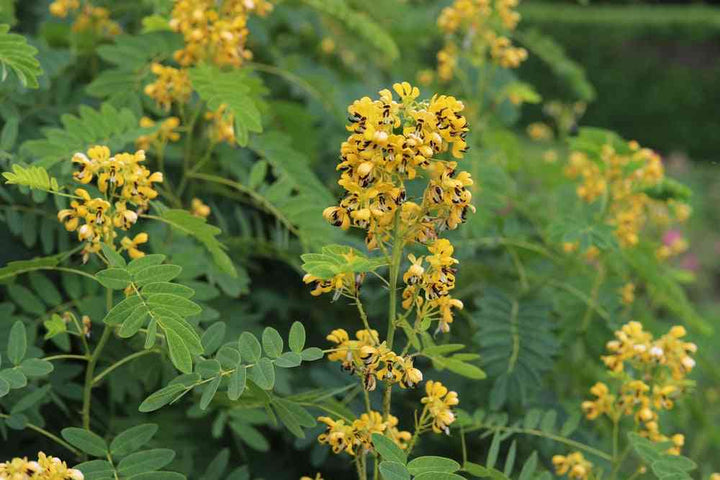
Wild Senna seeds produce yellow bloom on 49–60 in shrubby/subshrub plants.

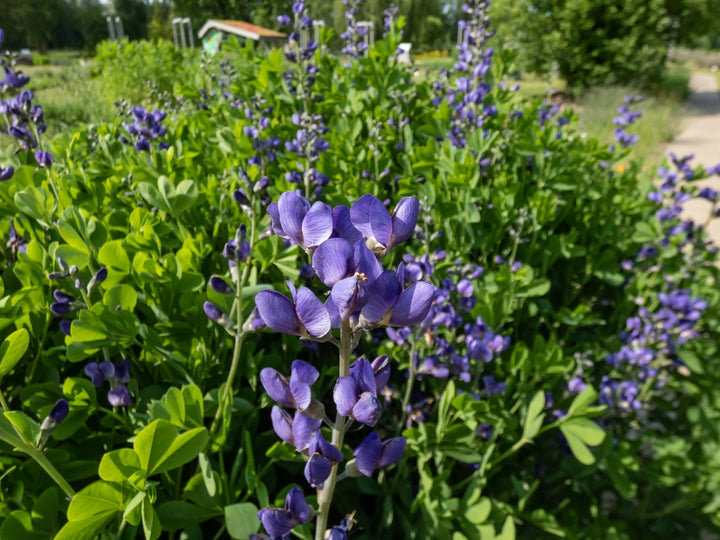
Wild Blue Indigo

Wild Blue Indigo

Wild Blue Indigo seeds produce blue bloom on 37–48 in shrubby/subshrub plants.

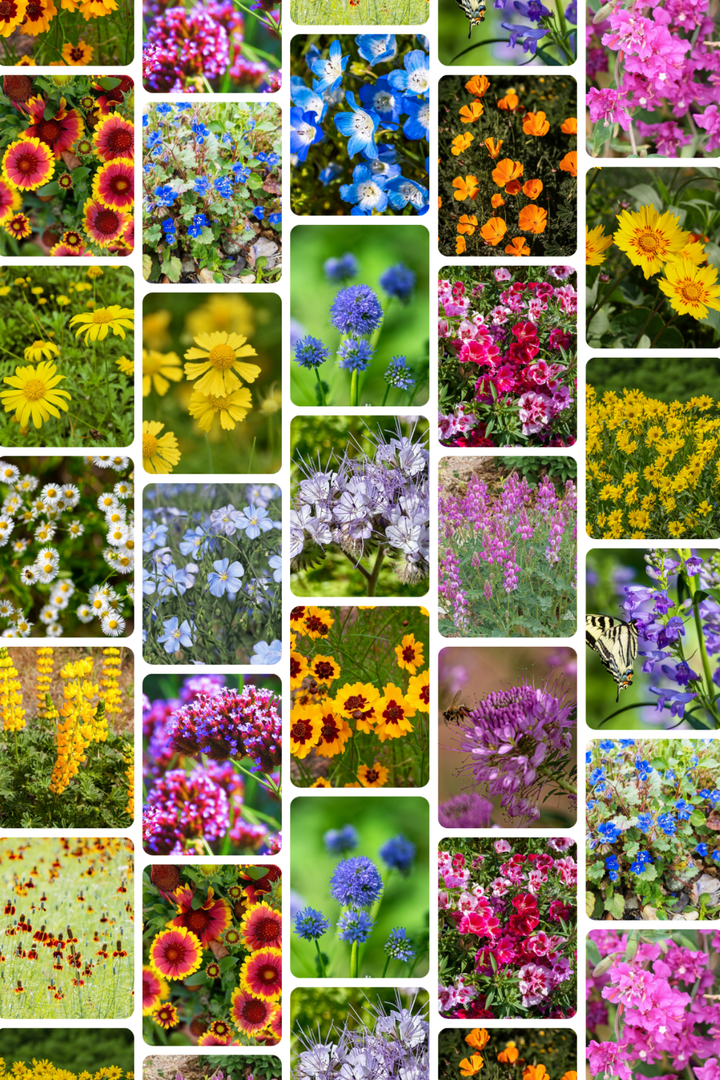
Western Pollinator Wildflower Mix

Western Pollinator Wildflower Mix

Western Pollinator Mix combines multiple flower species for regional pollinator habitat, meadow-style plantings, long bloom succession, and ec...

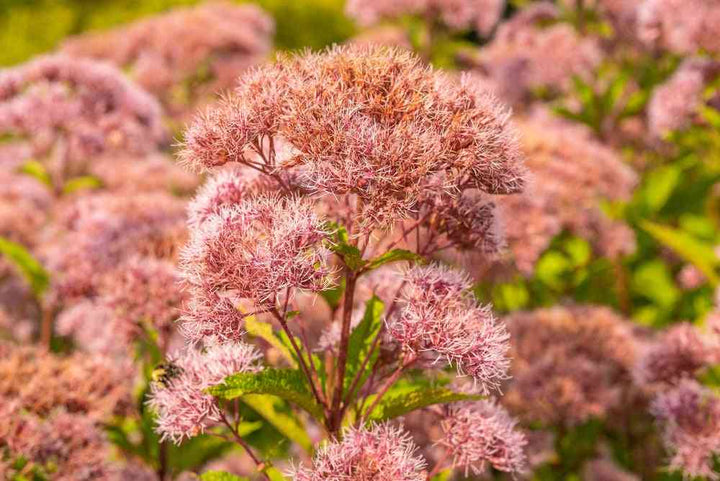
Spotted Joe-Pye Weed

Spotted Joe-Pye Weed

Spotted Joe-Pye Weed seeds produce pink bloom on 61–72 in clumping/tufted plants.

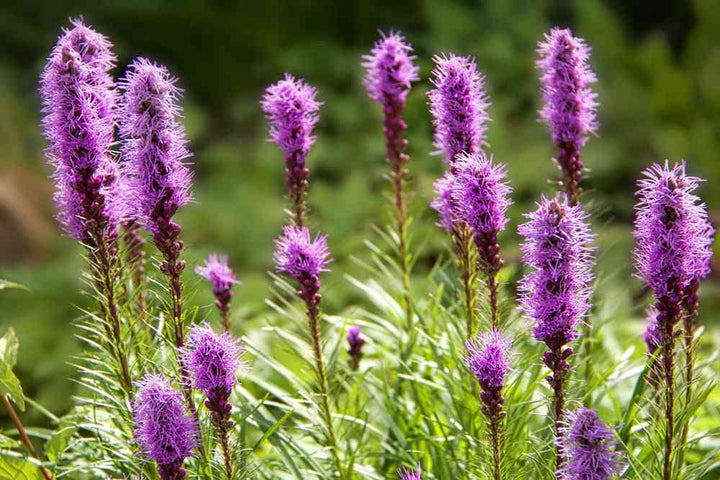
Spiked Blazing Star

Spiked Blazing Star

Spiked Blazing Star seeds produce purple bloom on 37–48 in clumping/tufted plants.

Swamp Milkweed

Swamp Milkweed

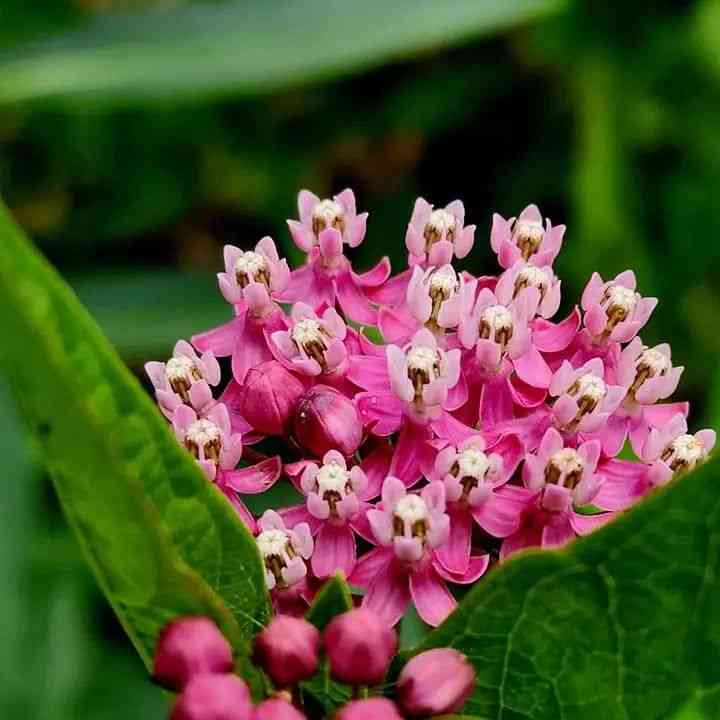
Swamp Milkweed seeds produce pink bloom on 49–60 in clumping/tufted plants.

Customer experience

Reviews for Dwarf Lanceleaf Coreopsis

Customer Reviews

Be the first to write a review
0%
(0)
0%
(0)
0%
(0)
0%
(0)
0%
(0)