Welcome to our store. Learn more

Free U.S. seed shipping $25+. Seeds ship free at the threshold.

Current Processing Times Before Shipping Are 1-2 Business Days

25% OFF Heirloom seed packets are $1.50, regularly $2.00. Seed packets only · sale price already applied · carries into checkout · coupon codes do not combine. Shop the sale →

Hidatsa Shield Figure Bean Seeds

Scientific name Phaseolus vulgaris L.

About this variety

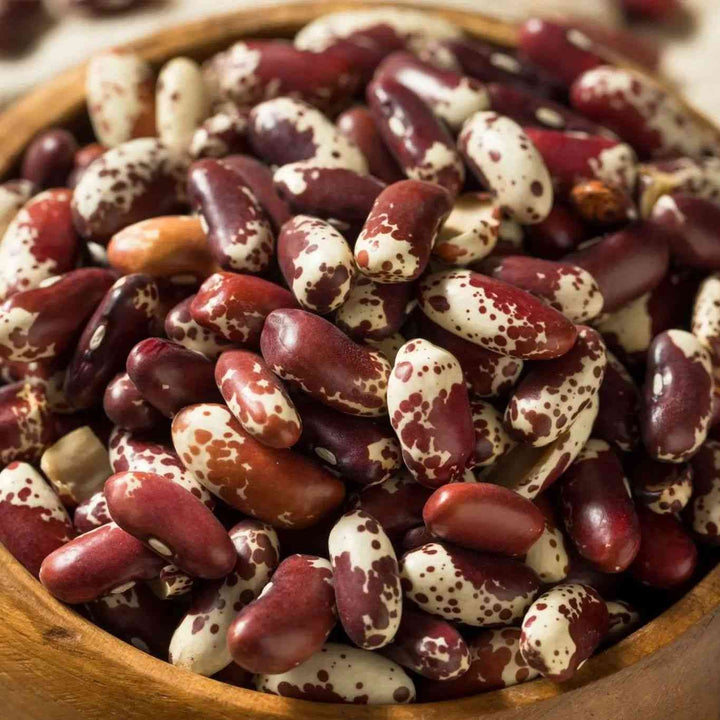
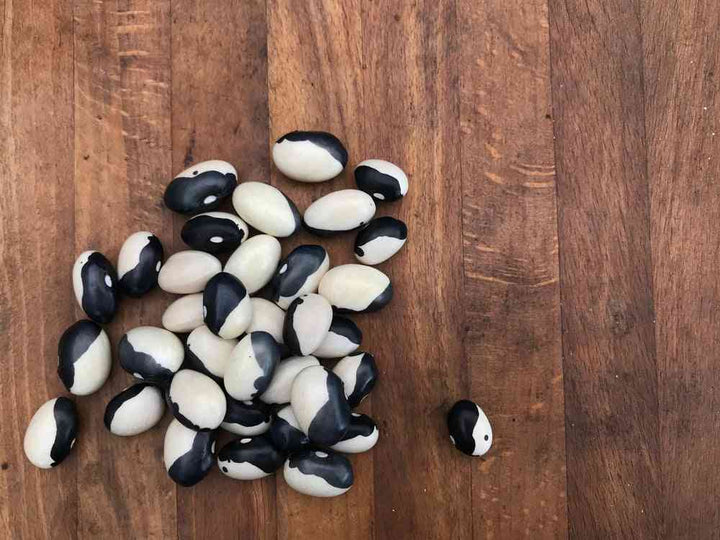
Hidatsa Shield Figure: Pole dry bean with white seeds marked by a speckled tan shield pattern.About this varietyHidatsa Shield Figure is a climbing dry bean. Cornell documents white seed with a speckled tan shield pattern and reports about 90 days, while a Washington State University dry-bean trial reported 109 days.GrowingDirect sow in late spring after frost danger has...

Continue with the complete description
$150 USD $200
25% OFF
Heirloom seed packet sale

$1.50, regularly $2.00. The sale price is already applied and carries into checkout. No code is needed. Coupon codes do not combine with this offer.

Pickup available at Bertie County Seeds

Usually ready in 2-4 days

At a glance

The facts most gardeners need first

View the full variety record
25 minimum seeds per packet
  • Germination7–14 Days days · 65–80 °F
  • SunFull sun
  • Support & spacingTrellis · space 6 in · rows 36 in
  • Growth habitVining/Climbing · Annual
  • Best useDry beans, trellised Three Sisters-style gardens, patterned seed collections, and seed stewardship
  • Before sowingUse clean seed-starting conditions, the listed sowing depth and temperature, and steady moisture without saturation
Secure checkout Details
Generic
Triple-tested seed qualityRegular quality and germination checks support every packet.

We regularly test seed quality and germination as lots move through storage and packing. We stand behind the seed we send and want customers to contact us when a packet does not perform as reasonably expected.

1-year seed warrantyCoverage begins on the date of purchase.

When properly stored, planted, and cared for, we guarantee reasonable germination and true-to-type growth for one year from the date of purchase. Conditions outside our control—including extreme weather, pests, unsuitable storage, and gardener error—are excluded. Contact us when something is not right so we can review the situation and work toward a replacement, refund, or another fair resolution.

Non-GMO / BE seed policyWe do not buy or sell genetically engineered or bioengineered seed.

Every seed variety we sell is non-GMO.

USDA’s National Bioengineered Food Disclosure Standard defines bioengineered foods as containing detectable genetic material modified through in vitro recombinant DNA methods in ways not achievable through conventional breeding or found in nature.

  • Hybrid means parent lines were conventionally crossed; hybrid does not mean GMO.
  • Heirloom and open-pollinated describe how a variety is maintained and reproduced.
  • Organic certification is separate and is shown only when verified for the individual product.
Packed in Colerain, North CarolinaPrepared in our seed room for gardens across the country.

Seeds are packed and shipped from Colerain, North Carolina. Our packets use forestry-certified paper, and we use recyclable paper mailers where appropriate. AONSK is also a 1% for the Planet partner while continuing to reduce waste in packing and fulfillment.

Seed-starting profileDifficulty, preparation, reliability, and timing Open

Seed success profile

Gardener experience Beginner-friendly
Germination difficulty Very straightforward
Preparation before sowing
Use clean seed-starting conditions, the listed sowing depth and temperature, and steady moisture without saturation
Germination speed
7–14 Days
Growing complexity
Usually direct sown; complexity depends on support, harvest stage, and heat or moisture stress
Patience and timing
60-69 Days
Is this seed a good match for your experience?
Expected germination
7–14 Days
Germination temperature
65–80 °F
Stratification
Not normally required by the current record
Scarification
Not normally required by the current record
Pre-soaking
Not normally required by the current record
Light during germination
Cover to the recorded depth; provide strong light immediately after emergence
Germination pattern
Usually reliable when seed is stored well and temperature, depth, moisture, and preparation match the recorded requirements
Transplant sensitivity
Use the crop-specific starting method and minimize unnecessary root disturbance
Starting method
Cataloged as suitable for direct sowing; follow the product-specific timing and depth.
Best chance of success
For Hidatsa Shield Figure Bean Seeds, control temperature and moisture at sowing, label the start date, and compare emergence with the complete recorded germination window before reseeding.
Planning window

Plan around 7–14 Daysat65–80 °F. Keep moisture, light, and preparation aligned with the sowing instructions below.

Slow germination is not automatically failed germination.

Maintain the listed temperature, moisture, light, and treatment conditions for the full expected window. Some seed lots emerge gradually rather than all at once.

1 Beginner-friendly 2 One extra step 3 Some experience helpful 4 Patient growers 5 Advanced propagation

Seed age, storage, sowing depth, moisture, temperature, light, local conditions, and aftercare can affect results. Last reviewed July 2026.

Garden tools

Need a plan for your space?

Open the garden-fit planner or soil calculator only when you need them.

Open garden tools Uses this product’s recorded growing information. Local weather and garden conditions may vary.

About this variety

What to expect from Hidatsa Shield Figure Bean Seeds

Pole dry bean with white seeds marked by a speckled tan shield pattern.

Read the complete product descriptionTraits, flavor, garden use, variety notes, and the full catalog record

Hidatsa Shield Figure: Pole dry bean with white seeds marked by a speckled tan shield pattern.

About this variety

Hidatsa Shield Figure is a climbing dry bean. Cornell documents white seed with a speckled tan shield pattern and reports about 90 days, while a Washington State University dry-bean trial reported 109 days.

Growing

Direct sow in late spring after frost danger has passed and the soil has warmed. Plant about 1 in deep, space plants about 6 in apart, and allow about 36 in between rows. Grow in full sun in well-drained loam near pH 6.0–6.5. Install a tall, securely anchored trellis before or at sowing. Water at the soil line and keep moisture steady during flowering and pod fill. Avoid working among plants while foliage is wet. Beans germinate poorly and may rot in cold, saturated ground.

Harvest and use

Allow pods to mature until brown and dry, harvest before shattering, cure under cover, shell, sort, and cook the fully dried beans before eating.

Saving seed

Saved seed will reproduce the planted type most reliably when the source seed is open-pollinated and the variety is kept sufficiently isolated. Select healthy, true-to-type plants and save seed from multiple plants. Common beans are primarily self-pollinating, but insects can move pollen. For home-use purity, separate varieties by about 100–150 feet or use blossom barriers. Allow pods to mature until most are yellow, mahogany, or dry and brittle. Harvest before shattering, cure pods under cover for 1–2 weeks, thresh, clean, and dry the seed fully before storage. Label the cultivar or market class, year, and lot.
Additional variety overview

Hidatsa Shield Figure is a climbing dry bean. Cornell documents white seed with a speckled tan shield pattern and reports about 90 days, while a Washington State University dry-bean trial reported 109 days.
View all growing and care factsBotanical identity, timing, climate, soil, spacing, mature size, and crop-specific details

Plant identity

Minimum seed count 25 seeds
Seed product profile Legume
Scientific name Phaseolus vulgaris L.
Common name Dry Bean
Cultivar or variety Hidatsa Shield Figure
Also known as Bean, Bean Seeds - Bush - Hidatsa Shield Figure
Color Mixed
Life cycle Annual
Botanical family Fabaceae
Heritage qualifiers Heirloom
Native to the United States Domesticated Plant
Domestication note Mesoamerica (Mexico–Central America)

Seed success and gardener experience

Gardener experience Beginner-friendlyLevel 2 of 5
Germination difficulty Very straightforwardLevel 1 of 5
Preparation before sowing Use clean seed-starting conditions, the listed sowing depth and temperature, and steady moisture without saturation
Stratification Not normally required by the current record
Scarification Not normally required by the current record
Pre-soaking Not normally required by the current record
Light during germination Cover to the recorded depth; provide strong light immediately after emergence
Germination pattern Usually reliable when seed is stored well and temperature, depth, moisture, and preparation match the recorded requirements
Growing complexity Usually direct sown; complexity depends on support, harvest stage, and heat or moisture stress
Transplant sensitivity Use the crop-specific starting method and minimize unnecessary root disturbance
First harvest or bloom 60-69 Days
Best chance of success For Hidatsa Shield Figure Bean Seeds, control temperature and moisture at sowing, label the start date, and compare emergence with the complete recorded germination window before reseeding.

Timing and climate

Germination 7–14 Days
Germination temperature 65–80 °F
Planting season Late Spring
Bloom season Summer
Frost tolerance Tender
Sunlight Full sun
Water needs Moderate

Site, soil, and space

Soil type Loamy
Preferred soil pH 6.0–6.5
Seed depth 1 in
Plant spacing 6 in
Row spacing 36 in
Growth habit Vining/Climbing
Support needed Trellis
Suitable growing locations In-ground bed, Raised bed, Community garden

Crop-specific details

Garden toolsOpen the garden-fit planner, planting-window questions, or soil calculator only when useful

Uses this product’s recorded growing information. Local weather, soil, and garden conditions may vary.

Garden-fit planning for this variety

Will Hidatsa Shield Figure Bean Seeds fit your garden?

Check support, direct-sowing conditions, harvest use, succession timing, and available space.

Questions for this bean or pea seed
Seed-starting fit and patience
Recorded product profileBeginner-friendlyVery straightforwardRead why
Soil test, pH, drainage, and amendment calculator Have a laboratory soil report? Enter pH, nutrients, texture, bed size, and site observations here. Open soil tools
Recorded soil typeLoamy
Recorded pH range6.0–6.5
Water needsModerate
LightFull sun

Use a current laboratory soil test

Soil-test interpreter

Compare your report with this product's listed pH target: 6.0–6.5.

This tool interprets values you enter; it does not replace laboratory or Cooperative Extension amendment rates. Soil test methods and nutrient recommendations vary by region.

Full growing record

Open only the section you need

How to start Hidatsa Shield Figure Bean Seeds from seedPreparation, timing, depth, germination, transplanting, spacing, and early care

Recorded germination plan

Expected germination
7–14 Days
Germination temperature
65–80 °F

Complete sowing and planting guidance

Direct sow in late spring after frost danger has passed and the soil has warmed. Plant about 1 in deep, space plants about 6 in apart, and allow about 36 in between rows. Grow in full sun in well-drained loam near pH 6.0–6.5. Install a tall, securely anchored trellis before or at sowing. Water at the soil line and keep moisture steady during flowering and pod fill. Avoid working among plants while foliage is wet. Beans germinate poorly and may rot in cold, saturated ground.
How to grow this specific varietyLight, water, fertility, support, spacing, airflow, crop behavior, and season-long care

Variety-specific growing notes

Direct sow in late spring after frost danger has passed and the soil has warmed. Plant about 1 in deep, space plants about 6 in apart, and allow about 36 in between rows. Grow in full sun in well-drained loam near pH 6.0–6.5. Install a tall, securely anchored trellis before or at sowing. Water at the soil line and keep moisture steady during flowering and pod fill. Avoid working among plants while foliage is wet. Beans germinate poorly and may rot in cold, saturated ground.

Cultivar note: Provide a sturdy trellis and allow room for vigorous vine growth. Institutional records report approximately 90 to 109 days to dry-seed maturity in different environments, so local conditions can shift harvest timing. Keep roots evenly moist during flowering and pod fill, and avoid excess nitrogen that favors leaves over pods.

Complete growing guide

Direct sow in late spring after frost danger has passed and the soil has warmed. Plant about 1 in deep, space plants about 6 in apart, and allow about 36 in between rows. Grow in full sun in well-drained loam near pH 6.0–6.5. Install a tall, securely anchored trellis before or at sowing. Water at the soil line and keep moisture steady during flowering and pod fill. Avoid working among plants while foliage is wet. Beans germinate poorly and may rot in cold, saturated ground.

Practical field and garden tips

Provide a sturdy trellis and allow room for vigorous vine growth. Institutional records report approximately 90 to 109 days to dry-seed maturity in different environments, so local conditions can shift harvest timing. Keep roots evenly moist during flowering and pod fill, and avoid excess nitrogen that favors leaves over pods.
Harvest, storage, uses, and benefitsWhen and how to harvest, ways to use the crop, storage, culinary value, habitat value, and garden roles

Harvest and use notes

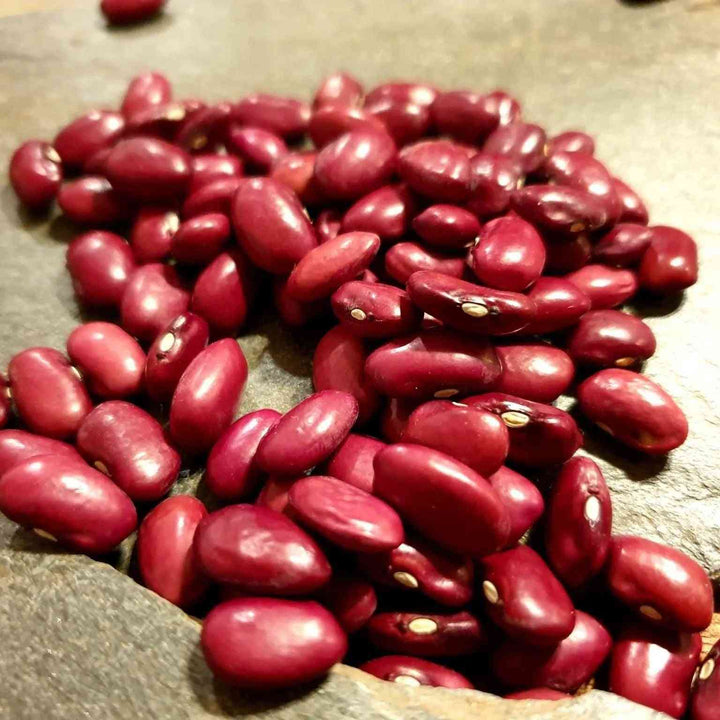
Harvest and use: Allow pods to mature until brown and dry, harvest before shattering, cure under cover, shell, sort, and cook the fully dried beans before eating.

Seed saving: Saved seed will reproduce the planted type most reliably when the source seed is open-pollinated and the variety is kept sufficiently isolated. Select healthy, true-to-type plants and save seed from multiple plants. Common beans are primarily self-pollinating, but insects can move pollen. For home-use purity, separate varieties by about 100–150 feet or use blossom barriers. Allow pods to mature until most are yellow, mahogany, or dry and brittle. Harvest before shattering, cure pods under cover for 1–2 weeks, thresh, clean, and dry the seed fully before storage. Label the cultivar or market class, year, and lot.
Uses and benefits

Allow pods to mature until brown and dry, harvest before shattering, cure under cover, shell, sort, and cook the fully dried beans before eating.
Seed saving and carrying the variety forwardPollination, isolation, selection, harvest, cleaning, drying, and storage
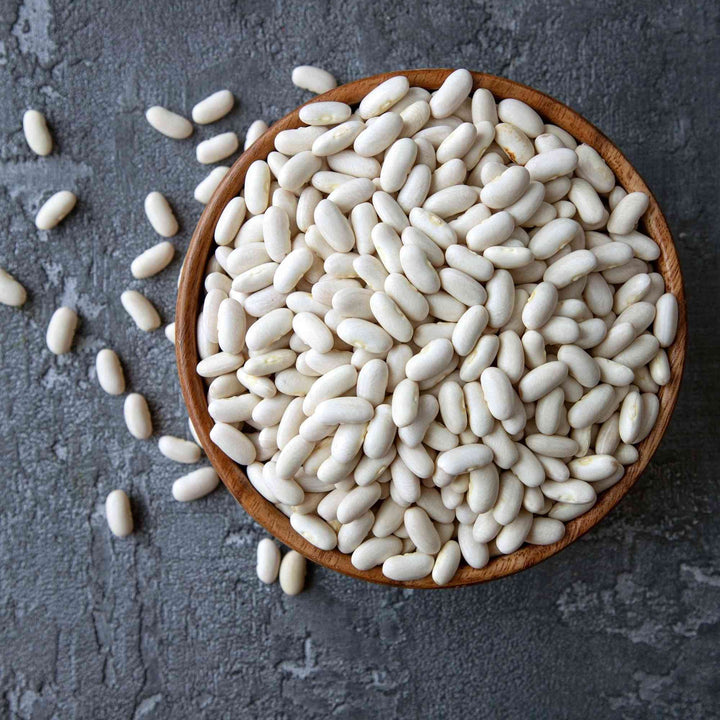
Saved seed will reproduce the planted type most reliably when the source seed is open-pollinated and the variety is kept sufficiently isolated. Select healthy, true-to-type plants and save seed from multiple plants. Common beans are primarily self-pollinating, but insects can move pollen. For home-use purity, separate varieties by about 100–150 feet or use blossom barriers. Allow pods to mature until most are yellow, mahogany, or dry and brittle. Harvest before shattering, cure pods under cover for 1–2 weeks, thresh, clean, and dry the seed fully before storage. Label the cultivar or market class, year, and lot.
Problems and answersPests, diseases, troubleshooting, practical response, and product-specific questions

Variety troubleshooting summary

Watch for bean leaf beetles, Mexican bean beetles, aphids, mites, bacterial and fungal leaf spots, mosaic symptoms, rust, and root rots. Rotate legumes, use clean seed, avoid working wet foliage, provide airflow, and remove heavily affected plants.

Q: Why did seed fail to emerge? A: Cold, saturated soil is a common cause; wait for warm soil and avoid overwatering.
Q: When are dry beans ready? A: Harvest when pods are brown, dry, and close to shattering.
Q: Does this crop need support? A: Provide a trellis before growth becomes vigorous.

Complete pest and problem guide

Watch for bean leaf beetles, Mexican bean beetles, aphids, mites, bacterial and fungal leaf spots, mosaic symptoms, rust, and root rots. Rotate legumes, use clean seed, avoid working wet foliage, provide airflow, and remove heavily affected plants.

Questions gardeners ask

Q: Why did seed fail to emerge? A: Cold, saturated soil is a common cause; wait for warm soil and avoid overwatering.
Q: When are dry beans ready? A: Harvest when pods are brown, dry, and close to shattering.
Q: Does this crop need support? A: Provide a trellis before growth becomes vigorous.
History, provenance, and cultural contextWhat is documented, what is reported, what remains uncertain, and how the variety reached gardeners

Scientific name: Phaseolus vulgaris L.

Common name: Dry Bean

Cultivar or variety: Hidatsa Shield Figure

Provenance summary

Nueta Hidatsa Sahnish College documents Hidatsa Shield bean in its living traditional-garden and seed-sharing work. University records also identify the cultivar as a climbing dry bean.

Plant and variety history

Nueta Hidatsa Sahnish College documents current traditional-garden cultivation and seed sharing of Hidatsa Shield bean.

Source and record notes

https://vegvariety.cce.cornell.edu/main/detail.php?filterBy=0&variety_id=3228
https://vegetables.wsu.edu/dry-bean-varieties-for-niche-markets-in-the-usa/
https://nhsc.edu/community/culture/
https://www.uwlax.edu/mvac/past-cultures/native-knowledge/garden/three-sisters/
https://seedalliance.org/publications/snap-bean-seed-production-quick-reference/

Continue planning

Related seeds, collections, and growing guides

Explore the full collection
Heirloom Bean Seeds for Gardens and Food CropsExplore the full collection →
Hidatsa Red Bean Seeds

Hidatsa Red Bean Seeds

A resilient heirloom from the Hidatsa people, rich in flavor and perfect for stews and chili.

Tiger's Eye Bean Seeds

Tiger's Eye Bean Seeds

Golden beans with red swirls and buttery flavor that hold shape beautifully in stews.

Customer experience

Reviews for Hidatsa Shield Figure Bean Seeds

Customer Reviews

Based on 1 review
0%
(0)
0%
(0)
0%
(0)
0%
(0)
100%
(1)
Y
Yvonne Parent (Canada)

didn't germinate

Hi Yvonne, I'm sorry to hear your seeds didn't germinate. Please contact us so we can assist you further or offer a solution. Thank you for your feedback. All of our seeds are covered by a 1 year warranty.