Free U.S. seed shipping $25+. Seeds ship free at the threshold.

Current Processing Times Before Shipping Are 1-2 Business Days

25% OFF Select heirloom seed packets are $1.50, regularly $2.00. Sale packets are marked down · coupons apply to eligible full-price items only. Shop seed packets →

Martin Milo Sorghum

Scientific name Sorghum bicolor

About this variety

Martin Milo grows reddish-brown grain on sturdy plants about three to four feet tall, making a small grain patch easier to manage than towering syrup sorghum. Selection of this double-dwarf milo is attributed to W. P. Martin of Lubbock, Texas, in 1937. The mature heads can be cut and threshed for grain or bird feed. Give this warm-season...

Continue with the complete description
$150 USD $200
25% OFF
Heirloom seed packet sale

$1.50, regularly $2.00. The sale price is already applied and carries into checkout. No code is needed. Coupons do not reduce this sale packet; eligible full-price items may qualify.

At a glance

The facts most gardeners need first

View the full variety record
100 minimum seeds per packet
Gardener experience

Easy to moderate

Germination difficulty

Easy to moderate

Germination time

7-14 days at 75–90 °F seed-zone soil temperature

  • Germination
    7-14 daysa seed-zone soil temperature of 75–90 °F
  • Maturity
    120-129 DaysSupplier lists approximately 120 days to mature grain; direct sow and judge harvest by hard, dry seed.
  • Sun
    Full sun
  • Spacing
    space 12 in · rows 24 in
  • Plant habit
    Annual · 37–48 in tall
  • Best use
    Small grain plots, dry seed heads, home threshing, and bird feed
Secure checkout Details
Generic
Triple-tested seed qualityRegular quality and germination checks support every packet.

We regularly test seed quality and germination as lots move through storage and packing. We stand behind the seed we send and want customers to contact us when a packet does not perform as reasonably expected.

1-year seed warrantyCoverage begins on the date of purchase.

When properly stored, planted, and cared for, we guarantee reasonable germination and true-to-type growth for one year from the date of purchase. Conditions outside our control—including extreme weather, pests, unsuitable storage, and gardener error—are excluded. Contact us when something is not right so we can review the situation and work toward a replacement, refund, or another fair resolution.

Non-GMO / BE seed policyWe do not buy or sell genetically engineered or bioengineered seed.

Every seed variety we sell is non-GMO.

USDA’s National Bioengineered Food Disclosure Standard defines bioengineered foods as containing detectable genetic material modified through in vitro recombinant DNA methods in ways not achievable through conventional breeding or found in nature.

  • Hybrid means parent lines were conventionally crossed; hybrid does not mean GMO.
  • Heirloom and open-pollinated describe how a variety is maintained and reproduced.
  • Organic certification is separate and is shown only when verified for the individual product.
Packed in Colerain, North CarolinaPrepared in our seed room for gardens across the country.

Seeds are packed and shipped from Colerain, North Carolina. Our packets use forestry-certified paper, and we use recyclable paper mailers where appropriate. AONSK is also a 1% for the Planet partner while continuing to reduce waste in packing and fulfillment.

Garden tools

Need a plan for your space?

Use the garden-fit planner and soil calculator to turn the recorded growing facts into a practical plan.

Open garden tools Uses this product’s recorded growing information. Local weather and garden conditions may vary.

Variety field guide

What to expect from Martin Milo Sorghum

Martin Milo grows reddish-brown grain on sturdy plants about three to four feet tall, making a small grain patch easier to manage than towering syrup sorghum.

Read the complete product descriptionTraits, flavor, garden use, variety notes, and the full catalog record

Martin Milo grows reddish-brown grain on sturdy plants about three to four feet tall, making a small grain patch easier to manage than towering syrup sorghum. Selection of this double-dwarf milo is attributed to W. P. Martin of Lubbock, Texas, in 1937. The mature heads can be cut and threshed for grain or bird feed. Give this warm-season crop a long summer and keep young plants free of competing weeds.

A compact old grain sorghum for the garden and grain bin.

Variety and background

Sow grain sorghum 1-1.5 inches deep, adjusting within that range for soil moisture; the former quarter-inch instruction was too shallow.

Growing facts

Scientific name Sorghum bicolor
Life cycle Annual
Maturity / harvest basis 120-129 Days
Seed depth 1/2 in
Germination 7-14 days
Germination temperature 75-90 F
Plant height / spread 37–48 in
Plant spacing 12 in
Row spacing 24 in
Sunlight Full sun
Pollination type Open-Pollinated (OP)

Starting from seed

Direct sow after frost in soil above 60 F, about 1-1 1/2 in. deep into moisture. At 75-90 F allow 7-14 days. Thin to 8-12 in. apart, rows 24 in. apart. Give sun, drainage and water during establishment and grain fill.

Planting and care

Direct sow after frost in soil above 60 F, about 1-1 1/2 in. deep into moisture. At 75-90 F allow 7-14 days. Thin to 8-12 in. apart, rows 24 in. apart. Give sun, drainage and water during establishment and grain fill. Sow grain sorghum 1-1.5 inches deep, adjusting within that range for soil moisture; the former quarter-inch instruction was too shallow.

Harvest and use

Allow about 120 days from sowing. Cut heads when grain is hard; dry with airflow, thresh and winnow. Store thoroughly dry grain. For seed, isolate other flowering sorghums and save several true-to-type plants.

Saving seed

Select typical, healthy plants and collect fully mature, dry grain from several heads. Sorghum usually self-pollinates but can cross with nearby sorghum through wind. Separate varieties when seed purity matters; A home-garden isolation range is 100–200 feet; the required distance depends on the purity goal and nearby flowering sorghum. Save from multiple plants, dry thoroughly, and label the variety, year, and lot.
Common problems

Weeds can overwhelm young seedlings, and birds may remove grain before harvest. Drought during head development reduces yield. Inspect for aphids, head damage, mold, and lodging. Keep harvested heads dry and airy; grain stored before it is fully dry can spoil.

Frequently asked questions

What distinguishes this selection?
Sow grain sorghum 1-1.5 inches deep, adjusting within that range for soil moisture; the former quarter-inch instruction was too shallow.

How should I start it?
Direct sow after frost in soil above 60 F, about 1-1 1/2 in. deep into moisture. At 75-90 F allow 7-14 days. Thin to 8-12 in. apart, rows 24 in. apart. Give sun, drainage and water during establishment and grain fill.

When and how should I harvest?
Allow about 120 days from sowing. Cut heads when grain is hard; dry with airflow, thresh and winnow. Store thoroughly dry grain. For seed, isolate other flowering sorghums and save several true-to-type plants.

Can I save seed?
Select typical, healthy plants and collect fully mature, dry grain from several heads. Sorghum usually self-pollinates but can cross with nearby sorghum through wind. Separate varieties when seed purity matters; A home-garden isolation range is 100–200 feet; the required distance depends on the purity goal and nearby flowering sorghum. Save from multiple plants, dry thoroughly, and label the variety, year, and lot.
Garden toolsOpen the garden-fit planner, planting-window questions, or soil calculator only when useful

Uses this product’s recorded growing information. Local weather, soil, and garden conditions may vary.

Garden-fit planning for this variety

Will Martin Milo Sorghum fit your garden?

Check planting scale, season, intended harvest or soil-building purpose, and how the stand will be managed. Start with the essentials, then open only the detail groups that matter to you.

Rules-based · no AI · optional answers

Add an optional ZIP code and planting date for a broad frost-window check.Use local forecasts and measured soil temperature for final planting decisions.
1Essential fitTiming, light, and space
2Temperature and exposureOptional microclimate detail
3Soil, drainage, and waterRoot-zone readiness
4Questions for this grain or cover-crop seedCrop-specific decisions
5Seed-starting fit and patienceMatch the propagation work
Recorded product profileBeginner-friendlyStraightforwardRead why
Soil test, pH, drainage, and amendment calculator Have a laboratory soil report? Enter pH, nutrients, texture, bed size, and site observations here. Open soil tools
Recorded soil typeLoamy
Recorded pH range6.0–6.5
Water needsModerate
LightFull sun

Laboratory report interpreter

Soil readiness for Martin Milo Sorghum

Sorghum bicolor

Enter only the values your report provides. The result compares them with this crop’s recorded needs and keeps laboratory recommendations authoritative.

Core report valuesStart here
Advanced laboratory valuesOptional method-aware detail

Full growing record

Complete growing and seedkeeping record

Starting and plantingSeed preparation, sowing, germination, transplanting, spacing, and early establishment
Direct sow after frost in soil above 60 F, about 1-1 1/2 in. deep into moisture. At 75-90 F allow 7-14 days. Thin to 8-12 in. apart, rows 24 in. apart. Give sun, drainage and water during establishment and grain fill. Sow grain sorghum 1-1.5 inches deep, adjusting within that range for soil moisture; the former quarter-inch instruction was too shallow.
Season-long growing guideWater, fertility, support, weather response, pollination, containers, and care through maturity
Direct sow after frost in soil above 60 F, about 1-1 1/2 in. deep into moisture. At 75-90 F allow 7-14 days. Thin to 8-12 in. apart, rows 24 in. apart. Give sun, drainage and water during establishment and grain fill.
Harvest, storage, and usesRecognizing maturity, harvesting cleanly, handling and storage, kitchen uses, and garden roles

Harvest and storage

Allow about 120 days from sowing. Cut heads when grain is hard; dry with airflow, thresh and winnow. Store thoroughly dry grain. For seed, isolate other flowering sorghums and save several true-to-type plants.

Select typical, healthy plants and collect fully mature, dry grain from several heads. Sorghum usually self-pollinates but can cross with nearby sorghum through wind. Separate varieties when seed purity matters; A home-garden isolation range is 100–200 feet; the required distance depends on the purity goal and nearby flowering sorghum. Save from multiple plants, dry thoroughly, and label the variety, year, and lot.
Uses and garden roles

Martin Milo grows reddish-brown grain on sturdy plants about three to four feet tall, making a small grain patch easier to manage than towering syrup sorghum. Selection of this double-dwarf milo is attributed to W. P. Martin of Lubbock, Texas, in 1937. The mature heads can be cut and threshed for grain or bird feed. Give this warm-season crop a long summer and keep young plants free of competing weeds.

Allow about 120 days from sowing. Cut heads when grain is hard; dry with airflow, thresh and winnow. Store thoroughly dry grain. For seed, isolate other flowering sorghums and save several true-to-type plants.
Seed savingSelection, pollination, isolation, full maturity, cleaning, drying, labeling, and storage
Select typical, healthy plants and collect fully mature, dry grain from several heads. Sorghum usually self-pollinates but can cross with nearby sorghum through wind. Separate varieties when seed purity matters; A home-garden isolation range is 100–200 feet; the required distance depends on the purity goal and nearby flowering sorghum. Save from multiple plants, dry thoroughly, and label the variety, year, and lot.
Pests, diseases, and troubleshootingPrevention, diagnosis, environmental disorders, common damage, and first-response checks
Weeds can overwhelm young seedlings, and birds may remove grain before harvest. Drought during head development reduces yield. Inspect for aphids, head damage, mold, and lodging. Keep harvested heads dry and airy; grain stored before it is fully dry can spoil.
Frequently asked questionsDecision-focused answers that supplement the detailed guides above
What distinguishes this selection?
Sow grain sorghum 1-1.5 inches deep, adjusting within that range for soil moisture; the former quarter-inch instruction was too shallow.

How should I start it?
Direct sow after frost in soil above 60 F, about 1-1 1/2 in. deep into moisture. At 75-90 F allow 7-14 days. Thin to 8-12 in. apart, rows 24 in. apart. Give sun, drainage and water during establishment and grain fill.

When and how should I harvest?
Allow about 120 days from sowing. Cut heads when grain is hard; dry with airflow, thresh and winnow. Store thoroughly dry grain. For seed, isolate other flowering sorghums and save several true-to-type plants.

Can I save seed?
Select typical, healthy plants and collect fully mature, dry grain from several heads. Sorghum usually self-pollinates but can cross with nearby sorghum through wind. Separate varieties when seed purity matters; A home-garden isolation range is 100–200 feet; the required distance depends on the purity goal and nearby flowering sorghum. Save from multiple plants, dry thoroughly, and label the variety, year, and lot.
History and provenanceBotanical identity, cultivar history, regional or cultural context, uncertainty, and source records

Scientific name: Sorghum bicolor

Sow grain sorghum 1-1.5 inches deep, adjusting within that range for soil moisture; the former quarter-inch instruction was too shallow.

Continue planning

Related products, collections, and growing guides

Winter Rye

Winter Rye

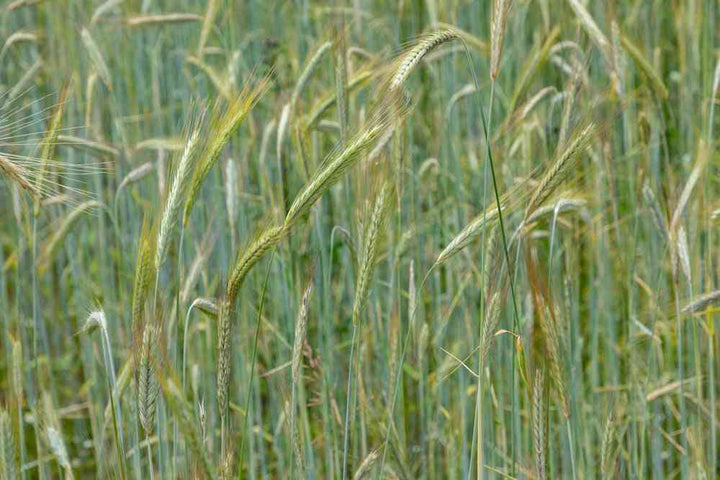
Winter Rye is a hardy cereal grain that keeps living roots in the garden through the cool season.

White Leaf Amaranth

White Leaf Amaranth

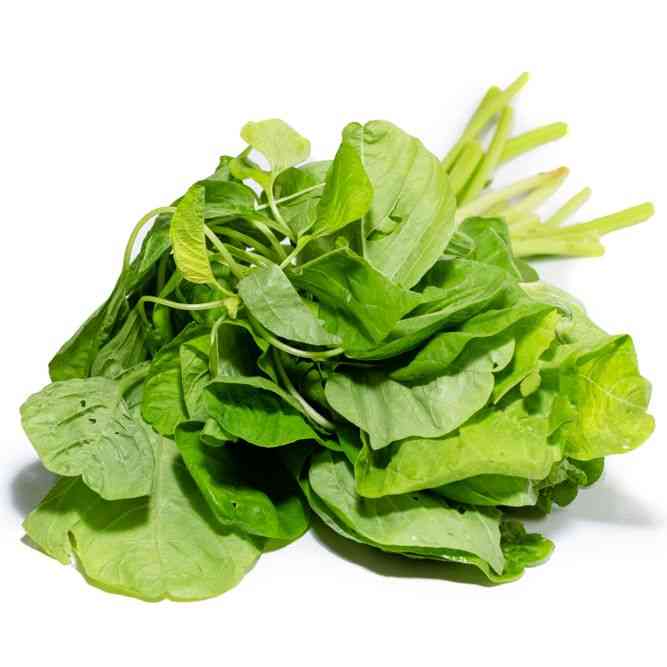
Discover the elegance of Amaranth Seeds - White Leaf, a stunning addition to your garden with its lush, pale foliage.

Variegated Cat Grass

Variegated Cat Grass

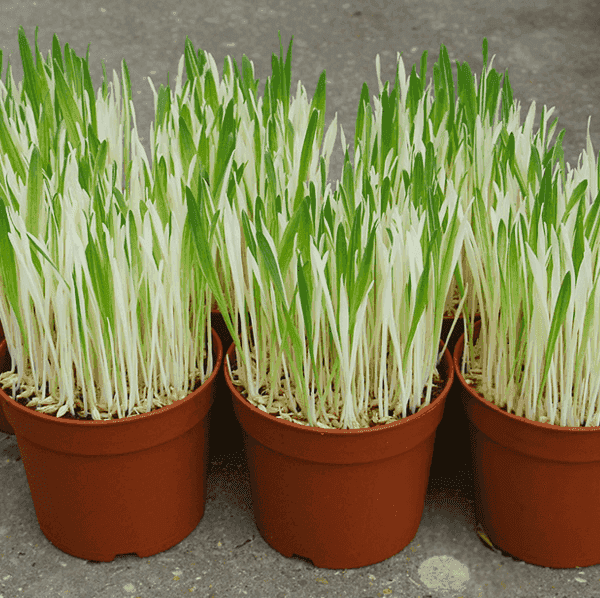
Variegated Cat Grass grows soft blades striped with green and cream, making a bright little pot for a sunny windowsill.

Red Spike Amaranth

Red Spike Amaranth

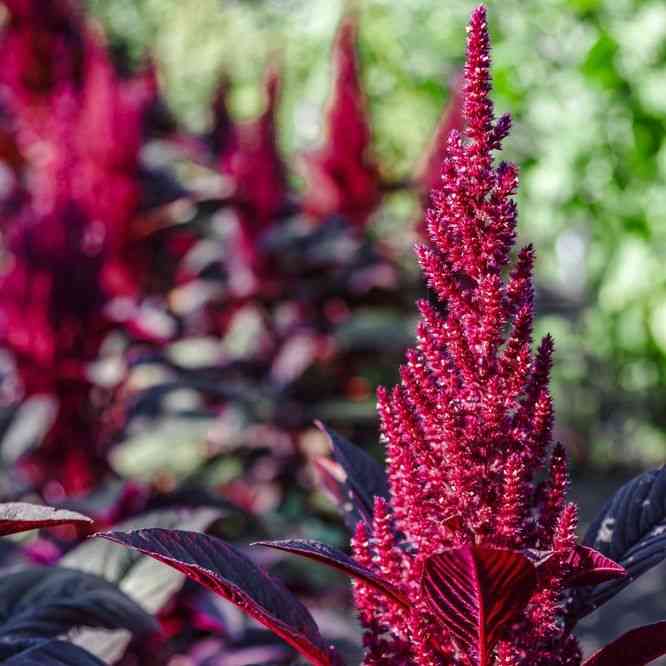
Introducing the striking Amaranth Seeds - Red Spike, a vibrant addition to your garden that promises both visual appeal and culinary versatility.

Red Army Amaranth

Red Army Amaranth

Unveil the striking beauty of Amaranth Seeds - Red Army in your garden.

Opopeo Amaranth

Opopeo Amaranth

Amaranth Seeds - Opopeo is a vibrant cultivar that stands out in any garden with its striking red-purple foliage and tall, graceful growth.

Customer experience

Reviews for Martin Milo Sorghum

Customer Reviews

Be the first to write a review
0%
(0)
0%
(0)
0%
(0)
0%
(0)
0%
(0)