Variety field guide
What to expect from Italian Oregano
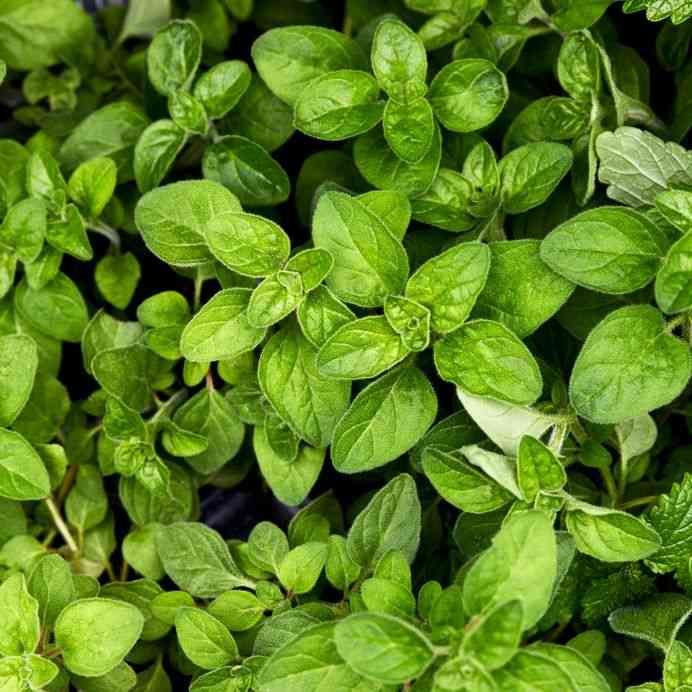
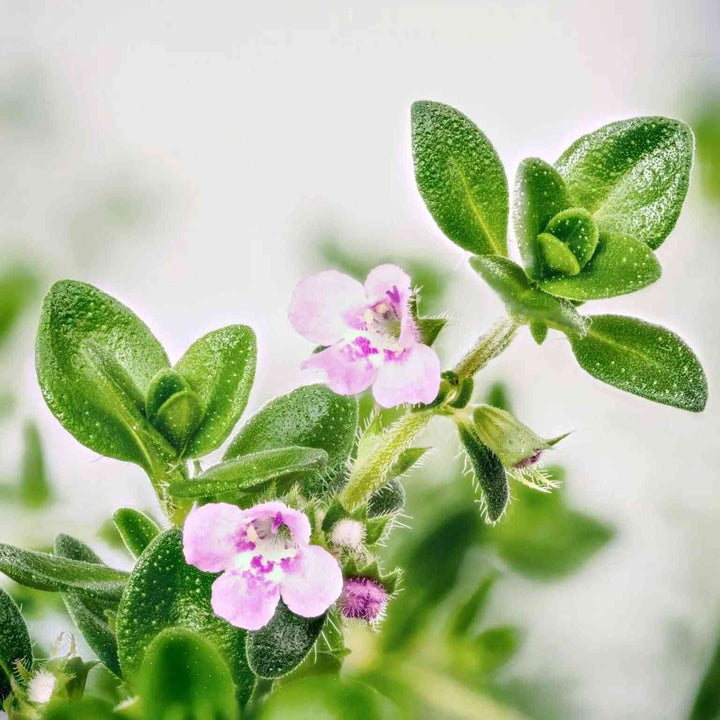
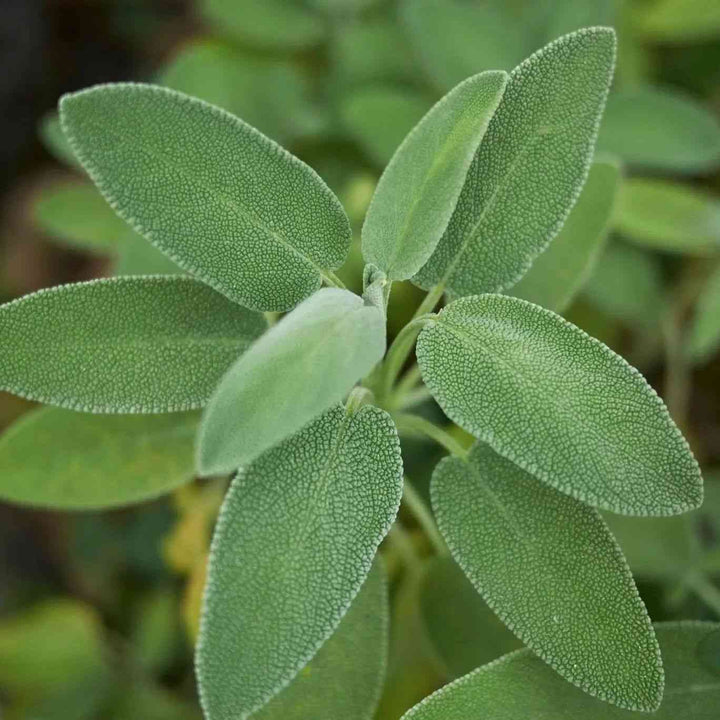
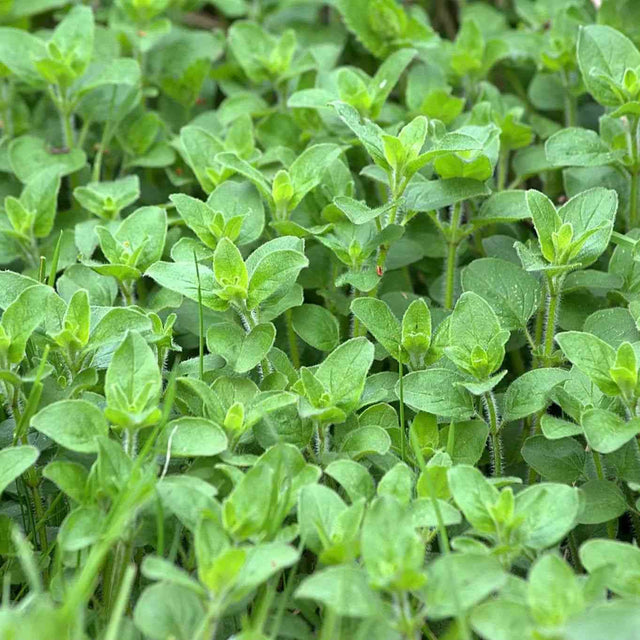
Italian Oregano is a perennial italian oregano selection grown for perennial or repeat-cut herb gardens, culinary leaves, flowers, and seed saving where appropriate.
Open the complete descriptionHide the complete descriptionVariety traits, flavor, garden use, and the complete description
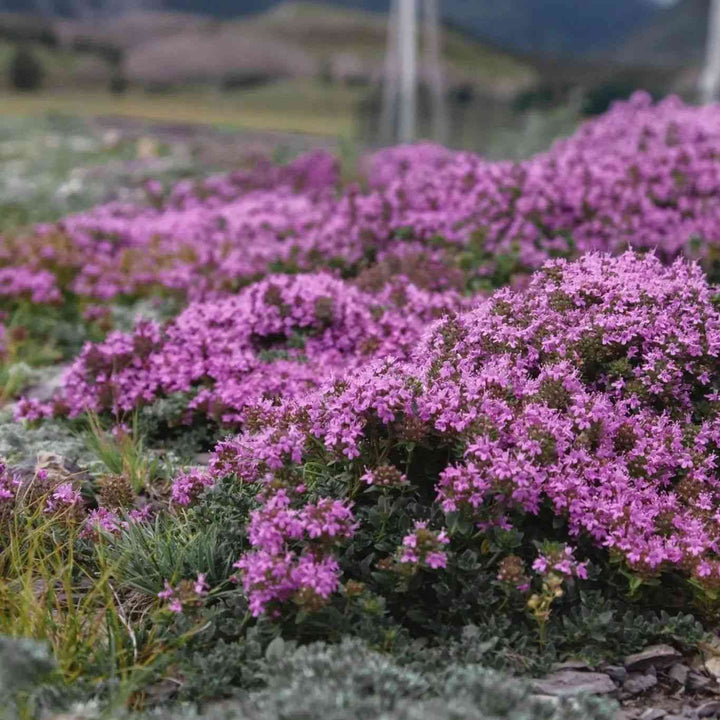
Italian is best suited to dry beds, culinary harvest, pollinator flowers, and perennial herb borders. Its defining kitchen character is warm, resinous, peppery aroma. Oregano names are often used loosely in commerce.
Minimum seeds per packet: 500 seeds.
About Italian Oregano
Italian Oregano is a perennial selection of italian oregano, with a shrubby/subshrub habit and an expected height or spread of 13–18 in. It is best suited to perennial or repeat-cut herb gardens, culinary leaves, flowers, and seed saving where appropriate. Notable traits include harvest clean leaves or tender stems before decline; reserve representative plants for flowering or division. Italian oregano is used for more than one Origanum type or hybrid in commerce.
When growing Italian Oregano, judge the whole planting for trueness to type instead of selecting conclusions from one unusually large or early plant.
History and provenance
Members of the mint family have long histories in Mediterranean, European, Asian, and North American gardens. Their common names can obscure hybrid origin or species differences, so this page separates verified botanical identity from flavor tradition and avoids turning traditional use into a medical claim. Italian oregano is used for more than one Origanum type or hybrid in commerce. The exact identity or lineage of this seed lot should be confirmed from supplier records before making a stronger claim.
Growing facts
| Scientific name | Origanum spp. (Italian oregano seed lot) |
|---|---|
| Life cycle | Perennial |
| Maturity | 60-69 Days |
| Germination | 10-21 Days at 65–80 °F |
| Seed depth | 1/8 in |
| Plant height / spread | 13–18 in |
| Growth habit | Shrubby/Subshrub |
| Spacing | 12 in between plants; 24 in between rows |
| Sunlight | Full sun |
| Soil | Loamy; pH 6.5–7.0 |
| Water | Moderate |
| Support | No-Support |
Starting Italian Oregano from seed
Sow 1/8 in deep and keep the seed zone evenly moist. Expect emergence in 10-21 Days when the seed-zone temperature is near 65–80 °F. Germination preparation: Use a fine, evenly moist seed-starting mix or prepared seedbed. Light requirement: Light aids germination; barely cover. Soaking: None required. Stratification: None required. Scarification: None required.
Planting and care
Plant during spring and provide full sun. Space plants 12 in apart with 24 in between rows. Use loamy with a pH near 6.5–7.0, and follow a moderate watering plan. Support requirement: No-Support. Frost response: Hardy. Large permanent container possible, but in-ground culture usually supports longer life
Harvest and use
Approximately 60-69 Days, from sowing to the first established harvest or bloom. Weather, soil temperature, and planting method can shift the actual harvest date. Harvest: Harvest clean leaves or tender stems before decline; reserve representative plants for flowering or division. Uses: Perennial or repeat-cut herb gardens, culinary leaves, flowers, and seed saving where appropriate. Flavor: aromatic or tangy flavor specific to the named herb. Seed saving: Identity-limited seed lot. Best uses include perennial or repeat-cut herb gardens, culinary leaves, flowers, and seed saving where appropriate. Flavor and eating quality: aromatic or tangy flavor specific to the named herb.
Saving seed
Select several healthy, true-to-type Italian Oregano plants that match the expected shrubby/subshrub habit and overall plant form. Avoid saving seed only from the earliest or largest individual unless that is your deliberate selection goal. Pollination system: Identity-limited seed lot. The current commercial name does not establish one verified species or uniform seed lineage. Separate compatible varieties that may flower together, or use cages, barriers, hand pollination, or another documented control appropriate to the crop. Italian Oregano is a perennial. Seed production may require overwintering, vernalization, or more than one growing season, depending on climate and crop biology. Clean the seed carefully, dry it thoroughly away from direct heat, label the lot with variety and year, and store it cool, dark, and dry. Test germination before an important planting or distribution season.
Common problems
Common concerns: Aphids, whiteflies, spider mites, slugs, damping-off, root rot, and leaf diseases under humid crowded conditions. Management: Provide airflow, drainage, moderate fertility, careful watering, and clean harvest practices. Contain spreading mints where needed. Diagnosis note: Similar symptoms can have different causes. Compare plants of the same age, record weather and irrigation, and use local Extension or diagnostic support before applying a control.
Frequently asked questions
Frequently Asked Questions - Italian Oregano
When is Italian Oregano ready? Use 60-69 Days. Approximately 60-69 Days, from sowing to the first established harvest or bloom. Weather, soil temperature, and planting method can shift the actual harvest date.
How long does germination take? Expect 10-21 Days at about 65–80 °F. Cooler, hotter, crusted, saturated, or dry seedbeds can slow emergence.
How large does it grow? Expect about 13–18 in with a shrubby/subshrub habit. Space plants 12 in apart and rows 24 in apart. Support: No-Support.
Can it grow in a container? Large permanent container possible, but in-ground culture usually supports longer life Use a container with drainage and enough volume to maintain the listed spacing and steady moisture.
Can I save seed? Identity-limited seed lot. Keep compatible varieties isolated and allow selected plants to reach full seed maturity.