Variety field guide
What to expect from Buena Mulata Pepper Seeds
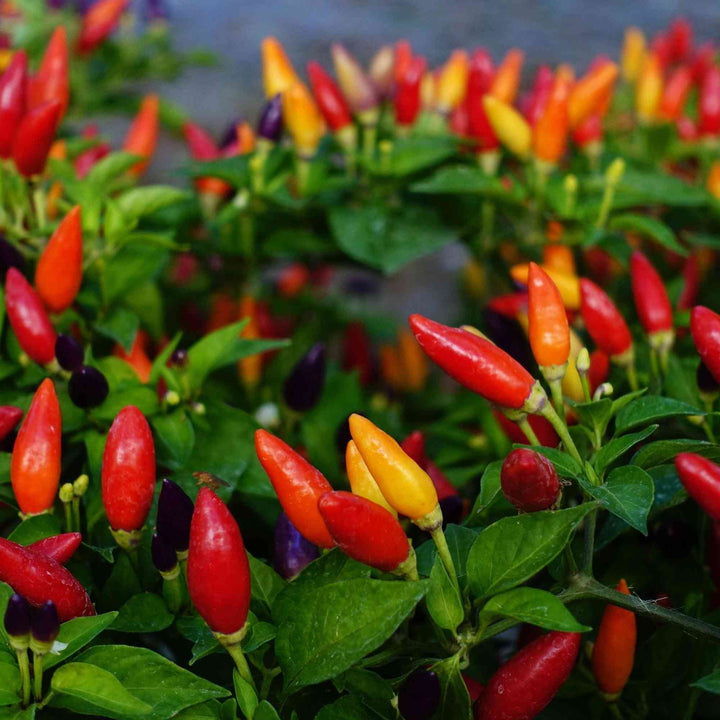
Buena Mulata pepper seeds produce purple hot chile pepper fruit about 4-5 in long on bushy plants reaching 25–30 in; maturity is 70-79 Days.
Read the complete product descriptionTraits, flavor, garden use, variety notes, and the full catalog record
Buena Mulata pepper seeds grow into bushy plants reaching 25–30 in, bearing purple fruit about 4-5 in long. Heat category: Hot. It is especially suited to colorful hot-pepper harvests, fresh or cooked cayenne use, ornamental-edible plantings, and seed saving from confirmed open-pollinated stock. Maturity is 70-79 Days.
About Buena Mulata
Buena Mulata is a hot chile pepper grown as Capsicum annuum L. Plants have a bushy habit and reach 25–30 in; support is listed as stake. The principal mature or market color is Purple, with fruit described as about 4-5 in long. Reproductive classification: Open-Pollinated (OP). Maturity: 70-79 Days. Names associated with this variety include Buena Mulata pepper, Pepper Seeds - Hot - Buena Mulata.
- Scientific name:Capsicum annuum L.
- Life cycle:Annual
- Planting season:Spring
- Growth habit:Bush
- Plant height:25–30 in
- Sunlight:Full sun
- Seed depth:1/4 in
- Germination:7–14 Days at 75–90 °F
- Spacing:18 in between plants; 24 in between rows
- Soil:Loamy; pH 6.0–6.5
- Water:Moderate
- Support:Stake
- Reproductive type:Open-Pollinated (OP)
- Fruit:Purple; About 4-5 in long
- Heat:Hot; Not standardized
History and seedkeeping context
Cornell documents Buena Mulata as a cayenne pepper with 4- to 5-inch fruit that begin purple, pass through salmon and orange, and finish red on tall plants. Cornell also records the seedkeeping story connecting the variety to African American artist and gardener Horace Pippin and to seed preserved by the Weaver family after exchanges in the 1940s. The history is presented as Cornell records it: Pippin exchanged seeds within Black catering communities in Philadelphia and Baltimore and with H.
It does not assign a tribal identity, invent an earlier origin, or reduce Pippin’s role to a decorative marketing anecdote. The available sources do not establish a named person’s tribal identity. Cornell lists Buena Mulata at 75 to 80 days.
The range fits the catalog’s 70–89 Days category; the counting point is not stated.
Fruit, flavor, and kitchen use
Use the hot cayenne-like pods fresh, cooked, pickled, in sauces, or dried for flakes and powder. Cornell notes that the fully red stage develops more sweetness than the purple stage. Cornell describes the pepper as spicy and flavorful. Heat intensity can vary with growing conditions. Pungency varies with genetics, temperature, water stress, fruit position, and ripeness; any heat figure is a range, not a promise for every pod. Buena Mulata is especially useful for colorful hot-pepper harvests, fresh or cooked cayenne use, ornamental-edible plantings, and seed saving from confirmed open-pollinated stock. Flavor and eating quality are described as cornell describes the pepper as spicy and flavorful. Heat intensity can vary with growing conditions. Pungency varies with genetics, temperature, water stress, fruit position, and ripeness; any heat figure is a range, not a promise for every pod. Heat classification: Hot; listed range: Not standardized. Pungency can shift with genetics, weather, water stress, and ripeness.
How to grow Buena Mulata
Start Buena Mulata indoors about 8 to 10 weeks before the last expected frost. Sow 1/4 in deep in a warm, evenly moist seed-starting mix; expect 7–14 Days near 75–90 °F. Provide strong light as soon as seedlings emerge, pot up before roots become crowded, and harden plants gradually before transplanting after nights are reliably warm.
Plant in full sun with loamy soil near pH 6.0–6.5. Space plants 18 in apart and rows 24 in apart. Maintain moderate moisture, mulch after the soil warms, and avoid excessive nitrogen. Install stake early where the bushy plant or fruit load warrants it. Mature height is 25–30 in.
Season care
• Warmth matters most during germination; keep Buena Mulata seed warm without leaving the medium saturated. • Harden seedlings gradually and wait for warm nights before transplanting, because cold soil and wind can stall peppers for weeks. • Install stake before branches carry a heavy crop, and keep moisture even while fruit is setting. • Harvest at the color stage suited to the recipe, but leave fruit fully mature on selected plants when saving seed. • Use 70-79 Days as a planning range rather than a guaranteed calendar date; weather and transplant stress can shift first harvest.
Harvest and maturity
70-79 Days from transplant to first representative harvest; the same value is used in every description. Peppers can often be used at an immature green or transitional color, but fully ripe color is required for mature seed.
Saving seed
Peppers are largely self-pollinating but insect movement can produce crosses. To save Buena Mulata true to type, grow several healthy representative plants, isolate them from compatible pepper varieties or use blossom bags or cages, and remove clear off-types before flowering. Allow selected fruit to reach full biological color, handle hot fruit with gloves, remove the seed, dry it in a thin labeled layer until fully hard and dry, then store it cool, dark, and dry. Keep the harvest year, source, isolation method, and selection notes with the lot.
Common questions
When is Buena Mulata ready?
Plan around 70-79 Days. The listed range is a planning guide, and weather, transplant stress, and harvest stage can shift the actual date.
How long does germination take?
Expect 7–14 Days near 75–90 °F. Cooler media, excess water, old seed, or uneven moisture can delay emergence.
How large does it grow?
Expect about 25–30 in. Growth habit: Bush. Support: Stake.
How is it used?
Colorful hot-pepper harvests, fresh or cooked cayenne use, ornamental-edible plantings, and seed saving from confirmed open-pollinated stock
Can I save seed?
Peppers are largely self-pollinating but insect movement can produce crosses.