Variety field guide
What to expect from Santa Fe Grande Pepper Seeds
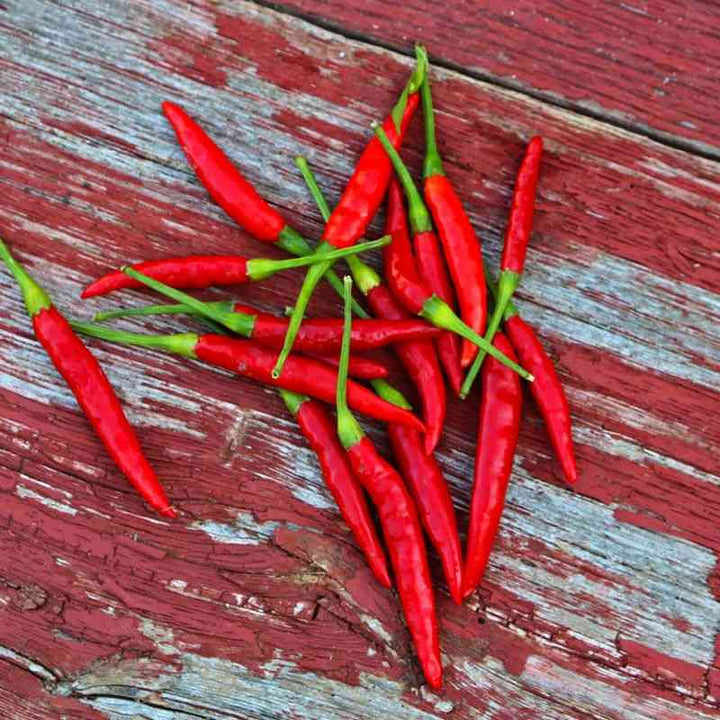
Santa Fe Grande carries tapered peppers that turn from pale yellow through orange to red.
Open the complete descriptionHide the complete descriptionVariety traits, flavor, garden use, and the complete description
Approximately 25 seeds per packet.
Santa Fe Grande carries tapered peppers that turn from pale yellow through orange to red. Their mild warmth and thick walls suit fresh salsa, relishes and pickling, while the changing colors brighten a sunny garden. Pick at different color stages to explore their flavors, or leave some fruit to ripen fully. Give plants a long warm season and pick regularly as the crop develops.
Gentle heat and changing colors for salsa and pickles.
Growing facts
- Botanical name: Capsicum annuum
- Maturity or display: About 80-89 days after transplanting to picking; red ripeness may take longer
- Mature size: Often 18-24 in. tall; tapered fruits about 3-4 in. long
- Spacing: 18-24 in.; rows 30 in.
About the variety
Santa Fe Grande is an open-pollinated Capsicum annuum pepper valued for pale immature fruit that colors orange and red at ripeness. It is commonly described as mild, though heat varies with growing conditions and individual fruit. The reviewed sources do not establish a breeder or introduction date, so none is presented as fact.
Starting seed
Start indoors 8–10 weeks before the last frost, 1/4 inch deep in seed-starting mix near 80–90°F. Under warm conditions germination usually takes about 7–10 days. Harden off and transplant after frost when nights are warm. Space plants 18–24 inches apart in rows 30 inches apart, in full sun and fertile, well-drained soil. Water evenly and support heavily loaded stems.
Care through the season
Use a warm, sunny position and well-drained, fertile soil. Keep water even as flowers and fruit develop; mulch after the ground warms. Stake if fruit weight or wind makes the plants lean. Cold nights slow growth, while extreme heat can temporarily reduce fruit set. Avoid excessive nitrogen that favors leaves over fruit.
Harvest and use
Snip pale yellow fruits or let them turn orange and red. Use fresh or a tested pickling recipe. Wear gloves when handling seed. For saving, choose fully red fruit, dry seed well and isolate flowering pepper varieties.
Saving seed
Let several typical fruits reach their fully ripe color. Wear gloves when handling hot peppers, remove the seeds and dry them thoroughly out of direct sun. Peppers can cross with compatible varieties, so isolate seed plants or protect selected flowers. Crossing affects the next seed generation, not the flavor of nearby fruit this season.
Common problems
Inspect leaf undersides for aphids and mites. Even moisture helps reduce stress-related fruit problems, and drainage helps protect roots. Avoid wetting foliage late in the day and remove badly diseased plants. Blossom drop can follow temperature extremes; more fertilizer is not always the solution.
Frequently asked questions
When should I harvest?
Snip pale yellow fruits or let them turn orange and red. Use fresh or a tested pickling recipe. Wear gloves when handling seed. For saving, choose fully red fruit, dry seed well and isolate flowering pepper varieties.
How can I save seed?
Let several typical fruits reach their fully ripe color. Wear gloves when handling hot peppers, remove the seeds and dry them thoroughly out of direct sun. Peppers can cross with compatible varieties, so isolate seed plants or protect selected flowers. Crossing affects the next seed generation, not the flavor of nearby fruit this season.
What helps prevent common problems?
Inspect leaf undersides for aphids and mites. Even moisture helps reduce stress-related fruit problems, and drainage helps protect roots. Avoid wetting foliage late in the day and remove badly diseased plants. Blossom drop can follow temperature extremes; more fertilizer is not always the solution.