Okra Seeds - Red Burgundy Okra
Award-winning red okra with ornamental beauty and tender, flavorful pods.
- Non-GMO Safe Seed Pledge
- Seed packets printed on forestry-certified paper (FSC, SFI, Rainforest Alliance)
- Curbside-recyclable mailers; SFI-certified kraft paper
- 1% for the Planet partner — supports environmental nonprofits
- Compact, energy-efficient facility with lean, low-waste operations
- Seeds: When properly stored, planted, and cared for, we guarantee reasonable germination and true-to-type growth for one year from purchase.
- Non-seed products: Free from defects in materials and workmanship for 30 days from shipment.
Excludes factors outside our control (extreme weather, pests, gardener error). If something’s off, contact us—we’ll make it right with a replacement, repair, or refund.
We do not sell seeds that are GMO or BE.
USDA “bioengineered (BE)” foods are those with detectable genetic material that was modified using in vitro recombinant DNA (rDNA) techniques, in ways not obtainable through conventional breeding or found in nature. The USDA’s National Bioengineered Food Disclosure Standard uses “bioengineered” as the nationwide labeling term.
- Detectable modified genetic material in the final food
- Created via in vitro rDNA techniques (e.g., gene transfer)
- Modifications not achievable through conventional breeding or nature
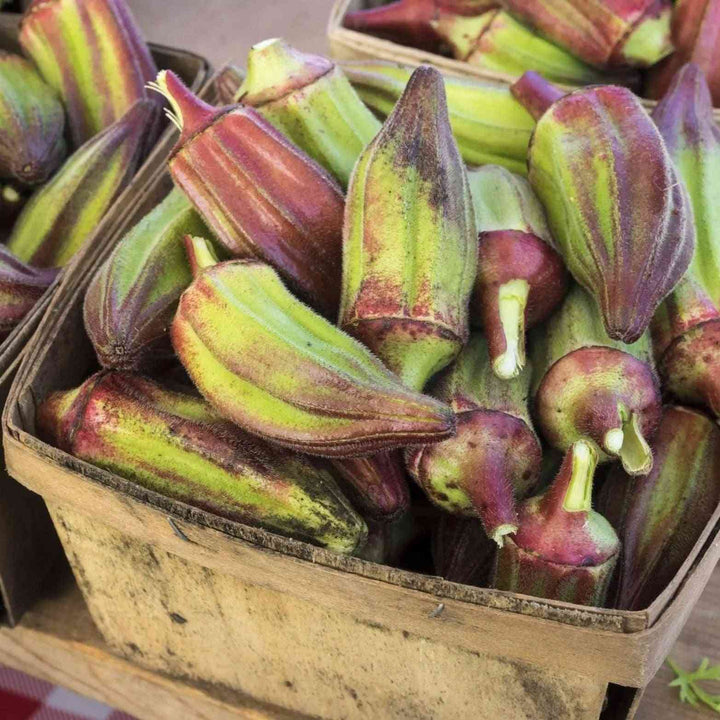
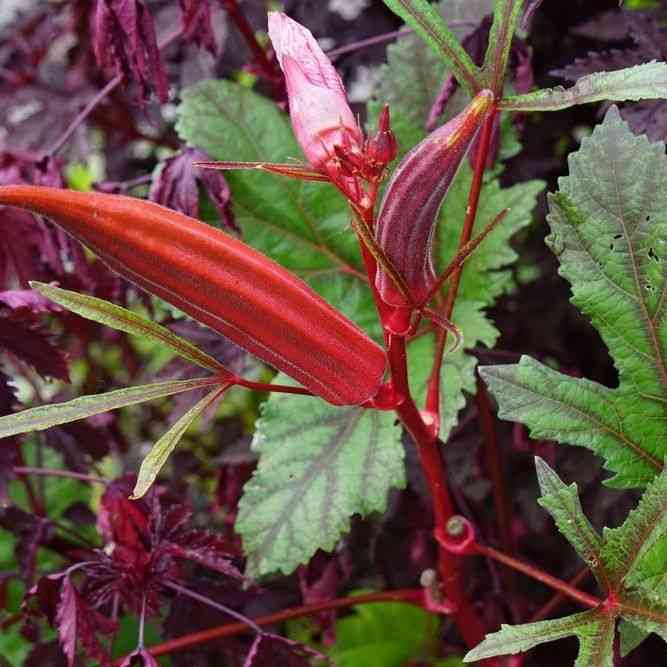
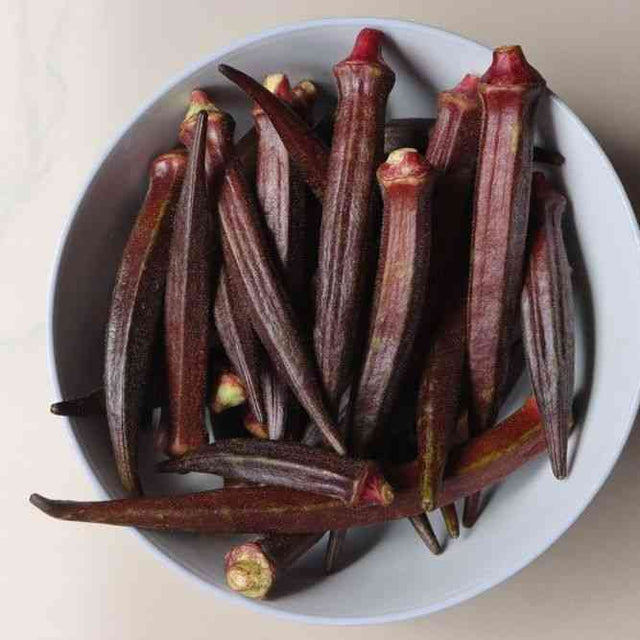
The ruby-red beauty of the okra family. ‘Red Burgundy’ produces vibrant crimson pods that turn deep red in the sun, tender and flavorful with a slightly nutty sweetness. The color softens to green when cooked, but the beauty and taste remain.
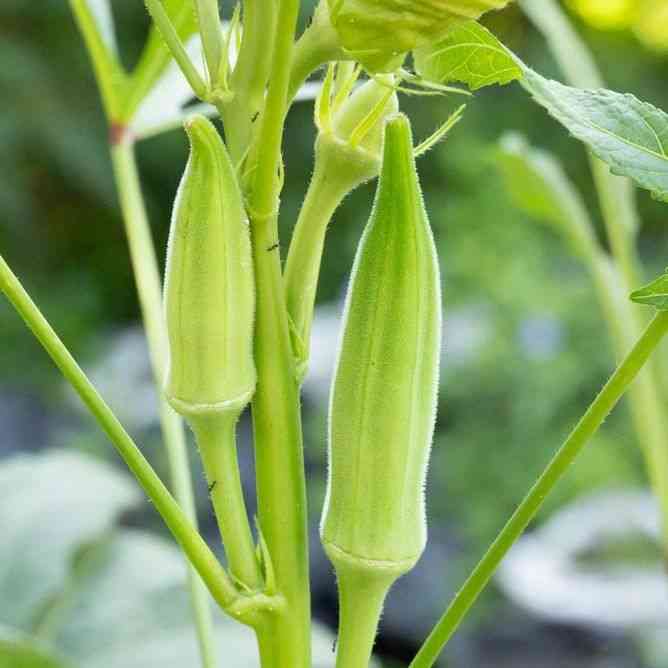
Plants reach 3–5 feet tall, with burgundy stems, leaf veins, and pods that add rich color to both garden and plate. Highly ornamental yet fully productive.
Introduced in 1983 by Clemson University, this variety combines visual appeal with southern flavor—an edible ornamental that earns its keep in any summer garden.
Your payment is processed securely via trusted gateways. We do not store credit card details and we do not have access to your card information.
Pickup currently unavailable at Bertie County Seeds
Location Selection: Choose a location with full sun for optimal growth.
Soil Preparation: Ensure the soil is well-drained and rich in organic matter. Okra prefers slightly acidic to neutral soil with a pH between 6.5 and 7.5.
Sowing Seeds:
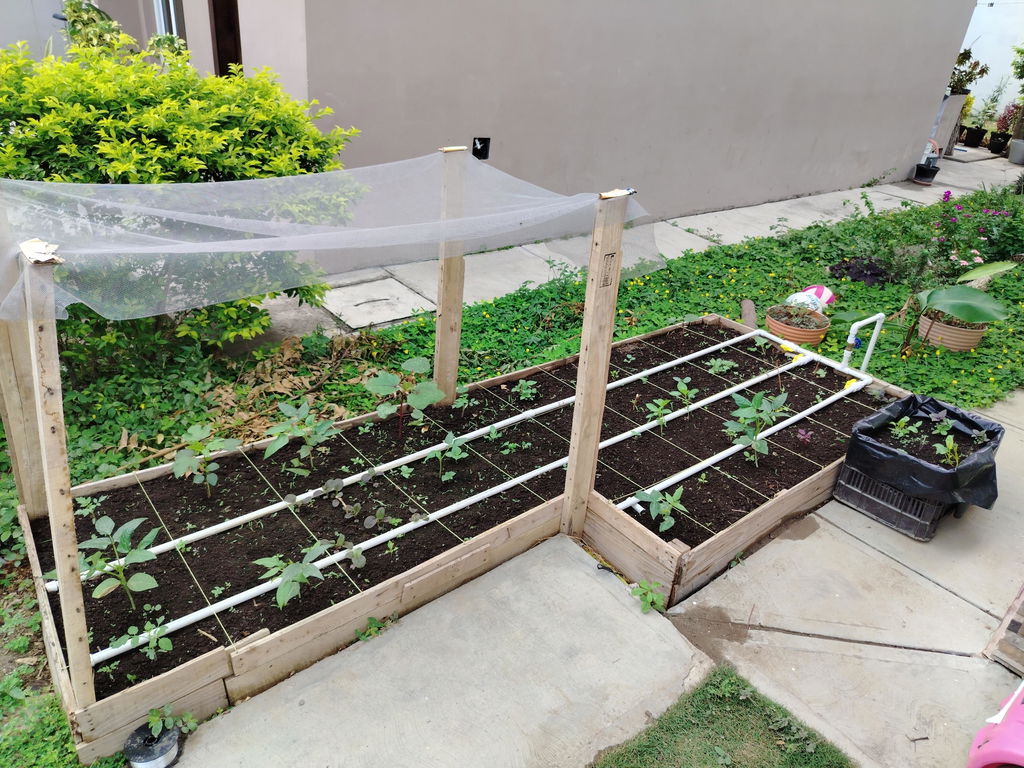
Direct Sowing: Sow seeds directly outdoors in late spring after the danger of frost has passed. Plant seeds 1/2 inch deep and 12-18 inches apart in rows spaced 3-4 feet apart.
Indoor Starting: For an earlier start, sow seeds indoors 4-6 weeks before the last frost date. Use seed-starting trays filled with a seed-starting mix. Lightly press the seeds into the surface and keep the soil moist.
Germination: Seeds typically germinate within 7-14 days. Maintain consistent moisture levels in the soil during this period.
Transplanting: If starting indoors, transplant seedlings outdoors after the danger of frost has passed. Space seedlings 12-18 inches apart to allow for adequate air circulation and growth.
Care Instructions:
Watering: Water regularly to keep the soil evenly moist but not waterlogged. Okra requires consistent moisture for optimal growth.
Fertilizing: Apply compost or a balanced organic fertilizer if the soil is not rich enough.
Mulching: Apply a thin layer of mulch around the base of the plants to help retain moisture and suppress weeds.
Special Considerations:
Support: Provide support for taller varieties to prevent them from falling over.
Pests and Diseases: Okra can be affected by aphids, spider mites, and root-knot nematodes. Use organic methods like neem oil or insecticidal soap if necessary.
The foundation of successful growth begins with maximizing sunlight. Okra requires full, direct sun for most of the day to support its rapid growth and continuous flowering. Insufficient light leads to tall, weak plants with reduced pod production. Strong sunlight not only drives photosynthesis but also helps keep foliage dry, reducing the likelihood of fungal issues. Positioning plants in an open area with uninterrupted exposure is essential for optimal performance.
Temperature plays a major role in okra development. Red Burgundy okra thrives in sustained heat and actually increases productivity as temperatures rise. Growth accelerates in warm conditions, while cooler temperatures slow development significantly. Because of this, okra often performs best during the peak of summer when other crops may struggle. Maintaining consistent warmth allows the plant to produce continuously over a long period.
Soil quality and structure are key to supporting strong, upright growth. Okra prefers well-drained soil with moderate fertility. While it is somewhat adaptable, it performs best when soil has good structure and sufficient organic matter. Excessively rich soil—particularly with high nitrogen—can lead to excessive leafy growth at the expense of pod production. Balanced fertility supports steady growth without overstimulating foliage.
Water management is critical for maintaining pod quality. While okra is somewhat drought-tolerant once established, inconsistent watering can lead to tough, fibrous pods and reduced yield. Deep, consistent watering encourages strong root systems and steady growth. Allowing the soil to dry slightly between waterings helps prevent root issues, but prolonged dryness should be avoided. Mulching can help regulate moisture and temperature, especially during periods of intense heat.
Managing plant structure is an important but often overlooked aspect of growing okra. As plants mature, they can become tall and produce leaves along the lower stem that no longer contribute significantly to photosynthesis. Removing older, lower leaves can improve airflow around the base of the plant and reduce the risk of disease. In some cases, topping the plant later in the season can encourage branching and extend production.
One of the most important practices for maximizing yield is consistent harvesting. Okra pods grow quickly and must be picked frequently—often every 1–2 days—while still tender. Allowing pods to mature on the plant signals the plant to slow or stop production. Regular harvesting keeps the plant in a productive cycle, encouraging continuous flowering and pod set.
Airflow becomes increasingly important as plants grow taller and denser. Proper spacing ensures that air can move freely between plants, reducing humidity and minimizing disease risk. Good airflow also helps leaves dry more quickly after watering or rain, which further reduces fungal pressure.
Nutrient management should be adjusted throughout the season. Early growth requires nutrients to establish strong stems and leaves, but once flowering begins, excessive nitrogen should be avoided. Too much nitrogen leads to vigorous foliage with fewer pods. Maintaining balanced nutrition supports both plant health and consistent production.
Weed control is most important during early growth. Young okra plants are not highly competitive, and weeds can limit access to nutrients and water. Once established, okra grows vigorously and can outcompete many weeds, but early management is essential for strong development.
Pest monitoring should be ongoing, especially during the early and mid-season stages. While okra is relatively resilient, pests such as aphids, flea beetles, and stink bugs can reduce plant vigor and damage pods. Early detection and intervention prevent small issues from becoming larger problems.
Another important factor is plant longevity. Okra can produce for an extended period if maintained properly. Removing older leaves, continuing to harvest regularly, and maintaining consistent watering all help extend the productive life of the plant. In long growing seasons, plants can become quite tall, and continued care ensures they remain productive rather than declining prematurely.
Environmental stress management also plays a role in overall success. While okra tolerates heat well, extreme conditions combined with poor moisture management can reduce productivity. Maintaining stable conditions—consistent watering, balanced nutrients, and proper spacing—helps the plant remain resilient.
Overall, growing Red Burgundy okra successfully is about maintaining momentum. Once the plant is established, the goal is to keep it actively growing and producing without interruption. By maximizing sunlight, managing water and nutrients, ensuring proper airflow, and harvesting consistently, growers can achieve a steady supply of tender, high-quality pods throughout the growing season.
One of the most important techniques is mastering harvest timing and frequency. Okra pods grow extremely fast—often reaching harvest size within just a few days. The key to tender, high-quality pods is harvesting early and often. Check plants daily once production begins, and pick pods when they are still young and flexible. If pods are left even slightly too long, they quickly become tough and fibrous. Frequent harvesting also signals the plant to continue producing, significantly increasing total yield over the season.
Another critical strategy is managing plant height and structure. Red Burgundy okra can grow quite tall, especially in rich soil and warm conditions. As plants mature, they often develop older leaves along the lower stem that no longer contribute much to growth. Removing these lower leaves improves airflow, reduces disease risk, and makes harvesting easier. In long growing seasons, topping the plant (cutting the main stem once it reaches a desired height) can encourage branching, leading to additional flowering and extended production.
Spacing and airflow management are essential for long-term plant health. While okra grows upright, crowded planting can create dense foliage that traps humidity. Proper spacing ensures that air can circulate freely, reducing the risk of fungal diseases and helping leaves dry quickly after watering or rain. Good airflow also improves overall plant efficiency and reduces pest pressure.
Water consistency is one of the most overlooked factors affecting pod quality. While okra tolerates heat and some drought, inconsistent watering can lead to tough pods and reduced production. Deep, even watering encourages strong root systems and steady growth. Mulching around the base of the plant helps retain moisture, regulate soil temperature, and reduce stress during hot periods.
Nutrient management should be balanced and intentional. Okra does not require extremely rich soil, and excessive nitrogen can lead to vigorous leafy growth with fewer pods. If plants appear lush but are not producing well, reducing nitrogen inputs can help shift energy toward flowering and pod development. A steady, balanced nutrient supply supports consistent production without overstimulating foliage.
Another useful technique is succession planting in warmer regions. Because okra thrives in heat, planting a second round a few weeks after the first can extend the harvest season and ensure continued production even as earlier plants begin to slow down. This approach is especially effective in long growing climates.
Pest monitoring is most important during early growth and peak summer conditions. While okra is relatively resilient, pests such as aphids, flea beetles, and stink bugs can reduce plant vigor and damage pods. Regular inspection allows for early intervention, preventing minor issues from becoming significant problems. Healthy, vigorous plants are naturally more resistant, so maintaining strong growth is the best defense.
Sunlight optimization is another key factor. While okra requires full sun, ensuring that plants are not shaded by nearby crops or structures improves both growth and yield. Strong sunlight drives photosynthesis, which directly impacts pod production and plant health.
Temperature management works in your favor with okra. Unlike many crops that struggle in extreme heat, okra thrives in it. However, combining high heat with poor moisture management can stress the plant. Maintaining consistent watering during heat waves ensures that the plant continues producing at peak levels rather than slowing down.
Weed control early in the season is essential for strong establishment. Young okra plants are not highly competitive, and early weed pressure can limit growth. Once established, okra grows vigorously and can outcompete most weeds, but giving it a clean start is critical.
Another advanced tip is monitoring plant signals closely. If plants are tall but not producing, it often indicates excess nitrogen. If pods are tough, it usually means they are being harvested too late or the plant is under moisture stress. Yellowing leaves may indicate nutrient imbalance or root issues. Responding to these signals quickly allows you to adjust conditions and maintain productivity.
Finally, consistency is the key to success. Red Burgundy okra is a crop that rewards regular attention—consistent watering, frequent harvesting, and ongoing observation. When these practices are maintained, the plant remains highly productive, delivering a steady supply of tender, high-quality pods throughout the growing season.
By focusing on harvest timing, plant structure, moisture consistency, and balanced nutrition, growers can maximize both yield and quality, making Red Burgundy okra one of the most reliable and rewarding warm-season crops.
One of the most common pests affecting okra is aphids. These small, soft-bodied insects cluster on the undersides of leaves and along stems, feeding on plant sap. Their feeding causes leaves to curl, yellow, and weaken over time. Aphids also produce honeydew, which encourages the growth of sooty mold, reducing the plant’s ability to photosynthesize. Light infestations can be controlled by spraying plants with a strong stream of water, while heavier infestations can be managed with insecticidal soap or neem oil. Encouraging beneficial insects like lady beetles and lacewings is one of the most effective long-term control strategies.
Flea beetles are another frequent issue, especially in the early stages of growth. These small, jumping beetles chew tiny holes in leaves, giving them a “shot-hole” appearance. While mature plants can tolerate some damage, heavy infestations on young seedlings can significantly stunt growth. Floating row covers can protect plants early in the season, and maintaining healthy, vigorous plants helps them outgrow minor damage.
Spider mites can become problematic in hot, dry conditions, which are common in okra-growing environments. These microscopic pests feed on leaf tissue, causing fine speckling, yellowing, and eventual leaf drop. Because infestations can escalate quickly, regular inspection is important. Maintaining consistent moisture and occasionally rinsing foliage can help prevent outbreaks. Severe infestations may require targeted treatments such as neem oil.
Whiteflies may also appear, especially in warm climates. They feed on the undersides of leaves, weakening the plant and producing honeydew that leads to sooty mold. Yellow sticky traps can help monitor populations, while insecticidal soap or neem oil can reduce infestations.
Stink bugs and leaf-footed bugs are common pests that directly affect okra pods. They pierce the pods and suck out juices, causing deformities, discoloration, and reduced quality. Damaged pods may become tough or develop blemishes. Hand removal and regular monitoring are effective, especially in smaller plantings.
Caterpillars, such as corn earworms and armyworms, can feed on leaves and sometimes bore into pods. They can cause significant damage if left unchecked. Hand-picking, biological controls like Bacillus thuringiensis (Bt), and encouraging natural predators can help manage populations.
Fungal diseases are less common in okra than in some crops but can still occur under humid conditions. Powdery mildew appears as a white, powdery coating on leaves, reducing photosynthesis and weakening the plant. Good spacing, proper airflow, and watering at the base of the plant help prevent its spread. If necessary, organic fungicides can be used.
Leaf spot diseases can cause dark or discolored spots on leaves, which may lead to premature leaf drop. These diseases are often spread by water splash and poor airflow. Avoiding overhead watering, removing affected leaves, and practicing crop rotation help reduce incidence.
Root rot can occur in poorly drained soils or with excessive watering. Symptoms include wilting, yellowing, and stunted growth. Ensuring well-drained soil and avoiding overwatering are the most effective preventative measures.
Environmental stress plays a major role in okra health. While Red Burgundy okra thrives in heat, inconsistent watering can lead to tough or woody pods and reduced yield. Drought stress slows growth, while overwatering can weaken roots and increase disease risk. Maintaining consistent, moderate moisture is key.
Nutrient imbalance can also affect performance. Okra benefits from balanced fertility, but excessive nitrogen can lead to lush foliage with reduced pod production. On the other hand, poor soil fertility can result in weak plants and low yields.
Weed competition is most important during early growth. Young okra plants are not highly competitive, and weeds can limit access to nutrients and water. Once established, okra grows vigorously and becomes more competitive.
Another common issue is delayed harvesting. Okra pods grow quickly and become tough and fibrous if left on the plant too long. Regular harvesting encourages continued production and maintains pod quality.
The most effective approach to managing pests and problems in Red Burgundy okra is preventative: maintain proper spacing for airflow, provide consistent watering, monitor regularly for pests, and harvest frequently. Healthy, well-managed plants are highly resilient and capable of producing abundant, high-quality pods even under moderate pest pressure.
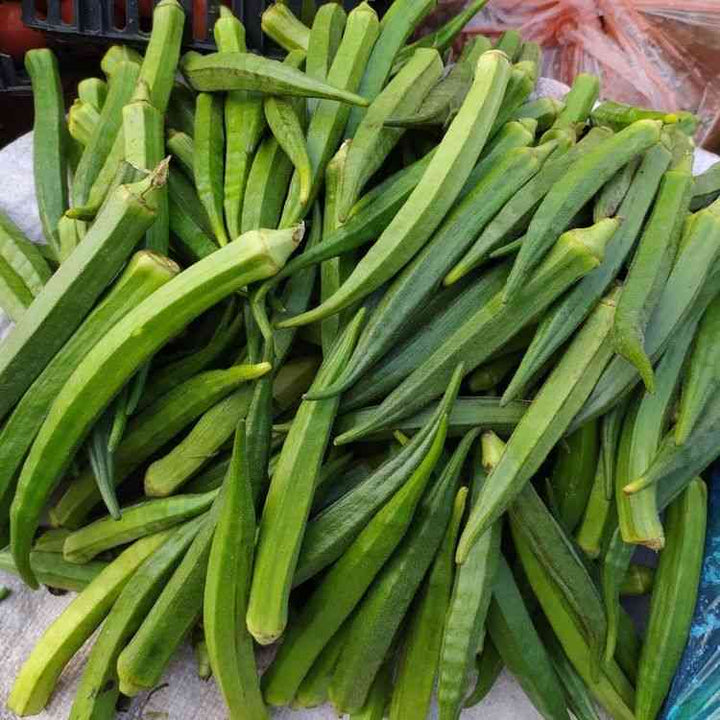
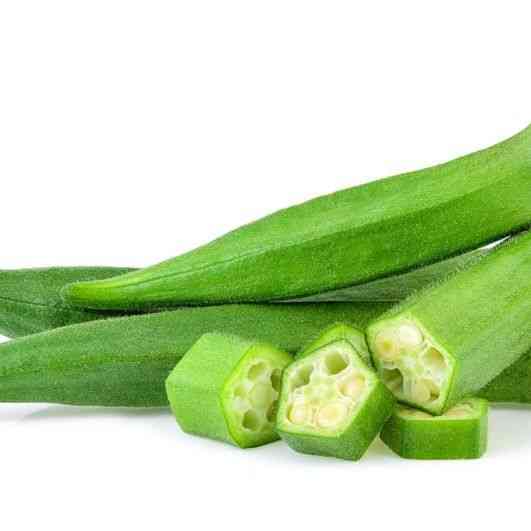
A: Red Burgundy okra is primarily distinguished by its striking deep red to burgundy-colored pods and stems. While it offers the same flavor and texture as traditional green okra, its color adds visual appeal in the garden and on the plate. The pods typically turn green when cooked, but the plant itself remains highly ornamental, making it both a productive and decorative crop.
Q: Is Red Burgundy okra edible at all stages?
A: It is edible only when harvested young and tender. Pods should typically be picked when they are about 3–6 inches long. If left on the plant too long, they become tough, fibrous, and less suitable for eating. Mature pods are better reserved for seed saving rather than consumption.
Q: How long does Red Burgundy okra take to produce?
A: Okra is a relatively fast warm-season crop, often beginning to produce pods within 50–60 days under ideal conditions. Once it starts producing, it continues steadily throughout the growing season if harvested regularly.
Q: Does Red Burgundy okra require a lot of space?
A: While it grows upright rather than sprawling, it still benefits from proper spacing to allow airflow and sunlight penetration. Plants can grow several feet tall, so giving each plant adequate room helps reduce disease risk and supports higher yields.
Q: Can Red Burgundy okra be grown in containers?
A: Yes, it can be grown in large containers, provided they are deep enough to support the plant’s root system. Consistent watering and nutrient management are especially important in container growing, as soil dries out more quickly than in-ground beds.
Q: What kind of climate does okra prefer?
A: Okra thrives in hot, sunny climates and performs best in sustained warm temperatures. It is highly heat-tolerant and actually grows more vigorously as temperatures rise. Cool weather slows growth significantly, and frost will kill the plant.
Q: How much water does Red Burgundy okra need?
A: It prefers moderate, consistent watering. While okra is somewhat drought-tolerant once established, irregular watering can lead to tough pods and reduced production. Deep watering encourages strong root systems and steady growth.
Q: Why are my okra pods tough or woody?
A: This is usually due to harvesting too late. Okra pods grow quickly and should be picked frequently while still tender. Environmental stress, such as drought or excessive heat combined with low moisture, can also contribute to tougher pods.
Q: How often should I harvest okra?
A: Okra should be harvested every 1–2 days once production begins. Frequent harvesting encourages the plant to continue producing new pods and prevents existing pods from becoming overmature.
Q: Do I need to prune okra plants?
A: Pruning is not typically necessary, but removing older, lower leaves can improve airflow and reduce disease risk. In some cases, topping the plant can encourage branching and increased production later in the season.
Q: What pests should I watch for?
A: Common pests include aphids, flea beetles, spider mites, and stink bugs. These pests can damage leaves and pods or reduce plant vigor if not managed early.
Q: What diseases affect Red Burgundy okra?
A: Powdery mildew and leaf spot diseases are the most common. These are usually related to humidity and poor airflow. Proper spacing and watering at the base of the plant help prevent most issues.
Q: Can I save seeds from Red Burgundy okra?
A: Yes, it is an open-pollinated variety, so seeds can be saved. Allow pods to fully mature and dry on the plant before harvesting seeds. This ensures they are fully developed and viable.
Q: How tall does Red Burgundy okra grow?
A: Plants can grow quite tall, often reaching several feet in height under good conditions. This upright growth habit makes it easier to manage compared to sprawling crops.
Q: Is Red Burgundy okra good for beginners?
A: Yes, it is considered beginner-friendly, especially in warm climates. It is relatively low-maintenance once established and produces reliably with basic care.
Q: Why are my plants growing but not producing many pods?
A: This can be caused by excessive nitrogen, which promotes leafy growth instead of fruiting, or by environmental stress such as inconsistent watering or insufficient heat. Ensuring balanced nutrients and proper growing conditions improves production.
Q: Does okra require pollination?
A: Yes, okra flowers are self-fertile but benefit from pollinator activity. Bees and other insects help ensure consistent and abundant pod set.
Q: What makes Red Burgundy okra especially valuable?
A: Its combination of productivity, heat tolerance, and striking color makes it both a practical food crop and an ornamental plant. It provides reliable yields while also enhancing the visual appeal of the garden.
Okra Seeds - Red Burgundy Okra
-
Bertie County Seeds
Pickup currently unavailable
124 South Main Street
+18337607333
Colerain NC 27924
United States
Okra was cultivated in ancient Egypt as early as the 12th century BCE, where it was valued as both a food crop and a practical plant for thickening soups and stews due to its natural mucilage. This culinary trait became central to its role in many traditional cuisines. As trade routes expanded, okra moved eastward into the Arabian Peninsula and India, where it became deeply integrated into regional food systems. In South Asia, it is known as “bhindi” and remains a staple vegetable, widely used in everyday cooking.
The spread of okra into the Americas is closely tied to the transatlantic movement of people and crops. It was brought to the Caribbean, Central America, and the southern United States through the African diaspora, where it became an essential component of agricultural and culinary traditions. In the American South, okra became a cornerstone crop, particularly valued in dishes such as gumbo, where its thickening properties and flavor are essential. Its adaptability to hot climates made it especially well-suited to Southern growing conditions.
Red Burgundy okra represents a later development within this long history of cultivation. Unlike traditional green okra varieties, Red Burgundy was selected for its striking deep red coloration, which extends through the stems, veins, and pods. This pigmentation is due to the presence of anthocyanins, compounds that also contribute antioxidant properties. The development of red okra varieties reflects a period of horticultural selection focused not only on productivity and flavor but also on visual appeal and diversity.
Although the exact origin of Red Burgundy okra as a named variety is not tied to a single documented breeder, it is generally considered an American heirloom selection. It emerged from the broader tradition of open-pollinated breeding, where growers selected plants over generations for desirable traits such as color, pod quality, and adaptability. Its introduction added a new dimension to okra cultivation, combining ornamental value with reliable productivity.
Culturally, okra holds significant importance across many regions of the world. In African, Caribbean, and Southern U.S. cuisines, it is more than just a vegetable—it is a foundational ingredient tied to identity, tradition, and heritage. Red Burgundy okra, while sharing these cultural roots, also reflects a modern appreciation for diversity in the garden, where visual characteristics are valued alongside culinary performance.
In traditional agricultural systems, okra has long been appreciated for its resilience and productivity in hot climates. It requires relatively simple inputs once established and produces continuously over an extended period. This made it an important crop for small-scale farmers and home gardeners, particularly in regions where other crops struggled in high heat.
In contemporary gardening and agriculture, Red Burgundy okra continues to gain popularity due to its dual role as both a food crop and an ornamental plant. Its tall, upright growth and striking coloration make it suitable for edible landscaping, where it can serve both aesthetic and practical purposes. The visual appeal of its deep red pods and stems has made it especially attractive in markets and home gardens alike.
The history of Red Burgundy okra reflects the broader journey of okra itself—from ancient African domestication to global cultivation, and from purely functional crop to one that also embodies aesthetic and cultural value. It stands as a continuation of traditional agricultural practices while also representing the evolving priorities of modern growers who seek both productivity and diversity in their crops.
1. Selecting Plants for Seed Saving:
Choose healthy plants with vigorous growth and abundant pods.
Avoid plants showing signs of disease or poor growth.
2. Harvesting Seeds:
Timing: Allow the pods to mature and dry on the plant until they turn brown and begin to crack open.
Collection: Harvest the dry pods before they start to shatter.
3. Drying Seeds:
Place the pods in a well-ventilated, dry area. Allow them to dry completely for one to two weeks.
4. Cleaning Seeds:
Separation: Open the pods and remove the seeds.
Inspection: Ensure seeds are clean and free from mold or pests.
5. Storing Seeds:
Containers: Store seeds in labeled paper envelopes or airtight containers.
Storage Conditions: Keep in a cool, dry, and dark place.
Viability: Use seeds within two to three years for best results.
6. Testing Seed Viability:
Test by placing seeds on a damp paper towel in a plastic bag in a warm place and check for germination.
Tips for Successful Seed Saving:
Isolation: Maintain distance between different okra varieties to prevent cross-pollination.
Pollinators: Encourage pollinators for better seed production.
Record Keeping: Keep detailed records of the process.
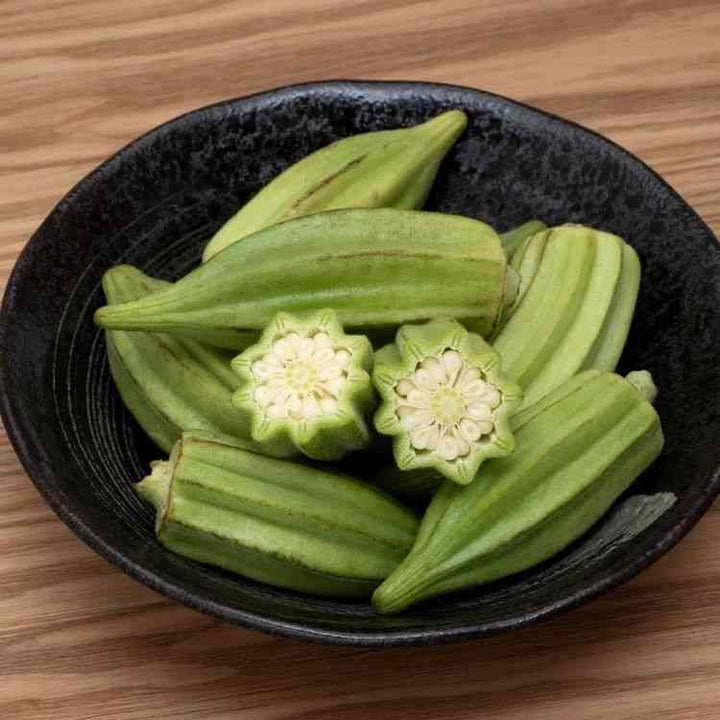
From a culinary standpoint, Red Burgundy okra is prized for its tender pods and mild, slightly grassy flavor. When harvested young, the pods are soft and succulent, making them ideal for a wide variety of dishes. Okra is commonly used in frying, sautéing, roasting, grilling, and stewing. It is especially well known for its role in thickening soups and stews due to its natural mucilage, which creates a smooth, rich texture in dishes like gumbo. This thickening property is highly valued in many traditional cuisines, particularly in African, Caribbean, and Southern U.S. cooking.
Beyond traditional uses, okra is highly adaptable in modern kitchens. It can be pickled for preservation, adding both flavor and texture to preserved foods. It can also be grilled or roasted to reduce mucilage while enhancing its natural sweetness. Its versatility allows it to be incorporated into both simple and complex recipes, making it a valuable ingredient for diverse culinary applications.
Nutritionally, Red Burgundy okra provides a range of important health benefits. It is a good source of dietary fiber, which supports digestion and gut health. It also contains essential vitamins such as vitamin C and vitamin K, along with antioxidants that contribute to overall wellness. The mucilage found in okra is not only useful in cooking but also beneficial for digestive health, helping to soothe the digestive tract.
From a production perspective, Red Burgundy okra is highly efficient and productive. Once established, the plant produces continuously throughout the growing season, often yielding large quantities of pods from a relatively small planting area. Its upright growth habit allows for efficient use of space compared to sprawling crops, making it suitable for both small gardens and larger growing operations.
Its strong heat tolerance is another major advantage. Okra thrives in conditions that can stress other crops, making it an excellent choice for hot climates and summer growing. This resilience ensures consistent production even during periods of high temperatures when other vegetables may struggle.
Red Burgundy okra also offers significant ornamental value. Its deep red stems, pods, and veins create a striking visual contrast in the garden. The plant produces attractive flowers similar to hibiscus, adding further aesthetic appeal. This makes it suitable for edible landscaping, where it can serve both decorative and functional roles.
In terms of sustainability, okra is a valuable crop due to its relatively low maintenance requirements once established. It does not require intensive inputs and can perform well in a variety of soil conditions, provided drainage is adequate. Its ability to produce continuously reduces the need for repeated planting, making it an efficient crop over the course of a season.
Culturally, okra holds deep significance in many parts of the world. It is a staple in African, Caribbean, and Southern U.S. cuisines, where it is closely tied to traditional dishes and culinary heritage. Red Burgundy okra, while a visually distinct variety, carries forward this cultural importance while adding a modern dimension through its unique appearance.
For growers interested in seed saving and self-sufficiency, Red Burgundy okra is an open-pollinated variety, allowing seeds to be saved and replanted. This supports long-term cultivation and adaptation to local growing conditions, as well as preservation of heirloom genetics.
Economically, okra can also be a valuable crop for small-scale growers and market gardeners. Its continuous production, combined with its visual appeal, makes it attractive for fresh markets. The distinctive red coloration can help differentiate it from standard green varieties, adding value and interest for customers.
Overall, Red Burgundy okra offers a powerful combination of benefits: reliable production, adaptability to heat, strong nutritional value, culinary versatility, and ornamental appeal. It is a crop that performs consistently in challenging conditions while providing both practical and aesthetic value, making it an excellent choice for a wide range of growers.
Shipped from U.S.A.
Our seeds are grown and sourced from the US. They're then packed and shipped from Colerain NC.
Triple tested
We regularly test the quality and germination rate of our seeds. We're so confident that our seeds are backed by a 1 year warranty!
Payment & Security
Payment methods
Your payment information is processed securely. We do not store credit card details nor have access to your credit card information.
Join Our Newsletter for Exclusive Savings!
Sign up for our newsletter to get a 30% discount code sent straight to your inbox. If it doesn’t appear right away, please check your inbox settings, and if you still need help, we’re here to assist!