Seeds: When properly stored, planted, and cared for, we guarantee reasonable germination and true-to-type growth for one year from purchase.
Non-seed products: Free from defects in materials and workmanship for 30 days from shipment.
Excludes factors outside our control (extreme weather, pests, gardener error). If something’s off, contact us—we’ll make it right with a replacement, repair, or refund.
USDA “bioengineered (BE)” foods are those with detectable genetic material that was modified using in vitro recombinant DNA (rDNA) techniques, in ways
not obtainable through conventional breeding or found in nature. The USDA’s National Bioengineered Food Disclosure Standard uses “bioengineered” as the nationwide labeling term.
Detectable modified genetic material in the final food
Created via in vitro rDNA techniques (e.g., gene transfer)
Modifications not achievable through conventional breeding or nature
—seeds / pkt
( ~ g )
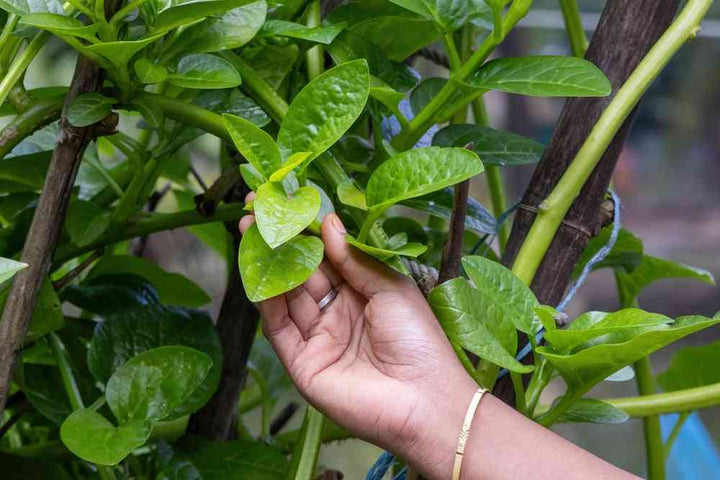
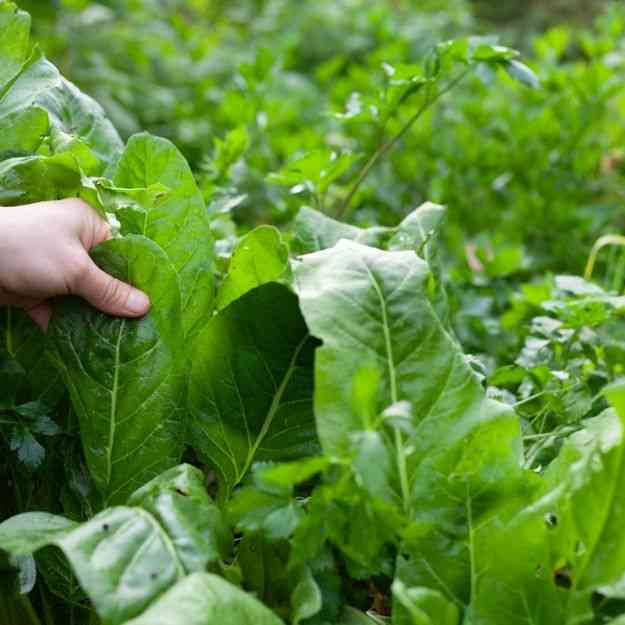
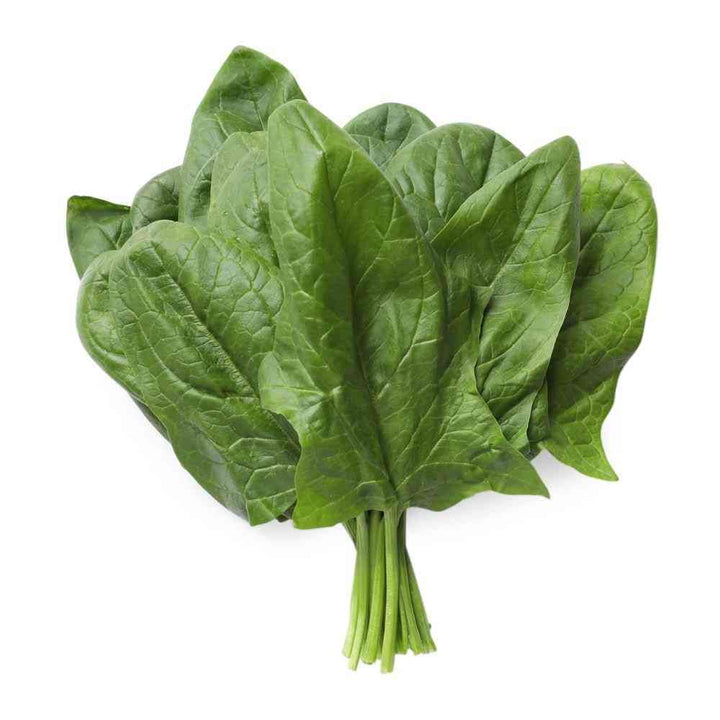
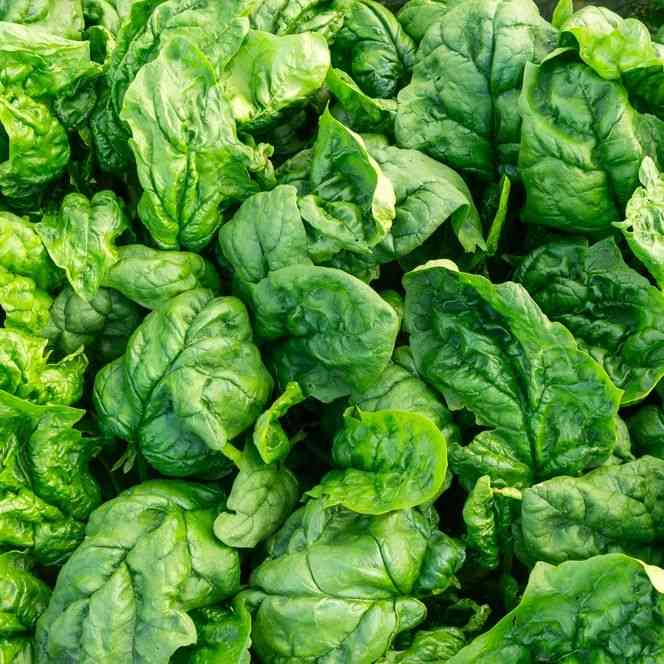
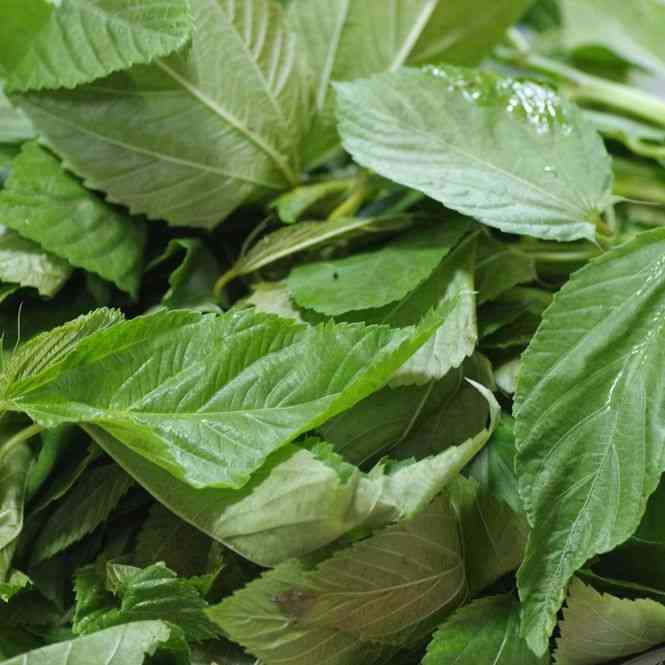
New Zealand Spinach Seeds produce a vigorous, heat-tolerant leafy green known for its sprawling growth habit, succulent leaves, and ability to thrive when true spinach struggles. Unlike traditional spinach, this variety is not a true spinach but a warm-season green that delivers a similar flavor and texture, making it an excellent substitute during hot weather. The thick, triangular leaves have a mild, slightly earthy taste and a tender yet substantial texture that holds up well in both fresh and cooked applications.
New Zealand Spinach Seeds are especially valued for their resilience and extended harvest window. The plant grows as a low, spreading groundcover, producing continuous new growth when harvested regularly. It performs exceptionally well in full sun and warm conditions, tolerating heat, drought, and poorer soils better than most leafy greens. This makes it a dependable crop for summer production, providing a steady supply of nutritious greens when other cool-season crops have bolted or declined.
New Zealand Spinach requires a slightly more deliberate planting approach than many leafy greens due to its hard seed coat, slower germination, and sensitivity to cool soil conditions. While it becomes extremely vigorous once established, success depends heavily on proper preparation, timing, and early-stage care. Understanding how to manage these factors ensures strong establishment and sets the foundation for long-term productivity.
The most important step begins before planting: seed preparation. New Zealand Spinach seeds have a naturally tough outer coating that slows water absorption and delays germination. To improve both speed and uniformity, soak seeds in warm water for 12–24 hours prior to planting. This softens the seed coat and significantly increases germination success. Skipping this step often results in uneven emergence and longer germination times.
Timing is critical. This crop must be planted only after soil temperatures have warmed consistently—ideally above 60–65°F. Planting into cool soil is one of the most common causes of poor performance. In warm soil, seeds typically germinate in 7–14 days, but in cooler conditions, this can stretch much longer or fail entirely. Because it is highly frost-sensitive, ensure all danger of frost has passed before planting outdoors.
Soil preparation should focus on drainage and structure rather than excessive fertility. Work the soil to a depth of 6–8 inches, breaking up compaction and removing debris. New Zealand Spinach prefers well-drained soil, as overly wet conditions can lead to rot even at the seed stage. Incorporating a moderate amount of compost improves structure and provides balanced nutrients without overstimulating growth. Avoid heavy fertilization, especially high nitrogen inputs.
For direct sowing, plant seeds about 1/2 inch deep in moist, well-prepared soil. Spacing should account for the plant’s spreading habit—place seeds 12–18 inches apart, with rows spaced 24–36 inches apart. This wider spacing allows plants to expand naturally without overcrowding, improving airflow and reducing disease risk. After planting, gently firm the soil to ensure good seed-to-soil contact, then water thoroughly.
Moisture management during germination is essential. Keep the soil consistently moist but not saturated. Because seeds take longer to germinate than many greens, it is important to maintain steady moisture throughout this period without overwatering. Excess moisture can cause seeds to rot before sprouting, while dry conditions can halt germination entirely. Light, consistent watering is more effective than heavy, infrequent watering.
Transplanting is an option but is generally less common due to the plant’s sensitivity to root disturbance. If starting indoors or in trays, use a well-draining seed-starting mix and sow seeds about 1/2 inch deep. Because of the larger seed size compared to many greens, handling is easier, but care must still be taken not to damage emerging roots. Start seeds 3–4 weeks before the intended transplant date.
Before transplanting, seedlings must be hardened off gradually over 7–10 days. This involves exposing them to outdoor conditions in increasing increments, allowing them to adjust to sunlight, wind, and temperature fluctuations. Transplant only when soil is fully warm and seedlings are strong, typically with several true leaves.
When transplanting, space plants 12–18 inches apart, maintaining wide row spacing to accommodate spreading growth. Plant at the same depth they were growing in their containers, and water immediately to settle the soil around the roots. Transplanting is best done in the late afternoon or on a cloudy day to reduce stress.
Early-stage care is especially important. Keep the planting area free of weeds, as young New Zealand Spinach plants are not highly competitive. Monitor for pests such as cutworms, which can damage seedlings at the soil line. Row covers can be used temporarily for protection but should be removed once plants begin vigorous growth.
Because establishment is slower than many greens, patience is important. Once plants are rooted and begin active growth, they transition quickly into a vigorous, spreading habit. At this stage, they become much more resilient and require less intensive care.
Overall, successful sowing and transplanting of New Zealand Spinach depend on warm soil, proper seed preparation, consistent moisture, and adequate spacing. Strong early establishment is the key to unlocking the plant’s full potential as a long-season, high-yielding leafy crop.
New Zealand Spinach is a warm-season, sprawling leafy green that excels when managed for continuous production rather than a single harvest. Unlike traditional spinach, it thrives in heat and requires a slightly different growing approach focused on space, moisture balance, and regular harvesting to maintain quality and productivity over time. Once established, it becomes a vigorous, spreading plant that can produce for months under the right conditions.
The most important factor in growing New Zealand Spinach successfully is allowing it enough space to develop its natural growth habit. This plant does not grow upright—instead, it spreads outward along the ground, forming a low, branching network of stems. Managing this growth through spacing and harvesting is key. If left unchecked, it can sprawl extensively, but with regular cutting, it can be maintained in a more compact, productive form. Giving each plant adequate room ensures better airflow, reduces disease risk, and improves overall leaf quality.
Sunlight plays a major role in plant performance. New Zealand Spinach thrives in full sun, where it produces dense, healthy growth and high yields. In extremely hot climates, it can tolerate some partial shade, especially during the hottest part of the day, but too much shade will reduce vigor and leaf production. Strong light encourages thicker, more succulent leaves and helps maintain steady growth throughout the season.
Moisture management is critical but must be balanced carefully. While this plant is more drought-tolerant than true spinach, consistent moisture produces the best results. The goal is evenly moist soil that is never waterlogged. Allowing the soil to dry slightly between waterings encourages deeper root development and stronger plants. However, prolonged drought can slow growth and reduce leaf size, while excessive moisture can lead to root issues and weak, overly soft growth. Mulching can help regulate soil moisture and temperature, especially in hot conditions.
Soil fertility should be moderate rather than excessive. New Zealand Spinach does not require heavily fertilized soil, but it benefits from a balanced growing environment. Too much nitrogen can lead to overly lush, sprawling growth with reduced leaf quality. Incorporating compost before planting is usually sufficient to support healthy, sustained production. Maintaining soil structure and drainage is more important than high fertility levels.
Harvesting technique has a direct impact on productivity. This plant responds extremely well to regular cutting. Instead of harvesting individual leaves, cut back growing tips and outer stems. This encourages branching and results in a fuller, more productive plant. Frequent harvesting keeps leaves tender and prevents the plant from becoming overly woody or coarse. If harvesting is delayed, stems can thicken and leaf quality may decline.
Temperature management is one of the key advantages of this crop. New Zealand Spinach thrives in warm to hot conditions and continues producing when many other greens fail. This makes it an ideal summer crop. However, while it tolerates heat well, extreme conditions combined with drought stress can slow growth. Maintaining consistent moisture during hot periods helps sustain production.
Airflow and plant density should be monitored as the plant matures. Because it grows low and dense, overly thick growth can trap moisture near the soil surface, increasing the risk of minor fungal issues. Regular harvesting and proper spacing help maintain airflow and keep plants healthy. Thinning or pruning can also be used to manage overly dense areas.
Weed control is most important during the early stages of growth. Once established, New Zealand Spinach spreads enough to suppress many weeds naturally. However, seedlings are not highly competitive, so keeping the area clean during establishment is essential for strong early growth.
This plant is also highly adaptable to different growing systems. It performs well in in-ground beds, raised beds, and containers, though containers should be wide enough to accommodate its spreading habit. Good drainage is essential in all systems, as the plant does not tolerate standing water.
New Zealand Spinach is particularly valuable as a seasonal replacement for traditional spinach. It fills a critical gap in warm-weather production, providing a steady supply of leafy greens when cool-season crops are no longer viable. With proper management—especially consistent harvesting and moisture balance—it can produce continuously over a long period.
Overall, success with New Zealand Spinach comes from working with its natural growth pattern rather than against it. By providing space, maintaining balanced moisture, and harvesting regularly, it becomes a highly productive, low-maintenance crop capable of delivering continuous yields throughout the warm season.
New Zealand Spinach is often labeled as an “easy” crop, but getting consistently tender, high-yielding, and well-managed plants requires understanding how to guide its growth rather than simply letting it sprawl. This plant behaves very differently from traditional leafy greens, and the biggest improvements in quality and productivity come from managing establishment, spread, and harvest timing with intention.
The first advanced tip is managing germination success. Many growers struggle early because they treat it like standard greens. Pre-soaking seeds is not optional if you want consistency—it dramatically improves both speed and uniformity. Even with soaking, patience is required, as uneven germination is common. Mark rows clearly so you don’t disturb slow-emerging seedlings, which is a common mistake during early weeding.
Once established, the most important technique is controlling the plant’s natural sprawl. New Zealand Spinach will aggressively spread outward, often taking up far more space than expected. If left unmanaged, this leads to tangled growth, reduced airflow, and more difficult harvesting. Regular pruning and directional harvesting—cutting back longer stems and guiding growth outward—keeps the plant organized and more productive. Think of it as managing a vine rather than a typical leafy green.
Harvest strategy is where experienced growers gain the biggest advantage. Do not wait for large, mature leaves. Instead, harvest growing tips and young stems frequently. This stimulates branching and keeps the plant in a vegetative, highly productive state. The more often you harvest correctly, the more the plant produces. Infrequent harvesting leads to thicker stems, tougher leaves, and slower regrowth.
Moisture consistency is another key factor. While New Zealand Spinach tolerates drought better than true spinach, uneven watering reduces quality. Long dry periods followed by heavy watering can cause stress, resulting in slower growth and tougher leaves. Deep, consistent watering encourages steady production. Mulching is highly effective here, helping regulate both moisture and soil temperature, especially during peak summer heat.
Spacing is often underestimated. Because plants spread horizontally, crowding them early creates long-term problems. Proper spacing allows airflow beneath the canopy, which reduces the risk of fungal issues and keeps leaves cleaner. If plants begin to overlap excessively, selective thinning or aggressive harvesting can restore balance.
A powerful but often overlooked technique is succession planting. Because New Zealand Spinach takes time to establish but produces for a long period, staggering plantings ensures continuous harvest at different growth stages. This prevents reliance on older plants, which may become woody or less productive over time. Younger plants tend to produce more tender growth.
Temperature management can be used strategically. This plant thrives in heat, but extreme heat combined with dry soil can slow production. During peak heat, maintaining soil moisture becomes more important than increasing watering frequency. In cooler climates, using heat-retaining methods like raised beds or dark mulch can improve early growth and speed up establishment.
Weed control early on is critical. Seedlings are slow and not competitive, so early weed pressure can significantly reduce long-term yield. Once established, however, the plant’s spreading habit becomes an advantage, naturally suppressing many weeds. Investing effort early reduces maintenance later.
For container growing, the key adjustment is width rather than depth. This plant spreads, so shallow, wide containers perform better than deep, narrow ones. Drainage must be excellent, as container-grown plants are more susceptible to overwatering. Frequent but controlled watering is necessary, as containers dry out faster than ground soil.
Another advanced tip is managing plant age. Older plants tend to produce thicker stems and slightly tougher leaves. While still usable, quality declines compared to younger growth. Regularly introducing new plantings and phasing out older ones maintains consistent quality across your harvest.
Finally, observation is one of the most valuable tools. New Zealand Spinach gives clear signals—leggy growth indicates insufficient light, slow growth suggests cool soil or nutrient imbalance, and tough leaves often point to irregular watering or delayed harvesting. Adjusting based on these signals leads to much better results than following a rigid schedule.
With proper seed preparation, consistent moisture, controlled spacing, and disciplined harvesting, New Zealand Spinach becomes an extremely productive and reliable crop. Managing it intentionally transforms it from a sprawling plant into a highly efficient, long-season source of high-quality greens.
New Zealand Spinach (Tetragonia tetragonioides) is known for its resilience and ability to thrive in heat where true spinach fails, but it is not completely immune to pests, diseases, and environmental stress. Because it grows as a sprawling, ground-hugging plant with succulent leaves, most issues arise from moisture imbalance, airflow limitations, or early-stage pest pressure. While generally low-maintenance, understanding how problems develop—and how to prevent them—will significantly improve yield and leaf quality.
One of the most common pests affecting New Zealand Spinach is aphids. These small sap-sucking insects cluster on tender new growth and along stems, feeding on plant juices. This can cause leaf curling, distortion, and slowed growth. Aphids also produce honeydew, a sticky substance that can lead to sooty mold, reducing photosynthesis. Early detection is key—inspect new growth regularly. Light infestations can be managed with strong water sprays, while heavier populations may require insecticidal soap or neem oil. Encouraging beneficial insects such as lady beetles and lacewings helps maintain long-term control.
Spider mites can become an issue during hot, dry conditions, especially when plants are under stress. These tiny pests feed on leaf tissue, causing fine speckling, dull coloration, and eventual leaf decline. Because New Zealand Spinach thrives in heat, mite populations can build quickly if plants are not monitored. Increasing humidity slightly through occasional rinsing and maintaining consistent moisture reduces susceptibility. Severe infestations may require repeated washing or targeted treatments.
Whiteflies may also appear, particularly in warm environments. They feed on the undersides of leaves and can weaken plants over time, causing yellowing and reduced vigor. Like aphids, they excrete honeydew, contributing to fungal growth. Sticky traps can help monitor populations, and insecticidal soaps are effective when applied thoroughly to leaf undersides.
Leaf-chewing pests such as caterpillars and beetles can cause visible damage by creating holes or removing sections of leaves. While mature plants can tolerate some damage, heavy feeding can reduce photosynthetic capacity and slow growth. Hand-picking is effective in small plantings, and biological controls like Bacillus thuringiensis (Bt) can be used for caterpillar control. Maintaining plant health helps them recover quickly from minor damage.
Cutworms can damage young seedlings by cutting stems at the soil line, often overnight. This is most common in newly prepared beds with residual organic matter. Using collars around seedlings, disturbing soil before planting, and monitoring early growth stages can reduce this risk. Once plants are established, they are far less vulnerable.
Disease pressure in New Zealand Spinach is generally low but can occur under conditions of excess moisture and poor airflow. Root rot is the most significant issue and is almost always linked to waterlogged soil. Because the plant prefers well-drained conditions, standing water or compacted soil can lead to root damage, wilting, and eventual plant decline. Prevention is critical—ensure proper drainage and avoid overwatering.
Fungal issues such as leaf spots or mild mildews may appear in humid conditions, especially when plants are densely spaced and airflow is limited. These typically show up as discolored patches or lesions on leaves. While not usually severe, they can reduce leaf quality. Improving spacing, watering at the soil level, and harvesting regularly to open up the canopy helps reduce these problems.
Damping-off can affect seedlings, particularly in overly wet or poorly ventilated conditions. This causes young plants to collapse shortly after emergence. Using well-drained soil, avoiding overwatering, and ensuring good airflow are the best preventative measures.
Environmental stress is often a bigger factor than pests or disease. While New Zealand Spinach is highly tolerant of heat and drought, extreme stress—especially prolonged dry conditions during early growth—can slow establishment and reduce leaf production. Conversely, excessive moisture can lead to weak growth and increased disease risk. Maintaining a balance between moderate moisture and good drainage is essential.
Another common issue is overcrowding. Because the plant spreads outward, dense planting can create a thick mat that traps moisture near the soil surface. This can increase the likelihood of fungal issues and reduce airflow. Regular harvesting and proper spacing help maintain a healthy structure.
Weed competition is most important during early growth. Once established, New Zealand Spinach spreads and suppresses many weeds naturally, but seedlings are not competitive. Keeping the area weed-free during establishment ensures strong growth and better long-term performance.
Overall, New Zealand Spinach is a highly resilient crop that encounters relatively few serious problems when grown under proper conditions. Most issues can be prevented through good drainage, consistent but moderate watering, proper spacing, and regular monitoring. Healthy plants are highly tolerant and recover quickly, making this one of the more forgiving and reliable greens for warm-season production.
Q: Is New Zealand Spinach actually spinach?
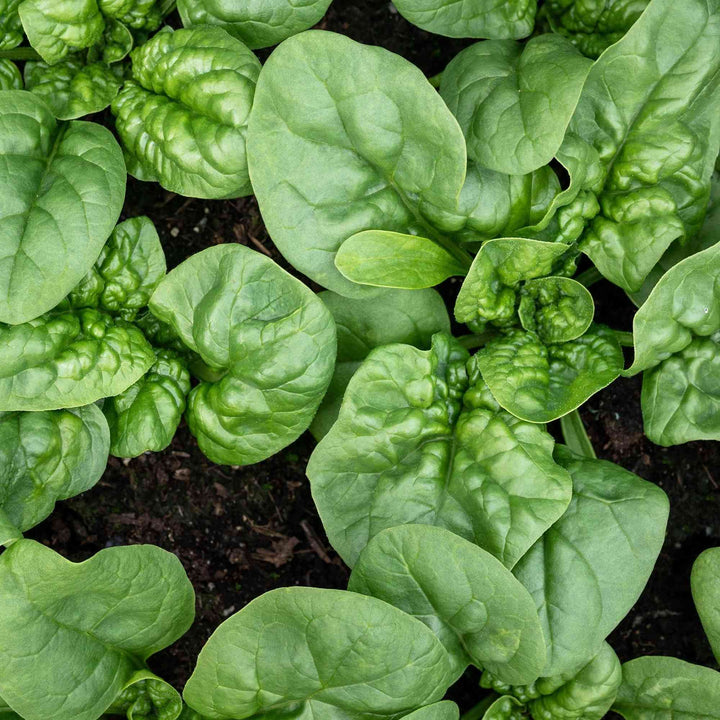
A: No, it is not a true spinach. New Zealand Spinach (Tetragonia tetragonioides) is a completely different species, but it is used as a spinach substitute due to its similar flavor and cooking qualities. Unlike true spinach (Spinacia oleracea), it thrives in heat and does not bolt quickly in warm weather. This makes it especially valuable for summer production when traditional spinach fails.
Q: How does New Zealand Spinach taste compared to regular spinach?
A: It has a mild, slightly earthy flavor that is similar to spinach but often considered a bit less delicate. The leaves are thicker and more succulent, giving them a slightly different texture. When cooked, it behaves very similarly to spinach and can be used as a direct substitute in most recipes.
Q: Why is New Zealand Spinach slow to start growing?
A: This plant is known for having a slower germination and establishment phase compared to many greens. Seeds have a naturally hard outer coating, which can delay sprouting. Once established, however, the plant grows rapidly and becomes highly productive. Patience during the early stage is important, as growth accelerates significantly after establishment.
Q: Can I speed up germination?
A: Yes, soaking seeds in water for 12–24 hours before planting can help soften the seed coat and improve germination speed and consistency. Warm soil temperatures are also critical—cool soil will significantly delay or reduce germination.
Q: How long does it take before I can start harvesting?
A: Initial harvests typically begin around 50–70 days after planting, depending on conditions. However, once the plant is established, it produces continuously. Regular harvesting encourages faster regrowth and extends the productive period.
Q: Does New Zealand Spinach regrow after cutting?
A: Yes, it is a strong cut-and-come-again crop. Harvesting tips and outer stems encourages branching and new growth. With regular harvesting, a single plant can produce for an extended period throughout the warm season.
Q: Can New Zealand Spinach be grown in containers?
A: Yes, it grows well in containers if given enough space to spread. Because it has a sprawling habit, wider containers are better than deep, narrow ones. Good drainage is essential, as the plant does not tolerate waterlogged soil.
Q: Does it need full sun?
A: It performs best in full sun, especially in warm climates. However, it can tolerate partial shade, particularly in extremely hot regions where some afternoon shade may help reduce stress. Too much shade can lead to slower growth and less dense foliage.
Q: How much water does New Zealand Spinach need?
A: It is moderately drought-tolerant once established, but consistent moisture produces the best leaf quality and yield. The goal is balanced watering—avoid both prolonged drought and excessive moisture. Well-drained soil is critical to prevent root issues.
Q: Why are my plants sprawling so much?
A: Spreading is the natural growth habit of New Zealand Spinach. It grows outward along the ground rather than upright. This can be managed through spacing, pruning, and regular harvesting to keep growth more compact and controlled.
Q: Can New Zealand Spinach tolerate heat?
A: Yes, it is highly heat-tolerant and one of the best leafy greens for hot weather. It continues producing in temperatures that would cause traditional spinach to bolt or fail. This makes it ideal for summer growing.
Q: Will it survive frost?
A: No, it is frost-sensitive and will be damaged or killed by freezing temperatures. It should be grown during warm seasons and planted after all danger of frost has passed.
Q: Is New Zealand Spinach nutritious?
A: Yes, it is rich in vitamins A and C, along with important minerals. Like true spinach, it is a nutrient-dense leafy green, making it a valuable addition to a balanced diet.
Q: Does it require fertilizer?
A: It does not require heavy feeding but benefits from moderately fertile soil. Excess nitrogen can lead to overly lush growth with reduced structure. A balanced soil with compost is usually sufficient.
Q: Can I save seeds from New Zealand Spinach?
A: Yes, it is typically open-pollinated and seed saving is straightforward. Allow the plant to flower and produce seeds, then collect them once mature and dry. Seeds are relatively large compared to many greens and are easy to handle.
Q: Why are my plants not producing much?
A: Poor production is usually linked to early stress—cool soil at planting, inconsistent watering, or poor establishment. Once the plant is well established in warm conditions, productivity increases significantly.
Q: Is it beginner-friendly?
A: Yes, especially for warm climates. While it requires patience during germination, it becomes very easy to manage once established. Its heat tolerance and long harvest window make it a reliable crop for both new and experienced growers.
Q: Can it be grown year-round?
A: It is best suited for warm-season growing. In frost-free climates, it can be grown for much of the year. In cooler climates, it is grown as a summer crop or started indoors and transplanted once temperatures are warm.
New Zealand Spinach (Tetragonia tetragonioides) has a rich and globally significant history that connects Indigenous food systems, early global exploration, and the evolution of warm-climate agriculture. Unlike true spinach, which originates from Persia and thrives in cool conditions, New Zealand Spinach evolved in coastal and subtropical regions of the South Pacific, particularly in present-day New Zealand, Australia, and parts of East Asia. In these environments, it adapted to sandy soils, high salinity, intense sunlight, and irregular moisture—conditions that shaped its distinctive succulent leaves and sprawling, resilient growth habit.
For thousands of years, New Zealand Spinach was an important food source for Indigenous peoples of these regions, including the Māori of New Zealand and Aboriginal communities in Australia. Known commonly as “Warrigal greens” in Australia, it was traditionally foraged and consumed as a dependable leafy vegetable. Its ability to grow in harsh coastal environments where few other edible plants could thrive made it especially valuable. It was often gathered from wild stands and incorporated into diets as a cooked green, providing essential nutrients in areas where agricultural diversity could be limited by environmental conditions.
The plant’s transition from a regional wild food to a globally recognized crop is closely tied to European exploration in the 18th century. During Captain James Cook’s voyages through the Pacific (1768–1779), New Zealand Spinach was collected and used aboard ships as a fresh food source. Sailors consumed it to help prevent scurvy, a disease caused by vitamin C deficiency that was a major threat during long sea journeys. Its ability to grow quickly and provide fresh greens in challenging conditions made it an invaluable resource during these expeditions. Seeds were subsequently transported back to Europe, where the plant was introduced into cultivation.
In Europe, New Zealand Spinach quickly gained popularity as a summer substitute for true spinach. Traditional spinach was known to bolt and become unusable in warm weather, creating a seasonal gap in leafy green production. New Zealand Spinach filled this gap effectively, offering a heat-tolerant alternative that could be grown during the hottest months. By the late 18th and early 19th centuries, it had become established in European gardens, particularly in regions with warmer climates or during summer growing periods.
As global agriculture expanded, New Zealand Spinach spread to other parts of the world, including North America, Africa, and Asia. It was especially valued in regions where high temperatures limited the production of traditional leafy greens. Its adaptability to different soils, including poor or sandy conditions, made it a practical choice for both small-scale gardeners and larger agricultural systems.
Culturally, the plant occupies an interesting dual identity. In some regions, it is cultivated intentionally as a vegetable crop, while in others it has naturalized and is sometimes viewed as a wild edible or even a weed. Despite this, it continues to be used in traditional cuisines, particularly in Australia and New Zealand, where it remains a recognized and appreciated native food. In modern times, there has been a renewed interest in Indigenous and native crops, bringing greater attention back to plants like New Zealand Spinach and their historical importance.
From an agricultural perspective, New Zealand Spinach represents a bridge between traditional ecological knowledge and modern growing needs. Its long history of use in marginal environments highlights its resilience, while its adoption into global agriculture demonstrates its practical value. It remains particularly important in sustainable and low-input systems, where its tolerance for heat, drought, and less fertile soils reduces the need for intensive management.
Today, New Zealand Spinach continues to be valued as a functional, reliable leafy green that extends the growing season and provides nutritional consistency. Its journey—from coastal wild plant to global crop—reflects both human adaptation and the enduring importance of resilient food sources.
Saving seeds from New Zealand Spinach (Tetragonia tetragonioides):
1. Selecting Plants for Seed Saving:
Choose healthy plants with vigorous growth and abundant leaves.
Avoid plants showing signs of disease or poor growth.
2. Harvesting Seeds:
Timing: Allow the seed capsules to mature and dry on the plant.
Collection: Harvest the dry seed capsules before they start to shatter.
3. Drying Seeds:
Place the seed capsules in a well-ventilated, dry area. Allow them to dry completely for one to two weeks.
4. Cleaning Seeds:
Separation: Open the seed capsules and remove the seeds.
Inspection: Ensure seeds are clean and free from mold or pests.
5. Storing Seeds:
Containers: Store seeds in labeled paper envelopes or airtight containers.
Storage Conditions: Keep in a cool, dry, and dark place.
Viability: Use seeds within three to five years for best results.
6. Testing Seed Viability:
Test by placing seeds on a damp paper towel in a plastic bag in a warm place and check for germination.
Tips for Successful Seed Saving:
Isolation: Maintain distance between different spinach varieties to prevent cross-pollination.
Pollinators: Encourage pollinators for better seed production.
Record Keeping: Keep detailed records of the process.
New Zealand Spinach is a highly versatile, heat-adapted leafy green that offers a unique combination of culinary flexibility, nutritional value, and production efficiency, making it especially valuable in warm-season growing systems. Its primary advantage lies in its ability to replace traditional spinach during periods when true spinach cannot be grown successfully, providing a continuous supply of greens when most other leafy crops have bolted or declined.
From a culinary standpoint, New Zealand Spinach functions as a direct substitute for true spinach in nearly all cooked applications. Its thick, triangular leaves have a succulent texture that holds up exceptionally well under heat, making it ideal for sautéing, steaming, stir-frying, and incorporation into soups, stews, and casseroles. Unlike delicate spinach, which can break down quickly, New Zealand Spinach maintains structure, giving dishes more body and consistency. It is particularly well-suited for recipes that require longer cooking times.
In fresh use, it can also be eaten raw, though its slightly firmer texture makes it better suited to mixed salads rather than as a standalone green. When harvested young, the leaves are more tender and mild, offering a flavor that is similar to spinach but slightly more robust and earthy. This makes it adaptable across a wide range of cuisines, from simple fresh preparations to more complex cooked dishes.
Nutritionally, New Zealand Spinach provides many of the same benefits associated with traditional spinach. It is a good source of vitamins A and C, along with essential minerals that support overall health. Its dense leaf structure contributes to a satisfying texture and provides dietary fiber, making it both nourishing and filling. While it is not identical in composition to true spinach, it serves as a highly effective functional replacement in diets focused on leafy greens.
One of its most significant benefits is its performance under heat stress. Traditional spinach is a cool-season crop that bolts quickly when temperatures rise, often leaving a gap in leafy green production during summer. New Zealand Spinach fills this gap effectively, thriving in warm to hot conditions and continuing to produce high-quality leaves throughout the season. This makes it an essential crop for maintaining a consistent supply of greens across changing seasonal conditions.
From a production standpoint, it is highly efficient once established. Although it has a slower start, it transitions into a vigorous, spreading plant capable of producing continuously for an extended period. Its cut-and-come-again nature allows for repeated harvesting without replanting, reducing labor and increasing overall yield from a single planting. This extended productivity makes it especially valuable for both home gardeners and market growers.
Its growth habit also contributes to its utility. As a low, spreading plant, it can function as a living groundcover, helping to shade the soil, reduce moisture loss, and suppress weeds once established. This not only improves growing conditions but also reduces maintenance requirements over time. Its ability to cover ground efficiently makes it a useful component in diversified planting systems.
New Zealand Spinach is also adaptable to a variety of growing environments. It performs well in traditional garden beds, raised beds, and containers, provided there is enough space for it to spread. This flexibility allows it to be incorporated into both small-scale and larger production systems. Its tolerance for less-than-ideal soil conditions further enhances its reliability, making it a dependable crop even in marginal environments.
Another key benefit is its role in seasonal resilience and food security. Because it produces during periods when other greens are unavailable, it helps maintain dietary consistency and reduces dependence on external food sources. Its long harvest window and ability to regenerate after cutting make it a reliable and sustained source of fresh greens.
Culturally, New Zealand Spinach has a long history of use, particularly in coastal and warm-climate regions, where it has been valued as a dependable leafy vegetable. Its continued use reflects its practicality and adaptability, especially in environments where traditional crops are limited by climate.
Overall, New Zealand Spinach stands out as a highly functional crop that bridges seasonal gaps, offers strong nutritional value, and provides consistent yields with relatively low maintenance. Its combination of heat tolerance, culinary versatility, and long-term productivity makes it one of the most useful greens for warm-weather growing systems.
Shipped from U.S.A.
Our seeds are grown and sourced from the US. They're then packed and shipped from Colerain NC.
Triple tested
We regularly test the quality and germination rate of our seeds. We're so confident that our seeds are backed by a 1 year warranty!
Payment & Security
Payment methods
Your payment information is processed securely. We do not store credit card details nor have access to your credit card information.
Complete the garden
Turn one packet into a full plan.
Help shoppers add companion seeds, garden supplies, and related goals before they leave the product page.
Sign up for our newsletter to get a 30% discount code sent straight to your inbox. If it doesn’t appear right away, please check your inbox settings, and if you still need help, we’re here to assist!
Your cart
Start with a garden goal.Browse seed packets, seasonal picks, pantry goods, or starter garden ideas.
New Zealand Spinach Seeds produce a vigorous, heat-tolerant leafy green known for its sprawling growth habit, succulent leaves, and ability to thrive when true spinach struggles. Unlike traditional spinach, this variety is not a true spinach but a warm-season green that delivers a similar flavor and texture, making it an excellent substitute during hot weather. The thick, triangular leaves have a mild, slightly earthy taste and a tender yet substantial texture that holds up well in both fresh and cooked applications.
New Zealand Spinach Seeds are especially valued for their resilience and extended harvest window. The plant grows as a low, spreading groundcover, producing continuous new growth when harvested regularly. It performs exceptionally well in full sun and warm conditions, tolerating heat, drought, and poorer soils better than most leafy greens. This makes it a dependable crop for summer production, providing a steady supply of nutritious greens when other cool-season crops have bolted or declined.