Variety field guide
What to expect from Lilliput Mixture Zinnia Seeds
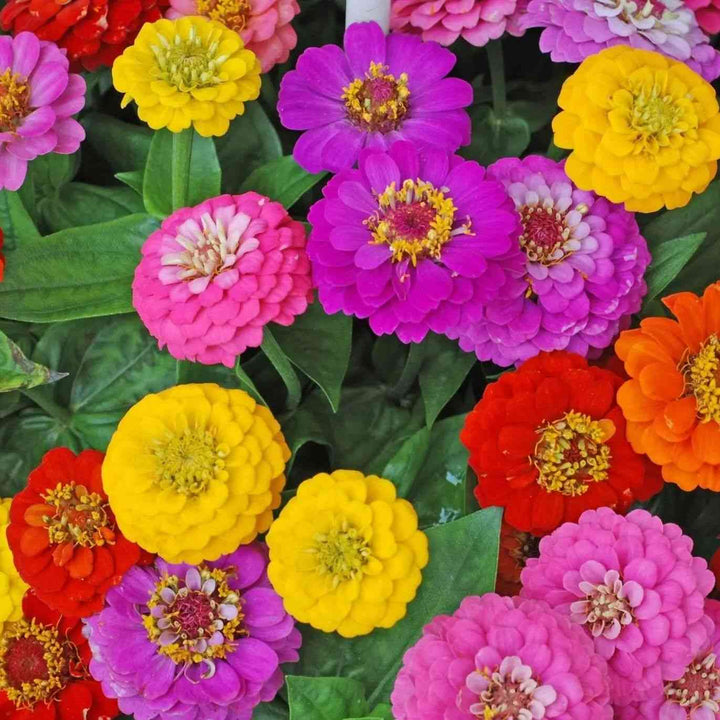
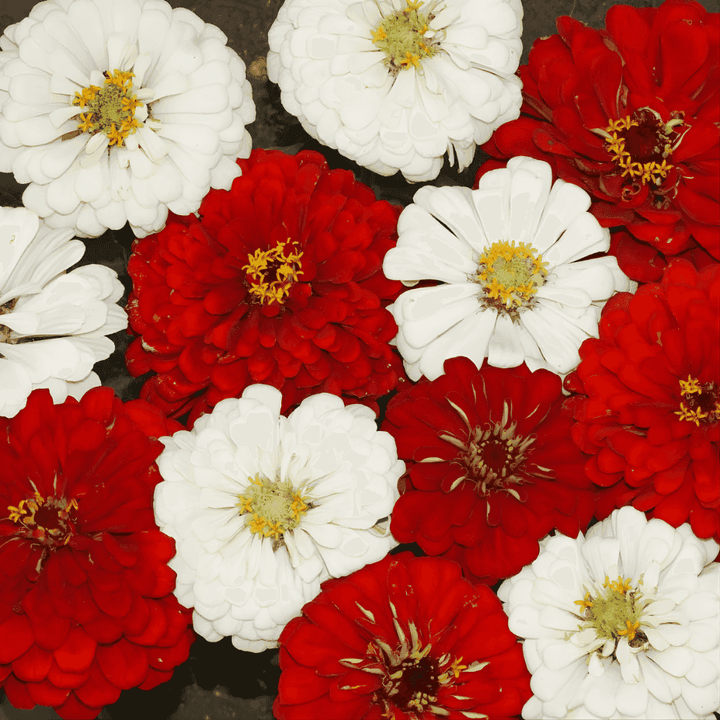
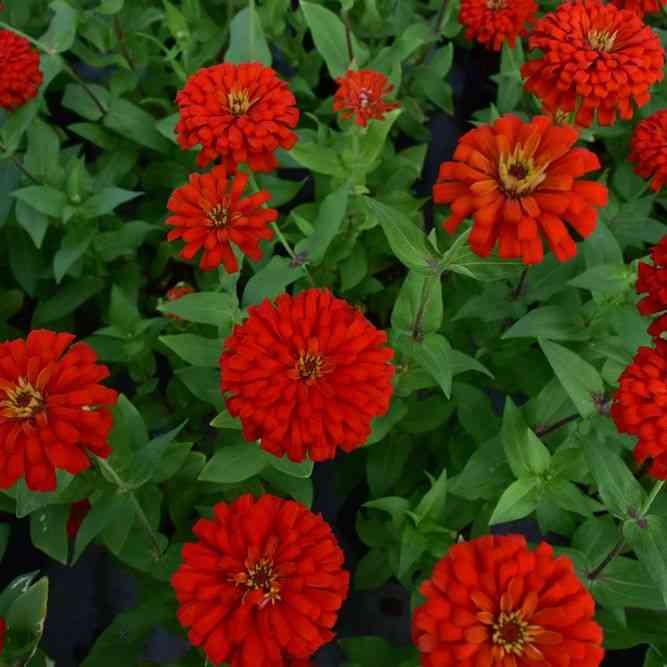
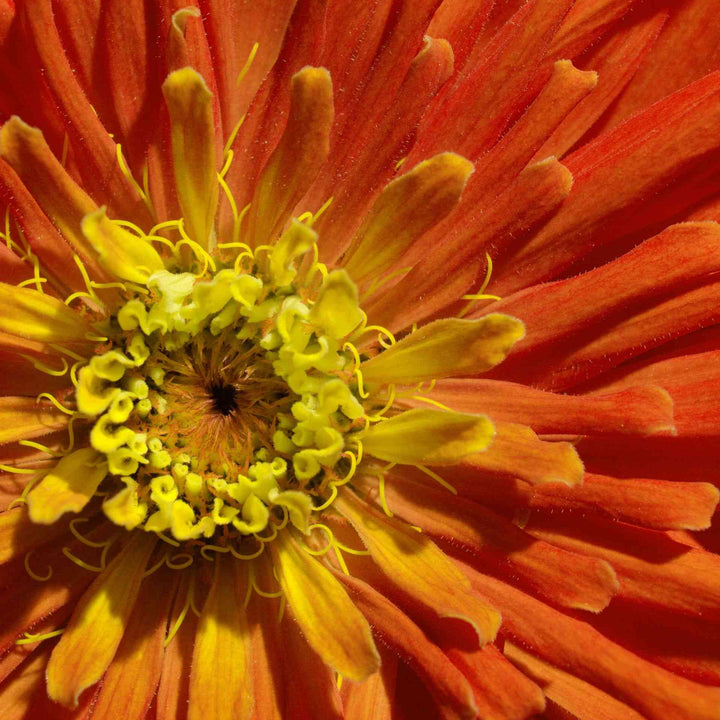
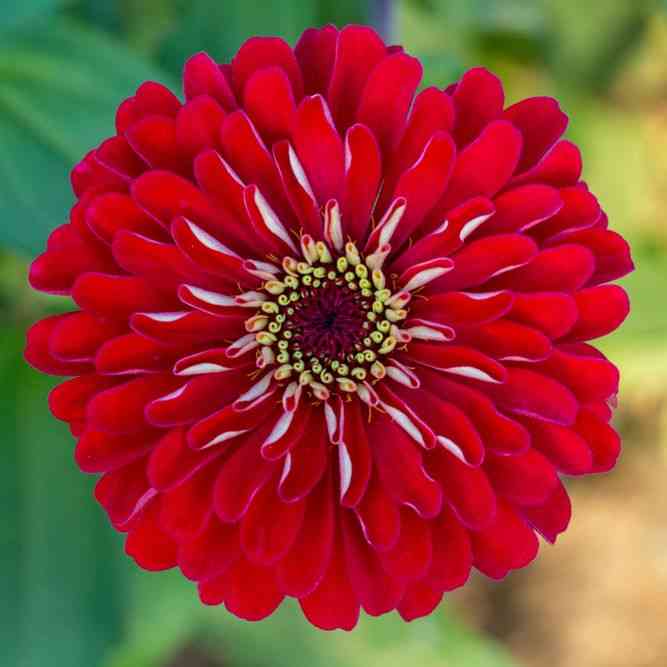
Lilliput Mixture covers compact plants with small, rounded, densely petaled flowers in a cheerful range of colors.
Read the complete product descriptionTraits, flavor, garden use, variety notes, and the full catalog record
Lilliput Mixture covers compact plants with small, rounded, densely petaled flowers in a cheerful range of colors. The pompom blooms bring texture to summer beds and make charming stems for small bouquets. Plants grow about twenty to twenty-four inches tall, placing the flowers within easy reach for regular cutting. This open-pollinated mix keeps blooming best when faded heads are removed and the plants have plenty of sun, warmth and air moving between their leaves.
Small pompom flowers for bright beds and bouquets.
Growing facts
- Botanical name: Zinnia elegans
- Maturity or display: 54-70 days to flowering
- Mature size: 20-24 in. tall; compact plants with small pompom flowers
- Spacing: 12 in between plants; rows 24 in
About the variety
Lilliput is a small-flowered garden selection of Zinnia elegans, a species native to Mexico and Central America. Its compact growth and rounded, double blooms have made this flower form a familiar part of traditional summer gardens.
Starting seed
Sow 1/4 in. deep after frost in soil near 70 F. Sprouts in 7-10 days. Thin to 12 in.; rows 24 in. Use full sun and drained soil; water at the roots.
Care through the season
Keep moisture even while plants establish, then water deeply when the soil starts to dry. Avoid crowding and wet foliage. Pinch young plants if a bushier form is desired, and cut or deadhead regularly to encourage further bloom.
Harvest and use
Flowers in about 54-70 days. Cut fully open blooms on firm stems; remove faded heads. For seed, let selected heads dry on healthy plants; isolate varieties.
Saving seed
Zinnias are insect-pollinated and varieties can cross. Isolate selected plants or control pollination when preserving a particular flower form. Let several healthy flower heads turn dry and brown on the plant, then separate and dry the mature seeds. Offspring from a color mixture will vary.
Common problems
Powdery mildew and leaf spots are common in humid weather. Give plants adequate spacing, water at soil level and remove badly affected foliage. Start with healthy plants and rotate planting locations if disease recurs.
Frequently asked questions
When will it flower?
54-70 days to flowering.
How can I keep the display healthy?
Keep moisture even while plants establish, then water deeply when the soil starts to dry. Avoid crowding and wet foliage. Pinch young plants if a bushier form is desired, and cut or deadhead regularly to encourage further bloom.
Can I save seed?
Zinnias are insect-pollinated and varieties can cross. Isolate selected plants or control pollination when preserving a particular flower form. Let several healthy flower heads turn dry and brown on the plant, then separate and dry the mature seeds. Offspring from a color mixture will vary.