Sage Seeds - Broadleaf Sage
Fragrant culinary herb with broad, silvery-green leaves prized for seasoning, teas, and pollinator gardens.
- Non-GMO Safe Seed Pledge
- Seed packets printed on forestry-certified paper (FSC, SFI, Rainforest Alliance)
- Curbside-recyclable mailers; SFI-certified kraft paper
- 1% for the Planet partner — supports environmental nonprofits
- Compact, energy-efficient facility with lean, low-waste operations
- Seeds: When properly stored, planted, and cared for, we guarantee reasonable germination and true-to-type growth for one year from purchase.
- Non-seed products: Free from defects in materials and workmanship for 30 days from shipment.
Excludes factors outside our control (extreme weather, pests, gardener error). If something’s off, contact us—we’ll make it right with a replacement, repair, or refund.
We do not sell seeds that are GMO or BE.
USDA “bioengineered (BE)” foods are those with detectable genetic material that was modified using in vitro recombinant DNA (rDNA) techniques, in ways not obtainable through conventional breeding or found in nature. The USDA’s National Bioengineered Food Disclosure Standard uses “bioengineered” as the nationwide labeling term.
- Detectable modified genetic material in the final food
- Created via in vitro rDNA techniques (e.g., gene transfer)
- Modifications not achievable through conventional breeding or nature
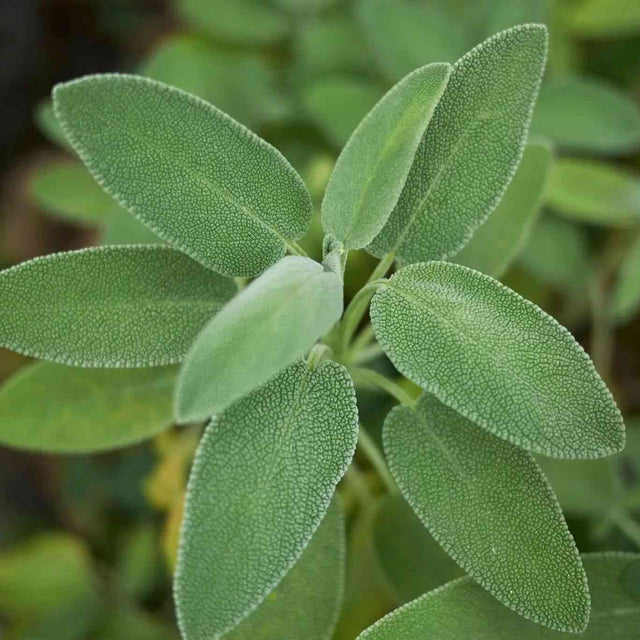
Broadleaf sage seeds produce a classic culinary and medicinal herb valued for its soft gray-green leaves, rich aroma, and strong garden presence. Gardeners choose broadleaf sage seeds for dependable perennial growth, drought tolerance once established, and a bold earthy flavor that is especially prized in seasoning, tea traditions, and pollinator-friendly herb plantings. Broadleaf sage seeds are an excellent choice for growers who want a beautiful, fragrant herb that performs well in sunny beds, borders, and containers while offering repeated harvests of broad textured leaves throughout the growing season.
Your payment is processed securely via trusted gateways. We do not store credit card details and we do not have access to your card information.
Pickup available at Bertie County Seeds
Usually ready in 2-4 days
For direct sowing, prepare the bed carefully in advance. Broadleaf sage does best in a fine, crumbly seedbed where seedlings will not have to push through crusted soil or compete immediately with weeds. Choose a full-sun site with excellent drainage and avoid low wet areas where young plants may stall or rot. Sow the seed shallowly and cover only lightly, since very deep sowing can delay or reduce emergence. After sowing, water gently so the seed stays in place and the surface settles without becoming compacted. Keep the seed zone consistently moist until germination is underway, but do not flood the bed. Once seedlings appear, continue with light regular watering until they are rooted well enough to tolerate slightly drier intervals.
Because broadleaf sage is not especially fast or aggressive at the seedling stage, early weed control matters a great deal in direct-sown beds. Tiny sage seedlings can be overtaken quickly if faster weeds are allowed to establish around them. Keep the area clean from the beginning, using careful shallow cultivation or hand weeding so the roots are not disturbed too deeply. As the seedlings grow, thin them gradually so each remaining plant has enough room to branch, dry properly after rain, and develop into a strong shrubby herb rather than a crowded weak clump. Strong spacing early makes a major difference later, since mature sage needs airflow as much as it needs sun.
Transplanting is often the more controlled method, especially when uniform spacing and stronger early establishment are important. Seedlings should be transplanted once they are sturdy enough to handle and have developed enough root mass to move without falling apart. Harden them off gradually before planting outside so they adjust to sun, wind, and outdoor temperature shifts without shock. When setting transplants into the bed, place them at the same depth they were growing before rather than burying the crown deeply. Firm the soil gently around the roots and water them in well so air pockets are removed and the plants settle quickly. Good transplanting should help the plant resume growth, not force it to recover from rough handling.
After transplanting, the first stretch of establishment is critical. Keep the soil evenly moist while the young plants root in, but do not keep it constantly wet. Broadleaf sage needs enough moisture to recover from transplanting and begin active growth, yet excess water at this stage is one of the easiest ways to weaken the plants. Watch for signs of transplant stress such as wilting, stalled growth, or pale foliage, especially if weather turns hot or windy. Once new growth begins and the plants are clearly established, start letting the soil dry a bit more between waterings so the roots develop into the drier, better-aerated conditions sage prefers long term.
Spacing, drainage, and patience all matter more than forcing quick lush growth. Broadleaf sage should not be crowded into damp, overly fertile conditions in hopes of speeding production. A slower, sturdier establishment usually creates a healthier long-lived plant with better flavor and structure. Whether direct sown or transplanted, the best early care comes from full sun, clean spacing, restrained watering, and protection from competition while the roots and crown are developing. Once that foundation is in place, broadleaf sage transitions from a delicate seedling into a durable perennial herb that can provide years of harvest.
Soil management is one of the main keys to success. Broadleaf sage prefers well-drained ground that does not stay heavy or saturated after watering or rain. It is much more likely to suffer from excess moisture than from modest dryness once the roots are established. Soil that is too rich can produce lush, floppy growth with weaker aroma, while poorly drained soil often leads to yellowing, crown decline, or root rot. Compost can be helpful when used in moderation, but the goal is not to create a wet, overly fertile bed. A loose loamy or sandy soil with good air movement around the roots is much better than a dense moisture-holding site. In heavier soils, raised beds or mounded planting areas often improve long-term performance.
Watering should be thoughtful and moderate. Young plants need consistent moisture while they establish, but once rooted well, broadleaf sage prefers deeper watering followed by time for the soil to dry somewhat between soakings. Constant shallow watering encourages weak surface rooting and increases the risk of crown problems. Mature plants usually perform best when they are not kept continuously wet. During hot dry spells, steady support helps maintain leaf quality, but the roots should still never sit in saturated ground. Sage responds much better to a little dryness than to waterlogged conditions, and good growers learn to protect it from overwatering more than from ordinary summer dryness.
Broadleaf sage also benefits from simple structural maintenance through the growing season. The plant should be harvested or lightly pruned often enough to encourage fresh leafy growth and prevent it from becoming too open and woody. Regular cutting helps the plant stay fuller, more compact, and more productive. However, balance matters. Removing too much at once, especially from small or stressed plants, can slow recovery. It is best to take leafy stems from active green growth and avoid severe cutting deep into old wood unless the plant is being carefully renewed during a good growing period. Dead, damaged, or weak stems can be removed as needed to improve airflow and appearance.
As the plant matures, managing the center of the clump becomes important. Older sage can grow woody at the base and may become sparse if it is never shaped. A little thinning and light trimming helps keep sunlight and air moving through the plant, which reduces mildew pressure and supports fresh side growth. If flowering is allowed, the blooms can attract pollinators and add ornamental value, but heavy flowering may temporarily shift energy away from leaf production. Some growers allow part of the plant to bloom and then trim it lightly afterward to restore leafy growth. Whether grown mainly for kitchen harvest or as part of a pollinator-friendly herb bed, broadleaf sage benefits from occasional shaping that preserves structure without overworking the plant.
Seasonal timing matters too. Broadleaf sage is often most productive when it is allowed to establish before being harvested heavily, and it should not be pushed into lush late growth just before cold wet weather. In regions with difficult winters, the combination of wet soil and cold is often more dangerous than cold alone. A plant entering that period with a healthy crown, open airflow, and firm rather than overly soft growth usually comes through much better. Mulch should not be piled tightly over the crown, since trapped moisture can do more harm than good. A clean, open, sunny site is usually the best winter protection broadleaf sage can have.
Broadleaf sage is especially rewarding because it offers repeated harvests from one planting when cared for correctly. Leaves can be taken regularly for fresh use, drying, and seasoning, and frequent moderate harvest often improves the plant’s shape over time. The best long-term results come from combining full sun, restrained fertility, careful watering, open spacing, and light consistent pruning. When those conditions are met, broadleaf sage becomes a dependable perennial herb with beautiful foliage, strong fragrance, and steady usefulness throughout the season.
A very useful tip is to watch the base of the plant as closely as the top growth. Many growers focus only on the leaves and do not notice that the crown is staying too damp, buried in mulch, or crowded by neighboring plants. With broadleaf sage, crown health determines how long the planting remains productive. Keep mulch pulled back from the base, avoid piling compost around the stem crown, and make sure weeds or spreading companions are not trapping humidity around the plant. If the center begins to thin, darken, or soften, respond early by improving drainage and airflow rather than simply cutting the plant back and hoping it rebounds. Sage often gives warning signs before major decline, and the grower who notices those signs early can usually extend the life of the plant significantly.
Harvest rhythm matters enormously with broadleaf sage. A plant that is never harvested tends to become woody, open, and less attractive, but a plant that is cut too hard or too suddenly can also lose vigor. The best approach is regular moderate cutting from healthy green growth. Take leafy shoots often enough to encourage fresh branching, but leave enough foliage for the plant to keep feeding itself well. Small repeated harvests usually produce the best leaf quality over time. This is especially true during active growth, when each cut can stimulate denser branching and a fuller shape. The worst habit is usually neglect followed by one heavy shearing, which often leaves the plant uneven, stressed, and slow to recover.
Another valuable tip is to separate leaf production from flowering goals. Broadleaf sage can flower beautifully and attract pollinators, and there is real value in allowing some bloom if the plant is being used in a mixed herb or pollinator planting. However, heavy flowering can also shift the plant’s energy away from producing soft prime culinary foliage. If the main purpose is leaf harvest, pinch or trim flowering stems before they fully dominate the plant, or allow bloom and then reshape lightly afterward to encourage a fresh flush of leaves. If the plant is being grown partly for beauty and pollinator support, one strategy is to let one part of the planting flower and keep another part trimmed for foliage. This gives the grower both garden value and kitchen value without asking one plant to do everything at once.
Broadleaf sage also benefits from seasonal judgment. Spring and early active growth are the times to shape, guide, and harvest most freely, because the plant is prepared to replace what is taken. Late in the season, especially before cold wet weather, restraint becomes more important. Heavy cutting late can push soft new growth that is more vulnerable to damage and may leave the plant less prepared for seasonal slowdown. As a rule, shaping and productive harvest should happen while the plant still has time to harden and settle afterward. This is especially important in regions where winter wetness is more dangerous than winter cold. A sage plant going into the dormant season with a firm, airy structure is usually in much better condition than one that has been heavily cut and forced into tender regrowth.
A very practical quality tip is to pay attention to leaf stage, not just plant size. The best culinary leaves are usually fully formed but still fresh, clean, and pliable, not old, weathered, or heavily sun-hardened. Very young leaves can be tender but sometimes less developed in flavor, while old leaves may still be usable but often lose some refinement and appearance. Regular picking from active side shoots often gives the best balance of strong aroma and good texture. This is especially important if leaves are being dried, since the quality of the dried herb depends heavily on the quality of the leaf at harvest. Drying poor leaves does not improve them. Harvesting clean, healthy leaves at the right stage is what creates an excellent finished dried herb.
Post-harvest handling is another place where broadleaf sage can either shine or lose quality quickly. Harvest only when the foliage is dry. Wet leaves bruise more easily, dry less evenly, and are more likely to mold if bundled carelessly. If stems are being dried, keep them in a shaded, well-ventilated place rather than in harsh direct sun, which can fade color and drive off aromatic quality too quickly. Leaves meant for storage should be dried thoroughly before sealing them away. Half-dry leaves are one of the most common causes of poor sage storage. For fresh use, handle leaves gently and keep them cool after harvest so they retain their texture and fragrance. The plant may be tough in the garden, but the harvested leaves still deserve careful treatment.
Broadleaf sage is also one of those plants that benefits from periodic evaluation rather than permanent loyalty to an aging specimen. Even well-grown plants become woodier with time, and some eventually lose the dense productive habit that made them valuable in the first place. A smart grower often starts or plants a replacement before the old one fully declines. That way the garden always contains at least one plant in prime productive age. Waiting until the old plant is nearly dead often creates an avoidable gap in harvest. Sage is a perennial, but it is not immortal, and planning for renewal is part of growing it well.
In mixed plantings, another strong tip is to give broadleaf sage companions that respect its dryness and space. It performs better near other sun-loving herbs and plants that do not demand constant irrigation than it does near thirsty annuals that force the bed into a wetter regime. If sage shares a bed with plants that need regular soaking, the sage often pays the price. Choosing compatible neighbors can do as much for plant health as any fertilizer or pruning strategy. Good companions help preserve airflow and prevent the crown from being shaded or smothered as the season advances.
One more important practical point is that broadleaf sage often looks best and performs best when lightly shaped for structure, not just harvested randomly. A few selective cuts to balance the plant, remove crossing stems, and open congested growth can improve appearance, airflow, and future leaf production all at once. This is especially helpful after flowering or after a flush of uneven seasonal growth. The goal is not formal clipping, but thoughtful shaping that keeps the plant compact, balanced, and leafy without forcing it into harsh regrowth.
The biggest beginner mistakes with broadleaf sage are usually overwatering, crowding, overfeeding, and waiting too long to manage an aging plant. The biggest success habits are sharp drainage, full sun, light regular harvesting, careful seasonal timing, and watching the crown as closely as the leaves. When those habits are in place, broadleaf sage becomes one of the most satisfying perennial herbs in the garden: beautiful enough for ornamental planting, practical enough for constant kitchen use, and durable enough to reward attentive growers for years.
Overwatering is one of the most common causes of trouble. Sage prefers soil that drains well and does not remain soggy around the crown. When roots sit in wet soil for too long, the plant may begin to yellow, wilt despite moisture, collapse at the base, or die back from the center outward. Stem bases can darken and soften, especially in heavy soil or containers without good drainage. The best solution is to plant broadleaf sage in raised beds, sandy or loamy well-drained soil, or containers with strong drainage, and to water deeply but less often once the plant is established. Avoid burying the crown under mulch or wet organic matter, since trapped moisture around the base can speed rot.
Fungal disease pressure usually appears when sage is crowded or growing in humid still air. Powdery mildew can coat the leaves in a pale dusty film, while leaf spot may cause dark blotches, yellowing, and premature leaf drop. Older inner growth may also decline if light and airflow cannot reach the center of the plant. These issues are especially likely when overhead watering is frequent or when the plant is never pruned or thinned. The best solutions are to space plants well, prune lightly to keep the center open, water at the soil line instead of splashing the foliage late in the day, and remove badly affected leaves before disease spreads further.
Insect problems are usually secondary, but they can become serious when plants are stressed. Aphids may gather on tender new growth and flower stems, causing curling and sticky residue. Spider mites are more likely in hot dry spells and may cause stippling, dull foliage, and fine webbing, especially on weakened plants. Whiteflies may also appear in protected or crowded conditions. The best solutions are to keep the plant vigorous without overfeeding it, rinse off small insect populations early, remove badly infested shoots if needed, and encourage airflow so pests do not build unnoticed in dense growth. Avoid pushing lush soft growth with excessive fertilizer, since that often makes tender new growth more attractive to pests.
Environmental stress can also reduce performance even when no major pest outbreak is present. In rich soil with too much fertility, sage may become floppy, less aromatic, and more vulnerable to disease. In too much shade, it often becomes stretched, weak, and sparse, with reduced leaf quality. In cold wet winter conditions, established plants may suffer crown damage or fail to return strongly in spring. The best solution is to grow broadleaf sage in leaner, sunny conditions where the plant stays compact and aromatic, trim back lightly after flushes of growth, and replace or rejuvenate older woody plants when they begin to decline.
Harvest habits also affect plant health. Taking too much soft growth at once can weaken the plant, especially late in the season or before cold weather. At the same time, never harvesting or pruning at all can leave the plant woody, congested, and less productive. The best approach is to harvest regularly but moderately, remove dead or damaged stems, and avoid heavy cutting into old wood unless reshaping is necessary and the plant is actively growing. With sharp drainage, full sun, moderate watering, open airflow, and careful pruning, broadleaf sage is usually one of the easier long-lived herbs to keep healthy and productive.
A: Broadleaf sage is a strongly aromatic perennial herb grown mainly for its soft textured gray-green leaves and concentrated savory flavor. It is one of the classic culinary sages used in herb gardens, kitchen gardens, and mixed borders. The plant forms a shrubby clump over time and can provide repeated harvests when grown in sunny, well-drained conditions. In addition to kitchen use, it is valued for fragrance, pollinator appeal, and ornamental texture in the garden.
Q: Is Broadleaf sage the same as common sage?
A: Broadleaf sage is generally understood as a broad-leaved form of common culinary sage, the type most people associate with classic garden sage. It shares the same basic aromatic character and general use profile, but growers often value broadleaf forms for their fuller leaves and strong harvest presence. In practical garden use, it fills the same role as common sage while often offering especially attractive foliage. For most growers, it is the familiar kitchen sage they want, with a broad-leaved habit that makes it especially appealing.
Q: What does Broadleaf sage taste like?
A: Broadleaf sage has the warm, earthy, resinous, slightly peppery flavor that makes sage such an important savory herb. The leaves are strongly aromatic and can taste bold when used fresh, especially if taken from mature plants grown in bright sun. Drying concentrates the flavor differently, giving it the familiar kitchen sage character often used in stuffing, roasted dishes, sausage blends, and beans. The strength of the flavor means a little can go a long way in cooking.
Q: Is Broadleaf sage easy for beginners to grow?
A: Yes, broadleaf sage is usually a good herb for beginners as long as the grower understands one major rule: do not keep it too wet. It is much more likely to struggle from soggy soil and poor airflow than from modest dryness once established. In full sun and well-drained soil, it is often reliable, fragrant, and low maintenance. The key is to grow it leaner and drier than many leafy herbs rather than treating it like a moisture-loving plant.
Q: Is Broadleaf sage annual or perennial?
A: Broadleaf sage is generally grown as a perennial herb, meaning it can live for multiple seasons where conditions suit it. Over time it becomes somewhat shrubby and woody at the base, especially if it is not harvested or pruned regularly. In favorable climates and well-drained soil, one planting can remain productive for years. In difficult wet or cold-wet conditions, however, plants may decline sooner and sometimes need renewal.
Q: Can Broadleaf sage be grown in containers?
A: Yes, broadleaf sage grows very well in containers if drainage is excellent. In fact, container growing is often a smart choice in places with heavy soil or wet winters because it gives the roots better protection from soggy conditions. A container should not stay constantly wet, and the growing mix should be loose enough to drain readily. Container plants may need occasional reshaping to keep them from becoming woody or sprawling.
Q: How much sunlight does Broadleaf sage need?
A: Broadleaf sage performs best in full sun, where the plant stays compact, aromatic, and productive. Strong light helps develop the oils that give sage its fragrance and flavor, and it also reduces the stagnant moisture conditions that often lead to disease. In too much shade, plants usually become weaker, less dense, and less fragrant. Good sun exposure is one of the simplest ways to improve both plant health and leaf quality.
Q: What kind of soil is best for Broadleaf sage?
A: Broadleaf sage prefers well-drained soil that does not stay heavy and wet around the roots. It generally performs best in loamy or lighter textured soil with enough structure to support steady growth but enough drainage to prevent rot. Very rich, overly lush conditions can lead to weaker growth, reduced aroma, and more disease pressure. Sage usually responds better to balanced, moderately fertile soil than to heavily fertilized ground.
Q: How often should I water Broadleaf sage?
A: Broadleaf sage should be watered regularly while establishing, but once rooted well it usually prefers moderate watering rather than constant moisture. The soil should be allowed to dry somewhat between waterings instead of staying continuously wet. Overwatering is one of the fastest ways to shorten the life of a sage plant. A deep watering pattern with time for drainage between soakings is usually much better than frequent shallow watering.
Q: Why is my sage turning yellow or collapsing?
A: Yellowing and collapse often point to excess moisture, poor drainage, or crown and root problems. Sage commonly declines when its roots stay wet too long, especially in heavy soil or containers without good drainage. If the base darkens or softens, rot may already be underway. The best response is to improve drainage immediately, reduce watering, remove badly damaged growth, and avoid trapping moisture around the crown.
Q: Why is my Broadleaf sage getting woody?
A: Sage naturally becomes more woody with age, especially at the base, because it is a semi-shrubby perennial rather than a soft annual herb. If it is never harvested or lightly pruned, the plant can become open, leggy, and less leafy over time. Regular moderate cutting helps maintain younger productive growth. However, cutting deeply into old wood all at once can shock the plant, so renewal is best done gradually and thoughtfully.
Q: How do I harvest Broadleaf sage without harming the plant?
A: Harvest by taking healthy leafy stems or individual leaves without stripping the plant bare. Regular moderate harvest encourages branching and keeps the plant more compact, while heavy sudden cutting can weaken it. It is best to leave enough green growth for recovery, especially if the plant is small or if cooler weather is approaching. Avoid severe pruning late in the season when the plant should be preparing for rest rather than pushing tender new growth.
Q: Can I use Broadleaf sage fresh and dried?
A: Yes, broadleaf sage is useful both fresh and dried, and each form has its own strengths. Fresh leaves often give a brighter, greener, more resinous effect, while dried leaves deliver the concentrated familiar sage character many cooks expect in classic savory dishes. Because the leaves are aromatic and substantial, they are especially well suited to air-drying or low-heat drying when harvested at the right stage. Many growers keep both fresh and dried sage on hand because they behave a little differently in the kitchen.
Q: When is the best time to harvest Broadleaf sage?
A: Leaves can be harvested through the growing season once the plant is established enough to spare them. Many growers prefer to cut in the morning after dew has dried but before the hottest part of the day, when oils are still strong and the foliage is fresh. Harvest quality is often best before flowering or from well-shaped regrowth after a light trim. Frequent light harvests usually give better long-term results than waiting and taking too much at once.
Q: Does Broadleaf sage flower?
A: Yes, broadleaf sage can flower, usually producing attractive blooms that pollinators appreciate. Flowering can add ornamental value and support bees, but some growers trim flower stems if they want the plant to focus more on leaf production. Whether to allow flowering depends on the grower’s priorities. If the main goal is foliage harvest, light trimming after bloom often helps restore a fuller leafy shape.
Q: Is Broadleaf sage good for pollinators?
A: Yes, flowering sage is often attractive to pollinators, especially bees. This adds garden value beyond its culinary use and makes it a useful herb in mixed beds, herb borders, and pollinator-friendly plantings. Even when grown mainly for leaf harvest, allowing at least some plants to flower can support beneficial insect activity. It is one of the reasons sage works so well in gardens that combine beauty and usefulness.
Q: What pests usually bother Broadleaf sage?
A: Broadleaf sage is not usually one of the most pest-prone herbs, but it can still attract aphids, spider mites, and whiteflies, especially if plants are stressed or crowded. These problems are more likely in weak, soft growth or in areas with poor airflow. Healthy plants in sunny, open conditions usually resist pests better than overwatered, overly rich plants. Early detection and correction of the growing conditions are often more effective than heavy treatment.
Q: What diseases should I watch for?
A: The most common disease-related problems are root rot, crown rot, powdery mildew, and leaf spot. Most of these become worse when the soil stays too wet, foliage remains damp too long, or the plant is crowded and shaded. Sage rarely thrives in stagnant humid conditions. Good drainage, sunlight, moderate watering, and occasional shaping to open the plant are the most important long-term solutions.
Q: Can Broadleaf sage survive winter?
A: In many climates broadleaf sage can survive winter, especially if planted in a sunny, sharply drained site. Winter survival often depends less on cold alone than on the combination of cold and wet. Plants in soggy soil frequently decline more from rot than from freezing. Good drainage, avoiding heavy wet mulch over the crown, and not pushing overly soft late growth can improve winter survival.
Q: Is Broadleaf sage a good herb for dry gardens?
A: Yes, once established it is often an excellent herb for drier garden conditions. It does not want constant drought while young, but mature plants are generally more tolerant of dry spells than many softer leafy herbs. This makes it useful in sunny herb gardens, Mediterranean-style plantings, and low-water borders. Its drought tolerance is strongest when roots are well established and the site drains well.
Q: Can Broadleaf sage be grown indoors?
A: It can be grown indoors for a time, but it is usually much easier outdoors where light and airflow are stronger. Indoor plants often struggle if they do not receive enough direct sun or if the growing medium stays too wet. A very bright window and careful watering are essential if trying it indoors. Even then, many growers find outdoor container or garden culture more reliable for long-term health and flavor.
Q: How large does Broadleaf sage get?
A: Broadleaf sage usually forms a bushy clump that expands over time, becoming both wider and woodier as it matures. Exact size depends on climate, soil, pruning, and age, but it generally grows into a noticeable herbaceous shrublet rather than staying like a tiny annual herb. Regular harvest and shaping help keep it compact and productive. Left alone for years, it may become looser and more woody in structure.
Q: Is Broadleaf sage good for companion planting?
A: Many gardeners like to include sage in mixed herb beds and ornamental kitchen gardens because it is attractive, fragrant, and relatively self-sufficient once established. It works especially well near other sun-loving herbs that appreciate similar drainage and moderate fertility. The biggest consideration is not to crowd it with plants that require constant moisture. It is most successful among companions that like open sun and a drier root zone.
Q: How long does a Broadleaf sage plant stay productive?
A: A well-grown plant can remain useful for several years, but productivity often depends on how well it is maintained. Plants that are harvested moderately, kept well drained, and occasionally shaped tend to stay more vigorous longer. Very old plants may become woody and sparse, especially at the center. Many growers eventually replace older plants with younger ones to maintain the best leaf quality and appearance.
Q: Can I save seed from Broadleaf sage?
A: Yes, seed saving is possible if the plant is allowed to flower and mature seed fully. However, if there are other sage plants nearby, crossing may affect how true the next generation remains, depending on what else is flowering in range. Seed saving also requires patience because leaf-focused growers often trim flowering stems before seed ever forms. For those interested in preserving a line, healthy vigorous plants should be selected and allowed to complete the flowering cycle.
Q: Is Broadleaf sage worth growing even if I only need a little for cooking?
A: Yes, because a single healthy plant can provide repeated harvests and also add fragrance, texture, and ornamental value to the garden. It is one of those herbs that earns its space in several ways at once. Even if only small amounts are used in the kitchen at a time, the plant is useful for drying, pollinator support, and perennial structure. For many gardeners, broadleaf sage becomes as much a landscape herb as a culinary one.
Sage Seeds - Broadleaf Sage
-
Bertie County Seeds
Pickup available, Usually ready in 2-4 days
124 South Main Street
+18337607333
Colerain NC 27924
United States


The broader sage lineage is tied closely to the Mediterranean Basin, where many aromatic members of the mint family developed cultural importance over centuries of cultivation and exchange. Broadleaf sage emerged from this larger history as a selected garden form valued for leaf production, strength of aroma, and usefulness in the kitchen. Over time, growers favored plants with broader, more harvestable foliage, good branching, winter persistence in suitable climates, and the concentrated flavor that made sage distinctive from milder culinary herbs. This process of repeated selection helped shape the broadleaf type into a practical garden herb with both ornamental and culinary value.
In historical food traditions, sage became closely associated with savory cooking, especially in dishes where a strong herb was needed to stand up to fat, grains, legumes, roasted meats, and preserved foods. Its flavor made it especially useful in cuisines where herbs had to do more than add freshness. Sage could contribute warmth, depth, and complexity even when used dried. That storage value mattered in earlier household systems, where dried herbs were essential for year-round cooking. Broadleaf forms would have been especially appreciated for their generous leaf surface and ease of harvest, making them productive plants in kitchen gardens and monastery gardens alike.
Sage also held an unusually respected place in older herb culture because it was seen as a plant of substance and importance, not merely a garnish. In many traditions, it was associated with wisdom, household care, purification, and old herbal practice. While modern seed pages should avoid overstating medicinal use, the historical record of sage as a valued domestic herb is unmistakable. It occupied a place in the classic herb garden alongside thyme, rosemary, and other enduring Mediterranean perennials, but with a particular reputation for seriousness and strength. That reputation helped ensure its survival across generations of growers who preserved it for both use and symbolism.
As garden culture spread through Europe and later into North America, sage traveled easily because it was adaptable, useful, and familiar. It became part of colonial herb gardens, monastery plots, farmstead kitchen gardens, and ornamental herb borders. Broadleaf forms remained especially desirable because they aligned well with everyday use: more leaf material, easier picking, and a bold, recognizable appearance. In household gardens, sage earned its place by being dependable and multi-purpose. It was beautiful enough to belong in decorative plantings, practical enough for regular harvest, and perennial enough to justify permanent space in the garden.
Over time, broadleaf sage also became important in the development of ornamental herb gardening. Its soft gray-green leaves, shrubby form, and seasonal flowers made it attractive beyond the kitchen. This dual identity helped preserve it through changing garden fashions. Even when herb gardening shifted from necessity toward lifestyle, heritage, or design, sage remained relevant because it still delivered fragrance, texture, pollinator value, and real household usefulness. Broadleaf selections fit especially well into this transition, since they combined visual presence with strong culinary performance.
Today, Broadleaf sage still matters because it represents one of the clearest living links between the old kitchen garden and the modern home garden. It carries the legacy of Mediterranean herb culture, domestic practicality, and centuries of repeated human selection for aroma, flavor, and usefulness. Growers still value it for many of the same reasons people once did: it is perennial, fragrant, beautiful, productive, and deeply tied to culinary tradition. Broadleaf sage is not just a common herb. It is one of the enduring classic plants of cultivated herb history, preserved because generation after generation found it worth keeping close at hand.
1. Selecting Plants for Seed Saving:
Choose healthy plants with vigorous growth and abundant leaves.
Avoid plants showing signs of disease or poor growth.
2. Harvesting Seeds:
Timing: Allow the flower spikes to mature and dry on the plant.
Collection: Harvest the dry flower spikes before they start to shatter.
3. Drying Seeds:
Place the flower spikes in a well-ventilated, dry area. Allow them to dry completely for one to two weeks.
4. Cleaning Seeds:
Separation: Rub the flower spikes to release the seeds.
Inspection: Ensure seeds are clean and free from mold or pests.
5. Storing Seeds:
Containers: Store seeds in labeled paper envelopes or airtight containers.
Storage Conditions: Keep in a cool, dry, and dark place.
Viability: Use seeds within three to five years for best results.
6. Testing Seed Viability:
Test by placing seeds on a damp paper towel in a plastic bag in a warm place and check for germination.
Tips for Successful Seed Saving:
Isolation: Maintain distance between different sage varieties to prevent cross-pollination.
Pollinators: Encourage pollinators for better seed production.
Record Keeping: Keep detailed records of the process.
One of the greatest benefits of broadleaf sage is its culinary versatility. The leaves have a bold, earthy, savory flavor that holds up well in cooked dishes and remains recognizable even in rich, hearty foods. This makes it especially useful in stuffings, roasted vegetables, beans, lentils, sausages, poultry dishes, soups, browned butter preparations, and herb blends where delicate herbs might disappear. Fresh leaves bring a greener, more resinous quality, while dried leaves offer the classic concentrated sage flavor many cooks expect. Because the flavor is strong, a single healthy plant can provide a great deal of usable seasoning over time, making it highly efficient in the kitchen garden.
Broadleaf sage also offers major benefits as a drying herb. Its leaves retain aroma better than many softer herbs when harvested and cured properly, which means the plant can supply both fresh and stored seasoning. This gives it year-round usefulness that extends well beyond the growing season. Gardeners who dry sage can build a lasting pantry herb from a relatively small planting, reducing the need to rely on purchased dried herb products. In this way, broadleaf sage functions not just as a fresh garnish herb, but as a true storage herb with deep traditional kitchen value.
Another important benefit is its ornamental quality. Broadleaf sage is attractive even when not being harvested, with textured foliage, a pleasing shrubby form, and a color that pairs beautifully with other herbs, flowers, and silver-leaved plants. It contributes structure and softness to herb gardens and edible landscapes, and when allowed to bloom it adds vertical interest and seasonal movement. This dual function makes it especially valuable in gardens where every plant must earn its place by being useful as well as beautiful. Broadleaf sage does that extremely well, offering foliage interest for much of the season even before flowers appear.
The plant is also beneficial for pollinator-friendly growing. When allowed to flower, broadleaf sage produces blooms that attract bees and other beneficial insects, adding ecological value to the garden. This makes it more than a culinary herb; it becomes part of a broader planting strategy that supports pollination and garden biodiversity. Growers who want herbs that contribute to the overall health and liveliness of the garden often appreciate sage for this reason. It provides household usefulness while also serving the larger planting system.
Broadleaf sage is especially valuable in low-input and water-conscious gardens once established. It does not demand constant feeding or heavy irrigation the way many leafy herbs do, and in suitable soil it can perform well with moderate care. This makes it a strong candidate for sunny herb gardens, Mediterranean-style plantings, and landscapes where resilience matters. Because it prefers good drainage and moderate fertility, it often succeeds in places where fussier moisture-loving herbs struggle. That ruggedness is one of its quiet but important benefits.
Its perennial habit is another major strength. Instead of starting over each season, the grower can build a relationship with a broadleaf sage plant over time, shaping it, harvesting from it, and learning its rhythms. This long-term presence makes the plant especially useful in permanent herb beds and home gardens designed for continuity. A mature sage plant becomes more than just a source of leaves; it becomes part of the garden’s structure, fragrance, and identity.
Broadleaf sage also supports household self-reliance in a practical way. Because it can be harvested fresh, dried for storage, used in cooking, grown ornamentally, and maintained over multiple seasons, it offers a high return from a relatively small amount of space. Few herbs deliver such a strong combination of flavor, beauty, durability, and usefulness. For gardeners who want a classic perennial herb with deep culinary tradition, strong visual appeal, and reliable long-term value, broadleaf sage offers an exceptional range of uses and benefits.
Shipped from U.S.A.
Our seeds are grown and sourced from the US. They're then packed and shipped from Colerain NC.
Triple tested
We regularly test the quality and germination rate of our seeds. We're so confident that our seeds are backed by a 1 year warranty!
Payment & Security
Payment methods
Your payment information is processed securely. We do not store credit card details nor have access to your credit card information.
Complete the garden
Turn one packet into a full plan.
Help shoppers add companion seeds, garden supplies, and related goals before they leave the product page.
Join Our Newsletter for Exclusive Savings!
Sign up for our newsletter to get a 30% discount code sent straight to your inbox. If it doesn’t appear right away, please check your inbox settings, and if you still need help, we’re here to assist!