Seeds: When properly stored, planted, and cared for, we guarantee reasonable germination and true-to-type growth for one year from purchase.
Non-seed products: Free from defects in materials and workmanship for 30 days from shipment.
Excludes factors outside our control (extreme weather, pests, gardener error). If something’s off, contact us—we’ll make it right with a replacement, repair, or refund.
USDA “bioengineered (BE)” foods are those with detectable genetic material that was modified using in vitro recombinant DNA (rDNA) techniques, in ways
not obtainable through conventional breeding or found in nature. The USDA’s National Bioengineered Food Disclosure Standard uses “bioengineered” as the nationwide labeling term.
Detectable modified genetic material in the final food
Created via in vitro rDNA techniques (e.g., gene transfer)
Modifications not achievable through conventional breeding or nature
—seeds / pkt
( ~ g )
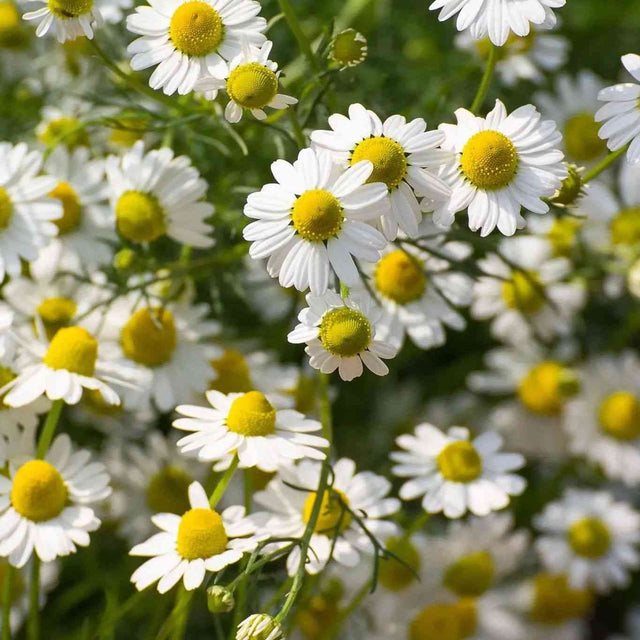
German Chamomile Seeds grow into delicate, ferny-leaved annual plants covered with cheerful white-and-yellow daisy-like blooms that bring fragrance, pollinator activity, and old-world cottage garden beauty to herb beds, borders, and containers. German Chamomile Seeds are a favorite for gardeners who want an easy-to-grow flowering herb with a light apple-like scent, quick seasonal growth, and abundant blossoms for fresh use, drying, teas, crafts, and garden enjoyment. This classic chamomile thrives in full sun to partial sun, performs well in well-drained soil, and can be tucked into herb gardens, pollinator plantings, and small-space growing areas with ease.
German Chamomile Seeds are especially rewarding because the plants are productive without needing much fuss once established. The airy foliage softens garden edges while the blooms attract beneficial insects and add a bright, calming visual presence through the growing season. Harvest flowers when they are fully open and dry them carefully for best quality and aroma. Whether grown for its beauty, fragrance, or traditional garden usefulness, German Chamomile Seeds offer a reliable, charming herb that belongs in both beginner and experienced seed collections.
German chamomile seed is extremely small, so the most important part of starting it successfully is careful surface sowing. Do not bury the seed deeply. Press the seed gently onto the surface of a fine, moist seed-starting mix or a well-prepared garden bed so it makes good contact with the soil while still receiving light. A very thin dusting of fine vermiculite or sifted mix can be used only if needed to hold moisture, but the seed should not be covered heavily. Keep the surface evenly moist with a mister, bottom watering, or a very gentle watering method so the tiny seed does not wash away or clump in one spot.
For indoor seed starting, sow German chamomile about 4-6 weeks before transplanting outdoors. Use shallow trays, cell packs, or soil blocks filled with a light, well-draining seed-starting mix. After sowing, place the tray in bright light and maintain steady warmth in the ideal germination range. A humidity dome can help hold moisture until germination begins, but remove or vent it once seedlings emerge to prevent damping off. Chamomile seedlings are very fine at first, so strong light and good airflow are important. If seedlings stretch, move lights closer or place the tray in a brighter location.
Keep the seed-starting mix moist but never soggy. Overwatering is one of the easiest ways to lose chamomile seedlings because the young stems are delicate and vulnerable to fungal problems. Water from the bottom when possible, allowing the mix to absorb moisture without disturbing the seed or flattening the seedlings. Once most seedlings have emerged, let the surface dry slightly between waterings while keeping the root zone lightly moist. Thin crowded seedlings early with small scissors rather than pulling them, which can disturb nearby roots.
German chamomile can also be direct sown outdoors after the soil can be worked and the danger of hard frost has passed, or in mild climates during a cool growing window. Prepare a smooth, weed-free seedbed because tiny chamomile seedlings do not compete well with weeds at the beginning. Scatter the seed thinly, press it into the soil surface, and water gently. Mark the planting area clearly because the seedlings are small and can be mistaken for weeds. Continue light, consistent moisture until germination and early establishment are complete.
Transplant seedlings outdoors after they have developed several true leaves and are sturdy enough to handle. Harden them off gradually for 5-7 days by exposing them to outdoor light, wind, and temperature changes a little more each day. Transplant on a cloudy day or in the late afternoon to reduce stress. Set seedlings at the same depth they were growing in the tray, firm the soil gently around the roots, and water in well. Avoid burying the crown or packing wet soil tightly around the stem, since this can encourage rot.
Space German chamomile plants so they have room to branch and airflow can move between them. Crowded plants may still flower, but they are more likely to become weak, tangled, or mildew-prone in humid weather. If direct-sown seedlings come up too thickly, thin them in stages until the strongest plants remain at the desired spacing. Thinning may feel wasteful, but it produces healthier, more productive plants with cleaner flowers and easier harvesting.
Choose a planting site with full sun to partial sun and well-drained soil. German chamomile does not need rich, heavily fertilized ground; in fact, overly fertile soil can lead to soft leafy growth and fewer flowers. A bed amended with finished compost is usually enough. In containers, use a high-quality, well-draining potting mix and make sure the pot has drainage holes. Containers should be kept evenly moist during establishment because small seedlings dry out faster in pots than in the ground.
After transplanting or direct-sown establishment, keep the area lightly moist until plants are growing actively. Once established, German chamomile is fairly low-maintenance, but young plants should not be allowed to dry severely during their first few weeks. Protect new seedlings from heavy rain, crusting soil, aggressive weeds, and strong washout from overhead watering. A light mulch can help conserve moisture once plants are large enough, but keep mulch away from the base of the stems. Frequent observation during the seedling stage is the key to getting a strong stand of chamomile that will later produce a steady harvest of fragrant flowers.
Once German chamomile is established, it grows as a light, airy annual herb with fine fern-like foliage and many small daisy-like flowers. It performs best in a bright location with good airflow, especially in spring and early summer when temperatures are mild. Plants usually stay manageable and upright, but they can become loose or floppy if grown in too much shade, crowded too closely, or pushed with excessive fertility. A sunny herb bed, raised bed, container, or community garden plot with well-drained soil is ideal.
During active growth, German chamomile prefers moderate, consistent moisture without sitting in wet soil. Water deeply when the top layer of soil begins to dry, then allow the planting area to drain well before watering again. In containers, check moisture more often because the fine root system can dry out quickly during warm or windy weather. Avoid heavy feeding; too much nitrogen can create soft leafy growth and reduce flower production. A compost-enriched soil or a light side-dressing of finished compost is usually enough for healthy plants.
Thin or space plants so air can move freely through the foliage. Crowded chamomile may still bloom, but dense growth increases the risk of mildew, weak stems, and browning flowers after rain or irrigation. Mulch lightly around the base to reduce soil splash and conserve moisture, but do not bury the crown or pack mulch tightly against stems. If plants stretch or lean, harvest flowers frequently and lightly trim back overly long stems to encourage branching and a fresher flush of growth.
German chamomile does not require staking, trellising, or pruning in the same way as larger herbs and vegetables, but routine harvesting is the main maintenance task. Pick flower heads as they open fully, ideally on a dry morning after dew has evaporated. Frequent harvest tells the plant to keep producing new blooms instead of shifting quickly into seed production. If flowers are left too long, the petals may droop, the centers may become seed-heavy, and the overall dried quality will decline.
Pollinators and beneficial insects are often drawn to the open flowers, so avoid spraying plants while they are in bloom unless absolutely necessary. If pest control is needed, treat early in the morning or evening when pollinator activity is low, and use targeted organic methods rather than broad sprays. German chamomile can also serve as a useful companion in mixed herb and flower plantings because its small blooms support beneficial insect activity without taking up much room.
In hot climates, German chamomile may slow down or decline when summer heat becomes intense. Afternoon shade, steady moisture, and regular harvesting can help extend the productive window, but the plant naturally performs best in cooler parts of the growing season. For the cleanest dried flowers, harvest regularly, dry the blossoms quickly in a single layer with good airflow, and store only when fully dry. Properly managed plants can provide repeated harvests from a small space while adding fragrance, beauty, and pollinator value to the garden.
For the best German chamomile harvest, think of the plant as a flower crop that rewards regular attention rather than a set-it-and-forget-it herb. Once plants begin blooming, check them often because flower heads can move quickly from perfect harvest stage to overmature seed stage, especially in warm weather. The highest-quality blossoms are usually picked when the white petals are open and the yellow centers are full, bright, and aromatic, before the petals begin to droop strongly downward. Frequent harvesting keeps plants productive and encourages more flowers, while neglected plants will shift more energy into seed production.
Harvest on a dry day after morning dew has evaporated. Moisture is the biggest enemy of a clean chamomile harvest, so avoid picking wet flowers, packing fresh flowers too tightly, or leaving them in a deep pile after harvest. Spread blossoms in a single loose layer on a drying screen, tray, paper towel, or clean cloth in a warm, shaded, well-ventilated place. Do not dry them in harsh direct sun, which can reduce color and aroma. Turn or stir the flowers gently as they dry so trapped moisture can escape.
German chamomile flowers are fully dry when they feel crisp and no longer cool or damp to the touch. If stored too early, even slightly moist flowers can discolor, clump, or mold in the jar. After drying, place the flowers in an airtight container and check them again after a few days; if condensation appears or the flowers feel soft, remove them and dry them longer. Store dried chamomile away from heat, light, and humidity to preserve the best aroma and color.
In warm climates, German chamomile often performs best as a cool-season or shoulder-season herb rather than a peak-summer crop. Spring plantings can produce excellent early flowers before intense heat arrives, while fall plantings may work well in areas with mild autumn weather. In very hot conditions, afternoon shade can help extend plant quality, especially in containers or raised beds that dry quickly. If plants begin to look tired in summer, harvest usable flowers promptly and allow a few healthy plants to mature seed if seed saving is desired.
For containers, choose a pot with good drainage and avoid rich, soggy potting mixes that stay wet too long. German chamomile does not need heavy fertilizer; too much nitrogen can produce lush green growth but fewer flowers. A balanced container mix with a little compost is usually enough. Water containers consistently, but let excess water drain freely. If the plant becomes leggy, lightly trim it back and continue harvesting to encourage fresh growth.
For seed saving, leave some of the healthiest plants unharvested or only partially harvested. Let selected flowers mature until the petals dry or fall away and the centers turn brownish, papery, and dry. Collect mature heads into a paper bag and finish drying them indoors before rubbing out the tiny seed. Label saved seed clearly with the crop name and year, and store it in a cool, dark, dry place. Since chamomile seed is tiny, clean and handle it carefully so it is not lost in chaff or blown away.
A common beginner mistake is treating German chamomile like a large, rugged perennial herb. It is actually a delicate annual that grows quickly, flowers heavily, and completes its life cycle in one season. The best results come from early weed control, steady moisture during establishment, good airflow, frequent flower harvest, and careful drying. With those habits in place, German chamomile can produce a generous supply of fragrant blossoms from a surprisingly small garden space.
German chamomile is generally an easy, resilient herb, but it can run into problems when plants are crowded, kept too wet, started in heavy soil, or grown through hot, humid weather with poor airflow. Most issues can be prevented by planting German chamomile in well-drained soil, thinning seedlings early, avoiding overhead watering late in the day, and harvesting flowers frequently so plants stay fresh and productive. Because chamomile has fine, ferny foliage and small daisy-like flowers, problems often show up first as yellowing leaves, weak floppy stems, browning flower heads, or a general decline in vigor.
Aphids are one of the most common insect pests on German chamomile, especially on tender new growth and flower stems. They may cause curled tips, sticky residue, stunted growth, or a sooty-looking film where honeydew collects. Check the undersides of leaves and the newest shoots regularly, then knock small colonies off with a firm spray of water. For heavier infestations, use insecticidal soap or neem oil carefully in the early morning or evening, making sure to avoid spraying open flowers when pollinators are active. Encouraging lady beetles, lacewings, hoverflies, and other beneficial insects is one of the best long-term controls, so avoid broad-spectrum sprays.
Thrips, spider mites, and leafhoppers can also appear during hot, dry, or stressed growing conditions. Thrips may leave silvery streaks or distorted flower buds, while spider mites can cause fine stippling, webbing, and a dusty, faded look to the foliage. Leafhoppers may create pale speckling and can weaken plants if populations build. The best solution is to keep plants evenly watered without making the soil soggy, remove badly damaged foliage, and improve plant spacing so leaves dry quickly after rain. A strong water rinse, insecticidal soap, and habitat for beneficial predators can help keep these pests below damaging levels.
Fungal diseases are usually tied to moisture and airflow problems. Powdery mildew can appear as a white, dusty coating on leaves during humid weather or when plants are packed too tightly. Botrytis and other flower or stem rots may develop when blooms remain wet, old flowers are left on the plant, or dead foliage accumulates at the base. Prevent these problems by spacing plants generously, thinning crowded volunteers, watering at soil level, and harvesting or deadheading flowers often. Remove diseased plant material promptly and do not compost heavily infected debris if the pile does not heat thoroughly.
Damping off is a major concern when starting German chamomile from seed. Seedlings are tiny and can collapse if the seed-starting mix is too wet, cold, compacted, or poorly ventilated. Use a fine, sterile seed-starting mix, sow shallowly because chamomile seed needs light for good germination, mist gently, and provide bright light with steady airflow. Once seedlings emerge, reduce constant surface moisture and water from the bottom when possible. If seedlings fall over at the soil line, remove affected plants, improve air circulation, and let the surface dry slightly between waterings.
Environmental stress can cause weak growth, poor flowering, or premature decline. German chamomile does best in full sun to partial sun and well-drained soil; rich, overly fertilized soil can produce lush leafy growth with fewer flowers, while heavy clay or constantly wet soil can cause yellowing, root stress, and rot. In very hot climates, afternoon shade may help extend bloom quality, especially in containers. Mulch lightly to moderate soil moisture, but keep mulch away from the crown so stems do not stay wet. If plants become leggy, lightly trim them back and harvest frequently to encourage new branching and more flowers.
Harvest and storage mistakes can reduce quality even when plants grow well. Pick flowers when the petals have opened and the yellow centers are bright and aromatic, before the heads become overly mature, brown, or seed-heavy. Harvest on a dry day after dew has evaporated, then dry the flowers quickly in a single layer with good airflow and no direct harsh sun. If dried too slowly or stored before fully dry, chamomile flowers can discolor, lose fragrance, or develop mold. Store fully dried flowers in an airtight container away from heat, light, and moisture, and check after a few days to make sure no condensation has formed.
Q: What makes German chamomile different from other chamomile types?
A: German chamomile is an annual chamomile known for its upright, airy growth, fine fern-like foliage, and abundant small white flowers with yellow centers. It is often grown when gardeners want a productive seasonal crop for harvesting flowers rather than a low-growing perennial groundcover. German chamomile tends to bloom heavily when harvested often, making it a strong choice for gardeners who want plenty of blossoms from a relatively small planting.
Q: Is German chamomile easy for beginners to grow from seed?
A: Yes, German chamomile is a beginner-friendly herb, but the seeds are very small and should not be buried deeply. They germinate best when pressed gently onto the surface of a fine seed-starting mix or prepared garden bed because light helps encourage germination. The most common beginner mistake is covering the seed too heavily or keeping the soil soggy, which can reduce germination or cause tiny seedlings to fail.
Q: Can German chamomile be grown in containers?
A: German chamomile grows well in containers as long as the pot has good drainage and is placed where the plant receives plenty of sun. A medium-depth container is usually enough because chamomile does not need an extremely deep root zone, but the soil should not dry out completely during active growth. Containers are especially useful for gardeners with limited space, patios, balconies, or heavy native soil that stays too wet.
Q: How much sunlight does German chamomile need?
A: German chamomile performs best in full sun, especially in mild spring and early summer weather. In hot southern climates or during intense summer heat, partial afternoon sun can help keep plants from declining too quickly. Too much shade may produce weak, stretched growth and fewer flowers, so choose a bright location with good airflow whenever possible.
Q: When is German chamomile ready to harvest?
A: German chamomile flowers are ready to harvest when the white petals are open and the yellow centers are bright, aromatic, and fully formed. For best quality, harvest on a dry day after the morning dew has evaporated. Frequent harvesting encourages the plant to keep producing more flowers, while leaving old blooms on the plant can reduce quality and push the plant toward seed production.
Q: Does German chamomile need support, staking, or pruning?
A: German chamomile usually does not need staking, but plants can become floppy if grown in overly rich soil, crowded conditions, or too much shade. Light trimming and frequent flower harvests help keep plants more compact and productive. If a planting becomes dense, thinning a few plants can improve airflow and reduce the risk of mildew, rot, or weak stems.
Q: Why are my German chamomile seedlings so tiny and slow at first?
A: German chamomile seedlings naturally start very small, and their early growth can look delicate compared with larger-seeded herbs and vegetables. The key is to provide bright light, gentle moisture, and good airflow without overwatering. Once seedlings establish their root systems and begin producing true leaves, they usually grow more steadily and can develop into productive flowering plants.
Q: What kind of soil is best for German chamomile?
A: German chamomile prefers well-drained soil that is not overly rich or constantly wet. Moderate fertility is usually better than heavy feeding because too much nitrogen can encourage leafy growth at the expense of flowers. If growing in heavy clay, raised beds or containers with a lighter mix can greatly improve root health and overall plant performance.
Q: Is German chamomile good for pollinators?
A: Yes, German chamomile flowers can attract small beneficial insects and pollinators, especially when planted near herbs, vegetables, and other flowering plants. Its open, daisy-like blooms are accessible to many small insects, including hoverflies and tiny native bees. Avoid spraying open flowers with insecticides, even organic ones, when pollinators are active.
Q: Can German chamomile reseed in the garden?
A: German chamomile can reseed if mature flower heads are allowed to dry and drop seed in place. This can be useful for gardeners who enjoy volunteer plants, but it may also create extra seedlings in nearby beds. To limit reseeding, harvest flowers regularly before they mature fully, and remove spent plants before large amounts of seed are released.
German chamomile has been valued for centuries as one of the classic flowering herbs of Europe and western Asia, where it became deeply rooted in household gardens, monastery gardens, field margins, and traditional herb plots. Botanically known as Matricaria chamomilla, it is an annual member of the Asteraceae family, sharing kinship with daisies, asters, calendula, lettuce, artichokes, and sunflowers. Its white ray petals, rounded golden centers, finely divided foliage, and sweet apple-like fragrance made it easy to recognize and easy to pass from garden to garden. Unlike perennial lawn chamomile, German chamomile grows quickly from seed, flowers generously in a single season, and produces a harvestable flush of blossoms that helped secure its place as a practical annual herb.
The plant’s cultural history is especially strong in Central and Eastern Europe, including German-speaking regions where chamomile became a familiar part of domestic garden life. The name “German chamomile” reflects that strong association, but the plant’s story reaches beyond one nation or language. It has been known across Europe and neighboring regions by many related common names, often tied to its scent, its daisy-like flowers, or its long-standing place in home herb collections. Over time, it became a plant of everyday usefulness rather than a rare specialty crop: a flower that could be grown by ordinary households, harvested by hand, dried in small bundles or trays, and stored for later seasonal use.
German chamomile also has a long relationship with small-scale agriculture and cottage garden systems. Because it is adaptable, modest in its soil needs, and productive without elaborate care, it fit well into mixed gardens where vegetables, culinary herbs, medicinal herbs, dye plants, and flowers were grown together. Its open blooms attract small beneficial insects, and its soft foliage allows it to blend easily into herb borders without overpowering neighboring crops. In older garden traditions, plants like chamomile were often valued not only for a single use, but for the way they contributed to the rhythm of a garden: fragrance, flowers, harvest, drying, seed, and return.
The species spread widely through seed saving, trade, settlement, and agricultural exchange. Its tiny seed allowed it to travel easily, and its ability to reseed under favorable conditions helped it persist around garden edges, paths, and cultivated beds. In many places, chamomile became semi-naturalized near human habitation, a sign of how closely its movement followed people and gardens. This pattern is part of what makes German chamomile historically important: it is a plant carried through generations not only by formal agriculture, but by home growers, herbalists, market gardeners, seed keepers, and families maintaining familiar plants.
Culturally, German chamomile is often associated with care, calm, and domestic tradition, though its importance in a seed catalog is broader than that reputation. It represents a living link between ornamental beauty, useful harvests, pollinator support, and the practical knowledge of drying and storing flowers well. The plant asks for attentive timing rather than complicated techniques: harvest the blossoms at the right stage, dry them with care, and keep seed or flowers protected from moisture. Those simple practices connect modern growers to a long history of hands-on plant stewardship.
In contemporary gardens, German chamomile remains popular because it bridges old-world herb tradition with modern small-space growing. It works in raised beds, containers, herb spirals, pollinator strips, community gardens, and cottage-style plantings. It is approachable for beginners, useful for experienced herb growers, and visually appealing enough to stand as a flower in its own right. Growing German chamomile today preserves more than a crop; it keeps alive a resilient annual herb that has moved through centuries of gardens because it is beautiful, fragrant, productive, and easy to share.
German chamomile is an open-pollinated annual that can complete its full life cycle in one growing season, making it a practical crop for home seed saving when managed with intention. The key is to decide early which plants will be used for seed and which will be used mainly for flower harvest. If every flower is picked at peak quality, the plant will keep producing but will not have the opportunity to ripen seed. For seed saving, choose several healthy, vigorous plants and allow a portion of their flowers to remain on the plant until they fully mature. Select plants with strong stems, good branching, abundant bloom production, clean foliage, pleasant fragrance, and no major pest or disease issues.
Do not save seed from weak, stunted, diseased, or unusually poor-performing plants unless there is a specific preservation reason to do so. Seed saving is also selection, meaning the plants you choose influence the next generation. For German chamomile, good seed plants should show the traits most gardeners want: steady growth, plentiful flower heads, strong aroma, and the ability to perform well in the conditions where they are grown. Saving seed from multiple strong plants instead of just one helps maintain more genetic diversity and better long-term vigor in the seed lot.
German chamomile flowers mature gradually, so seed harvest is usually done in repeated small collections rather than one single harvest. The flower heads are ready when the white petals have dropped, curled back, or dried away, and the yellow center has turned dry, tan, brownish, or papery. A mature seed head should feel dry and slightly crisp, not soft, green, or moist. If the center is still fleshy or bright yellow, the seed is not fully mature. Waiting for maturity is important because immature seed may look usable but can have poor germination, weak storage life, or uneven sprouting later.
Weather matters a great deal during seed harvest. Try to collect mature heads during a dry stretch, after morning dew has evaporated and before evening humidity settles back in. If rain is expected, check the planting closely and gather any mature heads before they become soaked. Wet, overripe heads can mold, shatter, or drop seed into the soil. In humid climates, it is often better to harvest slightly more often and finish drying the heads indoors than to leave everything outside too long. A paper bag, shallow basket, tray, or open container is better than plastic, because paper allows moisture to escape.
To harvest, clip or pinch off fully mature flower heads and place them gently in a labeled paper bag or tray. Keep seed lots separate if you are growing more than one chamomile type or saving from different plantings. Spread the collected heads in a single shallow layer indoors in a warm, dry, shaded, well-ventilated place. Avoid direct hot sun, which can overheat small seed and reduce quality. Let the heads cure until they are completely dry and crumble easily between your fingers. This final drying stage is especially important because seed that feels dry outside may still contain enough internal moisture to mold in storage.
Once fully dry, thresh the seed heads gently over a clean tray, bowl, or sheet of paper. Rub the dried flower heads between your fingers to release the tiny seed and surrounding chaff. Work slowly because German chamomile seed is very small and easy to lose. Avoid processing outdoors on a windy day, and do not use heavy crushing or rough handling that could damage the seed. If saving a larger amount, you can crumble the heads in a paper bag, then pour the contents into a tray for cleaning.
Cleaning German chamomile seed takes patience because the seed is tiny and mixed with lightweight flower chaff. Perfectly spotless seed is not required for home garden use, but removing excess chaff improves storage, reduces the chance of hidden moisture, and makes sowing easier. Use a fine screen, careful hand-sorting, or very gentle winnowing to separate heavier seed from lighter dried petals and flower parts. If using breath or a fan to winnow, start very softly; chamomile seed can blow away easily. A white plate, shallow tray, or piece of paper makes it easier to see what you are keeping.
German chamomile can attract small pollinators, so some crossing may occur if other compatible chamomile varieties are flowering nearby. For ordinary home seed saving, grow only one German chamomile variety at a time or keep different varieties well separated. If you are maintaining a named strain carefully, avoid planting closely related chamomile types in bloom at the same time unless you are comfortable with possible crossing. Also watch for volunteer chamomile plants from previous seasons, because they may bloom and contribute pollen if left in the same area.
If German chamomile reseeds freely in your garden, you can also allow some natural seed drop for future volunteer plants. This is useful in informal herb gardens, pollinator beds, and cottage-style plantings, but it can make variety control harder. For cleaner seed saving, collect mature heads before they shatter, remove old plants after seed harvest, and label stored seed rather than relying only on volunteers. If volunteers appear the following season, thin them early so the strongest seedlings have space and so the planting does not become overcrowded.
Before storage, make sure the seed is fully dry. This is the most important step for long-term quality. Seed that is stored with too much moisture can mold, heat, clump, or lose viability quickly. After cleaning, leave the seed spread out for a few extra days in a dry indoor location if there is any doubt. When ready, store it in a labeled paper envelope, coin envelope, glass jar, or seed packet. The label should include the crop name, variety, harvest year, and any notes about the parent plants or growing conditions.
For best storage life, keep German chamomile seed in a cool, dark, dry place away from sunlight, humidity, and temperature swings. An airtight jar can work well if the seed is fully dry, especially with a silica gel packet or other seed-safe desiccant. However, never seal seed that may still contain moisture. Stored properly, chamomile seed can remain useful for multiple seasons, though germination may gradually decline over time. If seed is older, test a small sample before sowing a large tray or bed by placing a few seeds on a moist paper towel or seed-starting mix and watching for germination.
When using saved seed, remember that German chamomile seed benefits from light for germination and should be surface sown or only barely covered. Because home-saved seed may include a little chaff, sow lightly and thin seedlings after emergence. The strongest seed lots usually come from plants that were allowed to mature seed during dry, healthy conditions and were cured slowly before storage. With careful selection, drying, cleaning, and labeling, German chamomile is a rewarding seed-saving crop that can be maintained from year to year while preserving the fragrance, flower quality, and garden performance of the planting.
German chamomile is best known as a versatile flowering herb that brings together beauty, fragrance, pollinator value, and practical harvest potential in one compact annual plant. In the garden, it produces soft, fern-like foliage and masses of small white-and-yellow daisy-like flowers that brighten herb beds, cottage gardens, raised beds, containers, and pollinator plantings. Its delicate appearance makes it especially useful for softening the edges of vegetable beds or filling small open spaces between larger herbs and flowers without overwhelming the planting. Because German chamomile grows quickly from seed and blooms in a single season, it is a rewarding choice for gardeners who want a useful herb crop without waiting years for maturity.
One of the main benefits of German chamomile is its flower production. The blossoms can be harvested repeatedly through the season when picked at the right stage, giving growers a steady supply of aromatic flowers for drying, crafting, tea blends, sachets, bath soaks, potpourri, natural décor, and other household uses. The flowers have a gentle apple-like fragrance that makes them pleasant to harvest and dry. For the highest quality, the flower heads should be gathered on a dry day after dew has evaporated, then dried quickly in a single layer with good airflow. This makes German chamomile especially valuable for gardeners who enjoy preserving herbs from their own garden.
German chamomile also supports beneficial insect activity in the garden. Its small, open flowers are accessible to many tiny pollinators and beneficial insects, including small native bees, hoverflies, lacewings, and other garden allies. These insects can help create a more balanced garden ecosystem, especially when chamomile is planted near vegetables, herbs, and other flowering crops. While no single plant guarantees pest control, including German chamomile in a diverse planting can help increase floral resources and make the garden more attractive to beneficial species throughout the blooming period.
For small-space gardeners, German chamomile is a practical and space-efficient herb. It can be grown in containers, raised beds, herb spirals, community garden plots, and narrow garden borders. Its root system does not require an extremely deep bed, but the plant does need good drainage and steady moisture during establishment. A container of German chamomile can provide both ornamental flowers and harvestable blossoms on a patio, balcony, porch, or small kitchen garden. Because it is an annual, it can also be rotated easily from year to year or tucked into open spaces left by early-season crops.
German chamomile has strong ornamental value even when it is grown primarily as an herb. The fine foliage adds a soft, feathery texture that contrasts beautifully with broader-leaved herbs like basil, sage, mint, and parsley. The daisy-like flowers bring a cheerful, natural look to garden beds and can fit into cottage-style gardens, pollinator strips, medicinal herb gardens, and informal flower plantings. When allowed to bloom freely, German chamomile gives the garden a relaxed, old-world character while still serving a practical harvest purpose.
Another benefit is that German chamomile is relatively low-maintenance once established. It does not usually require staking, heavy feeding, or complicated pruning. In fact, overly rich soil can produce too much leafy growth and reduce flower quality. The most important care habits are keeping young plants evenly moist, thinning crowded seedlings, maintaining airflow, and harvesting flowers regularly. These simple tasks make German chamomile a good crop for beginners while still being useful enough for experienced herb growers and seed savers.
German chamomile is also valuable as a teaching plant for seed starting, flower harvesting, drying, and seed saving. Its tiny seed teaches careful surface sowing, its flowers teach proper harvest timing, and its mature seed heads show the full life cycle of an annual herb. Gardeners who want to save seed can leave some flowers to mature fully, collect the dry heads, and carefully clean the tiny seed for future plantings. This makes German chamomile a meaningful crop for gardeners interested in self-reliance, seed stewardship, and maintaining useful plants from season to season.
In the kitchen and home, dried German chamomile flowers are commonly used for herbal infusions and blends, but they can also be used in culinary-inspired projects where their fragrance and floral character are desired. They may be added to homemade tea blends, infused syrups, baked goods, herbal sugars, or aromatic mixes, depending on the grower’s preferences and experience. The flowers should be harvested, dried, and stored carefully to preserve their best color and aroma. As with any edible or herbal plant, growers should use clean growing practices, avoid contaminated soil or sprays, and properly identify the plant before use.
German chamomile’s benefits are strongest when it is treated as both a flower and an herb crop. It gives the garden visual charm, supports beneficial insects, provides a harvest of fragrant blossoms, and offers a direct connection to long-standing herb garden traditions. For growers who want a plant that is beautiful, productive, beginner-friendly, and useful after harvest, German chamomile is one of the most dependable annual herbs to include in a seed collection.
Shipped from U.S.A.
Our seeds are grown and sourced from the US. They're then packed and shipped from Colerain NC.
Triple tested
We regularly test the quality and germination rate of our seeds. We're so confident that our seeds are backed by a 1 year warranty!
Payment & Security
Payment methods
Your payment information is processed securely. We do not store credit card details nor have access to your credit card information.
Complete the garden
Turn one packet into a full plan.
Help shoppers add companion seeds, garden supplies, and related goals before they leave the product page.
Sign up for our newsletter to get a 30% discount code sent straight to your inbox. If it doesn’t appear right away, please check your inbox settings, and if you still need help, we’re here to assist!
Your cart
Start with a garden goal.Browse seed packets, seasonal picks, pantry goods, or starter garden ideas.
German Chamomile Seeds grow into delicate, ferny-leaved annual plants covered with cheerful white-and-yellow daisy-like blooms that bring fragrance, pollinator activity, and old-world cottage garden beauty to herb beds, borders, and containers. German Chamomile Seeds are a favorite for gardeners who want an easy-to-grow flowering herb with a light apple-like scent, quick seasonal growth, and abundant blossoms for fresh use, drying, teas, crafts, and garden enjoyment. This classic chamomile thrives in full sun to partial sun, performs well in well-drained soil, and can be tucked into herb gardens, pollinator plantings, and small-space growing areas with ease.
German Chamomile Seeds are especially rewarding because the plants are productive without needing much fuss once established. The airy foliage softens garden edges while the blooms attract beneficial insects and add a bright, calming visual presence through the growing season. Harvest flowers when they are fully open and dry them carefully for best quality and aroma. Whether grown for its beauty, fragrance, or traditional garden usefulness, German Chamomile Seeds offer a reliable, charming herb that belongs in both beginner and experienced seed collections.