Variety field guide
What to expect from Persian Basil
Persian Basil brings a lively, aromatic accent to soups, salads and summer herb plates.
Read the complete product descriptionTraits, flavor, garden use, variety notes, and the full catalog record
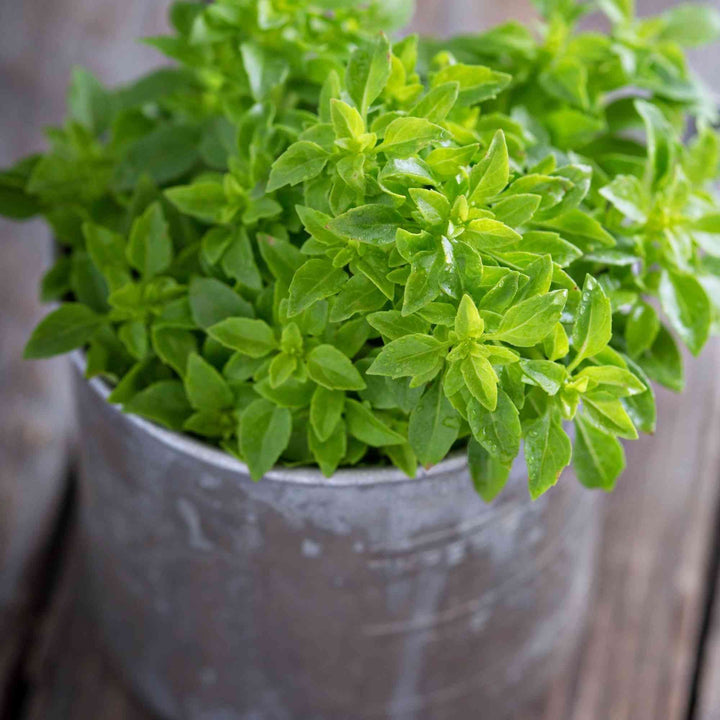
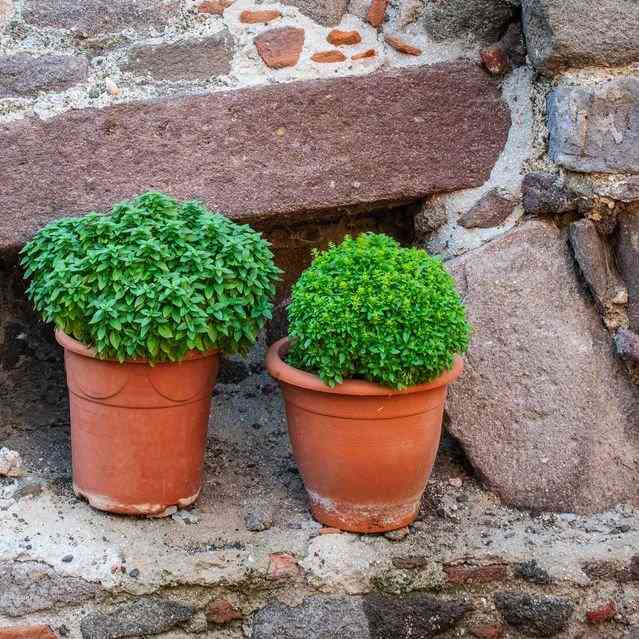
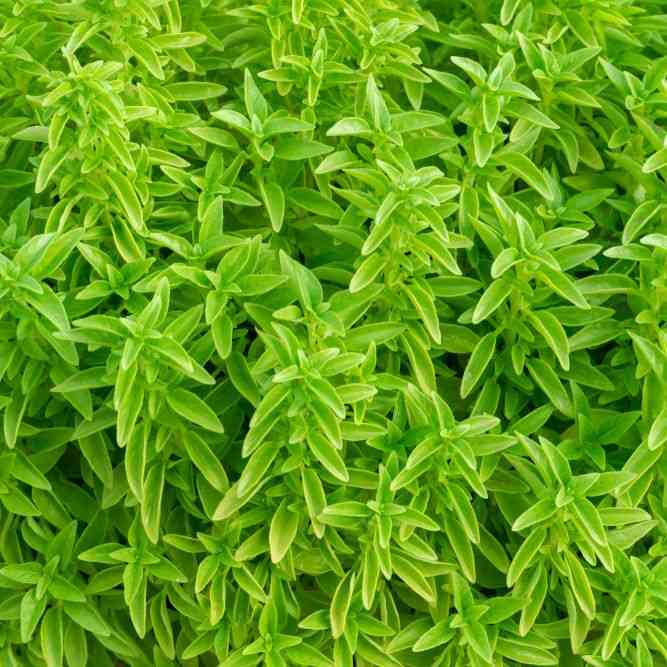
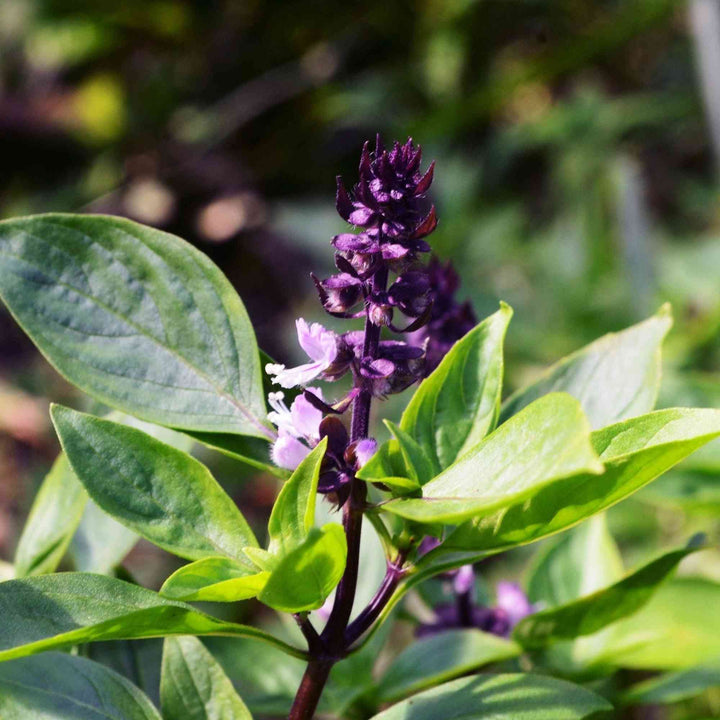
Persian Basil brings a lively, aromatic accent to soups, salads and summer herb plates. Its generous green leaves and branching habit make it useful in a sunny container as well as a kitchen bed. Pick leafy tips often for fresh seasoning, or blend them into sauces and herb dressings. Pinching encourages new branches and delays flowering; a few reserved flower spikes give visiting bees another reason to linger in the garden.
Fragrant leaves for generous summer kitchen harvests.
Variety and background
Persian basil has green foliage. The 2015 AAS award belongs to a particular Persian selection; that award is not claimed for this lot.
Growing facts
| Scientific name | Ocimum basilicum L. |
|---|---|
| Life cycle | Annual |
| Maturity / harvest basis | 50-59 Days |
| Seed depth | 1/8-1/4 in |
| Germination | 5-10 days |
| Germination temperature | 70-85 F |
| Plant height / spread | 15-24 in |
| Habit | Bush |
| Plant spacing | 10 in |
| Row spacing | 18 in |
| Sunlight | Full sun |
| Pollination type | Open-Pollinated (OP) |
Starting from seed
Start indoors 4-6 weeks before last frost or direct sow after frost. Sow 1/8-1/4 in. deep; at 70-85 F allow 5-10 days. Thin to 12 in. apart, rows 18 in. apart. Give sun, good drainage and steady moisture; pinch above leaf pairs.
Planting and care
Start indoors 4-6 weeks before last frost or direct sow after frost. Sow 1/8-1/4 in. deep; at 70-85 F allow 5-10 days. Thin to 12 in. apart, rows 18 in. apart. Give sun, good drainage and steady moisture; pinch above leaf pairs. Persian basil has green foliage. The 2015 AAS award belongs to a particular Persian selection; that award is not claimed for this lot.
Harvest and use
Snip leafy tips once plants are established, leaving foliage to regrow. Use fresh or freeze; dry away from direct sun. For seed, isolate other basils of this species and collect dry, brown flower spikes before seeds scatter.
Saving seed
Select several healthy, true-to-type Persian Basil plants that match the expected bush habit and overall plant form. Avoid saving seed only from the earliest or largest individual unless that is your deliberate selection goal. Pollination system: Open-pollinated herb or leafy crop. Compatible plants of the same species may cross to varying degrees through insects or wind. Separate compatible varieties that may flower together, or use cages, barriers, hand pollination, or another documented control appropriate to the crop. Allow selected plants to pass the eating stage and reach full botanical seed maturity. Harvest only when seed heads, pods, or fruits have matured enough for sound seed development. Clean the seed carefully, dry it thoroughly away from direct heat, label the lot with variety and year, and store it cool, dark, and dry. Test germination before an important planting or distribution season.
Common problems
Common concerns: Aphids, whiteflies, spider mites, slugs, damping-off, root rot, and leaf diseases under humid crowded conditions. Management: Provide airflow, drainage, moderate fertility, careful watering, and clean harvest practices. Diagnosis note: Similar symptoms can have different causes. Compare plants of the same age, record weather and irrigation, and use local Extension or diagnostic support before applying a control.
Frequently asked questions
What distinguishes this selection?
Persian basil has green foliage. The 2015 AAS award belongs to a particular Persian selection; that award is not claimed for this lot.
How should I start it?
Start indoors 4-6 weeks before last frost or direct sow after frost. Sow 1/8-1/4 in. deep; at 70-85 F allow 5-10 days. Thin to 12 in. apart, rows 18 in. apart. Give sun, good drainage and steady moisture; pinch above leaf pairs.
When and how should I harvest?
Snip leafy tips once plants are established, leaving foliage to regrow. Use fresh or freeze; dry away from direct sun. For seed, isolate other basils of this species and collect dry, brown flower spikes before seeds scatter.
Can I save seed?
Select several healthy, true-to-type Persian Basil plants that match the expected bush habit and overall plant form. Avoid saving seed only from the earliest or largest individual unless that is your deliberate selection goal. Pollination system: Open-pollinated herb or leafy crop. Compatible plants of the same species may cross to varying degrees through insects or wind. Separate compatible varieties that may flower together, or use cages, barriers, hand pollination, or another documented control appropriate to the crop. Allow selected plants to pass the eating stage and reach full botanical seed maturity. Harvest only when seed heads, pods, or fruits have matured enough for sound seed development. Clean the seed carefully, dry it thoroughly away from direct heat, label the lot with variety and year, and store it cool, dark, and dry. Test germination before an important planting or distribution season.