Seeds: When properly stored, planted, and cared for, we guarantee reasonable germination and true-to-type growth for one year from purchase.
Non-seed products: Free from defects in materials and workmanship for 30 days from shipment.
Excludes factors outside our control (extreme weather, pests, gardener error). If something’s off, contact us—we’ll make it right with a replacement, repair, or refund.
USDA “bioengineered (BE)” foods are those with detectable genetic material that was modified using in vitro recombinant DNA (rDNA) techniques, in ways
not obtainable through conventional breeding or found in nature. The USDA’s National Bioengineered Food Disclosure Standard uses “bioengineered” as the nationwide labeling term.
Detectable modified genetic material in the final food
Created via in vitro rDNA techniques (e.g., gene transfer)
Modifications not achievable through conventional breeding or nature
—seeds / pkt
( ~ g )
Description
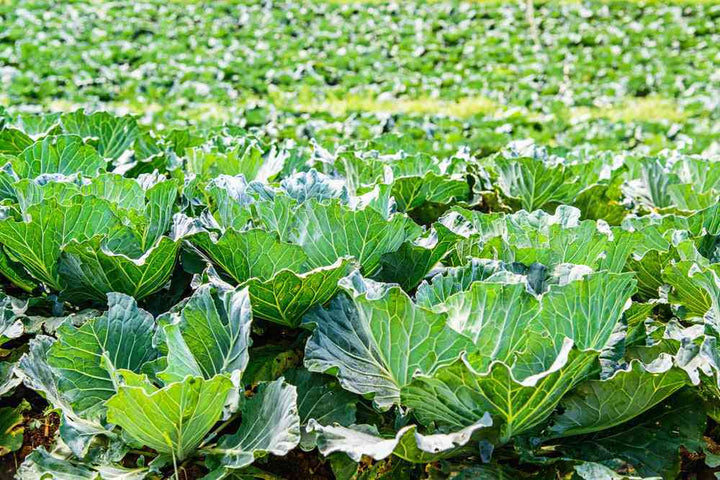
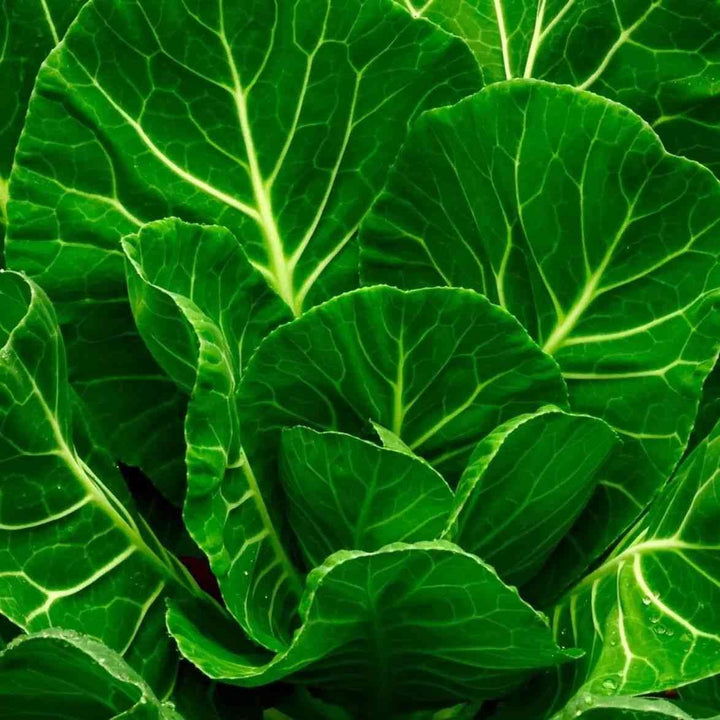
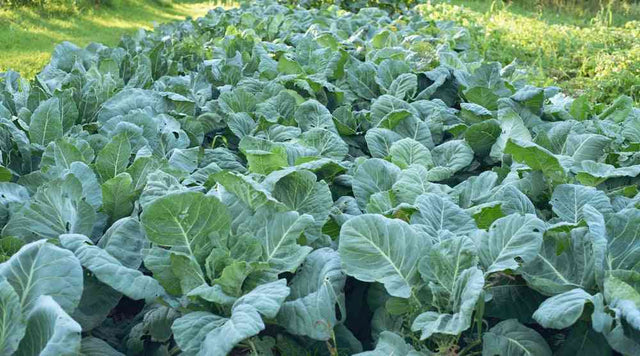
Champion Collard is a dependable, heavy-yielding collard selected for big plants, broad dark-green leaves, and a steady harvest through cool weather. This variety grows with a strong upright habit and builds thick, tender leaves that hold up well in the garden and in the pot. It is a classic “workhorse” collard that performs for home gardens, rows, and cut-and-come-again harvesting.
The leaves are large and substantial with a rich, traditional collard flavor that sweetens noticeably after cool nights and light frosts. Champion is especially well-suited to slow simmering, braising, and sautéing, but it is also excellent sliced thin for quick-cooked greens, soups, and stews. Its texture stays hearty without getting stringy when harvested at the right stage.
As a long-season brassica, Champion is valued for reliability and volume. With consistent moisture and regular picking, it keeps producing fresh leaves over an extended window, making it a strong choice for growers who want a true Southern-style collard that fills the basket again and again.
HOW TO SOW AND PLANT - CHAMPION COLLARDS (Brassica oleracea var. viridis)
Champion collards are a cool-season brassica that can be direct sown or transplanted. The goal is simple: steady germination, strong seedlings, and a clean transplant so plants take off fast without stalling.
====================
WHEN TO START (TIMING)
Best windows
Spring crop: sow indoors 4 to 6 weeks before your last frost, or direct sow 2 to 4 weeks before last frost if soil is workable.
Fall crop (best quality): start seeds 6 to 8 weeks before your first frost, transplant out while nights are cooling.
Cold notes
Light frosts improve flavor.
Hard freezes can damage young seedlings, use row cover if a hard cold snap hits right after planting.
====================
SEED STARTING INDOORS (BEST FOR STRONG TRANSPLANTS)
Containers and mix
Use cell trays or small pots with a light seed-starting mix.
Moisten mix evenly before sowing.
Sowing depth
Plant seed 1/4 in deep.
How to sow
Place 1 to 2 seeds per cell.
Cover lightly, press gently, and mist or water from the bottom.
Germination conditions
Keep evenly moist, not soggy.
Warmth helps speed germination, then give bright light as soon as sprouts appear.
After sprouting
Give strong light 14 to 16 hours a day so seedlings do not stretch.
Keep air moving to prevent damping-off.
Thin to 1 seedling per cell by snipping the weaker one at the soil line.
Feeding
Once the first true leaves form, feed lightly with a diluted balanced fertilizer once a week.
====================
DIRECT SOWING OUTDOORS (SIMPLE AND RELIABLE)
Bed prep
Loosen the top few inches and remove clods.
Level the surface so seed depth stays consistent.
Sowing depth
Plant seed 1/4 in deep.
Row method
Sow thinly in a row, then lightly cover and firm the soil.
Keep the top layer evenly moist until germination.
Thinning
Thin seedlings to your final spacing once they have 2 to 3 true leaves.
Do not leave them crowded, crowding makes weak plants and invites pests.
====================
TRANSPLANTING (THE RIGHT WAY)
When to transplant
Transplant when seedlings have 3 to 5 true leaves and sturdy stems.
Avoid overgrown, root-bound starts.
Hardening off
7 to 10 days before planting out, gradually expose seedlings to outdoor sun, wind, and cooler nights.
Bring them in or cover them if a hard freeze is forecast.
Planting day steps
Plant in late afternoon or on a cloudy day to reduce stress.
Water the seedling tray well before transplanting.
Set transplants at the same depth they were growing in the cell.
Firm soil around the root ball and water in thoroughly.
Aftercare
Keep soil evenly moist for the first 7 to 10 days while roots establish.
If pests are active, use row cover immediately after planting until plants are larger.
====================
EARLY SEEDLING PROTECTION (WORTH DOING)
Flea beetles and cabbage worms hit young plants hardest.
Row cover is the easiest protection until plants size up.
Slug watch in damp weather, keep mulch back from tiny seedlings until they are established.
====================
QUICK SUCCESS CHECKLIST
Plant seed 1/4 in deep.
Keep moisture even until sprouted.
Thin early so plants are not crowded.
Harden off before transplanting.
Water transplants in deeply and protect with row cover if pests or cold are an issue.
HOW TO GROW - CHAMPION COLLARDS (Brassica oleracea var. viridis)
Champion collards are a hardy cool-season green that rewards steady moisture, rich soil, and regular harvesting. The goal is strong early growth, clean leaf production through cool weather, and keeping pests from chewing holes before you get your big, tender leaves.
====================
SITE AND SUNLIGHT
Full sun is best for fastest growth and thick leaves.
Partial sun works, especially in warmer weather, and can help reduce heat stress.
Choose a spot with good airflow to reduce leaf disease pressure.
====================
SOIL HEALTH AND BED PREP
Ideal soil: loose, fertile, well-drained, and compost-rich.
Target soil pH: about 6.0 to 7.5.
Before planting, work in compost or well-rotted manure.
Collards love nitrogen, but balance matters. Too much fast nitrogen can make very soft growth that attracts pests and diseases.
====================
WHEN TO PLANT
Collards prefer cool weather.
Plant in early spring for late spring harvests, and again in late summer for fall and winter harvests.
For fall crops, start while it is still warm, then let plants mature as temperatures cool.
Light frosts improve flavor and tenderness.
====================
SEEDING AND SPACING
Direct sow
Sow seeds 1/4 in deep.
Keep the seedbed evenly moist until sprouts establish.
Thin seedlings so plants have room to size up.
Spacing
For full-size plants, aim about 18 to 24 in between plants, with 24 to 36 in between rows.
For baby leaf or cut-and-come-again harvesting, you can space tighter and harvest more often.
====================
WATERING AND MOISTURE RHYTHM
Keep soil evenly moist for tender leaves and steady growth.
Aim for about 1 in of water per week, more in sandy soil or warm spells.
Water at the base to keep foliage dry and reduce disease.
Common mistake
Letting plants dry hard, then soaking. That swing leads to tough, bitter leaves and can cause growth setbacks.
Collards cross readily with other Brassica oleracea types (kale, cabbage, broccoli, Brussels sprouts, cauliflower).
For true seed, isolate flowering plants or only let one Brassica oleracea type flower in the area.
Seed saving takes a full season into the second year because collards are biennial for seed.
====================
GARDEN PLACEMENT AND COMPANIONS
Good neighbors are herbs and flowers that bring beneficial insects, plus crops that do not compete heavily for the same space.
Rotate brassicas to a new bed each season to reduce worm pressure and soil disease buildup.
Avoid planting near last season’s brassica patch if you can.
COMMON PESTS AND PROBLEMS (CHAMPION COLLARD)
====================
INSECT PESTS
CABBAGE WORMS AND LOOPERS (Pieris rapae, Trichoplusia ni)
Signs: Ragged holes, green caterpillars, dark frass on leaves, chewed growing tips.
Prevention: Row cover from planting until plants are large (or remove covers for flowering brassicas), hand-check leaf undersides, encourage beneficial insects.
Actions: Hand-pick caterpillars, use Bt (kurstaki) on young larvae, repeat after rain. Spinosad can work for heavy pressure, apply at dusk and follow label directions.
DIAMONDBACK MOTH LARVAE (Plutella xylostella)
Signs: Small “shot holes,” tiny green larvae, leaf skeletonizing in outbreaks.
Prevention: Row cover, rotate brassicas, remove old brassica debris.
Actions: Bt (kurstaki) works best on small larvae, spinosad as needed. Treat early, outbreaks escalate fast.
APHIDS (Brevicoryne brassicae, Myzus persicae)
Signs: Clusters on new growth and leaf undersides, sticky honeydew, curling leaves, slowed growth.
Prevention: Avoid excess nitrogen, keep weeds down, encourage lady beetles and lacewings.
Actions: Strong water spray, insecticidal soap, neem as needed. Remove badly infested leaves if populations are heavy.
Prevention: Row cover early, keep soil moist during seedling stage, mulch to reduce stress.
Actions: Use a fine spray of water to disrupt feeding, neem or pyrethrin-based options if severe, reapply as required. Protect seedlings early, that is when damage matters most.
HARLEQUIN BUG AND STINK BUGS (Murgantia histrionica, various stink bugs)
Signs: White/yellow stippling, leaf wilting in patches, clusters of barrel-shaped eggs, bugs on stems and leaf undersides.
Prevention: Remove weeds and brassica residues, use row cover early, avoid planting brassicas back-to-back.
Actions: Hand-pick adults and egg clusters, knock into soapy water, treat nymphs early before they harden.
CUTWORMS (Agrotis spp.)
Signs: Seedlings cut at soil line, plants toppled overnight.
Prevention: Collars around transplants, clear plant debris before planting.
Actions: Dig around base to find and remove larvae, replant if needed, use collars to stop repeat damage.
SLUGS AND SNAILS
Signs: Irregular holes, slime trails, damage worst on young plants and lower leaves.
Prevention: Reduce hiding spots, water in morning, keep mulch pulled back from stems.
Actions: Iron phosphate bait, beer traps, hand-pick at dusk.
====================
DISEASES
DOWNY MILDEW
Signs: Pale yellow patches on upper leaf surface, gray-purple fuzz underneath, worse in cool, wet weather.
Prevention: Good airflow, avoid overhead watering late day, rotate brassicas, space plants well.
Actions: Remove heavily infected leaves, use copper or other approved protectants early, focus on prevention during extended wet spells.
Q: What is Champion Collard?
A: Champion Collard is a hardy collard green variety (Brassica oleracea) grown for large, sturdy leaves that hold up well to cooking and get sweeter after cold weather.
Q: Is Champion Collard heirloom or hybrid?
A: Champion Collard is typically sold as an open-pollinated (OP) collard, not an F1 hybrid.
Q: How long do Champion Collards take to mature?
A: Most Champion Collards are ready for first harvest in about 60–89 days, depending on temperature, fertility, and how quickly plants size up.
Q: What is the growth habit of Champion Collards?
A: Collards grow as an upright, leafy plant that forms a loose, open rosette rather than a tight head.
Q: How big do Champion Collard plants get?
A: Plants commonly reach about 24–36 inches tall, with broad leaves harvested continuously as the plant grows.
Q: Are Champion Collards cold hardy?
A: Yes. Collards are among the most cold-tolerant greens, and flavor often improves after light frosts.
Q: How do I harvest Champion Collards for the longest season?
A: Harvest the outer, lower leaves first and leave the center growing point intact so the plant keeps producing for weeks or months.
Q: What do Champion Collards taste like?
A: They have a strong, classic collard flavor with a mild bitterness that softens and sweetens with cool weather and cooking.
Q: Can I grow Champion Collards in containers?
A: Yes, as long as the container is deep and wide enough for a full root system and you keep water and fertility steady.
Q: Do Champion Collards bolt?
A: They can bolt (send up a flower stalk) as temperatures warm and days lengthen, especially in spring. Harvest heavily and plan plantings for cool-season production to delay bolting.
Q: Do collards cross-pollinate?
A: Yes. Collards can cross with other Brassica oleracea types (kale, cabbage, broccoli, Brussels sprouts, cauliflower) if they flower at the same time.
Q: What are the most common reasons collards look rough or stunted?
A: Most issues come from caterpillar feeding, aphids, inconsistent moisture, or nutrient stress. Regular scouting and steady watering usually prevent the worst problems.
HISTORY AND CULTURE - Champion Collards (Brassica oleracea var. viridis)
Champion Collards are a classic Southern-style collard grown for dependable harvests, sturdy plants, and broad, flavorful leaves that hold up beautifully in the pot. In many gardens across the Southeast, collards are not just a “green”, they are a seasonal staple crop, planted for steady cutting, hardiness, and the way their flavor deepens after cool weather.
At the species level, Brassica oleracea is an old and widely developed food plant that includes many of the leafy and heading vegetables people already know, such as kale, cabbage, broccoli, and collards. Over generations, growers selected certain lines for strong leaf production and cold tolerance rather than tight heads. Collards are part of that lineage, built for leaf harvest, resilience, and repeated picking.
In the garden, Champion fits the long tradition of growing greens that can be cut again and again through fall and winter, then harvested heavier as plants size up. In the kitchen, collards carry cultural weight because they are practical food, hearty, filling, and meant for real meals, whether simmered low and slow, sautéed, or cooked down into soups and beans. Champion represents that everyday reliability, the kind of collard people plant because they expect it to perform and they know exactly what it will taste like when it hits the plate.
SEED SAVING - Champion Collards (Brassica oleracea var. viridis)
Collards are insect-pollinated and will cross easily with other Brassica oleracea crops if they flower at the same time. To keep Champion true, your main job is isolation, then overwintering selected plants long enough to flower and set dry seed.
====================
PICKING PLANTS TO SAVE FROM
Goal: Save seed only from plants that match the Champion collard traits you want to keep.
Choose plants that are
Vigorous and healthy all season
Uniform in leaf shape, color, and growth habit
Slow to bolt in warm spells
Good cold tolerance and strong regrowth after picking
Free of virus-like symptoms (mottling, twisted growth), heavy aphid damage, and black rot signs
Avoid saving seed from
Early bolters (they pass on bolting tendency)
Plants with yellowing, stunting, distorted new growth, or severe pest stress
Plants that look “off type” for the variety (odd leaf form or inconsistent stand)
====================
2. KEEPING THE VARIETY TRUE (ISOLATION AND POLLINATION CONTROL)
Important: Collards are Brassica oleracea. They will cross with other Brassica oleracea crops if they bloom together.
It can cross with
Kale, cabbage, broccoli, cauliflower, Brussels sprouts, kohlrabi, and other collards (all Brassica oleracea)
It will not cross with
Mustard greens (Brassica juncea)
Turnips, bok choy, and many Asian greens (Brassica rapa)
Two realistic ways to keep it true
OPTION A: DISTANCE ISOLATION
For clean seed, avoid any flowering Brassica oleracea within pollinator range.
Home-scale rule: do not let other B. oleracea types flower at the same time within your area if you can help it.
If you cannot guarantee isolation, assume crossing is possible.
OPTION B: CAGING OR BAGGING (BEST FOR TRUE SEED)
Cage method
Place selected plants inside an insect-proof cage.
Introduce pollinators inside the cage (blue bottle flies or small bees) or hand-shake flowering stalks daily to move pollen.
Bagging method (small scale)
Bag flowering branches with fine mesh and shake daily once flowers open.
This can reduce seed set, but it helps prevent outside pollen.
How many plants to keep
For strong genetics, aim for 10 to 20 plants if possible.
Minimum: save from at least 6 plants. More is better for long-term vigor.
====================
3. OVERWINTERING AND GETTING PLANTS TO FLOWER
Collards are typically biennial for seed. They need cold exposure (vernalization) to trigger flowering.
Best approach
Grow plants through fall and winter.
Select your best plants and keep them alive through cold weather.
In spring, they will send up tall flowering stalks.
Overwinter protection tips
Mulch heavily around the base.
In very hard cold snaps, use row cover to prevent crown damage.
Keep the soil evenly moist, not soggy.
If you must dig and replant (only if needed)
Lift plants with a big root ball.
Trim damaged leaves, keep the crown intact.
Replant quickly and water in well.
====================
4. FLOWERING, POLLINATION, AND SEED SET
Once stalks rise, give plants room and support.
Spacing for seed plants
Give plants space for airflow and branching.
Stake tall stalks to prevent lodging in wind.
Pollination notes
Bees and other insects do most of the work.
Good bloom-time moisture and mild weather improve seed set.
Avoid spraying anything during bloom.
====================
5. HARVESTING THE SEEDS
Collard seed forms in long pods (siliques) that dry and turn tan to brown.
When to harvest
Harvest when most pods are dry and papery.
Do not wait too long or pods will shatter and drop seed.
How to harvest
Cut whole stalks when the bulk of pods are dry.
Lay stalks on a tarp or in paper-lined bins to finish drying 7 to 14 days in a dry, airy place.
====================
6. CLEANING THE SEEDS
Threshing
Once fully dry, rub pods between gloved hands over a tarp, or gently beat stalks inside a clean bin.
Pods will break and release seed.
Basic cleaning
Remove big stems and pod pieces first by hand.
Winnow
Pour seed and chaff slowly between two containers in a light breeze or in front of a fan.
Chaff blows off, heavier seed falls into the catch container.
Final screen
If you have a mesh screen, sift to separate remaining debris.
====================
7. DRYING THE SEEDS (MOST IMPORTANT STEP)
Even after pods feel dry, seed can hold moisture.
Spread seed in a thin layer on a plate or screen.
Dry in a warm, dry room with airflow out of direct sun.
Stir daily.
Drying time
Usually 7 to 14 days, longer in humidity.
How to tell they are fully dry
Seeds feel hard and do not dent under fingernail pressure.
They pour cleanly and do not clump.
====================
8. STORING AND LABELING
Label includes
Champion Collards
Brassica oleracea var. viridis
Year harvested
Notes (overwintered, caged, slowest to bolt, best leaf type, etc.)
Best containers
Paper envelope for breathing, stored inside a jar for protection
Or a jar with a little desiccant packet if your space is humid
Best conditions
Cool, dark, and dry
Avoid heat swings and sunlight
Typical viability
Often 3 to 5 years with good storage, sometimes longer if kept very dry and cool.
====================
9. QUICK VIABILITY TEST
Place 10 seeds on a damp paper towel.
Fold, place in a plastic bag or sealed container, and keep warm.
Check daily for sprouting.
Interpreting results
8 to 10 sprouted: great seed
6 to 7 sprouted: usable, sow a bit thicker
Under 6 sprouted: consider replacing or sow heavily
====================
EXTRA TIPS FOR BETTER SEED
Save from the slowest-bolting, most uniform plants, not just the biggest.
Keep seed from multiple plants and mix it to maintain vigor.
If you grow kale, cabbage, broccoli, or Brussels sprouts, prevent them from flowering near your seed plants, or cage your seed crop.
USES AND BENEFITS - CHAMPION COLLARDS (Brassica oleracea var. viridis)
Champion Collards are a dependable Southern staple grown for steady harvests of big, dark green leaves that cook down tender and flavorful. The benefits here are practical, culinary, and household-focused, with general nutrition notes only, no medical claims.
====================
PRIMARY USES
COOKING GREEN (SOUTHERN KITCHEN WORKHORSE)
Large, sturdy leaves built for braising, simmering, and slow cooking.
Classic for pot greens, soups, beans, stews, and mixed greens.
Holds texture and flavor well with smoked meats, onions, garlic, pepper, and vinegar.
FRESH COOKING AND QUICK SAUTE
Younger leaves slice well for quick sautés, stir-fries, and skillet greens.
Works well in mixed greens bunches for a balanced “bite” and body.
COOL-SEASON GARDEN STAPLE
Reliable fall, winter, and early spring production in many climates.
A practical crop for steady harvests when warm-season plants are fading out.
====================
CULINARY BENEFITS
TEXTURE BENEFIT
Leaves stay substantial instead of disappearing into mush.
When cooked properly, they turn tender with a satisfying chew.
Ribs can be trimmed for faster cooking or left in for hearty, traditional texture.
FLAVOR BENEFIT
Rich, earthy collard flavor that gets sweeter and milder in cool weather.
Long cooking develops depth and mellows sharpness.
KITCHEN EFFICIENCY
One planting can provide repeated cut-and-come-again harvests.
Leaves freeze well after blanching for quick meals later.
====================
HOUSEHOLD AND GARDEN BENEFITS
STEADY HARVEST VALUE
Pick outer leaves over time while the plant keeps producing from the center.
Great for home gardens where you want ongoing yield, not one-and-done harvest.
COLD-WEATHER FOOD PLANNING
Fits fall and winter eating routines when fresh greens are harder to come by.
Pairs well with pantry foods like beans, rice, cornmeal, potatoes, and smoked seasoning.
LOW WASTE POTENTIAL
Harvest what you need, when you need it, instead of pulling whole plants at once.
Stems and trimmings can go to compost after cooking prep.
====================
GENERAL NUTRITION NOTES (NO MEDICAL CLAIMS)
Collard greens are commonly known as a fiber-rich leafy green and often contain vitamins and minerals, including vitamin K, vitamin C, folate, and calcium. Exact nutrition varies by soil, season, and cooking method. This is food support, not a treatment.
====================
WAYS TO ENJOY (DETAILED IDEAS)
CLASSIC SLOW-SIMMERED GREENS
Cook with onion, garlic, salt, black pepper, and a smoked seasoning of your choice.
Finish with a splash of vinegar or pepper sauce for balance.
Quick tenderness tip: stack leaves, roll, slice into ribbons before cooking.
BRAISED COLLARDS
Braise in broth with onions and spices until silky and tender.
Add beans or potatoes to turn it into a full meal.
SAUTEED GREENS
Use younger leaves for quick cooking with garlic and oil.
Finish with lemon or vinegar and a pinch of red pepper for brightness.
SOUPS, STEWS, AND BEANS
Add sliced collards near the end for texture, or earlier for deeper flavor.
Excellent in bean pots, chicken soup, vegetable stew, and hearty broths.
MIXED GREENS POT
Blend with turnip greens, mustard greens, or kale for layered flavor and texture.
Champion adds body and “leaf strength” to the mix.
PRESERVING
Blanch, drain well, and freeze in meal-sized portions.
This keeps a winter green ready to go without losing your harvest.
====================
FLAVOR PAIRINGS
SAVORY PAIRINGS
Garlic, onion, black pepper, vinegar, hot pepper
Smoked seasonings, bacon, ham seasoning style flavors
Beans, potatoes, tomatoes, cornmeal dishes
Sweet and tangy notes: apple cider vinegar, a pinch of sugar, or a touch of molasses in the pot
====================
WHO THESE COLLARDS ARE PERFECT FOR
People who want classic Southern-style greens with dependable yield.
Home gardeners who want repeated harvests from one planting.
Cooks who love braised greens, bean pots, soups, and slow-simmered comfort food.
Growers who want a strong cool-season staple that performs in fall and winter.
Shipped from U.S.A.
Our seeds are grown and sourced from the US. They're then packed and shipped from Colerain NC.
Triple tested
We regularly test the quality and germination rate of our seeds. We're so confident that our seeds are backed by a 1 year warranty!
Payment & Security
Payment methods
Your payment information is processed securely. We do not store credit card details nor have access to your credit card information.
Join Our Newsletter for Exclusive Savings!
Sign up for our newsletter to get a 30% discount code sent straight to your inbox. If it doesn’t appear right away, please check your inbox settings, and if you still need help, we’re here to assist!
Alliance of Native Seedkeepers
Collard Seeds - Champion
$200 USD
Unit price /
Unavailable
Description
Champion Collard is a dependable, heavy-yielding collard selected for big plants, broad dark-green leaves, and a steady harvest through cool weather. This variety grows with a strong upright habit and builds thick, tender leaves that hold up well in the garden and in the pot. It is a classic “workhorse” collard that performs for home gardens, rows, and cut-and-come-again harvesting.
The leaves are large and substantial with a rich, traditional collard flavor that sweetens noticeably after cool nights and light frosts. Champion is especially well-suited to slow simmering, braising, and sautéing, but it is also excellent sliced thin for quick-cooked greens, soups, and stews. Its texture stays hearty without getting stringy when harvested at the right stage.
As a long-season brassica, Champion is valued for reliability and volume. With consistent moisture and regular picking, it keeps producing fresh leaves over an extended window, making it a strong choice for growers who want a true Southern-style collard that fills the basket again and again.