Cold sweetens it, and this Carolina Cabbage Collard makes thick, tender, cabbage-like heads of rich Southern greens that keep producing when other crops quit.
Seeds: When properly stored, planted, and cared for, we guarantee reasonable germination and true-to-type growth for one year from purchase.
Non-seed products: Free from defects in materials and workmanship for 30 days from shipment.
Excludes factors outside our control (extreme weather, pests, gardener error). If something’s off, contact us—we’ll make it right with a replacement, repair, or refund.
USDA “bioengineered (BE)” foods are those with detectable genetic material that was modified using in vitro recombinant DNA (rDNA) techniques, in ways
not obtainable through conventional breeding or found in nature. The USDA’s National Bioengineered Food Disclosure Standard uses “bioengineered” as the nationwide labeling term.
Detectable modified genetic material in the final food
Created via in vitro rDNA techniques (e.g., gene transfer)
Modifications not achievable through conventional breeding or nature
—seeds / pkt
( ~ g )
Description
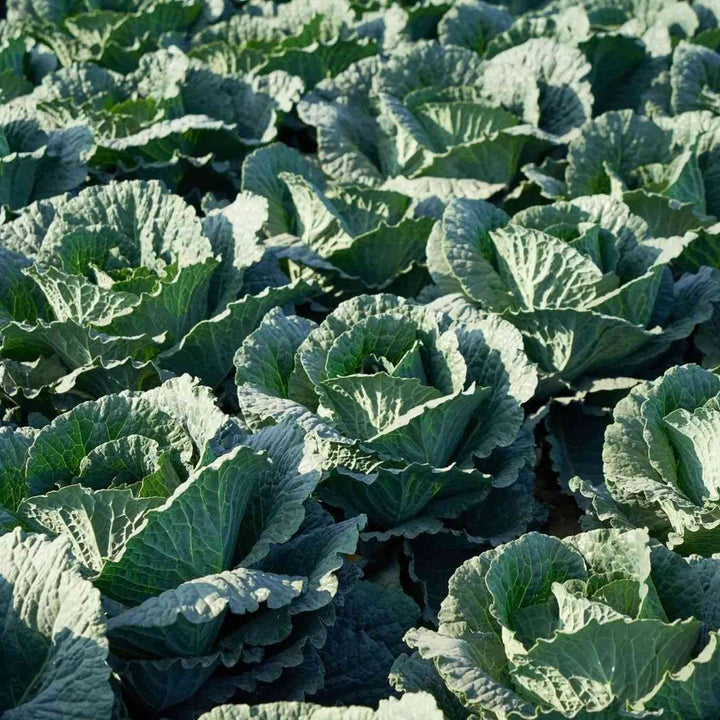
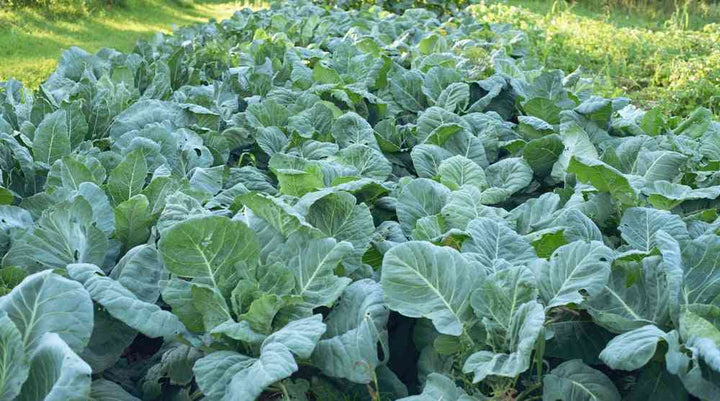
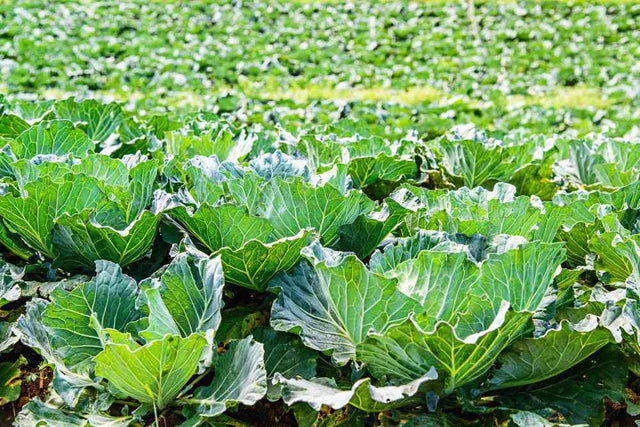
Carolina Cabbage Collard also known as Morris heading, is a beloved Southern heading collard type prized across the Carolinas for its cabbage-like form, deep green leaves, and dependable cold-weather performance. This variety is grown for serious eating quality, building a dense, compact head that can be harvested as a whole plant or picked leaf-by-leaf as it sizes up. It is a reliable fall and winter green that holds well in the garden and becomes a true staple once cool weather settles in.
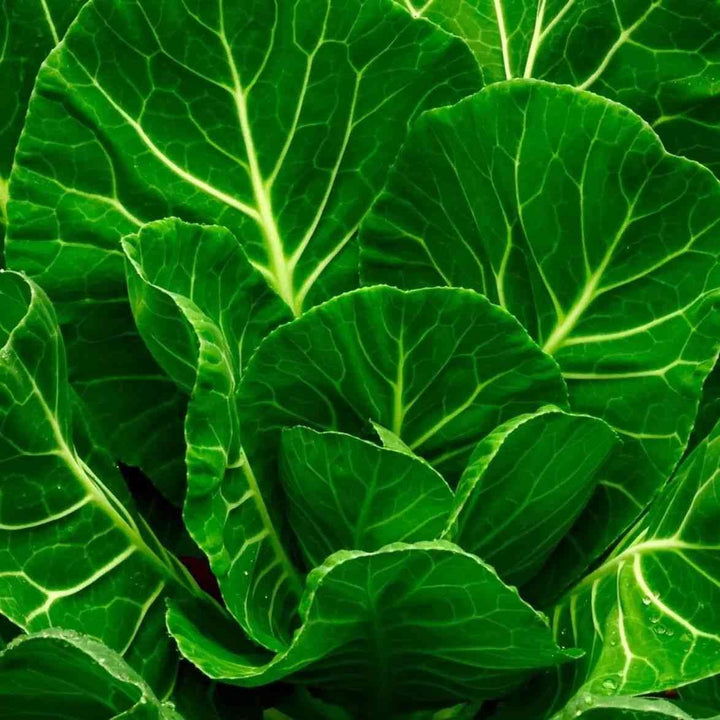
Plants typically form sturdy, upright growth with broad, dark green leaves that tighten into a loose head, giving you that “cabbage collard” look that local growers recognize immediately. The flavor is rich and earthy with a mild sweetness that develops further after cold nights, making it a strong choice for both fresh use and long-cooked dishes. Carolina Cabbage Collard is especially valued for its texture, with leaves that cook down tender while still keeping body, not turning to mush.
In the kitchen, it shines in the classic Southern way: slow-braised, stewed, and simmered with seasonings, but it is just as useful shredded into sautés, added to soups, or cooked down as a hearty side. If you want the collard people around here actually buy and actually cook, Carolina Cabbage Collard is the one that earns its space in the bed and on the plate.
HOW TO SOW AND PLANT - CAROLINA CABBAGE COLLARD (Brassica oleracea var. viridis)
Carolina Cabbage Collard is a cool-season brassica that performs best when it starts strong and grows steadily without checks. Your job in this stage is to time it right, build sturdy seedlings, and transplant without stress so the plants hit the ground running.
====================
WHEN TO START (TIMING OPTIONS)
Spring crop (for early greens)
Start indoors 4 to 6 weeks before your last expected frost.
Transplant out 2 to 3 weeks before last frost, or once plants are hardened off.
Fall and winter crop (best flavor and traditional timing)
Start indoors or direct sow in late summer.
Transplant when heat begins to ease so plants can size up in cooler weather.
Light frost improves eating quality, but young plants still need time to establish.
Quick timing rule
Aim to have plants well established before deep cold, or well established before summer heat.
====================
SEED STARTING INDOORS (RECOMMENDED FOR UNIFORM STANDS)
Containers
Use cell trays or small pots with drainage.
If you want the cleanest transplant, use larger cells so roots do not bind fast.
Soil mix
Use a fine, well-draining seed-starting mix.
Avoid heavy garden soil in trays, it compacts and holds too much water indoors.
Sowing depth
Sow about 1/4 inch deep.
Cover lightly and press gently so seed has contact with moist mix.
Germination environment
Keep evenly moist, not soaked.
Collards sprout fastest in moderate warmth, then do better cooler once up.
After sprouts breach the soil
Move seedlings to bright light immediately.
Keep them cool enough to stay compact, warm and low light makes leggy plants.
Thinning
If more than one seed sprouts per cell, snip extras and keep the strongest seedling.
====================
HARDENING OFF (DO NOT SKIP)
Start 7 to 10 days before transplanting.
Day 1 to 2: 1 to 2 hours outside in bright shade, protected from wind.
Build up daily to more sun and more wind exposure.
Final days: outside most of the day, and mild nights if temperatures are not extreme.
Goal
Leaves should toughen and plants should handle outdoor swings without wilting.
====================
BED PREP FOR TRANSPLANTING
Soil texture and drainage
Loose, well-drained soil grows better roots and sweeter leaves.
Avoid soggy, compacted ground, collards hate slow, waterlogged soil.
Fertility
Work in compost before planting.
Collards like steady nutrition, but young plants do not want hot, fresh manure.
Soil moisture
Water the bed the day before transplanting if it is dry.
Transplanting into dry dust causes shock and stalled growth.
====================
TRANSPLANTING (HOW TO PLANT IT RIGHT)
Best time of day
Late afternoon or an overcast day is ideal to reduce stress.
Planting depth
Set transplants so the root ball is fully covered and the plant sits at the same depth it grew in the tray.
Firm soil around the root zone so there are no air pockets.
Spacing
Give them room to head up and leaf out.
A common setup is 12 to 18 inches between plants, with wider row spacing so you can weed and harvest easily.
Water in
Water immediately after planting to settle soil tightly around roots.
Early protection (highly useful)
Row cover helps with wind stress and protects against flea beetles and other early chewing pests.
Remove or vent it during warm spells so plants do not overheat.
====================
DIRECT SOWING (IF YOU PREFER)
When to direct sow
Direct sow when soil is workable in spring, or late summer for fall crops.
Avoid the hottest stretch of summer if you can, heat makes germination uneven.
How to sow
Sow about 1/4 inch deep.
Keep the top layer consistently moist until sprouts breach the soil.
Thin seedlings early, crowded collards stay small and get tougher.
====================
EARLY STAGE TROUBLESHOOTING (COMMON STARTUP PROBLEMS)
Leggy seedlings
Cause: Not enough light, too warm indoors.
Fix: Stronger light, cooler temps, and gentle airflow.
Damping off
Cause: Overwatering, stale air, dirty trays.
Fix: Water less, increase airflow, use clean trays and fresh mix.
Transplant shock
Cause: Skipping hardening off, planting into dry soil, midday sun transplanting.
Fix: Harden off, transplant late day, water in well, use temporary shade if needed.
Chewed tiny leaves
Often flea beetles.
Use row cover early, and keep plants growing steadily so they outgrow damage.
If you want, I can also format the separate “How to Grow” section for Carolina Cabbage Collard in the same style as your Jarrahdale template, but focused only on after-establishment care.
HOW TO GROW - JARRAHDALE BLUE PUMPKIN (Cucurbita maxima Duchesne)
Jarrahdale is a vigorous vining pumpkin that rewards wide spacing, steady moisture, and patient ripening. The goal is to build a strong vine early, protect flowers and pollinators midseason, then finish and cure fruit properly for long storage and peak flavor.
====================
SITE AND SUNLIGHT
Full sun is best, 8+ hours daily.
Choose a spot with good airflow and room for vines to run.
Avoid low, soggy ground. Pumpkins hate wet feet and it invites rot.
====================
SOIL HEALTH AND BED PREP
Ideal soil: loose, well-drained, rich in organic matter.
Target soil pH: about 6.0 to 7.0.
Before planting, work in compost or well-aged manure.
Pumpkins are heavy feeders, but the feeding should be balanced. Too much nitrogen makes huge vines with fewer pumpkins.
Optional mound method (recommended)
Build low hills or mounds 12 to 18 inches across.
Mounds warm faster, drain better, and help early growth.
====================
WHEN TO PLANT
Direct sow after all frost risk has passed and soil is warm.
Wait until soil is consistently about 70 °F or warmer for best germination and fast early growth.
If starting indoors, transplant carefully because pumpkins dislike root disturbance. Use large biodegradable pots and transplant young.
====================
SEEDING AND SPACING
Direct sow
Plant 1 inch deep.
Sow 2 to 4 seeds per planting hill.
Thin to the strongest 1 to 2 plants per hill.
Spacing
Give vines room. A common setup is 4 to 6 feet between hills, with 8 to 12 feet between rows.
If you are tight on space, expect smaller fruit and higher disease pressure.
====================
WATERING AND MOISTURE RHYTHM
Keep soil consistently moist, especially from flowering through fruit sizing.
Aim for roughly 1 to 1.5 inches of water per week, more during extreme heat or sandy soils.
Water deeply at the base. Avoid overhead watering late in the day to reduce mildew and leaf diseases.
Mulch after plants are established to stabilize moisture and prevent soil splash.
Common mistake
Letting plants dry hard, then soaking. That swing often leads to stress, poor fruit set, and cracking.
====================
MULCHING AND FRUIT PROTECTION
Once vines start running, apply 2 to 3 inches of straw or similar mulch.
When fruit forms, set each pumpkin on straw, cardboard, or a board to reduce bottom rot and insect damage.
Keep mulch a little back from the main stem to prevent stem rot.
====================
POLLINATION AND FRUIT SET
Pumpkins produce separate male and female flowers.
Poor fruit set usually comes from low pollinator activity, rainy weather, or heat stress.
Encourage pollinators by planting flowers nearby and avoiding sprays during bloom.
Hand-pollination option
In the morning, pick a fresh male flower, remove petals, and touch pollen to the center of a female flower (female has a small baby pumpkin behind the flower).
====================
FEEDING AND MIDSEASON CARE
Early growth
Focus on soil fertility and steady water to build healthy vines.
When vines begin to run
Side-dress with compost or a balanced organic feed.
Avoid heavy nitrogen after vines are established.
During flowering and fruit set
If feeding, favor phosphorus and potassium support rather than nitrogen.
Seaweed extract or compost tea can support resilience without pushing leafy growth.
====================
TRAINING, PRUNING, AND YIELD CONTROL
You do not need to prune, but you can manage fruit size and ripening by limiting fruit count.
For larger pumpkins, allow 1 to 3 fruits per plant and pinch off additional small fruit early.
Keep vines positioned so fruit is not trapped in wet spots.
====================
PEST AND DISEASE PREVENTION
Check stems weekly for squash vine borer signs (frass near base).
Check leaf undersides for squash bug eggs and remove them early.
Keep airflow good through spacing and weed control.
Remove badly infected leaves to slow powdery mildew spread.
Rotate cucurbits out of the same bed for 2 to 3 years if possible.
====================
HARVEST TIMING
Harvest when
Rind is hard and you cannot dent it with a fingernail.
Color is fully developed (blue-gray skin is consistent).
Stem is corky and drying.
How to harvest
Cut, do not pull.
Leave 3 to 5 inches of stem attached for better storage.
Carry pumpkins by the fruit, not the stem, to prevent hidden stem cracks.
====================
CURING AND STORAGE
Curing
Cure 10 to 14 days in a warm, dry, airy place (about 75 to 85 °F if you can).
This hardens the rind and heals small surface scratches.
Storage
Store cool, dry, and ventilated.
Do not stack fruits touching if you can avoid it.
Check monthly and use any with soft spots first.
ADDITIONAL TIPS - Carolina Cabbage Collard (Brassica oleracea var. viridis)
====================
HARVESTING TIMING (GET IT RIGHT)
Pick outer leaves as needed once plants are well-sized, and keep the growing point intact for continued production.
For “cabbage-collard” style harvest, let the plant tighten into a loose head, then cut the whole head at the base.
Sweetest greens come after cool weather. Light frosts improve flavor and tenderness.
Quick harvest checks
Leaves are full-sized, thick, and deep green.
Midrib is still flexible, not woody.
If leaves start getting tough, harvest smaller and more often.
====================
CUT-AND-COME-AGAIN VS WHOLE-PLANT HARVEST
Cut-and-come-again (best for long harvest)
Harvest 2 to 4 outer leaves per plant at a time.
Leave at least 8 to 10 inner leaves so the plant keeps pushing new growth.
Whole-plant/head harvest (best for a big one-time picking)
Let the plant form a dense rosette and partial head.
Cut at the base, or cut above the crown if you want possible regrowth.
====================
FLAVOR AND KITCHEN NOTES (MAKE IT EARN ITS SPACE)
Carolina Cabbage Collard has a mild collard flavor with a cabbage-like texture that cooks down silky.
Best uses: slow braised greens, pot liquor, sautés, soups, stir-fries, slaws (thin-sliced), and wraps.
Quick tenderness tip
Remove thick lower stems on older leaves.
Roll leaves, slice thin, then cook. Thin cuts turn “strong greens” into “sweet greens” fast.
====================
WASHING AND GRIT CONTROL (REAL-WORLD SOUTHERN TIP)
Collards trap sand and grit.
Soak leaves in a sink or tub of cold water, swish, then lift leaves out.
Dump the gritty water and repeat until clean.
Do not pour through a strainer, the grit will re-coat the leaves.
====================
WATERING RHYTHM (TENDERNESS IS MOISTURE)
Even moisture makes sweeter, more tender leaves.
Dry swings make greens tougher and more bitter.
If you are heading the plant, keep watering consistent so heads tighten evenly.
Heat spell adjustment
Mulch and water in the morning.
Harvest smaller leaves during heat, larger leaves during cool weather.
====================
MULCHING (KEEP THEM CLEAN AND GROWING)
A 2 to 3 inch mulch layer keeps soil cool, reduces weeds, and keeps splash-dirt off leaves.
Keep mulch slightly back from the stem to avoid crown rot.
Clean leaves mean less washing and better market presentation.
====================
FEEDING AND COLOR (DARK GREEN WITHOUT OVERDOING IT)
Greens want steady fertility.
Top-dress with compost midseason or after a heavy harvest cycle to keep growth coming.
If leaves are pale or slow, a gentle nitrogen-leaning feed can help, but do not overdo it or you get soft, pest-attracting growth.
====================
BOLTING WATCH (HOW TO PREVENT IT)
Bolting happens when plants are stressed, then hit by warming weather.
Keep moisture steady.
Harvest regularly so plants keep producing leaves instead of switching to seed mode.
If a flower stalk appears, harvest immediately. Leaves are still usable but will get tougher quickly.
====================
PEST WATCH LIST (WHAT TO CHECK WEEKLY)
Q: What is Carolina Cabbage Collard?
A: Carolina Cabbage Collard is a heading-type collard (Brassica oleracea) grown for its broad dark green leaves and its cabbage-like “loose head” that tightens as it matures. It is a classic Southern cool-season green valued for steady harvests and cold tolerance.
Q: Is Carolina Cabbage Collard heirloom or hybrid?
A: It is typically grown as an open-pollinated, heirloom-style collard type rather than a modern F1 hybrid. Because “Carolina Cabbage Collard” is also used as a regional name, seed lines can vary slightly by source, but the heading collard traits are the goal.
Q: How long does Carolina Cabbage Collard take to mature?
A: Many heading collards size up in roughly 70–89 days, depending on temperatures, spacing, and fertility. You can also harvest outer leaves earlier while the head continues forming.
Q: What is the growth habit of Carolina Cabbage Collard?
A: It grows as an upright leafy brassica, building a sturdy plant that can form a loose, cabbage-like head. It is not a vine and does not require trellising.
Q: How big do the plants get?
A: Plants commonly reach about 18–24 inches tall, sometimes larger in rich soil with wider spacing. Leaf size and head size both increase with steady moisture and moderate fertility.
Q: Does frost improve the flavor?
A: Yes. Like many collards, cool weather and light frosts often mellow bitterness and bring out a sweeter, richer flavor.
Q: How do I harvest it?
A: You can harvest two ways: pick outer leaves as needed for a longer season, or harvest the whole plant once the head is nicely formed. Regular leaf-picking keeps plants productive.
Q: Can I grow it in spring?
A: You can, but it performs best as a fall and winter crop in the South. Spring crops often face heat that can toughen leaves and increase bolting risk.
Q: What are the most common pests?
A: Common issues include cabbage worms/loopers, flea beetles on young plants, aphids, and sometimes harlequin bugs. Row cover early and weekly inspections make a big difference.
Q: Why are my leaves getting holes?
A: Most often it is caterpillar feeding (cabbage worms or loopers) or flea beetles when plants are small. Check undersides for eggs or small larvae and treat early.
Q: Why did my collards bolt?
A: Bolting is usually triggered by stress and temperature swings, especially warming days after a cold period or planting too late into spring heat. Keep growth steady and time planting for cool-season development.
Q: How do I keep leaves tender?
A: Grow in cool weather, water consistently, avoid heavy nitrogen spikes, and harvest younger leaves. Toughness usually comes from heat stress or waiting too long to pick.
HISTORY AND CULTURE - CAROLINA CABBAGE COLLARD (Brassica oleracea var. viridis)
Carolina Cabbage Collard is a classic Southern collard type prized for the way it bridges two worlds, it eats like a collard but can form a tighter, more cabbage-like bunch that harvests clean and cooks down tender. In the Carolinas and across the Coastal Plain, collards stay a working-garden staple because they thrive in cool weather, stand in the field when other greens fade, and turn sweeter after frost, which is exactly why they remain a winter table tradition instead of a novelty crop.
At the species level, this plant belongs to Brassica oleracea, the same domesticated species that includes cabbages, kales, broccoli, cauliflower, and Brussels sprouts. Over generations, growers keep selecting for what matters in their kitchen and climate, leaf texture, cold tolerance, the way it holds in the row, and how it tastes after a long simmer. Carolina Cabbage Collard reflects that practical selection, it favors a sturdy plant with heavy greens, dependable regrowth, and a harvest style that fits small gardens, family patches, and market rows alike.
In food culture, collards are not just “greens”, they are a seasonal rhythm. They show up in fall and winter gardens, then move straight into pots where time, smoke, and seasoning build depth. That is why this type stays popular locally, it supports the way people actually cook, big batches, leftovers, and meals that feed a household. To grow Carolina Cabbage Collard is to keep a living Southern staple in motion, a cold-season crop that still earns its place because it delivers both reliability in the garden and comfort on the plate.
SEED SAVING - CAROLINA CABBAGE COLLARD (Brassica oleracea var. viridis)
Collards are insect-pollinated and will cross with other Brassica oleracea crops (kale, cabbage, broccoli, cauliflower, Brussels sprouts, kohlrabi) if they flower at the same time. To keep Carolina Cabbage Collard true, your main job is isolation, overwintering strong plants, then harvesting seed after pods fully dry.
====================
PICKING PLANTS TO SAVE FROM
Goal: Save seed only from plants that show the traits you want to keep.
Choose plants that are
Vigorous, healthy, and productive through the whole season
True to type for “cabbage-collard” form (broad, heavy leaves and a tendency to form a loose, headed center)
Good flavor and tenderness at harvest stages you like (young leaf, mid-size leaf, mature leaf)
Slow to bolt under your conditions (especially valuable in the South)
Free of virus symptoms (mottling, twisted growth) and not heavily damaged by caterpillars or aphids
Avoid saving seed from
Plants that bolt early or stress-bolt quickly
Plants with persistent yellowing not tied to nutrition or watering
Plants with obvious disease, stunting, or distorted new growth
Plants that never formed the broad, heavy leaf type you want
====================
ISOLATION AND POLLINATION CONTROL (KEEPING IT TRUE)
Important: Carolina Cabbage Collard is Brassica oleracea. It will cross with other Brassica oleracea types.
If you are the only Brassica oleracea flowering in the area, your seed is more likely to stay true.
If other B. oleracea are flowering nearby, assume crossing is possible.
General home-garden guideline
Aim for as much distance as you realistically can from any flowering kale, cabbage, broccoli, etc. The more distance, the cleaner the seed.
OPTION B: CAGING (BEST FOR TRUE SEED IN SMALL SPACES)
Use insect netting or a screened cage over your seed plants so outside pollinators cannot enter.
Inside the cage, you need pollination
Add a small hive of pollinators if you use them, or open the cage briefly and shake flowering stalks daily to move pollen around.
If you cage, keep only the seed plants you want inside that cage.
How many plants to keep
For strong genetics, save seed from multiple plants, not just one.
Home scale: aim for at least 6 to 12 plants if possible.
Bigger is better for long-term quality and vigor.
====================
OVERWINTERING AND GETTING TO SEED (COLLARDS ARE BIENNIAL)
Collards usually need a cold period to trigger flowering.
What this means in practice
Year 1: grow plants to full size, harvest leaves as normal.
Year 2: plants send up flowering stalks, then make seed pods.
Overwintering tips
Pick your best plants in late fall or early winter.
Stop heavy harvesting on those plants so they keep strength in the crown.
Mulch around the base to protect roots and stabilize soil temperature.
In colder snaps, cover with frost cloth if needed, but keep airflow when weather warms.
In mild-winter areas, many collards overwinter easily in-ground and bolt in spring.
====================
FLOWERING AND POD DEVELOPMENT (WHAT TO EXPECT)
In spring, the plant will send up tall flower stalks with yellow flowers.
After flowering, long thin pods form (siliques).
Let pods mature on the plant until they dry down.
This part takes time, and pods do not all dry at once.
====================
HARVESTING THE SEEDS
When to harvest
Harvest when most pods are tan to brown and dry, and seeds inside are firm and dark.
Do not wait until every pod is bone-dry if weather is turning wet, pods can mold or shatter.
Two harvest methods
OPTION A: BRANCH HARVEST (BEST IN HUMID WEATHER)
Cut whole stalks or big branches once most pods are turning brown.
Bundle and hang upside down in a dry, airy place.
Put a sheet, tarp, or paper under them to catch any shattering seed.
OPTION B: STAGED POD PICKING
Pick the driest pod clusters first.
Return every few days to pick more as they finish.
This reduces loss from shattering.
====================
THRESHING (GETTING SEED OUT OF PODS)
After pods are fully dry
Strip pods into a bucket or onto a tarp.
Crush pods gently by hand, or put pods in a bag and lightly stomp/roll to break them open.
Separate seeds from pod fragments.
====================
CLEANING (WINNOWING)
Basic winnowing method
Pour the seed and chaff slowly from one bowl to another in a light breeze or in front of a fan on low.
Chaff blows away, seed drops heavier.
Repeat until seed is mostly clean.
Final check
Remove any obviously damaged seed, insecty bits, or moldy pieces.
Seed should be hard, dry, and uniform.
====================
DRYING (MOST IMPORTANT STEP)
Even if pods felt dry, finish-dry the cleaned seed.
Spread seed in a thin layer in a dry room with airflow, out of direct sun.
Stir once daily.
Drying time
Usually 5 to 10 days depending on humidity.
How to tell it is dry enough
Seed should be hard and not dent easily with a fingernail.
If you store seed even slightly damp, it can mold in the jar.
====================
STORING AND LABELING
Label includes
Carolina Cabbage Collard
Brassica oleracea var. viridis
Year harvested
Notes (selected for slow bolting, best flavor, best size, overwintered well, etc.)
Best containers
Paper envelope for breathing, stored inside a jar for protection
Or airtight jar with a small desiccant packet if your space is humid
Best conditions
Cool, dark, and dry
Avoid heat swings and sunlight
Typical viability
Often 4 to 6 years with good storage, sometimes longer if kept very dry and cool.
====================
QUICK VIABILITY TEST
Place 10 seeds on a damp paper towel.
Fold, place in a plastic bag or sealed container, and keep warm.
Check daily.
Interpreting results
8 to 10 sprouted: great seed
6 to 7 sprouted: usable, sow a bit thicker
Under 6 sprouted: consider replacing or sow heavily
====================
EXTRA TIPS FOR BETTER SEED
Collards can be selected fast.
Save seed only from plants that held sweetness and tenderness even after cold snaps.
If you want the “heading” tendency, only save from plants that consistently form that loose head.
Rogue out off-types before flowering.
If a plant looks wrong, pull it before it can contribute pollen.
Watch for seed shatter.
Once pods are dry, harvest promptly or you will lose seed to splitting pods.
Keep notes.
Year-to-year notes are how your strain becomes locally adapted and better over time.
USES AND BENEFITS - Carolina Cabbage Collard (Brassica oleracea var. viridis)
Carolina Cabbage Collard is a true Southern staple that earns its space two ways: it gives you big, reliable harvests of tender greens, and it brings that classic “cabbage-collard” texture people around here actually want. The benefits are practical, culinary, and household-focused, with general nutrition notes only, no medical claims.
====================
PRIMARY USES
SOUTHERN COOKING GREENS (KITCHEN WORKHORSE)
Broad, thick leaves that braise down silky without disappearing.
Perfect for long-simmered collards, sautéed greens, soups, stews, and beans.
Mild collard flavor with a cabbage-like body that holds seasoning well.
FRESH USE AND QUICK COOKING
Young leaves can be sliced thin for slaws, stir-fries, wraps, and quick sautés.
Great for growers who want “greens now” and “pot greens later” from the same planting.
COOL-SEASON PRODUCER
Built for fall and winter gardens where greens are at their best.
Sweetens after cool weather and light frosts, making it a dependable cold-season crop.
====================
CULINARY BENEFITS
TEXTURE BENEFIT
Leaves have substance and cook down tender, not stringy.
Makes rich pot liquor and hearty greens that feel filling, not flimsy.
FLAVOR BENEFIT
Classic collard taste that leans mild and sweet in cool weather.
Takes smoke, salt, vinegar, pepper, garlic, and onion like it was made for them.
KITCHEN EFFICIENCY
Big leaves mean faster prep for a family-sized pot of greens.
Works for both quick weeknight cooking and slow Sunday braises.
====================
HOUSEHOLD AND GARDEN BENEFITS
CUT-AND-COME-AGAIN HARVEST
Pick outer leaves over time and the plant keeps producing.
Useful for steady kitchen use instead of a one-and-done harvest.
COLD SEASON VALUE
A reliable crop when summer gardens shut down.
Great for fall markets, winter cooking, and filling the “greens gap” season.
LESS WASTE, MORE USE
Harvest small leaves for tender sauté greens and larger leaves for braising.
Stems and trimmings can go to compost after prep.
====================
GENERAL NUTRITION NOTES (NO MEDICAL CLAIMS)
Collard greens are widely known as a leafy vegetable that provides fiber and naturally occurring vitamins and minerals. Exact nutrition varies by soil, growing conditions, and cooking method. This is food support, not a treatment.
====================
WAYS TO ENJOY (DETAILED IDEAS)
LOW AND SLOW BRAISED COLLARDS (CLASSIC)
Simmer with onions, garlic, smoked meat or smoked seasoning, and broth.
Finish with a splash of vinegar or hot sauce to brighten the pot.
QUICK SAUTÉ (WEEKDAY STYLE)
Slice leaves into ribbons, sauté with oil or butter, garlic, and a pinch of salt.
Add pepper flakes, lemon, or vinegar at the end.
SOUPS, STEWS, AND BEANS
Chop and add late so greens stay tender, not overcooked.
Pairs well with white beans, black-eyed peas, lentils, and chicken soup.
SLAW AND FRESH FINISH
Use young leaves, slice thin, and toss with vinegar, salt, and a little sweetness.
Let it sit 10 to 15 minutes to soften slightly before serving.
WRAPS AND LEAF USE
Blanch a large leaf briefly, then use as a wrap for rice, beans, meat, or roasted vegetables.
====================
FLAVOR PAIRINGS
SAVORY PAIRINGS
Smoked meat, bacon, ham hock, or smoked seasonings
Onion, garlic, black pepper, crushed red pepper
Vinegar, hot sauce, mustard, and a touch of brown sugar
SWEET BALANCE OPTIONS
Apple cider vinegar with a small pinch of sugar
Onion cooked down until sweet
Apples or sweet potato on the side, especially in winter meals
====================
WHO THIS COLLARD IS PERFECT FOR
People who want the collard greens flavor that tastes like home.
Growers who need a dependable fall and winter producer.
Cooks who want big leaves that braise tender and make strong pot liquor.
Anyone who wants a classic Southern green that sells because folks recognize it.
Shipped from U.S.A.
Our seeds are grown and sourced from the US. They're then packed and shipped from Colerain NC.
Triple tested
We regularly test the quality and germination rate of our seeds. We're so confident that our seeds are backed by a 1 year warranty!
Payment & Security
Payment methods
Your payment information is processed securely. We do not store credit card details nor have access to your credit card information.
Join Our Newsletter for Exclusive Savings!
Sign up for our newsletter to get a 30% discount code sent straight to your inbox. If it doesn’t appear right away, please check your inbox settings, and if you still need help, we’re here to assist!
Carolina Cabbage Collard also known as Morris heading, is a beloved Southern heading collard type prized across the Carolinas for its cabbage-like form, deep green leaves, and dependable cold-weather performance. This variety is grown for serious eating quality, building a dense, compact head that can be harvested as a whole plant or picked leaf-by-leaf as it sizes up. It is a reliable fall and winter green that holds well in the garden and becomes a true staple once cool weather settles in.
Plants typically form sturdy, upright growth with broad, dark green leaves that tighten into a loose head, giving you that “cabbage collard” look that local growers recognize immediately. The flavor is rich and earthy with a mild sweetness that develops further after cold nights, making it a strong choice for both fresh use and long-cooked dishes. Carolina Cabbage Collard is especially valued for its texture, with leaves that cook down tender while still keeping body, not turning to mush.
In the kitchen, it shines in the classic Southern way: slow-braised, stewed, and simmered with seasonings, but it is just as useful shredded into sautés, added to soups, or cooked down as a hearty side. If you want the collard people around here actually buy and actually cook, Carolina Cabbage Collard is the one that earns its space in the bed and on the plate.