Seeds: When properly stored, planted, and cared for, we guarantee reasonable germination and true-to-type growth for one year from purchase.
Non-seed products: Free from defects in materials and workmanship for 30 days from shipment.
Excludes factors outside our control (extreme weather, pests, gardener error). If something’s off, contact us—we’ll make it right with a replacement, repair, or refund.
USDA “bioengineered (BE)” foods are those with detectable genetic material that was modified using in vitro recombinant DNA (rDNA) techniques, in ways
not obtainable through conventional breeding or found in nature. The USDA’s National Bioengineered Food Disclosure Standard uses “bioengineered” as the nationwide labeling term.
Detectable modified genetic material in the final food
Created via in vitro rDNA techniques (e.g., gene transfer)
Modifications not achievable through conventional breeding or nature
—seeds / pkt
( ~ g )
Description
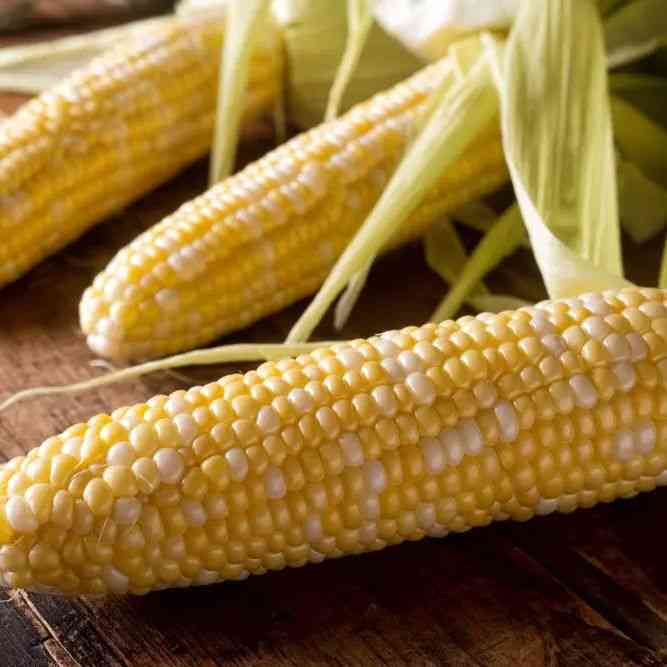
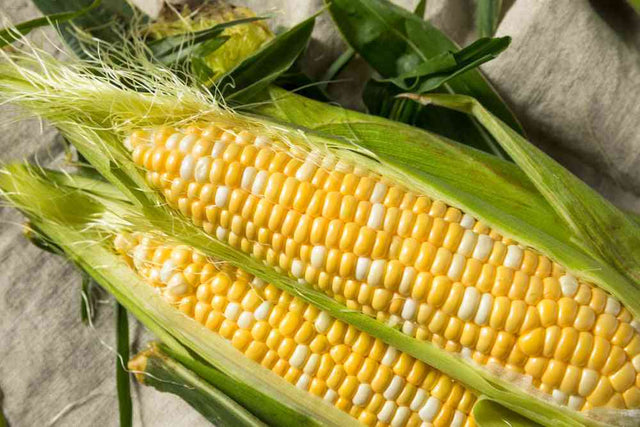
Discover the delightful sweetness of Ambrosia Sweet Corn, a garden favorite renowned for its tender kernels and exceptional taste. This hybrid variety stands tall in the garden, reaching up to 6 feet, and produces robust ears approximately 8 inches long. With a bicolor pattern of creamy white and sunny yellow, each cob is a visual and culinary treat. Ambrosia matures in about 75 days, making it a reliable choice for mid-to-late summer harvests.
Ambrosia Sweet Corn is celebrated for its sugary-sweet flavor and crisp texture, perfect for eating fresh off the cob or adding to summer salads and salsas. Its high sugar content ensures a delectable, honey-like taste that lingers on the palate. The sturdy stalks support abundant ears, promising a generous yield for your garden endeavors.
Ideal for home gardeners seeking a dependable and flavorful corn variety, Ambrosia thrives in full sun and well-drained soil. Ensure consistent watering to maximize growth and sweetness. Whether you're boiling, grilling, or freezing, Ambrosia Sweet Corn delivers unparalleled taste and versatility, making it a staple in any vegetable garden.
When to Sow
- **Direct sow timing (recommended)**
- Sow **after the last frost**, once nights are reliably mild and your garden soil has warmed.
- For best stands, wait until **soil is at least 60°F** (preferably warmer). Cold soil is the most common cause of poor corn germination.
- For a longer harvest window, make **successive sowings every 10–14 days** until midsummer (stop early enough that the crop can mature before fall frost in your area).
- **Indoor start timing (generally not recommended)**
- Corn dislikes root disturbance. If you must start indoors, sow only **2–3 weeks before transplanting** and use deep, individual cells to minimize transplant shock.
- **Notes for warm-season annual timing**
- This is a **warm-season annual**: do not sow in cold, wet spring soil. Waiting for warmth usually produces faster, more even emergence than sowing early.
## Seed Pretreatment (If Needed)
- **None required.**
- **Optional soak (only if conditions are dry and warm):**
- Soak seeds in room-temperature water for **4–8 hours** to speed initial hydration, then sow immediately.
- Do **not** soak longer than 8–12 hours; overly soaked seed can rot in cool or heavy soil.
- **Light requirement**
- No light needed for germination because seeds are **covered** (not surface-sown).
## Soil Temperature and Germination Setup
- **Best germination temperature (practical guidance)**
- Aim for **70–90°F soil temperature** for the quickest, most uniform germination.
- Seeds can germinate at **60°F**, but emergence may be slower and more uneven; avoid planting into cold snaps.
- **Moisture**
- Keep soil **evenly moist** during the 7–10 day germination window—moist like a wrung-out sponge, **never soggy**.
- Avoid heavy watering that creates crusting or compaction; a hard crust can prevent sprouts from pushing through.
- **Light**
- Light is not required until seedlings emerge, but once they do, ensure **full sun** right away (or very bright grow lights if started indoors).
- **Expected germination behavior**
- In warm soil, emergence is typically **fairly even**. In cool or unevenly moist soil, germination can become **patchy or staggered**.
## How to Sow (Direct Sowing)
- **Bed prep**
- Choose a **full-sun** area with loose, well-prepared soil. Break up clods and rake smooth so seeds have consistent soil contact.
- If soil is heavy, work the top few inches to reduce crusting and improve drainage.
- **Seed depth**
- Plant **1 inch deep**. Cover firmly so the seed is well-seated in moist soil, but don’t compact the bed hard.
- **Spacing/thinning approach**
- Sow **1 seed every 6–8 inches** in the row (or sow 2 seeds per spot and thin to the stronger seedling).
- Plant in **short blocks of multiple rows** rather than a single long row to improve pollination (important for full ears).
- **Thin** by snipping extras at soil level rather than pulling, to avoid disturbing neighboring roots.
- **Protection notes (rain crusting, birds, slugs)**
- After heavy rain, check for a **soil crust**; gently loosen the surface with a rake or your fingers without disturbing planted depth.
- If birds dig seeds, use **row cover** until seedlings are up, or lightly mulch with clean straw *after* planting (keep it thin so seedlings can push through).
- Watch for slugs/snails in damp conditions; protect emerging rows as needed.
## How to Start Indoors (Seed Starting)
- **Best practice note**
- Corn is **not ideal** for indoor starting; direct sowing usually performs better. Start indoors only if your season is very short or you need an early jump.
- **Containers/cell size suggestions**
- Use **deep individual cells** (at least **3–4 inches deep**) or small biodegradable pots; avoid community flats.
- One seed per cell is best to prevent tangled roots.
- **Sowing depth and coverage**
- Sow **1 inch deep** and cover fully. Firm the mix lightly for good seed-to-mix contact.
- **Bottom watering vs misting**
- Water thoroughly after sowing, then keep moisture steady with **bottom watering** when possible. Avoid frequent surface misting that encourages fungus.
- **Dome use and airflow**
- A humidity dome is optional. If used, **vent daily** to prevent excess humidity.
- **When to remove humidity cover**
- Remove the dome **as soon as the first sprouts appear**.
- **When to pot up (if needed)**
- Try to avoid potting up. Plan to transplant before roots circle—generally **within 2–3 weeks of sowing**.
## Thinning and Early Care (First 2–4 Weeks)
- **When and how to thin**
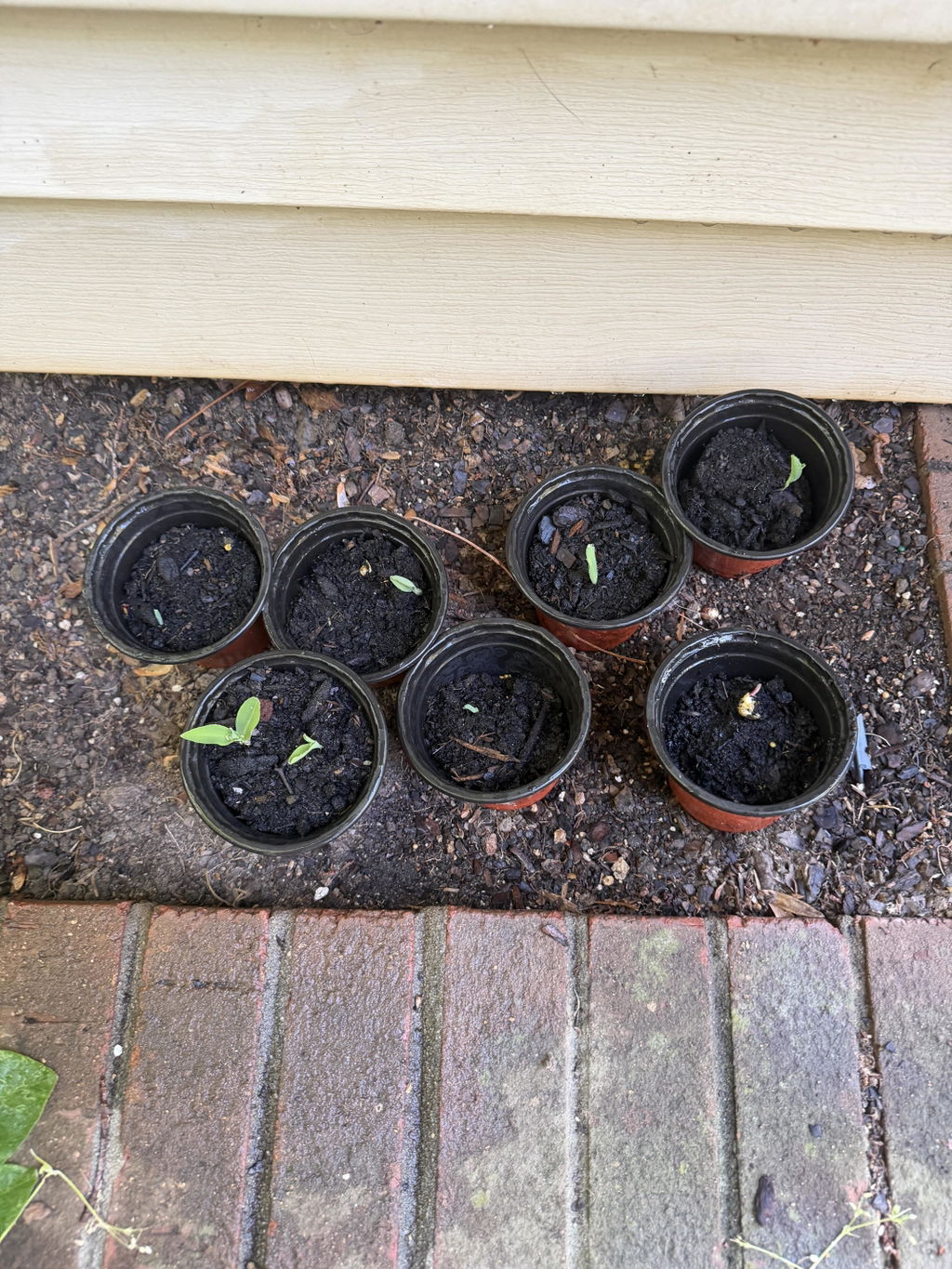
- Thin when seedlings are **2–4 inches tall**. Keep the strongest plants at your chosen spacing.
- **Snip** unwanted seedlings at soil level to avoid root disturbance.
- **Avoiding damping-off**
- Use clean containers and fresh seed-starting mix (for indoor starts).
- Provide **airflow** and avoid overwatering; the surface should dry slightly between waterings indoors.
- **Avoiding legginess**
- If started indoors, give **very bright light** immediately after emergence (grow lights close to seedlings, adjusted as they grow).
- Keep indoor temperatures moderate and avoid constantly warm, still air.
- **Gentle airflow notes**
- Indoors: run a small fan on low for **gentle movement** to reduce fungal issues and encourage sturdier stems.
## Hardening Off and Transplanting (include only if appropriate)
- **Hardening off schedule**
- If started indoors, harden off over **7–10 days**:
- Days 1–2: 1–2 hours outside in shade/shelter from wind.
- Days 3–5: increase outdoor time; introduce morning sun.
- Days 6–10: full days outside; avoid harsh wind and cold nights.
- **When seedlings are ready**
- Transplant young—about **2–3 weeks old**, with **2–3 true leaves**, before they become root-bound.
- **Transplant depth and handling tips**
- Transplant at the **same soil level** as in the pot.
- Handle by the root ball/pot, not the stem; keep roots intact and disturbance minimal.
- **Watering-in after transplant**
- Water in immediately to settle soil around roots and eliminate air pockets.
- **Weather cautions (heat, frost, wind)**
- Do not transplant if there’s **any frost risk** or if soil is still cold.
- Avoid transplanting on very windy or hot, dry days; choose a calm, mild afternoon when possible.
## Common Problems and Fixes
- **No germination**
- Soil too cold: wait for **60°F+** (better 70°F+) and re-sow.
- Seed rotted in wet soil: improve drainage, avoid overwatering, and plant when conditions are warmer.
- Planted too deep/shallow: aim for **1 inch** with firm soil contact.
- **Patchy germination**
- Uneven moisture: water gently and consistently during the first 7–10 days.
- Soil crusting after rain: lightly break crust without digging up seeds.
- Pest digging (birds/rodents): use row cover or physical protection until emergence.
- **Mold/damping-off (mostly indoor)**
- Reduce humidity, increase airflow, and water less often (bottom water).
- Remove any dome at first emergence and don’t keep the mix constantly saturated.
- **Seedlings falling over**
- Indoors: damping-off or too-wet mix—improve airflow and watering habits.
- Outdoors: washouts/crusting—protect the row during heavy rain and correct surface crusting quickly.
- **Seedlings stretching (leggy)**
- Indoors: increase light intensity and keep lights close; provide gentle airflow.
- **Birds/insects eating seedlings**
- Use **row cover** until plants are well established; inspect daily during emergence.
- For slugs/snails, protect rows in damp periods and reduce hiding places near the row.
Keep soil evenly moist as plants grow, especially from rapid vegetative growth through tasseling and ear fill. Sweet corn is not drought tolerant during these stages; uneven moisture can reduce ear size and kernel fill. Water at the base to keep foliage drier and reduce disease pressure, and use mulch to help stabilize moisture and soil temperature.
Sweet corn performs best in average to rich, well‑drained soil with steady fertility. It is a heavier feeder than many garden crops, so maintain growth with compost top-dressings and/or a nitrogen-forward fertilizer as plants get taller. Avoid overdoing nitrogen late in the season, which can push leafy growth at the expense of good ear development. Keep weeds controlled—corn competes poorly when young and weed pressure can reduce yields.
Full sun is important for strong stalks and well-filled ears. Once established, corn handles summer heat well if moisture is consistent. In very hot spells, prioritize watering and mulch to reduce stress; in partial shade, expect shorter plants and fewer or smaller ears.
Maintain good spacing and airflow so plants stay vigorous and dry out quickly after rain or irrigation. Crowding can increase disease pressure and can lead to weak, spindly stalks that lodge in wind. If a clump has multiple seedlings too close together, thin to the strongest plants to improve uniformity and reduce competition.
Keep plants upright and supported by “hilling” soil around the base when they are knee-high to help anchor roots and prevent lodging; do this carefully to avoid damaging roots. Remove weeds regularly and keep mulch pulled slightly back from the stalk to discourage rot. Suckers (side shoots) generally don’t need removal; focus instead on consistent moisture and nutrition. If stalks begin to lean, gently mound soil around them and consider a windbreak if your site is exposed.
As an annual, sweet corn grows quickly, produces for a short harvest window, and then declines. After harvest, stalks will dry down and can be removed and composted (or chopped and used as mulch) if disease pressure is low; clean up promptly if you’ve had foliar disease to reduce carryover. In mild climates, volunteer seedlings can appear the following season from missed kernels—pull or re-home them if they’re in the way.
- Plant in solid blocks rather than a single row for better pollination and fuller ears, especially in small gardens.
- If you’re growing other corn varieties nearby, expect cross‑pollination to affect flavor and texture. Keep good distance or separate planting times if you want true sweet corn eating quality.
- Watch the silks: harvest when they’ve turned brown and dry but the husks are still green and tight. Kernels should be plump and “milky” when punctured; waiting even a few days can noticeably reduce sweetness.
- After a hot spell, ears can size up quickly and then overmature fast—check daily once silks start drying.
- In windy sites or when plants are loaded with ears, stalks can lean. Earthing up a little soil around the base later in the season helps reduce lodging without changing your standard spacing.
- Protect the ear tips early if you routinely get corn earworms: once silks are drying, they’re less attractive, so the critical window is right as silks emerge and stay fresh.
Common Pests: corn earworm, European corn borer, fall armyworm, cutworms, wireworms, flea beetles, aphids, spider mites, raccoons, birds
Common Problems: poor pollination, uneven germination, nutrient deficiency, drought stress, waterlogging, lodging, poor ear fill, weed competition, sunscald
Common Diseases: smut, rust, northern corn leaf blight, southern corn leaf blight, anthracnose leaf blight, gray leaf spot, bacterial leaf streak, stalk rot, damping off
Solutions: crop rotation, clean garden beds, remove infected plant debris, good airflow and proper spacing, consistent watering, well-drained soil, mulch for moisture control, balanced soil fertility, timely weeding, support against wind, encourage beneficial insects, use physical barriers for wildlife, plant in blocks for better pollination
Q: What makes ‘Ambrosia’ different from other sweet corns?
A: ‘Ambrosia’ is known for extra-sweet flavor and very tender kernels with a creamy bite. It’s a popular choice when you want strong sweetness without sacrificing classic corn texture.
Q: Is ‘Ambrosia’ an “extra-sweet” type, and does that change how it tastes?
A: Yes, it’s typically sold as an extra-sweet style, which means noticeably higher sugar at peak eating. The flavor is sweetest right after harvest, and the sweetness can fade faster than standard sweet corns if ears sit too long.
Q: How long is the harvest window for good eating quality?
A: The best quality window is short, usually just a few days per ear as it reaches peak sweetness and tenderness. Harvesting promptly gives the best texture and avoids kernels getting tougher and less sweet.
Q: Does ‘Ambrosia’ need to be isolated from other corn to avoid starchy ears?
A: To keep ears sweet and true to type, avoid having it pollinated by nearby field corn, popcorn, or other sweet corn types that can affect eating quality. If other corn is flowering close by, expect more variability in sweetness and texture.
Q: Can I plant a small patch, or does corn need a larger block?
A: Corn pollinates best in a block rather than a single long row, so small patches can work if they’re planted in a compact grouping. Poor pollination often shows up as missing kernels at the tip or along the cob.
Q: Can I grow ‘Ambrosia’ sweet corn in containers?
A: It’s generally not a great container crop because plants get tall, need steady support, and pollination is harder with just a few stalks. If you try it, use a very large container and grow multiple plants together to improve pollination.
Q: Why are my ears partially filled or missing kernels?
A: This is usually a pollination issue caused by cool, wet, or very hot weather during tasseling, inconsistent wind movement, or too few plants grouped together. Increasing block planting density and reducing stress during flowering improves kernel fill.
Q: Why are the tips of my ears poorly filled even though the rest looks good?
A: Tip fill is often the first place pollination problems show up, especially if weather is unfavorable during silking or plants are stressed. It can also happen if silks dry out quickly in heat or wind before they’re fully pollinated.
Q: How do I know when an ear is ready to pick without peeling it?
A: Ripe ears usually feel full to the tip, with tight husks and silks that have browned and dried. If you open the tip slightly, kernels should look plump and release milky juice when pressed.
Q: Will ‘Ambrosia’ tolerate heat and humidity?
A: It generally performs well in typical summer conditions, but extreme heat during flowering can reduce pollination and ear fill. In very hot regions, timing the crop to avoid peak heat during tasseling helps maintain quality.
Q: What wildlife pressure should I expect with sweet corn?
A: Sweet corn is highly attractive to raccoons, deer, and birds, especially as ears ripen. Physical barriers like fencing or netting are often the most reliable protection once tassels and ears appear.
Q: Is ‘Ambrosia’ likely to produce multiple ears per stalk?
A: Many plants produce one main ear, with a chance of a second smaller ear depending on growing conditions. The primary ear is usually the best for size and eating quality.
Q: Will ‘Ambrosia’ self-seed or become invasive?
A: Corn is an annual that does not persist as a weed in most gardens and typically won’t self-seed in a meaningful way. Any volunteer plants that do appear the next season are easy to spot and remove.
Sweet corn has a long history in the Americas, where many Indigenous nations developed and maintained diverse corns within broader agricultural systems that continue today. Over generations, corn has been selected for different uses—field corns for storage and processing, and sweeter, tender-eating types for fresh harvest—reflecting careful seed stewardship and regional adaptation. Corn’s central place in farming and foodways also helped shape landscapes, seasonal work, and community exchange across wide areas.
The category now known as “sweet corn” became especially prominent as an eating corn in North America, where gardeners and farmers grew it for early, tender ears and seasonal markets. As home gardening expanded and local produce stands became common, sweet corn varieties were continually refined for flavor, tenderness, and harvest timing. Many modern sweet corns are the result of this ongoing breeding work, combining traits that suit kitchen gardens, fresh eating, and dependable performance in a range of climates.
‘Ambrosia’ belongs to a relatively recent chapter in that story, representing modern sweet corn breeding aimed at consistent sweetness and uniform ears for gardeners and small-scale growers. Like other annual corns, it is planted anew each year, tying it to a familiar summer rhythm: sowing in warm soil, rapid growth through long days, and harvest during peak season. Today, sweet corn remains a valued garden and market crop, and it also plays a visible role in summer agriculture and community food traditions—grown for fresh meals, local gatherings, and the shared anticipation of the first ripe ears of the season.
### 1. Seed Saving Feasibility
Ambrosia sweet corn is a hybrid. Seeds saved from it will not save true to type, so the next generation is unlikely to match the parent crop in sweetness, tenderness, uniformity, or timing.
### 2. Pollination Type & Isolation
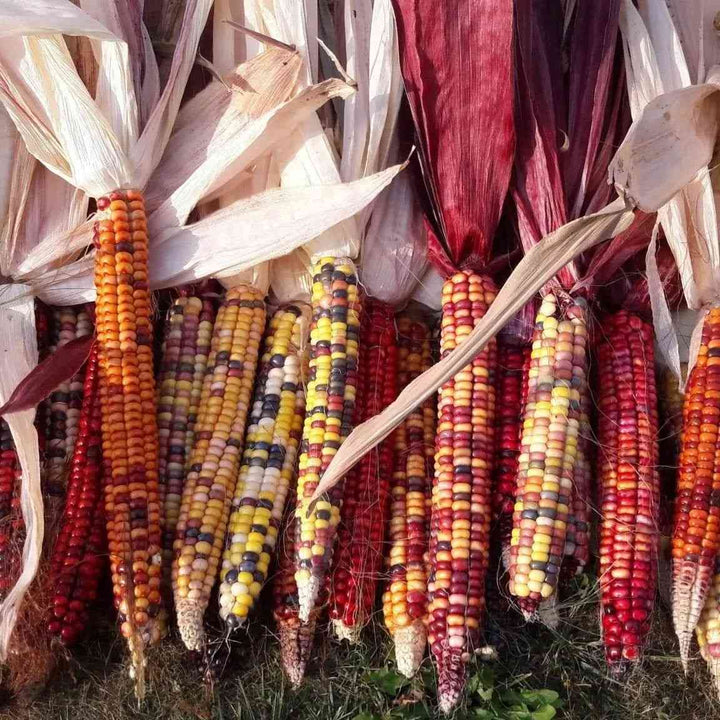
Corn is wind-pollinated and readily cross-pollinates with other corn that is shedding pollen at the same time (including other sweet corn, field corn, popcorn, and ornamental corn). If you choose to save seed anyway, isolation matters because stray pollen can easily change kernel traits in the resulting seed.
### 3. Harvesting Seeds
Seeds are mature when ears are left on the stalk until fully dry. Look for husks that turn papery and tan, and kernels that become hard and dent slightly when pressed with a fingernail rather than releasing milky juice. Harvest ears once they are thoroughly dry on the plant (or as dry as weather allows), then finish drying under cover if needed.
### 4. Cleaning & Drying
Peel back husks and allow ears to finish drying in a well-ventilated, shaded place. Once kernels are very hard and the cob feels dry, shell by twisting/rubbing kernels off the cob by hand. Screen or winnow to remove chaff and broken pieces. Dry the cleaned seed further until it is fully dry to the touch; avoid humid rooms, high heat, and direct sun during drying.
### 5. Storage & Viability
Store seed in a tightly sealed container in a cool, dark, dry place. Corn seed is generally short- to medium-lived compared with many garden crops and holds best when kept consistently dry and cool.
### 6. Hybrid Warning (ONLY if applicable)
Because this is a hybrid, saved seed will not reliably resemble the parent plant. Expect wide variation in plant vigor, ear size, kernel quality, and maturity in the next generation, even if the seed is well-isolated and carefully saved.
- Produces classic sweet corn ears with a rich, sugary flavor and tender kernels for fresh eating.
- Excellent for grilling, roasting, boiling, or cutting kernels off the cob for salads, salsas, chowders, and succotash.
- Holds sweetness well after harvest, making it a dependable choice for home gardens and farm stands.
- Works well for freezing or canning to preserve peak-season flavor.
- Tall corn stalks add a bold, seasonal backdrop in vegetable gardens and can provide light wind buffering for nearby plantings.
- Tassels and silks add interest to summer garden beds, and the plants offer habitat structure for beneficial garden wildlife.
Shipped from U.S.A.
Our seeds are grown and sourced from the US. They're then packed and shipped from Colerain NC.
Triple tested
We regularly test the quality and germination rate of our seeds. We're so confident that our seeds are backed by a 1 year warranty!
Payment & Security
Payment methods
Your payment information is processed securely. We do not store credit card details nor have access to your credit card information.
Join Our Newsletter for Exclusive Savings!
Sign up for our newsletter to get a 30% discount code sent straight to your inbox. If it doesn’t appear right away, please check your inbox settings, and if you still need help, we’re here to assist!
Alliance of Native Seedkeepers
Corn Seeds - Sweet - Ambrosia
$200 USD
Unit price /
Unavailable
Description
Discover the delightful sweetness of Ambrosia Sweet Corn, a garden favorite renowned for its tender kernels and exceptional taste. This hybrid variety stands tall in the garden, reaching up to 6 feet, and produces robust ears approximately 8 inches long. With a bicolor pattern of creamy white and sunny yellow, each cob is a visual and culinary treat. Ambrosia matures in about 75 days, making it a reliable choice for mid-to-late summer harvests.
Ambrosia Sweet Corn is celebrated for its sugary-sweet flavor and crisp texture, perfect for eating fresh off the cob or adding to summer salads and salsas. Its high sugar content ensures a delectable, honey-like taste that lingers on the palate. The sturdy stalks support abundant ears, promising a generous yield for your garden endeavors.
Ideal for home gardeners seeking a dependable and flavorful corn variety, Ambrosia thrives in full sun and well-drained soil. Ensure consistent watering to maximize growth and sweetness. Whether you're boiling, grilling, or freezing, Ambrosia Sweet Corn delivers unparalleled taste and versatility, making it a staple in any vegetable garden.