Seeds: When properly stored, planted, and cared for, we guarantee reasonable germination and true-to-type growth for one year from purchase.
Non-seed products: Free from defects in materials and workmanship for 30 days from shipment.
Excludes factors outside our control (extreme weather, pests, gardener error). If something’s off, contact us—we’ll make it right with a replacement, repair, or refund.
USDA “bioengineered (BE)” foods are those with detectable genetic material that was modified using in vitro recombinant DNA (rDNA) techniques, in ways
not obtainable through conventional breeding or found in nature. The USDA’s National Bioengineered Food Disclosure Standard uses “bioengineered” as the nationwide labeling term.
Detectable modified genetic material in the final food
Created via in vitro rDNA techniques (e.g., gene transfer)
Modifications not achievable through conventional breeding or nature
—seeds / pkt
( ~ g )
Description
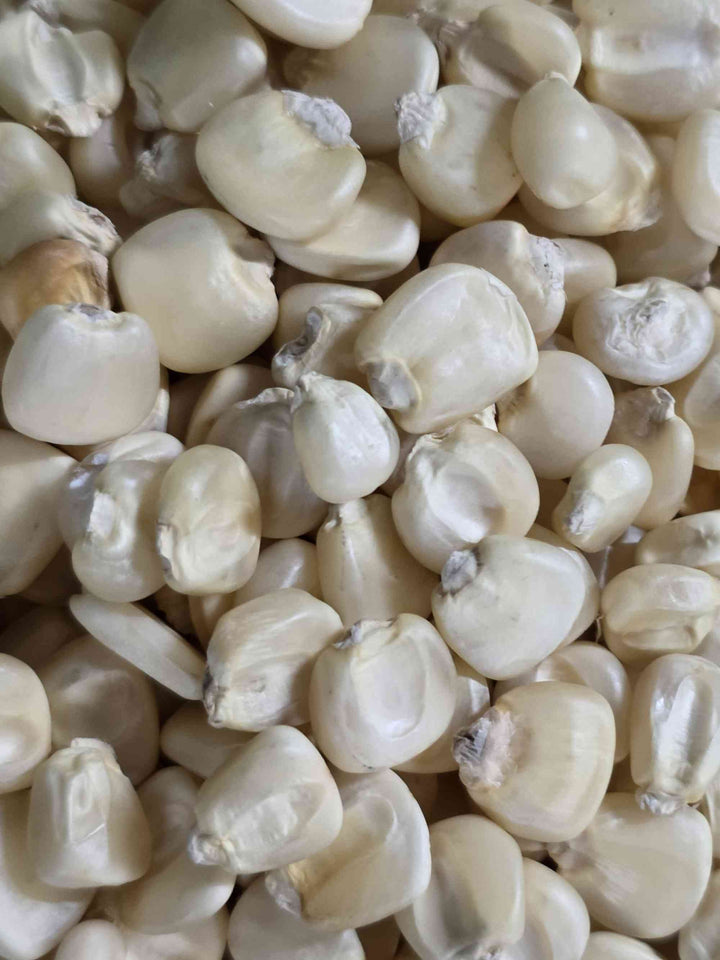
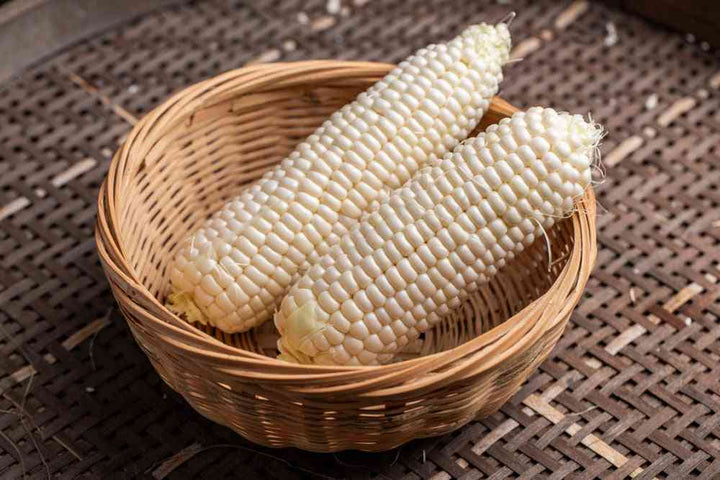
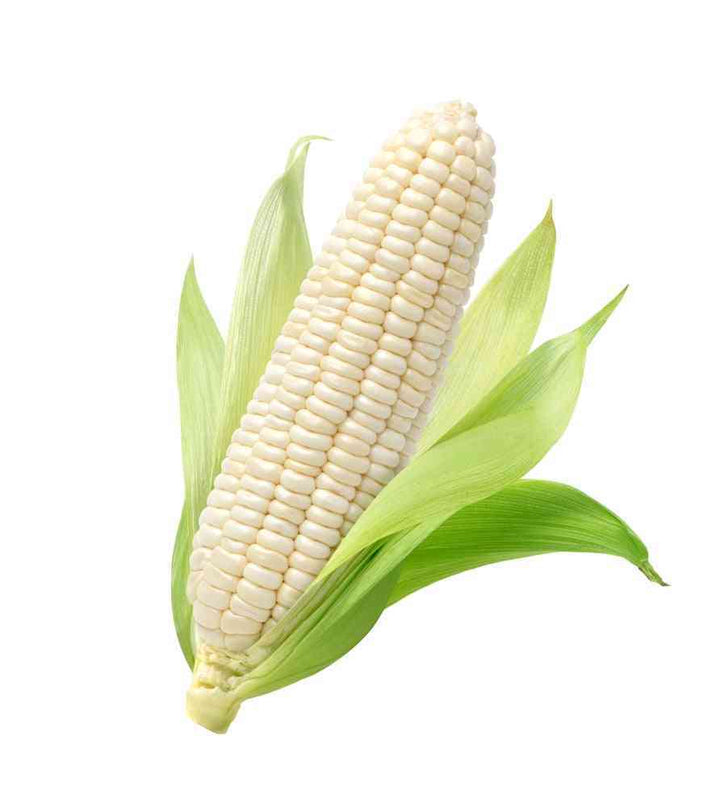
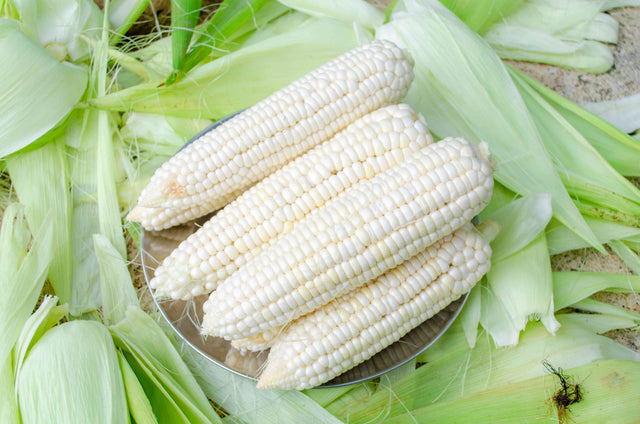
Silver King Sweet Corn is a standout selection for gardeners seeking a robust and flavorful harvest. This mid-season variety matures in approximately 82 days, offering a bountiful yield of large, plump ears. Each ear boasts 14 to 16 rows of tender, sweet kernels that are a creamy white, providing a delightful contrast to the rich green husks. The plants reach an impressive height of 6 to 7 feet, creating a striking presence in your vegetable patch.
As the kernels develop, they maintain their sweetness, making Silver King an excellent choice for fresh eating. Whether grilled, boiled, or steamed, its succulent texture and sugary flavor are sure to impress. The ears are also ideal for freezing, allowing you to enjoy their taste long after the growing season has ended.
Silver King thrives in full sun and well-drained soil, requiring regular watering to ensure optimal growth. Its sturdy stalks and disease resistance make it a reliable and rewarding crop for both novice and experienced growers. Add Silver King Sweet Corn to your garden for a consistently high-performing and delectable addition to your summer table.
## When to Sow
- **Direct sow timing (recommended):**
- Sow **after your last spring frost** when nights are reliably mild and soil has begun to warm.
- For best stands, wait until the garden soil is **at least 60°F** (warmer is better for speed and uniformity).
- Successive plantings can be made every **10–14 days** for a staggered harvest (stop early enough that plants can mature before fall frost).
- **Indoor start timing (optional, not ideal):**
- If you must start indoors, sow **2–3 weeks before last frost** in biodegradable pots to reduce root disturbance, then transplant very carefully once soil is warm.
- **Notes for warm-season vs cool-season vs perennial timing:**
- Sweet corn is a **warm-season annual** and **not frost hardy**. Cold soil is the #1 cause of poor/patchy germination—do not rush early sowing.
## Seed Pretreatment (If Needed)
- **None required.**
- **Optional pre-soak (only if soil will be warm):**
- You may soak seeds **4–8 hours** in room-temperature water to speed uptake, then sow immediately.
- Do **not** soak longer than 8–12 hours; over-soaking can reduce vigor.
- **Light requirement:**
- No special light requirement for germination; sow at the proper depth and cover well.
## Soil Temperature and Germination Setup
- **Best germination temperature guidance:**
- Target **70–85°F soil temperature** for the most reliable, even germination.
- Corn *can* germinate at cooler temps, but expect slower/patchier results and higher rot risk if soils are cold and wet.
- **Moisture level guidance:**
- Keep soil **evenly moist** like a wrung-out sponge—**never waterlog**. Saturated soil + cool temps is a common failure combination.
- Water gently so you don’t wash seed out of place or create a crust.
- **Light guidance:**
- Germination occurs underground; after emergence, seedlings need **full sun** (or very bright light if started indoors).
- **Expected germination behavior:**
- Typically **7–10 days** in warm soil. If conditions are borderline cool, emergence may be **delayed and uneven**.
## How to Sow (Direct Sowing)
- **Bed prep:**
- Choose a spot with **full sun** and good drainage.
- Loosen soil 8–12 inches deep and break up clods; a fine, crumbly seedbed improves seed-to-soil contact.
- Avoid planting into heavy, cold, wet soil. If needed, use **raised beds** or wait for better conditions.
- **Seed depth:**
- Sow **1 inch deep** (firm soil after covering to eliminate air pockets).
- **Spacing/thinning approach:**
- For best pollination, plant corn in **blocks** (multiple short rows) rather than a single long row.
- Drop **1–2 seeds per spot**.
- Aim for plants **8–12 inches apart** in the row, with rows about **24–36 inches apart** (adjust to your garden space and cultivation method).
- If two seeds sprout, thin to the strongest seedling once plants are a few inches tall.
- **Protection notes (rain crusting, birds, slugs):**
- **Soil crusting:** After heavy rain, a hard crust can trap sprouts. Lightly rake the surface carefully if crust forms.
- **Birds/squirrels:** They may dig up seed. Use row cover/netting until seedlings are established if pests are common.
- **Slugs/cutworms:** Check at dusk and use collars or protective measures if seedlings disappear overnight.
## How to Start Indoors (Seed Starting)
- **Containers/cell size suggestions:**
- Use **deep cells** or small pots (at least **3–4 inches deep**) to accommodate roots.
- Biodegradable pots can reduce transplant shock, but ensure they don’t dry out too fast.
- **Sowing depth and coverage:**
- Sow **1 inch deep**, cover, and gently firm the mix.
- **Bottom watering vs misting:**
- Water thoroughly once after sowing, then keep evenly moist.
- Bottom watering can help reduce surface fungi, but don’t let containers sit in water.
- **Dome use and airflow:**
- A humidity dome is optional. If used, **vent daily** to prevent excess humidity and fungal issues.
- **When to remove humidity cover:**
- Remove the dome **as soon as sprouts emerge**.
- **When to pot up (if needed):**
- Corn dislikes root disturbance; avoid potting up if possible.
- If seedlings outgrow containers (roots circling, drying too fast), transplant promptly rather than shifting multiple times.
## Thinning and Early Care (First 2–4 Weeks)
- **When and how to thin:**
- Thin when seedlings are **3–6 inches tall** (or once you can clearly choose the strongest plant).
- Snip extras at soil level rather than pulling if roots are tangled—pulling can disturb the remaining seedling.
- **Avoiding damping-off:**
- Use clean containers and fresh seed-starting mix for indoor starts.
- Provide **airflow**, avoid overwatering, and don’t keep seedlings under a dome after emergence.
- **Avoiding legginess (indoor starts):**
- Provide **very bright light** immediately after emergence (grow lights kept close to the canopy and adjusted as plants grow).
- Keep seedlings cool-to-moderate (not hot) and avoid crowding.
- **Gentle airflow notes:**
- Use a small fan on low or natural ventilation to keep stems sturdy and reduce fungal pressure (avoid blasting seedlings).
## Hardening Off and Transplanting (include only if appropriate)
- **Hardening off schedule:**
- Over **5–7 days**, gradually increase outdoor exposure: start with 1–2 hours in shade/shelter, then longer periods with more sun and wind each day.
- Bring plants in if nights are cold or conditions are harsh.
- **When seedlings are ready:**
- Transplant when seedlings have **2–3 true leaves** and roots hold the plug together, but **before** they become pot-bound.
- Wait until outdoor soil is **warm (60°F+ minimum; ideally 70°F+)** and frost danger has passed.
- **Transplant depth and handling tips:**
- Transplant at the **same depth** as in the pot (don’t bury the stem deeply).
- Handle by the **root ball/container**, not the stem; minimize root disturbance.
- **Watering-in after transplant:**
- Water immediately to settle soil around roots and eliminate air pockets.
- **Weather cautions (heat, frost, wind):**
- Avoid transplanting right before **cold snaps**, **high winds**, or **hot midday sun**. Choose a calm, mild day or late afternoon.
## Common Problems and Fixes
- **No germination:**
- Most often caused by **cold soil** or seed rot in wet conditions. Wait for warmer soil, improve drainage, and avoid overwatering.
- Check planting depth (too deep can delay/stop emergence); stick to **1 inch**.
- **Patchy germination:**
- Uneven soil temperature/moisture is common. Plant when soil is uniformly warm, water evenly, and firm soil after sowing for good contact.
- **Mold/damping-off (mostly indoors):**
- Reduce humidity, increase airflow, avoid soggy mix, and remove domes immediately after emergence.
- **Seedlings falling over:**
- Often damping-off or overly wet media. Improve drainage and airflow; discard severely affected flats to prevent spread.
- **Seedlings stretching (leggy):**
- Not enough light indoors. Increase light intensity, keep lights close, and avoid excessive warmth.
- **Birds/insects eating seedlings:**
- Use row cover/netting, protect seed spots, and check for slugs/cutworms if seedlings vanish overnight.
Keep soil consistently moist as plants size up and begin producing ears. Water deeply so moisture reaches the full root zone, then let the surface dry slightly before watering again. Corn is not drought tolerant during tasseling, silking, and ear fill—dry spells at these stages can reduce pollination and kernel development. Avoid frequent shallow watering, which encourages weak rooting.
Corn grows best in average to rich, fertile soil and benefits from steady nutrition. Top-dress with compost once plants are growing strongly, and consider a nitrogen-forward vegetable fertilizer in split, light feedings during the main growth period rather than one heavy dose. If growth turns pale or stalls, it often indicates the need for additional fertility; if plants get lush and floppy with little ear development, ease back on feeding.
Full sun is important for sturdy plants and good ear set. Corn tolerates heat well when moisture is adequate, but prolonged heat combined with dry soil can stress plants and reduce yield. Sheltered sites help prevent wind damage; in very windy areas, prioritize support and good soil moisture to reduce lodging.
Maintain good spacing for airflow and vigor. Crowding increases humidity around leaves, raising disease risk and encouraging thinner, weaker stalks. If a clump has multiple plants emerging close together, thin to the strongest individuals early so remaining stalks have room to root and stand well. Keep weeds down so they don’t compete for water and nutrients.
Ongoing care is mostly about keeping plants upright and healthy. Hill a little soil around the base as plants grow to help brace stalks and cover exposed roots, especially after heavy rain or cultivation. Stake or provide windbreak support if the planting is in an exposed spot or if stalks start leaning. Remove badly damaged leaves if they’re dragging on the ground, but keep as much healthy foliage as possible for ear filling. Side shoots (“tillers”) can be left in place; focus instead on consistent moisture and fertility for main stalk performance.
As an annual, corn grows rapidly, produces once, then declines. Expect foliage to yellow and dry down as ears mature. After harvest, remove and compost healthy stalks (or chop and use as mulch); discard any diseased material to reduce carryover problems in the garden.
- Silver King is an older-style white sweet corn with a narrower peak harvest window than some modern supersweets—taste and tenderness drop quickly if you wait. Check ears frequently once silks begin to brown and dry.
- Cool nights can slow ear fill and delay maturity even when the plants look finished. If ears seem light for their size, give them a little more time and recheck rather than harvesting all at once.
- White kernels make it harder to judge ripeness by color. Use the “milk stage” test: puncture a kernel near the tip—milky juice means ready; clear is early; doughy is late.
- In hot weather, ears can race from perfect to overmature in just a couple of days. Harvest in the morning for best sweetness and crispness.
- Tip fill can be spotty if pollination is stressed by heat, wind, or dry spells during tasseling. Uneven kernels at the ear tip usually trace back to those conditions rather than fertility issues.
Q: What makes ‘Silver King’ different from other sweet corn varieties?
A: ‘Silver King’ is known for large ears with bright white kernels and a classic, mild sweet-corn flavor. It is a popular choice when you want white corn rather than yellow or bicolor. Many growers also value its uniform ear fill and attractive presentation.
Q: How sweet is ‘Silver King’ compared to newer “super sweet” corns?
A: It has a traditional sweet corn sweetness rather than the extra-high sugar level of some modern super sweet types. The flavor is balanced and “corny,” and it is best enjoyed very fresh. If you prefer intense candy-like sweetness, you may like a super sweet variety better.
Q: Does ‘Silver King’ need to be isolated from other corn to avoid flavor or quality issues?
A: If it pollinates with yellow or bicolor corn, kernel color can change and the ears may look mixed. Cross-pollination does not make the current harvest unsafe, but it can affect appearance and eating quality. Keeping it separate from other corn types helps maintain consistent white ears.
Q: Is ‘Silver King’ good for freezing or storing after harvest?
A: It is best for fresh eating, and like most sweet corn it loses sweetness after picking. It can still be processed for freezing, but quality is highest when handled quickly. For longer holding, consider harvesting early in the day and chilling promptly.
Q: Will ‘Silver King’ grow well in containers?
A: Corn is generally not ideal for containers because it needs space for strong root growth and reliable pollination from multiple plants. If you try it, use a very large container and grow a block of plants rather than a single row. Expect smaller yields than in the ground.
Q: Why are my corn plants tall but producing small ears or no ears?
A: This is often caused by poor pollination, low plant density, or stress during tasseling and silking. Corn sets best when planted in a block so pollen can reach silks evenly. Severe heat, drought, or shading can also reduce ear development.
Q: Why do I see ears with missing kernels or patchy fill?
A: Incomplete pollination is the most common cause, especially if plants are in a single long row or exposed to windy conditions during pollination. Stress during silking can also reduce kernel set. Improving block planting and reducing stress during the pollination window usually helps.
Q: What wildlife pressures should I expect with ‘Silver King’ sweet corn?
A: Raccoons, deer, and birds are common problems, especially as ears begin to fill and sweeten. Squirrels may also damage ears by pulling back husks. Physical barriers like fencing or netting are often the most reliable protection.
Q: Are there common pests that target the ears, and how can I tell?
A: Corn earworms commonly feed at the tip under the husk, leaving frass and chewed kernels. You may also see husk damage from birds or raccoons, which tends to be more extensive. Tip damage can sometimes be trimmed, but heavy infestations reduce eating quality.
Q: Does ‘Silver King’ tolerate heat and humidity well?
A: It can handle typical summer heat, but very hot nights or prolonged heat during pollination can reduce kernel set. Humidity can increase disease pressure in dense plantings. Good airflow and healthy, unstressed plants help maintain performance.
Q: How long does ‘Silver King’ take to produce harvestable ears?
A: It is typically a midseason sweet corn that matures in roughly the 80 to 95 day range depending on conditions. Cooler weather slows development, while warm, sunny weather speeds it up. Harvest timing is best judged by ear fullness and kernel stage rather than calendar days alone.
Q: Does ‘Silver King’ produce multiple ears per stalk?
A: It commonly produces one main, high-quality ear per stalk, with a possible secondary ear that is smaller. Overall yield depends on growing conditions and how well pollination occurs. For reliable harvests, focus on maintaining a healthy stand and good pollen distribution.
Sweet corn is a relatively recent development in the long history of maize. Corn has been grown across the Americas for thousands of years, shaping cuisines and farming systems in many regions. Over time, farmers selected and maintained many different kinds of corn for distinct purposes—fresh eating, drying, grinding, and storage—reflecting local tastes, climate conditions, and community needs. Sweet corn, grown for its tender kernels when picked fresh, became especially popular as markets and home gardens expanded their focus on vegetables meant to be eaten soon after harvest.
In North America, sweet corn has been a familiar feature of kitchen gardens and small farms since the 1800s, and it became closely associated with seasonal summer foodways—fresh ears at home tables, local farm stands, and community gatherings. Gardeners valued sweet corn varieties for traits that mattered in everyday growing: reliable production, ear size, and good flavor, along with performance in different soils and climates. White sweet corn types, like ‘Silver King,’ have been grown and appreciated alongside yellow and bicolor forms, with many people preferring their milder taste and pale kernels.
Large-eared, late-season sweet corns also fit well into the rhythm of diversified farms and gardens, where plantings could be timed to extend the harvest window. As sweet corn breeding advanced, older open-pollinated and classic cultivar lines continued to be maintained by seed growers and home gardeners who wanted dependable, traditional garden performance and the ability to save seed in appropriate isolation.
Today, varieties such as ‘Silver King’ remain part of the living tradition of vegetable gardening. They connect modern growers to generations of seed selection and regional preference, while continuing to play a role in home-scale food growing and seasonal, place-based eating. As with all corn, sweet corn plantings also contribute to garden biodiversity and can support insect activity in the landscape, especially when grown alongside other flowering plants.
### 1. Seed Saving Feasibility
Silver King sweet corn is **open-pollinated** and can be saved **true to type** when pollen contamination is prevented. Because corn readily cross-pollinates, seed saving is most reliable when you can keep it from crossing with other corn types growing nearby (including field corn, popcorn, other sweet corns, and ornamental corn).
### 2. Pollination Type & Isolation
Corn is **wind-pollinated and strongly cross-pollinating**. Pollen can travel from other corn plantings and mix easily, changing the genetics of the next generation. To keep seed true, growers typically use **isolation** (no other corn shedding pollen at the same time nearby) or **timing separation** (making sure different corns don’t tassel and shed pollen simultaneously). Physical barriers help only limited amounts compared with distance and timing.
### 3. Harvesting Seeds
Seeds are mature when the ears are **fully mature and dry on the stalk**, not at eating stage. Leave selected ears to dry until the husks turn **papery/tan**, silks are **brown and dry**, and kernels are **hard and dent-resistant**. A common cue is that kernels are too hard to easily pierce with a fingernail. Harvest ears on a dry day if possible, and keep your seed ears separate from any ears intended for other uses.
### 4. Cleaning & Drying
Peel back husks and allow ears to **air-dry further** if they still feel cool, damp, or flexible. Once kernels are fully hard, shell by hand (twisting or rubbing kernels off the cob) or by gently cracking rows free. Remove broken kernels, chaff, and any kernels with visible mold or damage. Dry the shelled seed in a thin layer with good airflow until kernels feel **glass-hard** and no longer give under pressure. Avoid **high heat**, **direct sun**, and **humid, poorly ventilated spaces**, which can reduce seed quality or encourage mold.
### 5. Storage & Viability
Store fully dried corn seed **cool, dark, and dry** in an airtight container (jars or well-sealed bags), ideally with a desiccant if your storage area is humid. Keep containers away from temperature swings and moisture. Corn seed is generally **moderate-lived** in good storage—often viable for several seasons—though germination typically declines faster under warm or damp conditions.
- Produces large ears of sweet corn with bright white kernels for fresh eating, grilling, boiling, roasting, and steaming.
- Well-suited for freezing and canning, with kernels that hold their color and presentation in mixed dishes, salads, salsas, and chowders.
- Tall, leafy plants create a classic summer “corn patch” look and can serve as a seasonal screen or backdrop in gardens.
- Tassels and silks add texture and interest to edible landscapes, and stalks can be used as autumn décor after harvest.
- Flowering tassels contribute pollen that can support garden biodiversity during midsummer.
- Stalks and husks can be composted after harvest to return organic matter to the garden.
Shipped from U.S.A.
Our seeds are grown and sourced from the US. They're then packed and shipped from Colerain NC.
Triple tested
We regularly test the quality and germination rate of our seeds. We're so confident that our seeds are backed by a 1 year warranty!
Payment & Security
Payment methods
Your payment information is processed securely. We do not store credit card details nor have access to your credit card information.
Join Our Newsletter for Exclusive Savings!
Sign up for our newsletter to get a 30% discount code sent straight to your inbox. If it doesn’t appear right away, please check your inbox settings, and if you still need help, we’re here to assist!
Alliance of Native Seedkeepers
Corn Seeds - Sweet - Silver King
$200 USD
Unit price /
Unavailable
Description
Silver King Sweet Corn is a standout selection for gardeners seeking a robust and flavorful harvest. This mid-season variety matures in approximately 82 days, offering a bountiful yield of large, plump ears. Each ear boasts 14 to 16 rows of tender, sweet kernels that are a creamy white, providing a delightful contrast to the rich green husks. The plants reach an impressive height of 6 to 7 feet, creating a striking presence in your vegetable patch.
As the kernels develop, they maintain their sweetness, making Silver King an excellent choice for fresh eating. Whether grilled, boiled, or steamed, its succulent texture and sugary flavor are sure to impress. The ears are also ideal for freezing, allowing you to enjoy their taste long after the growing season has ended.
Silver King thrives in full sun and well-drained soil, requiring regular watering to ensure optimal growth. Its sturdy stalks and disease resistance make it a reliable and rewarding crop for both novice and experienced growers. Add Silver King Sweet Corn to your garden for a consistently high-performing and delectable addition to your summer table.