Free U.S. seed shipping $25+. Seeds ship free at the threshold. Storefront goods, pantry finds, books & local goods are being added.

New seeds, Main Street specials, and storefront finds update as the market grows.

Mixed Colors Morning Glory Seeds

Scientific name Ipomoea purpurea

Seed packet & garden essentials

What to know before you plant

View complete growing & care facts
20 minimum seeds per packet
  • First bloom / maturity60-69 Days · 60-69 Days
  • Growth habitVining/Climbing · Annual · 97–120 in tall
  • Best useborders, cutting gardens, pollinators, containers, and seasonal color
  • Color & characterMixed
  • Germination5–10 Days days · 65–80 °F
  • Seed preparationLightly scarify the hard seed coat or soak seed overnight before sowing
  • SunFull sun
  • Support & spacingTrellis · space 8 in · rows 24 in
  • Container fitPossible in a properly sized container with reliable drainage, moisture, and room for the mature plant
  • Water needsModerate
  • SoilLoamy · pH 6.5–7.0
  • Planting seasonSpring · blooms Summer/Fall · Tender
$200 USD

Pickup available at Bertie County Seeds

Usually ready in 2-4 days

Secure checkout Details
Generic
Triple-tested seed qualityRegular quality and germination checks support every packet.

We regularly test seed quality and germination as lots move through storage and packing. We stand behind the seed we send and want customers to contact us when a packet does not perform as reasonably expected.

1-year seed warrantyCoverage begins on the date of purchase.

When properly stored, planted, and cared for, we guarantee reasonable germination and true-to-type growth for one year from the date of purchase. Conditions outside our control—including extreme weather, pests, unsuitable storage, and gardener error—are excluded. Contact us when something is not right so we can review the situation and work toward a replacement, refund, or another fair resolution.

Non-GMO / BE seed policyWe do not buy or sell genetically engineered or bioengineered seed.

Every seed variety we sell is non-GMO.

USDA’s National Bioengineered Food Disclosure Standard defines bioengineered foods as containing detectable genetic material modified through in vitro recombinant DNA methods in ways not achievable through conventional breeding or found in nature.

  • Hybrid means parent lines were conventionally crossed; hybrid does not mean GMO.
  • Heirloom and open-pollinated describe how a variety is maintained and reproduced.
  • Organic certification is separate and is shown only when verified for the individual product.
Packed in Colerain, North CarolinaPrepared in our seed room for gardens across the country.

Seeds are packed and shipped from Colerain, North Carolina. Our packets use forestry-certified paper, and we use recyclable paper mailers where appropriate. AONSK is also a 1% for the Planet partner while continuing to reduce waste in packing and fulfillment.

Seed success profile

Rules-based · no AI
Gardener experience Some experience is helpful
Germination difficulty Moderate or temperature-sensitive
Preparation before sowing
Lightly scarify the hard seed coat or soak seed overnight before sowing
Germination speed
Typical — usually 7–21 days
Growing complexity
Bloom crop requiring species-specific sowing, spacing, deadheading or seed maturity, and support when tall
Patience and timing
60-69 Days
Is this seed a good match for your experience?
Expected germination
5–10 Days
Germination temperature
65–80 °F
Stratification
None required
Scarification
Recommended: lightly nick or abrade the seed coat
Pre-soaking
Optional alternative: soak overnight
Light during germination
Either; sow about 1/2 inch deep
Germination pattern
Reliability depends strongly on correct preparation, temperature, moisture, and patience through the full emergence window
Transplant sensitivity
Varies by species; use direct sowing when the record warns against disturbance
Best chance of success
For Mixed Colors Morning Glory Seeds, control temperature and moisture at sowing, label the start date, and compare emergence with the complete recorded germination window before reseeding.
What to expect

Preparation: Lightly scarify the hard seed coat or soak seed overnight before sowing. Germination light: Either; sow about 1/2 inch deep. Expected emergence: 5-10 Days. Temperature: 65-80 °F.

Slow germination is not automatically failed germination.

Maintain the listed temperature, moisture, light, and treatment conditions for the full expected window. Some seed lots emerge gradually rather than all at once.

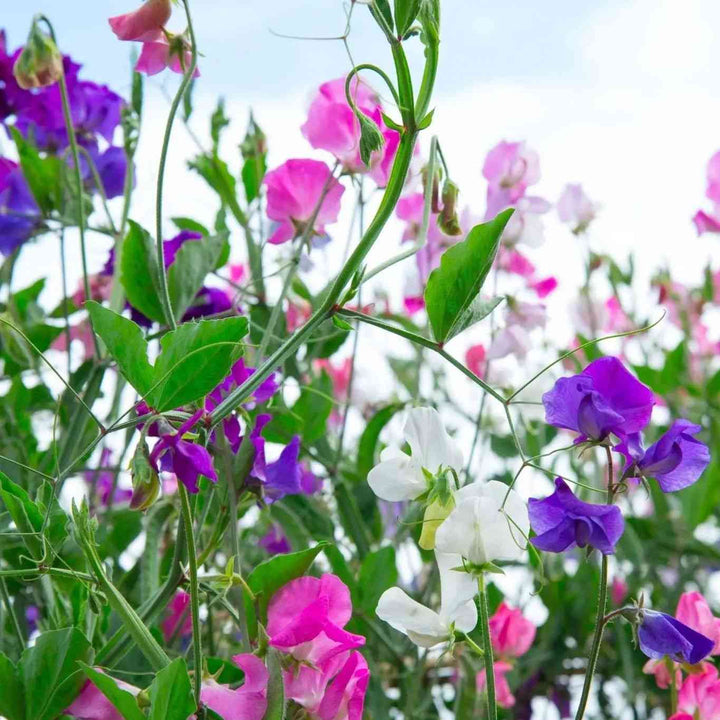
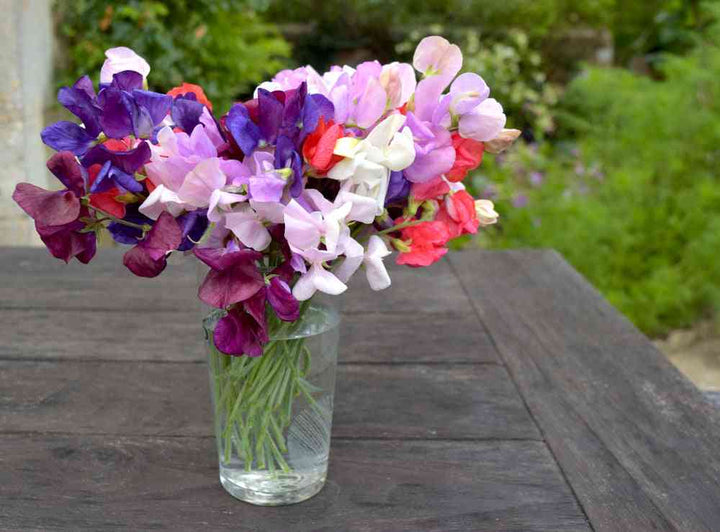
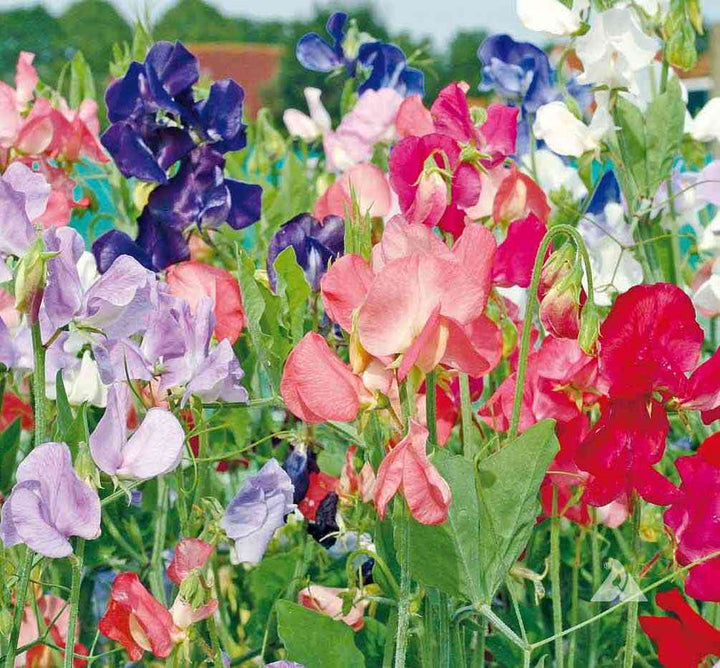
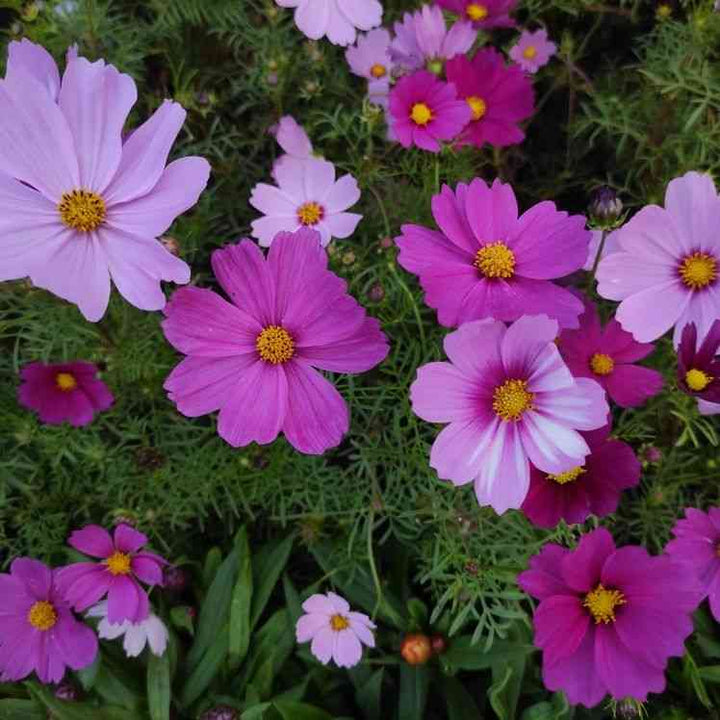
Looking for an easier starting point? Heirloom Mix Sweet Pea SeedsSensation Mixed Color Cosmos Seeds

1 Beginner-friendly 2 One extra step 3 Some experience helpful 4 Patient growers 5 Advanced propagation

This deterministic profile uses recorded product facts; it is not Artificial Intelligence and is not a guarantee. Seed age, storage, sowing depth, moisture, temperature, light, local conditions, and aftercare can all affect results. Last reviewed July 2026.

Build a garden-fit plan

Check this seed against your real growing conditions

Compare timing, germination preparation, sunlight, soil, water, space, support, intended use, and your preferred level of seed-starting complexity.

Open the detailed garden-fit planner Deterministic rules · no Artificial Intelligence · no live weather service

Complete product description

Mixed Colors Morning Glory Seeds

Morning Glory Seeds - Mixed Colors produce fast-growing climbing vines known for their vibrant trumpet-shaped flowers and classic cottage garden charm. This colorful mix of Ipomoea purpurea includes blooms in shades of blue, purple, pink, red, and white, creating a lively display that opens fresh each morning during the growing season. These vigorous annual vines quickly cover trellises, fences, arbors, and garden structures, making them a popular choice for gardeners looking to add vertical color to the landscape.

Plants grown from Morning Glory Seeds - Mixed Colors develop long twining vines with heart-shaped leaves and abundant blossoms that greet the morning sun before gently closing later in the day. The flowers attract bees, butterflies, and other pollinators, helping support beneficial insect activity in the garden while adding bright seasonal beauty.

Morning Glory Seeds - Mixed Colors are commonly planted along trellises, garden fences, pergolas, and archways, where the climbing vines can reach several feet in length and create a curtain of flowers throughout summer and into early fall. They are also well suited for containers and vertical garden plantings, where the vines can climb supports or cascade naturally.

Because morning glories grow quickly from seed and produce generous numbers of blooms, Morning Glory Seeds - Mixed Colors are a favorite for cottage gardens, pollinator gardens, and ornamental plantings where gardeners want bold color and vigorous growth with minimal maintenance.

Minimum Seed Count: 20 seeds

Every recorded growing detail

Complete growing & care facts

Continue to the garden-fit planner

Plant identity

Minimum seed count 20 seeds
Seed product profile Flower
Scientific name Ipomoea purpurea
Also known as Morning Glory, Morning Glory Seeds - Mixed Colors
Color Mixed
Life cycle Annual
Botanical family Convolvulaceae
Reproductive type Open-Pollinated (OP)
Heritage qualifiers Heirloom
Native to the United States No - Introduced
Domestication note Mesoamerica (Mexico–Central America)

Seed success and gardener experience

Gardener experience Some experience is helpfulLevel 3 of 5
Germination difficulty Moderate or temperature-sensitiveLevel 3 of 5
Preparation before sowing Lightly scarify the hard seed coat or soak seed overnight before sowing
Stratification None required
Scarification Recommended: lightly nick or abrade the seed coat
Pre-soaking Optional alternative: soak overnight
Light during germination Either; sow about 1/2 inch deep
Germination pattern Reliability depends strongly on correct preparation, temperature, moisture, and patience through the full emergence window
Growing complexity Bloom crop requiring species-specific sowing, spacing, deadheading or seed maturity, and support when tall
Transplant sensitivity Varies by species; use direct sowing when the record warns against disturbance
First harvest or bloom 60-69 Days
Best chance of success For Mixed Colors Morning Glory Seeds, control temperature and moisture at sowing, label the start date, and compare emergence with the complete recorded germination window before reseeding.

Timing and climate

Days to maturity 60-69 Days
Germination 5–10 Days
Germination temperature 65–80 °F
Planting season Spring
Bloom season Summer/Fall
Frost tolerance Tender
Sunlight Full sun
Water needs Moderate

Site, soil, and space

Soil type Loamy
Preferred soil pH 6.5–7.0
Seed depth 1/2 in
Plant spacing 8 in
Row spacing 24 in
Mature height 97–120 in
Growth habit Vining/Climbing
Support needed Trellis
Suitable growing locations In-ground bed, Raised bed, Containers, Vertical, Community garden

Crop-specific details

Garden-fit planning for this variety

Will Mixed Colors Morning Glory Seeds fit your garden?

Check bloom timing, cut-flower or pollinator use, height, sun, sowing method, and life cycle.

Rules-based · no AI
Questions for this flower seed
Seed-starting fit and patience
Recorded product profileSome experience is helpfulModerate or temperature-sensitiveRead why
Soil test, pH, drainage, and amendment calculator Have a laboratory soil report? Enter pH, nutrients, texture, bed size, and site observations here. Open soil tools
Recorded soil typeLoamy
Recorded pH range6.5–7.0
Water needsModerate
LightFull sun

Use a current laboratory soil test

Soil-test interpreter

Compare your report with this product's listed pH target: 6.5–7.0.

This tool interprets values you enter; it does not replace laboratory or Cooperative Extension amendment rates. Soil test methods and nutrient recommendations vary by region.

The full variety record

Sowing, care, harvest, troubleshooting, and history

How to start Mixed Colors Morning Glory Seeds from seedPreparation, timing, depth, germination, transplanting, spacing, and early care

Variety-specific germination notes

Preparation: Lightly scarify the hard seed coat or soak seed overnight before sowing. Germination light: Either; sow about 1/2 inch deep. Expected emergence: 5-10 Days. Temperature: 65-80 °F.

Complete sowing and planting guidance

Planting Instructions:

Location Selection: Choose a location with full sun for optimal growth.
Soil Preparation: Ensure the soil is well-drained and rich in organic matter. Morning Glory prefers slightly acidic to neutral soil with a pH between 6.0 and 7.0.
Sowing Seeds:

Direct Sowing: Sow seeds directly outdoors in late spring after the danger of frost has passed. Scarify the seeds lightly before planting to improve germination. Plant seeds 1/2 inch deep and 6 inches apart.
Indoor Starting: For an earlier start, sow seeds indoors 4-6 weeks before the last frost date. Use seed-starting trays filled with a seed-starting mix. Lightly press the seeds into the surface and keep the soil moist.
Germination: Seeds typically germinate within 7-14 days. Maintain consistent moisture levels in the soil during this period.
Transplanting: If starting indoors, transplant seedlings outdoors after the danger of frost has passed. Space seedlings 6-12 inches apart to allow for adequate air circulation and growth.

Care Instructions:

Watering: Water regularly to keep the soil evenly moist but not waterlogged. Morning Glory requires consistent moisture for optimal growth.
Fertilizing: Apply compost or a balanced organic fertilizer if the soil is not rich enough.
Mulching: Apply a thin layer of mulch around the base of the plants to help retain moisture and suppress weeds.
Special Considerations:

Support: Provide support for the vines to climb, such as a trellis or fence.
Pests and Diseases: Morning Glory is generally pest and disease-resistant but can be affected by aphids and spider mites. Use organic methods like neem oil or insecticidal soap if necessary.
How to grow this specific varietyLight, water, fertility, support, spacing, airflow, crop behavior, and season-long care

Complete growing guide

Once morning glory (Ipomoea purpurea) seedlings have established themselves and begun climbing, the plants require relatively little maintenance to grow vigorously and produce abundant flowers. These vines are naturally fast growers and will quickly cover vertical structures when provided with proper sunlight, moderate moisture, and stable support.

Sunlight and Growth Conditions

Morning glories grow best in full sun, where they receive at least 6–8 hours of direct sunlight each day. Strong sunlight encourages sturdy vine growth and abundant flowering. When grown in partial shade, the plants often produce lush foliage but fewer blossoms.

Warm temperatures help drive vigorous growth. Once daytime temperatures consistently reach 60–75°F or higher, vines begin growing rapidly and can extend several feet over the course of a few weeks.

Watering and Moisture

Morning glories prefer moderate soil moisture while they are actively growing. Water the plants when the top layer of soil begins to dry, especially during hot or windy weather. Consistent moisture encourages steady vine growth and flower production.

However, avoid overwatering or allowing the soil to remain constantly wet. Morning glories tolerate moderate dryness once established, and overly wet soil can lead to weak growth or root problems.

Applying a light layer of mulch around the base of the plants can help retain soil moisture and reduce weed competition while also stabilizing soil temperature.

Training and Managing the Vines

Morning glories grow by twining their stems around nearby supports. Once vines reach their trellis, fence, or climbing structure, they will naturally begin spiraling upward.

To help establish orderly growth:

gently guide young vines toward the support structure

weave or wrap them loosely around trellis openings if needed

check periodically to make sure vines remain attached to their support

Because these vines grow rapidly, they can quickly cover structures and may spread into nearby plants if left unmanaged. Occasional guiding or trimming helps keep growth contained.

Fertilization

Morning glories generally require very little fertilization. Excess fertilizer, especially nitrogen-rich fertilizers, can encourage heavy leaf growth while reducing flower production.

If the soil is moderately fertile, additional feeding is usually unnecessary. If plants appear weak or slow-growing in poor soil, a light application of a balanced fertilizer early in the season may help encourage healthy development.

Flower Production

Morning glory flowers typically begin appearing mid to late summer, depending on planting time and growing conditions. The trumpet-shaped blooms open in the morning sunlight, giving the plant its common name.

Each individual flower lasts only a single day, but the plants continuously produce new buds throughout the growing season. As older flowers fade, new blooms open the following morning, creating a steady display of color.

Deadheading is not required for continued flowering, though removing old flowers can improve the plant's appearance.

Managing Self-Seeding

Morning glories produce numerous seed pods as the season progresses. If these pods are allowed to mature fully, they will dry and release seeds that may germinate the following year.

If natural reseeding is desired, allow some seed pods to mature on the vine. If you prefer to prevent volunteer seedlings the following season, remove pods before they dry and split open.

Seasonal Growth Cycle

As summer progresses into early fall, morning glories typically reach their maximum size, producing long vines and dense foliage. Flowering continues until cooler temperatures arrive.

Because the plants are annuals, they will naturally decline once frost arrives. At the end of the season, spent vines can be removed and composted. If seed pods were left on the plant, new seedlings may emerge in the following growing season.

Encouraging Strong Displays

For the best visual impact, morning glories are often planted along:

fences

trellises

arbors

pergolas

garden netting

Planting several vines together allows them to climb and weave together, forming a thick curtain of foliage and flowers. With proper sunlight, adequate support, and moderate watering, morning glories quickly become one of the most dramatic vertical elements in a garden landscape.
Practical field and garden tipsExtra techniques, timing adjustments, and observations that improve success
Morning glories (Ipomoea purpurea) are vigorous climbing vines that grow quickly once warm weather arrives. While they are generally easy plants to grow, a few additional techniques can help produce stronger vines, better flowering, and more controlled growth in the garden.

Install Supports Before Vines Begin Growing

Morning glories grow rapidly once they begin climbing, so it is best to install trellises, netting, or other vertical supports before or immediately after planting. Waiting until vines have already begun spreading across the ground can make it difficult to train them upward without damaging stems.

Good support structures include:

garden trellises

livestock or garden netting

fences

pergolas or arches

strings tied from the soil to overhead supports

Early support allows vines to establish a strong climbing pattern and keeps the planting organized.

Guide Young Vines Early

Young morning glory vines may initially grow along the soil surface before finding something to climb. Gently guiding the vines toward their support structure helps establish the climbing habit early.

If needed, loosely wrap the vine around the support so it can begin twining naturally. Once the plant starts climbing, it will usually continue upward without further assistance.

Avoid Overfertilizing

Morning glories perform best in moderately fertile soil. Excess fertilizer, particularly nitrogen-rich fertilizer, often causes the plants to produce large amounts of foliage but relatively few flowers.

If vines are growing vigorously but flowering poorly, reduce fertilizer use and allow the soil to remain moderately lean. This encourages the plants to shift their energy toward flowering rather than leaf production.

Encourage Good Air Circulation

Because morning glories produce dense foliage, proper spacing is important. Adequate spacing allows air to move freely through the planting, which helps reduce humidity around the leaves and lowers the risk of fungal diseases.

Good airflow also helps maintain healthier vines and supports consistent flowering throughout the season.

Manage Vigorous Growth

Morning glories are known for their rapid growth and can occasionally become overly vigorous in the garden. If vines begin spreading into nearby plants or covering areas where they are not wanted, they can be trimmed back lightly during the growing season.

Pruning does not usually harm the plant and may even encourage additional branching and flowering.

Collect Seeds for Future Plantings

At the end of the growing season, morning glories produce numerous seed pods. These pods turn brown and dry as the seeds mature.

Gardeners who wish to save seeds can collect the pods once they are fully dry. Store the seeds in a cool, dry location for planting the following season.

If seed pods are left on the plant, they may drop seeds into the surrounding soil and produce volunteer seedlings the following year.

Use Morning Glories for Vertical Garden Design

Morning glories are particularly effective for creating vertical color in the garden. Because they grow quickly and climb easily, they can be used to soften or decorate structures such as:

fences

garden sheds

arches

pergolas

balcony railings

Planting several vines together can create a dense curtain of foliage and flowers that adds height and visual interest to garden spaces.

Monitor Seed Spread

While morning glories are valued for their ability to reseed, gardeners may wish to monitor seed production to prevent excessive volunteer plants. Removing some seed pods before they fully mature can help control reseeding while still allowing a few plants to return naturally.

With proper sunlight, moderate watering, and strong climbing supports, morning glories can become one of the most striking vertical elements in a garden, producing continuous blooms and lush foliage throughout the warm growing season.
Harvest, storage, uses, and benefitsWhen and how to harvest, ways to use the crop, storage, culinary value, habitat value, and garden roles

Uses and benefits

Morning glories (Ipomoea purpurea) have long been grown as ornamental garden plants because of their rapid growth, colorful flowers, and ability to quickly cover vertical spaces. The Mixed Colors variety produces blooms in shades of blue, purple, pink, red, and white, making it a popular choice for gardeners who want a vibrant display throughout the summer growing season.

One of the primary uses for morning glories is decorative vertical coverage in the garden. Because the vines grow quickly and climb readily, they are often planted along trellises, fences, arbors, pergolas, and garden netting. Within a few weeks of establishment, the vines can create a curtain of foliage and flowers that adds height and color to garden beds and outdoor structures.

Morning glories are also widely used in cottage gardens and ornamental borders, where their twining vines provide contrast to upright flowers and shrubs. When planted along garden edges or structures, they can soften hard lines and create a more natural appearance in the landscape.

Another common use is in pollinator-friendly plantings. While morning glory flowers produce limited nectar, they are still visited by bees and other insects that gather pollen. Planting morning glories alongside other flowering plants can help support beneficial insect activity and contribute to a more diverse garden ecosystem.

Because morning glories grow quickly and require minimal care once established, they are often planted in community gardens, school gardens, and beginner garden projects. Their fast growth and dramatic climbing habit make them especially appealing for gardeners who want visible results in a relatively short period of time.

Morning glories are also valued for their ability to cover unattractive structures or provide seasonal privacy. When grown along fences or trellises, the vines can create a temporary green screen that adds visual interest while helping separate garden spaces.

Throughout the growing season, the flowers open in the morning and gradually close later in the day, creating a daily rhythm of color in the garden. When planted in groups or mixtures, the variety of flower colors in Mixed Colors morning glories produces a lively display that can continue blooming from midsummer until the first frost.
Seed saving and carrying the variety forwardPollination, isolation, selection, harvest, cleaning, drying, and storage
Saving seeds from Mixed Colors Morning Glory (Ipomoea tricolor):

1. Selecting Plants for Seed Saving:

Choose healthy plants with vigorous growth and abundant flowers.
Avoid plants showing signs of disease or poor growth.
2. Harvesting Seeds:

Timing: Allow the seed pods to mature and dry on the plant.
Collection: Harvest the dry seed pods before they start to shatter.
3. Drying Seeds:

Place the seed pods in a well-ventilated, dry area. Allow them to dry completely for one to two weeks.
4. Cleaning Seeds:

Separation: Rub the seed pods to release the seeds.
Inspection: Ensure seeds are clean and free from mold or pests.
5. Storing Seeds:

Containers: Store seeds in labeled paper envelopes or airtight containers.
Storage Conditions: Keep in a cool, dry, and dark place.
Viability: Use seeds within one to two years for best results.
6. Testing Seed Viability:

Test by placing seeds on a damp paper towel in a plastic bag in a warm place and check for germination.
Tips for Successful Seed Saving:

Isolation: Maintain distance between different morning glory varieties.
Pollinators: Encourage pollinators for better seed production.
Record Keeping: Keep detailed records of the process.
Common pests, diseases, and growing problemsIdentification, prevention, crop-safe response, and when intervention is justified

Complete pest and problem guide

Morning glories (Ipomoea purpurea) are vigorous, fast-growing vines that are generally resilient in the garden. However, like many flowering plants, they may occasionally encounter pest pressure or environmental stress. Most issues are minor and can be managed easily with good garden practices and organic methods.

One of the most common pests that may affect morning glories is aphids. These small sap-feeding insects gather on tender stems, leaves, and flower buds, sometimes causing leaves to curl or yellow. They also produce sticky honeydew that can attract ants and lead to the development of sooty mold on foliage. Aphids can usually be controlled by spraying plants with a strong stream of water or applying organic insecticidal soap or neem oil. Encouraging beneficial insects such as lady beetles and lacewings can also help keep aphid populations under control.

Spider mites may appear during hot, dry weather. These tiny pests feed on plant sap and can cause fine stippling on leaves, eventually leading to leaf discoloration or drop. Infestations often become noticeable when fine webbing appears on the underside of leaves. Maintaining adequate moisture and occasionally spraying the foliage with water can help discourage mites. Organic miticides or insecticidal soap may also be used if infestations become severe.

Young morning glory seedlings may occasionally be targeted by slugs and snails, especially in damp garden conditions. These pests chew irregular holes in leaves and may consume entire seedlings. Organic controls such as hand removal, iron phosphate slug bait, copper barriers, or beer traps can help protect young plants.

Morning glories can sometimes develop leaf spot diseases, which appear as dark or brown patches on foliage. These issues are usually caused by fungal pathogens that thrive in humid conditions with poor air circulation. Planting vines where they receive good sunlight and airflow can reduce the likelihood of fungal disease. Avoid overhead watering late in the day, and remove heavily affected leaves to slow the spread of infection.

Another potential issue is yellowing or stunted growth caused by overly rich soil or excessive fertilizer. Morning glories naturally grow well in moderately fertile soil, and too much nitrogen can cause excessive vine growth with fewer flowers. If plants appear lush but produce few blooms, reducing fertilizer and allowing the soil to remain moderately lean often improves flowering.

Finally, because morning glories are vigorous climbers, they can occasionally become overly aggressive in the garden if allowed to reseed freely. Mature plants produce numerous seed pods that can drop seeds into the surrounding soil. Removing seed pods before they fully dry can help control unwanted self-seeding.

With proper sunlight, moderate watering, and good airflow, morning glories typically grow vigorously and produce abundant flowers while experiencing relatively few pest or disease problems.
Questions gardeners ask about this seedProduct-specific answers for sowing, care, harvest, use, and seed saving
What is Mixed Colors morning glory?

Mixed Colors morning glory is a colorful blend of annual climbing vines in the species Ipomoea purpurea, grown for their trumpet-shaped flowers in shades of blue, purple, pink, red, and white. The vines grow quickly in warm weather and are commonly used to cover trellises, fences, arbors, and garden structures with bright seasonal color.

Are morning glories annual or perennial?

In most gardens, morning glories are grown as annuals, meaning they complete their life cycle in one growing season. In warm climates without frost, they may reseed readily and return year after year from dropped seed, but the plants themselves are typically treated as annual vines.

Do morning glories need a trellis or support?

Yes. Morning glories are twining climbing vines and grow best when given something to climb. Trellises, fences, netting, arches, and string supports all work well. Without support, the vines may sprawl along the ground, but they are most attractive and productive when allowed to climb vertically.

How long does it take morning glory to bloom?

Morning glories usually begin flowering about 60 to 90 days after sowing, depending on temperature, sunlight, and soil conditions. Warm weather and full sun encourage faster growth and earlier blooming.

Why are my morning glories growing leaves but not flowering?

This usually happens when plants receive too much nitrogen or not enough sun. Morning glories flower best in full sun and moderately lean soil. If the soil is too rich or heavily fertilized, the vines may produce abundant foliage but fewer flowers.

Do morning glories open all day?

Morning glory flowers usually open in the morning and begin closing later in the day, especially during hot afternoon temperatures. Each individual bloom is short-lived, but the vines continue producing new flowers over a long period, so the overall display lasts for weeks.

Are morning glories easy to grow from seed?

Yes. Morning glories are generally easy to grow from seed once the soil is warm. The seeds have a hard outer coating, so many gardeners improve germination by soaking them in water overnight or lightly nicking the seed coat before sowing.

Should morning glory seeds be started indoors or direct sown?

Morning glories are usually direct sown outdoors after the danger of frost has passed. They grow quickly and establish well in warm soil. They can be started indoors, but care should be taken because the roots do not like much disturbance during transplanting.

Do morning glories attract pollinators?

Yes. Morning glory flowers attract bees, butterflies, and other pollinating insects. Their bright blooms and repeated flowering make them useful in pollinator-friendly gardens.

Will morning glories reseed themselves?

Yes. Morning glories can reseed readily if seed pods are allowed to mature and dry on the vine. In some gardens this is desirable, but if you do not want volunteer seedlings next season, remove seed pods before they fully ripen.

Can morning glories be grown in containers?

Yes. Morning glories can grow very well in large containers as long as they have good drainage, full sun, and a sturdy support structure to climb. Container-grown vines may need more frequent watering than those grown in the ground.

Are morning glory seeds poisonous?

Morning glory seeds should not be eaten. While the plants are widely grown as ornamentals, the seeds are not considered edible and should be kept away from children and pets.
History, provenance, and cultural contextWhat is documented, what is reported, what remains uncertain, and how the variety reached gardeners

Scientific name: Ipomoea purpurea

Plant and variety history

Morning glory (Ipomoea purpurea) is a climbing vine native to Mesoamerica, particularly regions of Mexico and Central America where several species of the Ipomoea genus developed in warm climates. The plant has a long history of growing in open fields, forest edges, and disturbed soils where its twining vines could climb surrounding vegetation.

Long before becoming a popular ornamental flower, related Ipomoea species were known and cultivated by Indigenous cultures throughout Central America. Some species within the genus were historically used in traditional cultural practices and ceremonies. Over time, the striking flowers and vigorous climbing habit of Ipomoea purpurea made it a natural candidate for ornamental cultivation.

Morning glories were introduced to Europe during the period of early global plant exchange that followed exploration of the Americas. Gardeners quickly recognized the plant’s value as a decorative vine capable of covering fences, trellises, and walls with rapid growth and bright flowers. By the eighteenth and nineteenth centuries, morning glories had become well established in ornamental gardens across Europe and North America.

As the plant became more widely grown, seed producers began selecting strains for improved flowering and a wider range of colors. These selections eventually led to mixed color varieties such as the Mixed Colors morning glory commonly sold today. The mix typically includes flowers in shades of blue, purple, pink, red, and white, offering a diverse display when grown together.

Today morning glories remain one of the most widely recognized climbing flowers grown from seed. Their ability to quickly cover vertical structures, produce abundant blooms throughout the warm season, and reseed naturally has made them a traditional feature of cottage gardens, pollinator gardens, and ornamental trellises around the world.

Continue planning

Related seeds, collections, and growing guides

Explore the full collection
Heirloom Morning Glory Seeds for Home GardensExplore the full collection →
Heirloom Mix Sweet Pea Seeds

Heirloom Mix Sweet Pea Seeds

A richly fragrant heirloom blend that covers supports with romantic blooms in a timeless wash of vintage color.

Customer experience

Reviews for Mixed Colors Morning Glory Seeds

Customer Reviews

Based on 4 reviews
100%
(4)
0%
(0)
0%
(0)
0%
(0)
0%
(0)
K
Kathleen Clear (United States)

Fast startup

Hi Kathleen, we're glad to hear you had a fast startup! Thanks for sharing your experience.

j
jo d (United States)

good germination, placed in small pots for a fund raiser