Onion Seeds - Intermediate - Warrior Bunching AAS
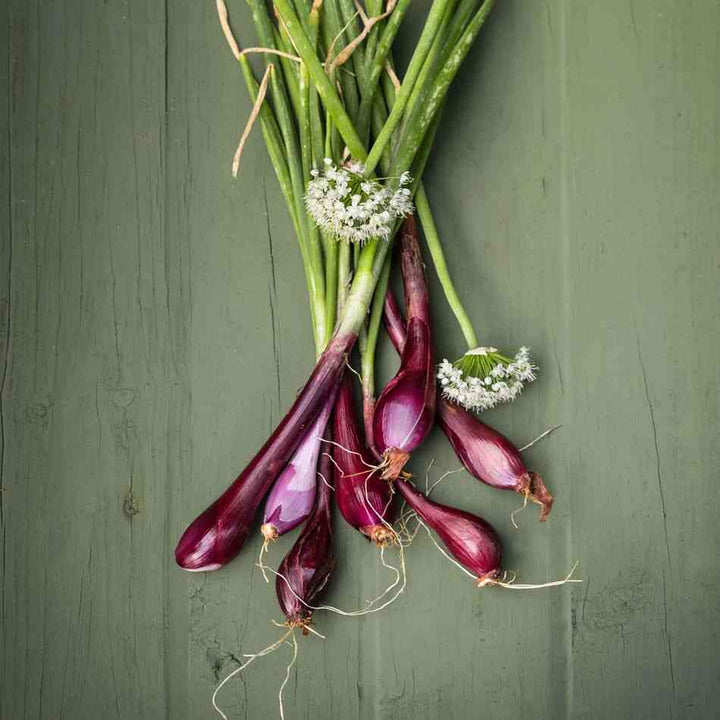
Award-winning bunching onion with uniform, upright growth and mild, fresh taste.
- Non-GMO Safe Seed Pledge
- Seed packets printed on forestry-certified paper (FSC, SFI, Rainforest Alliance)
- Curbside-recyclable mailers; SFI-certified kraft paper
- 1% for the Planet partner — supports environmental nonprofits
- Compact, energy-efficient facility with lean, low-waste operations
- Seeds: When properly stored, planted, and cared for, we guarantee reasonable germination and true-to-type growth for one year from purchase.
- Non-seed products: Free from defects in materials and workmanship for 30 days from shipment.
Excludes factors outside our control (extreme weather, pests, gardener error). If something’s off, contact us—we’ll make it right with a replacement, repair, or refund.
Every seed variety we sell is non-GMO.
We do not buy or sell genetically engineered or bioengineered seed.
- Heirloom and open-pollinated describe how a variety is maintained.
- Hybrid means two parent lines were conventionally crossed; hybrid does not mean GMO.
- Organic certification is separate and is shown only when the product’s organic status has been verified.
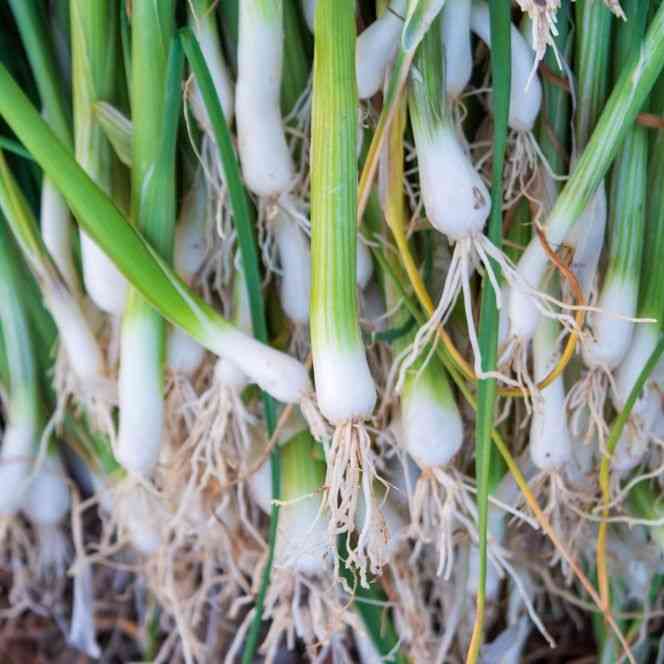
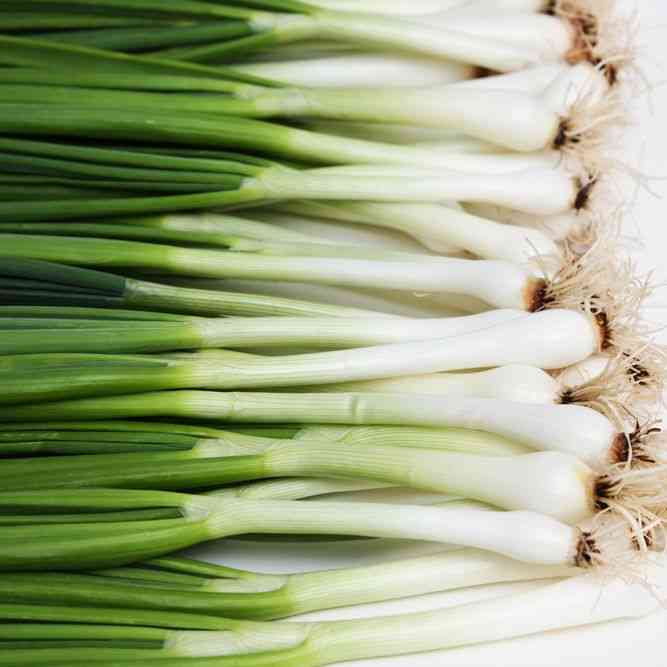
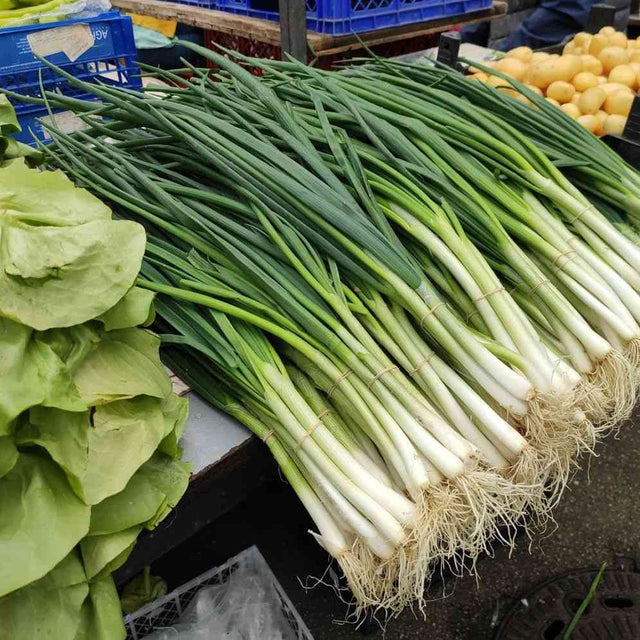
Introducing Warrior AAS, a standout in the bunching onion category, known for its robust growth and exceptional flavor. These onions thrive in a variety of climates, reaching maturity in approximately 60 days. The Warrior AAS variety produces slender, crisp stalks that stand tall and proud, offering a vibrant green hue that transitions seamlessly into a mild, white base. Ideal for gardeners seeking a high-yield, low-maintenance crop.
Warrior AAS onions are celebrated for their versatile culinary applications. Their mild, sweet flavor makes them a staple in salads, stir-fries, and soups. Whether used fresh or cooked, they add a subtle onion essence without overpowering other ingredients. Their compact size and uniform growth make them easy to harvest and prepare, ensuring a consistent supply of fresh onions throughout the growing season.
These bunching onions are not only a delight to the palate but also a visual treat in the garden. Their upright growth habit and striking coloration make them an attractive addition to any vegetable plot. Warrior AAS onions are disease-resistant and adaptable, making them a reliable choice for both novice and experienced gardeners. Cultivate a patch of these flavorful alliums and enjoy the bounty of fresh, homegrown onions.
Your payment is processed securely via trusted gateways. We do not store credit card details and we do not have access to your card information.
Pickup available at Bertie County Seeds
Usually ready in 2-4 days
Plant identity
Timing and climate
Site, soil, and space
I only got 20 percent to seed out. Huge failure
Hi Marlyne, we’re sorry to hear that. Onion seeds can be more sensitive during germination than some other varieties, and success is often influenced by temperature, moisture balance, and sowing depth. This seed passed our germination testing prior to sale and is covered by our warranty. Since many seeds are started during the winter months, cooler conditions and lower light can also affect results. Please contact us so we can help troubleshoot and assist under our warranty.
Did not germinate
Hey there! We are sorry that you are having germination issues. Can we ask if it was just one or multiple varieties that you received there were having this issue? Also, how did you go about germinating those seeds?
For direct sowing, make shallow rows and place the seed evenly so the future planting can be thinned to the desired bunching size. Seed should be covered lightly and watered gently so it stays in close contact with moist soil without being washed too deep. The most important part of the sowing stage is keeping the seed zone consistently moist until emergence is complete. If the surface dries out repeatedly, germination becomes uneven and the row can come up thin, patchy, or delayed. On the other hand, constantly saturated soil can reduce oxygen around the seed and invite problems before the seedlings are established. The goal is steady moisture, not sogginess.
Once seedlings begin to emerge, early care has a major effect on the final quality of the crop. Young onions are slender and slow to compete, so weeds must never be allowed to get ahead of them. Even a short period of heavy weed pressure can weaken the stand and lead to thin, irregular bunches later. Thin the seedlings gradually as they grow, depending on whether the target harvest is very slender green onions or fuller bunching stems with stronger white shanks. Thinning should be done carefully so the roots of neighboring seedlings are not torn excessively. Small thinnings can often be used as very young green onions, which helps reduce waste while improving spacing in the main row.
Transplanting is useful when a grower wants a more uniform planting, an earlier finished crop, or better control over spacing from the beginning. Transplants should be moved into the field or bed while still vigorous and not overly root-bound. Set them into moist soil at a depth that keeps them upright without burying them so deeply that the neck is stressed. Spread the roots gently downward rather than folding them harshly, and firm the soil around each transplant just enough to remove air pockets. Water immediately after transplanting so the roots settle into the surrounding soil and resume growth quickly. Good transplanting is meant to reduce shock, not merely place the plant in the ground.
The days right after transplanting are critical. Warrior Bunching AAS should be kept evenly moist during this establishment window so the plants do not stall. A planting pause caused by dryness, heat stress, or poor root contact can slow the crop for much longer than many growers expect. If weather is harsh, close attention during the first week helps the onions recover and push new roots without setback. Once transplants show fresh upright growth, cultivation can shift toward maintaining steady development rather than rescue care.
Whether direct sown or transplanted, row cleanliness and shallow cultivation matter throughout the early stages. Onion roots are relatively shallow and do not respond well to rough, deep hoeing close to the plants. Keep cultivation light, frequent, and precise so weeds are removed before they become competitive. If mulch is used, it should be light and clean, helping conserve moisture without burying the stem bases too heavily or trapping excess dampness around the plants. The crop should never have to fight through severe weed pressure, crusted soil, or long dry gaps if the goal is attractive bunching harvest.
As the planting develops, spacing decisions shape the final use of the crop. Tighter stands can produce slimmer bunching onions for quick green harvest, while slightly more room allows stronger white shanks and fuller stems. The key is consistency. A row with uneven gaps and crowded clusters will never bunch as cleanly as one that was thinned or transplanted deliberately. By the time the plants are established, they should form a clean, even row of upright onions with enough room for airflow, light, and easy harvest.
The best planting results come from smooth early establishment, not from trying to correct problems later. With fine seedbed preparation, shallow even sowing, careful transplant handling, steady moisture, early thinning, and disciplined weed control, Warrior Bunching AAS develops into a strong, uniform planting ready to produce high-quality bunching onions with clean white stems and fresh green tops.
During active growth, steady soil moisture is one of the most important factors. Warrior Bunching AAS should never sit in waterlogged soil, but it also should not be allowed to dry out hard between irrigations. Moisture stress leads to thinner stems, tougher texture, sharper flavor, and slower regrowth, while overly wet soil can weaken roots and encourage disease. Mulch can help reduce evaporation and suppress weeds, but it should be used lightly enough that the stem bases stay clean and airflow is not trapped around the plants. The best planting usually comes from a bed that feels stable: loose enough for root expansion, fertile enough to support green top growth, and moist enough to keep the plants moving without soft, waterlogged tissue.
Fertility management should focus on maintaining moderate, consistent vigor. Because bunching onions are harvested green, they benefit from soil that continues feeding leaf production through the growing cycle. If the tops begin to pale or growth slows noticeably, a light feeding can help restore the rich green color and steady stem development the crop is known for. However, balance matters. Excessive feeding all at once can create soft, overly lush growth that is more vulnerable to stress and leaf damage. The strongest plantings are usually those where nutrients are available steadily and the onions never have to fight through a period of exhaustion before growing well again.
Weed control is especially important with bunching onions because their narrow upright leaves do not shade the soil enough to outcompete aggressive weeds. Even a short period of heavy weed pressure can reduce stem size, distort growth, and make the bed harder to manage. Keep the planting clean from early on, using shallow careful cultivation so the roots are not disturbed deeply. Loose, friable soil also helps the stems elongate more cleanly and makes harvest easier later. If the bed crusts over after hard rain or irrigation, gentle surface loosening may help preserve growth and improve air exchange around the root zone.
Spacing and airflow have a major effect on final quality. Warrior Bunching AAS can be grown fairly densely for bunch harvest, but if it becomes too crowded the stems stay thin, the foliage holds moisture too long, and disease pressure rises. Proper spacing allows each plant enough room to build a good shank while still producing the full bunching effect growers want. Good airflow also keeps leaves drier, reduces foliar disease problems, and makes it easier to spot thrips or other pests before they spread. The plants do not need support, but they do benefit from a bed layout that keeps them upright, accessible, and easy to clean at harvest time.
Harvest management is part of growing this crop well, not just the final step. Warrior Bunching AAS is best pulled or cut when the stems are still tender, white shanks are well formed, and tops remain fresh and vigorous. Waiting too long can lead to coarser texture, more weathering on the foliage, and bunches that look less refined. If harvesting whole plants, lift carefully in firm soil to avoid tearing or bruising the shanks. If taking lighter cut harvests, do not damage the growing points more than necessary. With full sun, even moisture, clean cultivation, moderate feeding, good airflow, and timely harvest, Warrior Bunching AAS produces attractive, flavorful bunching onions with the uniform fresh-market quality that makes the variety stand out.
A very useful trick with bunching onions is to match your spacing and harvest timing to the size you actually want to eat or sell. If the onions are meant to be very slender and young, they can be used earlier and closer. If fuller shanks and more substantial bunches are the goal, the planting needs enough room and time to size properly. Many growers get better results by thinning gradually and using the thinnings in the kitchen instead of trying to decide the perfect spacing all at once. This creates a more flexible harvest pattern and helps avoid waste. It also improves airflow and reduces the chance that the row becomes too crowded and uneven.
Harvest technique matters more than many people expect. Warrior Bunching AAS is at its best when lifted or cut while the stems are still crisp, tender, and upright. Waiting too long can lead to coarser texture, more weathered tops, and bunches that look less refined. If the soil is firm or dry, loosening it slightly before harvest helps protect the white shanks from tearing or bruising. Once pulled, trim and clean the onions gently rather than aggressively stripping them, since appearance is part of the value of a good bunching onion. For the cleanest presentation, wash only as needed and let excess surface moisture dry before storing or packing.
This is also a crop that benefits from succession planting rather than trying to get an entire season’s supply from one sowing. A series of smaller sowings often gives better quality than one large planting that all reaches harvest stage at once. Succession timing helps maintain a steady flow of fresh onions at their best stage and reduces the problem of oversized or weathered plants sitting too long in the ground. It also spreads risk. If one planting runs into thrips, hard rain, weed pressure, or temporary stress, another sowing can still come along behind it in better condition.
Flavor is strongly affected by growing conditions, and this is worth remembering in both harvest and kitchen use. Onions grown with steady moisture and even nutrition are usually milder, juicier, and more tender. Plants stressed by dryness or crowding often become sharper and less delicate. That means quality starts in the bed, not at the cutting board. If the crop is intended for fresh slicing, garnishing, or bunch sales, regular watering and timely harvest make a bigger difference than many growers expect.
Warrior Bunching AAS is especially useful because both the white stems and green tops are valuable, but quality declines quickly if harvested onions are left in heat or handled roughly. For best post-harvest results, pick during the cool part of the day, keep the onions shaded immediately after harvest, and cool them as soon as possible. Tops can wilt fast in sun and wind, even when the stems still look fine. Good handling preserves the crispness and visual appeal that make bunching onions so useful in the first place. A carefully grown bunch can lose much of its quality in just a short time if it is left hot, dry, or packed wet without airflow.
For growers thinking beyond one harvest, Warrior Bunching AAS is also a strong variety for observation and refinement. Notice which sowing windows give the straightest shanks, which beds stay cleanest, and which harvest stage fits your kitchen or market needs best. The biggest beginner mistakes are usually letting weeds get ahead, allowing moisture to swing too much, and waiting too long to harvest. With clean cultivation, regular sowings, gentle handling, and attention to timing, this variety becomes one of the most reliable and useful fresh alliums in the garden.
Onion thrips are one of the most important insect pests and can cause silvery streaking, flecking, curled leaf tips, and an overall dull, stressed appearance. Heavy infestations reduce vigor and can make bunching onions look rough and undersized. Onion maggots are more serious below the surface, especially in cool wet soil or where onions are planted repeatedly in the same area. Larvae feed on the base and roots, leading to yellowing, wilting, soft stems, and plants that pull up easily or collapse suddenly. Cutworms may clip young seedlings at the soil line, while aphids can gather in protected leaf folds and cause sticky residue and weakened growth. The best solutions are crop rotation, clean cultivation, avoiding fresh undecomposed organic matter right before planting, using row cover early where pressure is known, removing weak infested plants promptly, and keeping the onions growing steadily so they recover from minor feeding more easily.
Disease pressure usually increases when bunching onions are crowded, weeds trap moisture around them, or the foliage stays wet for long periods. Downy mildew can appear as pale or yellowed patches followed by grayish growth in damp conditions, while purple blotch and Stemphylium leaf blight can cause elongated lesions, leaf dieback, and weakened tops. Botrytis may also contribute to tip burn or blighting, especially when airflow is poor. These diseases matter because Warrior Bunching AAS is valued for fresh upright green growth, and once the foliage is badly marked or collapsing, market and garden quality fall quickly. The best solutions are generous spacing, watering at the soil line when possible, keeping weeds under control, rotating away from onions and related alliums, and removing badly infected debris so disease does not build up from one planting to the next.
Environmental and cultural problems can reduce quality even when insects and disease are limited. Uneven moisture is a major issue with bunching onions and may cause slow growth, fibrous stems, split sizing, or weak recovery after harvest. If the bed is allowed to dry too hard, plants can become thin, sharp-flavored, and stunted. If it stays too wet, roots weaken and disease risk rises. Nutrient imbalance may also show up in the foliage. Pale leaves and weak growth often point to low fertility, while overcrowding leads to thin stems and poor air movement. The best solution is to keep soil evenly moist, feed the crop moderately and steadily, thin or space properly for the intended harvest size, and mulch lightly if needed to reduce moisture swings without burying the stem bases too heavily.
Weed competition is another hidden but serious problem with onions because their upright narrow leaves do not shade the soil well. Fast-growing weeds can steal light, nutrients, and water before the onions are large enough to compete, leading to thin weak bunches and uneven harvests. Bunching onions also suffer when soil crusting or compaction makes early emergence difficult, especially after heavy rain followed by drying. The solution is shallow regular weeding, loose friable soil, and careful irrigation that supports emergence without sealing the surface. A clean planting almost always produces straighter, stronger bunches than one left weedy for even a short period.
Harvest and post-harvest mistakes can also lower quality. Leaving bunching onions in the ground too long after they reach usable size may lead to tougher stems, more leaf damage, and a less attractive bunch. Pulling them from hard dry soil can tear roots and bruise the shanks, while washing and packing them wet without airflow can encourage breakdown. The best solutions are to harvest while stems are still tender and upright, lift carefully if the soil is tight, trim and clean gently, and cool them promptly after harvest. Long-term success with Warrior Bunching AAS comes from combining steady moisture, fertile soil, weed control, crop rotation, clean harvest practices, and fast response to thrips or leaf disease before quality begins to slide.
A: Warrior Bunching AAS is valued for its strong upright growth, uniform bunching habit, and dependable field performance. As a bunching onion, it is grown for clean white shanks and fresh green tops rather than for forming a dry storage bulb. Gardeners and growers often appreciate it because it combines attractive market quality with steady production and a useful harvest window. It is especially appealing when a planting needs to look clean, vigorous, and well matched for bunch harvest.
Q: Is Warrior Bunching AAS a bulbing onion or a bunching onion?
A: It is a bunching onion, meaning it is primarily grown for green onion use rather than for curing into a dry bulb onion. The goal is to harvest tender upright plants with usable white stems and fresh green tops. While some alliums eventually swell somewhat depending on conditions, this type is managed for bunch harvest, not for mature storage bulbs. That difference matters because spacing, harvest timing, and grower expectations are all centered around fresh use.
Q: What does AAS mean in the name?
A: AAS refers to All-America Selections recognition, which usually indicates that a variety performed especially well in trials for qualities such as vigor, appearance, productivity, or garden value. For growers, that can suggest a variety with proven appeal and dependable performance under varied conditions. It does not change the basic cultural needs of the onion, but it does signal that the variety stood out among trial entries. In practical terms, it supports the idea that Warrior Bunching AAS is more than an ordinary bunching onion.
Q: What does Warrior Bunching AAS taste like?
A: Warrior Bunching AAS offers the fresh, bright onion flavor people expect from bunching onions, usually milder and greener than a full dry bulb onion. The white shank has a clean onion bite, while the tops add a tender, savory freshness that works well in both raw and cooked dishes. Flavor strength depends somewhat on growing conditions and harvest stage, with younger plants often tasting milder. Consistent moisture and timely harvest help keep the stems more tender and balanced in flavor.
Q: Is Warrior Bunching AAS good for beginner gardeners?
A: Yes, it is usually a good choice for beginners because bunching onions are straightforward once the main basics are understood. They need steady moisture, weed control, and enough fertility to keep growing evenly, but they do not require elaborate support or complicated pruning. New growers often succeed when they keep the bed clean and avoid letting the plants get crowded or stressed. It is a practical crop for learning careful spacing, succession harvest, and the importance of even growth.
Q: Can Warrior Bunching AAS be grown in containers?
A: Yes, bunching onions can do well in containers if the soil is fertile, drains well, and does not dry out too quickly. Containers should be deep enough to support healthy root growth and enough soil volume to buffer moisture changes. Because container plantings can dry faster than garden beds, regular watering becomes especially important. For growers who want fresh green onions close at hand, container growing can be very effective if crowding is managed carefully.
Q: How long does Warrior Bunching AAS take to reach harvest size?
A: Harvest timing depends on whether you want very slender green onions or fuller bunching stems with more developed shanks. Under steady growing conditions, bunching onions can be harvested across a useful range rather than at one exact maturity point. Faster growth usually comes with warm conditions, fertile soil, and reliable moisture. Rather than waiting for a bulb, most growers harvest according to the size, tenderness, and appearance they want.
Q: Can I harvest Warrior Bunching AAS more than once?
A: That depends on how it is harvested. If whole plants are lifted, that planting is finished for those onions, but if tops are trimmed lightly and the growing point remains healthy, some regrowth may occur. Many growers prefer to sow or plant successions instead of relying heavily on regrowth, because whole harvested bunches are often cleaner and more uniform. For continuous supply, repeated sowing or staggered planting is usually the most reliable strategy.
Q: What kind of soil does Warrior Bunching AAS prefer?
A: It grows best in fertile, well-drained soil that stays evenly moist without becoming soggy. Loose soil is especially helpful because it allows straighter, cleaner stem development and easier harvest. Soil that is too compacted can slow growth and make stems shorter or more misshapen. A compost-enriched bed with good structure usually gives the best combination of vigor, tenderness, and harvest quality.
Q: How much sunlight does Warrior Bunching AAS need?
A: It performs best in full sun, where growth is sturdier and more even. Strong light helps the tops stay upright and supports steady stem development. In some conditions it can tolerate less than all-day sun, but reduced light often slows growth and can make the planting less vigorous. For the cleanest bunching quality, good sun exposure is a major advantage.
Q: How often should I water Warrior Bunching AAS?
A: Bunching onions need even moisture to grow well and stay tender. If the soil dries out too much, stems may stay thin, growth may stall, and flavor can become sharper. If the bed stays too wet, roots weaken and disease pressure increases. The best approach is steady moisture that supports uninterrupted growth without waterlogging the planting.
Q: Why are my bunching onions thin and weak?
A: Thin weak plants are often the result of crowding, low fertility, weed competition, or uneven moisture. Bunching onions need enough room and resources to build healthy stems, even when grown fairly closely for bunch harvest. If weeds are allowed to compete early, the onions may never fully recover their vigor. Improving spacing, fertility, and moisture consistency usually leads to much better size and uniformity.
Q: Why are the leaf tips turning brown or ragged?
A: Brown or ragged leaf tips can come from several causes, including thrips feeding, uneven watering, wind stress, nutrient imbalance, or leaf disease. Onion thrips are especially common and leave a silvery, roughened, stressed look on the foliage. Tip damage can also happen when plants experience repeated drying or physical stress. Careful inspection of the leaves and overall growing conditions usually helps identify whether the cause is insect pressure, disease, or environmental stress.
Q: What pests are most likely to attack Warrior Bunching AAS?
A: The most common pests include onion thrips, onion maggots, cutworms, and occasional aphids. Thrips are especially important because they damage the leaves directly and reduce the fresh attractive quality that bunching onions are grown for. Onion maggots attack below the surface and can cause wilting, softening, and plant collapse. Regular scouting is important, because early action is much easier than trying to restore quality after the planting is heavily damaged.
Q: What diseases should I watch for?
A: Downy mildew, purple blotch, Stemphylium leaf blight, and Botrytis-related foliage issues are among the most important concerns. These diseases become more likely when the planting is crowded, weeds trap moisture, or leaves stay wet for long periods. Since Warrior Bunching AAS is harvested for fresh green tops and white shanks, even moderate foliar damage can reduce market and kitchen quality quickly. Good spacing, airflow, crop rotation, and careful watering are the main preventive steps.
Q: Does Warrior Bunching AAS need support?
A: No, it does not need staking, caging, or trellising. Healthy bunching onions are naturally upright and self-supporting. The more important issue is keeping them evenly spaced so they do not become overly crowded and floppy. Strong light and steady growth usually do more for plant posture than any kind of support would.
Q: Can Warrior Bunching AAS handle cold weather?
A: Bunching onions are generally more tolerant of cool conditions than many warm-season vegetables, which is one reason they are so useful in spring and fall gardens. However, performance still depends on the variety, plant size, and local conditions. Cool weather often supports good quality and steady growth, while extremes can slow development. Growers usually value bunching onions precisely because they fit well into cooler parts of the growing season.
Q: Is Warrior Bunching AAS good for succession planting?
A: Yes, it is very well suited to succession planting. Many growers sow or plant it in stages so they can harvest a steady supply instead of having one oversized flush all at once. This is especially helpful with bunching onions because quality is best when stems are harvested at the right stage. Succession planting also helps reduce risk if one planting is slowed by weather or pest pressure.
Q: Can I use both the white shank and the green tops?
A: Yes, that is one of the major advantages of bunching onions. The white shank and the green tops are both useful, and together they make the crop especially efficient in the kitchen. Younger tops are usually especially tender, while fuller stems provide a stronger onion flavor. Because the whole plant is useful, bunching onions are excellent for growers who want minimal waste.
Q: What are the best kitchen uses for Warrior Bunching AAS?
A: It is excellent for fresh slicing, stir-fries, soups, noodle dishes, egg dishes, dumpling fillings, garnishes, and mixed cooked preparations. The tender tops can be chopped raw, while the white portions can be grilled, sautéed, or added to savory dishes for a brighter onion flavor than bulb onions often give. Its usefulness across many cooking styles is one of the reasons bunching onions are such a practical crop. It is especially valuable when a recipe benefits from both fresh green flavor and mild onion depth.
Q: Can Warrior Bunching AAS be overwintered?
A: In some climates, bunching onions can persist through cool periods or overwinter with protection, but this depends on local winter severity and how established the plants are before cold arrives. Some growers use row covers or similar protection to improve survival and early spring regrowth. In harsher conditions, the crop may be better managed as a seasonal planting rather than relied on for winter holdover. Local experience is especially useful when judging overwintering potential.
Q: Is Warrior Bunching AAS suitable for market growing?
A: Yes, it is often attractive for market growing because bunching onions sell well when they are uniform, upright, clean, and bright green. A variety with strong presentation and dependable bunch quality can be very valuable in fresh market settings. The key is maintaining straight clean stems, avoiding thrips and leaf spotting, and harvesting at the right stage. Good post-harvest handling also matters, because bunching onions are often judged heavily on appearance.
Q: Can I save seed from Warrior Bunching AAS?
A: That depends on whether the seed source is open-pollinated or hybrid, and on whether proper isolation is maintained. Many onions can cross with compatible onions when flowering at the same time nearby, so seed purity requires planning. If maintaining the exact variety is important, isolation and careful seed stewardship are necessary. Growers should confirm the reproductive status of the variety before planning seed saving.
Q: Why do my bunching onions stop growing well after an early harvest?
A: Weak regrowth or poor later performance often comes from depleted fertility, water stress, root disturbance, or overly aggressive cutting. Bunching onions respond best when they are kept growing evenly rather than repeatedly stressed and pushed to recover. In many cases, a fresh succession planting gives better quality than trying to force too much from tired plants. Balanced fertility and consistent moisture help maintain stronger performance where regrowth is desired.
Q: Is Warrior Bunching AAS worth growing if I already grow bulb onions?
A: Yes, because it fills a different role in both the garden and the kitchen. Bulb onions are grown mainly for cured storage bulbs, while bunching onions provide fresh green stems, quick kitchen use, and harvest flexibility. They also fit different planting schedules and are often ready when bulb onions are still immature. Growing both gives a much broader range of onion use throughout the season.
Plan before you plant
Check how this variety fits your garden
Onion and allium profileDay length, planting date, variety type, and steady early growth strongly affect bulb formation.
Starting targets
- Direct sun
- 6+ hours
- Plant spacing
- 3+ in
- Container starting point
- 3+ gal
- Listed light
- Full sun
- Growth habit
- Clumping/Tufted
- Support guidance
- No-Support
- Mature height
- 13–18 in
The product details shown on this page take priority over the general planning starting points above.
Garden-fit checklist
Onion Seeds - Intermediate - Warrior Bunching AAS
-
Bertie County Seeds
Pickup available, Usually ready in 2-4 days
124 South Main Street
+18337607333
Colerain NC 27924
United States
Bunching onions are biennial in habit, which means they usually need one season to establish and another period of growth and environmental signaling to move into flowering. Plants intended for seed must therefore be carried through long enough to develop mature flowering stalks rather than being harvested at bunching stage. In climates where they can overwinter, the selected plants may be left in place if the stand is healthy and the site is suitable. In colder or more difficult conditions, growers sometimes protect or hold selected plants so they survive well enough to resume growth and send up flower stalks later. The key is to begin with robust plants, because weak onions rarely make the best seed parents.
Isolation is extremely important in onion seed saving. Onions can cross with other compatible onions flowering at the same time nearby, and once crossing occurs the saved seed may no longer produce plants true to Warrior Bunching AAS. If maintaining varietal integrity matters, flowering plants must be isolated from other onions intended for seed. This includes nearby bunching onions, bulb onions, and other compatible allium seed crops that may bloom during the same period. The purpose of isolation is not to improve the current crop for eating, but to protect the next generation from unintended mixing. For a seed steward, this is one of the most important parts of the entire process.
Selection should continue even after the seed plants begin to grow out. Remove any plants that bolt too weakly, show disease, produce poor-quality stalks, or appear clearly off-type in habit or vigor. A good seed crop comes from repeated selection, not just from choosing plants once and hoping for the best. Healthy flowering plants should be given enough room and support from the growing environment to complete seed production cleanly. Weed competition, drought stress, and foliar disease can all reduce seed quality, so a seed patch should be cared for with at least as much attention as a harvest crop, and often more.
Flowering onions attract pollinators, and those pollinators are essential for good seed set. The round flower heads should be allowed to develop fully and dry down gradually on the plant. Seed ripening in onions is often uneven, so careful observation matters. Heads should not be cut too early, when much of the seed is still immature, but they also should not be left so long that the seed shatters and drops before harvest. A common approach is to harvest seed heads when a good portion of the umbels has matured and dark seed is visible, then finish drying them in a protected, airy place. Clean dry conditions during this stage are important for preserving seed quality.
After harvest, the seed heads should be dried thoroughly before threshing. Once dry, the seed can be rubbed or broken free from the flower structures and cleaned of chaff. Only fully mature, well-dried seed should be stored. Any seed that feels soft, poorly filled, or damp should be excluded, since weak seed does not store well and may perform poorly at sowing time. Clean seed should then be stored in a cool, dark, dry place in clearly labeled containers so the variety and harvest year are never confused.
One important thing to remember with onion seed is that it does not keep its vigor forever as well as some other crops do. Even under good storage, onion seed is generally best when used relatively fresh rather than held for many years. For that reason, seed savers often renew the line regularly instead of saving one crop and assuming it will remain highly viable indefinitely. Good records also matter. Notes on which plants were selected, how the stand performed, whether any off-types appeared, and how well the seed germinated later all help improve future seed work.
For growers serious about preserving Warrior Bunching AAS, the best seed saving approach combines careful plant selection, strict isolation, healthy overwintered seed parents, patient harvest of mature seed heads, thorough drying, and well-managed storage. Done properly, seed saving turns this crop from a one-season harvest onion into a maintained variety shaped by observation, discipline, and stewardship.
One of its biggest benefits is versatility in the kitchen. Warrior Bunching AAS can be used raw, lightly cooked, or fully cooked depending on the stage of harvest and the part of the plant being used. The white shanks bring a bright, clean onion flavor that works well in sautés, soups, stir-fries, noodle dishes, eggs, dumpling fillings, dressings, and grilled preparations. The green tops add freshness to garnishes, salads, broths, and finishing applications where a dry bulb onion would feel heavier. This ability to move between raw and cooked uses makes bunching onions especially practical for households that cook often and want one crop to serve many purposes.
Another major benefit is harvest flexibility. Warrior Bunching AAS can be used at multiple sizes, from younger, slimmer green onions to fuller bunching stems with more developed white shanks. That means growers are not locked into a single narrow harvest stage. A planting can be used gradually, thinned for early kitchen use, or harvested in fuller bunches later depending on need. This flexibility is especially helpful in home gardens, where harvests are often shaped by kitchen timing rather than wholesale scheduling. It also makes the crop valuable for succession planting, because growers can keep a steady supply moving through different stages.
Warrior Bunching AAS is also highly beneficial for growers who want a fresh-market style crop with strong visual appeal. Clean white stems, uniform bunching habit, and upright green tops create an attractive presentation for market tables, CSA shares, and home harvest baskets. Because appearance matters so much with bunching onions, a variety that grows evenly and holds quality well has real value. It is not just useful in the kitchen, but useful as a crop that looks tidy, fresh, and abundant when harvested properly. That combination of utility and presentation is part of what makes bunching onions such a staple in diversified growing.
This variety is also beneficial because it fits into seasons and garden spaces differently from bulb onions. It offers fresh onion flavor without requiring the full curing cycle of storage onions, and it can be worked into steady harvest systems where repeated sowings provide continuous use. That makes it a strong crop for gardeners who want reliable productivity from a modest space. It is also well suited to raised beds and smaller plantings because it does not demand the long-term field commitment of a dry bulb crop that must mature fully before harvest.
For the grower, Warrior Bunching AAS offers the practical benefit of simplicity once the basics are managed well. It does not need staking or trellising, it responds well to orderly spacing and even moisture, and it rewards attention with a clean, usable crop. Its usefulness is immediate, its whole plant is valuable, and its harvest window is broad enough to be forgiving. Altogether, Warrior Bunching AAS stands out as a productive, attractive, and highly useful onion for gardeners and growers who want fresh flavor, flexible harvest, and dependable bunching quality.
Shipped from U.S.A.
Our seeds are grown and sourced from the US. They're then packed and shipped from Colerain NC.
Triple tested
We regularly test the quality and germination rate of our seeds. We're so confident that our seeds are backed by a 1 year warranty!
Use a current laboratory soil test
Soil-test interpreter
Compare your report with this product's listed pH target: 6.0–6.5.
This tool interprets values you enter; it does not replace laboratory or Cooperative Extension amendment rates. Soil test methods and nutrient recommendations vary by region.
Payment & Security
Payment methods
Your payment information is processed securely. We do not store credit card details nor have access to your credit card information.
Keep planning
Build the rest of your garden.
Compare related varieties, add practical supplies, or browse dependable value picks.
Join Our Newsletter for Exclusive Savings!
Sign up for our newsletter to get a 30% discount code sent straight to your inbox. If it doesn’t appear right away, please check your inbox settings, and if you still need help, we’re here to assist!