Free U.S. seed shipping $25+. Seeds ship free at the threshold. Storefront goods, pantry finds, books & local goods are being added.

New seeds, Main Street specials, and storefront finds update as the market grows.

Fish Pepper

Scientific name Capsicum annuum var. annuum

Seed packet & garden essentials

What to know before you plant

View complete growing & care facts
25 minimum seeds per packet
  • Maturity80-89 Days · From direct sowing for legumes; commonly from transplant for peppers; weather and harvest stage affect the result.
  • Growth habitBush · Annual · 19–24 in tall
  • Best useSeafood seasoning, sauces, vinegar peppers, powders, ornamental edible beds, and chesapeake-inspired cooking
  • Flavor & characterlively medium heat with a useful, direct chile flavor · Mixed
  • Germination10-21 days · 75–90 °F
  • Seed preparationNo stratification or scarification; start indoors with sustained bottom warmth, even moisture, and strong light after emergence
  • SunFull sun
  • Support & spacingStake · space 18 in · rows 24 in
  • Container fitSuitable for a large container with full sun, warm roots, excellent drainage, steady moisture, and a stake for loaded plants.
  • Water needsModerate
  • SoilLoamy · pH 6.0–6.5
  • Planting seasonSpring · blooms Summer · Tender
$200 USD $350

Pickup available at Bertie County Seeds

Usually ready in 2-4 days

Secure checkout Details
Generic
Triple-tested seed qualityRegular quality and germination checks support every packet.

We regularly test seed quality and germination as lots move through storage and packing. We stand behind the seed we send and want customers to contact us when a packet does not perform as reasonably expected.

1-year seed warrantyCoverage begins on the date of purchase.

When properly stored, planted, and cared for, we guarantee reasonable germination and true-to-type growth for one year from the date of purchase. Conditions outside our control—including extreme weather, pests, unsuitable storage, and gardener error—are excluded. Contact us when something is not right so we can review the situation and work toward a replacement, refund, or another fair resolution.

Non-GMO / BE seed policyWe do not buy or sell genetically engineered or bioengineered seed.

Every seed variety we sell is non-GMO.

USDA’s National Bioengineered Food Disclosure Standard defines bioengineered foods as containing detectable genetic material modified through in vitro recombinant DNA methods in ways not achievable through conventional breeding or found in nature.

  • Hybrid means parent lines were conventionally crossed; hybrid does not mean GMO.
  • Heirloom and open-pollinated describe how a variety is maintained and reproduced.
  • Organic certification is separate and is shown only when verified for the individual product.
Packed in Colerain, North CarolinaPrepared in our seed room for gardens across the country.

Seeds are packed and shipped from Colerain, North Carolina. Our packets use forestry-certified paper, and we use recyclable paper mailers where appropriate. AONSK is also a 1% for the Planet partner while continuing to reduce waste in packing and fulfillment.

Seed success profile

Rules-based · no AI
Gardener experience Experienced planning is helpful
Germination difficulty Patience and controlled warmth are important
Preparation before sowing
No stratification or scarification; start indoors with sustained bottom warmth, even moisture, and strong light after emergence
Germination speed
Typical — usually 7–21 days
Growing complexity
Warm-season fruiting crop requiring indoor seed starting, steady moisture, airflow, and repeated harvest
Patience and timing
First harvest varies by variety and is measured from transplant under suitable conditions
Is this seed a good match for your experience?
Expected germination
10-21
Germination temperature
75–90 °F
Stratification
None required
Scarification
None required
Pre-soaking
Not required
Light during germination
Strong light immediately after emergence
Germination pattern
Reliable when the seed zone remains warm and evenly moist through the full emergence window
Transplant sensitivity
Transplant after hardening into warm soil; avoid cold nights and root disturbance
Starting method
Cataloged for indoor starting or transplanting; follow the hardening-off guidance.
Best chance of success
For Fish Pepper, hold the root zone near 80–90°F, provide strong light immediately after emergence, and do not transplant into cold soil.
What to expect

Expected emergence is 10-21 Days when the seed zone remains near 80–90°F with even moisture and oxygen. If results are poor, measure the medium and compare with a paper germination test before reseeding.

Slow germination is not automatically failed germination.

Maintain the listed temperature, moisture, light, and treatment conditions for the full expected window. Some seed lots emerge gradually rather than all at once.

1 Beginner-friendly 2 One extra step 3 Some experience helpful 4 Patient growers 5 Advanced propagation

This deterministic profile uses recorded product facts; it is not Artificial Intelligence and is not a guarantee. Seed age, storage, sowing depth, moisture, temperature, light, local conditions, and aftercare can all affect results. Last reviewed July 2026.

Build a garden-fit plan

Check this seed against your real growing conditions

Compare timing, germination preparation, sunlight, soil, water, space, support, intended use, and your preferred level of seed-starting complexity.

Open the detailed garden-fit planner Deterministic rules · no Artificial Intelligence · no live weather service

Complete product description

Fish Pepper

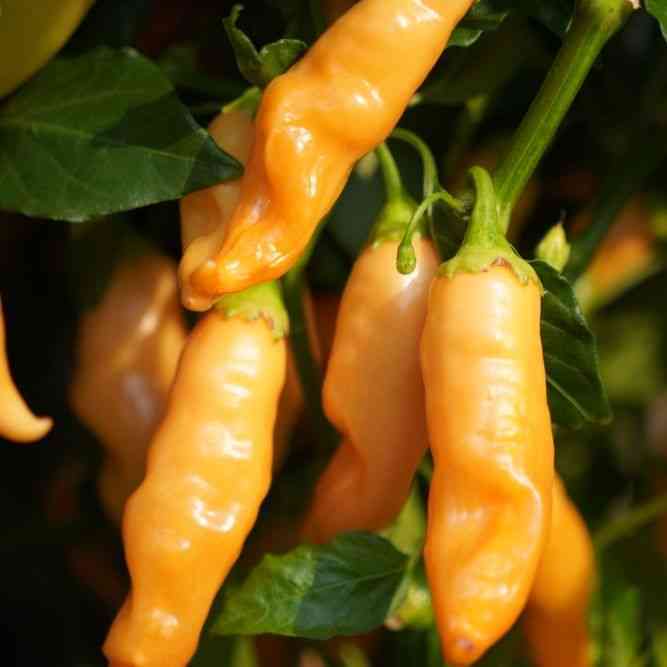
Fish pepper seeds produce variegated foliage and striped fruit that move from cream and green to orange and red. Their defining eating quality is lively medium heat with a useful, direct chile flavor. The listed heat range is 5,000–30,000 SHU. Judge the crop by the form, color, maturity, and use recorded for this specific variety.

Fish pepper seeds perform best when the crop's real requirements guide the season. Plants commonly reach 19–24 in with about 18 in between plants. Plan for stake support. Grow in full sun in fertile, well-drained soil with steady moisture. Avoid repeated drought-and-flood cycles, which encourage blossom drop, misshapen fruit, and blossom-end rot. Space plants for airflow, stake heavy-fruited types early, mulch after the soil warms, and feed according to soil-test evidence rather than pushing excessive nitrogen. The recorded germination window is 10-21 Days, with a recommended seed-zone temperature of 80–90°F. Record sowing date, temperature, emergence, first flower, first harvest, and the plants reserved for seed.

In the kitchen, Fish Pepper is best used for seafood seasoning, sauces, vinegar peppers, powders, ornamental edible beds, and Chesapeake-inspired cooking. Harvest stage changes flavor and texture, so pick for the intended use rather than one universal color or calendar date. Compare young, mature, and fully dry or ripe stages when the crop allows it, then keep the notes with the seed lot.

Fish Pepper is documented in African American gardening and culinary history in the Chesapeake region. Its variegated leaves and pale immature pods made it useful in light-colored sauces, while ripe fruit provides stronger color and heat. The record is strongest when documentation and uncertainty are both named plainly. Choose Fish pepper seeds when the habit, season, flavor, and harvest use fit the garden you actually have.

Minimum Seed Count: 25 seeds

Additional variety notes

Variety overview

Fish pepper seeds produce variegated foliage and striped fruit that move from cream and green to orange and red. The crop is grown for seafood seasoning, sauces, vinegar peppers, powders, ornamental edible beds, and Chesapeake-inspired cooking. Flavor is lively medium heat with a useful, direct chile flavor. Plan for the recorded growth habit, maturity, support, and species-specific seed-saving requirements.

Every recorded growing detail

Complete growing & care facts

Continue to the garden-fit planner

Plant identity

Minimum seed count 25 seeds
Seed product profile Pepper
Scientific name Capsicum annuum var. annuum
Common name Fish Pepper
Cultivar or variety Fish Pepper
Also known as Pepper, Pepper Seeds - Hot Pepper - Fish Pepper
Color Mixed
Life cycle Annual
Botanical family Solanaceae
Reproductive type Open-Pollinated (OP)
Heritage qualifiers Heirloom
Native to the United States Domesticated Plant
Domestication note Mesoamerica (Mexico–Central America)

Seed success and gardener experience

Gardener experience Experienced planning is helpfulLevel 4 of 5
Germination difficulty Patience and controlled warmth are importantLevel 4 of 5
Preparation before sowing No stratification or scarification; start indoors with sustained bottom warmth, even moisture, and strong light after emergence
Stratification None required
Scarification None required
Pre-soaking Not required
Light during germination Strong light immediately after emergence
Germination pattern Reliable when the seed zone remains warm and evenly moist through the full emergence window
Growing complexity Warm-season fruiting crop requiring indoor seed starting, steady moisture, airflow, and repeated harvest
Transplant sensitivity Transplant after hardening into warm soil; avoid cold nights and root disturbance
First harvest or bloom First harvest varies by variety and is measured from transplant under suitable conditions
Best chance of success For Fish Pepper, hold the root zone near 80–90°F, provide strong light immediately after emergence, and do not transplant into cold soil.

Timing and climate

Days to maturity 80-89 Days
Germination 10-21 Days
Germination temperature 75–90 °F
Planting season Spring
Bloom season Summer
Frost tolerance Tender
Sunlight Full sun
Water needs Moderate

Site, soil, and space

Soil type Loamy
Preferred soil pH 6.0–6.5
Seed depth 1/4 in
Plant spacing 18 in
Row spacing 24 in
Mature height 19–24 in
Growth habit Bush
Support needed Stake
Suitable growing locations In-ground bed, Raised bed, Greenhouse, High Tunnel, Containers, Community garden, Hydroponic, Indoor growing

Crop-specific details

Heat category Hot
Scoville heat units 5,000–30,000
Flavor profile lively medium heat with a useful, direct chile flavor

Garden-fit planning for this variety

Will Fish Pepper fit your garden?

Check warmth, season length, growing space, harvest stage, and intended kitchen use.

Rules-based · no AI
Questions for this pepper seed
Seed-starting fit and patience
Recorded product profileExperienced planning is helpfulPatience and controlled warmth are importantRead why
Soil test, pH, drainage, and amendment calculator Have a laboratory soil report? Enter pH, nutrients, texture, bed size, and site observations here. Open soil tools
Recorded soil typeLoamy
Recorded pH range6.0–6.5
Water needsModerate
LightFull sun

Soil Readiness

for Pepper Plants (Capsicum spp.)

Where to get a soil test

Best option: your state’s Cooperative Extension soil testing lab.

Tip: Arid/alkaline regions (e.g., AZ, NM, UT, parts of CA) often use Olsen (bicarbonate) for phosphorus.
Adjusts P (ppm) target & interpretation.
Target 6.2–6.8
Ideal 4–8%
Target 40–60 ppm (Mehlich-3)
Target 150–200 ppm
Ok ≥ 1000 ppm
Ok ≥ 120 ppm
For pH adjustment size
For “shopping list” amounts
Interprets P by extractant; assumes ppm. Results are approximate.
Enter at least one value above, then Calculate.

The full variety record

Sowing, care, harvest, troubleshooting, and history

How to start Fish Pepper from seedPreparation, timing, depth, germination, transplanting, spacing, and early care

Variety-specific germination notes

Expected emergence is 10-21 Days when the seed zone remains near 80–90°F with even moisture and oxygen. If results are poor, measure the medium and compare with a paper germination test before reseeding.

Complete sowing and planting guidance

How to sow and plant Fish Pepper

Start indoors 8–10 weeks before the last expected frost. Sow 1/4 inch deep in a sterile, well-drained seed-starting mix and hold the root zone near 80–90°F until emergence. Move seedlings under strong light immediately, pot up before roots become crowded, and transplant only after cold soil and nights below about 50°F have passed.

Variety facts: the packet minimum is 25 seeds; expected emergence is 10-21 Days; recommended seed-zone temperature is 80–90°F. Plant spacing is 18 in, with row space kept open for airflow and harvest.

Label the variety and sowing date before watering. Keep the seed zone evenly moist, not saturated. If emergence is poor, measure the actual medium temperature and run a paper germination test before assuming the seed lot failed.

Harden seedlings gradually over roughly a week or more. Transplant only after the soil has warmed, nights are reliably mild, and the plants have adjusted to sun and wind.
How to grow this specific varietyLight, water, fertility, support, spacing, airflow, crop behavior, and season-long care

Variety-specific growing notes

How to grow Fish Pepper

Grow in full sun in fertile, well-drained soil with steady moisture. Avoid repeated drought-and-flood cycles, which encourage blossom drop, misshapen fruit, and blossom-end rot. Space plants for airflow, stake heavy-fruited types early, mulch after the soil warms, and feed according to soil-test evidence rather than pushing excessive nitrogen.

Growth habit: Bush. Mature height: 19–24 in. Support: Stake. Soil pH target: 6.0–6.5.

Inspect the crop at least twice each week and more often during flowering and harvest. Look beneath leaves, inside dense canopies, and along the soil line. Correct water, airflow, and support before reaching for a treatment.

Use a soil test when fertility or pH is uncertain. More fertilizer is not the same as better care. Excess nitrogen can delay flowers and encourage soft growth in fruiting crops and legumes alike.

Practical field notes for Fish Pepper

1. Record seed-zone temperature, not only room temperature.

2. Thin or transplant before roots and foliage become crowded.

3. Install stakes or trellises before the mature plant needs them.

4. Water deeply enough to reach the active root zone, then allow drainage and oxygen to return.

5. Keep foliage as dry as practical in humid weather and avoid working wet plants.

6. Harvest at the stage required for the kitchen: tender pod, fresh shell, ripe fruit, or dry seed.

7. Mark seed-saving plants before the best harvest disappears into the kitchen.

8. Remove obvious off-types before they flower when preserving a named variety.

9. Photograph representative plants and fruit with the date and lot number.

10. Save seed only after it is fully mature, thoroughly dry, and properly labeled.

Complete growing guide

How to grow Fish Pepper

Grow in full sun in fertile, well-drained soil with steady moisture. Avoid repeated drought-and-flood cycles, which encourage blossom drop, misshapen fruit, and blossom-end rot. Space plants for airflow, stake heavy-fruited types early, mulch after the soil warms, and feed according to soil-test evidence rather than pushing excessive nitrogen.

Growth habit: Bush. Mature height: 19–24 in. Support: Stake. Soil pH target: 6.0–6.5.

Inspect the crop at least twice each week and more often during flowering and harvest. Look beneath leaves, inside dense canopies, and along the soil line. Correct water, airflow, and support before reaching for a treatment.

Use a soil test when fertility or pH is uncertain. More fertilizer is not the same as better care. Excess nitrogen can delay flowers and encourage soft growth in fruiting crops and legumes alike.
Practical field and garden tipsExtra techniques, timing adjustments, and observations that improve success
Practical field notes for Fish Pepper

1. Record seed-zone temperature, not only room temperature.

2. Thin or transplant before roots and foliage become crowded.

3. Install stakes or trellises before the mature plant needs them.

4. Water deeply enough to reach the active root zone, then allow drainage and oxygen to return.

5. Keep foliage as dry as practical in humid weather and avoid working wet plants.

6. Harvest at the stage required for the kitchen: tender pod, fresh shell, ripe fruit, or dry seed.

7. Mark seed-saving plants before the best harvest disappears into the kitchen.

8. Remove obvious off-types before they flower when preserving a named variety.

9. Photograph representative plants and fruit with the date and lot number.

10. Save seed only after it is fully mature, thoroughly dry, and properly labeled.
Harvest, storage, uses, and benefitsWhen and how to harvest, ways to use the crop, storage, culinary value, habitat value, and garden roles

Harvest and use notes

Uses and benefits of Fish Pepper

Best uses: seafood seasoning, sauces, vinegar peppers, powders, ornamental edible beds, and Chesapeake-inspired cooking.

Flavor and texture: lively medium heat with a useful, direct chile flavor.

Harvest quality depends on timing. Young pods and fruit can be crisp and green; fully ripe fruit or mature seed can be sweeter, richer, hotter, drier, or more aromatic. Compare stages and keep notes.

Open-pollinated varieties support seed saving, crop comparison, selection, and local adaptation. That value only continues when seed is saved from enough healthy plants and records remain attached.

How to save seed from Fish Pepper

Peppers are self-pollinating but insects can move pollen among plants. Separate varieties by distance, flowering time, caging, or blossom bagging according to the purity you need. Save from several healthy, true-to-type plants. Allow fruit to reach full ripe color, remove seed, dry it thoroughly in a shaded ventilated place, label the species and variety, and store cool, dry, and dark.

Choose seed parents before the end of the season. Save from several healthy plants rather than one remarkable specimen, and exclude plants with serious disease, poor vigor, or traits outside the variety description.

Drying is part of maturity. Seed that feels dry on the surface may still contain enough internal moisture to mold in a sealed container. Finish drying in shade with airflow, then label variety, species, year, source, plant count, and isolation method.

Run a germination test before replanting or sharing older seed. Seed stewardship is not proven by possessing a jar; it is proven when the seed grows true again.

Uses and benefits

Uses and benefits of Fish Pepper

Best uses: seafood seasoning, sauces, vinegar peppers, powders, ornamental edible beds, and Chesapeake-inspired cooking.

Flavor and texture: lively medium heat with a useful, direct chile flavor.

Harvest quality depends on timing. Young pods and fruit can be crisp and green; fully ripe fruit or mature seed can be sweeter, richer, hotter, drier, or more aromatic. Compare stages and keep notes.

Open-pollinated varieties support seed saving, crop comparison, selection, and local adaptation. That value only continues when seed is saved from enough healthy plants and records remain attached.
Seed saving and carrying the variety forwardPollination, isolation, selection, harvest, cleaning, drying, and storage
How to save seed from Fish Pepper

Peppers are self-pollinating but insects can move pollen among plants. Separate varieties by distance, flowering time, caging, or blossom bagging according to the purity you need. Save from several healthy, true-to-type plants. Allow fruit to reach full ripe color, remove seed, dry it thoroughly in a shaded ventilated place, label the species and variety, and store cool, dry, and dark.

Choose seed parents before the end of the season. Save from several healthy plants rather than one remarkable specimen, and exclude plants with serious disease, poor vigor, or traits outside the variety description.

Drying is part of maturity. Seed that feels dry on the surface may still contain enough internal moisture to mold in a sealed container. Finish drying in shade with airflow, then label variety, species, year, source, plant count, and isolation method.

Run a germination test before replanting or sharing older seed. Seed stewardship is not proven by possessing a jar; it is proven when the seed grows true again.
Common pests, diseases, and growing problemsIdentification, prevention, crop-safe response, and when intervention is justified

Variety troubleshooting summary

Common pests, diseases, and growing problems for Fish Pepper

Watch for aphids, flea beetles, hornworms, cutworms, pepper maggots where present, bacterial leaf spot, Phytophthora root and crown rot, anthracnose, mosaic viruses, sunscald, blossom-end rot, and heat-related flower drop. Rotate away from tomatoes, eggplants, potatoes, and peppers; keep foliage dry when possible; remove diseased debris; and avoid working wet plants.

Start diagnosis with pattern: one plant or the whole row, old leaves or new growth, wet weather or drought, roots or foliage, chewing or discoloration. Several problems look alike from the path.

Use integrated management: prevention, rotation, sanitation, airflow, resistant varieties where appropriate, hand removal, barriers, biological controls, and correctly labeled products only when needed. Protect pollinators and follow the label.

Frequently asked questions about Fish Pepper

Q: What is the scientific name?
A: Capsicum annuum var. annuum

Q: How many seeds are in a packet?
A: The listed minimum is 25 seeds. Minimum means the packet is filled to at least that count, not that every seed will emerge under every condition.

Q: How long does germination take?
A: The recorded range is 10-21 Days under suitable moisture, oxygen, and temperature.

Q: Does it need support?
A: Stake

Q: What is it best used for?
A: seafood seasoning, sauces, vinegar peppers, powders, ornamental edible beds, and Chesapeake-inspired cooking.

Q: Can it grow in a container?
A: It can when the container is large enough for the mature plant, drains well, receives full light, and has reliable water and any required support.

Q: Can I save seed?
A: Yes, because the variety is sold as open-pollinated unless stated otherwise. Follow species-specific isolation and population guidance.

Q: Why might my results differ from the description?
A: Soil, temperature, season length, water, disease, pollination, harvest timing, and seed purity all affect the crop. Use the description as an identity and planning record, not a guarantee against weather.

Complete pest and problem guide

Common pests, diseases, and growing problems for Fish Pepper

Watch for aphids, flea beetles, hornworms, cutworms, pepper maggots where present, bacterial leaf spot, Phytophthora root and crown rot, anthracnose, mosaic viruses, sunscald, blossom-end rot, and heat-related flower drop. Rotate away from tomatoes, eggplants, potatoes, and peppers; keep foliage dry when possible; remove diseased debris; and avoid working wet plants.

Start diagnosis with pattern: one plant or the whole row, old leaves or new growth, wet weather or drought, roots or foliage, chewing or discoloration. Several problems look alike from the path.

Use integrated management: prevention, rotation, sanitation, airflow, resistant varieties where appropriate, hand removal, barriers, biological controls, and correctly labeled products only when needed. Protect pollinators and follow the label.
Questions gardeners ask about this seedProduct-specific answers for sowing, care, harvest, use, and seed saving
Frequently asked questions about Fish Pepper

Q: What is the scientific name?
A: Capsicum annuum var. annuum

Q: How many seeds are in a packet?
A: The listed minimum is 25 seeds. Minimum means the packet is filled to at least that count, not that every seed will emerge under every condition.

Q: How long does germination take?
A: The recorded range is 10-21 Days under suitable moisture, oxygen, and temperature.

Q: Does it need support?
A: Stake

Q: What is it best used for?
A: seafood seasoning, sauces, vinegar peppers, powders, ornamental edible beds, and Chesapeake-inspired cooking.

Q: Can it grow in a container?
A: It can when the container is large enough for the mature plant, drains well, receives full light, and has reliable water and any required support.

Q: Can I save seed?
A: Yes, because the variety is sold as open-pollinated unless stated otherwise. Follow species-specific isolation and population guidance.

Q: Why might my results differ from the description?
A: Soil, temperature, season length, water, disease, pollination, harvest timing, and seed purity all affect the crop. Use the description as an identity and planning record, not a guarantee against weather.
History, provenance, and cultural contextWhat is documented, what is reported, what remains uncertain, and how the variety reached gardeners

Scientific name: Capsicum annuum var. annuum

Common name: Fish Pepper

Cultivar or variety: Fish Pepper

Provenance summary

History and provenance of Fish Pepper

Fish Pepper is documented in African American gardening and culinary history in the Chesapeake region. Its variegated leaves and pale immature pods made it useful in light-colored sauces, while ripe fruit provides stronger color and heat.

Botanical identity: Capsicum annuum var. annuum. A scientific name does not replace the variety story, but it prevents unrelated crops from being folded together under a familiar common name.

Where the surviving record is a family account, catalog claim, regional tradition, or modern selection, we name it that way. We do not turn repetition into proof or uncertainty into a selling point.

Sources consulted:
https://extension.umn.edu/vegetables/growing-peppers
https://extension.umn.edu/planting-and-growing-guides/saving-vegetable-seeds
https://content.ces.ncsu.edu/extension-gardener-handbook/16-vegetable-gardening
https://americanhistory.si.edu/explore/stories/victory-garden-if-you-it-hot

Plant and variety history

History and provenance of Fish Pepper

Fish Pepper is documented in African American gardening and culinary history in the Chesapeake region. Its variegated leaves and pale immature pods made it useful in light-colored sauces, while ripe fruit provides stronger color and heat.

Botanical identity: Capsicum annuum var. annuum. A scientific name does not replace the variety story, but it prevents unrelated crops from being folded together under a familiar common name.

Where the surviving record is a family account, catalog claim, regional tradition, or modern selection, we name it that way. We do not turn repetition into proof or uncertainty into a selling point.

Sources consulted:
https://extension.umn.edu/vegetables/growing-peppers
https://extension.umn.edu/planting-and-growing-guides/saving-vegetable-seeds
https://content.ces.ncsu.edu/extension-gardener-handbook/16-vegetable-gardening
https://americanhistory.si.edu/explore/stories/victory-garden-if-you-it-hot

Source and record notes

https://extension.umn.edu/vegetables/growing-peppers
https://extension.umn.edu/planting-and-growing-guides/saving-vegetable-seeds
https://content.ces.ncsu.edu/extension-gardener-handbook/16-vegetable-gardening
https://americanhistory.si.edu/explore/stories/victory-garden-if-you-it-hot

Continue planning

Related seeds, collections, and growing guides

Explore the full collection
Hot Pepper SeedsExplore the full collection →
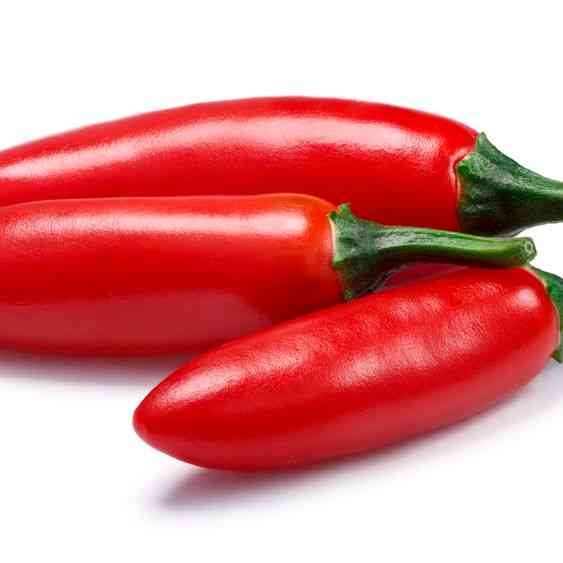
Serrano Tampiqueño Hot Pepper

Serrano Tampiqueño Hot Pepper

Serrano Tampiqueño Hot Pepper: bright green-chile flavor, crisp flesh, and a clean medium-hot finish. Best for salsas and pico de gallo.

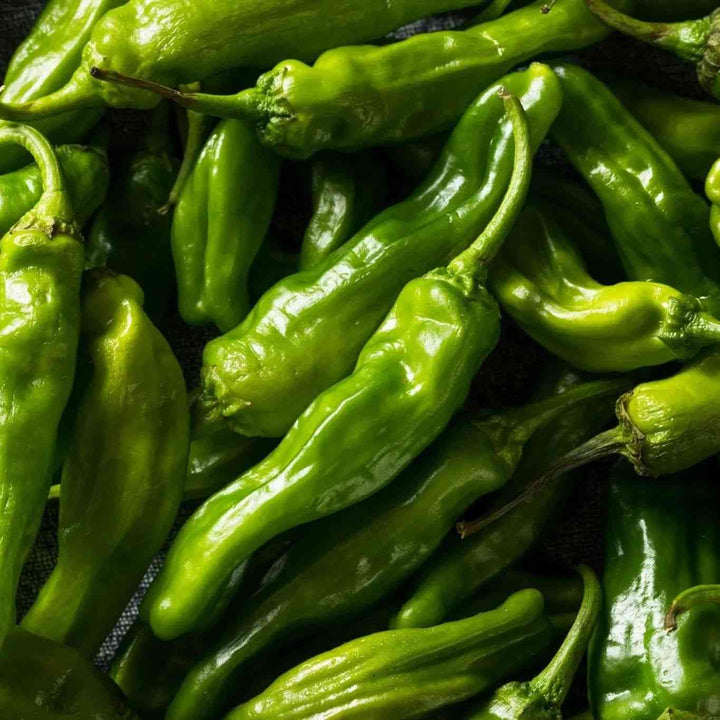
Shishito Pepper

Shishito Pepper

Shishito Pepper: grassy, lightly smoky, and usually mild, with occasional fruits carrying more heat. Best for pan-blistering and grilling.

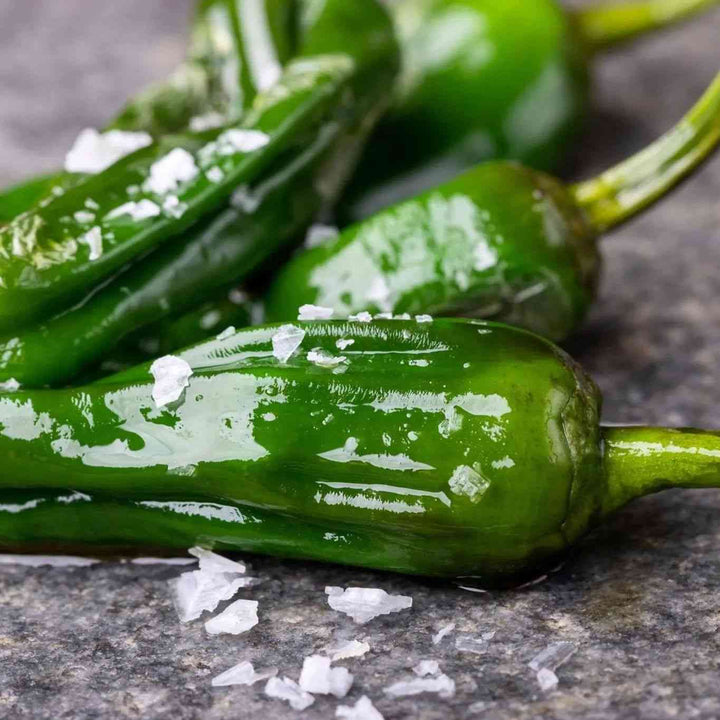
Pimiento de Padrón Pepper

Pimiento de Padrón Pepper

Pimiento de Padrón Pepper: savory green-pepper flavor, usually mild at the young stage, with unpredictable hotter fruits.

Orange Habanero Hot Pepper

Orange Habanero Hot Pepper

Orange Habanero Hot Pepper: floral, tropical, and citrus-like before an intense habanero burn. Best for hot sauce and jerk-style seasoning.

Jamaican Yellow Scotch Bonnet MOA

Jamaican Yellow Scotch Bonnet MOA

Jamaican Yellow Scotch Bonnet MOA: deeply fruity, floral, and aromatic with serious heat. Best for Jamaican jerk seasoning and sauces.

Customer experience

Reviews for Fish Pepper

Customer Reviews

Be the first to write a review
0%
(0)
0%
(0)
0%
(0)
0%
(0)
0%
(0)