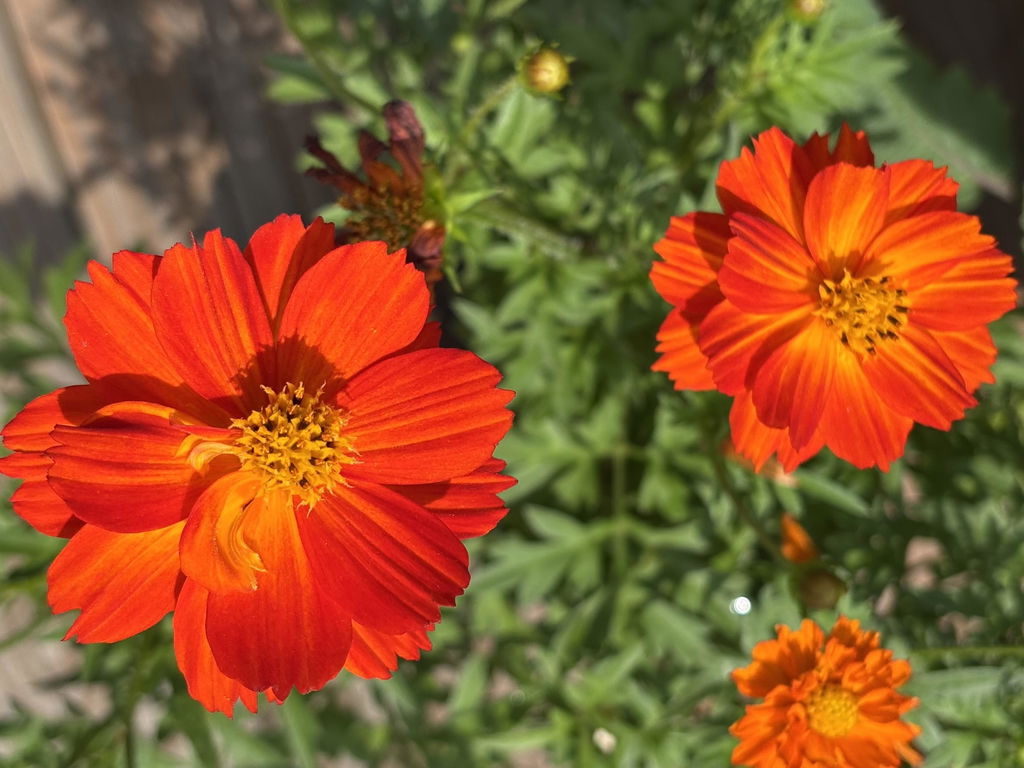
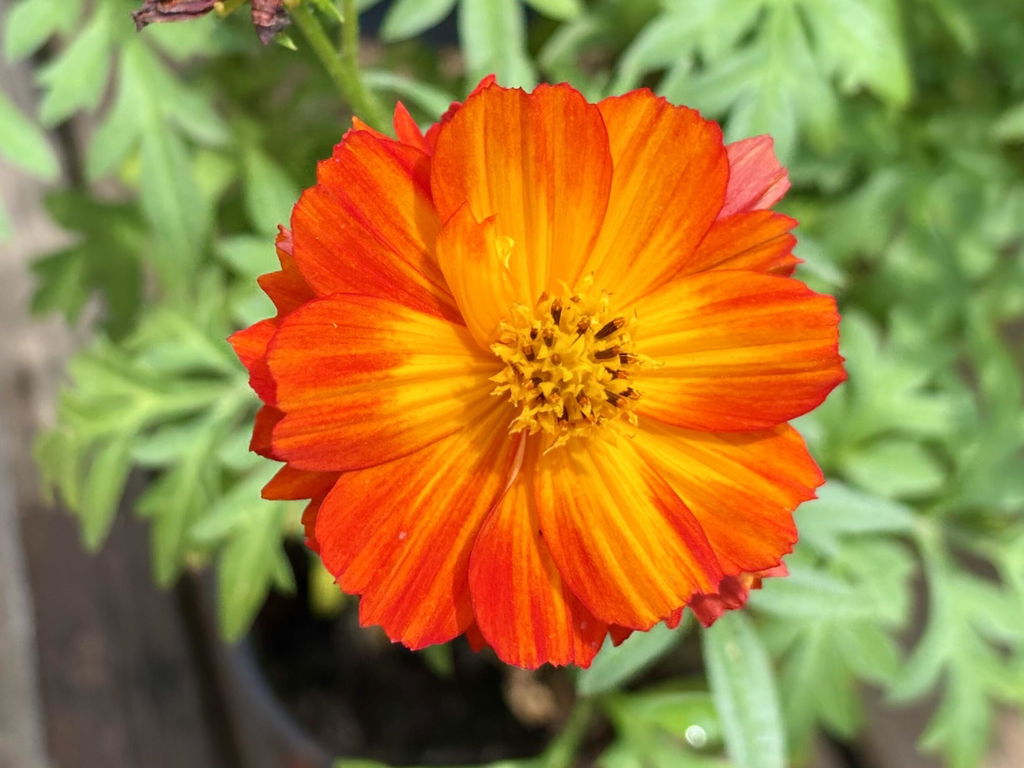
Calendula does not ask for the fiercest part of the year. It asks for the honest edges of it, when the ground is cool and the light still has mercy.
A flower that understands timing
Calendula is often sold beside summer annuals, and that is where the trouble begins. Gardeners see orange flowers on a packet and assume the plant wants the same heat as zinnias, marigolds, and sunflowers. It does not. Calendula will endure a warm spell, but its finest work belongs to spring and fall.
I learned to stop judging it by July. In our part of North Carolina, a spring row can be bright and generous while mornings are still cool, then become tired and ragged when the heat settles over the beds. That is not a failed crop. It is a crop whose season has ended. A gardener should know the difference.
A packet is a promise, but not a command to sow every seed at once. With calendula, I would rather make two measured sowings in the right weather than drag one exhausted planting through a season it never agreed to serve.
Calendula is pot marigold, not a Tagetes marigold
The plant in this guide is Calendula officinalis, a Mediterranean annual in the aster family. It is commonly called calendula or pot marigold. French, African, and signet marigolds belong to the genus Tagetes. The shared common name does not make them botanically interchangeable.
| Question | Calendula | Tagetes marigolds |
|---|---|---|
| Botanical identity | Calendula officinalis | Species and hybrids of Tagetes |
| Best season | Cool spring and fall weather | Warm weather after frost |
| Typical garden use | Cutting, borders, pollinators, edible petals | Borders, beds, containers, warm-season color |
| Food use | Petals are widely listed as edible when correctly identified and grown safely | Varies by species and cultivar; never assume from the common name |
That distinction matters most when flowers are headed toward a kitchen. A name written loosely on a plant tag is not enough. The botanical name is the first gate, not a decorative extra.
Use the calendar calendula actually keeps
Calendula performs best while temperatures remain moderate. It can tolerate light frost once established, yet high heat often slows flowering, shortens stems, and leaves the plant vulnerable to stress. In hot-summer climates, spring and fall should be treated as two separate opportunities.
| Season | What to do | What to expect |
|---|---|---|
| Late winter | Start indoors 6 to 8 weeks before the last frost, especially when you want earlier stems | Compact transplants ready for cool spring soil |
| Early spring | Direct sow around the last frost, or transplant after hard-freeze danger eases | Strongest main bloom before summer heat |
| Mid to late spring | Make one or two small succession sowings only if enough cool weather remains | A staggered harvest rather than one heavy flush |
| Summer | Deadhead, irrigate carefully, provide afternoon protection in severe heat, or remove declining plants | Bloom may pause or plants may finish altogether |
| Late summer to early fall | Sow again far enough ahead of hard frost for plants to establish and flower | Fresh fall color and cleaner stems in regions with a long autumn |
| Winter in mild climates | Protect from severe freezes and keep drainage sharp | Possible cool-season flowering where winters are gentle |
Fall days shorten even when the temperature feels suitable. Begin earlier than the packet's days-to-bloom figure alone might suggest. A plant cannot spend sunlight that autumn no longer provides.
Direct sow or start indoors according to the job
Calendula is easy enough to direct sow, but indoor starting can buy earlier flowers or protect seed from slugs, crusted soil, and unpredictable spring rain. Neither method is morally superior. Choose the one that fits the planting.
| Method | Choose it when | Main risk |
|---|---|---|
| Direct sow | The bed drains well, spring arrives gradually, and you want sturdy plants with little transplant work | Seedlings can be lost to slugs, birds, soil crusting, or heavy rain |
| Indoor start | You want earlier cutting stems, have a short cool season, or need tighter control over germination | Warm, dim conditions create soft, stretched seedlings |
| Cell trays in an unheated protected space | You need protection without pushing the plants into excessive warmth | Cells dry quickly and roots can become crowded |
| Small fall nursery row | Summer beds are occupied but you want transplants ready when space opens | Seedlings can stall if started too late or too hot |

How to sow calendula seed
Calendula seeds are curved, rough, and irregular. They look less like polished seed than small pieces of dried bark. That shape helps them lodge in the soil, but it can make gardeners bury them too deeply.
- Use a fine, drained seed-starting mix or a prepared garden bed free of large clods.
- Sow about 1/4 inch deep and cover the seed completely. Calendula germinates better in darkness than on an exposed surface.
- Keep the medium evenly moist, never waterlogged.
- Expect emergence in roughly 7 to 14 days around favorable cool-soil temperatures.
- Give indoor seedlings strong light as soon as they emerge.
- Thin or transplant before roots and leaves become crowded.
Outdoors, I would sow two seeds at each station and thin to the strongest plant, or sow a short row and thin gradually. Indoors, one seed per cell is usually enough when the lot is fresh and germination is reliable.
A heated room can germinate seed quickly and still produce poor plants. Once seedlings emerge, bright light and moderate temperatures matter more than pampering them with constant heat.

Harden seedlings before planting out
Move indoor-grown calendula into outdoor conditions over several days. Begin with sheltered light and short exposure, then increase sun and wind gradually. A cool-season plant can still scorch when it moves directly from a protected shelf into a bright spring afternoon.
Prepare a bed that drains and does not overfeed
Calendula grows in average to moderately fertile soil as long as water can move through it. Rich nitrogen-heavy ground may produce broad leaves, soft stems, and fewer useful flowers. Poor drainage brings a different failure: roots starve for air and the crown declines.
| Condition | Working target | Why it matters |
|---|---|---|
| Light | Full sun in cool weather; some afternoon protection in severe heat | Strong light supports compact growth, while modest shade can soften summer stress |
| Soil | Moderately fertile and well drained | Excess fertility makes weak growth; standing water damages roots |
| Spacing | Usually 8 to 12 inches, adjusted for cultivar size and intended stem length | Airflow lowers disease pressure and gives branching room |
| Water | Even moisture during establishment, then deep watering as needed | Cycles of drought and saturation shorten bloom quality |
| Mulch | Lightly applied after seedlings establish | Suppresses weeds without smothering small crowns |
In containers, choose a pot with real drainage holes and enough volume for several branches, not a decorative cup that turns every rain into a test of root survival. A standard potting mix is safer than dense garden soil packed into a container.
Build branching before demanding a long harvest
A calendula plant can bloom on one main stem and finish quickly, or it can be encouraged to branch and carry more cutting points. Once a young plant is established and has several sets of true leaves, pinching the soft growing tip can redirect growth into side shoots. This is useful for a cutting row, though gardeners growing a compact border may choose less intervention.
After flowering begins, every cut sends a message. Remove spent blooms or cut usable stems back to a leaf or side branch. Do not leave a bare stick above the next growth point. Regular cutting keeps the plant working while the weather remains in its favor.
Deadheading trades seed for more flowers. Seed saving trades some future flowers for the next generation. A gardener does not get both from every head, so decide which plants serve which purpose.
| Goal | Pruning response |
|---|---|
| Border color | Remove faded heads every few days |
| Cut-flower stems | Harvest above a healthy leaf or side branch and keep the row clean |
| Edible petals | Pick newly opened, clean flowers and continue deadheading older blooms |
| Seed saving | Mark selected healthy plants and allow chosen heads to mature fully |
| Pollinator forage | Leave part of the row flowering while harvesting another part |
Do not mistake summer decline for a character flaw
Calendula prefers cool weather and may stop blooming when temperatures remain high. Leaves can become tired, stems shorten, and flower quality falls. Gardeners often respond by adding fertilizer, which can make a stressed plant softer without restoring the season it needs.
When heat arrives, choose one of three honest responses:
- Protect: provide afternoon shade, steady moisture, airflow, and aggressive deadheading where summers are moderate.
- Rejuvenate: cut a healthy but tired plant back and wait for cooler weather if the root system remains sound.
- Replace: clear the bed and sow a fresh fall crop rather than preserving a diseased or exhausted plant out of sentiment.
There is no honor in keeping a flower alive past its season merely because we are reluctant to let it go. A garden is not a hospital for every old stem. Sometimes the cleanest act is to make room.
Use succession sowing sparingly
A small sowing every two or three weeks can stagger spring bloom where the cool season is long. In the South, I would stop before new seedlings are sentenced to mature in the worst heat. Then I would start again for fall. Timing is not timidity. It is discipline.
Harvest calendula for useful stems, not only flower heads

For a vase, harvest in the cool part of the morning after surface moisture has dried. Choose freshly opened or nearly open blooms on firm stems. Use clean snips, cut above a leaf node or side branch, strip foliage that would sit below the waterline, and place stems in clean water immediately.
Calendula is not a towering cut flower, but it brings warm color to small arrangements, market bunches, kitchen jars, and mixed spring bouquets. Taller cultivars and wider spacing generally produce more useful stems. Crowded plants may flower, but they often make short, tangled cuts.
| Harvest purpose | Best stage | Handling |
|---|---|---|
| Fresh arrangement | Newly open or nearly open flower on a firm stem | Cut cool, hydrate quickly, and remove submerged leaves |
| Loose flower heads | Fully open and clean before petals fade | Use shallow baskets to prevent crushing |
| Drying petals or heads | Fresh full bloom without rain damage | Dry promptly in shade with strong ventilation |
| Seed | Head fully mature and dry | Collect on a dry day and finish drying before storage |
A beautiful stem cut into a dirty bucket has already begun losing the argument. Wash tools and containers, change water, and keep foliage out of the vase.
Edible calendula begins with identity and treatment history

Correctly identified Calendula officinalis petals are used for color and a mildly peppery or tangy note. But an edible species is not automatically an edible flower. The individual bloom must also come from a plant managed for food.
- Grow from seed you can identify
- Do not use florist flowers
- Avoid roadside and pet-contaminated sites
- Use no pesticide unless its label permits the crop and use
- Remember systemic products cannot simply be rinsed away
- Harvest fresh blooms before petals fade
- Inspect for insects and damage
- Rinse gently only when needed and dry before use
- Use petals in small amounts at first
- Keep ornamental and kitchen harvest containers separate
For most kitchen uses, separate the petals from the central disk and green base. Petals provide most of the color, while the rest of the head can be bitter and resinous. Add them shortly before serving, or dry sound petals for later color.
Never eat a flower because it resembles a photograph or because a common name sounds familiar. Confirm the botanical identity, edible part, and treatment history first.
Calendula has a long history in household and herbal traditions, but this growing guide does not turn those traditions into medical claims. Garden use, culinary use, and medical treatment are separate matters and should remain so.
Save calendula seed from plants worth repeating

Choose healthy, vigorous plants with the flower color, habit, and season performance you want to carry forward. Mark them before the row becomes a confusion of open blooms and drying heads. Stop deadheading selected flowers and allow the heads to mature on the plant.
The seeds develop in curved, hooked forms around the old flower center. Harvest when they have turned tan to brown, feel dry, and release readily. Cut heads into a paper bag or shallow tray on a dry day, finish drying under cover with good airflow, then remove chaff and store the seed cool, dark, and dry.
Open-pollinated calendula can cross with nearby calendula varieties. A mixed planting may return a varied next generation. That is not always a problem. It is only a problem when the gardener expected uniformity and did not plan for it.
Do not save only what remains after every other decision has been made. Reserve your seed plants early. The future deserves better than the leftovers.
Common calendula problems and what they usually mean
| Symptom | Likely cause | First response |
|---|---|---|
| Seed fails to emerge | Seed exposed, planted too deep, dried after sowing, or rotted in saturated mix | Resow 1/4 inch deep in evenly moist, drained medium |
| Long pale seedlings | Insufficient light or excessive indoor warmth | Increase light, reduce crowding, and keep seedlings moderately cool |
| Young plants disappear overnight | Slugs or snails | Inspect after dark, remove hiding places, and protect the seedling zone |
| Curled growth with sticky residue | Aphids | Use a firm water spray, encourage beneficial insects, and follow labels for any treatment |
| Small white insects under leaves | Whiteflies | Improve monitoring and airflow; use labeled controls only when needed |
| White powder on leaves | Powdery mildew favored by crowding and leaf wetness | Increase spacing and airflow, water the soil, and remove badly affected material |
| Many leaves but few flowers | Excess fertility, too much shade, or heat stress | Stop feeding, improve light, and judge whether the season has turned |
| Plant collapses in midsummer | Heat decline, drought stress, poor drainage, or accumulated disease | Correct the cause if practical, otherwise remove and resow for fall |
Calendula may self-sow where heads are left to mature. Decide whether that is welcome before the seed drops. A volunteer is only a gift when it appears where you can use it.
The practical two-season calendula plan I would use
- Choose two purposes. Put the cutting row and kitchen row in separate mental ledgers, even if they share a bed.
- Start a modest early crop. Direct sow around the last frost or start transplants 6 to 8 weeks earlier.
- Thin without mercy. Give the selected plants enough room to branch and dry after rain.
- Pinch part of the row. Compare branched cutting plants with unpinched border plants and record the difference.
- Cut regularly. Harvest clean stems and petals while leaving open flowers for pollinators.
- Mark seed plants. Reserve the healthiest plants before deadheading becomes automatic.
- End spring cleanly. When heat, disease, and short stems take over, clear the bed rather than feeding decline.
- Begin fall before fall arrives. Start a small second crop while summer beds are still occupied, then transplant when space opens.
This is not the only way to grow calendula. It is simply a plan sturdy enough to survive real work, real weather, and the ordinary interruptions that make gardening honest.
Questions gardeners ask about growing calendula from seed
When should I plant calendula seeds?
Direct sow around the last spring frost, start indoors about 6 to 8 weeks earlier, or sow again for fall where enough cool weather remains for establishment and bloom.
How deep should calendula seed be planted?
Plant about 1/4 inch deep and cover it completely. Calendula seed should not be left exposed on the surface.
How long does calendula take to germinate?
Under suitable cool conditions, fresh seed commonly emerges in about 7 to 14 days.
Is calendula the same as a marigold?
Calendula is often called pot marigold, but Calendula officinalis is botanically different from French, African, and signet marigolds in the genus Tagetes.
Does calendula survive frost?
Established plants tolerate cool weather and light frost better than summer heat, but hard freezes can injure or kill them. Protection and local conditions matter.
Why did my calendula stop flowering in summer?
Calendula often pauses or declines in sustained heat. Stop heavy feeding, deadhead, provide afternoon protection where practical, or replace tired plants with a fresh fall sowing.
How do I get more calendula flowers?
Give plants adequate sun and spacing, avoid excess nitrogen, pinch young plants when appropriate, and cut flowers or deadhead spent blooms regularly.
Can calendula grow in containers?
Yes. Use a draining container and potting mix, provide regular water, and protect the pot from severe heat. Crowded containers make shorter stems and increase disease pressure.
Can calendula petals be eaten?
Petals of correctly identified Calendula officinalis are commonly used for color and garnish. Use only flowers grown and handled as food, without uncertain pesticide exposure.
Can I save calendula seed?
Yes. Leave selected heads to mature and dry, harvest the curved tan-to-brown seeds on a dry day, finish drying them, and label the variety and year. Nearby calendula varieties may cross.
Sources and further reading
- NC State Extension: Calendula officinalis
- Utah State University Extension: How to Grow Calendula in Your Garden
- University of Minnesota Extension: Year of the Calendula
- University of Minnesota Extension: Edible Flowers
- University of Minnesota Extension: Edible Flowers and Late-Summer Herbs
- Penn State Extension: Seed Saving Basics
Regional timing, cultivar performance, frost tolerance, and legal product uses vary. Follow current local Extension guidance and every pesticide label. This article provides gardening and food-safety education, not medical advice.