A journal ofAlliance of Native Seedkeeperswith Bertie County Seeds
THE YAUPON TEA9 ARTICLESREAD • GROW • REMEMBER
9 published guidesCome for an answer. Leave knowing the seed.
Searchable. Find the crop, problem, story, or update you need.Complete. Browse every published article with working pagination.Rooted. From a Native-led seed company in rural North Carolina.
The complete article library
What are you trying to grow, learn, or solve?
Search The Yaupon Tea without mixing the results with seed products.
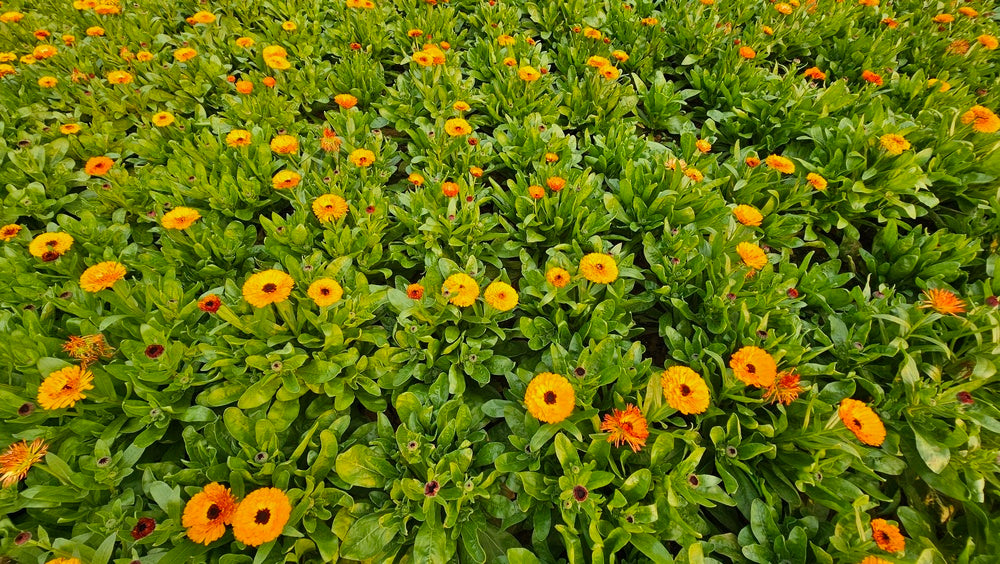
Calendula is a cool-season annual best sown in late winter, early spring, or again for fall where the season allows. Plant seeds about 1/4 inch deep, keep soil evenly moist but well drained, and thin or transplant most varieties 8 to 12 inches apart. Give plants full sun in cool weather, regular cutting or deadheading, and relief from severe summer heat. For kitchen use, grow correctly identified Calendula officinalis from untreated seed and harvest clean petals only from plants managed as food.
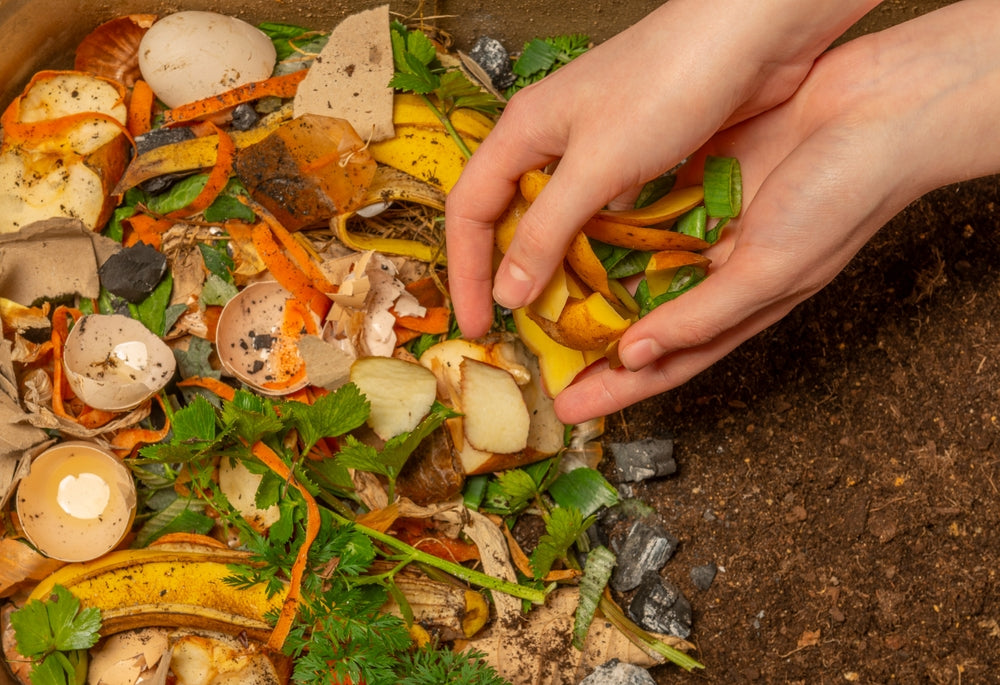
Wood ash can raise pH and add potassium, coffee grounds are best used as a modest compost ingredient, and kitchen scraps should be composted rather than buried around active roots. Soil tests and decomposition biology matter more than internet shortcuts.
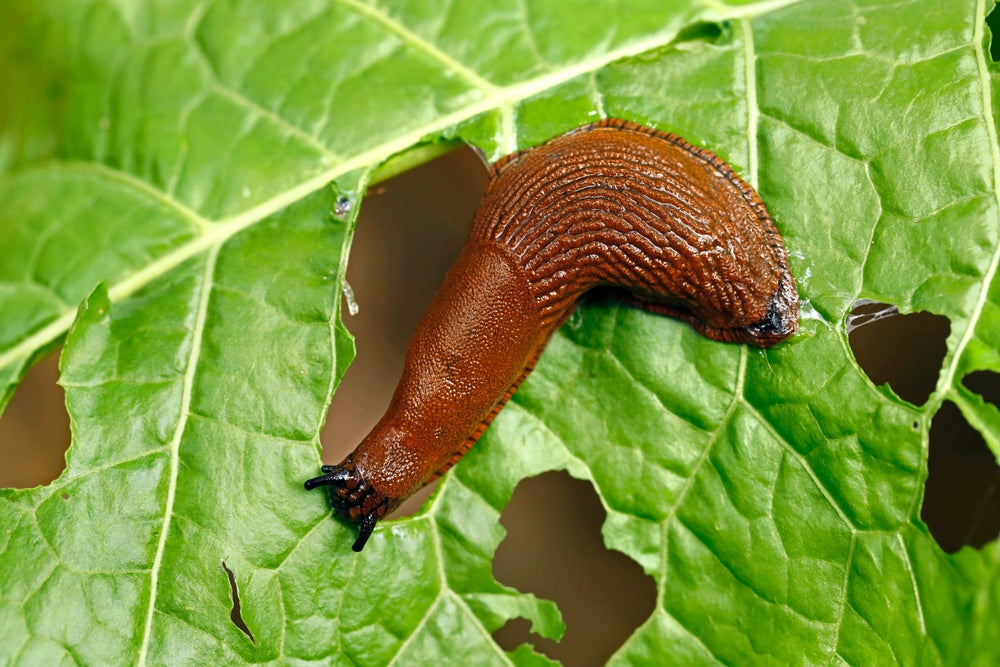
Treat slug pressure as a source–route–seedling problem. Confirm the pest after dark or with refuge boards; map the damp shelter feeding the outbreak; then protect the most vulnerable seedlings. Use hand removal, clean barriers, or label-directed bait only where fresh damage continues.
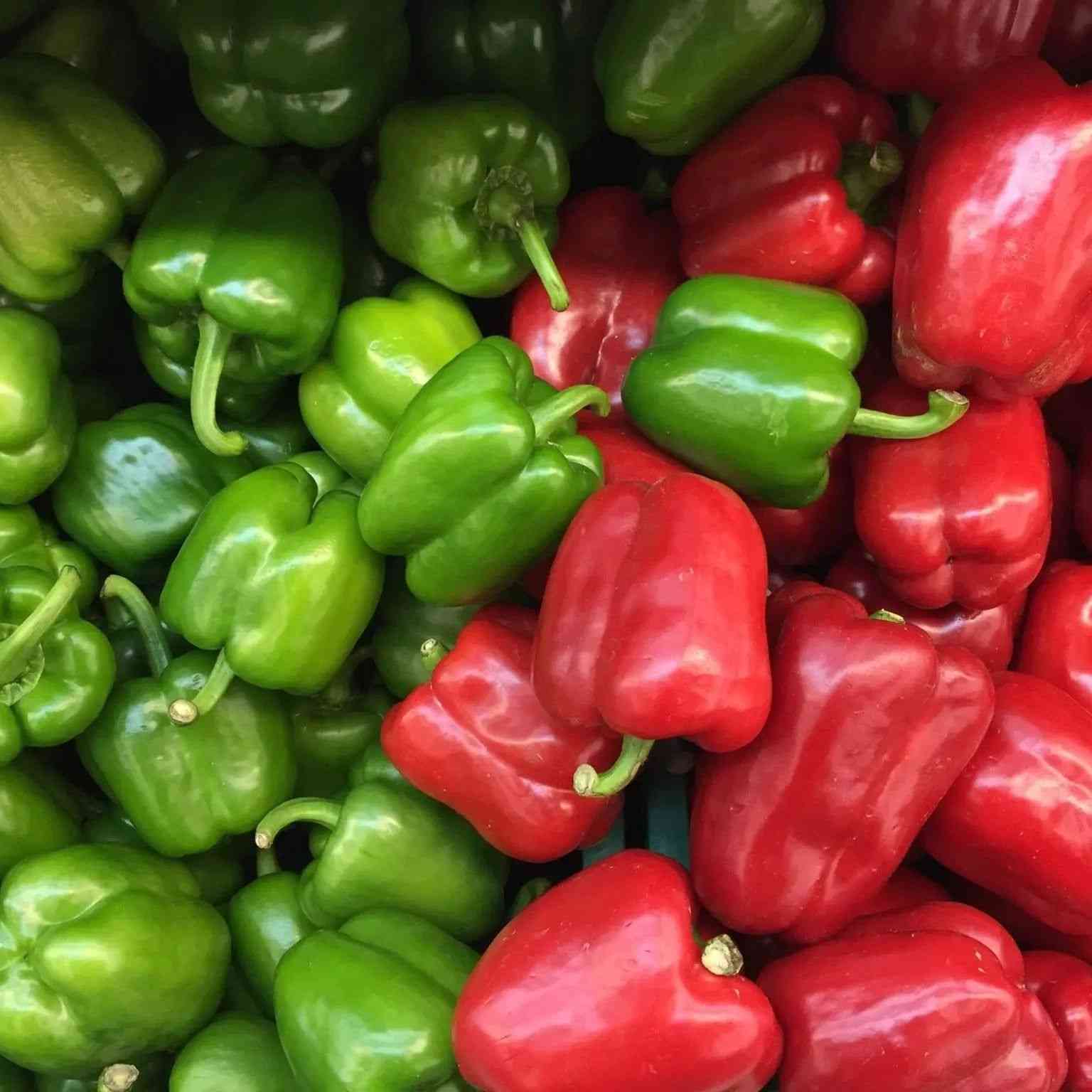
Start pepper seeds 8–10 weeks before transplanting, hold the root zone near 80–90°F, sow shallowly, provide strong light immediately after emergence, and transplant only into warm soil.
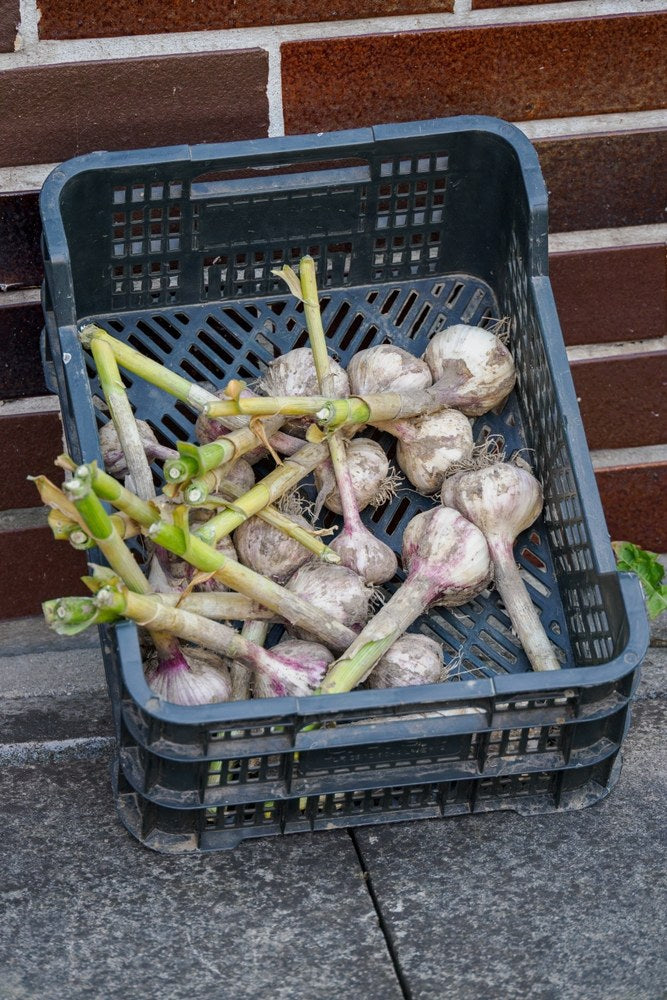
Hardneck garlic generally performs best where winters are cold enough to support its growth cycle and produces edible scapes. Softneck garlic commonly stores longer and adapts well to milder regions. Elephant garlic is a leek relative, not true garlic, and has a different flavor and growth pattern.
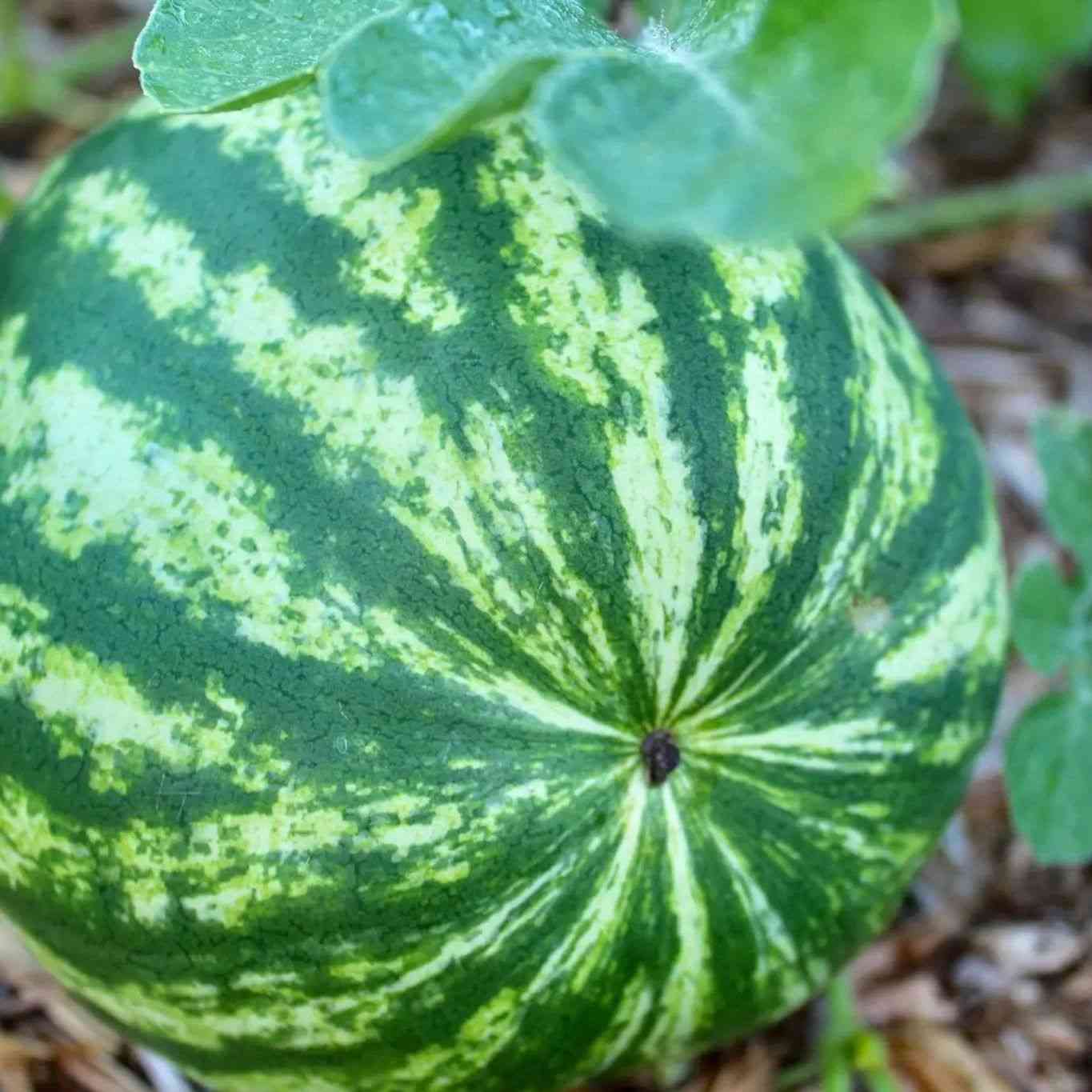
Plant watermelon after frost when the root zone is warm, protect young plants from cold and beetles, give vines room, keep water steady through fruit sizing, protect pollinators, and judge ripeness with several clues rather than thumping alone.
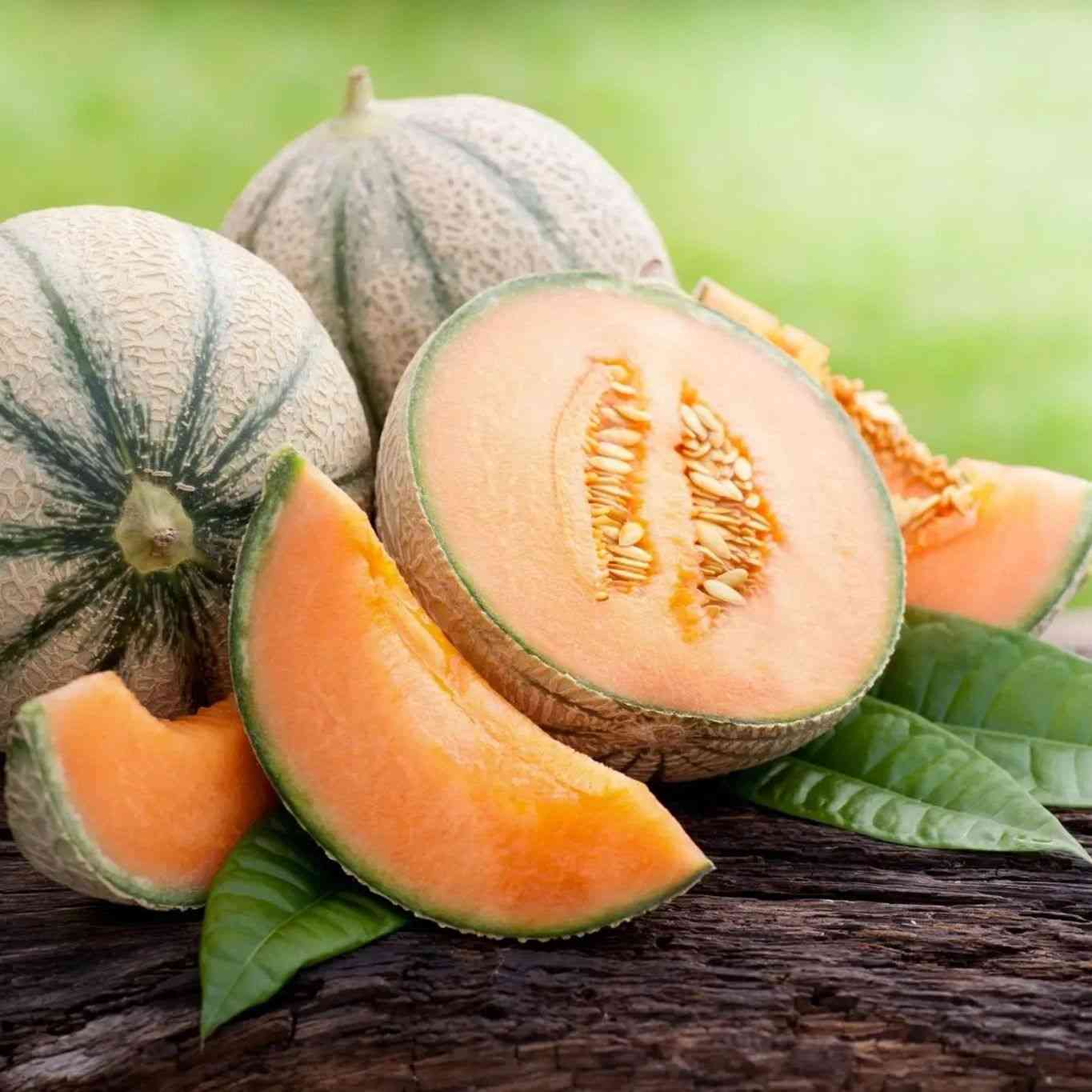
Watermelons belong to Citrullus and are managed for rind, flesh, vine length, and maturity. Cantaloupes and many netted muskmelons belong to Cucumis melo, as do honeydews and numerous specialty melons. Their ripeness signals, aroma, slip behavior, and storage differ.
By Frank J. Cain8 min read
Your cart
Start with a garden goal.Browse seed packets, seasonal picks, pantry goods, or starter garden ideas.