
Choose garlic by climate, scape production, storage, and bulb structure; plant clean cloves in fall, protect drainage, control weeds early, and cure bulbs completely before storage.
The packet is small enough to lose in a pocket. The season it carries is not. A name can travel quickly. A good record travels farther.
Choose garlic by winter response, scapes, cloves, and storage
Garlic types and fall planting systems is not a single generic instruction. The botanical identity is Allium sativum and Allium ampeloprasum, in the Amaryllidaceae family. The life cycle is vegetatively propagated perennial grown as an annual bulb crop. Those facts determine whether the plant wants heat or cool weather, whether it resents transplanting, whether it spreads, and what must be isolated when seed is saved.
Start with use. This guide covers culinary bulbs, green garlic, scapes, storage, and regional fall planting. Then consider the space: a small container, a humid raised bed, a dry border, or a long-season row. A cultivar earns its place when its growth habit fits the garden and its flavor fits the kitchen. The garden does not owe loyalty to a name that cannot perform.
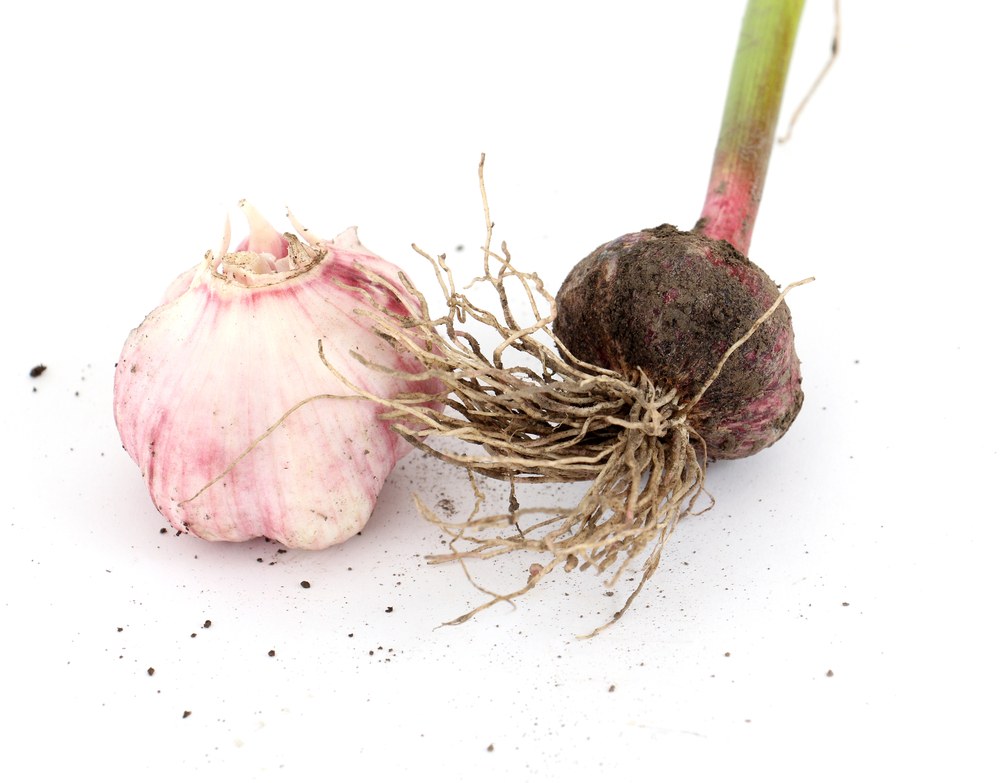
Varieties and products connected to this guide
Related collections
Plant individual cloves at the correct depth and orientation
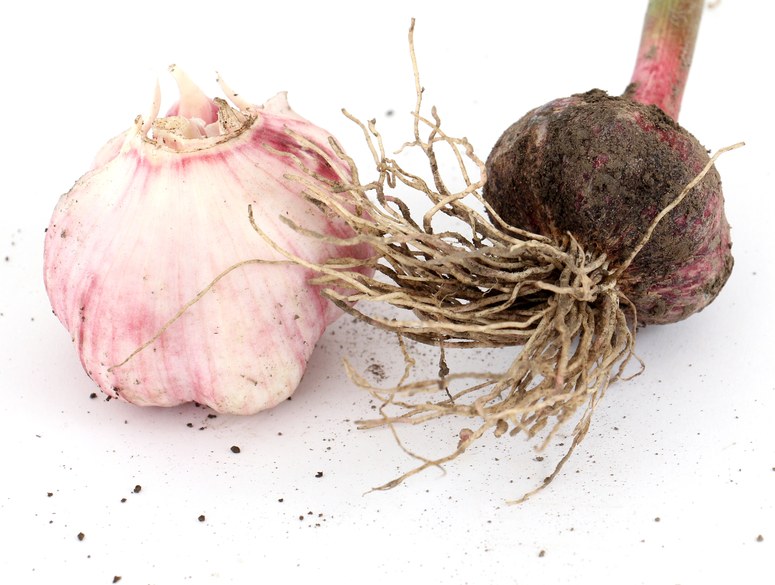
Build a drained, weed-controlled garlic bed
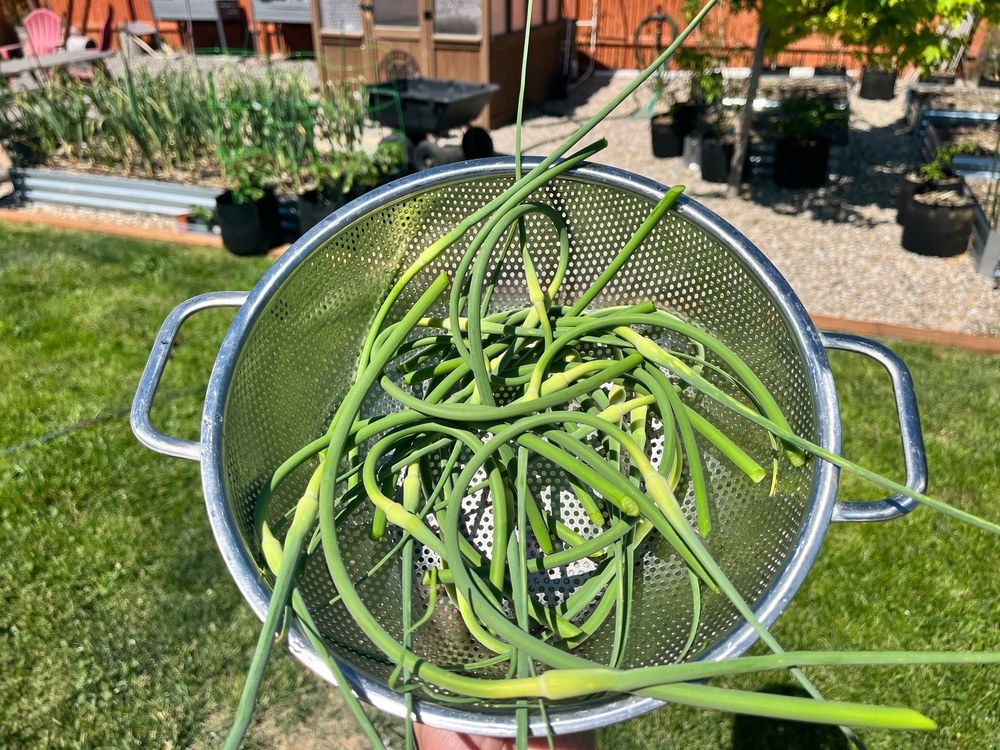
Match fall planting to local winter and spring conditions
Fall planting is standard in much of the Mid-Atlantic; variety and mulch must match winter and summer conditions.
Read the leaves before lifting garlic bulbs
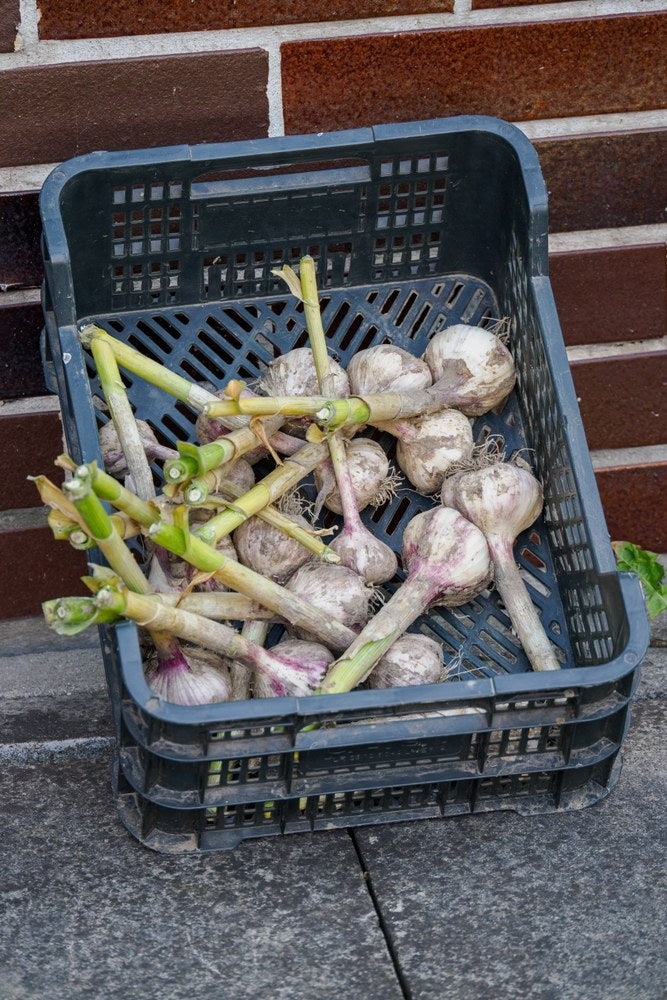
Maintain healthy garlic planting stock
Garlic is normally propagated by cloves or bulbils rather than botanical seed. Maintain clean planting stock, rogue off-types and diseased plants, and keep variety lots separate.
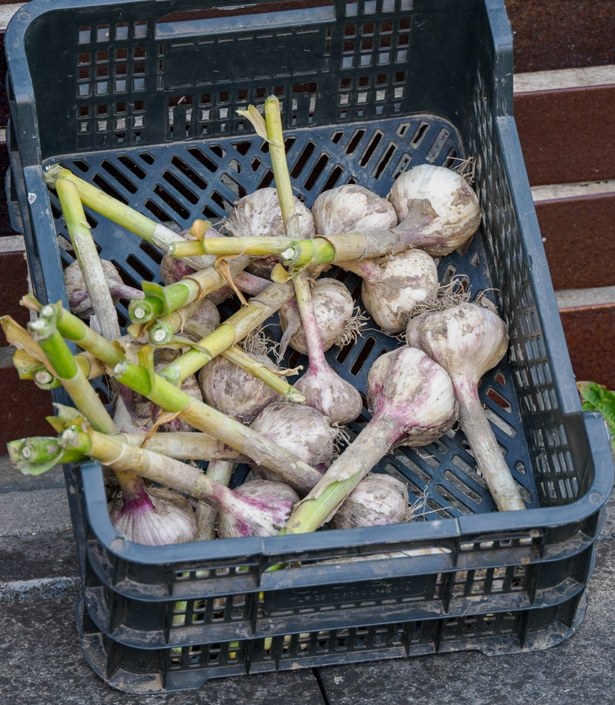
Compare garlic groups across a full season
Run the crop as a fair trial
Compare garlic by horticultural group, source health, clove size, scape behavior, harvest date, wrapper quality, and storage—not by dramatic origin claims. Plant equal numbers of cloves from clearly separated lots, map the rows, and record emergence, winter injury, spring vigor, scape production, bulb uniformity, disease, and cured weight. Hardneck, softneck, and elephant garlic answer different kitchen and climate needs; no single type is best everywhere.
Put the calendar to work
Prepare the bed before fall planting so drainage and fertility are settled rather than improvised after cloves are in the ground. Plant individual cloves with the basal plate down, mulch after soil cools, and keep the planting weed-free through spring. Harvest when the crop has reached its proper leaf decline rather than waiting for every leaf to die. Cure whole plants under cover with strong airflow, then trim and grade only after necks and wrappers are thoroughly dry.
Judge the harvest after it leaves the bed
At grading, separate bulbs for eating, storage, and planting stock. Reject soft, damaged, or diseased bulbs from propagation. Keep varieties physically separated from harvest through replanting; a mislabeled clove can travel for years. Evaluate storage monthly and record sprouting, weight loss, and decay. Garlic is propagated through living pieces of the last crop, so stewardship is inseparable from sanitation. The next planting begins at the sorting table, not when the first cold morning arrives.
| Record | What to write down | Why it matters |
|---|---|---|
| Emergence | Date of first and majority emergence, usable seedlings, and temperature | Separates seed performance from memory and guesswork |
| Plant form | Height, spread, branching, lodging, off-types, and disease | Shows whether the crop fits the bed, container, and labor available |
| Harvest | First cut, useful yield, flavor, cleaning time, and storage behavior | Measures value after the photograph is taken |
| Seed crop | Flowering overlap, isolation, selected plants, maturity, and final label | Protects identity and gives the next season a trustworthy starting point |
Track source health, scapes, bulb structure, and storage
Garlic type names describe horticultural groups and market classes. This guide does not assign unsupported ethnic or ancient provenance to commercial bulbs.
Seed is patient with honest uncertainty. It is less forgiving of confident fiction.


