Seeds: When properly stored, planted, and cared for, we guarantee reasonable germination and true-to-type growth for one year from purchase.
Non-seed products: Free from defects in materials and workmanship for 30 days from shipment.
Excludes factors outside our control (extreme weather, pests, gardener error). If something’s off, contact us—we’ll make it right with a replacement, repair, or refund.
USDA “bioengineered (BE)” foods are those with detectable genetic material that was modified using in vitro recombinant DNA (rDNA) techniques, in ways
not obtainable through conventional breeding or found in nature. The USDA’s National Bioengineered Food Disclosure Standard uses “bioengineered” as the nationwide labeling term.
Detectable modified genetic material in the final food
Created via in vitro rDNA techniques (e.g., gene transfer)
Modifications not achievable through conventional breeding or nature
—seeds / pkt
( ~ g )
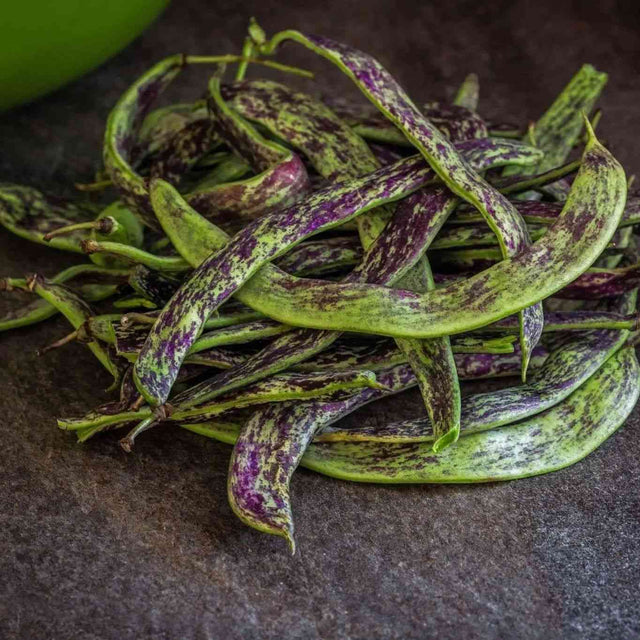
Striking in both the garden and the kitchen, Dragon’s Tongue is a Dutch heirloom beloved for its beauty, flavor, and versatility. The 24-inch bush plants produce heavy yields of broad, flat pods—ivory yellow streaked with vivid purple—each up to 6 inches long and entirely stringless when young.
Tender and juicy with a rich, sweet flavor, these beans are superb fresh off the vine, lightly steamed, or sautéed. When cooked, the purple streaks fade to golden green, a visual cue that they’re ready to serve. Mature pods can also be left to dry, yielding creamy white shelling beans with a delicate nutty taste.
Brought to market gardeners in the late 1700s from the Netherlands, Dragon’s Tongue has stood the test of time for its adaptability, ornamental appeal, and exceptional flavor—a true dual-purpose bean that delights from garden row to dinner plate.
This was an excellent choice. Growing so well in my garden.
Thank you
Hi Tammy! We're so glad to hear your beans are thriving. Thanks for sharing your positive experience!
J
Jessie
I love these seeds. Excited to start growing.
Planting Instructions:
Location Selection: Choose a location with full sun for optimal growth. Beans thrive in warm, sunny areas.
Soil Preparation: Ensure the soil is well-drained and enriched with organic matter. Beans prefer loamy soil with a pH between 6.0 and 7.5.
Sowing Seeds:
Direct Sowing: Sow seeds directly outdoors in late spring after the danger of frost has passed. Plant seeds 1-2 inches deep and 3-4 inches apart in rows spaced 18-24 inches apart.
Germination: Seeds typically germinate within 7-14 days. Maintain consistent moisture levels in the soil during this period.
Care Instructions:
Watering: Water regularly to keep the soil evenly moist but not waterlogged. Beans do not tolerate drought well.
Fertilizing: Beans generally do not require much fertilization as they fix their own nitrogen. Avoid high-nitrogen fertilizers which can promote excessive foliage growth at the expense of pod production.
Mulching: Apply a thin layer of mulch around the base of the plants to help retain moisture and suppress weeds.
Pests and Diseases: Beans can be affected by pests such as aphids, bean beetles, and diseases like powdery mildew. Regular inspection and prompt treatment with appropriate organic or chemical controls are recommended.
Special Considerations:
Harvesting: Harvest beans when the pods are young and tender for the best flavor. Regular picking encourages continued production.
How to Grow — Common Bush Beans (Phaseolus vulgaris)
Once your bush beans have sprouted and established their first true leaves, their success depends upon consistent moisture, soil balance, and steady maintenance rather than heavy feeding or pruning. These are quick, productive plants that thrive on moderation and rhythm more than excess.
Soil Health & Root Care
Keep the soil light, open, and evenly moist, never compacted. Bush beans possess shallow, fibrous root systems that suffer from deep cultivation or crusted topsoil. Use mulch or light compost cover to suppress weeds and protect root zones. A half-inch layer of fine compost midseason replenishes nutrients and encourages microbial activity that supports nitrogen fixation at the roots.
Avoid excessive fertilization — bush beans form a symbiotic relationship with Rhizobium bacteria to create their own nitrogen supply. Overfeeding, especially with nitrogen-rich inputs, promotes dense foliage and delays flowering. Instead, focus on soil biology: earthworms, compost, and organic matter.
Watering & Moisture Regulation
Bush beans demand consistent, even watering through flowering and pod development. Supply roughly 1 to 1¼ inches per week, adjusting for rainfall. Deep watering every few days is far superior to frequent shallow sprinkling. Allow the top inch of soil to dry slightly between sessions to encourage deeper rooting.
Water early in the morning so foliage dries quickly, reducing fungal pressure. If irrigation splashes soil onto leaves, mulch with straw, shredded bark, or aged compost to minimize disease spread. Avoid overhead watering once pods set, as this increases the risk of rust and bacterial blight.
Mulching & Temperature Moderation
Apply a 2–3 inch layer of organic mulch once the plants are 6 inches tall. Mulch regulates moisture, prevents weeds, and keeps soil temperatures stable. In hot regions, straw mulch prevents overheating; in cooler areas, black plastic or fabric mulch retains warmth and speeds growth.
Weed, Pest & Disease Management
Because bush beans mature rapidly, even mild stress can reduce yields. Keep the beds weed-free, especially in the first 4 weeks when roots are shallow. Avoid cultivating too deeply near the stems.
Inspect plants weekly for bean beetles, aphids, and leaf spot. At first signs of damage, use neem oil or insecticidal soap and handpick adults. Encourage beneficial predators like lady beetles and lacewings. Rotate bean crops annually — at least every 3–4 years — to reduce disease buildup in the soil.
For fungal control, ensure air circulation by spacing rows 18–24 inches apart. Remove any yellowing leaves promptly, and water at the base of plants rather than overhead.
Feeding & Midseason Care
After the first flush of blooms, top-dress rows with compost or worm castings. This provides a balanced, slow nutrient release to sustain pod set without excessive leaf growth. Avoid foliar sprays rich in nitrogen; instead, choose potassium- and phosphorus-dominant organic feeds if pods appear sparse.
A compost tea or diluted seaweed extract applied around bloom time boosts resilience and encourages abundant flowering.
Mid- to Late-Season Renewal
Bush beans often produce in waves. After the initial heavy harvest, trim back spent or yellowing foliage slightly and apply a shallow compost top-dress. Water deeply afterward to stimulate new shoots. With this treatment, many varieties yield a secondary flush before frost.
Remove mature pods promptly. Overripe pods on the plant signal completion of the life cycle, causing flowering to slow or cease. By keeping the plants clean and harvested, you extend their vigor and productivity.
General Growing Rhythm
Maintain steady moisture and avoid wide fluctuations.
Keep mulch in place from midseason onward.
Feed lightly but regularly through compost, not fertilizer.
Rotate beans with non-leguminous crops each year.
Remove diseased debris at season’s end to prevent overwintering pathogens.
Harvesting
Pick pods young at 5–6 inches, plump but still tender. Harvest often for best texture. Pods lose purple striping when cooked, so gauge maturity by touch, not color.
Flavor & Culinary Notes
Tender and slightly nutty with a creamy interior. Perfect for fresh eating, sautéing, or quick pickling. Excellent served warm with butter and lemon or chilled in salads.
Handling & Storage
Refrigerate unwashed pods at 34–40°F up to 7 days. Blanch and freeze for long-term keeping.
Growing & Maintenance
Support: Bush habit, no trellis needed.
Soil and feeding: Moderate fertility; compost at planting.
Watering: 1 inch per week; keep moisture steady.
Inoculation: Standard bean inoculant.
Succession: Sow every 2 weeks for continued harvest.
Seed Saving
Let pods dry on plant until tan and brittle. Thresh, clean, and store seeds cool and dry.
Container Tips
Grow 3–4 plants in a 10-gallon pot with compost-rich mix.
Common Pairings in the Garden
Pairs beautifully with carrots, marigolds, and nasturtiums. Avoid onions.
Extended Season Care
Warm early soil with mulch or fabric; remove cover at bloom for pollination.
Common Pests & Problems — Dragon’s Tongue Bean
Insect Pests
Mexican Bean Beetle:
Adults and yellow, spiny larvae chew between leaf veins, leaving skeletonized foliage. Handpick regularly, apply floating row covers early, and remove infested crop residues after harvest to prevent overwintering.
Aphids:
Small, soft-bodied insects that cluster on new growth and undersides of leaves, causing curling and honeydew buildup. Wash off with a strong spray of water or apply neem oil or insecticidal soap. Encourage beneficial predators like lady beetles.
Cutworms:
Larvae feed at night and sever seedlings at the soil line. Protect young plants with cardboard collars and remove weeds where adults lay eggs.
Seedcorn Maggot:
Larvae tunnel into germinating seeds during cool, wet weather. Avoid planting in cold soil or freshly manured beds.
Thrips and Spider Mites:
Cause silvering or stippling of leaves during hot, dry periods. Keep soil evenly moist, rinse leaves occasionally, and use insecticidal soap if infestations increase.
Fungal and Bacterial Diseases
Anthracnose:
Creates dark, sunken lesions on pods and streaking on stems. Use clean, disease-free seed, avoid handling plants when wet, and rotate crops for at least three years.
Rust:
Reddish pustules develop on the underside of leaves. Increase spacing for airflow, water early in the day, and remove infected foliage promptly.
Bacterial Blight (Common and Halo):
Angular brown lesions with yellow halos appear on leaves. Avoid overhead watering, disinfect garden tools, and remove affected plants to prevent spread.
Root Rot (Rhizoctonia, Fusarium, or Pythium):
Leads to damping off, yellowing, and root decay in soggy soils. Improve drainage and plant after soil has warmed.
Bean Mosaic Virus:
Causes mottled, puckered leaves and stunted growth. Control aphids to reduce transmission and remove infected plants immediately.
Physiological and Environmental Issues
Pod Discoloration:
Prolonged wet conditions can dull the purple streaks on pods. Ensure good airflow and harvest promptly during damp weather.
Poor Pod Set:
High heat above 90°F or excessive nitrogen can inhibit flowering. Provide consistent watering and moderate fertility.
Cracking Pods:
Sudden heavy watering after dry spells may cause pods to split. Maintain steady soil moisture to prevent stress fluctuations.
Nutrient Imbalance:
Pale or stunted growth can signal nitrogen deficiency or poor nodulation. Inoculate seed with Rhizobium before planting and avoid high-nitrogen fertilizer.
Integrated Management Tips
Rotate beans with non-legume crops every 3–4 years.
Water early and at soil level to reduce leaf wetness.
Mulch to retain moisture and prevent soil splash.
Remove debris and infected plants promptly after harvest.
Monitor plants weekly for beetles, aphids, and signs of leaf disease.
Q: What makes Dragon’s Tongue beans unique?
A: Dragon’s Tongue is known for its creamy-yellow pods streaked with vivid purple. The pods are tender, stringless, and highly decorative—making this one of the most visually striking heirloom beans available.
Q: Are Dragon’s Tongue beans heirloom or hybrid?
A: They are a true heirloom variety, originating from the Netherlands and cultivated in Europe since at least the 18th or early 19th century.
Q: How long do Dragon’s Tongue beans take to mature?
A: They typically mature in 60–65 days from direct sowing.
Q: What is the growth habit of Dragon’s Tongue beans?
A: They are bush-type beans, compact and self-supporting, growing to about 18–24 inches tall with heavy yields over a short harvest window.
Q: Can Dragon’s Tongue beans be eaten fresh or dried?
A: Yes. They are delicious both as a snap bean when young and as a dry bean once mature. The pods lose their purple streaks and turn yellow when cooked.
Q: What do Dragon’s Tongue beans taste like?
A: The flavor is rich, sweet, and slightly nutty, with a creamy texture when cooked—making them excellent for fresh eating, salads, or soups.
Q: Do Dragon’s Tongue beans need support?
A: No. As a bush type, they grow without staking, though light support can help in windy areas or high-yield conditions.
Q: Are Dragon’s Tongue beans productive in cool weather?
A: They perform well in moderate temperatures and can tolerate slightly cooler soil compared to many other beans.
Q: How should I harvest Dragon’s Tongue beans?
A: Pick when pods are fully colored but still tender for best flavor. For dry beans, allow pods to mature and dry completely on the plant before shelling.
History & Culture — Dragon’s Tongue Bean (Phaseolus vulgaris)
The Dragon’s Tongue Bean is a centuries-old heirloom from the Netherlands, known for its pale yellow pods streaked with vivid purple. Belonging to Phaseolus vulgaris, this variety likely originated from Dutch breeding lines developed in the 18th or early 19th century, a period when European farmers were refining New World bean species for local climates and culinary uses.
Its parentage traces back to the beans first domesticated by Indigenous peoples of Central and South America over 7,000 years ago. These early landraces spread through trade and colonization, eventually giving rise to the countless European heirlooms that now populate modern gardens. Dragon’s Tongue, with its eye-catching variegation and tender, stringless pods, reflects both that global journey and the artistic sensibilities of Dutch horticulture.
By the 19th century, the variety had become a market favorite across Western Europe, appreciated not only for its ornamental value but also for its versatility as both a snap and dry bean. Its mottled pods fade to solid yellow when cooked, making it as practical as it is beautiful.
Today, Dragon’s Tongue remains a testament to the blending of Indigenous agricultural heritage and European selection—an heirloom shaped by centuries of trade, adaptation, and appreciation for the simple elegance of a well-grown bean.
Saving seeds from Dragon’s Tongue Bean (Phaseolus vulgaris):
1. Selecting Plants for Seed Saving:
Choose healthy plants with vigorous growth and abundant pods.
Avoid plants showing signs of disease or poor growth.
2. Harvesting Seeds:
Timing: Allow the pods to mature and dry on the plant.
Collection: Harvest the dry pods on a dry day.
3. Drying Seeds:
Place the pods in a well-ventilated, dry area. Allow them to dry completely for one to two weeks.
4. Cleaning Seeds:
Separation: Shell the dry pods to release the seeds.
Inspection: Ensure seeds are clean and free from mold or pests.
5. Storing Seeds:
Containers: Store seeds in labeled paper envelopes or airtight containers.
Storage Conditions: Keep in a cool, dry, and dark place.
Viability: Use seeds within two to three years for best results.
6. Testing Seed Viability:
Test by placing seeds on a damp paper towel in a plastic bag in a warm place and check for germination.
Tips for Successful Seed Saving:
Isolation: Maintain distance between different bean varieties.
Pollinators: Encourage pollinators for better seed production.
Record Keeping: Keep detailed records of the process.
Uses and Benefits:
Dragon’s Tongue Bean (Phaseolus vulgaris) is a unique heirloom variety with purple-striped pods. It is prized for its tender texture and excellent flavor, making it ideal for fresh eating, canning, and pickling.
Beans provide protein, fiber, vitamins, and minerals, making them a nutritious addition to the diet. Dragon’s Tongue Beans are versatile in culinary applications, perfect for steaming, sautéing, and adding to salads and stir-fries.
Shipped from U.S.A.
Our seeds are grown and sourced from the US. They're then packed and shipped from Colerain NC.
Triple tested
We regularly test the quality and germination rate of our seeds. We're so confident that our seeds are backed by a 1 year warranty!
Payment & Security
Payment methods
Your payment information is processed securely. We do not store credit card details nor have access to your credit card information.
Complete the garden
Turn one packet into a full plan.
Help shoppers add companion seeds, garden supplies, and related goals before they leave the product page.
Sign up for our newsletter to get a 30% discount code sent straight to your inbox. If it doesn’t appear right away, please check your inbox settings, and if you still need help, we’re here to assist!
Your cart
Start with a garden goal.Browse seed packets, seasonal picks, pantry goods, or starter garden ideas.
Striking in both the garden and the kitchen, Dragon’s Tongue is a Dutch heirloom beloved for its beauty, flavor, and versatility. The 24-inch bush plants produce heavy yields of broad, flat pods—ivory yellow streaked with vivid purple—each up to 6 inches long and entirely stringless when young.
Tender and juicy with a rich, sweet flavor, these beans are superb fresh off the vine, lightly steamed, or sautéed. When cooked, the purple streaks fade to golden green, a visual cue that they’re ready to serve. Mature pods can also be left to dry, yielding creamy white shelling beans with a delicate nutty taste.
Brought to market gardeners in the late 1700s from the Netherlands, Dragon’s Tongue has stood the test of time for its adaptability, ornamental appeal, and exceptional flavor—a true dual-purpose bean that delights from garden row to dinner plate.