Seeds: When properly stored, planted, and cared for, we guarantee reasonable germination and true-to-type growth for one year from purchase.
Non-seed products: Free from defects in materials and workmanship for 30 days from shipment.
Excludes factors outside our control (extreme weather, pests, gardener error). If something’s off, contact us—we’ll make it right with a replacement, repair, or refund.
USDA “bioengineered (BE)” foods are those with detectable genetic material that was modified using in vitro recombinant DNA (rDNA) techniques, in ways
not obtainable through conventional breeding or found in nature. The USDA’s National Bioengineered Food Disclosure Standard uses “bioengineered” as the nationwide labeling term.
Detectable modified genetic material in the final food
Created via in vitro rDNA techniques (e.g., gene transfer)
Modifications not achievable through conventional breeding or nature
—seeds / pkt
( ~ g )
Hungarian Hot Wax is a productive and versatile hot pepper known for its smooth tapered fruits, bright yellow-to-red ripening color, and manageable heat. These Pepper Seeds - Hot - Hungarian Hot Wax Peppers produce vigorous plants that yield heavily through the season, offering peppers that are excellent for pickling, frying, stuffing, and fresh use. For gardeners who want a reliable hot pepper with strong productivity and broad kitchen versatility, this variety is a longtime favorite.
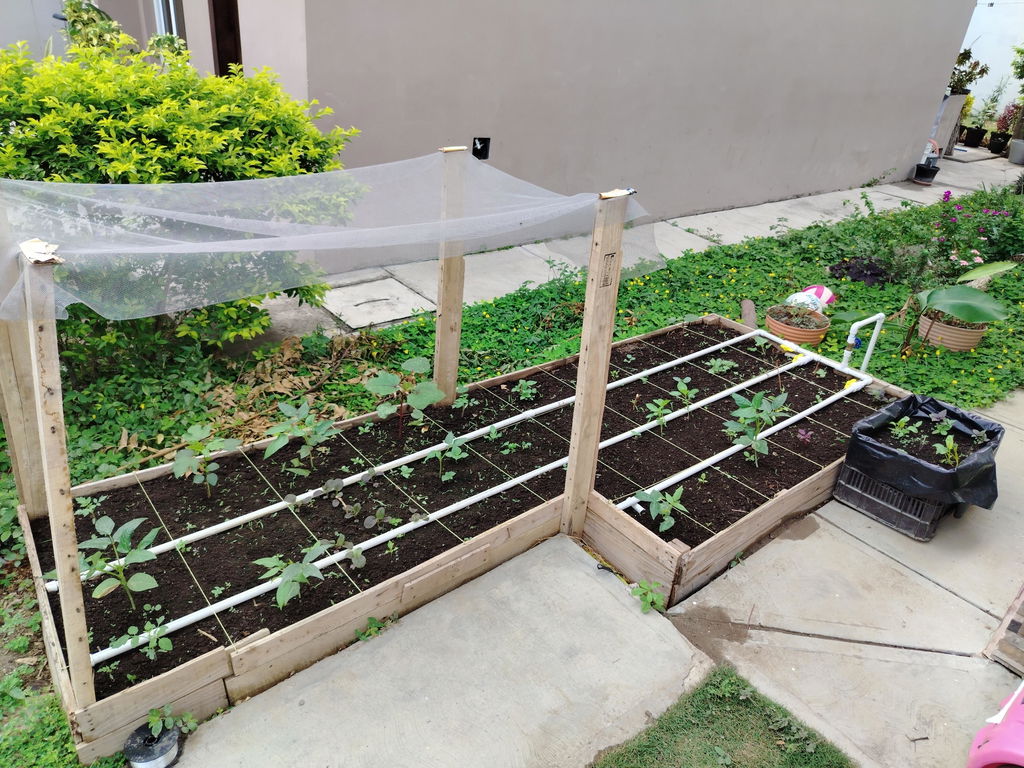
Unfortunately, they were the only seeds that didn't come up😐
Oh no! Sorry to hear! Please contact us on our contact form here on our website, or at [email protected] so we can see what went wrong, and what we can do better. Thanks!
How to Sow and Plant — Hungarian Hot Wax Pepper (Capsicum annuum)
Starting Indoors
Timing: Start seeds 8–10 weeks before your region’s last expected frost date.
Depth: Sow ¼ inch deep in a sterile seed-starting mix, lightly covering the seeds.
Temperature: Keep the soil medium 75–85°F (24–29°C) for best germination.
Germination Time: Expect seedlings to appear in 7–14 days under ideal warmth and moisture.
Light: Once sprouted, provide 14–16 hours of bright light daily with grow lights or a sunny window.
Air Temperature: Maintain ambient air temperatures of 70–80°F (21–27°C) for healthy growth.
Potting Up: Transplant seedlings into larger pots once the first true leaves appear, planting slightly deeper to support stronger stems.
Feeding: Apply a ¼-strength balanced fertilizer weekly to promote early vigor.
Soil Temperature & Transplant Timing
Do not rely solely on the calendar—use temperature as your guide.
Check soil at 2–4 inches depth:
Minimum soil temperature: 60–65°F (16–18°C) for several consecutive mornings.
Night air temperature: ≥55°F (13°C).
Ideal root-zone range: 70–85°F (21–29°C) for fast establishment and strong growth.
How to check: Insert a soil thermometer 2–4 inches deep, take early morning readings for several days, and average the results before transplanting.
Transplanting Outdoors
Hardening Off: Begin 5–7 days before transplanting. Gradually introduce seedlings to outdoor light and wind, starting with partial shade and increasing exposure daily.
Location: Choose a full-sun site with rich, well-drained loam and a pH of 6.0–7.0. Amend with compost or aged manure before planting.
Spacing: Space plants 18–24 inches apart in rows 24–36 inches apart to allow airflow and branching.
Support: Use stakes or small cages to keep plants upright when heavy with fruit or exposed to wind.
Tip for Success:
Mulch well after transplanting to retain moisture and regulate soil temperature. Early season protection, such as row covers or low tunnels, can help plants establish quickly in cooler climates.
How to Grow — Hungarian Hot Wax Pepper (Capsicum annuum)
Watering:
Provide 1 to 1½ inches of water per week, increasing slightly during dry or hot conditions.
Water deeply but infrequently to promote strong root growth and drought resilience.
Best method: Use drip irrigation or soaker hoses to keep the soil moist while keeping foliage dry, reducing disease risk.
If using overhead watering, do so early in the morning so leaves can dry before nightfall.
Flavor note: Consistent, moderate watering keeps peppers crisp and flavorful—too much water can dilute sweetness and heat.
Fertilizing:
Feed with a balanced fertilizer every 2–3 weeks during vegetative growth.
Once flowering begins, switch to a low-nitrogen, high-potassium formula to encourage heavy fruit set and strong color.
Avoid overfertilizing with nitrogen—lush leaves at the expense of fruit are a common result.
Weeding & Mulching:
Keep beds weed-free, as weeds compete for nutrients and water.
Apply mulch once the soil warms, using organic material (straw, compost, or shredded leaves) or black plastic early in the season to:
Retain soil moisture
Suppress weeds
Stabilize soil temperature
Be cautious when hand-weeding—pepper roots are shallow and easily damaged, which can trigger stress-related issues like blossom end rot.
Sun & Heat Management:
Grow in full sun (6–8+ hours daily) for the best yield and heat development.
Ideal temperatures: 70–90°F (21–32°C) by day and above 60°F (16°C) at night.
Provide light afternoon shade during extreme heat (>95°F / 35°C) to support continued fruit set.
Spacing & Support:
Space plants 18–24 inches apart in rows 24–36 inches apart to allow proper airflow and branching.
Plants are upright but may become heavy with fruit—use stakes or small cages to prevent bending or lodging.
Companion Planting:
Good companions: Basil, onions, carrots, parsley, beans, cucumbers, and marigolds.
Avoid: Fennel and kohlrabi, which can inhibit pepper growth.
Hungarian Hot Wax peppers thrive when interplanted with herbs that deter pests and attract beneficial insects.
Container Growing:
Use 5–10 gallon pots with high-quality, well-draining potting mix.
Container plants dry out faster—check moisture daily, especially during midsummer heat.
Shade pot sides with mulch or decorative cover to keep roots cool and prevent stress.
Feed lightly but regularly for steady fruit production and balanced flavor.
Additional Tips — Hungarian Hot Wax Pepper (Capsicum annuum)
Harvesting
Stage options: Harvest when fruits turn pale yellow for a tangy, mildly spicy flavor, or let them ripen to orange or red for deeper sweetness and full heat.
Clean cuts: Use scissors or pruners to snip pods, leaving a short stem attached—pulling by hand can damage branches and reduce future yields.
Batch strategy: For pickling or canning, plan for one or two large harvests at the pale yellow stage. For fresh kitchen use, pick every few days to encourage steady fruit production.
Shade cure: After picking, air-cure peppers for 2–3 days out of direct sunlight to even out ripening and intensify flavor before storage or processing.
Flavor & Nutrition
Profile: Zesty and bright with a sweet undertone; medium heat level of 5,000–10,000 SHU. The flavor develops from tangy and crisp when yellow to rich and complex when red.
Nutrient notes: High in vitamin C, beta-carotene, and antioxidants that strengthen immune health and support eye function.
Culinary tip: For the mildest flavor, remove seeds and inner ribs before cooking. To maximize sweetness and depth, roast whole pods or grill them until lightly charred.
Handling
Heat caution: Wear gloves when handling or slicing large batches to avoid skin irritation. Wash hands, knives, and cutting boards thoroughly after use.
Clean transitions: If switching from cutting peppers to fruits or herbs, wipe surfaces with vinegar water to remove residual oils.
Storage & Preservation
Fresh hold: Store unwashed peppers in a paper-lined container in the refrigerator for 1–2 weeks.
Pickling: A traditional preservation method—slice or leave whole, brine with vinegar, salt, and spices for a crisp, tangy condiment.
Freezing: Slice and freeze on trays before transferring to airtight bags. Retains flavor for sauces, sautés, and soups.
Roasting: Char over open flame or in the oven, then peel and marinate in olive oil for smoky depth.
Drying: Dehydrate at 120–125°F until leathery or crisp, then store whole or grind into flakes or mild paprika powder.
Kitchen Use
Traditional dishes: Ideal for Hungarian and Eastern European cuisines—add to paprikás, stuffed peppers, sausages, and goulash.
Modern uses: Great for tacos, stir-fries, pizzas, and homemade hot sauces.
Flavor pairings: Garlic, onion, parsley, paprika, vinegar, pork, cheese, and tomato complement its tangy-sweet heat.
Growing & Pruning Tips
Habit and support: Upright, productive plants benefit from light staking in windy conditions or when heavily fruited.
Sun and airflow: Full sun (6–8+ hours daily) with good spacing ensures strong stems and prevents fungal issues.
Heat and set: Flowering may slow above 95°F or below 60°F; light afternoon shade during heat waves helps maintain yield.
Containers & Watering
Container size: Minimum 5 gallons, though larger pots improve fruit size and consistency.
Moisture: Maintain steady, even watering—allow the top inch of soil to dry slightly between sessions. Avoid extreme wet-dry cycles to prevent cracking and blossom end rot.
Mulching: Use straw or compost mulch to retain moisture and protect roots from temperature swings.
Companion Planting & Pollinators
Beneficial companions: Grow alongside basil, marigolds, and alyssum to attract bees and predatory insects.
Avoid: Fennel and kohlrabi, which can slow pepper growth.
Healthy pollinator activity ensures heavier yields and higher fruit quality.
Seed Saving
True-to-type selection: Save seeds from the healthiest plants producing typical yellow-to-red, waxy peppers with medium heat and thick walls.
Isolation: Keep plants 150 feet away from other Capsicum annuum varieties or use blossom bags to prevent cross-pollination.
Dry and store: Air-dry cleaned seeds for 7–10 days, then seal with a desiccant packet in a cool, dark location. Test viability yearly using a 10-seed germination trial.
Common Pests & Problems — Hungarian Hot Wax Pepper (Capsicum annuum)
Insects & Mites
Aphids (leaf curling, sticky honeydew, or sooty mold)
Controls: Blast off with water or apply insecticidal soap or neem oil. Encourage natural predators like lady beetles and lacewings.
Spider Mites (fine stippling, webbing in hot, dry weather)
Controls: Increase humidity, rinse undersides of leaves, and apply horticultural oil or neem. Predatory mites can help in severe infestations.
Whiteflies (tiny white insects flying up when disturbed, sticky honeydew on leaves)
Controls: Use yellow sticky traps, vacuum in early morning, and apply insecticidal soap or neem oil.
Thrips (silvery streaks or distorted new growth, may transmit viruses)
Controls: Use blue sticky traps, remove weeds and old blooms, and apply spinosad or insecticidal soap.
Flea Beetles (small holes in leaves, especially on seedlings)
Controls: Cover with floating row covers until flowering. Sprinkle diatomaceous earth around stems. Plant trap crops like radishes nearby.
Pepper Maggots / Fruit Borers (stings and larvae inside pods)
Controls: Harvest promptly, remove and destroy infested fruit, and use baited traps or exclusion netting as advised locally.
Cutworms (seedlings severed at the soil line overnight)
Controls: Place collars around stems, clear plant debris, and handpick at dusk.
Caterpillars (Loopers, Hornworms, Armyworms) (chewed leaves or fruit damage)
Controls: Handpick larvae when visible or apply Bacillus thuringiensis kurstaki (Bt) for young caterpillars.
Slugs and Snails (damage to young plants or fruit touching soil)
Controls: Use beer traps, copper barriers, or iron phosphate baits. Keep mulch pulled back from stems.
Diseases
Bacterial Leaf Spot (small water-soaked spots turning brown, defoliation)
Prevention: Use clean seed, rotate crops 3+ years away from Solanaceae, avoid overhead watering, and sanitize tools.
Management: Remove infected leaves and apply copper sprays to protect new growth.
Anthracnose (sunken, moldy fruit lesions, especially on ripe pods)
Prevention: Space plants for airflow, mulch to prevent soil splash, and use drip irrigation.
Management: Remove affected fruit; consider protectant fungicides labeled for peppers.
Phytophthora Blight / Root Rot (sudden wilting, dark stem lesions, fruit rot in saturated soils)
Prevention: Ensure excellent drainage, avoid overwatering, and use raised beds if possible.
Management: Remove infected plants and avoid replanting peppers in the same location that season.
Powdery Mildew (white, dusty coating on leaves in late season)
Prevention: Maintain airflow and avoid excessive nitrogen fertilization.
Management: Remove infected leaves and use approved biofungicides to suppress spread.
Verticillium & Fusarium Wilts (one-sided yellowing or wilting, vascular browning)
Management: Rotate crops away from Solanaceae, solarize soil if feasible, and remove infected plants—no in-plant cure.
Mosaic Viruses (mottled, puckered leaves and stunted growth)
Prevention: Control aphids and thrips (virus vectors), rogue infected plants, and sanitize hands and tools. Avoid handling tobacco before working with plants.
Blossom End Rot (black, sunken ends on fruit)
Cause: Irregular watering or root disturbance leading to calcium transport issues.
Fix: Maintain even moisture, mulch soil, and avoid damaging roots or overusing nitrogen.
Sunscald (white or tan patches on fruit exposed to direct sun)
Fix: Maintain healthy leaf canopy and avoid excessive pruning or leaf removal.
Poor Fruit Set
Cause: Temperatures above 95°F (35°C) or below 60°F (16°C), low pollination, or overfertilization.
Fix: Provide shade during heat waves, maintain steady watering, and moderate feeding.
Cracking / Splitting (after heavy rain following drought)
Fix: Keep moisture consistent and harvest promptly when fruits ripen.
Flavor Dilution
Note: Overwatering or high nitrogen can reduce sweetness and heat. Allow light soil drying between waterings for richer flavor.
Monitoring & Prevention — Quick Checklist
Scout weekly, checking undersides of leaves and new growth.
Water at soil level using drip irrigation or soaker hoses.
Maintain good airflow—space plants properly and prune lightly.
Mulch after soil warms to stabilize moisture and block splash-borne disease.
Rotate 3+ years away from tomatoes, peppers, eggplants, and potatoes.
Sanitize tools and discard diseased fruits rather than composting.
Q: How hot is the Hungarian Hot Wax Pepper?
Hungarian Hot Wax peppers register between 5,000–10,000 Scoville Heat Units (SHU). They deliver a mild to medium heat—hotter than banana peppers but gentler than jalapeños—balanced by a slightly sweet, tangy flavor.
Q: How long does it take to mature?
Expect 70–79 days from transplant to full maturity. Fruits can be harvested yellow for mild flavor or allowed to ripen red for a sweeter, more complex heat.
Q: How long does germination take?
Seeds typically germinate in 7–14 days when kept at 75–85°F (24–29°C) with steady moisture and warm soil conditions.
Q: Do Hungarian Hot Wax peppers need special soil conditions?
They thrive in loamy, well-drained soil with a pH of 6.0–7.0. Enrich soil with compost before planting and maintain even moisture for optimal yields.
Q: What spacing do they need?
Plant 18–24 inches apart in rows 24–36 inches apart to ensure good airflow and branching.
Q: Do I need more than one plant for pollination?
No. Hungarian Hot Wax peppers are self-pollinating, but airflow and pollinators such as bees can increase fruit set.
Q: Can Hungarian Hot Wax peppers be grown in containers?
Yes. Use a 5–10 gallon pot with rich, well-drained potting mix and full sun. Container plants may need extra watering during hot spells.
Q: How many peppers will one plant produce?
With proper care, each plant can produce 30–50 pods or more during a growing season.
Q: How should I harvest them?
Cut peppers cleanly from the plant with pruners or scissors, leaving a short stem. Pick at pale yellow for mild heat, or allow full ripening to red for stronger flavor.
Q: What’s the best way to store or preserve Hungarian Hot Wax peppers?
Refrigerate fresh peppers for 1–2 weeks. They’re excellent for pickling, freezing, or drying. Red, fully ripe peppers can also be ground into flavorful paprika-style flakes.
Q: Will the peppers lose heat or flavor when cooked or preserved?
Cooking or canning softens the texture and mellows the heat slightly, but flavor remains rich and tangy. Roasting enhances sweetness and smokiness.
Q: Are Hungarian Hot Wax peppers perennial?
They’re annuals in most climates but can be overwintered indoors in warm, bright conditions (above 60°F / 16°C).
Q: Why aren’t my peppers setting fruit?
Extreme temperatures—above 95°F (35°C) or below 60°F (16°C)—can stall flowering. Maintain even moisture and moderate feeding; fruiting resumes when temperatures normalize.
Q: Can Hungarian Hot Wax peppers cross-pollinate with other peppers?
Yes, with other Capsicum annuum varieties nearby. If saving seed, isolate plants by distance or bag blossoms to ensure purity.
Q: How do I use them in the kitchen without overwhelming heat?
Use fresh yellow pods for mild heat or red for extra spice. Slice into sandwiches, pickle whole, or stuff with cheese and meats. Excellent grilled or roasted alongside vegetables.
Q: Can they be ornamental as well as edible?
Absolutely. Their ripening color change—from yellow to orange to red—makes them highly decorative in beds or containers.
Q: Are Hungarian Hot Wax peppers safe to handle and eat?
Yes, but wear gloves if handling large batches. Their oils can cause mild skin irritation. Wash hands and tools thoroughly after cutting.
Q: Why are my peppers less hot than expected?
Heat varies with climate, soil fertility, and watering. Hotter conditions and slightly lean soil tend to produce spicier peppers, while heavy watering or rich nitrogen soils can reduce heat.
The story of the Capsicum annuum ‘Hungarian Hot Wax’ begins not in Europe, but in the living agricultural traditions of Indigenous peoples across Mesoamerica and Central America, where chili peppers have been cultivated, revered, and exchanged for thousands of years—and continue to be today. These peppers were, and remain, central to Indigenous foodways, medicine, and ceremony, reflecting a worldview where flavor, health, and spirit are intertwined.
Among the Maya, Nahua, Zapotec, and countless other nations, chiles are not merely ingredients but relatives—plants with personality, purpose, and power. They are still used in purification ceremonies, healing rituals, and daily cooking, connecting each generation to the soil and to their ancestors. It was through these sophisticated systems of Indigenous seedkeeping and trade that Capsicum annuum spread through the Americas long before European arrival, adapting to local ecologies through the careful observation and selection of Native growers who continue this work today.
When Spanish traders carried these peppers across the Atlantic in the 1500s, they entered new worlds of cultivation. By the 17th century, the pepper found a new home in the Carpathian Basin, where Hungarian farmers, influenced by both Ottoman and local agrarian practices, began selecting for varieties that matured quickly and held flavor well in cooler climates. Over generations, this exchange of Indigenous crop heritage and European selection produced the Hungarian Hot Wax pepper—a variety that balances sweetness, tang, and moderate heat, well-suited for pickling, stuffing, and roasting.
In Hungary, peppers became more than crops—they became cultural symbols. Farmers and artisans wove them into their livelihoods, drying and stringing peppers across porches, cellars, and market stalls. The Hot Wax variety in particular became prized for its versatility, ripening early and yielding heavily through summer’s end.
By the 20th century, this pepper traveled again—carried by immigrants, gardeners, and seed stewards to North America, where it found a new audience of growers who valued its adaptability and balanced flavor. Yet every Hungarian Hot Wax pepper grown today still carries the imprint of its Indigenous ancestry—the original domestication, selection, and ecological knowledge that gave rise to the Capsicum annuum species itself.
To plant the Hungarian Hot Wax is to join an unbroken lineage of cultivation stretching from Indigenous seedkeepers who first nurtured this species in the Americas to the Hungarian farmers who shaped its modern form, and onward to today’s gardeners who continue the cycle. It is a living symbol of cultural resilience, exchange, and the enduring relationship between people and the peppers that warm their tables.
Saving seeds from Hungarian Hot Wax Peppers (Capsicum annuum):
1. Selecting Plants for Seed Saving:
Choose healthy plants with vigorous growth and abundant peppers.
Avoid plants showing signs of disease or poor growth.
2. Harvesting Seeds:
Timing: Allow the peppers to mature fully on the plant until they turn red and wrinkled.
Collection: Harvest the ripe peppers and cut them open to remove the seeds.
3. Cleaning Seeds:
Separation: Rinse the seeds to remove any remaining flesh.
Inspection: Ensure seeds are clean and free from mold or pests.
4. Drying Seeds:
Place the seeds on a paper towel or screen in a well-ventilated, dry area. Allow them to dry completely for one to two weeks.
5. Storing Seeds:
Containers: Store seeds in labeled paper envelopes or airtight containers.
Storage Conditions: Keep in a cool, dry, and dark place.
Viability: Use seeds within two to three years for best results.
6. Testing Seed Viability:
Test by placing seeds on a damp paper towel in a plastic bag in a warm place and check for germination.
Tips for Successful Seed Saving:
Isolation: Maintain distance between different pepper varieties to prevent cross-pollination.
Pollinators: Encourage pollinators for better seed production.
Record Keeping: Keep detailed records of the process.
Uses and Benefits:
Hungarian Hot Wax Pepper (Capsicum annuum) is known for its long, hot fruits. It is often used in salsas, sauces, and for pickling.
Peppers provide vitamins, minerals, and antioxidants, supporting overall health. Hungarian Hot Wax Peppers are versatile in culinary applications, adding heat and flavor to dishes.
Shipped from U.S.A.
Our seeds are grown and sourced from the US. They're then packed and shipped from Colerain NC.
Triple tested
We regularly test the quality and germination rate of our seeds. We're so confident that our seeds are backed by a 1 year warranty!
Payment & Security
Payment methods
Your payment information is processed securely. We do not store credit card details nor have access to your credit card information.
Complete the garden
Turn one packet into a full plan.
Help shoppers add companion seeds, garden supplies, and related goals before they leave the product page.
Sign up for our newsletter to get a 30% discount code sent straight to your inbox. If it doesn’t appear right away, please check your inbox settings, and if you still need help, we’re here to assist!
Your cart
Start with a garden goal.Browse seed packets, seasonal picks, pantry goods, or starter garden ideas.
Hungarian Hot Wax is a productive and versatile hot pepper known for its smooth tapered fruits, bright yellow-to-red ripening color, and manageable heat. These Pepper Seeds - Hot - Hungarian Hot Wax Peppers produce vigorous plants that yield heavily through the season, offering peppers that are excellent for pickling, frying, stuffing, and fresh use. For gardeners who want a reliable hot pepper with strong productivity and broad kitchen versatility, this variety is a longtime favorite.