Seeds: When properly stored, planted, and cared for, we guarantee reasonable germination and true-to-type growth for one year from purchase.
Non-seed products: Free from defects in materials and workmanship for 30 days from shipment.
Excludes factors outside our control (extreme weather, pests, gardener error). If something’s off, contact us—we’ll make it right with a replacement, repair, or refund.
USDA “bioengineered (BE)” foods are those with detectable genetic material that was modified using in vitro recombinant DNA (rDNA) techniques, in ways
not obtainable through conventional breeding or found in nature. The USDA’s National Bioengineered Food Disclosure Standard uses “bioengineered” as the nationwide labeling term.
Detectable modified genetic material in the final food
Created via in vitro rDNA techniques (e.g., gene transfer)
Modifications not achievable through conventional breeding or nature
—seeds / pkt
( ~ g )
The timeless garden standard for flavor and yield. ‘Black Beauty’ produces glossy, dark green to near-black fruits with creamy white flesh and rich, mild flavor. The texture stays tender even at larger sizes, making it one of the most versatile zucchinis for any kitchen use.
Vining plants grow vigorously and yield abundantly from midsummer through frost. The fruits are uniform, easy to harvest, and excellent for grilling, baking, or slicing fresh.
An All-America Selections winner introduced in 1957, ‘Black Beauty’ remains the gold standard of zucchini—dependable, prolific, and delicious in every form.
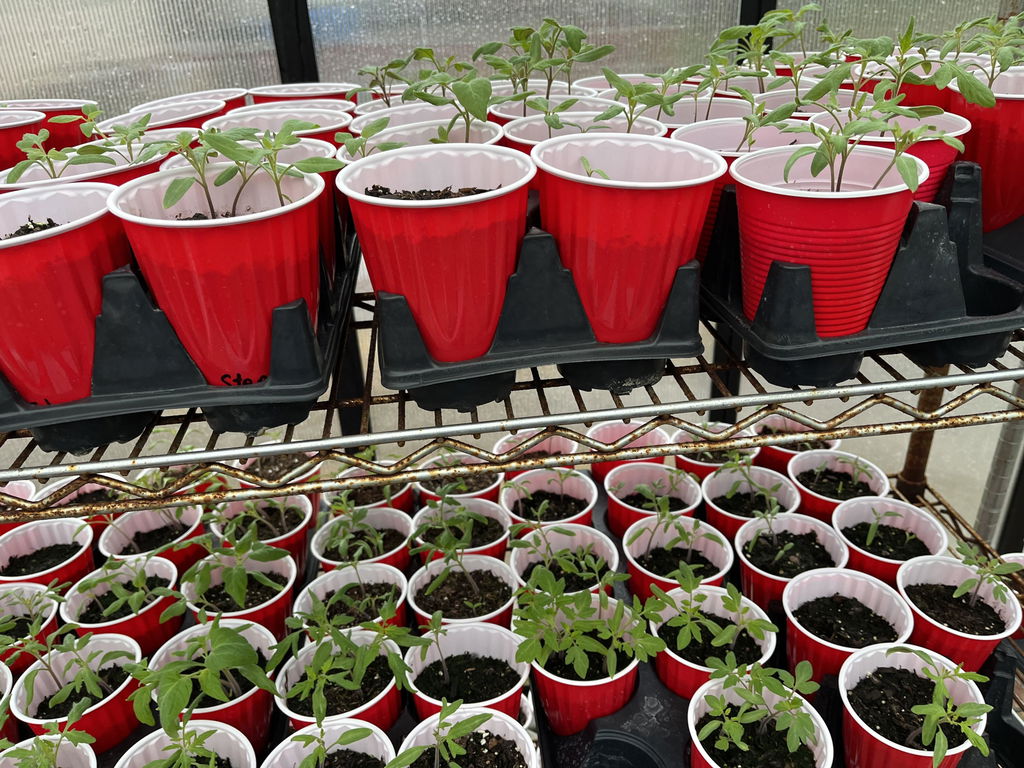
Got 95% germination there going strong in the greenhouse.
Black Beauty Vining Zucchini is best established by direct sowing once the soil has fully warmed, as this fast-growing crop responds best to uninterrupted root development. Planting too early into cold or wet soil can lead to poor germination or seed rot, so timing is critical. The soil should be loose, well-drained, and warm to the touch before planting begins. Because this is a vining type, it is important to plan space ahead of time, whether the vines will be allowed to sprawl or trained vertically.
To sow, plant seeds about 1 inch deep into moist, prepared soil. Depth is important—too shallow and seeds may dry out or be disturbed, too deep and emergence may be delayed. Place seeds with enough spacing to allow for strong vine development and airflow. After sowing, gently firm the soil to ensure good seed-to-soil contact without compacting it. Water thoroughly after planting to settle the soil and initiate germination, then maintain consistent moisture until seedlings are established.
Once seedlings emerge, thinning is essential. Select the strongest plants and remove weaker ones to prevent overcrowding. Vining zucchini requires space to grow, and crowding can lead to poor airflow, increased disease risk, and reduced productivity. A well-spaced planting allows each vine to develop fully and makes ongoing care much easier.
Transplanting is possible but should be done with care. If starting seeds in containers, use larger biodegradable pots to avoid disturbing the roots during transplant. Zucchini does not tolerate root disturbance well, so transplants should be moved while still young and before becoming root-bound. When transplanting, place the entire root mass into the soil without breaking it apart, and water immediately to help the plant establish. Even with this option, direct sowing is generally preferred for best results.
Early care is crucial for long-term success. Keep the soil evenly moist but not waterlogged, and protect young plants from stress such as cold temperatures or strong winds. If needed, temporary covers can help seedlings establish more quickly, but they should be removed once flowering begins to allow pollinators access.
Spacing and layout should be planned with the plant’s growth habit in mind. Vining zucchini can spread significantly, so allowing enough room from the start prevents overcrowding later. If growing vertically, install support early so vines can be trained as they grow rather than adjusted after they become large.
The planting stage sets the foundation for the entire season. Warm soil, correct depth, proper spacing, and consistent moisture lead to strong, healthy plants that transition quickly into vigorous growth and continuous production. A well-established zucchini plant will reward proper planting with abundant harvests throughout the growing season.
Black Beauty Vining Zucchini is a fast-growing, warm-season crop that thrives when given full sun, consistent moisture, and enough space to spread or climb. Because this is a vining type rather than a compact bush, it benefits from thoughtful placement early on. Whether grown along the ground or trained vertically, the goal is to support strong vine development while maintaining airflow and easy access for harvesting. A healthy vine system is the foundation for continuous fruit production throughout the season.
Early growth should focus on rapid establishment. Zucchini performs best in warm soil with good drainage and moderate fertility. Once seedlings emerge, they should be kept evenly watered to encourage strong root development. Deep watering is more effective than frequent shallow watering, as it promotes deeper roots and more resilient plants. Avoid waterlogged conditions, as overly wet soil can lead to root problems and slow early growth.
As the plant begins to vine, spacing and airflow become critical. Vining zucchini can quickly create dense foliage, which increases humidity and the risk of disease if not managed properly. Allowing vines to spread naturally or training them onto a trellis helps improve airflow, reduce leaf moisture, and make pest monitoring easier. Vertical growing is especially useful for keeping fruit clean and reducing contact with soil.
Flowering is a key stage where pollination determines yield. Zucchini produces separate male and female flowers, and pollinators are required for fruit set. Healthy plants with good pollinator activity will set fruit consistently, while poor pollination can result in flowers dropping or misshapen zucchini. Maintaining steady watering and avoiding stress during this stage helps ensure strong fruit development.
Once fruiting begins, regular harvesting becomes essential. Zucchini should be picked while still young and tender, as this encourages the plant to continue producing. Allowing fruits to become oversized signals the plant to slow production, reducing overall yield. Frequent harvesting keeps the plant in an active production cycle and improves both quantity and quality of the harvest.
Leaf health should be maintained throughout the season. The leaves are responsible for powering continuous fruit production, so protecting them from pests and disease is critical. Good spacing, proper watering at the base, and regular inspection help prevent common issues like powdery mildew and insect damage. A plant that keeps its foliage healthy will produce longer and more reliably.
Consistent moisture is key during the entire growing period. Zucchini prefers evenly moist soil, especially during flowering and fruit development. Irregular watering can lead to poor fruit quality or bitterness. Mulching can help retain moisture, regulate soil temperature, and reduce weed competition, all of which support steady growth.
As the season progresses, maintaining plant vigor is the main priority. Removing damaged or diseased leaves, keeping the area clean, and continuing regular harvests will extend the productive life of the plant. Vining zucchini can produce over a long period when conditions remain stable and the plant is not stressed.
With full sun, warm soil, consistent watering, proper spacing, and frequent harvesting, Black Beauty Vining Zucchini becomes a highly productive and rewarding crop. Its ability to produce continuously makes it one of the most reliable summer vegetables, delivering a steady supply of tender, flavorful zucchini throughout the growing season.
Black Beauty Vining Zucchini is one of the most productive crops you can grow, but maximizing that productivity comes down to consistency, observation, and timing. One of the most important tips is to harvest early and often. Zucchini is best when picked young—typically before it becomes oversized. Smaller fruits are more tender, have better flavor, and most importantly, frequent harvesting signals the plant to keep producing. If fruits are left to mature too long, the plant will slow or even stop production because it shifts energy toward seed development. Staying on top of harvesting is the single most effective way to increase total yield.
Because this is a vining type, managing growth direction is a major advantage. Training the vine onto a trellis or guiding it along a controlled path keeps the plant more open, improves airflow, and makes harvesting much easier. Better airflow reduces the risk of mildew and pest buildup, while vertical or guided growth keeps fruit clean and off the soil. If left unmanaged, vines can sprawl densely, making it harder to monitor plant health and increasing disease risk.
Leaf health is critical for long-term production. The large leaves act as the engine that powers continuous fruiting, so protecting them should be a priority. Once leaves begin to decline—whether from pests, mildew, or stress—production will drop. Removing heavily damaged or diseased leaves early can help slow the spread of problems and keep the plant functioning longer. The goal is not perfect leaves, but a canopy that stays active and productive deep into the season.
Watering technique has a direct impact on both plant health and fruit quality. Zucchini prefers steady, even moisture. Inconsistent watering can lead to bitter fruit, poor texture, or reduced yield. Deep watering encourages strong roots and more stable growth, while shallow watering leads to weaker plants. It is also important to water at the base rather than overhead to keep leaves dry and reduce the chance of disease, especially powdery mildew.
Pollination plays a bigger role than many growers expect. Zucchini produces separate male and female flowers, and successful pollination is required for proper fruit development. Poor pollination can result in small, misshapen, or aborted fruit. Encouraging pollinators by maintaining a healthy garden environment and avoiding disruption during flowering can significantly improve yields. Inconsistent fruit shape is often a sign that pollination needs attention.
Another key tip is managing plant load. While zucchini is naturally productive, allowing too many fruits to develop at once can stress the plant and reduce overall quality. Regular harvesting keeps the plant balanced and prevents energy from being tied up in oversized fruit. A steady cycle of growth and harvest leads to better consistency and longer production.
Weed control is especially important early in the season. Young zucchini plants do not compete well, and early competition can slow establishment. Keeping the area clean during early growth allows the plant to expand quickly and dominate the space. Once established, the large leaves will naturally shade out many weeds, but early control makes a significant difference.
Spacing and airflow should never be overlooked. Even though zucchini grows aggressively, crowding plants leads to humidity buildup and creates ideal conditions for pests and disease. Giving each plant enough room and managing vine spread improves overall plant health and makes maintenance easier. A well-spaced planting almost always produces better results than a crowded one.
Timing the end of the season is another often overlooked factor. As production slows, continue harvesting and maintaining plant health as long as possible. Even late-season fruit can be high quality if the plant remains active. However, once disease pressure becomes too high or the plant declines significantly, it is better to remove it and maintain garden health rather than trying to extend a failing plant.
One of the best long-term tips is to observe plant performance closely. Some plants may produce more consistently, resist disease better, or yield higher-quality fruit. Paying attention to these differences helps guide future planting decisions and seed saving. Over time, this leads to stronger, more reliable crops.
The biggest mistakes with Black Beauty Vining Zucchini are infrequent harvesting, inconsistent watering, overcrowding, and ignoring early pest or disease signs. The biggest successes come from staying consistent, harvesting often, maintaining airflow, and protecting leaf health. When managed well, this variety can produce continuously and abundantly, making it one of the most rewarding crops in the garden.
Black Beauty Vining Zucchini is a vigorous and productive plant, but like all squash, it is highly susceptible to a range of pests and diseases that can quickly impact yield if not managed early. The most common and serious issues include squash bugs, vine borers, cucumber beetles, aphids, and spider mites, along with diseases such as powdery mildew, downy mildew, and bacterial wilt. Because zucchini grows rapidly and produces continuously, maintaining plant health from early growth through peak production is essential for long-term success.
Squash bugs are one of the most damaging pests. They feed on leaves and stems by sucking plant juices, causing yellowing, wilting, and eventual plant decline. Their eggs are often found in clusters on the undersides of leaves. If left unchecked, they can weaken plants significantly and reduce fruit production. The best control is early detection—inspect leaves regularly, remove egg clusters by hand, and eliminate adults before populations build. Keeping the planting area clean and accessible makes monitoring much easier.
Vine borers are another major threat, especially for vining types. These larvae burrow into stems, disrupting water flow and causing sudden wilting of otherwise healthy plants. Once inside the vine, they are difficult to control. Prevention is key—monitor for early signs like small holes and sawdust-like frass near the base of stems. Maintaining strong plant vigor and checking stems regularly can help catch infestations early. In some cases, affected vines can be carefully opened and larvae removed, but prevention and early action are far more effective.
Cucumber beetles feed on leaves, flowers, and stems, creating holes and weakening plants. More importantly, they can spread bacterial wilt, a disease that causes rapid plant collapse. Even a small population can become a serious issue if disease is introduced. Early monitoring and reducing beetle presence is critical. Keeping plants healthy and minimizing stress helps them better withstand minor feeding damage.
Aphids are common on tender growth and undersides of leaves. They weaken plants by sucking sap and can spread viruses. Infestations often appear as clusters of small insects along with sticky residue on leaves. Spider mites can also appear during hot, dry conditions, causing fine speckling, yellowing, and leaf decline. Both pests can be managed by early detection, strong water sprays, and maintaining plant health. Plants under stress are far more susceptible to these pests.
Disease pressure is one of the biggest challenges with zucchini. Powdery mildew is extremely common and appears as a white, dusty coating on leaves. It reduces photosynthesis and can significantly shorten the productive life of the plant. Downy mildew can cause yellowing and rapid leaf collapse under humid conditions. Bacterial wilt, spread by cucumber beetles, causes sudden and irreversible wilting. The best defense against disease is prevention: proper spacing, strong airflow, watering at the base rather than overhead, and avoiding working with plants when they are wet. Keeping foliage dry and healthy for as long as possible is essential for continued production.
Environmental stress also plays a major role in plant problems. Overwatering or poorly drained soil can lead to root rot, while drought stress can reduce flowering and fruit development. Uneven watering may result in poor fruit quality or bitterness. Zucchini performs best with consistent, moderate moisture and well-drained soil.
Pollination issues can also affect production. Zucchini produces separate male and female flowers, and pollinators are required for fruit set. Poor pollination can lead to small, misshapen fruit or flowers that fail to develop. Encouraging pollinators and maintaining healthy plants during flowering helps ensure consistent yields.
Overcrowding and poor airflow increase the likelihood of both pest and disease problems. Dense plantings trap moisture, create ideal conditions for mildew, and make it harder to monitor for insects. Proper spacing and occasional pruning of excessive foliage can improve airflow and reduce risk.
Overall, the most effective approach is proactive care: regular inspection, proper spacing, consistent watering, and maintaining a clean growing environment. The biggest mistakes are ignoring early pest signs, allowing plants to become overcrowded, and letting foliage decline too early. With attentive management, Black Beauty Vining Zucchini can remain productive and healthy throughout the growing season, delivering continuous harvests of high-quality fruit.
Q: What is Black Beauty Vining Zucchini?
A: Black Beauty is a classic heirloom zucchini variety known for its glossy dark green fruits and reliable production. This vining form spreads or climbs rather than staying compact, allowing for extended growth and high yields when properly managed.
Q: How is vining zucchini different from bush zucchini?
A: Vining zucchini produces longer trailing vines that can spread across the ground or be trained vertically, while bush types stay compact. Vining types often produce over a longer period and can be easier to manage in some cases when trellised.
Q: How long does Black Beauty zucchini take to produce?
A: It is a fast-growing crop that begins producing relatively quickly once established. Regular harvesting can begin soon after fruit starts forming and will continue throughout the season with proper care.
Q: Do I need to harvest zucchini early?
A: Yes, zucchini should be harvested while still young and tender. Smaller fruits have better flavor and texture. Leaving fruits too long on the plant reduces quality and can slow further production.
Q: How often should I harvest?
A: Harvest frequently—ideally every few days during peak production. Regular picking encourages the plant to continue producing new fruits and prevents oversized, tough zucchini.
Q: Does zucchini need full sun?
A: Yes, full sun is essential for strong growth and continuous production. The plant relies on high light levels to support rapid vine growth and fruit development.
Q: Can I grow vining zucchini vertically?
A: Yes, vining zucchini can be trained onto a trellis or support. This improves airflow, reduces disease pressure, saves space, and makes harvesting easier. Supporting the fruit may be helpful as it grows.
Q: How much space does it need?
A: Vining zucchini needs ample space to spread. Proper spacing improves airflow, reduces disease risk, and allows the plant to grow vigorously without competition.
Q: How often should I water zucchini?
A: Zucchini prefers consistent moisture. The soil should be kept evenly moist but not waterlogged. Irregular watering can lead to poor fruit quality or bitterness.
Q: Why are my zucchini flowers falling off?
A: This is often due to poor pollination. Zucchini produces separate male and female flowers, and pollinators are needed to transfer pollen. Lack of pollinators or stress during flowering can reduce fruit set.
Q: Why are my fruits small or misshapen?
A: Poor pollination is the most common cause. Incomplete pollination leads to uneven fruit development. Encouraging pollinators helps improve fruit quality.
Q: What pests affect zucchini the most?
A: Common pests include squash bugs, vine borers, cucumber beetles, aphids, and spider mites. These can damage leaves, weaken plants, and reduce production if not managed early.
Q: What diseases should I watch for?
A: Powdery mildew and bacterial wilt are the most common issues. These can reduce plant health and shorten the productive season. Good airflow and proper watering practices help prevent them.
Q: Why are my leaves turning white?
A: Powdery mildew is the most common cause. It appears as a white coating on leaves and can spread quickly. Early management and good airflow are key to control.
Q: Can zucchini grow in containers?
A: Yes, but vining types require larger containers and support. Proper watering and space management are essential for success in containers.
Q: How many zucchinis will one plant produce?
A: A healthy plant can produce many fruits over the season, especially with regular harvesting. Yield depends on growing conditions and care.
Q: Why does my plant look healthy but not produce fruit?
A: This is usually due to pollination issues or environmental stress. Ensuring pollinator activity and consistent care helps improve production.
Q: Can I eat zucchini flowers?
A: Yes, zucchini flowers are edible and often used in cooking. Male flowers are commonly harvested for culinary use without affecting fruit production.
Q: Can I save seeds from Black Beauty zucchini?
A: Yes, as an open-pollinated variety, seeds can be saved. However, isolation from other squash varieties is needed to maintain purity, as cross-pollination is common.
Q: Is Black Beauty zucchini good for beginners?
A: Yes, it is a fast-growing and productive plant, making it rewarding for beginners. However, it does require attention to pests and regular harvesting for best results.
Q: What are the best uses for zucchini?
A: Zucchini is extremely versatile and can be grilled, sautéed, baked, spiralized, or used in breads and other dishes. Its mild flavor makes it suitable for a wide range of recipes.
Q: How do I keep my plant producing longer?
A: Harvest frequently, maintain healthy leaves, provide consistent water, and manage pests early. Keeping the plant healthy and actively growing extends the harvest period significantly.
Black Beauty zucchini is one of the most iconic and widely grown zucchini varieties, with roots tracing back to the development of modern summer squash in Italy. Zucchini itself is a relatively recent agricultural creation compared to many ancient crops, despite belonging to the much older species Cucurbita pepo, which was originally domesticated in Mesoamerica thousands of years ago. Early forms of this species were cultivated by Indigenous peoples in what is now Mexico and Central America, where squash was a foundational crop alongside maize and beans. These early squash were quite different from modern zucchini, often grown for mature fruit or seeds rather than the tender immature stage we harvest today.
The zucchini we recognize now, including Black Beauty, emerged much later through European selection—particularly in Italy—where growers began selecting squash specifically for harvesting at an immature stage. This marked a major shift in how the crop was used. Instead of waiting for full maturity, farmers began focusing on young, tender fruits with improved flavor and texture. Over time, this led to the development of zucchini as a distinct type of summer squash, bred for rapid growth, thin skin, and continuous production.
Black Beauty itself became a standout variety in the early 20th century, especially as zucchini gained popularity beyond Europe. It was selected for its deep, glossy dark green—almost black—skin, uniform shape, and reliable productivity. These traits made it highly desirable for both home gardeners and market growers. Its ability to produce consistently, combined with its attractive appearance, helped establish it as a standard variety in many regions.
As zucchini spread into North America and other parts of the world, Black Beauty played a major role in popularizing the crop. It became one of the most recognizable and widely planted zucchini varieties, helping introduce the vegetable into mainstream cooking and home gardening. Its adaptability to different growing conditions and its strong yields made it especially valuable in backyard gardens, where dependable production is essential.
Culturally, zucchini has become a staple of summer cuisine, and Black Beauty is often at the center of that tradition. From Mediterranean dishes to modern home cooking, it is used in a wide range of preparations—grilled, sautéed, baked, and more. Its mild flavor and tender texture make it highly versatile, contributing to its enduring popularity.
In modern gardening, Black Beauty remains a cornerstone heirloom variety. Its open-pollinated nature allows growers to save seed and maintain the variety over time, connecting current cultivation to its historical roots. It represents both the ancient lineage of squash domestication and the more recent refinement of zucchini as a fast-growing, high-yielding summer crop.
Overall, Black Beauty zucchini reflects a unique blend of ancient agricultural history and modern selection. From its origins in early Mesoamerican squash to its refinement in European gardens and global spread, it stands as one of the most important and enduring summer squash varieties in cultivation today.
Saving seeds from Black Beauty Zucchini (Cucurbita pepo):
1. Selecting Plants for Seed Saving:
Choose healthy plants with vigorous growth and well-formed fruits.
Avoid plants showing signs of disease or poor growth.
2. Harvesting Seeds:
Timing: Allow the zucchinis to mature fully on the vine until the skin is hard.
Collection: Harvest the ripe zucchinis and cut them open to remove the seeds.
3. Cleaning Seeds:
Separation: Rinse the seeds to remove any remaining zucchini flesh.
Inspection: Ensure seeds are clean and free from mold or pests.
4. Drying Seeds:
Place the seeds on a paper towel or screen in a well-ventilated, dry area. Allow them to dry completely for one to two weeks.
5. Storing Seeds:
Containers: Store seeds in labeled paper envelopes or airtight containers.
Storage Conditions: Keep in a cool, dry, and dark place.
Viability: Use seeds within three to five years for best results.
6. Testing Seed Viability:
Test by placing seeds on a damp paper towel in a plastic bag in a warm place and check for germination.
Tips for Successful Seed Saving:
Isolation: Maintain distance between different squash varieties to prevent cross-pollination.
Pollinators: Encourage pollinators for better seed production.
Record Keeping: Keep detailed records of the process.
Uses and Benefits:
Black Beauty Zucchini (Cucurbita pepo) is known for its dark green skin and tender texture. It is often used in salads, sautés, and baked dishes.
Zucchini provides vitamins, minerals, and antioxidants, supporting overall health. Black Beauty Zucchini is versatile in culinary applications, adding nutrition and flavor to dishes.
Shipped from U.S.A.
Our seeds are grown and sourced from the US. They're then packed and shipped from Colerain NC.
Triple tested
We regularly test the quality and germination rate of our seeds. We're so confident that our seeds are backed by a 1 year warranty!
Payment & Security
Payment methods
Your payment information is processed securely. We do not store credit card details nor have access to your credit card information.
Complete the garden
Turn one packet into a full plan.
Help shoppers add companion seeds, garden supplies, and related goals before they leave the product page.
Sign up for our newsletter to get a 30% discount code sent straight to your inbox. If it doesn’t appear right away, please check your inbox settings, and if you still need help, we’re here to assist!
Your cart
Start with a garden goal.Browse seed packets, seasonal picks, pantry goods, or starter garden ideas.
The timeless garden standard for flavor and yield. ‘Black Beauty’ produces glossy, dark green to near-black fruits with creamy white flesh and rich, mild flavor. The texture stays tender even at larger sizes, making it one of the most versatile zucchinis for any kitchen use.
Vining plants grow vigorously and yield abundantly from midsummer through frost. The fruits are uniform, easy to harvest, and excellent for grilling, baking, or slicing fresh.
An All-America Selections winner introduced in 1957, ‘Black Beauty’ remains the gold standard of zucchini—dependable, prolific, and delicious in every form.