Corn Seeds - Flint - Glass Gem Corn
Grow breathtaking rainbow-flint ears with Glass Gem, a heritage corn prized for dazzling color, strong garden presence, and unforgettable harvest beauty.
- Non-GMO Safe Seed Pledge
- Seed packets printed on forestry-certified paper (FSC, SFI, Rainforest Alliance)
- Curbside-recyclable mailers; SFI-certified kraft paper
- 1% for the Planet partner — supports environmental nonprofits
- Compact, energy-efficient facility with lean, low-waste operations
- Seeds: When properly stored, planted, and cared for, we guarantee reasonable germination and true-to-type growth for one year from purchase.
- Non-seed products: Free from defects in materials and workmanship for 30 days from shipment.
Excludes factors outside our control (extreme weather, pests, gardener error). If something’s off, contact us—we’ll make it right with a replacement, repair, or refund.
We do not sell seeds that are GMO or BE.
USDA “bioengineered (BE)” foods are those with detectable genetic material that was modified using in vitro recombinant DNA (rDNA) techniques, in ways not obtainable through conventional breeding or found in nature. The USDA’s National Bioengineered Food Disclosure Standard uses “bioengineered” as the nationwide labeling term.
- Detectable modified genetic material in the final food
- Created via in vitro rDNA techniques (e.g., gene transfer)
- Modifications not achievable through conventional breeding or nature
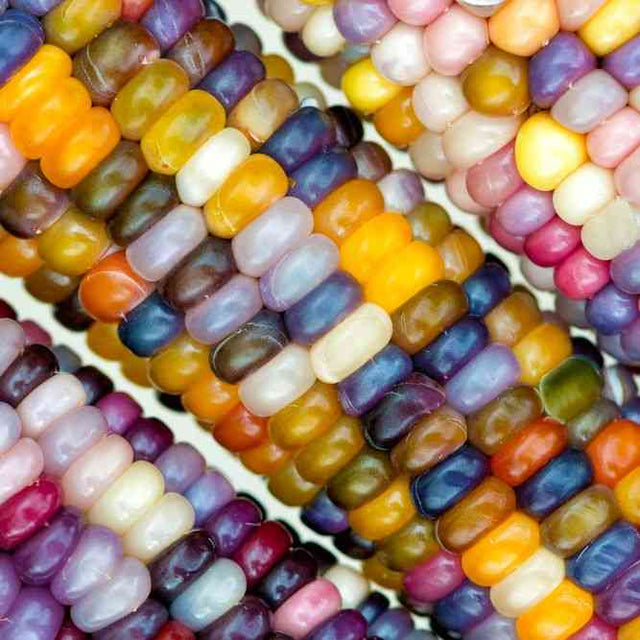
The heirloom that became a legend in living color. ‘Glass Gem’ flint corn produces radiant ears shimmering with translucent kernels in every hue imaginable—violet, rose, amber, turquoise, gold, and jade. Each ear is unique, a natural mosaic that catches the light like stained glass.
Plants grow 6–7 feet tall and bear 6–8 inch ears suitable for grinding into cornmeal or using decoratively. When popped, the kernels yield small, white puffs with a delicate crunch.
Developed by seed steward Carl Barnes in the late 20th century, ‘Glass Gem’ stands as a testament to Indigenous seedkeeping, cultural memory, and the breathtaking diversity of maize itself.
Your payment is processed securely via trusted gateways. We do not store credit card details and we do not have access to your card information.
Pickup available at Bertie County Seeds
Usually ready in 2-4 days
Hi, I love the corn. There are some striped maze coming out now. Its dark green and very healthy. I cant wait for the gems!
Hi Linda, we're so glad you love the corn! It sounds like your garden is thriving. Enjoy watching those gems grow, and thank you for sharing your experience!
NEVER BEFORE, had i had success with my ornamental corn. I live in a rural area worh mostly bougie neighbor's so they love it for decoration.... They are stoked with mine this year. This company needs to be on the NEWS dude. Everything is growing PERFECTLY and far more quickly than I expected 🩵
Location Selection: Choose a location with full sun for optimal growth. Corn thrives in well-lit areas.
Soil Preparation: Ensure the soil is well-drained and rich in organic matter. Corn prefers slightly acidic to neutral soil with a pH between 6.0 and 7.0.
Sowing Seeds:
Direct Sowing: Sow seeds directly outdoors in late spring after the danger of frost has passed. Plant seeds 1-2 inches deep and 8-12 inches apart in rows spaced 24-36 inches apart.
Germination: Seeds typically germinate within 7-14 days. Maintain consistent moisture levels in the soil during this period.
Care Instructions:
Watering: Water regularly to keep the soil evenly moist but not waterlogged. Corn requires consistent moisture for optimal growth.
Fertilizing: Apply compost or a balanced organic fertilizer every 4-6 weeks during the growing season to promote healthy growth and ear development.
Mulching: Apply a thin layer of organic mulch around the base of the plants to help retain moisture and suppress weeds.
Pests and Diseases: To manage pests such as corn earworms and aphids, use natural predators like ladybugs and lacewings or apply neem oil. For fungal diseases, ensure proper spacing for air circulation and remove any affected plant material.
Special Considerations:
Harvesting: Harvest ears when the kernels are fully mature and hard. Glass Gem Corn is known for its stunning, multicolored kernels and is often used for decorative purposes or ground into flour.
Once the seedlings are established, the main goal is to keep growth steady and uninterrupted. Corn does not like repeated setbacks from drought, nutrient stress, or weed competition, and Glass Gem especially benefits from even, vigorous growth because strong plants are much more likely to produce beautiful ears. Keep the soil consistently moist but never swampy. Deep watering is much better than frequent shallow watering, because it encourages stronger root development and helps the plants stay resilient during hot weather. The most important period for moisture is the stretch from rapid stalk growth through tasseling, silking, and early ear fill. If the plants dry out during that window, pollination may suffer and the ears may develop with missing kernels or a weaker final appearance.
This variety responds well to fertile soil with plenty of organic matter and balanced nutrition. Corn is a heavy feeder, so the bed should not be treated like a low-input planting. Rich soil helps the stalks gain height, hold their color, and support developing ears without stalling. If growth begins to look pale or weak, the planting may need additional nitrogen, but it is important not to overdo it. Excess nitrogen can produce lush top growth that looks impressive at first but can lead to softer stalks and more lodging in wind or storms. A balanced fertility program is better than forcing rapid leafy growth. The goal is sturdy plants with enough energy to support full maturity, not just tall plants with attractive leaves.
As the season moves forward, maintenance becomes all about reducing competition and supporting stable development. Keep the bed weed-free, especially while the plants are young, because weeds steal moisture and nutrients at the exact stage when corn is trying to establish strength. Shallow cultivation works well early on, but once the roots spread, care should be taken not to disturb them too aggressively. Mulch can help conserve moisture and suppress weeds after the soil has warmed properly. In areas with wind, hilling a bit of soil around the base of the stalks can improve anchorage and help prevent leaning. Glass Gem usually does not need staking or any formal support, but it does benefit from thoughtful management that keeps the planting upright and evenly growing.
Pollination is one of the most important parts of successfully growing Glass Gem corn, and it deserves close attention. Each kernel forms only if a silk receives pollen, so the quality of the final ears depends heavily on how well tasseling and silking line up under good conditions. That is why block planting is so important and why this variety should not be isolated in a decorative row. During the pollination period, steady moisture and low stress are essential. Hot, dry, windy weather can interfere with pollen shed and silk receptivity, which results in patchy ears or missing sections of kernels. When the plants are healthy and the stand is dense enough, pollination is much more reliable and the finished ears are fuller, more balanced, and more visually impressive.
As ears begin to develop, patience becomes part of good cultivation. Glass Gem should be allowed to mature fully on the stalk for the best color development, kernel hardness, and overall finish. The husks will gradually dry down, and the plants will shift from active summer growth into ripening. This late period is not the time to neglect the patch. Continued observation matters, because weather damage, animal pressure, or prolonged wet conditions can affect ear quality before harvest. Once the ears are picked, they should be cured in a dry, airy location so they finish hardening evenly and hold their beauty well. Growers who stay attentive through the full season are usually rewarded with striking, jewel-toned ears that reflect both the genetics of the variety and the care given throughout the growing cycle.
Glass Gem is best approached as a heritage corn that rewards consistency more than shortcuts. It does not need complicated handling, but it does need the fundamentals done well: full sun, fertile ground, enough plants for proper pollination, even water, and a full season to finish. When those needs are met, the plants grow with confidence and the ears mature into the vivid, multicolored harvest that makes this variety so memorable. Strong cultivation practices do more than increase yield with Glass Gem. They directly shape how complete, colorful, and beautiful the final ears will be.
It also helps to be patient at the very beginning. Corn may seem simple, but weak starts cause problems that often carry all the way to harvest. Wait until the soil is truly warm before sowing, because cold ground can slow sprouting, weaken seedlings, and create uneven stands that never quite catch up. If one part of the planting comes up much later than the rest, those late plants may tassel and silk at the wrong time, which can reduce pollination across the patch. A strong, even stand at the start usually leads to better pollination, better ear fill, and a more attractive final harvest.
Early weed control matters more than many growers expect. Young corn competes poorly when it is still establishing roots, so heavy weed pressure can quietly reduce plant size and vigor before the patch even looks stressed. Keep the bed clean during the early stages, but be careful not to cultivate too deeply once the plants are established, since corn roots can spread close to the surface. A warm-season mulch can help hold moisture, soften the impact of hot weather, and reduce the need for repeated cultivation. The goal is to keep the corn moving forward without interruption.
Watering is most important during rapid growth, tasseling, silking, and early ear fill. If the patch dries out badly during that period, the stalks may still look tall and healthy, but the ears can come in patchy, undersized, or disappointing. Deep watering is better than quick shallow watering, since it encourages stronger root development and more stable growth. In hot weather, check the patch often rather than assuming corn can fend for itself. Even a beautiful planting can lose much of its final quality if moisture becomes too uneven at the wrong stage.
Wind and storms can also affect success more than beginners realize. Because Glass Gem often grows tall, rich soil and fast summer growth can make the planting impressive but also more vulnerable to leaning if the weather turns rough. If your site is exposed, hilling a little soil around the base of the stalks can help anchor them. Try not to overfeed with nitrogen once the plants are already pushing upward, since overly lush growth can make them softer and more likely to lodge. A sturdy planting is usually better than one that grows excessively fast.
When the ears begin to mature, patience becomes just as important as it was at planting time. Leave the ears on the stalk long enough to finish properly so the kernels can harden and the color can develop fully. One reason Glass Gem is so admired is the depth and clarity of its mature kernel color, and that final finish depends on allowing the crop enough time to complete its cycle. Rushing harvest often leads to ears that look less finished, less glossy, or less richly colored than they could have been. Let the husks dry down as much as weather safely allows.
After harvest, curing makes a real difference. Place the ears somewhere dry and airy so they can continue drying evenly without trapping moisture. Good airflow helps preserve the kernels’ clean appearance and reduces the chance of mold, dullness, or spoilage. Handle the ears gently during this stage, since rough stacking or careless movement can scuff kernels or loosen them before they are fully dry. A careful curing period often separates an average ornamental harvest from one that looks truly polished and memorable.
For growers interested in seed saving, isolation is essential. Glass Gem can cross readily with other corn varieties if they release pollen at the same time, and that crossing affects the next generation. That means a beautiful current-year crop does not necessarily guarantee that saved seed will produce the same kind of ears if nearby corn was flowering at the same moment. Distance, timing, or both can help reduce this problem. It is also smart to save seed only from strong plants with well-filled, healthy ears that show the color and structure you want to preserve.
Another useful tip is to pay attention to the patch as a whole instead of judging the crop one ear at a time too early. Glass Gem is part of a living, variable tradition, so some ears will be more dramatic than others. One ear may carry deeper blues and purples, another may lean toward pinks and amber tones, and another may show a softer pearly blend. That variation is normal and part of the appeal. The goal is not uniformity in the way some commercial corn is bred for uniformity, but a healthy stand producing mature, well-filled ears with the luminous multicolored character the variety is known for.
It also helps to think about harvest timing in relation to weather. If prolonged rain is coming late in the season, or if animals are starting to notice the ears, waiting too long can cost quality. In those cases, it may be better to harvest slightly earlier and finish drying under cover than to risk damage in the field. On the other hand, if conditions are dry and stable, extra time on the stalk can improve finish and appearance. Reading the season well is one of those small skills that can make a big difference with a crop like this.
Glass Gem tends to reward steady growers more than hurried ones. The most beautiful plantings usually come from simple habits practiced consistently: warm planting conditions, enough plants for pollination, clean early cultivation, deep watering in dry spells, patience at maturity, and careful drying after harvest. None of these steps is especially complicated on its own, but together they shape the final quality of the crop. When given that kind of attention, Glass Gem produces the vivid, jewel-like ears that make it one of the most unforgettable corns a grower can raise.
Problem: poor germination or skipped stands.
Solution: Corn planted into cold, soggy ground often rots before it sprouts or emerges unevenly. Glass Gem needs warm, workable soil and should not be rushed into spring planting too early. If germination is spotty, check whether the soil stayed too cool, crusted over after rain, or dried out right after sowing. Replant missing spots once the soil is warmer, keep the seedbed evenly moist but not waterlogged, and avoid planting too deep in heavy ground. A loose, well-prepared bed with steady moisture produces the most even stand.
Problem: seedlings cut off or disappearing overnight.
Solution: Cutworms are a common cause when young corn plants are clipped at the soil line. The damage often appears suddenly, especially in weedy ground or beds that were recently turned from grass. Check near the base of damaged seedlings in the evening or early morning for curled gray or brown caterpillars just below the soil surface. Hand-pick where possible, clear weeds before planting, and protect young stems with simple collars if pressure is high. Replant damaged spots quickly so the block stays dense enough for good pollination.
Problem: ragged or shot-hole damage on young leaves.
Solution: Flea beetles and other chewing insects may feed on early foliage, especially when plants are growing slowly from cool weather stress. Light feeding usually looks worse than it is, but repeated damage can weaken young plants and delay growth. Keep plants growing steadily with proper fertility and moisture, since vigorous corn usually outgrows minor leaf feeding. Remove nearby weed hosts, encourage beneficial insects, and monitor whether damage is increasing or staying minor. Healthy early growth is the best defense.
Problem: earworms or insects feeding in the ear tips.
Solution: Corn earworms and similar pests often enter through the silk end and feed on the tip portion of the ear. You may notice frass, chewed kernels, or foul-looking damage under the husk. Harvesting promptly once ears mature helps reduce losses, especially if dry-down is happening in warm weather. Good garden cleanup after harvest reduces future pest carryover. In small plantings, badly damaged ears should be removed instead of left standing, since they can attract more pests and decay organisms.
Problem: birds, squirrels, or raccoons damaging ripening ears.
Solution: Wildlife pressure can be serious with ornamental and flint corn because the ears remain attractive and exposed late into the season. Torn husks, half-eaten ears, and bent stalks are common warning signs. Harvest as soon as ears are mature enough for your intended use rather than leaving them in the garden too long. In smaller plantings, physical barriers, row protection, or close timing of harvest can save much of the crop. Keeping the patch clean and avoiding overripe ears in the field also helps.
Problem: poor pollination and patchy ears with missing kernels.
Solution: This is one of the biggest disappointments in corn and one of the most important issues for Glass Gem. Missing kernels usually happen when corn is planted in a single long row, in too small a patch, or when heat and drought stress hit during tasseling and silking. Corn is wind-pollinated, so it needs to be planted in blocks rather than isolated rows to get full kernel set. If silks emerge when pollen is scarce or weather is too hot and dry, ears may fill unevenly. Plant in square or block formation, maintain even moisture during tasseling, and avoid letting weeds compete during this critical stage.
Problem: leaves yellowing, weak growth, or undersized stalks.
Solution: Nitrogen deficiency is a frequent cause of pale, slow-growing corn, especially in sandy or heavily leached soils. Corn is a hungry crop, and Glass Gem needs enough fertility to build tall stalks and strong ears. If lower leaves begin yellowing early and growth seems stalled, side-dressing with an appropriate nitrogen source may help. However, too much nitrogen without balanced minerals can cause overly lush plants that are softer and more likely to lodge. Build fertility before planting, then feed steadily rather than all at once.
Problem: lodging or plants falling over in wind and storms.
Solution: Tall corn can lodge when roots are shallow, the soil is too wet, nitrogen is excessive, or summer storms hit before stalks fully strengthen. Once stalks lean badly, ear quality and pollination can suffer. Hilling soil lightly around the base of plants can help support them early, and balanced fertility supports sturdier stalk formation. Avoid overwatering and avoid pushing rank growth with excessive nitrogen. Planting in blocks also gives the stand better collective wind resistance than thin rows.
Problem: rust, blights, or fungal spotting on leaves.
Solution: In humid weather, corn can develop fungal leaf diseases that begin as orange pustules, tan lesions, or elongated dead patches. These diseases reduce the plant’s ability to feed the ears, especially if they strike early or spread heavily through crowded plantings. Good airflow, crop rotation, and avoiding repeated corn plantings in the same space are the first lines of defense. Water at the base when possible, remove badly infected debris after harvest, and avoid overhead irrigation late in the day. Healthy spacing and sanitation matter more than rescue treatments in most home gardens.
Problem: corn smut or swollen gray fungal galls.
Solution: Smut appears as enlarged, distorted growths on ears, stalks, or tassels that later turn dark and powdery. It often enters through plant wounds or stress points and can be more common after hail, rough handling, or uneven growth conditions. Remove affected tissue before it ruptures if you want to limit spread in a small garden. Do not leave infected material in the bed at season’s end. Reduce stress, avoid unnecessary injury to plants, and rotate away from corn if smut becomes a repeat issue.
Problem: drought stress during active growth.
Solution: Rolled leaves, slow ear development, short plants, and poor kernel fill often point to water stress. Glass Gem can survive dry spells better than some sweeter corns, but it still needs steady moisture to form full, beautiful ears. The most important watering period is from rapid growth through tasseling and ear fill. Water deeply rather than shallowly, mulch once the soil has warmed, and do not let plants repeatedly wilt. Irregular watering often leads to smaller, less impressive ears.
Problem: weeds reducing growth and yield.
Solution: Corn competes poorly when young, and heavy weed pressure can steal moisture, nutrients, and sunlight during the stage when stalks are establishing height. This can lead to weak plants, delayed pollination, and lower ear quality later on. Keep the bed clean during the first half of the season with shallow cultivation and mulch where practical. Do not cultivate too deeply near established plants, since corn roots can be damaged close to the soil surface. Strong early weed control often determines the success of the patch.
Problem: poor color development or disappointing ears at harvest.
Solution: Glass Gem’s famous jewel-toned kernels are genetic, but ear quality still depends on full maturity, good pollination, and healthy drying conditions. Immature ears may look dull or incomplete, and poorly pollinated ears will not show the dense, polished appearance growers expect. Let ears mature fully on the stalk when possible, then cure them in a dry, airy place. Harvesting too soon, leaving ears exposed to repeated rain late in the season, or growing under severe stress can all reduce final display quality.
Problem: unwanted crossing with nearby corn.
Solution: Glass Gem can cross with other corn varieties if they shed pollen at the same time, and that matters if you plan to save seed. Cross-pollination may not ruin the current eating or display crop, but it can affect the next generation’s traits, ear appearance, and consistency. Separate varieties by distance or stagger planting dates so tasseling does not overlap. If seed saving is a goal, isolation is one of the most important management steps for maintaining the character of the variety.
The most reliable way to avoid major problems with Glass Gem corn is to think preventively from the start: plant into warm soil, use fertile ground, keep the patch weed-free early, grow in blocks for pollination, water deeply during tasseling and ear fill, and harvest at the right stage for drying or use. Walk the planting often and respond early to changes in leaf color, insect feeding, or uneven ear formation. This variety rewards close observation and steady care with healthier stalks, fuller ears, and the vivid multicolored kernels that make Glass Gem so memorable.
A: Glass Gem stands out for its luminous, jewel-like kernels in a wide range of colors, including blues, pinks, purples, reds, golds, and pearly whites. What makes it especially remarkable is that the color variation often appears both within the same planting and on the same ear, giving each harvest a one-of-a-kind look. It is prized not just for beauty, but also for its deep connection to Indigenous corn traditions and seed stewardship. For many growers, Glass Gem offers a rare combination of visual impact, cultural meaning, and garden performance.
Q: Is Glass Gem corn mainly ornamental, or is it grown like a real field crop?
A: Glass Gem should be treated as a true corn crop, not just as a novelty planting. It needs the same attention to warm soil, spacing, fertility, pollination, and weed control that any productive corn patch would need. Growers who treat it like a decorative accent plant often end up disappointed by poor kernel fill or weak stalks. When grown properly in a solid block with enough room and care, it performs like a serious heritage corn while also delivering extraordinary beauty.
Q: How long does Glass Gem corn take to mature?
A: Glass Gem usually needs a full growing season and does best where summer warmth is dependable. It is not the kind of corn to rush, and the ears need time to develop full color and mature properly on the stalk. In cooler climates or shorter seasons, even a healthy planting may need very prompt sowing once the soil has warmed in order to finish well before fall weather turns wet or cold. Patience is part of growing this variety successfully, because the best ears are the result of complete maturity rather than early harvest.
Q: Does Glass Gem corn need to be planted in blocks instead of rows?
A: Yes, block planting is one of the most important keys to success with this variety. Corn is wind-pollinated, which means pollen must fall from the tassels onto the silks of nearby plants to form full ears. If you grow Glass Gem in only one long row or in too small a patch, pollination is often uneven and the ears may develop with missing kernels or poor fill. Planting in short, wide blocks gives much better results and helps produce the dense, colorful ears this variety is known for.
Q: Why do some ears come out more colorful than others?
A: Variation is normal and is part of what makes Glass Gem so special. Even when grown from the same seed lot, ears can differ in color intensity, pattern, translucence, and the combination of shades they display. Growing conditions also affect overall ear quality, since strong pollination, healthy plant growth, and full maturity all help the kernels develop their best appearance. Some ears may look especially bright and glassy, while others may lean more heavily toward a few dominant colors, and that diversity is part of the charm.
Q: Is Glass Gem corn beginner-friendly?
A: It can be very rewarding for beginners, but it is best for growers willing to follow the fundamentals of corn culture closely. The main beginner mistakes are planting too early into cold soil, sowing too few plants for pollination, or underestimating how much space corn really needs. A first-time grower who gives it warmth, room, good fertility, and even moisture can absolutely succeed with it. In that sense, it is beginner-friendly for someone ready to grow it properly rather than casually.
Q: Can I grow Glass Gem corn in a small garden?
A: You can grow it in a small garden only if you still have room to plant a meaningful block rather than a token row. Corn needs enough neighboring plants for pollination, so squeezing a handful of stalks into a border bed is rarely worth it. Even in limited space, a compact square planting is usually better than spreading plants thinly along an edge. If your garden is very small, it may still be possible, but success depends on prioritizing pollination and spacing over ornamental placement.
Q: Is Glass Gem corn suitable for containers or raised beds?
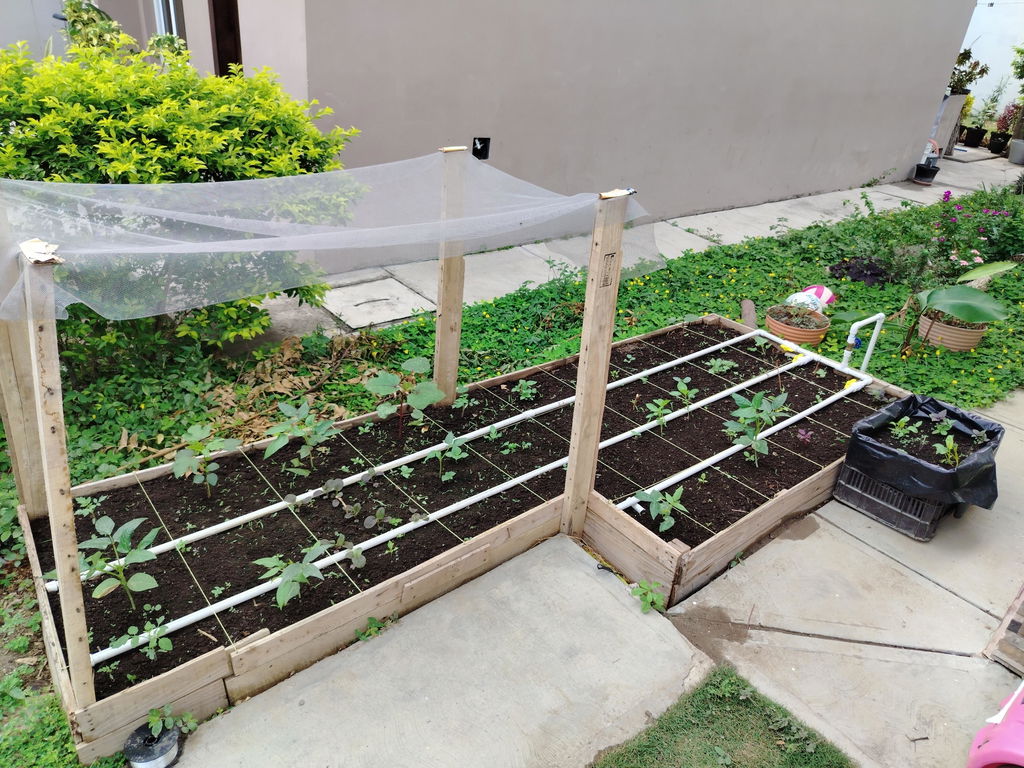
A: Raised beds can work well as long as the bed is large enough to support a grouped planting and the soil remains fertile and evenly moist. Containers are much less ideal because corn is tall, root-hungry, and vulnerable to drying out quickly in hot weather. A single container or a few scattered pots will not provide the density needed for reliable pollination. If you want strong stalks and full ears, a roomy raised bed is far better than container culture.
Q: How tall does Glass Gem corn get, and does it need support?
A: Glass Gem often grows into tall, striking stalks that make a real visual statement in the garden. It usually stands on its own when grown in fertile soil with balanced nutrition and consistent moisture, so formal support is not normally needed. However, stalks can lean or lodge if they are stressed by drought, pushed too hard with excess nitrogen, or exposed to strong winds before the roots anchor well. In windy places, hilling soil lightly around the base of the plants can improve stability.
Q: Why are my ears missing kernels or filling unevenly?
A: This is almost always a pollination issue rather than a problem with the seed itself. Each kernel forms only when a silk receives pollen, so if heat, drought, sparse planting, or bad timing interferes, the ear may come out patchy or incomplete. Poor block design is one of the biggest causes, especially when growers plant just one narrow row. Steady moisture during tasseling and silking, along with a dense planting block, gives the best chance for full, well-filled ears.
Q: Can weather affect the final beauty of the ears?
A: Yes, very much. Although the genetics create the color potential, environmental conditions influence how well the ears mature and how impressive they look by harvest time. Drought, nutrient stress, storm damage, poor pollination, and late-season excess moisture can all reduce ear fullness or overall finish. To get the most beautiful results, the crop needs a stable growing season with strong plant health from emergence through final maturity.
Q: Will Glass Gem corn cross with other corn nearby?
A: Yes, and this is one of the most important things to understand if seed saving is part of your plan. Corn cross-pollinates very easily with other corn varieties that shed pollen at the same time, including sweet corn, flour corn, popcorn, dent corn, and ornamental corn. That crossing may not change the current season’s ears, but it can change the traits expressed in seed grown out the following year. Isolation by distance or by carefully staggered planting dates is essential for maintaining variety character.
Q: Is Glass Gem corn a good choice for seed saving?
A: Yes, many growers choose it specifically because it is memorable, historically meaningful, and worth preserving. It can be an especially satisfying seed-saving variety because individual ears are so distinctive and visually expressive. That said, proper isolation matters, and selecting seed from strong, healthy plants with well-filled ears helps maintain quality over time. Seed saving with Glass Gem is most successful when growers approach it as stewardship rather than simply storage.
Q: Why do some plants look strong but still produce disappointing ears?
A: Healthy-looking stalks alone do not guarantee exceptional ears. Corn can grow tall and green while still struggling with poor pollination, unbalanced fertility, or moisture stress at the critical stage when silks emerge. A beautiful stand of leaves may hide the fact that the ears were stressed during kernel set. The most impressive harvests come from plantings that stay healthy not just early in the season, but especially during tasseling, silking, and ear fill.
Q: What kind of grower is Glass Gem corn best suited for?
A: It is especially well suited to growers who enjoy heritage crops, visually distinctive harvests, and varieties with deeper cultural and seed-saving significance. It rewards gardeners who are willing to pay attention to spacing, pollination, and timing rather than treating corn as an afterthought. It is also a strong fit for people who value beauty in the garden without wanting to sacrifice the seriousness of the crop itself. Glass Gem is not just eye-catching; it is a variety that invites care, curiosity, and long-term appreciation.
Corn Seeds - Flint - Glass Gem Corn
-
Bertie County Seeds
Pickup available, Usually ready in 2-4 days
124 South Main Street
+18337607333
Colerain NC 27924
United States


The line now known as Glass Gem came together through the preservation and repeated selection of older multicolored corn. Its remarkable range of clear, luminous kernel colors did not appear all at once. It was shaped gradually by choosing from vividly colored ears generation after generation, keeping the most striking and stable traits while still preserving diversity. That is part of why Glass Gem can feel so alive as a variety: it carries both recognizable beauty and real variation, with each ear showing its own mix of color, pattern, and depth.
Carl Barnes played an important role in stewarding and refining the material that later became widely known as Glass Gem. However, he should not be described as Cherokee. That claim has been repeated widely, but it is not supported well enough to state as fact. It is more accurate to describe him as an Oklahoma corn breeder and seed steward who worked carefully with older multicolored corn lines. That distinction matters because the public story around Glass Gem has often been simplified in ways that blur the actual record.
The same kind of caution applies to the award often mentioned alongside his name. The “Cherokee Medal of Honor” associated with Barnes does not appear to have been an official award from the Cherokee Nation government, and it should not be used as proof of Cherokee identity. As Glass Gem became more famous, especially through photographs shared online, parts of its backstory were retold so often that repetition started to stand in for documentation. The seed’s history is already meaningful without adding claims that are shaky, overstated, or misleading.
What makes Glass Gem important is not just its appearance, but what it represents. Its jewel-toned ears reflect a much longer tradition of saving, selecting, and carrying forward seed with care. The variety became widely admired because it is visually unforgettable, but its deeper value lies in continuity. Glass Gem reminds growers that the most extraordinary seeds usually come from long histories of observation, patience, and stewardship, not from novelty alone.
1. Selecting Plants for Seed Saving:
Choose healthy plants with vigorous growth and desirable ear traits.
Avoid plants showing signs of disease or poor growth.
2. Harvesting Seeds:
Timing: Allow the ears to mature and dry on the plant.
Collection: Harvest the dry ears on a dry day.
3. Drying Seeds:
Place the ears in a well-ventilated, dry area. Allow them to dry completely for one to two weeks.
4. Cleaning Seeds:
Separation: Shell the corn kernels from the ears.
Inspection: Ensure seeds are clean and free from mold or pests.
5. Storing Seeds:
Containers: Store seeds in labeled paper envelopes or airtight containers.
Storage Conditions: Keep in a cool, dry, and dark place.
Viability: Use seeds within two to three years for best results.
6. Testing Seed Viability:
Test by placing seeds on a damp paper towel in a plastic bag in a warm place and check for germination.
Tips for Successful Seed Saving:
Isolation: Maintain a distance of at least 800 feet from other corn varieties to prevent cross-pollination.
Pollinators: Wind pollinated, so isolation distance is crucial.
Record Keeping: Keep detailed records of the process.
Beyond display, Glass Gem can also be used as a practical flint corn. It is not the kind of corn most people grow for tender fresh eating like sweet corn, but it has real value once the kernels mature and dry fully. The hardened kernels can be ground into cornmeal or flour for baking, mush, grits-style preparations, tortillas, or other traditional corn-based foods, depending on how the grower prefers to process and use dried corn. Some people also use it for parching or for coarse meal with a richer, heartier texture than standard grocery-store corn products. For home growers interested in traditional foodways, this makes Glass Gem more than a showpiece. It can be part of a useful pantry crop if dried, stored, and processed properly.
Another important use of Glass Gem is in seed saving and seed education. Because the ears show so much variation in color, pattern, and translucence, this variety encourages close observation in a way that many crops do not. It is especially valuable for growers who want to learn more about open-pollinated seed, selection, isolation, and the long-term process of maintaining a living variety. A person can save seed from the healthiest, best-filled, most beautiful ears and gradually shape the planting over time according to the traits they most want to preserve. In that way, Glass Gem helps growers move from simply buying seed into actively stewarding it.
Glass Gem is also highly useful as an educational crop. Its appearance draws people in immediately, which makes it ideal for school gardens, teaching farms, community plots, youth programs, and cultural demonstrations. It creates a natural opening for talking about maize domestication, pollination, seed diversity, regional adaptation, Indigenous agriculture, and the difference between modern commercial corn and older open-pollinated corns. Because the ears are so memorable, people tend to remember the lessons attached to them. A planting of Glass Gem can therefore serve as both a crop and a teaching tool, especially for groups trying to make seed history visible and engaging.
In the kitchen, Glass Gem can be appreciated in several ways once fully mature and dried. The kernels may be ground fine or coarse depending on the intended use, and some growers enjoy blending ears with different color balances simply for the beauty of the meal itself. The resulting meal can be used for cornbread, porridges, dumplings, polenta-style dishes, or other rustic preparations that benefit from the depth and character of whole dried corn. It is also a rewarding crop for people who enjoy processing ingredients from scratch, because it brings a visible connection between the field, the drying rack, the mill, and the finished food. Even before it becomes a meal, the ears themselves often inspire curiosity and appreciation in a way packaged grain never could.
For growers interested in home décor or craft work, Glass Gem has unusual value. Fully dried ears can be displayed whole, hung in bundles, incorporated into seasonal arrangements, or used in harvest-themed decoration without losing their agricultural character. Unlike many ornamental crops that are decorative but not especially meaningful, Glass Gem carries both visual drama and a real history of seed stewardship. That makes it useful for people who want natural decoration that still reflects growing skill, seed knowledge, and a connection to the garden. A basket of cured Glass Gem ears can function as display, stored crop, and future seed source all at once.
Another benefit of this variety is the way it changes how people think about corn. Many gardeners are used to seeing corn mainly as a summer vegetable or large-scale field crop, but Glass Gem shows the depth of possibility within maize. It highlights the extraordinary diversity that can exist within a single planting and reminds growers that corn can be selected for beauty as well as vigor, adaptation, and usefulness. This often makes Glass Gem especially meaningful to seed savers, heritage growers, and people interested in preserving culturally important crops. It invites a slower, more observant relationship with growing and harvesting.
Glass Gem also provides strong garden value while it is still in the ground. The tall upright stalks create height, rhythm, and movement in the landscape, helping define the garden visually through the heat of summer. A healthy block planting can serve as a backdrop to lower crops, a seasonal screen, or a dramatic focal point. This makes it useful not only for production gardens, but also for educational gardens, demonstration beds, and spaces where visual impact matters. It offers beauty at multiple stages: in growth, in maturity, in harvest, and in storage.
For community growers and market gardeners, Glass Gem can also be a conversation-starting crop that attracts attention in ways standard corn varieties usually do not. Even people who are not deeply familiar with seed saving or corn diversity tend to stop and ask about it. That makes it useful for engagement, storytelling, and drawing people toward broader conversations about heritage seed, regional growing traditions, and the importance of maintaining open-pollinated varieties. It has the rare ability to function as both crop and bridge, connecting visual appeal with deeper agricultural meaning.
Perhaps the greatest benefit of Glass Gem is that it brings several forms of value together in one planting. It can be admired in the garden, harvested for display, processed for dry use, saved for seed, studied as a teaching crop, and appreciated as part of a larger history of maize stewardship. It rewards patience, curiosity, and careful observation. For growers who want more than a standard seasonal crop, Glass Gem offers beauty, usefulness, and lasting meaning in equal measure.
Shipped from U.S.A.
Our seeds are grown and sourced from the US. They're then packed and shipped from Colerain NC.
Triple tested
We regularly test the quality and germination rate of our seeds. We're so confident that our seeds are backed by a 1 year warranty!
Payment & Security
Payment methods
Your payment information is processed securely. We do not store credit card details nor have access to your credit card information.
Complete the garden
Turn one packet into a full plan.
Help shoppers add companion seeds, garden supplies, and related goals before they leave the product page.
Join Our Newsletter for Exclusive Savings!
Sign up for our newsletter to get a 30% discount code sent straight to your inbox. If it doesn’t appear right away, please check your inbox settings, and if you still need help, we’re here to assist!