Kale Seeds - Red Russian Kale
Beautiful frilled kale with purple stems and sweet, tender leaves for salads and sautés.
- Non-GMO Safe Seed Pledge
- Seed packets printed on forestry-certified paper (FSC, SFI, Rainforest Alliance)
- Curbside-recyclable mailers; SFI-certified kraft paper
- 1% for the Planet partner — supports environmental nonprofits
- Compact, energy-efficient facility with lean, low-waste operations
- Seeds: When properly stored, planted, and cared for, we guarantee reasonable germination and true-to-type growth for one year from purchase.
- Non-seed products: Free from defects in materials and workmanship for 30 days from shipment.
Excludes factors outside our control (extreme weather, pests, gardener error). If something’s off, contact us—we’ll make it right with a replacement, repair, or refund.
We do not sell seeds that are GMO or BE.
USDA “bioengineered (BE)” foods are those with detectable genetic material that was modified using in vitro recombinant DNA (rDNA) techniques, in ways not obtainable through conventional breeding or found in nature. The USDA’s National Bioengineered Food Disclosure Standard uses “bioengineered” as the nationwide labeling term.
- Detectable modified genetic material in the final food
- Created via in vitro rDNA techniques (e.g., gene transfer)
- Modifications not achievable through conventional breeding or nature
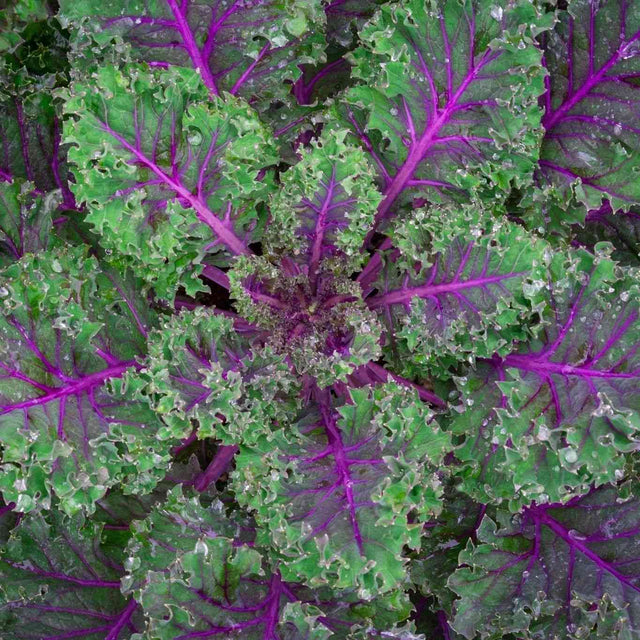
The heirloom that bridges flavor and cold hardiness. ‘Red Russian’ kale bears flat, oakleaf-shaped leaves in blue-green with striking purple veins and stems. The flavor is sweet and tender, especially after frost, and the young leaves are superb for salads or baby greens.
Plants reach 18–24 inches tall and produce continuously through the season. Excellent for overwintering and spring regrowth.
An 18th-century Russian heirloom brought to North America by traders, this variety remains beloved for its beauty and reliability—colorful, resilient, and richly flavored.
Your payment is processed securely via trusted gateways. We do not store credit card details and we do not have access to your card information.
Pickup available at Bertie County Seeds
Usually ready in 2-4 days
Location Selection: Choose a location with full sun to partial shade for optimal growth.
Soil Preparation: Ensure the soil is well-drained and rich in organic matter. Kale prefers slightly acidic to neutral soil with a pH between 6.0 and 7.0.
Sowing Seeds:
Direct Sowing: Sow seeds directly outdoors in early spring or late summer for a fall crop. Plant seeds 1/4 inch deep and 12 inches apart in rows spaced 18 inches apart.
Indoor Starting: For an earlier start, sow seeds indoors 4-6 weeks before the last frost date. Use seed-starting trays filled with a seed-starting mix. Lightly press the seeds into the surface and keep the soil moist.
Germination: Seeds typically germinate within 5-10 days. Maintain consistent moisture levels in the soil during this period.
Transplanting: If starting indoors, transplant seedlings outdoors after the danger of frost has passed. Space seedlings 12-18 inches apart to allow for adequate air circulation and growth.
Care Instructions:
Watering: Water regularly to keep the soil evenly moist but not waterlogged. Kale requires consistent moisture for optimal growth.
Fertilizing: Apply compost or a balanced organic fertilizer every 4-6 weeks during the growing season to promote healthy growth and continuous leaf production.
Mulching: Apply a thin layer of mulch around the base of the plants to help retain moisture and suppress weeds.
Special Considerations:
Harvesting: Harvest leaves as needed for culinary use. Red Russian Kale leaves are known for their tender texture and slightly sweet flavor, making them a popular choice for salads and cooked dishes.
Once seedlings are established, Red Russian kale benefits from soil that stays evenly moist and biologically active. Compost-rich ground usually gives the best results because it supports both fast leaf expansion and tender texture. If plants are grown in soil that is too poor, too dry, or compacted, they often produce smaller leaves with stronger flavor and slower recovery after cutting. Mulch is especially useful around this variety because it moderates soil temperature, reduces water loss, suppresses weed competition, and helps keep lower leaves cleaner. Consistent moisture matters more than heavy watering all at once. A deep, steady watering pattern encourages stronger rooting and better leaf production than shallow, frequent sprinkling.
Nutrient management is also important because kale is a leafy crop that removes a lot of fertility over time. A strong planting usually begins with rich soil amended before planting, but long harvest windows often require additional feeding later. If leaf color becomes pale, growth slows, or regrowth after harvest weakens, a light side-dressing of compost or a balanced organic fertilizer can help restore vigor. It is better to support steady, moderate fertility than to overfeed suddenly, since overly lush growth can become more attractive to pests and less resilient in changing weather. Healthy Red Russian kale should look upright, broad-leaved, and vigorous, with regular new growth coming from the center.
Spacing plays a major role in overall crop health. Although young plants may look small at first, they need enough room for leaves to expand and for air to move freely between plants. Good airflow lowers the risk of disease, helps foliage dry after rain or dew, and makes it easier to inspect plants for damage. Crowded kale tends to trap humidity, develop more leaf blemishes, and become harder to harvest cleanly. Proper spacing also improves light distribution across the planting, which supports more even leaf size and stronger coloration. If plants become overly crowded, thinning or harvesting some whole plants early can improve the performance of the rest of the bed.
Day-to-day maintenance is straightforward but important. Keep weeds down so the plants do not have to compete for moisture and nutrients, and remove old or badly damaged outer leaves before they become a drag on the plant. Check the undersides of leaves regularly for caterpillars, aphids, and eggs, since early action is far easier than trying to rescue heavily infested plants later. Because Red Russian kale is often harvested repeatedly, cosmetic leaf quality matters, so routine monitoring should be part of normal care. This variety does not need staking, caging, or trellising, but it does respond very well to consistent attention, especially when weather shifts quickly.
Harvest strategy has a direct effect on both yield and eating quality. The best approach is to harvest outer leaves first once they are well developed, while leaving the center growing point intact so the plant can continue sending up new foliage. Frequent, moderate harvests are better than stripping the plant heavily all at once. Smaller leaves are ideal for fresh salad use, bunching, and tender market harvest, while larger leaves are excellent for sautéing, soups, braises, and mixed cooked greens. Regular picking keeps the plant productive and helps maintain a younger, sweeter leaf stage. If leaves are left too long in warm weather, they may become tougher and more assertive in flavor, so timing matters.
Seasonal management is one of the biggest keys to getting the best from Red Russian kale. Cool nights improve quality noticeably, and light frost often enhances sweetness and tenderness rather than harming the crop. In many regions, this variety reaches its finest flavor in fall and early winter when growth slows slightly but quality rises. In mild climates, row cover or low tunnels can extend harvest well into winter and protect leaves from weather damage while still allowing continued picking. In hotter climates, growers often get the best results by avoiding peak summer production and focusing instead on cooler windows when the plant can remain vegetative longer.
Red Russian kale is especially rewarding because it combines beauty, reliability, and repeat harvest potential in one plant. Its purple stems and lobed blue-green leaves make it stand out visually, but its real strength is the way it keeps producing when grown under the right conditions. With fertile soil, even watering, mulch, good spacing, light feeding when needed, and disciplined harvest from the outside in, a single planting can provide a long run of attractive, high-quality greens. For home gardeners and market growers alike, it is one of the best kales for sustained cool-season production and cut-and-come-again performance.
For the highest quality, schedule Red Russian kale so its main growth happens in cool weather. This variety is good in a wide range of conditions, but it truly shines in fall, winter, and early spring gardens where leaves develop slowly, stay tender, and often become sweeter after cold nights. Many experienced growers intentionally aim for harvest after a few light frosts because the flavor becomes richer and less sharp. In warmer weather, quality can drop faster than beginners expect. Leaves may become stronger tasting, plants may stretch or bolt, and repeated harvests may become less lush. In those conditions, the solution is to harvest smaller leaves more often, keep the root zone mulched, and never let the planting swing too far between dry and wet.
Steady moisture is one of the simplest ways to improve both yield and eating quality. Red Russian kale does not like prolonged drought, especially when being harvested repeatedly. Dry spells can make the leaves thinner, tougher, or more pungent, and uneven watering often reduces regrowth after cutting. A thick organic mulch helps hold moisture, reduces mud splash, suppresses weeds, and keeps lower leaves cleaner for harvest. Deep watering is better than shallow splashing because it supports better root development and more resilient plants. If the leaves begin to look dull, pale, or slower to regrow, a light side-dressing of compost can often bring the planting back into stronger production.
Another helpful tip is to think in stages rather than trying to get the entire bed to maturity at once. Red Russian kale is an excellent crop for succession sowing, especially during the cool part of the year. A new sowing every few weeks can provide a more continuous supply of tender greens and reduce the problem of having too many oversized leaves at one time. This approach also spreads out risk. If one planting gets hit by flea beetles, aphids, sudden heat, or storm damage, another planting may still be coming into prime condition. For home growers, even two or three sowings in the same season can make a big difference in overall quality and consistency.
Post-harvest handling matters more than many gardeners realize. The leaves hold best when picked in the cool of the morning, after plants are fully hydrated but before the day heats up. Harvested leaves should be moved into shade quickly and kept cool so they do not wilt. If washing is needed, do it gently and dry the leaves thoroughly before refrigerating, because trapped surface moisture can shorten storage life and encourage decay. Smaller leaves are especially delicate and should be used sooner, while larger mature leaves usually store a bit longer if kept cool and loosely packed. Avoid compressing wet leaves into a tight container, since that often bruises the foliage and leads to spoilage.
Red Russian kale is also especially valuable because it is useful at several stages in the kitchen. Baby leaves are excellent in salad mixes, medium leaves work well for bunching and fresh use, and larger leaves are ideal for sautéing, soups, stews, braises, and mixed cooked greens. The stems can also be used when chopped finely, particularly in slow-cooked dishes. If the leaves become slightly more mature than planned, they do not have to be wasted. They can still be excellent when cooked, especially if harvested before hot weather makes them fibrous. This flexibility is one reason the variety remains so popular in both home gardens and market production.
For growers interested in seed stewardship, it is worth remembering that Red Russian kale is an open-pollinated variety, which adds long-term value beyond a single harvest season. However, kale can cross with compatible brassicas when plants are allowed to flower, so isolation is important if true seed saving is the goal. Even for growers not saving seed, keeping the variety healthy and vigorous through the season helps preserve the qualities that make it special: attractive purple stems, finely cut leaves, tenderness, and strong cool-weather performance. The biggest beginner mistakes are usually waiting too long to harvest, letting plants get stressed in heat, and overlooking early insect damage. With timely picking, steady moisture, clean beds, and cool-season scheduling, Red Russian kale becomes one of the most dependable and rewarding leafy greens in the garden.
Flea beetles are often the first visible insect problem, especially in spring and early fall. They leave many tiny round holes that make leaves look peppered or shot through, and severe feeding can stall seedlings. Cabbage worms and loopers chew irregular holes, leave dark frass on leaves, and often hide along veins or on leaf undersides. Aphids gather in clusters on tender new growth and stems, causing curling, sticky residue, and reduced vigor. Slugs rasp broad shallow damage into leaves and are most active in damp mulch, heavy shade, or wet weather. Harlequin bugs may also appear in warm regions, causing pale stippling, wilting patches, and weakened plants. The best solutions are row cover before pests arrive, hand-picking caterpillars, removing egg clusters from leaf undersides, using a strong water spray for aphids, trapping or hand-collecting slugs in the evening, and keeping the planting area free of old brassica debris where pests shelter.
Disease problems usually become worse when kale is crowded, watered overhead late in the day, or grown repeatedly in the same ground. Downy mildew can show as yellow patches on upper leaf surfaces with grayish growth underneath in cool damp conditions. Black rot is more serious and may appear as yellow V-shaped lesions moving inward from the leaf edge, often followed by darkened veins and plant decline. Alternaria leaf spot and other fungal leaf issues can create dark circular spotting that lowers leaf quality. These diseases spread more easily on wet foliage and in beds with poor airflow. The main solutions are crop rotation, spacing plants generously, watering at the soil line rather than on the leaves, harvesting damaged foliage promptly, and removing diseased crop residue instead of composting it nearby if infection is severe.
Environmental and cultural problems can also reduce quality even when insects and disease are limited. In hot weather, Red Russian kale may become tougher, stronger in flavor, or bolt earlier than expected. Drought stress causes slow growth, bitterness, and thin, undersized leaves, while uneven watering can lead to weak regrowth after harvest. Overly rich nitrogen without balanced growth can create lush but pest-prone foliage, while nutrient deficiency may show up as pale leaves and reduced vigor. Compacted soil, poor drainage, and shallow rooting all limit steady growth. The solution is to grow this variety mainly in cool-season windows, keep moisture even with mulch and deep watering, enrich the soil with compost before planting, and side-dress lightly if leaves lose color or production slows.
Spacing and harvest habits strongly affect plant health. When Red Russian kale is planted too close together, humidity stays trapped in the canopy, leaves dry slowly, and pest scouting becomes harder. Repeatedly stripping too many leaves at once can also weaken regrowth, especially during weather stress. Damaged, yellowing, or insect-heavy leaves left on the plant may invite further problems. The best solution is to thin plants properly, harvest outer leaves first, leave the central growing point intact, and remove declining foliage before it becomes a disease reservoir. Clean tools and clean hands also help reduce the chance of spreading pathogens through a planting.
Post-harvest mistakes can shorten shelf life and make healthy leaves seem lower quality than they really are. Leaves harvested during the hottest part of the day wilt faster and store poorly. Wet leaves packed tightly can develop rot in storage, while overmature leaves may seem fibrous even if the plants were otherwise well grown. Harvesting in the cool morning, keeping leaves shaded, rinsing only when needed, and drying them well before refrigeration are the simplest solutions. For the strongest long-term prevention, rotate brassicas, keep the bed clean, use mulch wisely without creating slug habitat, encourage beneficial insects, and inspect plants often. With steady moisture, good airflow, and early pest control, Red Russian kale usually recovers well and continues producing attractive, tender leaves over a long harvest season.
A: Red Russian kale stands out for its flat, deeply lobed leaves, bright purple stems, and notably tender texture. Compared with many curly kales, it is often milder, sweeter, and quicker to become pleasant for fresh eating. Its appearance is also part of its appeal, since the blue-green foliage and reddish-purple veins make it attractive in both market gardens and home beds. Many growers choose it because it offers the flavor and visual beauty of a specialty kale without being difficult to grow.
Q: Is Red Russian kale really a Russian kale, and where did it come from?
A: Red Russian kale belongs to a group of kale types associated with northern and eastern European cultivation and later seed circulation through Europe and North America. The “Russian” name reflects that seed of this type was historically linked with Russian trade and introduction routes rather than meaning it is only grown there. Over time, it became widely valued by gardeners for cold tolerance, rapid growth, and reliable leaf production. Today it is considered one of the classic heirloom kales for cool-season growing.
Q: Is Red Russian kale a good choice for beginner gardeners?
A: Yes, Red Russian kale is one of the better kales for beginners because it germinates readily, grows quickly, and is forgiving in cool-season conditions. It does not require elaborate support systems, and even if early leaves are nibbled by insects, established plants often recover well. New gardeners also appreciate that it can be harvested at multiple stages, from baby leaf size to full bunching leaves. Its resilience makes it easier to learn spacing, watering, and harvest timing without losing the whole planting.
Q: When should I grow Red Russian kale for the best results?
A: This variety performs best in cool weather, so it is especially well suited for fall, winter, and early spring production in many regions. In cooler climates, it can also be grown through much of the main growing season, though peak tenderness often comes when temperatures stay moderate. In hot weather, leaves may become stronger in flavor and plants may bolt more quickly. For the best texture and sweetness, most growers time major plantings so mature growth happens after nights begin cooling down.
Q: How long does Red Russian kale take to mature?
A: Red Russian kale can be harvested young for baby greens fairly quickly, often within just a few weeks of growth under good conditions. For fuller leaves and bunching size, it generally needs more time, depending on temperature, spacing, and fertility. Cool but steady growing conditions often produce the highest quality leaves, even if development is slightly slower than in warm weather. Rather than focusing only on one maturity point, many growers think of it as a cut-and-come-again crop with a broad harvest window.
Q: Can I harvest Red Russian kale more than once?
A: Yes, this is one of the main reasons gardeners love it. If you harvest the outer leaves and leave the center growing point intact, the plant will continue producing new leaves over an extended period. Repeated picking often keeps plants more productive than waiting too long and taking everything at once. Regular harvesting also helps maintain leaf tenderness and encourages a cleaner, more marketable appearance.
Q: Is Red Russian kale good for salads, or is it mainly for cooking?
A: Red Russian kale is especially valued because it bridges both uses well. Young leaves are tender enough for fresh salads, mixed greens, and light massaged kale dishes, while larger leaves are excellent for sautéing, soups, braises, and stews. Compared with tougher kale types, it is usually less coarse and less harsh in flavor. Many growers consider it one of the most versatile kales in the kitchen.
Q: Does Red Russian kale get sweeter after frost?
A: Yes, many gardeners report that the flavor improves noticeably after exposure to cool nights and light frost. As the plant responds to cold, the leaves often become sweeter and more pleasant, with less of the stronger brassica bite that can appear in warmer weather. This is one reason fall-grown Red Russian kale is so highly prized. It is often at its very best when harvested after the weather has turned cool but before leaves are damaged by severe hard freezes.
Q: Can Red Russian kale be grown in containers?
A: Yes, it can grow well in containers as long as the container is deep enough for healthy root development and has excellent drainage. Container-grown plants need more attentive watering than in-ground plantings because the soil dries more quickly, especially in sun and wind. Fertility also matters, since repeated leaf harvest removes nutrients over time. With rich potting mix, steady moisture, and regular picking, container plants can be very productive.
Q: How much sunlight does Red Russian kale need?
A: Red Russian kale grows best with strong light, especially in cool seasons, and performs well in full sun. It can also handle partial sun, which may even help reduce stress in warmer regions or during shoulder-season heat. Too much shade usually results in slower growth and thinner stems, while good light encourages fuller plants and richer color. In hot climates, a little afternoon relief can help maintain leaf quality longer.
Q: What kind of soil does Red Russian kale prefer?
A: It prefers fertile, well-drained soil with enough organic matter to hold moisture without becoming soggy. Rich loamy or compost-amended soil usually gives the fastest leafy growth and best regrowth after cutting. Poor, compacted, or exhausted soil can lead to slow growth, smaller leaves, and stronger flavor. Consistent fertility matters because this is a leafy crop that benefits from steady nutrition rather than sharp swings in growth.
Q: How often should I water Red Russian kale?
A: Red Russian kale performs best when moisture is even and dependable. It does not like long dry spells followed by heavy soaking, because that pattern can stress growth and reduce leaf quality. Consistent watering helps produce softer, more tender leaves and supports quick regrowth after harvest. Mulch is helpful because it keeps the root zone cooler, reduces evaporation, and steadies soil moisture.
Q: Does Red Russian kale need support like staking or trellising?
A: No, Red Russian kale is generally self-supporting and does not require staking, caging, or trellising. Its growth habit is upright enough to stand well on its own under normal garden conditions. The more important factor is giving plants enough room so leaves can expand and air can circulate. If plants begin leaning, it is usually more related to crowding, weather, or shallow rooting than to a true need for support.
Q: What spacing works best for Red Russian kale?
A: Proper spacing depends somewhat on whether you want baby greens, bunching leaves, or large individual plants. Closer spacing can work for small repeated harvests, but larger plants need enough room for full leaf development and airflow. Overcrowding tends to increase disease pressure, make pest inspection harder, and reduce leaf size. A well-spaced planting usually gives cleaner leaves, sturdier plants, and a longer productive season.
Q: Why are my Red Russian kale leaves full of tiny holes?
A: Tiny shot-like holes are most often caused by flea beetles, especially when plants are young. These pests can damage seedlings heavily and make leaves look rough even if plants survive. Protecting new plants with row cover, keeping the bed clean, and growing seedlings strongly so they outgrow early feeding are the best defenses. Once plants are larger, they usually tolerate minor damage better, though cosmetic quality may still suffer.
Q: What insects are most likely to attack Red Russian kale?
A: The most common insect pests are flea beetles, cabbage worms, cabbage loopers, aphids, slugs, and in some climates harlequin bugs. Caterpillars chew holes and leave frass, aphids cluster on tender growth and cause curling, and slugs rasp wet-weather damage into leaves. Because the crop is grown for foliage, even light feeding can matter more than it would on a fruiting crop. Frequent inspection of both upper and lower leaf surfaces is one of the best ways to prevent small infestations from becoming major problems.
Q: What diseases should I watch for?
A: Red Russian kale can face common brassica diseases such as downy mildew, black rot, and leaf spot problems, especially in cool damp weather or crowded beds. Yellow patches, dark spotting, V-shaped lesions from leaf margins, and collapsing tissue can all be warning signs. Most disease pressure becomes worse when leaves stay wet for long periods or when brassicas are planted repeatedly in the same area. Good spacing, crop rotation, watering at the soil line, and fast removal of infected leaves are the most practical preventive steps.
Q: Will Red Russian kale bolt?
A: Yes, like other kales, Red Russian can eventually bolt, especially when mature plants experience warming temperatures and lengthening days. Heat stress, irregular watering, and seasonal shifts can all push plants toward flowering. Once bolting begins, leaf texture and flavor often decline. The best strategy is to grow it during cool-season windows and harvest regularly while leaves are still tender and vegetative growth is active.
Q: Is Red Russian kale cold hardy?
A: Yes, it is well known for good cold tolerance and often continues producing after other greens begin to slow down. Cool weather generally improves quality, and light frosts often enhance sweetness rather than harming the crop. In many regions it is a dependable option for extended fall harvests and overwintering with some protection. Severe prolonged freeze conditions can still damage plants, but under normal cool-season conditions it is considered a strong performer.
Q: Can I grow Red Russian kale all winter?
A: In mild and moderate winter climates, yes, especially with season extension such as row cover, low tunnels, or protected beds. Growth slows in deep winter, but plants often hold in good condition and resume active production when light and temperature improve. In colder climates, survival depends on local conditions, snow cover, wind exposure, and the level of protection used. Even where full winter production is limited, fall-grown plants often provide a long harvest window.
Q: Is Red Russian kale open-pollinated?
A: Yes, Red Russian kale is typically offered as an open-pollinated heirloom variety. That means seed saved from healthy isolated plants can reproduce the variety more reliably than hybrid seed would. Open-pollinated status is important for seed savers and for growers who value traditional varieties with a stable identity. It also makes Red Russian kale a good fit for growers interested in long-term stewardship and local adaptation.
Q: Will Red Russian kale cross with other brassicas if I save seed?
A: Yes, seed saving requires attention because kale can cross with certain related Brassica types if they flower nearby at the same time. This matters if you want to maintain variety purity for future seed crops. Isolation distance, controlled pollination, or careful selection of what is allowed to flower nearby can all help. For growers not saving seed, this is not a concern for eating quality, but for seed stewardship it is very important.
Q: How do I know when to harvest Red Russian kale?
A: You can begin when outer leaves are large enough to use without stripping the plant too hard. Younger leaves are ideal for salads and tender fresh use, while larger leaves are better for bunching, cooking, and storage. The best approach is to take the oldest outer leaves first and let the center keep producing. Waiting too long can lead to coarser texture, especially in heat or if plants are under moisture stress.
Q: What is the best way to harvest it for continued production?
A: Harvest from the outside in, taking mature lower leaves and leaving the crown and inner growth untouched. Avoid cutting too deeply into the center, since that is where ongoing production comes from. Frequent moderate harvesting is better than removing too much at once, particularly if the weather is stressful. This method keeps plants attractive, productive, and easier to monitor for pest issues.
Q: Why does my Red Russian kale taste bitter or tough?
A: Bitterness and toughness usually increase with heat, drought stress, age, or delayed harvest. Leaves that grow quickly under cool conditions and steady moisture are usually the sweetest and most tender. Very mature leaves may still be useful for cooking, but they are often less pleasant raw. Timing plantings for cool weather and harvesting regularly are the most effective ways to keep quality high.
Q: Is Red Russian kale a good market garden variety?
A: Yes, many growers value it for its fast growth, attractive appearance, and strong customer appeal. The purple stems and frilled leaf shape help it stand out visually, while its tenderness makes it desirable for both bunching and mixed greens. It also supports repeated harvesting, which is useful for small-scale production. The main challenge is maintaining leaf quality through pest pressure, since cosmetic damage is more noticeable on a leafy crop sold fresh.
Q: Can I eat Red Russian kale at the baby leaf stage?
A: Yes, and many growers consider that one of its best uses. Baby leaves are especially mild, tender, and attractive in salad mixes. Harvesting at this stage can also reduce the effect of minor cosmetic pest damage, since young growth is often used quickly and in blends. It is a flexible crop because it remains useful from baby leaf through mature bunching size.
Q: Is Red Russian kale worth growing if I already grow curly kale?
A: Yes, because it offers a different texture, appearance, and flavor profile. Curly kales tend to be more ruffled and often somewhat tougher, while Red Russian is flatter, more cut-leaf in shape, and usually milder. Many gardeners like growing both because they serve different kitchen purposes and diversify seasonal harvests. Red Russian adds beauty to the bed and often appeals to people who think they do not normally like kale.
Q: How can I keep Red Russian kale producing longer?
A: Keep plants well watered, fed with steady organic fertility, and harvested regularly without damaging the center. Remove old or damaged leaves before they attract more pests or disease pressure, and protect the crop during major insect flights if possible. Mulch helps moderate soil temperature and reduce drought stress, which is especially important as seasons shift. Most importantly, schedule the crop around cool weather, because Red Russian kale performs best when conditions stay mild and steady.
Kale Seeds - Red Russian Kale
-
Bertie County Seeds
Pickup available, Usually ready in 2-4 days
124 South Main Street
+18337607333
Colerain NC 27924
United States


The “Russian” in Red Russian kale reflects the historic movement of this type through northern and eastern European seed traditions rather than suggesting a single simple point of origin. Kales of this general type were associated with regions where cool weather, short seasons, and resilient field crops were especially valued. Over time, these leafy brassicas circulated through farming communities, kitchen gardens, and seed exchanges because they could produce nutritious greens under chilly conditions and improve in eating quality after exposure to frost. Their adaptability helped them spread well beyond their earlier regional associations.
Red Russian kale is often linked to old Siberian or Russian kale types that later entered wider European and North American cultivation. Seed historians and growers have long valued this group for its deeply cut leaves, purplish stems, and tenderness compared with many thicker, curlier kale forms. Once introduced more broadly into garden culture, Red Russian kale became appreciated not only as a survival crop for cool weather but also as a distinctly attractive and flavorful heirloom. It offered gardeners a leafy green that was both ornamental in the field and highly useful in the kitchen.
As seed saving traditions continued, Red Russian kale remained important because it was open-pollinated and could be maintained by growers who selected for vigor, color, leaf shape, and winter performance. This helped preserve it through periods when commercial agriculture often favored more uniform or heavily standardized crops. In home gardens, market gardens, and regional seed networks, it survived because people kept finding it worth growing: it was early, productive, cold-tolerant, and easy to harvest over time. Its long usefulness across different scales of growing helped it remain in circulation when many old garden varieties disappeared.
Today, Red Russian kale still matters because it connects practical food growing with heirloom seed stewardship. It carries the legacy of older cool-season brassica cultivation while continuing to meet modern needs for beauty, flavor, resilience, and repeated harvest. Gardeners value it for baby greens, bunching, and sweet frost-touched leaves, while seed keepers value it as a living example of an open-pollinated variety shaped by generations of selection and care. Its continued popularity shows how a traditional kale can remain relevant not just as a historical curiosity, but as a truly excellent garden crop.
1. Selecting Plants for Seed Saving:
Choose healthy plants with vigorous growth and no signs of disease.
Avoid plants showing signs of disease or poor growth.
2. Harvesting Seeds:
Timing: Allow the seed pods to mature and dry on the plant.
Collection: Harvest the dry seed pods before they start to shatter.
3. Drying Seeds:
Place the seed pods in a well-ventilated, dry area. Allow them to dry completely for one to two weeks.
4. Cleaning Seeds:
Separation: Rub the seed pods to release the seeds.
Inspection: Ensure seeds are clean and free from mold or pests.
5. Storing Seeds:
Containers: Store seeds in labeled paper envelopes or airtight containers.
Storage Conditions: Keep in a cool, dry, and dark place.
Viability: Use seeds within one to two years for best results.
6. Testing Seed Viability:
Test by placing seeds on a damp paper towel in a plastic bag in a warm place and check for germination.
Tips for Successful Seed Saving:
Isolation: Maintain distance between different kale varieties to prevent cross-pollination.
Pollinators: Encourage pollinators for better seed production.
Record Keeping: Keep detailed records of the process.
One of its greatest benefits is leaf quality across multiple stages of growth. Baby leaves are tender, mild, and excellent for salads, fresh mixes, and light sautéing. As the plant matures, the leaves remain useful for bunching, braising, soups, stews, and cooked greens. This means a single planting can serve several purposes instead of being limited to one harvest style. Growers do not have to wait for one perfect maturity stage, because Red Russian kale is useful early, midseason, and later as full-size leaves develop. That flexibility makes it especially efficient for home gardens where space matters.
Red Russian kale is also highly valued for cut-and-come-again production. When outer leaves are harvested and the center is left intact, plants continue sending up new growth for an extended period. This repeated harvest habit makes it more productive over time than crops that are taken all at once. For gardeners, that means fewer sowings may still provide a long supply of greens. For small growers and market gardeners, it means more usable yield from the same planting area when the crop is managed well. Its reliable regrowth is one of the main reasons it remains a favorite heirloom kale.
Another major benefit is cool-weather performance. Red Russian kale handles chilly conditions well and often improves in flavor after cool nights and light frost. Many growers find that the leaves become sweeter and more pleasant as the season cools, making it especially valuable for fall, winter, and early spring production. In a garden calendar, this gives it an important role because it keeps producing when many warm-season crops are declining or finished. It can help extend the usefulness of the garden well beyond peak summer and gives growers a dependable leafy crop during seasons when fresh greens are especially welcome.
This variety is also well suited to growers who value heirloom and open-pollinated crops. Because it is traditionally maintained as an open-pollinated kale, it fits well into seed stewardship, regional adaptation, and traditional garden culture. That matters to gardeners who want more than just short-term performance. It means Red Russian kale can be appreciated as a living heirloom with ongoing value for preservation and seed saving when grown responsibly. Its continued popularity reflects not only its appearance and flavor, but also its role as a variety worth keeping in circulation.
From a kitchen perspective, Red Russian kale offers unusual versatility. It can be eaten raw when young, lightly cooked when medium-sized, or slowly braised when larger and more mature. It pairs well with many seasonal ingredients and transitions easily from fresh use to hearty cooked dishes. Because it is often milder and more tender than some curly kale types, it appeals to people who want the benefits of kale without the coarser texture that some varieties develop. This broad usability helps reduce waste, since leaves harvested at different sizes can still be put to good use rather than discarded.
Its garden benefits go beyond yield and flavor. The upright plants are attractive, easy to harvest, and generally simple to manage with good spacing and steady care. It does not require trellising or complex support, making it accessible for beginners while still being worthwhile for experienced growers. It can fit into in-ground beds, raised beds, and container growing when fertility and moisture are managed properly. For anyone looking for a reliable heirloom green with long harvest potential, visual appeal, and excellent cool-season performance, Red Russian kale offers an unusually strong combination of uses and benefits.
Shipped from U.S.A.
Our seeds are grown and sourced from the US. They're then packed and shipped from Colerain NC.
Triple tested
We regularly test the quality and germination rate of our seeds. We're so confident that our seeds are backed by a 1 year warranty!
Payment & Security
Payment methods
Your payment information is processed securely. We do not store credit card details nor have access to your credit card information.
Complete the garden
Turn one packet into a full plan.
Help shoppers add companion seeds, garden supplies, and related goals before they leave the product page.
Join Our Newsletter for Exclusive Savings!
Sign up for our newsletter to get a 30% discount code sent straight to your inbox. If it doesn’t appear right away, please check your inbox settings, and if you still need help, we’re here to assist!