Seeds: When properly stored, planted, and cared for, we guarantee reasonable germination and true-to-type growth for one year from purchase.
Non-seed products: Free from defects in materials and workmanship for 30 days from shipment.
Excludes factors outside our control (extreme weather, pests, gardener error). If something’s off, contact us—we’ll make it right with a replacement, repair, or refund.
USDA “bioengineered (BE)” foods are those with detectable genetic material that was modified using in vitro recombinant DNA (rDNA) techniques, in ways
not obtainable through conventional breeding or found in nature. The USDA’s National Bioengineered Food Disclosure Standard uses “bioengineered” as the nationwide labeling term.
Detectable modified genetic material in the final food
Created via in vitro rDNA techniques (e.g., gene transfer)
Modifications not achievable through conventional breeding or nature
—seeds / pkt
( ~ g )
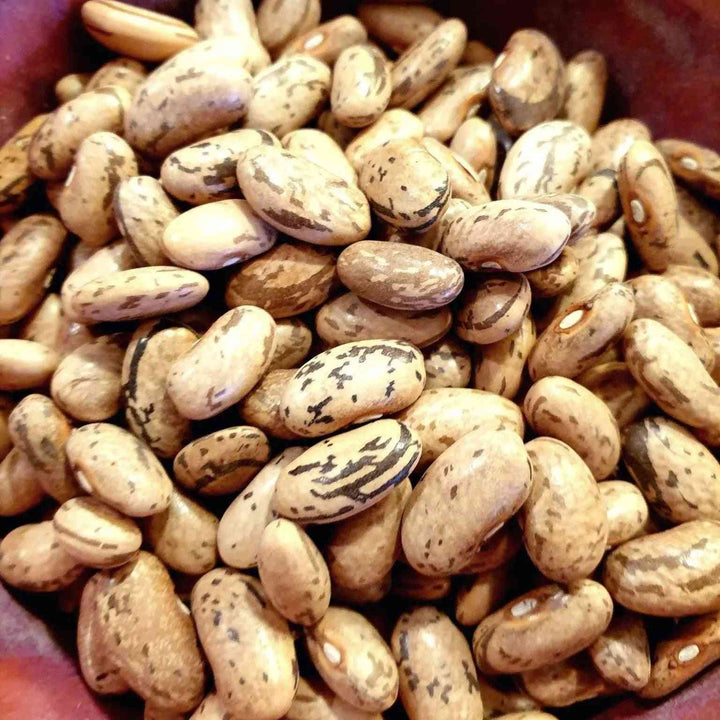
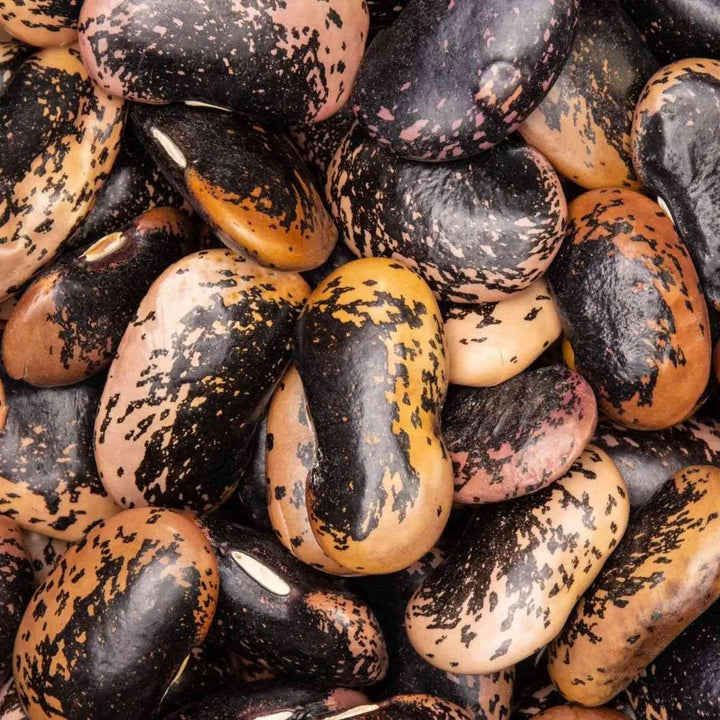
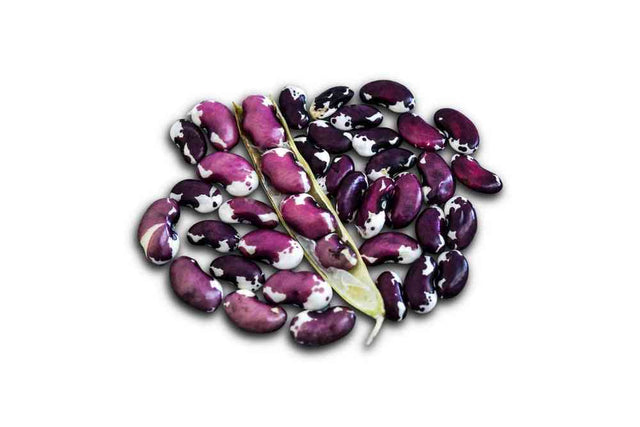
1,500 Year Old Cave Bean seeds are a distinctive Southwestern heirloom bean associated with the Indigenous agricultural traditions of the American Southwest. These striking beans are white with deep maroon and burgundy mottling, producing large kidney-shaped dry beans that have long been valued for their flavor, storage qualities, and reliability in arid growing regions.
The bean is widely connected to the farming traditions of Native peoples of the Southwest, where dry beans have been cultivated for centuries as an important staple crop alongside corn and squash. Beans like this were traditionally grown in hot, dry environments and selected for their ability to produce dependable harvests in challenging conditions. Because of this heritage, varieties such as the 1,500 Year Old Cave Bean are well suited to warm climates and long growing seasons.
The name “1,500 Year Old Cave Bean” comes from a story that beans were discovered in a sealed clay pot inside a cave in the American Southwest and later germinated after centuries. While the details of that story remain debated and are often considered part of seed catalog folklore, the variety itself is a legitimate heirloom dry bean tied to the long history of bean cultivation in the region.
Plants grown from 1,500 Year Old Cave Bean seeds are vigorous climbing pole beans that can reach 8 to 10 feet tall, producing long vines that benefit from a trellis or pole for support. The green pods can be harvested young, but this variety is most often grown as a dry shell bean, allowing the pods to mature and dry on the plant before harvest.
In the kitchen, 1,500 Year Old Cave Bean seeds produce beans with a rich, hearty flavor and smooth texture that hold their shape well during cooking. They are excellent for soups, stews, baked beans, and traditional Southwestern dishes where a flavorful dry bean is desired. Once cooked, the mottled beans soften to a creamy consistency while maintaining their excellent structure.
Gardeners appreciate this heirloom for its historical connection to Southwestern agriculture, its vigorous pole bean growth, and its dependable harvest of beautiful dry beans.
1,500 Year Old Cave Bean (Phaseolus vulgaris) is a warm-season pole bean that is most commonly direct sown into the garden once the soil has warmed. Beans generally do not transplant well because their roots are sensitive to disturbance, so direct sowing is the preferred method for strong and productive plants.
Direct Sowing
Seeds should be planted outdoors after all danger of frost has passed and soil temperatures have warmed to at least 65°F. Planting into cold soil can delay germination and lead to poor seedling growth.
To sow the seeds:
Prepare a garden bed with loose, well-drained soil.
Plant seeds about 1 inch deep.
Space seeds 4–6 inches apart along the row.
Water the soil gently after planting to settle the seeds into place.
Seeds typically germinate within 7–10 days when soil temperatures remain warm.
Row and Trellis Preparation
Because this variety grows as a climbing pole bean, a support structure should be installed before or immediately after planting. This prevents damage to the roots later in the season.
Good support options include:
pole teepees made from wooden stakes
tall trellises
garden fencing
wire trellis panels
Structures should ideally reach 8–10 feet tall to accommodate the full growth of the vines.
Rows should be spaced 30–36 inches apart to allow airflow and room for trellising.
Thinning Seedlings
Once seedlings emerge and develop their first true leaves, thin the plants if necessary so they remain spaced 4–6 inches apart. Proper spacing allows the vines to grow vigorously and reduces competition for water and nutrients.
Optional Indoor Starting
Although beans are usually direct sown, gardeners in very short growing seasons sometimes start seeds indoors 2–3 weeks before transplanting. If this method is used, plant seeds in biodegradable pots that can be planted directly into the soil to reduce root disturbance.
Seedlings should be transplanted carefully once the soil has warmed and frost danger has passed.
Early Growth
Young bean seedlings grow quickly in warm soil and will soon begin producing vines that search for support. As the vines grow, gently guide them toward the trellis or pole structure so they can begin climbing.
With warm soil, good sunlight, and proper spacing, 1,500 Year Old Cave Bean plants establish quickly and begin producing climbing vines that will later form abundant bean pods.
Once 1,500 Year Old Cave Bean plants (Phaseolus vulgaris) are established in the garden, they grow quickly and begin sending out vigorous climbing vines. As a pole bean, this variety benefits from full sun, warm temperatures, and sturdy support. With the right growing conditions, the vines can reach 8–10 feet tall and produce abundant pods over a long harvest period.
Sunlight
Cave Beans perform best in full sun, receiving at least 6–8 hours of direct sunlight daily. Strong sunlight encourages healthy vine growth, consistent flowering, and good pod development. Plants grown in partial shade may produce fewer pods and slower growth.
Temperature
Beans are warm-season plants that grow best when daytime temperatures remain between 70–85°F. Soil should be warm before planting, and plants grow most vigorously during stable summer weather. Growth may slow during extended cool periods, and frost will damage the plants.
Soil Fertility
1,500 Year Old Cave Beans grow best in well-drained soil with moderate fertility. Because beans are legumes, they work with beneficial soil bacteria to fix nitrogen, meaning they typically do not require heavy fertilization.
Adding compost to the soil before planting helps improve structure and nutrient balance. Avoid high-nitrogen fertilizers during the growing season, as excessive nitrogen can encourage leafy vines instead of pod production.
Watering
Beans prefer evenly moist soil throughout the growing season. Water deeply when the top inch of soil begins to dry, especially during flowering and pod formation.
Avoid waterlogged soil, as overly wet conditions can lead to root problems. Watering at the base of the plant helps keep foliage dry and reduces the risk of fungal disease.
Trellising and Vine Growth
As a pole bean, this variety requires tall and sturdy support. Vines will naturally wrap around trellises, poles, or fences as they grow. Structures that reach 8–10 feet tall allow the plants to reach their full height and maximize production.
Once vines begin climbing, they grow rapidly and continue producing flowers and pods along the length of the vine.
Flowering and Pod Development
Small white bean flowers appear along the vines once plants are well established. These flowers are self-pollinating and quickly develop into green bean pods. As long as temperatures remain warm and plants remain healthy, flowering and pod production will continue for much of the season.
Harvesting
Pods may be harvested while still green and tender if desired, but this variety is most commonly grown as a dry bean.
For dry bean harvest, allow the pods to mature fully on the plant until they turn brown, dry, and papery. At this stage the beans inside are fully developed and ready for storage.
Continued Production
Pole beans generally produce over a longer period than bush beans because the vines continue growing and setting new pods throughout the season. With proper support, steady watering, and warm temperatures, 1,500 Year Old Cave Bean plants can remain productive until the end of the growing season.
1,500 Year Old Cave Bean (Phaseolus vulgaris) is a vigorous climbing pole bean that rewards gardeners with heavy yields when given proper support and warm growing conditions. Because the vines grow tall and produce pods over an extended period, a few additional growing practices can help improve plant health and maximize harvest.
Install Trellises Before Planting
One of the most important tips for growing pole beans is installing the support structure before or at the time of planting. Because bean roots grow quickly and remain relatively shallow, adding trellises later can damage the root system.
Pole beans like this variety benefit from tall, sturdy supports such as:
• wooden pole teepees
• cattle panel trellises
• garden fencing
• tall vertical netting systems
Structures should ideally reach 8–10 feet tall to allow vines to climb freely.
Train the Vines Early
Young vines naturally search for something to climb. Once seedlings reach several inches tall, gently guide the vines toward the trellis or pole structure. After the vines begin wrapping around the support, they will continue climbing on their own.
Helping vines find the support early prevents tangling and encourages stronger upward growth.
Avoid Excess Nitrogen
Beans naturally fix nitrogen in the soil through beneficial bacteria that live in nodules on their roots. Because of this, adding large amounts of nitrogen fertilizer can actually reduce pod production by encouraging excessive leafy growth.
For best results, use moderately fertile soil enriched with compost, but avoid high-nitrogen fertilizers.
Mulch for Moisture and Weed Control
Applying mulch around the base of plants helps maintain even soil moisture and reduces competition from weeds. Straw, shredded leaves, or compost mulch all work well for beans.
Mulch also helps keep soil temperatures stable and reduces soil splash that can spread fungal diseases.
Harvest Pods Promptly
If growing the pods as snap beans, frequent harvesting encourages the plants to continue producing new pods. However, when growing the beans as dry beans, pods should remain on the vine until they fully mature and dry.
Allow the pods to turn brown and papery before harvesting them for dry bean storage.
Protect Dry Pods From Late Season Rain
Toward the end of the growing season, rain can sometimes cause mature pods to reabsorb moisture. If extended rain is expected and pods are already dry, harvest them and allow them to finish drying indoors in a well-ventilated area.
This helps prevent mold or seed damage.
Encourage Pollinators
Although beans are self-pollinating, the presence of bees and other beneficial insects can improve flower pollination and pod set. Planting flowers nearby or maintaining a pollinator-friendly garden environment helps support healthy bean production.
With strong support, warm weather, and consistent care, 1,500 Year Old Cave Bean plants grow vigorously and produce abundant harvests of beautiful mottled dry beans throughout the season.
1,500 Year Old Cave Bean (Phaseolus vulgaris) is generally a vigorous and productive pole bean that performs well in warm garden conditions. Like other beans, it benefits from healthy soil, full sunlight, and good airflow between plants. While it is not typically considered a difficult crop to grow, it may occasionally encounter insect pests or environmental stresses that can affect plant growth and pod production. Most issues can be minimized through proper garden management and organic control methods.
Mexican Bean Beetles
Mexican bean beetles are one of the most common pests affecting beans. The adult beetles resemble ladybugs but are more copper or orange in color with multiple black spots. Both the adults and their yellow larvae feed on the underside of bean leaves, chewing away the soft tissue between the veins. This feeding creates a skeletonized appearance where only the leaf structure remains.
Heavy infestations can weaken plants and reduce yields by limiting the plant’s ability to photosynthesize. Early detection is important. Hand-picking adults, larvae, and egg clusters from the undersides of leaves can significantly reduce populations in small gardens. Organic growers may also use neem oil, insecticidal soap, or spinosad if beetle numbers become high. Encouraging beneficial insects such as parasitic wasps and lady beetles can also help control the population naturally.
Aphids
Aphids are small soft-bodied insects that feed on plant sap, usually gathering on new growth, stems, and the undersides of leaves. When present in large numbers, they can cause leaves to curl or distort while leaving behind a sticky residue known as honeydew. This honeydew may attract ants or encourage the growth of sooty mold on plant surfaces.
Aphids can often be controlled by spraying plants with a strong stream of water to knock them off the foliage. Organic treatments such as insecticidal soap or neem oil are effective if populations persist. Beneficial insects like lady beetles, lacewings, and hoverflies also help keep aphid populations in check.
Spider Mites
Spider mites are extremely small pests that may appear during periods of hot, dry weather. They feed by piercing plant cells and extracting fluids, causing leaves to develop fine yellow speckling. As infestations grow, leaves may become pale, dry, or develop delicate webbing along stems and leaf undersides.
Plants that are stressed by drought are more susceptible to spider mite damage. Maintaining consistent watering and healthy plant growth helps reduce the risk. Occasionally rinsing the foliage with water can also discourage mite populations. Organic controls such as neem oil or insecticidal soap may be used when necessary.
Bean Rust
Bean rust is a fungal disease that can affect many types of beans, particularly during humid weather. It appears as small reddish-brown pustules on the surface of leaves and sometimes on stems or pods. As the disease progresses, affected leaves may yellow and eventually drop.
Preventing bean rust is largely a matter of maintaining good airflow around plants. Proper spacing and avoiding overhead watering help keep foliage dry and reduce fungal development. Removing infected leaves and applying organic fungicides such as copper or sulfur-based sprays can help limit the spread of the disease.
Root Rot
Root rot is typically caused by overly wet or poorly drained soil conditions. Beans prefer evenly moist soil but do not tolerate standing water around the roots. Plants affected by root rot may appear stunted, wilted, or yellow even when the soil is wet.
The best prevention is planting beans in well-drained soil and avoiding heavy clay areas that remain waterlogged after rain. Raised beds or soil amended with compost can improve drainage and create better growing conditions for healthy root systems.
Flower Drop During Heat Stress
Pole beans may occasionally drop blossoms during periods of extreme heat or environmental stress. When daytime temperatures remain very high for extended periods, plants may temporarily reduce flower production or shed flowers before pods can form.
Providing consistent watering and maintaining healthy soil fertility helps plants tolerate heat more effectively. Planting beans early enough in the season also allows them to establish before peak summer temperatures arrive.
General Prevention Practices
Most pest and disease problems can be minimized through simple garden practices. Growing 1,500 Year Old Cave Beans in full sun with proper spacing and healthy soil encourages strong plants that are naturally more resistant to pests and diseases.
Rotating crops each year, keeping garden beds free of weeds, and monitoring plants regularly for early signs of pests will help maintain vigorous plants and productive harvests throughout the growing season.
What is the 1,500 Year Old Cave Bean?
The 1,500 Year Old Cave Bean is a distinctive heirloom dry bean variety of Phaseolus vulgaris known for its beautiful cream-colored seeds marked with deep burgundy mottling. It is most often grown as a dry bean crop rather than a snap bean, producing large seeds that are valued for their flavor and cooking quality. The plants grow as vigorous pole beans, producing climbing vines that can reach 8 to 10 feet tall when provided with proper support.
This bean is widely associated with the agricultural traditions of the American Southwest. Beans similar to this variety have been grown for generations as part of dryland farming systems that relied on hardy crops capable of producing dependable harvests in warm climates.
Why is it called the “1,500 Year Old Cave Bean”?
The name comes from a popular story claiming that ancient beans were discovered in a clay pot stored inside a cave dwelling in the American Southwest and that some of those beans later germinated after centuries. This story has been repeated in many seed catalogs and gardening books.
However, historians and seed researchers generally consider the story difficult to verify. While the cave discovery tale has become part of seed catalog folklore, the bean itself is a legitimate heirloom variety connected to the long tradition of dry bean cultivation in the Southwest.
Is the 1,500 Year Old Cave Bean a bush bean or a pole bean?
This variety grows as a climbing pole bean rather than a bush bean. The vines are vigorous and typically reach 8–10 feet in height during the growing season. Because of this growth habit, the plants require sturdy support such as a trellis, poles, fencing, or a bean teepee.
Providing good vertical support improves airflow around the plants and allows the vines to produce pods along the entire length of the plant.
How long does it take for Cave Beans to mature?
1,500 Year Old Cave Beans usually reach maturity in about 90–100 days after planting. The pods first appear green during the growing season and gradually mature as the beans inside develop.
For dry bean harvest, the pods should remain on the plant until they turn brown, dry, and papery. At that point the beans inside are fully developed and ready to be harvested and stored.
Can the pods be eaten as green beans?
Yes, the pods can be harvested early and eaten as snap beans while they are still green and tender. However, this variety is typically grown as a dry bean, and most gardeners allow the pods to mature fully so the beans inside can be harvested for cooking and storage.
What do Cave Beans taste like?
When cooked, the beans develop a rich, earthy flavor and creamy texture. They hold their shape well during cooking and work well in recipes that require long simmering times.
Because of their flavor and texture, these beans are commonly used in soups, stews, chili, baked beans, and other hearty dishes.
Do Cave Beans need a trellis?
Yes. Because this variety grows as a pole bean, it benefits from strong vertical support. Trellises, pole teepees, garden fencing, or tall netting systems all work well.
Supports that reach 8–10 feet tall allow the vines to grow freely and maximize production.
How productive are the plants?
Pole beans like the 1,500 Year Old Cave Bean are often highly productive because the vines continue growing and producing pods throughout much of the growing season. When grown in warm conditions with proper support and consistent watering, each vine can produce numerous pods that mature into dry beans.
Can I grow Cave Beans in containers?
It is possible to grow them in large containers, but because the vines grow tall and require support, they usually perform better in garden beds where trellises or poles can be installed easily.
If grown in containers, choose large pots and provide a sturdy trellis to support the vines.
Can I save seeds from this bean?
Yes. The 1,500 Year Old Cave Bean is an open-pollinated heirloom, which means gardeners can easily save seeds from mature dry beans for planting in future seasons. Beans are among the easiest crops to save seed from because they largely self-pollinate and dry naturally inside the pods.
Allow pods to fully mature and dry on the vine, shell the beans, and store them in a cool, dry place until the next planting season.
The 1,500 Year Old Cave Bean is a striking dry bean associated with the long agricultural traditions of the American Southwest. Like all common beans (Phaseolus vulgaris), its deeper origins trace back thousands of years to Mesoamerica, where wild ancestors of the common bean were first domesticated by Indigenous farmers. From these early centers of cultivation in what is now southern Mexico and Central America, beans spread northward and became an important part of traditional agriculture throughout the Southwest and other regions of North America.
Beans were a foundational crop in many Indigenous farming systems. They were commonly grown alongside corn and squash in the well-known agricultural combination often referred to as the Three Sisters, where each plant supported the others in growth and soil health. Beans contributed nitrogen to the soil, improving fertility for surrounding crops while providing an important source of plant protein and nutrition.
The variety commonly marketed today as the 1,500 Year Old Cave Bean is closely associated with the bean-growing traditions of the Southwestern United States, particularly in areas where dry beans were an essential staple food. These beans were historically valued not only for fresh use but especially for their ability to dry and store well for long periods, making them a reliable food source through winter and dry seasons.
The name “1,500 Year Old Cave Bean” comes from a widely circulated story claiming that ancient beans were discovered sealed inside a clay pot in a cave dwelling in the American Southwest and later successfully germinated centuries later. While this story has become popular in seed catalogs and gardening folklore, the details are debated and not fully documented. What is more certain is that beans of this type reflect a long lineage of Southwestern dry bean cultivation developed by farmers who selected plants suited to hot summers, dry conditions, and dependable storage.
Plants grown from these seeds develop into vigorous climbing pole beans, producing long vines that can reach eight to ten feet when supported by trellises or poles. The pods contain beautifully mottled beans with deep maroon markings against a creamy background. These beans were traditionally harvested as dry beans once the pods matured and dried on the vine.
Today the 1,500 Year Old Cave Bean continues to be grown by gardeners who appreciate heirloom crops connected to historic agricultural traditions. Its striking appearance, strong growth habit, and reliable dry bean harvest make it both a productive garden crop and a reminder of the long history of bean cultivation across the Americas.
Seed Saving
1,500 Year Old Cave Bean (Phaseolus vulgaris) is an open-pollinated heirloom bean, which makes it very easy for gardeners to save seeds for future planting. Beans are among the simplest crops to save seed from because they are largely self-pollinating and the seeds naturally dry inside the pods on the plant.
====================
Picking Plants
Select the healthiest and most vigorous plants for seed saving. Ideal plants should show:
• strong climbing growth
• good pod production
• resistance to pests or disease
• pods that develop normally for the variety
Choosing strong plants helps ensure the next generation will maintain good productivity and healthy growth.
====================
Isolation / Pollination Control
Beans are primarily self-pollinating, which means cross-pollination between different bean varieties is relatively uncommon. However, if multiple bean varieties are grown very close together, occasional crossing can occur through insect activity.
To maintain true seed lines, separate different bean varieties by 10–20 feet if possible, or plant only one variety in a small garden.
====================
Full Maturity
For seed saving, allow the pods to fully mature and dry on the plant. Pods will gradually change from green to tan or brown and become dry and papery. At this stage the beans inside the pods are fully developed.
The beans should feel hard when pressed and should rattle slightly inside the dried pod.
====================
Harvesting Seeds
Once pods are completely dry, harvest them from the plant and bring them indoors if necessary. If rainy weather threatens before the pods are fully dry, entire plants can be pulled and hung in a dry, well-ventilated location to finish drying.
After the pods are fully dry, open them and remove the beans.
====================
Cleaning
Cleaning dry bean seed is simple. Separate the beans from the empty pods and remove any broken, shriveled, or damaged seeds. Healthy seeds should be firm, smooth, and fully colored.
====================
Drying
Although beans dry significantly while still on the plant, it is helpful to allow the seeds to finish drying indoors for another 1–2 weeks in a cool, dry place. This ensures they are fully dry before storage.
====================
Storing / Labeling
Store the dried beans in airtight containers, jars, or seed envelopes in a cool, dark, and dry location. Always label seeds with:
• crop name
• variety name
• harvest year
Proper labeling helps maintain an organized seed collection.
====================
Viability Test
Bean seeds typically remain viable for 3–5 years when stored properly. To test older seeds, place several beans between moist paper towels in a warm location and observe how many germinate within about a week.
====================
Extra Tips
• Save seeds from multiple plants to maintain healthy genetic diversity.
• Avoid saving seed from weak or diseased plants.
• Beans stored in cool, dry conditions will maintain their germination ability for several seasons.
Because beans naturally dry on the plant and store well, saving seeds from 1,500 Year Old Cave Beans is one of the easiest ways for gardeners to maintain their own supply of heirloom beans year after year.
1,500 Year Old Cave Bean (Phaseolus vulgaris) is primarily grown as a dry bean crop, valued for its rich flavor, excellent storage qualities, and versatility in the kitchen. Dry beans have long been an important staple food because they store well for long periods and provide a reliable source of nourishment throughout the year. Beans of this type have been used for centuries in traditional cooking throughout the Americas.
Traditional Dry Bean Dishes
The beans are most commonly used in soups, stews, and slow-cooked dishes. Their firm structure allows them to hold their shape during long cooking, making them well suited for hearty recipes where beans simmer with vegetables, herbs, and seasonings. Many cooks appreciate beans that maintain a smooth texture while still remaining intact after cooking.
Southwestern and Rustic Cooking
Because this variety is associated with Southwestern bean traditions, it works especially well in dishes such as chili, bean stews, and rustic bean pots. When cooked slowly with onions, garlic, and spices, the beans develop a deep, earthy flavor that complements many savory ingredients.
Storage and Pantry Use
Dry beans like the 1,500 Year Old Cave Bean are also valued because they store extremely well once fully dried. After harvesting and shelling, the beans can be stored for months or even years when kept in a cool, dry place. This storage quality made dry beans an important crop historically for communities that needed dependable food supplies through winter and dry seasons.
Fresh Pod Use
Although most gardeners grow this variety for dry beans, the pods can also be harvested young and used as green snap beans when they are still tender. This provides a second way to enjoy the crop during the growing season before the beans mature fully.
Soil Improvement
Like all beans, this plant is a legume, meaning it forms a beneficial relationship with soil bacteria that help fix nitrogen in the soil. This natural process improves soil fertility and can benefit crops planted in the same garden area in future seasons.
Garden Productivity
Pole beans such as the 1,500 Year Old Cave Bean are often highly productive because the vines continue growing and producing pods over a longer period than bush beans. With proper support and warm growing conditions, gardeners can harvest a substantial crop of beans from a relatively small planting area.
Because of their flavor, storage ability, and dependable productivity, beans like the 1,500 Year Old Cave Bean remain a valuable crop for both home gardeners and cooks who appreciate traditional dry beans in everyday meals.
Shipped from U.S.A.
Our seeds are grown and sourced from the US. They're then packed and shipped from Colerain NC.
Triple tested
We regularly test the quality and germination rate of our seeds. We're so confident that our seeds are backed by a 1 year warranty!
Payment & Security
Payment methods
Your payment information is processed securely. We do not store credit card details nor have access to your credit card information.
Complete the garden
Turn one packet into a full plan.
Help shoppers add companion seeds, garden supplies, and related goals before they leave the product page.
Sign up for our newsletter to get a 30% discount code sent straight to your inbox. If it doesn’t appear right away, please check your inbox settings, and if you still need help, we’re here to assist!
Your cart
Start with a garden goal.Browse seed packets, seasonal picks, pantry goods, or starter garden ideas.
Bean Seeds - Pole - Anasazi 1,500 Year Old Cave Bean
$200 USD
Unit price
1,500 Year Old Cave Bean seeds are a distinctive Southwestern heirloom bean associated with the Indigenous agricultural traditions of the American Southwest. These striking beans are white with deep maroon and burgundy mottling, producing large kidney-shaped dry beans that have long been valued for their flavor, storage qualities, and reliability in arid growing regions.
The bean is widely connected to the farming traditions of Native peoples of the Southwest, where dry beans have been cultivated for centuries as an important staple crop alongside corn and squash. Beans like this were traditionally grown in hot, dry environments and selected for their ability to produce dependable harvests in challenging conditions. Because of this heritage, varieties such as the 1,500 Year Old Cave Bean are well suited to warm climates and long growing seasons.
The name “1,500 Year Old Cave Bean” comes from a story that beans were discovered in a sealed clay pot inside a cave in the American Southwest and later germinated after centuries. While the details of that story remain debated and are often considered part of seed catalog folklore, the variety itself is a legitimate heirloom dry bean tied to the long history of bean cultivation in the region.
Plants grown from 1,500 Year Old Cave Bean seeds are vigorous climbing pole beans that can reach 8 to 10 feet tall, producing long vines that benefit from a trellis or pole for support. The green pods can be harvested young, but this variety is most often grown as a dry shell bean, allowing the pods to mature and dry on the plant before harvest.
In the kitchen, 1,500 Year Old Cave Bean seeds produce beans with a rich, hearty flavor and smooth texture that hold their shape well during cooking. They are excellent for soups, stews, baked beans, and traditional Southwestern dishes where a flavorful dry bean is desired. Once cooked, the mottled beans soften to a creamy consistency while maintaining their excellent structure.
Gardeners appreciate this heirloom for its historical connection to Southwestern agriculture, its vigorous pole bean growth, and its dependable harvest of beautiful dry beans.