Free U.S. seed shipping $25+. Seeds ship free at the threshold. Storefront goods, pantry finds, books & local goods are being added.

New seeds, Main Street specials, and storefront finds update as the market grows.

Bloomsdale Long Standing Spinach

Scientific name Spinacia oleracea

Seed packet & garden essentials

What to know before you plant

View complete growing & care facts
250 minimum seeds per packet
  • Maturity40-49 Days · About 40-50 days
  • Growth habitRosette · Annual · 7–12 in tall
  • Best usespring and fall salads, cooked greens, and succession sowing
  • Flavor & characterRich, mineral, mildly sweet when grown cool
  • Germination7-14 Days days · 70–85 °F
  • Seed preparationNo special treatment; use fresh seed and correct soil temperature
  • SunFull sun
  • Support & spacingNo-Support · space 6 in · rows 15 in
  • Container fitGood in containers with consistent moisture
  • Water needsModerate
  • SoilSandy loam · pH 6.0–6.5
  • Planting seasonSpring/Summer · blooms Spring · Tender
$200 USD
Secure checkout Details
Generic
Triple-tested seed qualityRegular quality and germination checks support every packet.

We regularly test seed quality and germination as lots move through storage and packing. We stand behind the seed we send and want customers to contact us when a packet does not perform as reasonably expected.

1-year seed warrantyCoverage begins on the date of purchase.

When properly stored, planted, and cared for, we guarantee reasonable germination and true-to-type growth for one year from the date of purchase. Conditions outside our control—including extreme weather, pests, unsuitable storage, and gardener error—are excluded. Contact us when something is not right so we can review the situation and work toward a replacement, refund, or another fair resolution.

Non-GMO / BE seed policyWe do not buy or sell genetically engineered or bioengineered seed.

Every seed variety we sell is non-GMO.

USDA’s National Bioengineered Food Disclosure Standard defines bioengineered foods as containing detectable genetic material modified through in vitro recombinant DNA methods in ways not achievable through conventional breeding or found in nature.

  • Hybrid means parent lines were conventionally crossed; hybrid does not mean GMO.
  • Heirloom and open-pollinated describe how a variety is maintained and reproduced.
  • Organic certification is separate and is shown only when verified for the individual product.
Packed in Colerain, North CarolinaPrepared in our seed room for gardens across the country.

Seeds are packed and shipped from Colerain, North Carolina. Our packets use forestry-certified paper, and we use recyclable paper mailers where appropriate. AONSK is also a 1% for the Planet partner while continuing to reduce waste in packing and fulfillment.

Seed success profile

Rules-based · no AI
Gardener experience Beginner to Intermediate
Germination difficulty Easy to Moderate
Preparation before sowing
No special treatment; use fresh seed and correct soil temperature
Germination speed
Typical — usually 7–21 days
Growing complexity
Easy to Moderate
Patience and timing
About 40-50 days
Is this seed a good match for your experience?
Expected germination
7-14 Days
Germination temperature
70–85 °F
Stratification
None
Scarification
None
Pre-soaking
None
Light during germination
Cover lightly at the listed depth
Germination pattern
Reliable in the proper season
Transplant sensitivity
Usually direct sown or transplanted young
Starting method
Cataloged as suitable for direct sowing; follow the product-specific timing and depth.
Best chance of success
Time the crop for cool weather and keep the seed zone evenly moist through emergence.
What to expect

Germination commonly begins in 7-14 days near 45-75°F. Cold saturated soil delays emergence; warm dry soil reduces stand quality.

Slow germination is not automatically failed germination.

Maintain the listed temperature, moisture, light, and treatment conditions for the full expected window. Some seed lots emerge gradually rather than all at once.

1 Beginner-friendly 2 One extra step 3 Some experience helpful 4 Patient growers 5 Advanced propagation

This deterministic profile uses recorded product facts; it is not Artificial Intelligence and is not a guarantee. Seed age, storage, sowing depth, moisture, temperature, light, local conditions, and aftercare can all affect results. Last reviewed July 2026.

Build a garden-fit plan

Check this seed against your real growing conditions

Compare timing, germination preparation, sunlight, soil, water, space, support, intended use, and your preferred level of seed-starting complexity.

Open the detailed garden-fit planner Deterministic rules · no Artificial Intelligence · no live weather service

Complete product description

Bloomsdale Long Standing Spinach

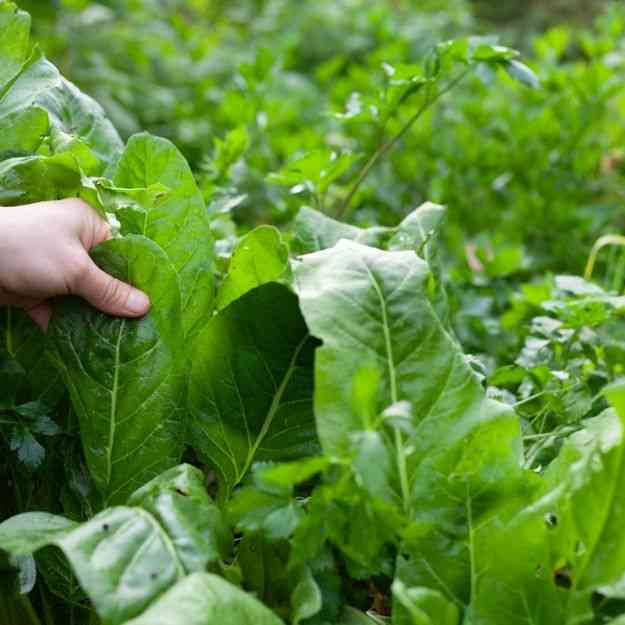
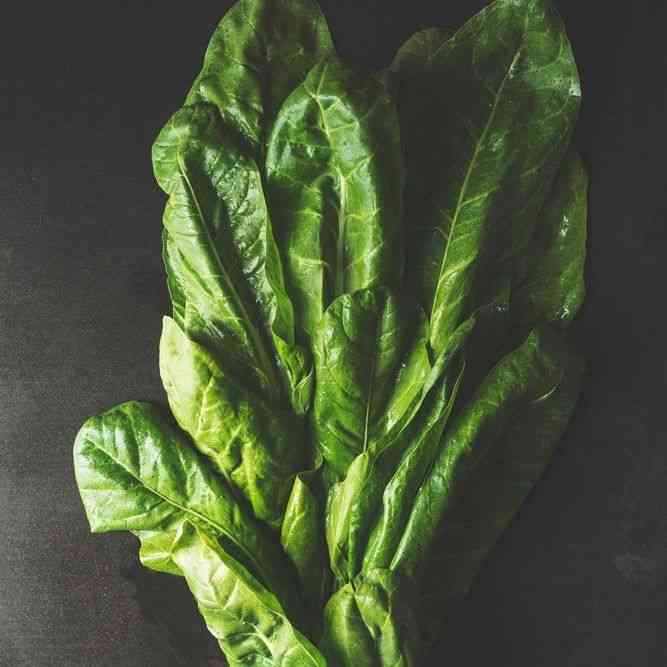
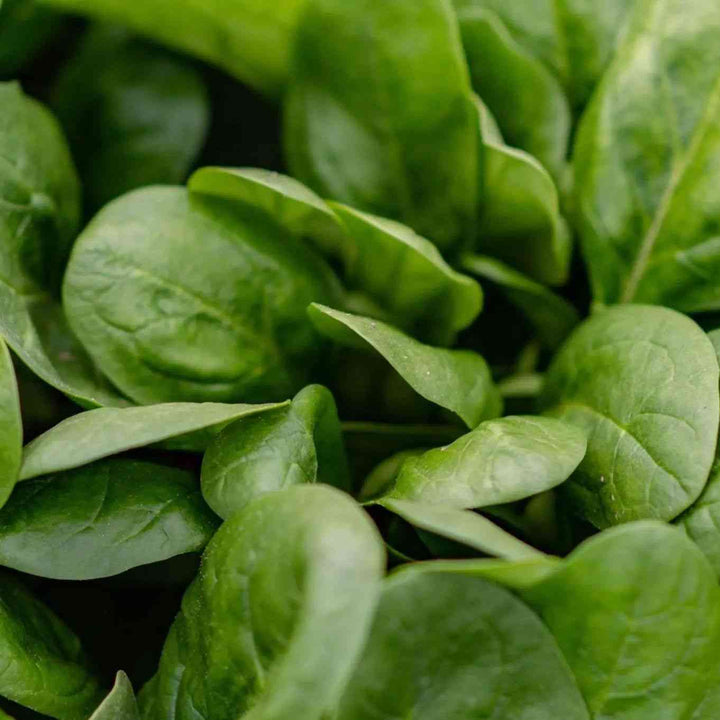
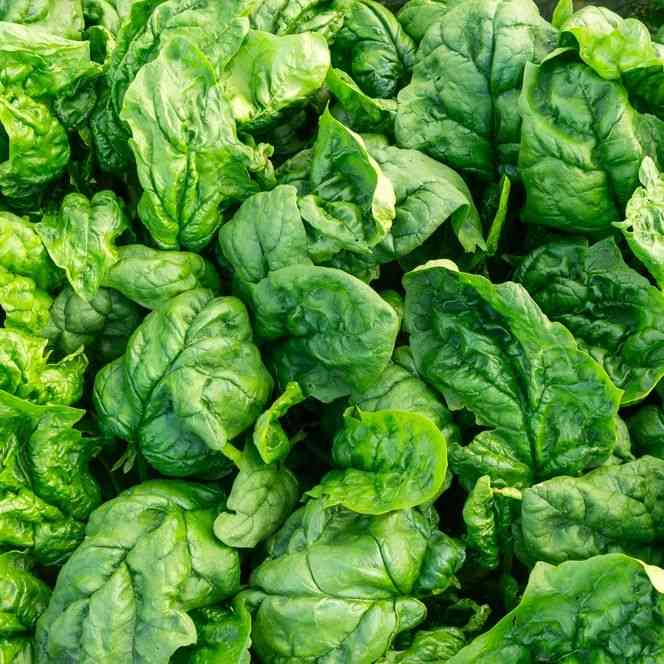
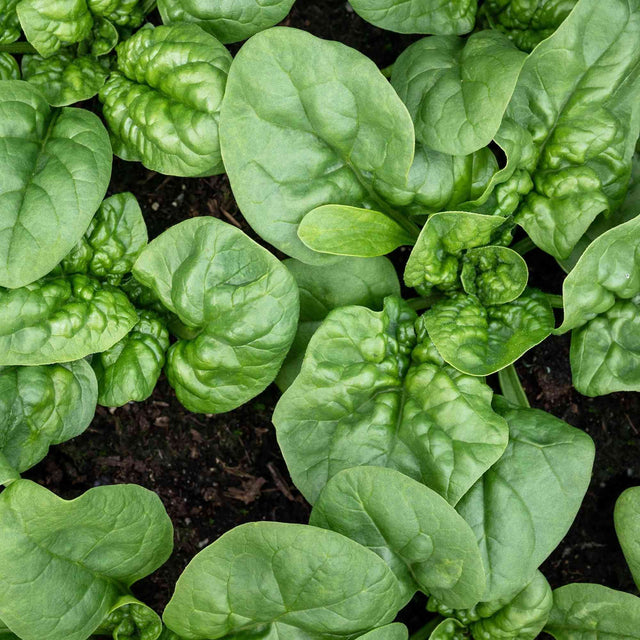
Bloomsdale Long Standing Spinach seeds produce savoyed dark-green leaves, dependable cool-season flavor, and a long-standing habit that makes it a benchmark heirloom spinach.

Bloomsdale Long Standing Spinach performs best when the crop is timed for cool weather, established in fertile, well-drained soil, and kept growing without drought checks. The practical work is simple but not careless: sow at the proper depth, thin on time, water the root zone, inspect the undersides of leaves, and harvest before quality slips.

Spring and fall salads, cooked greens, and succession sowing are where this variety earns its place. The expected flavor is rich, mineral, mildly sweet when grown cool, with medium savoyed leaves and maturity about 40-50 days. This is not a decorative catalog promise. It is a crop that responds to soil, temperature, spacing, and the discipline of regular harvest.

Bloomsdale Long Standing is an old open-pollinated spinach widely maintained in American seed catalogs. Its exact early commercial record is less important than its enduring garden identity: deeply savoyed leaves and better holding ability than many older spinach strains.

Minimum Seed Count: 250 seeds

Additional variety notes

Variety overview

Bloomsdale Long Standing Spinach seeds give gardeners savoyed dark-green leaves, dependable cool-season flavor, and a long-standing habit that makes it a benchmark heirloom spinach. The variety belongs in a cool-season plan built around steady moisture, clean airflow, and harvest before heat or stress steals quality. In our seed room, we treat the packet as the beginning of a record: lot, sowing date, soil temperature, emergence, and the field notes that tell us what the variety actually did.

Bloomsdale Long Standing Spinach is best suited to spring and fall salads, cooked greens, and succession sowing. Sow with the crop, not the calendar alone. Cool-season seed can sit in dry crusted soil or rush into weak growth when a warm spell arrives. A fine seedbed, even moisture, and prompt thinning matter more than ornamental fussing.

Flavor and texture are strongest when growth is uninterrupted. Harvest at the stage the variety was bred to give, then leave representative plants only when you intend to save seed. Bloomsdale Long Standing is an old open-pollinated spinach widely maintained in American seed catalogs. Its exact early commercial record is less important than its enduring garden identity: deeply savoyed leaves and better holding ability than many older spinach strains.

Every recorded growing detail

Complete growing & care facts

Continue to the garden-fit planner

Plant identity

Minimum seed count 250 seeds
Seed product profile Leafy green
Scientific name Spinacia oleracea
Also known as Spinach, Spinach Seeds - Bloomsdale Long Standing Spinach
Life cycle Annual
Botanical family Aizoaceae
Reproductive type Open-Pollinated (OP)
Heritage qualifiers Non-GMO
Native to the United States Domesticated Plant
Domestication note Mediterranean Basin

Seed success and gardener experience

Gardener experience Beginner to IntermediateLevel 2 of 5
Germination difficulty Easy to ModerateLevel 2 of 5
Preparation before sowing No special treatment; use fresh seed and correct soil temperature
Stratification None
Scarification None
Pre-soaking None
Light during germination Cover lightly at the listed depth
Germination pattern Reliable in the proper season
Growing complexity Easy to Moderate
Transplant sensitivity Usually direct sown or transplanted young
First harvest or bloom About 40-50 days
Best chance of success Time the crop for cool weather and keep the seed zone evenly moist through emergence.

Timing and climate

Days to maturity 40-49 Days
Germination 7-14 Days
Germination temperature 70–85 °F
Planting season Spring/Summer
Bloom season Spring
Frost tolerance Tender
Sunlight Full sun
Water needs Moderate

Site, soil, and space

Soil type Sandy loam
Preferred soil pH 6.0–6.5
Seed depth 1/2 in
Plant spacing 6 in
Row spacing 15 in
Mature height 7–12 in
Growth habit Rosette
Support needed No-Support
Suitable growing locations In-ground bed, Raised bed, Greenhouse, High Tunnel, Containers, Community garden, Hydroponic, Indoor growing, Vertical

Crop-specific details

Fruit size Medium savoyed leaves
Flavor profile Rich, mineral, mildly sweet when grown cool

Garden-fit planning for this variety

Will Bloomsdale Long Standing Spinach fit your garden?

Check cool-season timing, succession plans, shade, moisture, and harvest stage.

Rules-based · no AI
Questions for this leafy green seed
Seed-starting fit and patience
Recorded product profileBeginner to IntermediateEasy to ModerateRead why
Soil test, pH, drainage, and amendment calculator Have a laboratory soil report? Enter pH, nutrients, texture, bed size, and site observations here. Open soil tools
Recorded soil typeSandy loam
Recorded pH range6.0–6.5
Water needsModerate
LightFull sun

Use a current laboratory soil test

Soil-test interpreter

Compare your report with this product's listed pH target: 6.0–6.5.

This tool interprets values you enter; it does not replace laboratory or Cooperative Extension amendment rates. Soil test methods and nutrient recommendations vary by region.

The full variety record

Sowing, care, harvest, troubleshooting, and history

How to start Bloomsdale Long Standing Spinach from seedPreparation, timing, depth, germination, transplanting, spacing, and early care

Variety-specific germination notes

Germination commonly begins in 7-14 days near 45-75°F. Cold saturated soil delays emergence; warm dry soil reduces stand quality.

Complete sowing and planting guidance

Sow 1/2 inch deep for early spring and fall. Thin or transplant to 4-6 inches apart with 12-18 inches between rows. Keep soil keep evenly moist. Expect germination in 7-14 days around 45-75°F. Harvest about 40-50 days.
How to grow this specific varietyLight, water, fertility, support, spacing, airflow, crop behavior, and season-long care

Variety-specific growing notes

Prepare a fine, fertile, well-drained bed. Sow 1/2 inch deep and keep the seed zone evenly moist until emergence. Thin early so plants do not compete or stretch. Space plants 4-6 inches apart and rows 12-18 inches apart. Use row cover during establishment where flea beetles, cabbage worms, or root maggots are common, removing it when flowering or access is required. Mulch after plants establish, water deeply rather than misting the surface, and use a soil test before adding heavy fertility. For spring crops, plant early enough to mature before sustained heat. For fall crops, count backward from frost and allow extra days as light declines.

Complete growing guide

Prepare a fine, fertile, well-drained bed. Sow 1/2 inch deep and keep the seed zone evenly moist until emergence. Thin early so plants do not compete or stretch. Space plants 4-6 inches apart and rows 12-18 inches apart. Use row cover during establishment where flea beetles, cabbage worms, or root maggots are common, removing it when flowering or access is required. Mulch after plants establish, water deeply rather than misting the surface, and use a soil test before adding heavy fertility. For spring crops, plant early enough to mature before sustained heat. For fall crops, count backward from frost and allow extra days as light declines.
Practical field and garden tipsExtra techniques, timing adjustments, and observations that improve success
Keep written notes on sowing date, soil temperature, first emergence, thinning, and harvest. The useful comparison is not one plant against a catalog photograph, but this variety against another grown in the same bed and season. Harvest promptly, because cool-season crops rarely improve after they pass their intended stage.
Harvest, storage, uses, and benefitsWhen and how to harvest, ways to use the crop, storage, culinary value, habitat value, and garden roles

Harvest and use notes

Harvest at the intended stage. Use promptly, refrigerate as appropriate, and save seed only from healthy, true-to-type plants. Spinach is wind-pollinated and varieties can cross. Allow selected plants to bolt, isolate from other flowering spinach, save from a broad group of healthy plants, and harvest when most seed clusters turn tan and firm.

Uses and benefits

Spring and fall salads, cooked greens, and succession sowing. Rich, mineral, mildly sweet when grown cool. Medium savoyed leaves.
Seed saving and carrying the variety forwardPollination, isolation, selection, harvest, cleaning, drying, and storage
Spinach is wind-pollinated and varieties can cross. Allow selected plants to bolt, isolate from other flowering spinach, save from a broad group of healthy plants, and harvest when most seed clusters turn tan and firm.
Common pests, diseases, and growing problemsIdentification, prevention, crop-safe response, and when intervention is justified

Variety troubleshooting summary

Q: When should I sow Bloomsdale Long Standing Spinach?
A: Use the cool-season window for your region, usually early spring and again for fall harvest.

Q: Can it grow in a container?
A: Yes, especially with a container at least 8-12 inches deep and steady moisture.

Q: What causes poor flavor or texture?
A: Heat, drought, crowding, delayed harvest, and interrupted growth are common causes.

Q: Can I save seed?
A: Yes, but understand the crop's pollination system, isolation needs, life cycle, and the number of plants needed to maintain the variety.

Complete pest and problem guide

Watch for flea beetles, aphids, imported cabbage worms, cabbage loopers, slugs, and root-feeding pests according to crop. Rotate crop families, remove badly diseased debris, protect seedlings early, and identify the problem before treating. Uneven moisture, crowding, heat, and excess nitrogen can imitate disease by producing poor texture, loose heads, or weak growth.
Questions gardeners ask about this seedProduct-specific answers for sowing, care, harvest, use, and seed saving
Q: When should I sow Bloomsdale Long Standing Spinach?
A: Use the cool-season window for your region, usually early spring and again for fall harvest.

Q: Can it grow in a container?
A: Yes, especially with a container at least 8-12 inches deep and steady moisture.

Q: What causes poor flavor or texture?
A: Heat, drought, crowding, delayed harvest, and interrupted growth are common causes.

Q: Can I save seed?
A: Yes, but understand the crop's pollination system, isolation needs, life cycle, and the number of plants needed to maintain the variety.
History, provenance, and cultural contextWhat is documented, what is reported, what remains uncertain, and how the variety reached gardeners

Scientific name: Spinacia oleracea

Provenance summary

Bloomsdale Long Standing is an old open-pollinated spinach widely maintained in American seed catalogs. Its exact early commercial record is less important than its enduring garden identity: deeply savoyed leaves and better holding ability than many older spinach strains.

Plant and variety history

Bloomsdale Long Standing is an old open-pollinated spinach widely maintained in American seed catalogs. Its exact early commercial record is less important than its enduring garden identity: deeply savoyed leaves and better holding ability than many older spinach strains.

Source and record notes

https://extension.umn.edu/vegetables/growing-spinach-and-swiss-chard
https://extension.umn.edu/planting-and-growing-guides/saving-vegetable-seeds
https://extension.oregonstate.edu/gardening/techniques/collecting-storing-seeds-your-garden
https://content.ces.ncsu.edu/extension-gardener-handbook/16-vegetable-gardening

Continue planning

Related seeds, collections, and growing guides

Explore the full collection
Heirloom Spinach Seeds for Cool Season GardensExplore the full collection →
Winter Giant Spinach

Winter Giant Spinach

A broad-leaved cool-season spinach selected for vigorous growth in cold weather and protected winter culture.

America Spinach Seeds

America Spinach Seeds

Reliable, fast-growing America spinach delivers tender, smooth leaves with classic flavor—perfect for continuous harvests in cool-season gardens.

Viking Spinach Seeds

Viking Spinach Seeds

Fast-growing European spinach with smooth, dark leaves and excellent cold tolerance.

Molokhia Spinach Seeds

Molokhia Spinach Seeds

Ancient Egyptian leafy green with tender texture and mild, spinach-like taste rich in nutrients.

New Zealand Spinach Seeds

New Zealand Spinach Seeds

A heat-loving spinach alternative that delivers steady harvests of tender, nutritious greens all summer long when traditional spinach can’t ke...

Customer experience

Reviews for Bloomsdale Long Standing Spinach

Customer Reviews

Based on 4 reviews
75%
(3)
0%
(0)
25%
(1)
0%
(0)
0%
(0)
L
Lindsay Guild (United States)

Great options and variety. What I have planted so far is doing great.

Hi Lindsay, we're so glad to hear your plants are thriving! Thanks for sharing your experience with us.

S
Sarah (United States)

Growing Nicely.