Variety field guide
What to expect from Japanese Buckwheat
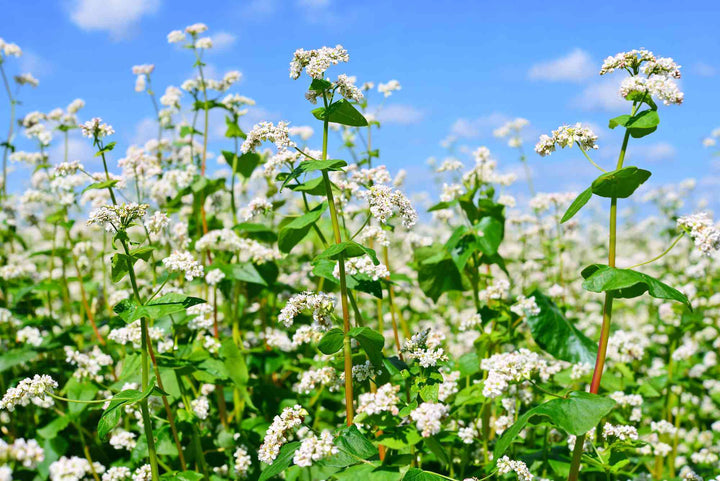
Japanese Buckwheat is an annual buckwheat selection grown for cover cropping, soil protection, tender grass or grain use, and seed production.
Read the complete product descriptionTraits, flavor, garden use, variety notes, and the full catalog record
Japanese Buckwheat seeds produce a fast-growing buckwheat prized for its quick maturity, dense growth, and strong value as a pollinator plant, cover crop, and grain-type planting. Growers choose Japanese Buckwheat seeds for their rapid canopy formation, weed suppression, and usefulness in gardens and small farms where soil improvement and beneficial insect support matter. This versatile buckwheat is valued for its quick warm-season growth, nectar-rich blooms, and ability to fit easily into short growing windows.
About Japanese Buckwheat
Japanese Buckwheat is an annual selection of buckwheat, with an upright/erect habit and an expected height or spread of 31–36 in. It is best suited to cover cropping, soil protection, tender grass or grain use, and seed production. Notable traits include terminate cover crops before unwanted reseeding or harvest grain only after full dry-down; use depends on whether the crop is grown for tender shoots, cover, forage, or mature grain.
When growing Japanese Buckwheat, judge the whole planting for trueness to type instead of selecting conclusions from one unusually large or early plant.
History and provenance
This grain or cover crop has a long agricultural history, but the goals of cover cropping, forage, tender shoots, and mature grain are different. The page therefore identifies the intended stage and does not convert field-scale seeding guidance into a false packet-level guarantee. Japanese Buckwheat belongs to the broader cultivated history of common buckwheat, a fast-growing pseudocereal that has long been valued for food, forage, and soil-building use. Though not a true grain in the grass family, buckwheat has been treated much like one because of how useful its seeds are for milling and cooking. Its importance reaches across Eurasia, where it became a practical crop in regions with poor soils, short growing windows, or conditions less favorable to more demanding cereals. Its speed and adaptability made it especially valuable to growers who needed a crop that could establish quickly and do useful work in a short period. The name Japanese Buckwheat is often used in agricultural and seed trade contexts for standard common buckwheat, especially when emphasizing its traditional association with East Asian food culture and cultivation. Japanese Buckwheat seeds reward growers with beautiful flowering stands, ecological usefulness, and a practical crop that supports pollinators while improving the garden or field.
Growing facts
| Scientific name | Fagopyrum esculentum Moench |
|---|---|
| Life cycle | Annual |
| Maturity | 70-79 Days |
| Germination | 3-7 Days at 55–70 °F |
| Seed depth | 1/2 in |
| Plant height / spread | 31–36 in |
| Growth habit | Upright/Erect |
| Spacing | 4 in between plants; 8 in between rows |
| Sunlight | Full sun |
| Soil | Loamy; pH 5.5–6.0 |
| Water | Moderate |
| Support | No-Support |
Starting Japanese Buckwheat from seed
Sow 1/2 in deep and keep the seed zone evenly moist. Expect emergence in 3-7 Days when the seed-zone temperature is near 55–70 °F. Germination preparation: Direct sow into a prepared, weed-free seedbed; avoid disturbing developing roots or dense stands. Light requirement: Cover evenly to 1/2 in. Soaking: None required. Stratification: None required. Scarification: None required.
Planting and care
Plant during summer and provide full sun. Space plants 4 in apart with 8 in between rows. Use loamy with a pH near 5.5–6.0, and follow a moderate watering plan. Support requirement: No-Support. Frost response: Tender. Medium to large container or in-ground bed; avoid crowding
Harvest and use
Approximately 70-79 Days, from direct sowing to flowering, cover-crop termination, or mature seed. Weather, soil temperature, and planting method can shift the actual harvest date. Harvest: Terminate cover crops before unwanted reseeding or harvest grain only after full dry-down. Uses: Cover cropping, soil protection, tender grass or grain use, and seed production. Flavor: use depends on whether the crop is grown for tender shoots, cover, forage, or mature grain. Seed saving: Grain or cover-crop seed system. Best uses include cover cropping, soil protection, tender grass or grain use, and seed production. Flavor and eating quality: use depends on whether the crop is grown for tender shoots, cover, forage, or mature grain.
Saving seed
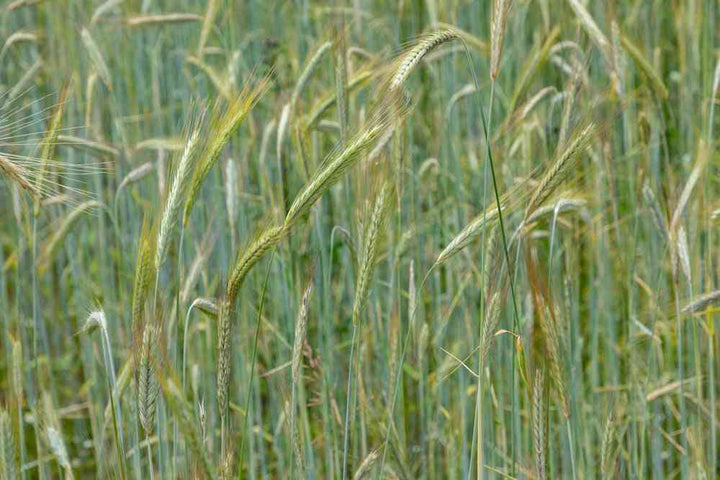
Select several healthy, true-to-type Japanese Buckwheat plants that match the expected upright/erect habit and overall plant form. Avoid saving seed only from the earliest or largest individual unless that is your deliberate selection goal. Pollination system: Grain or cover-crop seed system. Pollination biology differs: barley is largely self-pollinated, rye is wind-crossed, and buckwheat depends strongly on insects. Separate compatible varieties that may flower together, or use cages, barriers, hand pollination, or another documented control appropriate to the crop. Allow selected plants to pass the eating stage and reach full botanical seed maturity. Harvest only when seed heads, pods, or fruits have matured enough for sound seed development. Clean the seed carefully, dry it thoroughly away from direct heat, label the lot with variety and year, and store it cool, dark, and dry. Test germination before an important planting or distribution season.
Common problems
Common concerns: Damping-off, aphids, slugs, caterpillars, leaf spots, root rots, and stress-related bolting or poor establishment. Management: Start with clean seed and mix, match temperature to the crop, avoid overwatering, provide airflow, scout regularly, and rotate families. Diagnosis note: Similar symptoms can have different causes. Compare plants of the same age, record weather and irrigation, and use local Extension or diagnostic support before applying a control.
Frequently asked questions
Frequently Asked Questions - Japanese Buckwheat
When is Japanese Buckwheat ready? Use 70-79 Days. Approximately 70-79 Days, from direct sowing to flowering, cover-crop termination, or mature seed. Weather, soil temperature, and planting method can shift the actual harvest date.
How long does germination take? Expect 3-7 Days at about 55–70 °F. Cooler, hotter, crusted, saturated, or dry seedbeds can slow emergence.
How large does it grow? Expect about 31–36 in with an upright/erect habit. Space plants 4 in apart and rows 8 in apart. Support: No-Support.
Can it grow in a container? Medium to large container or in-ground bed; avoid crowding Use a container with drainage and enough volume to maintain the listed spacing and steady moisture.
Can I save seed? Grain or cover-crop seed system. Keep compatible varieties isolated and allow selected plants to reach full seed maturity.