Variety field guide
What to expect from Variegated Cat Grass Barley
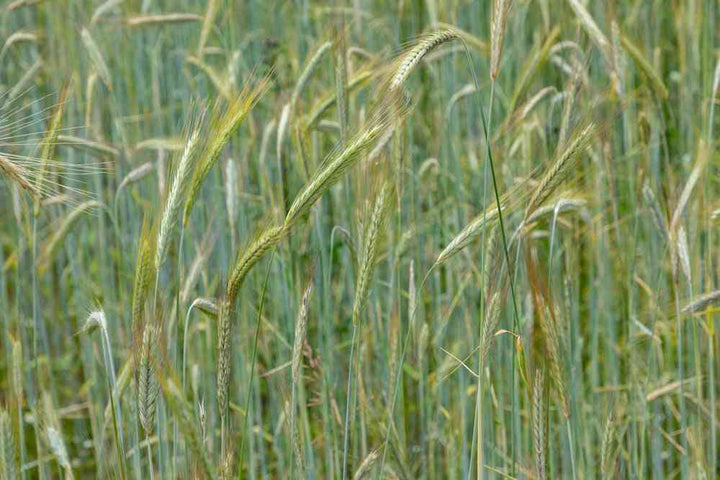
Variegated Cat Grass is an annual barley selection grown for cover cropping, soil protection, tender grass or grain use, and seed production.
Read the complete product descriptionTraits, flavor, garden use, variety notes, and the full catalog record
Variegated Cat Grass seeds produce a fast-growing, pet-friendly blend valued for its tender green blades, fresh appeal, and usefulness as a safe indoor or outdoor treat for cats. Gardeners and pet owners choose Variegated Cat Grass seeds for their quick sprouting, easy container growth, and the way they provide a fresh source of greens that can satisfy natural chewing instincts while adding lively color to windowsills, patios, and kitchen gardens. Variegated Cat Grass seeds are especially well suited to small-space growing, gift pots, pet households, and year-round sowing where quick, attractive results are desired.
About Variegated Cat Grass
Variegated Cat Grass is an annual selection of barley, with a clumping/tufted habit and an expected height or spread of 13–18 in. It is best suited to cover cropping, soil protection, tender grass or grain use, and seed production. Notable traits include terminate cover crops before unwanted reseeding or harvest grain only after full dry-down; use depends on whether the crop is grown for tender shoots, cover, forage, or mature grain. The barley species is clear, but the named ornamental strain and uniform variegation require lot documentation.
Variegated Cat Grass deserves a separate record because cultivar names can carry differences in harvest stage, plant form, flavor, or regional performance.
History and provenance
This grain or cover crop has a long agricultural history, but the goals of cover cropping, forage, tender shoots, and mature grain are different. The page therefore identifies the intended stage and does not convert field-scale seeding guidance into a false packet-level guarantee. The barley species is clear, but the named ornamental strain and uniform variegation require lot documentation. The exact identity or lineage of this seed lot should be confirmed from supplier records before making a stronger claim.
Growing facts
| Scientific name | Hordeum vulgare L. |
|---|---|
| Life cycle | Annual |
| Maturity | 30-39 Days |
| Germination | 3-7 Days at 50–65 °F |
| Seed depth | 1/2 in |
| Plant height / spread | 13–18 in |
| Growth habit | Clumping/Tufted |
| Spacing | 2 in between plants; 8 in between rows |
| Sunlight | Full sun |
| Soil | Loamy; pH 6.0–6.5 |
| Water | Moderate |
| Support | No-Support |
Starting Variegated Cat Grass from seed
Sow 1/2 in deep and keep the seed zone evenly moist. Expect emergence in 3-7 Days when the seed-zone temperature is near 50–65 °F. Germination preparation: Direct sow into a prepared, weed-free seedbed; avoid disturbing developing roots or dense stands. Light requirement: Cover evenly to 1/2 in. Soaking: None required. Stratification: None required. Scarification: None required.
Planting and care
Plant during spring/Fall and provide full sun. Space plants 2 in apart with 8 in between rows. Use loamy with a pH near 6.0–6.5, and follow a moderate watering plan. Support requirement: No-Support. Frost response: Semi-Hardy. Good container fit with drainage, even moisture, and the listed spacing
Harvest and use
Approximately 30-39 Days, from direct sowing to the listed tender-grass or grain stage. Weather, soil temperature, and planting method can shift the actual harvest date. Harvest: Terminate cover crops before unwanted reseeding or harvest grain only after full dry-down. Uses: Cover cropping, soil protection, tender grass or grain use, and seed production. Flavor: use depends on whether the crop is grown for tender shoots, cover, forage, or mature grain. Seed saving: Grain or cover-crop seed system. Best uses include cover cropping, soil protection, tender grass or grain use, and seed production. Flavor and eating quality: use depends on whether the crop is grown for tender shoots, cover, forage, or mature grain.
Saving seed
Select several healthy, true-to-type Variegated Cat Grass plants that match the expected clumping/tufted habit and overall plant form. Avoid saving seed only from the earliest or largest individual unless that is your deliberate selection goal. Pollination system: Grain or cover-crop seed system. Pollination biology differs: barley is largely self-pollinated, rye is wind-crossed, and buckwheat depends strongly on insects. Separate compatible varieties that may flower together, or use cages, barriers, hand pollination, or another documented control appropriate to the crop. Allow selected plants to pass the eating stage and reach full botanical seed maturity. Harvest only when seed heads, pods, or fruits have matured enough for sound seed development. Clean the seed carefully, dry it thoroughly away from direct heat, label the lot with variety and year, and store it cool, dark, and dry. Test germination before an important planting or distribution season.
Common problems
Common concerns: Bird feeding, seedling damping-off, rusts, smuts, aphids, and lodging where stands are overly lush or exposed. Management: Use clean seed, suitable planting density, rotation, timely termination or harvest, and field sanitation. Diagnosis note: Similar symptoms can have different causes. Compare plants of the same age, record weather and irrigation, and use local Extension or diagnostic support before applying a control.
Frequently asked questions
Frequently Asked Questions - Variegated Cat Grass
When is Variegated Cat Grass ready? Use 30-39 Days. Approximately 30-39 Days, from direct sowing to the listed tender-grass or grain stage. Weather, soil temperature, and planting method can shift the actual harvest date.
How long does germination take? Expect 3-7 Days at about 50–65 °F. Cooler, hotter, crusted, saturated, or dry seedbeds can slow emergence.
How large does it grow? Expect about 13–18 in with a clumping/tufted habit. Space plants 2 in apart and rows 8 in apart. Support: No-Support.
Can it grow in a container? Good container fit with drainage, even moisture, and the listed spacing Use a container with drainage and enough volume to maintain the listed spacing and steady moisture.
Can I save seed? Grain or cover-crop seed system. Keep compatible varieties isolated and allow selected plants to reach full seed maturity.