Crop rotation is easy on paper when a farm has many fields. It becomes more honest in a small garden, where tomatoes occupy the best sunny bed every year and three related brassicas can fill the rest.
The answer is not to abandon rotation. It is to use the space you have intelligently and stop pretending that moving a tomato six feet erases every risk.
Plant family is the starting point. Disease history, residue, root depth, season, containers, and resistant varieties complete the plan. Rotation reduces risk; it does not sterilize the garden.
Understand what small-garden crop rotation can and cannot do
Rotation separates a crop from pathogens, pests, and residue associated with its plant family. It can also spread nutrient demand and alternate root systems.
The benefit depends on the biology of the problem. Airborne spores can arrive from far away, while some soilborne pathogens decline only after several years without a host.
- Tomato, pepper, eggplant, and potato share the nightshade family.
- Broccoli, kale, cabbage, radish, and turnip are brassicas.
- Squash, cucumber, melon, and pumpkin are cucurbits.
Choose the method by the constraint that actually matters
Begin with the disease or pest you are trying to avoid. If no specific problem exists, a family-based rotation and regular organic-matter management are reasonable.
Containers create genuine separation only when contaminated media, stakes, and residue are also managed.
| Situation | Best starting choice | Why |
|---|---|---|
| Four or more beds | Rotate major families through separate beds | Easiest system to visualize |
| Two raised beds | Divide each bed into zones and rotate by family | Requires detailed records |
| Containers | Change crop family and refresh or replace media as needed | Containers can carry disease on reused soil and supports |
| One small bed | Use resistant varieties, sanitation, interseason crops, and maximum distance | Rotation alone cannot do all the work |
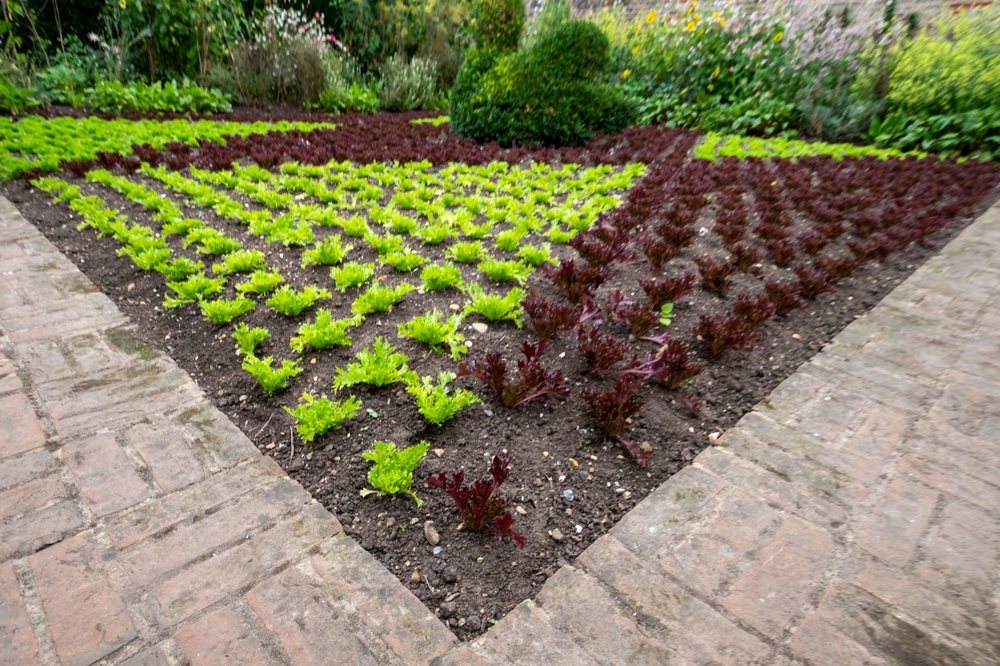
Set the system up in the right order
Map every bed and container by crop family.
- Record serious diseases and pest outbreaks.
- Move high-risk families as far as practical.
- Use unrelated cover crops or short successions between major crops.
- Clean stakes, cages, and tools when disease history warrants it.
Watch for the failure points
Rotation fails when crops are grouped by edible part instead of botanical family. “Leafy vegetable” can include lettuce, spinach, kale, and chard—four different family histories.
Another mistake is leaving diseased roots, vines, and stakes in place while moving only the next transplant.
- Do not rotate tomatoes into last year’s potato bed.
- Do not plant mustard cover crops before or after brassicas when disease rotation is the goal.
- Do not let volunteer plants bridge the host-free period.
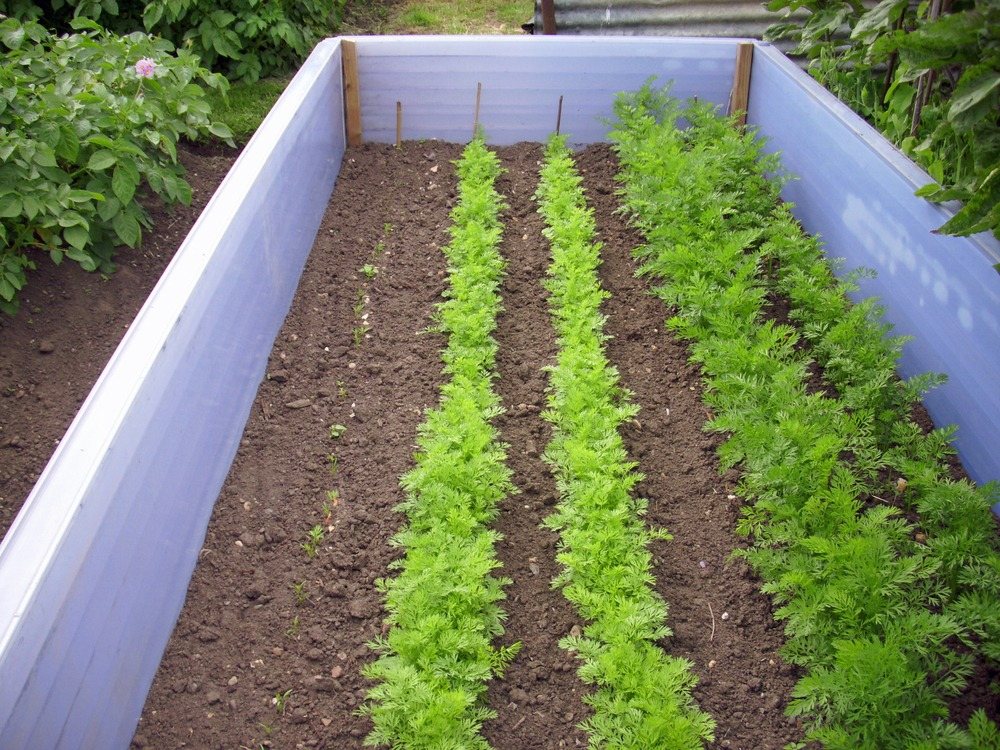
Adjust for North Carolina, Virginia, and the Mid-Atlantic
Long Mid-Atlantic growing seasons allow two or three crop cycles, which makes records more important. A spring radish and fall broccoli still count as brassicas in the same year.
Warm winters may let volunteer tomatoes, peppers, and weeds carry pests longer than expected.
Keep records that make the next season easier
Use a simple bed map with crop family, variety, dates, disease, and major amendments. Photographs at planting and harvest help when labels disappear.
Review the map before ordering seed, not after seedlings are ready.
Rotation is memory made visible. Without records, the garden quietly repeats itself.
Put this guide to work in a real garden
Put Crop Rotation for Small Gardens, Raised Beds, and Containers into a one-season plan before buying more inputs. Choose the variety or material, mark the bed or container, write the sowing or planting date, and decide what success will look like: first harvest, stem length, fruit set, bloom, survival, or control of spread.
Inspect on a schedule. Early problems are usually easier to correct because the crop has more season left and the cause has not been buried under secondary damage. Water, fertility, airflow, support, and harvest timing should be adjusted from the plant’s response rather than from a rigid weekly ritual.
At the end of the crop, keep the record honest. Note what performed, what merely survived, what required too much labor, and what deserves a larger planting next year. Experience becomes expertise only when it is remembered accurately.
- Choose the variety and define the intended use.
- Prepare soil, container, support, or irrigation before planting.
- Set a weekly inspection date.
- Harvest or prune at the stage described in the guide.
- Write a short end-of-season verdict.
Use a 30-day checkpoint instead of guesswork
Before planting
Choose the variety, site, support, soil preparation, and irrigation method while the bed is still easy to change.
First two weeks
Protect establishment. Watch moisture, light, wind, transplant shock, and early pest pressure.
At rapid growth
Adjust spacing, support, pruning, and fertility before the plant becomes difficult to handle.
At first harvest or bloom
Record quality, timing, labor, and the plant’s response. Use that evidence to guide the rest of the season.
A guide provides a sound starting system, not a guarantee. Cultivar, weather, soil history, and management interact, and the correct response may change as the plant moves from establishment to harvest.
Keep a one-season record
The record does not need to be elaborate. A notebook page, spreadsheet row, or labeled photograph is enough when it captures the variables that matter.
- Variety and source
- Planting date and location
- Water, fertility, and major weather events
- First harvest or bloom and total season length
- Problems, corrections, and next-year decision
Write enough that another grower—or you, one year later—could understand what was planted, what happened, and why the next decision changed.
Questions gardeners ask
How many years should I rotate crops?
Two to four years is a common goal, but the needed interval depends on the specific disease or pest. Some problems require longer or additional controls.
Can I rotate by heavy feeder, light feeder, and soil builder?
Nutrient demand matters, but botanical family is more useful for many pest and disease concerns. Use both where practical.
Do raised beds need rotation?
Yes. Bed borders do not stop soilborne problems or family-specific pest cycles.
Can I plant tomatoes in the same place if there was no disease?
Sometimes gardeners with limited space do so successfully, but risk accumulates. Use healthy transplants, sanitation, resistant varieties, and strong soil management.
Does adding compost reset a rotation?
No. Compost improves soil but does not automatically eliminate host-specific pathogens or pests.
Rotation is not a superstition about where vegetables are allowed to stand. It is a deliberate break in continuity, built from a map and a memory longer than one season.