Succession planting guide
Succession planting spreads sowing, transplanting, and crop replacement across the season so the garden produces in useful waves instead of one exhausting surge. It is not limited to planting the same crop every two weeks.
A complete succession plan uses four tools: repeated sowing of quick crops, replacing a finished crop with a different one, staging transplants while another crop still occupies the bed, and choosing varieties with different maturity windows.
The work is mostly arithmetic and attention. Count backward from heat, frost, and expected harvest, then leave room for the fact that days shorten and plants slow down.
A garden can be abundant and still badly timed. Forty heads of lettuce on one hot afternoon are not the same thing as six weeks of salad.
Choose the succession method that matches the crop
| Method | Example | Best use |
|---|---|---|
| Staggered sowing | Radish or lettuce every 10 to 14 days | Short harvest windows |
| Variety sequence | Early, midseason, and late corn | One planting date with spread maturity |
| Crop replacement | Peas followed by beans, then fall greens | Keeping the bed occupied |
| Staged transplants | Brassica plugs ready as summer crops finish | Capturing a narrow seasonal window |
The method should reduce risk and labor. Planting the same full row every week can simply create repeated excess. Scale each sowing to what the household or market can use.
Plan backward from the eating date and the ending weather
- Choose the desired harvest period.
- Subtract the listed days to maturity.
- Add establishment time for transplant recovery or slow germination.
- Add extra time for shortening fall days.
- Check the likely heat or frost boundary.
- Reserve the bed before the current crop overruns it.
Days to maturity are usually counted from sowing for direct-sown crops and often from transplanting for transplants. Read the variety description. Then add judgment. A September carrot does not develop at the speed of a May carrot.
As light declines, many crops need additional time beyond the packet estimate. Late sowings should be made earlier than simple calendar subtraction suggests.
Stagger the crops that truly benefit
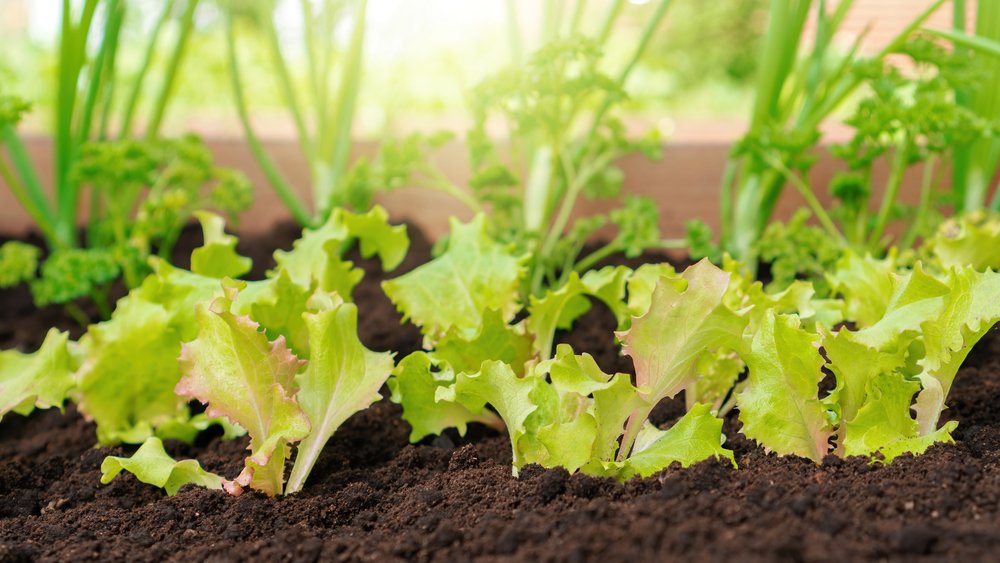
Radishes, baby turnips, lettuce, cilantro, arugula, bush beans, sweet corn, and many cut flowers can benefit from repeated sowing. Long-lived tomatoes, peppers, pole beans, and indeterminate cucumbers may need replacement only when disease or season ends their usefulness.
Small sowings are easier to protect from heat, flea beetles, and irregular rain. They also allow the gardener to change course after seeing how much a family actually eats.
Prepare the next crop before the bed is empty
Start fall brassicas, lettuce, and some herbs in protected trays while summer crops are still producing. Keep pot sizes and transplant age under control. A plant held too long becomes another problem waiting for space.
When a crop finishes, remove diseased residue, harvest roots, loosen only what needs loosening, add modest compost if indicated, irrigate, and plant again. A week of delay can erase the fall window.
When a bed has serious soilborne disease, nematode pressure, or a heavy pest population, crop replacement should also consider plant family and sanitation, not just open space.
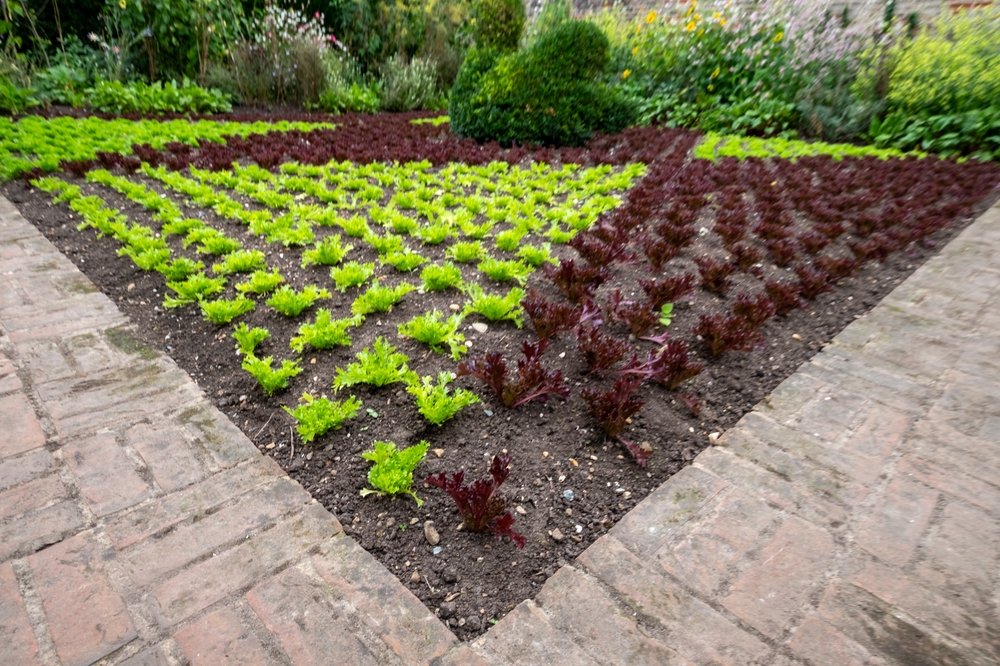
Use a realistic bed schedule
| Window | Crop | Next move |
|---|---|---|
| Late winter to spring | Peas or spinach | Remove before severe heat; prepare for warm crop |
| Late spring to summer | Bush beans or cucumbers | Use repeated sowings or one productive stand |
| Late summer to fall | Carrots, beets, brassicas, lettuce | Protect germination from heat and keep moisture even |
| Winter where climate allows | Garlic, onions, cover crop, or protected greens | Match the choice to drainage and winter exposure |
A good succession leaves time for harvest and cleanup. A paper plan that assumes one crop vanishes the morning the next is ready will fail in a real garden.
Keep records that improve the next sequence
Record sowing date, emergence date, first harvest, final harvest, bed, variety, weather, and yield. The first year provides guesses. The second year can provide a local calendar.
Note how long a crop occupies space after the first harvest. Bush beans may keep producing. Radishes may be finished in one pull. Broccoli may offer side shoots worth keeping. Succession depends on when the bed is truly available.
Adjust the rhythm across the Mid-Atlantic
Coastal gardens often have a long fall but severe late-summer heat. Mountain gardens may have cooler sowing conditions but an earlier frost. Piedmont gardens sit between them and can swing sharply with elevation and exposure.
In August, shade cloth, shallow irrigation, and indoor transplant staging may matter more than the seed packet. In spring, wet soil can delay the first sowing even when air temperatures look favorable.
Questions gardeners ask
How often should I sow lettuce?
Small sowings every one to three weeks can work, but adjust for heat, variety, and how much lettuce you actually use.
Can I succession-plant tomatoes?
Yes, especially determinate or disease-prone plantings, but long-lived indeterminate plants often occupy a bed for the main season.
Why does my fall crop mature late?
Shorter days, cooler temperatures, heat-delayed germination, and transplant stress all add time.
Do I need a separate bed for every succession?
No. The point is planned turnover. One bed can carry several crops in sequence if fertility, pests, and timing are managed.
What is the easiest first succession crop?
Radishes, lettuce, bush beans, and cilantro are useful because their harvest windows are easy to observe and adjust.