Amaranth growing guide
Amaranth is often sold as though every variety were interchangeable. It is not. Some types are selected for tender leaves, some for pale grain, some for dramatic flower heads, and some for a useful compromise between food and beauty. The first decision is therefore not how deep to sow. It is what harvest you are actually trying to produce.
In a warm garden, amaranth can move from a dusting of tiny seed to shoulder-high plants with startling speed. That speed rewards clean seedbeds and early thinning. It also punishes delay. A crowded row becomes woody, shaded, and difficult to harvest before the gardener has finished admiring it.
This guide treats amaranth as a crop rather than a curiosity. It covers leaf harvest, grain production, ornamental use, seed saving, and the distinction between cultivated amaranth and weedy pigweeds that should not be allowed to seed unchecked.
Amaranth grows with the confidence of a crop that remembers poor soil and hard seasons. That vigor is useful, but it means the gardener must decide early whether the goal is leaves, grain, flowers, or clean seed.
Choose the amaranth that matches the harvest
| Type | Best use | What to look for |
|---|---|---|
| Leaf amaranth | Repeated harvests of tender greens | Fast regrowth, broad leaves, fine stems, good color retention |
| Grain amaranth | Dry seed for cooking, popping, or saving | Large upright seed heads, pale seed, synchronized maturity |
| Ornamental amaranth | Cut flowers, dried arrangements, landscape color | Strong stems, dramatic upright or trailing inflorescences |
| Dual-purpose type | Young greens followed by flowers or seed | Good leaf quality early and a dependable mature head later |
Use the variety description, not the photograph alone. A dark red ornamental may produce edible young leaves, but that does not make it the best choice for repeated green harvest. A grain type may look plain at first and still outperform a decorative variety when the heads are threshed.
Pigweeds belong to the same genus and can produce enormous numbers of seed. Learn the leaf, stem, and flower-head character of the variety you planted, and remove volunteer plants of uncertain identity before they mature.
Sow shallowly after the soil has warmed
Amaranth seed is small. A fine, firm seedbed gives better contact than a rough bed filled with clods and deep cracks. Sow on the surface or barely cover, press gently, and water with a fine spray so the seed stays where it was placed.
- Wait until frost danger has passed and the soil is reliably warm.
- Prepare a weed-free strip and break only the surface crust.
- Sow thinly, then firm the seed into the soil.
- Keep the upper layer evenly moist until emergence.
- Thin early while roots and stems are still small.
For greens, plants can be spaced closer and harvested young. For grain or large flower heads, give each plant more room so the stem thickens and the head receives light and air. Nitrogen can drive useful leaf growth, but excess fertility may produce tall, soft plants that lodge in wind or delay seed maturity.
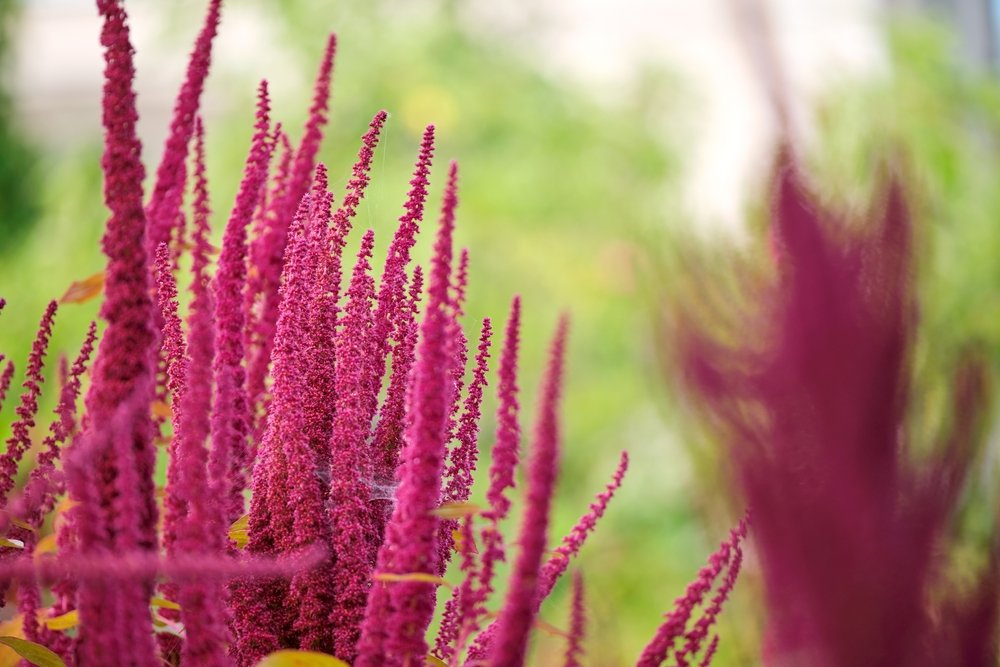
Harvest leaves before the plant turns coarse
Begin with clean young leaves and tender tips. Harvesting a few leaves from each plant preserves regrowth; cutting the whole plant above a low node produces a larger one-time harvest and may allow a second flush in warm conditions.
The flavor and texture change as the stem lengthens. Once the plant commits to a large seed head, new leaves become smaller and the older leaves become more fibrous. The sensible harvest window is not determined by height alone. It is determined by whether the stem still bends easily and whether the leaf remains pleasant after cooking.
- Harvest after dew has dried.
- Use clean tools and avoid plants exposed to drift or unknown treatments.
- Cool leaves promptly after cutting.
- Wash only when you are ready to use them, unless your handling system requires otherwise.
Manage height, water, and flowering
Established amaranth tolerates dry spells better than a shallow-rooted seedling, but steady moisture produces more even leaves and grain fill. Deep, less frequent watering is usually better than constant wetting of the surface after the crop is established.
Tall varieties may need protection from wind, especially in loose raised-bed mixes. A broad planting block can support itself better than a single exposed row. Where seed saving matters, mark the healthiest plants before harvest pressure or storm damage changes your judgment.
A plant can survive drought and still give a poor harvest. Survival is the lowest standard in the garden; quality requires steadier water, reasonable fertility, and enough space for the intended use.
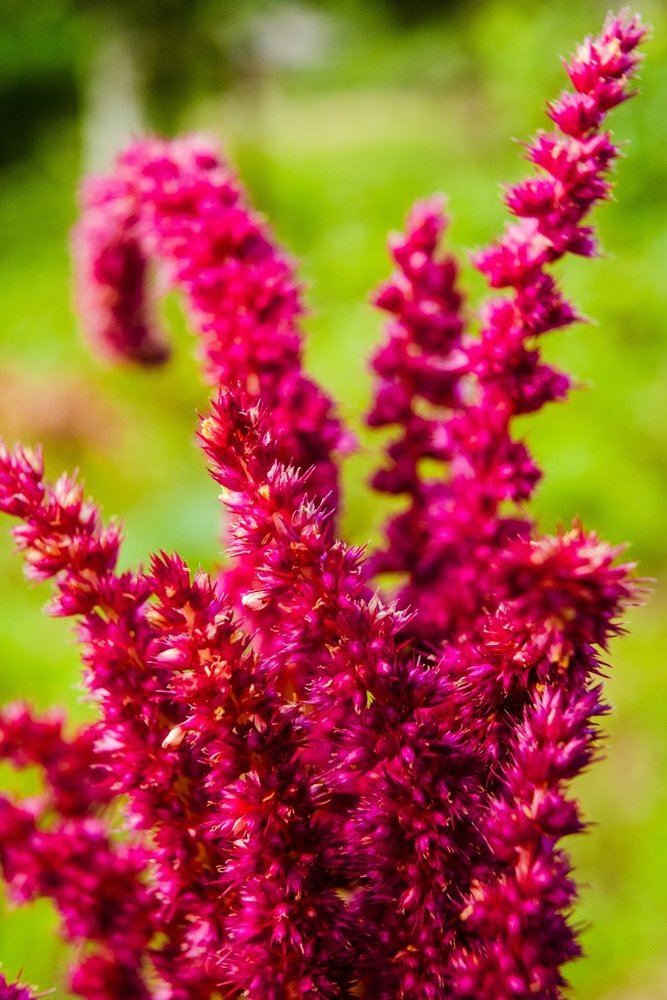
Harvest grain and save seed only when heads are dry
Test maturity by rubbing a small section of the head over a clean tray. Mature seed releases with firm rubbing and feels hard, not milky. Cut heads during dry weather and finish drying them under cover with airflow before threshing.
Screening removes large chaff; winnowing removes lighter material. Work in small batches until the air setting is gentle enough to keep seed while carrying away debris. Store only fully dry seed in a labeled container with the variety, year, and location.
- Select plants that are true to type.
- Avoid saving from weak, diseased, or badly lodged plants.
- Keep seed lots separate during drying and cleaning.
- Expect crossing where compatible amaranth varieties flower together.
- Control volunteers the following season if varietal purity matters.
Troubleshoot the problems that cost the crop
| Symptom | Likely cause | Best response |
|---|---|---|
| Patchy emergence | Seed buried too deeply, crusting, drying, or washout | Resow shallowly into a firm surface and use gentler irrigation |
| Tall weak stems | Crowding, shade, or excess nitrogen | Thin, increase light, and avoid another heavy feeding |
| Leaf holes on seedlings | Flea beetles or other chewing insects | Confirm the pest and protect the young stage first |
| Heads mold before harvest | Dense planting, rain, or poor airflow | Harvest mature heads during a dry interval and finish drying under cover |
| Many volunteer plants next year | Seed shattered before harvest or chaff was discarded nearby | Collect earlier and manage volunteers before flowering |
When a problem appears, look at the pattern. One damaged plant is different from an entire row failing at the same soil line. The pattern tells you whether to investigate seed depth, irrigation, insects, fertility, or the seed lot itself.
Adapt the crop to the Mid-Atlantic and Upper South
In eastern North Carolina and the warmer coastal plain, amaranth can be direct sown after spring warmth settles in and may continue until frost if moisture is adequate. Piedmont and Virginia gardens often have a slightly shorter but still generous season. Mountain growers should choose earlier grain types or start a modest number of transplants without allowing roots to bind.
High humidity makes spacing and dry harvest weather more important. Grain heads that would dry standing in an arid climate may need to be cut and finished under cover here. The crop is forgiving, but the harvest still belongs to the gardener who watches the weather.
Questions gardeners ask
Can I eat ornamental amaranth leaves?
Many cultivated Amaranthus leaves are edible when young, but identify the species and variety first and use plants grown without inappropriate treatments. Ornamental quality does not automatically mean good eating quality.
Does amaranth need to be started indoors?
Usually no in a warm-season garden. Direct sowing is simple once soil is warm. Transplants are useful where the season is short, but they should be moved before becoming root-bound.
How close can I plant leaf amaranth?
Leaf types can be grown closely and thinned for food. Grain and ornamental types need wider spacing so stems and heads develop without lodging.
When is amaranth grain ready?
The seed should release from a dry head with rubbing and feel hard. Finish drying under cover before threshing and storage.
Will amaranth cross with other varieties?
Compatible amaranths flowering nearby can cross. Separate varieties by distance or flowering time when maintaining a seed line matters.